
From Clans to Kingdoms: The Intricate Path to Social Hierarchy in the Andes

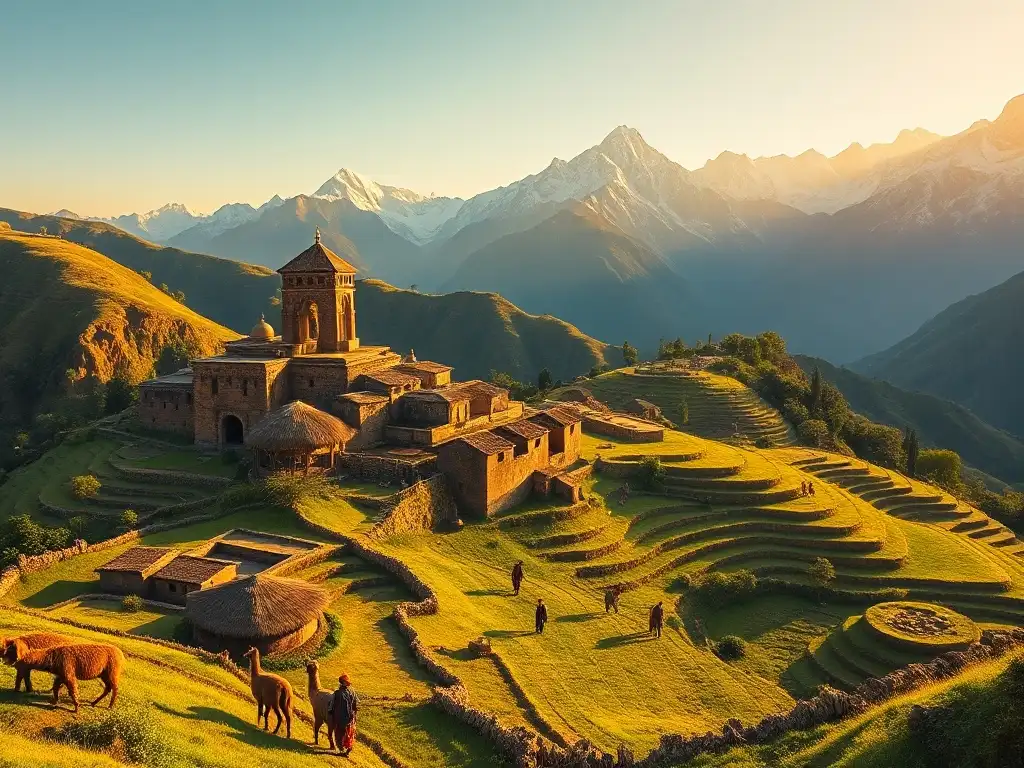
Dive into the captivating world of the Andes, where towering mountains mirrored the complex social structures of ancient civilizations. For centuries, societies evolved from humble clans into mighty kingdoms, a journey shaped by innovation, conquest, and the intricate dance of power. Unravel the mysteries behind the Andean social hierarchy development, a story of shifting alliances, religious beliefs, and the relentless pursuit of dominance. Prepare to be amazed by the ingenuity and resilience of these remarkable cultures – and discover how their legacy continues to resonate today.
- From Clans to Kingdoms: The Intricate Path to Andean Social Hierarchy Development
- The Foundation: Early Andean Communities and Social Structures
- The Rise of Complexity: Chiefdoms and Early Andean Social Stratification
- The Andean Social Hierarchy Development: From Chiefdoms to States
- The Emergence of Larger Andean Societies and Elaborate Hierarchical Systems
- Andean Social Hierarchy in the Moche and Nazca Societies
- Andean Social Hierarchy in the Tiahuanaco and Wari Empires
- The Inca Empire: The Pinnacle of Andean Social Hierarchy
- The Legacy of Andean Social Hierarchy: Continuity and Change
- Conclusion: Understanding the Complex Trajectory of Andean Social Hierarchy Development
-
Frequently Asked Questions
- What factors contributed to the development of social hierarchy in Andean civilizations?
- How did the Inca social structure compare to that of other Andean cultures?
- What role did religion play in shaping Andean social hierarchy?
- How did the concept of ayllu influence Andean social organization?
- Did social mobility exist within Andean societies?
- Final Reflection: Echoes of the Andes: Hierarchy's Enduring Legacy
- Uncover Your Place in the Rich Tapestry of Andean History!
The Andes Mountains, a spine of towering peaks and fertile valleys, witnessed the rise and fall of numerous sophisticated civilizations. Understanding the development of Andean social hierarchy is key to unlocking the secrets of their remarkable achievements in agriculture, engineering, and governance.
This journey from small, kinship-based clans to vast, stratified kingdoms wasn't a linear progression but a complex process shaped by environmental factors, technological innovations, and shifting power dynamics. This article explores the intricate path of Andean social hierarchy development, examining the key transitions and the factors that propelled these societies towards increasingly complex social structures.
We will delve into the diverse strategies employed by different Andean cultures, highlighting the common threads and unique characteristics that defined their social organization. The evolution of Andean social hierarchy is a fascinating case study in the development of complex societies, offering valuable insights into the dynamics of power, social control, and the enduring legacy of these remarkable civilizations.
The Early Stages: Kinship and Reciprocity
The earliest Andean societies were organized around kinship ties. Small, relatively egalitarian clans, bound by shared ancestry and reciprocal obligations, formed the basic social unit. Subsistence was largely based on agriculture, with communities cooperating in tasks like irrigation and harvesting. Social standing was likely determined by age, gender, and skill, with elders often holding positions of respect and authority.
Archaeological evidence suggests a relatively fluid social structure, with limited evidence of significant social stratification during this period. The development of sophisticated agricultural techniques, such as terracing and irrigation, played a crucial role in supporting larger, more sedentary populations, laying the groundwork for future social complexity. The increasing productivity of these early agricultural systems fostered a surplus of resources, which in turn, created the conditions for social differentiation and the emergence of more hierarchical structures.
The Rise of Elites and Specialized Labor
As Andean societies grew and became more complex, specialized labor emerged. This specialization led to the development of distinct social classes. Individuals with specialized skills, such as artisans, priests, and warriors, gained prominence and influence. The accumulation of wealth, often in the form of agricultural surplus or crafted goods, further contributed to the rise of elites.
These elites, often claiming divine ancestry or special religious authority, gradually consolidated power and established themselves as a distinct social stratum. The emergence of monumental architecture, such as ceremonial centers and tombs, further demonstrates the growing power and influence of these ruling classes. We can see evidence of this shift in the increasing size and complexity of settlements, as well as in the distinct burial practices and grave goods associated with elite individuals.
The Development of State-Level Societies
The transition to state-level societies in the Andes involved the consolidation of power under centralized authorities. This process often involved warfare and the conquest of neighboring groups. Powerful rulers, backed by military force and religious legitimacy, established control over vast territories and populations. The Inca Empire, arguably the most well-known example, is a prime illustration of this advanced stage of social hierarchy.
However, it is crucial to remember that the Inca social structure was not unique, but rather represented the culmination of a long and complex process of development that had been underway for millennia. Other Andean civilizations, such as the Wari and Tiwanaku, also developed sophisticated state-level societies with hierarchical social structures, albeit with variations in their specific organizational principles. The Inca system, however, reached a level of sophistication and control that was unparalleled in the Andean region.
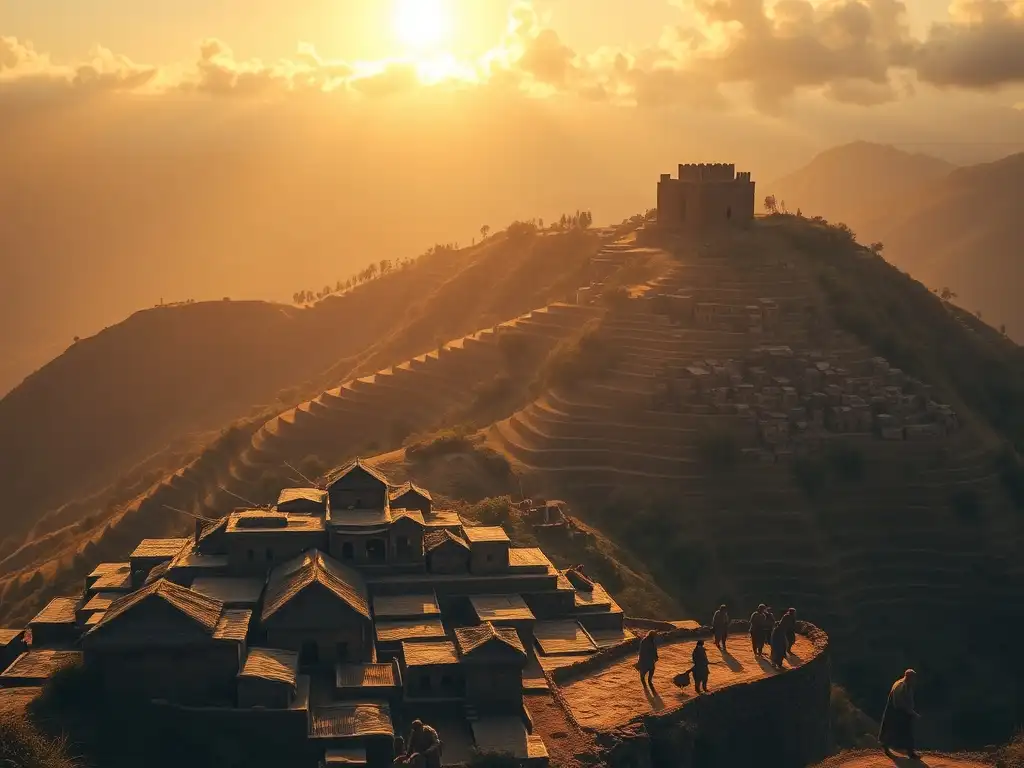
The maintenance of social order in these complex Andean societies relied on a combination of coercion and ideology. The ruling elite employed various methods to control the population, including taxation, conscription into labor projects ( mita), and the enforcement of strict social codes. Religious ideology played a crucial role in legitimizing the power of the ruling class. Elaborate religious rituals, myths, and beliefs helped to maintain social cohesion and reinforce the existing social hierarchy.
The construction of monumental architecture, such as temples and palaces, served not only as symbols of power but also as powerful tools of ideological control. The imagery and symbolism employed in these structures often reinforced the legitimacy of the ruling class and the existing social order. The pervasive nature of state ideology helped to ensure the stability of the Andean social hierarchies for centuries.
The collapse of Andean empires was not a singular event, but rather a series of complex processes that varied across different regions and time periods. Factors such as internal strife, environmental changes, and external pressures all contributed to the weakening and eventual demise of these powerful states. The collapse of these empires did not, however, signify the end of social hierarchy in the Andes.
Rather, it marked a period of significant transformation and adaptation. The legacy of Andean social organization, however, continues to resonate in the cultural practices and social structures of the Andean region today. The complex interplay between kinship, hierarchy, and ideology continues to shape the social landscape of the Andes, highlighting the enduring impact of these ancient civilizations.
This section delves into the foundational social structures that predate the sophisticated hierarchical systems of later Andean civilizations. Understanding these early communities is crucial for comprehending the gradual development of complex Andean social hierarchy. We'll explore the shift from kinship-based societies to more stratified systems, highlighting the pivotal role of agriculture and the emergence of village life. The analysis focuses on the gradual evolution of Andean social hierarchy, demonstrating the intricate processes involved in its development.
Kinship-Based Societies in the Preceramic Period
The preceramic period (circa 8000-1800 BCE) in the Andes witnessed the initial development of human settlements. Social organization during this era was primarily based on kinship ties. Small, egalitarian bands, likely comprised of extended families, formed the core social units.
Archaeological evidence suggests a relatively equal distribution of resources and power within these groups. While some individuals may have held greater prestige due to hunting prowess or shamanistic abilities, formal hierarchies were largely absent. The focus was on cooperation and reciprocity within the kinship network, ensuring survival in a challenging environment.
This period lays the groundwork for understanding the subsequent evolution of Andean social hierarchy, illustrating the initial absence of formalized power structures. The emphasis on kinship and community laid the foundation upon which later, more complex social structures would be built. Further research into preceramic burial practices and artifact distribution could offer more precise insights into the nuances of social organization during this period.
The introduction of agriculture around 4000 BCE marked a turning point in Andean social organization. The shift from nomadic foraging to settled agricultural practices led to significant changes in population density, resource control, and social structure. The development of irrigation systems, for example, required coordinated labor and potentially led to the emergence of individuals or groups responsible for overseeing such projects – a nascent form of leadership.
Increased food production resulted in surplus, which could be stored and potentially controlled by certain individuals or families, creating a basis for social stratification. The control of land and water resources became increasingly important, influencing the distribution of power and wealth within communities.
This agricultural revolution is a key factor in the development of Andean social hierarchy, marking a clear transition towards more complex social arrangements. Specific studies on the distribution of agricultural products and tools in early Andean settlements would provide valuable data to further refine our understanding of this transformative period.
The development of agriculture facilitated the growth of larger, more permanent settlements – villages. This shift from small, mobile bands to sedentary village life further spurred social differentiation. As communities grew, so did the complexity of social interactions and the need for social organization.
The specialization of labor, with some individuals focusing on agriculture, others on craft production, or other specialized skills, contributed to the emergence of different social roles and statuses. This specialization, coupled with the control of resources, likely led to the initial formation of social hierarchies, with some individuals or lineages accumulating more power and prestige than others. The architecture of early Andean villages, such as the size and complexity of dwellings, could potentially reflect variations in social status.
Detailed analysis of ceramic styles and grave goods also provides insights into the emerging social inequalities within these early village communities. The emergence of village life is a critical stage in the gradual development of Andean social hierarchy, marking the transition from egalitarian societies to more stratified social structures. Further research focusing on the interplay between agricultural practices, settlement patterns, and artifact analysis is essential for a more complete understanding of this process.
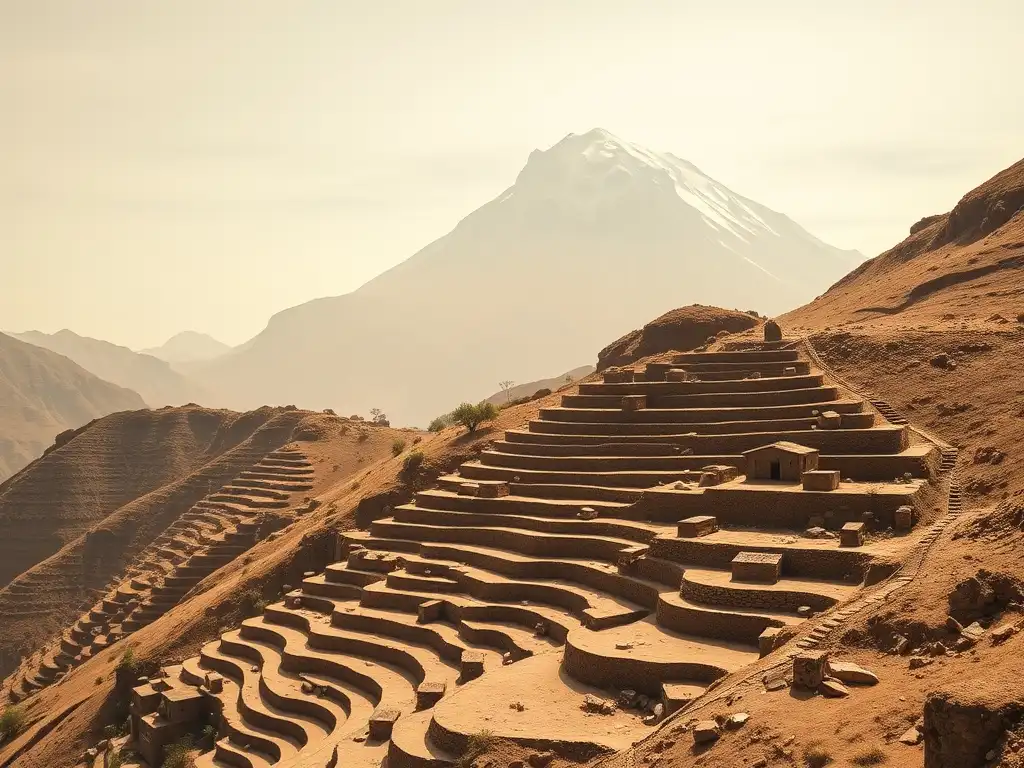
The development of Andean social hierarchy wasn't a sudden event, but a gradual process spanning millennia. Understanding this intricate path requires examining the transition from smaller, egalitarian bands to increasingly complex chiefdoms and, eventually, larger, stratified kingdoms. This section focuses on the crucial role of chiefdoms in laying the foundation for the elaborate social structures that characterized later Andean civilizations.
The emergence of chiefdoms marked a significant shift in Andean social organization, paving the way for the sophisticated hierarchies seen in societies like the Inca. This evolution wasn't uniform across the Andes; different regions developed at varying paces, influenced by diverse environmental factors and cultural interactions.
The Development of Regional Chiefdoms in the Andes
The rise of chiefdoms in the Andes is linked to several factors, including increased agricultural productivity, population growth, and the need for more effective resource management. Archaeological evidence suggests that by the Late Preceramic period (circa 1800-1000 BCE), certain settlements were starting to exhibit signs of social differentiation. These early chiefdoms weren't necessarily characterized by extreme wealth disparities but rather by the emergence of individuals or lineages holding greater authority and influence than others. This authority was often based on a combination of factors, including:
- Religious leadership: Shamans and priests played a crucial role in early Andean societies, potentially wielding significant power due to their perceived connection to the supernatural. Their influence could have facilitated the concentration of resources and labor.
- Control of resources: Access to fertile land, water sources, and other essential resources gave certain groups an advantage, allowing them to accumulate wealth and influence. This control could have been achieved through strategic alliances or outright conquest.
- Military prowess: In certain regions, military strength played a pivotal role in consolidating power. Groups capable of defending their territories and expanding their influence would have been in a better position to establish dominance.
The development of regional chiefdoms wasn't a uniform process. For instance, the coastal regions, with their rich marine resources, saw different trajectories of development compared to the highland areas, where agriculture was the primary economic activity. This variation highlights the importance of considering regional contexts when studying Andean social hierarchy development. Further research on specific sites is needed to fully understand the nuances of this complex process. We need more data on the specific mechanisms of power consolidation in each region to paint a more complete picture.
The Formative Period (circa 1000 BCE – 200 CE) witnessed a significant increase in social complexity across the Andes. This period is characterized by the appearance of larger settlements, monumental architecture, and sophisticated technologies, all indicative of more centralized political and economic organization. Examining archaeological sites from this era provides valuable insights into the structure of Andean societies.
Let's consider two examples:
| Site | Region | Evidence of Social Stratification |
|---|---|---|
| Caral-Supe | Norte Chico | Large-scale public works, specialized labor, evidence of elite residences. |
| Chavín de Huántar | Central Andes | Monumental architecture, elaborate iconography, suggesting a powerful religious center. |
The presence of monumental architecture, such as the massive platforms at Caral and the intricate temples at Chavín, suggests the mobilization of large labor forces and a hierarchical structure capable of organizing and directing such projects. The existence of specialized crafts, such as pottery and textiles, further indicates a degree of social differentiation, with some individuals specializing in non-subsistence activities. The distribution of artifacts and grave goods also provides clues about social status, with certain individuals buried with more elaborate offerings than others.
However, more detailed analysis is required to fully understand the nature and extent of social inequality during this period. Further investigation into burial patterns and artifact distribution within various sites is needed to clarify the nuances of social stratification.
Power Consolidation and the Creation of Hereditary Elites
The late Formative and Early Intermediate periods witnessed the consolidation of power in the hands of hereditary elites. This development is marked by the emergence of state-level societies characterized by centralized political systems, complex bureaucracies, and elaborate religious ideologies. The transition to hereditary elites was a crucial step in the development of Andean social hierarchy, creating a system where power was passed down through generations, solidifying the social order and creating significant inequalities.
Several factors contributed to this process:
- Control of irrigation systems: In many Andean regions, access to water was crucial for agricultural production. Control over irrigation systems became a key source of power, enabling elites to control food production and distribution.
- Religious authority: Religious leaders continued to play a significant role, often legitimizing the power of the ruling elite through elaborate rituals and ceremonies. This religious authority reinforced the social hierarchy, making the elite's position seem divinely ordained.
- Military expansion: As states expanded their territories, military power became increasingly important, further consolidating the power of the ruling class. Military success reinforced the elite's legitimacy and authority.
The creation of hereditary elites resulted in a highly stratified society, with significant disparities in wealth, status, and access to resources. This complex social structure laid the foundation for the even more elaborate hierarchies that would characterize later Andean empires, such as the Inca. The precise mechanisms by which hereditary elites gained and maintained power vary across different regions and time periods, making further detailed research crucial for a complete understanding of Andean social hierarchy development. More research is needed on the role of kinship and marriage in consolidating elite power.
The development of Andean social hierarchy wasn't a sudden event but a gradual process spanning millennia, evolving from relatively egalitarian clan structures to highly stratified state societies. Understanding this intricate path requires examining the interplay of various factors, including environmental pressures, technological advancements, and ideological shifts. The keyword "Andean social hierarchy development" encapsulates this complex journey, highlighting the dynamic nature of social organization in the Andes. This section will explore key transitions and contributing elements in this fascinating historical process.
The Transition from Chiefdoms to Early States
The transition from chiefdoms to early states in the Andes represents a crucial turning point in the development of Andean social hierarchy. Chiefdoms, characterized by a hereditary chief with limited authority, gradually gave way to more centralized and complex state structures. This transition wasn't uniform across all Andean cultures; different regions experienced this shift at varying paces and in unique ways.
For instance, the emergence of the Moche state in the northern coast differed significantly from the gradual development of the Tiwanaku state in the altiplano. One crucial factor was the ability to control and manage increasingly complex irrigation systems. Larger-scale irrigation projects required centralized organization and labor mobilization, empowering leaders to consolidate power and establish more hierarchical social structures.
This control over vital resources became a cornerstone of state power, creating a more pronounced social stratification. Furthermore, the development of specialized crafts and long-distance trade networks further contributed to the concentration of wealth and power in the hands of elites. The increasing complexity of administration and the need for specialized roles, such as priests, scribes, and artisans, solidified the hierarchical structure.
The rise of early states in the Andes led to a significant increase in social stratification and class division. While chiefdoms exhibited some social differentiation, the emergence of states dramatically amplified these distinctions. Evidence from archaeological excavations reveals a clear hierarchy, with elites occupying the apex, followed by various tiers of artisans, farmers, and laborers. The elite class often controlled access to land, resources, and religious power.
Their status was reinforced through elaborate burial practices, ornate clothing, and exclusive access to luxury goods. For example, the Moche elite are known for their extravagant tombs filled with gold artifacts and human sacrifices, showcasing their immense power and wealth. Conversely, the commoners lived simpler lives, focused on agricultural production and other essential tasks.
The social stratification wasn't rigid; some individuals could achieve upward mobility through military prowess, religious service, or exceptional craftsmanship. However, the overall structure remained hierarchical, with limited social mobility for the majority. This social hierarchy was not only economically based but also deeply intertwined with religious beliefs and political power, creating a complex and dynamic system.
Religious and Ideological Factors in the Rise of Andean Hierarchies
Religious beliefs played a crucial role in shaping and legitimizing Andean social hierarchies. The Andean worldview emphasized a complex relationship between the human and supernatural worlds, with rulers often claiming divine ancestry or a special connection to the gods. This divine right to rule solidified their position at the top of the social hierarchy.
Religious rituals, such as sacrifices and festivals, served to reinforce the authority of the elite and maintain social order. The construction of monumental architecture, such as temples and pyramids, further demonstrated the power of the ruling class and their control over labor and resources. Elaborate religious iconography, often depicting deities and rulers, emphasized the sacred nature of the hierarchy and reinforced the social order.
For instance, the Nazca lines, though their exact purpose is debated, are believed to have held significant religious importance, likely connected to rituals and the legitimization of elite power. The intricate system of religious beliefs and practices thus served as a powerful tool for maintaining and justifying the existing social hierarchy, demonstrating the deep entanglement of religion, politics, and social structure in ancient Andean societies. The Andean social hierarchy development was therefore not solely a matter of economic or political power, but also a deeply ingrained aspect of their cosmological beliefs and worldview.
The Emergence of Larger Andean Societies and Elaborate Hierarchical Systems
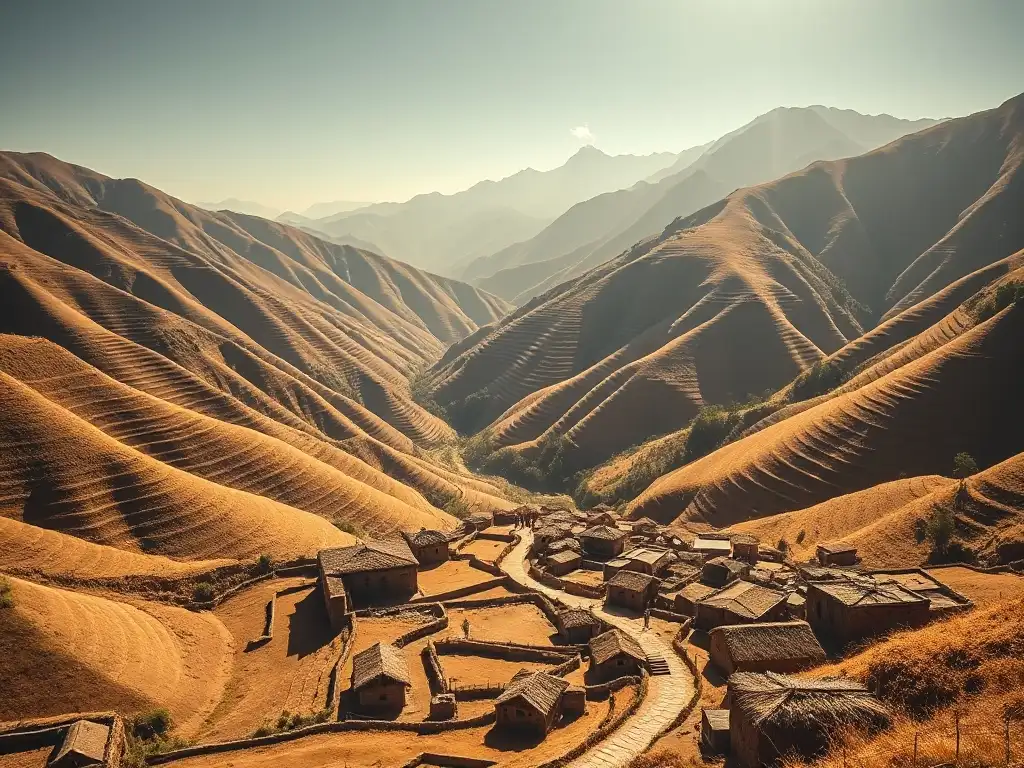
The development of complex social hierarchies in the Andes wasn't a sudden event, but rather a gradual process spanning millennia. Early Andean societies, characterized by small, relatively egalitarian kinship groups, underwent a significant transformation as populations grew and environmental pressures intensified. This shift towards larger, more stratified societies is intricately linked to several key factors, including advancements in agriculture, resource management, and military organization.
Understanding this evolution is crucial to grasping the nuances of Andean social hierarchy development. The transition from small-scale clan structures to powerful kingdoms involved a complex interplay of economic, political, and ideological forces, resulting in the sophisticated social systems observed in civilizations like the Inca. The intricate web of power and influence, carefully constructed over centuries, shaped the lives of millions across the Andes.
The control of water resources played a pivotal role in shaping Andean social structures. The development of sophisticated irrigation systems, particularly along the coast and in the valleys, allowed for increased agricultural productivity. This surplus of food wasn't equally distributed. Those who controlled the water—often elites or powerful lineages—gained significant economic and political power.
This control translated directly into social stratification. For example, evidence from the Nazca civilization suggests that elite lineages controlled access to prime agricultural lands and water sources, leading to their accumulation of wealth and influence. The construction and maintenance of these complex irrigation systems also required organized labor, further reinforcing the power of those who directed these projects. This system created a clear hierarchy, with those controlling the resources at the top and the agricultural workforce at the bottom.
The ability to manage and control water, therefore, was a fundamental factor in the Andean social hierarchy development. Studies of ancient canal systems and agricultural terraces reveal a clear correlation between irrigation infrastructure and the emergence of complex social organization. This highlights the importance of resource management in shaping power dynamics and social stratification across diverse Andean cultures.
Warfare played a significant, if often brutal, role in the development of Andean social hierarchies. Conquest and the expansion of territorial control frequently led to the subjugation of conquered populations and the consolidation of power in the hands of the victorious rulers. The Inca Empire, for instance, relied heavily on military expansion to consolidate its power and build its vast empire. The conquered peoples were incorporated into the Inca system, often serving as tribute payers and laborers.
This created a rigid hierarchical structure with the Inca emperor at the apex and various levels of nobility, commoners, and potentially enslaved populations beneath. The Moche culture also demonstrates the impact of warfare on social hierarchy. Their monumental architecture and elaborate burials suggest a highly stratified society likely maintained through military dominance and the control of resources acquired through conquest. The imagery on Moche pottery frequently depicts scenes of warfare and ritual sacrifice, further illustrating the importance of military power in their social structure.
The spoils of war, including land, labor, and valuable resources, were often concentrated in the hands of the ruling elite, solidifying their position within the social hierarchy. The Andean social hierarchy development, therefore, was significantly shaped by the dynamics of warfare and conquest. This continuous cycle of conflict and consolidation deeply impacted the social structures of various Andean societies.
The Development of Specialized Labor and Craft Production
The emergence of specialized labor and craft production further contributed to the complexity of Andean social hierarchies. As societies grew larger and more complex, the division of labor became more pronounced. This led to the development of specialized crafts such as pottery, weaving, metalworking, and stone carving. These specialized skills often became hereditary, with certain families or lineages holding a monopoly on particular crafts.
This created a hierarchy within the artisan class itself, with some artisans holding greater prestige and economic power than others. For example, the skilled artisans who created the intricate textiles and gold objects for the Inca elite occupied a relatively high position in the social hierarchy. The production of luxury goods, often reserved for the elite, reinforced the existing power structures and further solidified the social divisions. The creation of these sophisticated artifacts required specialized knowledge and skills, leading to the emergence of a skilled artisan class that held a significant role in the Andean social hierarchy development.
The close relationship between craft specialization and social status is clearly evidenced in the archaeological record. The distribution of high-quality artifacts and the location of workshops provide valuable insights into the economic and social organization of these ancient Andean societies. The intricate interplay between specialized labor and social status further shaped the complex social fabric of the Andean world.
This section delves into the fascinating social structures of two prominent pre-Columbian Andean cultures: the Moche and the Nazca. Understanding their hierarchical systems offers crucial insights into the development of complex societies in the Andes and illuminates the diverse paths towards social stratification within the region. We will examine the key features of their respective hierarchies, highlighting similarities and differences to better understand the broader context of Andean social hierarchy development.
The Moche civilization (c. 100-800 CE), known for its impressive artistry and sophisticated irrigation systems, exhibited a clearly defined social hierarchy. At the apex stood a powerful elite class, a fusion of warrior and priestly authority. Archaeological evidence, particularly the magnificent Moche portrait vessels depicting individuals in elaborate regalia, strongly suggests a stratified society. These depictions showcase individuals adorned with intricate jewelry, headdresses, and clothing, clearly marking their high social standing.
The Moche elite likely controlled access to resources, including fertile lands and water, crucial for agricultural production, the backbone of their economy. Their power was likely reinforced through religious ideology, with the elite acting as intermediaries between the gods and the common people. This control over resources and religious authority cemented their position at the top of the social pyramid.
Below the elite, the bulk of the population consisted of commoners—farmers, artisans, and laborers. Their lives were likely centered on agricultural activities and the production of goods necessary for the maintenance of the Moche state. While less visible in the archaeological record than the elite, their contribution to Moche society was undeniably vital.
Analysis of Moche settlements reveals a range of dwelling sizes and qualities, hinting at varying levels of wealth and status within the commoner class itself, suggesting a degree of internal social differentiation. Further research into burial practices and grave goods could provide more detailed information on this internal stratification.
The Nazca culture (c. 100 BCE – 600 CE), renowned for its enigmatic geoglyphs, presented a social structure that, while less explicitly documented than that of the Moche, reveals a hierarchical organization centered around ceremonial centers. The monumental architecture of these sites, including massive platforms and temples, points to a centralized power structure capable of mobilizing significant labor resources.
Unlike the Moche's apparent warrior-priest elite, the Nazca's leadership may have been more focused on religious authority. The elaborate rituals and ceremonies, evidenced by the discovery of numerous offerings and sacrificial remains in the ceremonial centers, suggest a strong religious component in maintaining social order. The scale and complexity of Nazca construction projects imply a sophisticated system of social organization, with specialized labor forces and a hierarchical system to coordinate their activities.
The absence of large-scale portraiture in Nazca art, unlike the Moche, makes identifying specific elite figures challenging. However, the presence of elaborate tombs containing rich grave goods in some contexts suggests a differentiated social hierarchy, with individuals enjoying significantly higher status than others. Further investigation into the social roles associated with these burials could illuminate the nature of Nazca leadership and the dynamics of their social structure. The precise nature of the social hierarchy within the Nazca remains a topic of ongoing research and debate.
Comparing the social hierarchies of the Moche and Nazca reveals both similarities and significant differences. Both civilizations exhibited clearly stratified societies, with elites controlling resources and wielding significant power. However, the nature of this elite power differed. The Moche elite seemingly combined military and religious authority, while the Nazca elite appears to have been more predominantly focused on religious leadership.
| Feature | Moche | Nazca |
|---|---|---|
| Elite Power | Warrior-Priest, Control over resources | Primarily Religious, Control over labor |
| Art Depictions | Explicit depictions of elite individuals | Less explicit, emphasis on ritual objects |
| Social Control | Possibly through military might and religion | Possibly through religious authority and control of labor |
| Economic Base | Intensive agriculture, craft production | Intensive agriculture, possibly textile production |
While both societies relied on intensive agriculture as their economic base, the precise mechanisms of social control and the nature of elite power differed, reflecting distinct paths in the development of complex Andean social structures. Further research, particularly focusing on comparative analysis of settlement patterns and burial practices, could provide a more nuanced understanding of the intricacies of Andean social hierarchy development within these two fascinating civilizations. The study of these societies underscores the diversity of approaches to social organization within the broader context of Andean civilization.
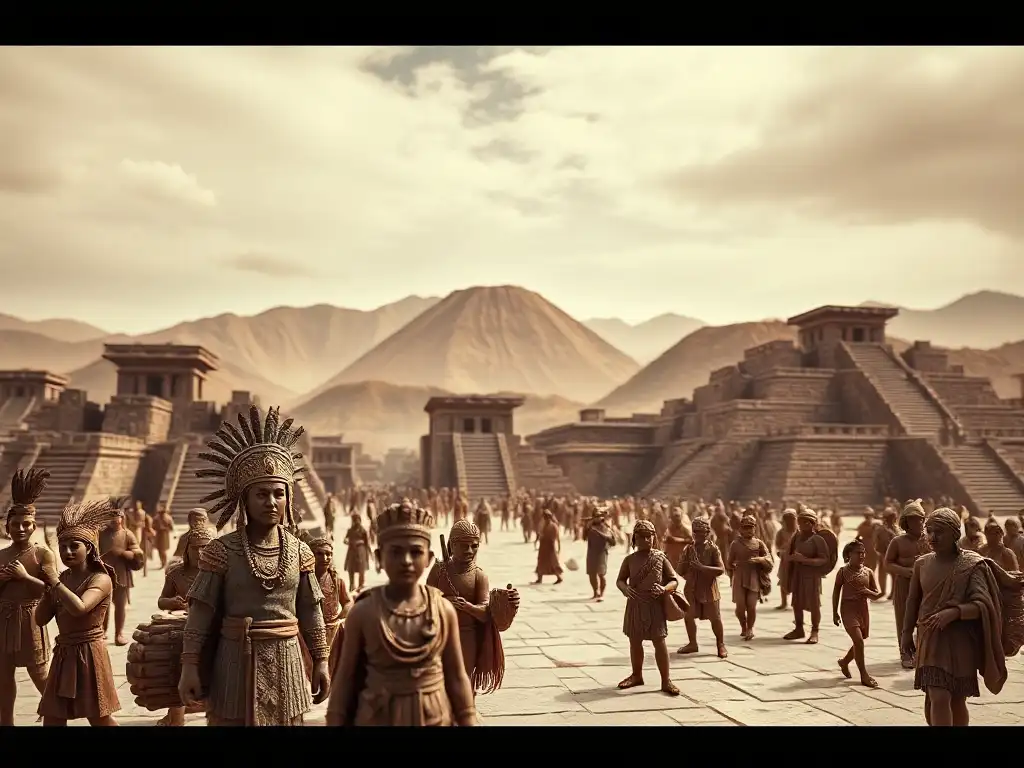
This section delves into the intricate social structures of two powerful Andean empires: Tiahuanaco and Wari. Understanding their hierarchical systems is crucial to grasping the complexities of Andean social hierarchy development and the evolution of power dynamics in the region. We'll examine the distinct characteristics of each empire's social organization, highlighting key differences and shared features. The analysis will focus on the mechanisms that supported and maintained these hierarchical systems, including economic structures, religious beliefs, and military might.
The Tiahuanaco civilization, flourishing from approximately 500 to 1000 CE, developed a remarkably centralized social hierarchy. Evidence suggests a stratified society with a powerful elite controlling vast resources and manpower. This elite likely comprised religious leaders, high-ranking officials, and perhaps hereditary nobility. Their control was facilitated by a sophisticated system of trade networks extending across the Andes.
The control of crucial resources like llama herds, agricultural surpluses, and prized minerals like obsidian, fueled the power of the Tiahuanaco elite. Archaeological findings indicate a significant concentration of wealth and luxury goods in elite residential areas, contrasting sharply with the simpler dwellings of commoners.
The monumental architecture of Tiahuanaco, exemplified by the Gate of the Sun and its intricate carvings, served not only as religious centers but also as powerful symbols of the ruling class's authority and control over the population. This centralized control, supported by religious ideology and economic dominance, is a hallmark of Andean social hierarchy development during this period.
Furthermore, the highly standardized nature of Tiahuanaco pottery and textiles indicates a controlled production system, likely overseen by the elite. This standardization, along with the distribution of similar artifacts across a vast territory, points to a well-organized state bureaucracy capable of managing production and distribution on a large scale. The ability to effectively manage these resources was fundamental to maintaining the empire's social hierarchy and its dominance in the Andean region. The precise structure of this bureaucracy, however, remains a topic of ongoing research and debate among scholars specializing in Andean social hierarchy development.
The Wari empire, dominant from approximately 600 to 1000 CE, presents a contrasting yet equally fascinating case study in Andean social hierarchy development. While also characterized by a stratified society, the Wari system emphasized provincial administration and the control of territories rather than the highly centralized control observed in Tiahuanaco.
Unlike Tiahuanaco's apparent concentration of power in its capital city, the Wari empire relied on a network of strategically located administrative centers throughout its vast territory. These centers, often featuring standardized architectural features, served as hubs for governance, resource management, and possibly religious activities. This decentralized approach suggests a more complex system of regional power sharing, possibly involving local elites who collaborated with the central Wari administration. Evidence suggests that the Wari exerted control through a combination of military power, economic incentives, and possibly religious influence.
The Wari system facilitated the integration of diverse Andean communities into a broader political and economic framework. This integration, however, did not necessarily erase pre-existing social hierarchies within these communities. Instead, the Wari system likely overlaid its own hierarchical structure onto existing local power dynamics, resulting in a complex interplay of local and imperial authority. This complex interplay is a key characteristic differentiating the Wari from the more centralized Tiahuanaco in terms of Andean social hierarchy development. The exact nature of this interaction between local and imperial power structures requires further investigation.
Both the Tiahuanaco and Wari empires, despite their organizational differences, demonstrate the profound impact of imperial power on Andean social hierarchy development. The creation of large-scale empires necessitated the development of sophisticated administrative systems, economic control mechanisms, and ideological justifications for maintaining social inequality.
The concentration of resources and power in the hands of elites led to the construction of monumental architecture, the development of sophisticated technologies, and the creation of elaborate religious beliefs that legitimized the existing social order. However, the very mechanisms that maintained these empires also contributed to social tensions and, ultimately, their collapse. The unequal distribution of wealth and power, coupled with the demands of maintaining vast territories and complex administrative systems, created inherent vulnerabilities. Understanding these vulnerabilities is crucial for a complete understanding of Andean social hierarchy development and the rise and fall of Andean empires. Further research, particularly focused on the lived experiences of commoners within these empires, is needed to fully appreciate the complexities of Andean social life during this transformative period. The study of Andean social hierarchy development continues to evolve, with new archaeological discoveries and analytical approaches constantly refining our understanding of these fascinating civilizations.
The Inca Empire, at its zenith during the 15th and 16th centuries, represents the culmination of Andean social hierarchy development. Its sophisticated system of organization, far surpassing its predecessors, ensured effective control over a vast and diverse territory. This intricate social structure, while ultimately serving the imperial power, also provided a degree of stability and order across the empire. Understanding the Inca's social hierarchy is key to comprehending their remarkable achievements in infrastructure, agriculture, and administration.
The Inca system wasn't merely a rigid stratification; it was a dynamic interplay of power, privilege, and obligation, constantly negotiated and redefined. This section will delve into the specifics of this remarkably complex system, exploring its various components and their interrelationships. The meticulous record-keeping, though largely destroyed by the Spanish conquest, provides glimpses into the intricacies of this advanced societal organization.
The Inca system of social organization was characterized by its extreme centralization. Power emanated from the Sapa Inca, the emperor, and flowed down through a meticulously structured hierarchy. This wasn't merely a matter of social classes; it encompassed a complex web of relationships, responsibilities, and obligations. Every individual had a designated place within this system, with duties and privileges clearly defined.
The empire was divided into four provinces, each governed by a governor appointed by the Sapa Inca. These provinces were further subdivided into smaller administrative units, ensuring efficient control and resource management across the vast empire. The system relied heavily on a network of officials, messengers (chasquis), and specialized workers, facilitating communication, tax collection, and the distribution of resources.
This effective administration enabled the Inca to manage the diverse populations and landscapes under their control, achieving a level of centralized control unmatched by previous Andean civilizations. The system’s efficiency is evident in their impressive infrastructure projects, like the extensive road network that connected the far reaches of the empire. The effectiveness of this centralized control was, however, ultimately tested by the Spanish conquest.
The organization of labor was also a critical component. The mit'a system, a form of mandatory labor service, was fundamental to Inca society. While often presented as forced labor, it provided essential services and infrastructure development. It was a system that, while demanding, integrated individuals into the larger societal structure.
The mit'a was not uniformly applied, with different groups and individuals subject to varying forms of service. Furthermore, it wasn't just about physical labor; it encompassed a wide range of activities, from agricultural work to construction and military service. The precise details of its implementation, however, remain a subject of ongoing scholarly debate, with some arguing that it was less oppressive than others.
The Inca Rulership and the Role of the Sapa Inca
The Sapa Inca, considered a divine ruler, held absolute authority. He was seen as a descendant of the sun god, Inti, and his power was unquestioned. He controlled all aspects of the empire, from religious affairs to economic production and military campaigns.
The Sapa Inca's authority was reinforced by a complex religious system, with elaborate rituals and ceremonies designed to legitimize his rule. He was not merely a political leader; he was the central figure in the Inca cosmology, the embodiment of the empire’s power and legitimacy. His decisions had far-reaching consequences, impacting the lives of millions across the Andean region.
The succession process, while often involving elements of inheritance, was also subject to political maneuvering and power struggles. The stability of the empire often depended on the effectiveness of the Sapa Inca's rule and his ability to maintain control over the vast and diverse population of the empire. Detailed records of the Sapa Inca's reign, including their achievements and challenges, were carefully preserved, highlighting the importance of their role in maintaining the Andean social hierarchy.
Inca society was divided into distinct social classes, with the nobility at the apex. The nobility consisted of the Sapa Inca's family, high-ranking officials, and priests. They enjoyed significant privileges, including access to resources, land, and political power. Below the nobility were the curacas, local leaders who retained some autonomy and authority within their communities. They acted as intermediaries between the imperial government and the commoners, collecting taxes and ensuring compliance with imperial decrees.
The curacas played a crucial role in maintaining social order and stability at the local level. Their power was, however, ultimately subordinate to the Sapa Inca. The vast majority of the population comprised commoners, who were organized into ayllus, kinship-based groups. They were responsible for agricultural production, construction projects, and other essential services.
While they lacked the privileges of the nobility and curacas, their role within the ayllus provided a degree of social security and support. The system, while hierarchical, also provided a degree of social safety net within the ayllus and through the mit'a system, ensuring that even commoners had a defined place and function within the larger imperial structure. The relative mobility between classes, however, was limited, with social status largely determined by birth. Further research is needed to fully understand the nuances of social mobility within the Inca Empire, particularly the potential for advancement through exceptional service or merit.
The Inca economic system, a marvel of centralized control and redistribution, profoundly shaped Andean social hierarchy. Unlike many other ancient societies, the Inca didn't rely on a purely market-based economy. Instead, they implemented a complex system of ayllu (extended family groups) working collectively on land owned by the state.
This mita system, a form of mandatory labor, ensured the production of agricultural goods, construction projects, and other necessities for the empire. The system wasn't entirely oppressive; it provided a safety net, ensuring everyone had access to basic resources. However, the level of responsibility and the type of work assigned were directly tied to one's social standing.
The elite, including the Sapa Inca (emperor) and his court, lived comfortably, benefiting from the labor of others and enjoying access to the finest goods and resources. Their access to luxury items, such as textiles, gold ornaments, and exotic foods, highlighted their privileged position within the social structure. This stark contrast with the lives of commoners solidified the hierarchical structure. The system allowed for the accumulation of wealth and power at the top, while the majority of the population worked to sustain the empire and its ruling class.
Furthermore, the Inca's sophisticated system of storage and redistribution played a crucial role in maintaining social order. Granaries and storehouses across the empire held surplus food and goods, allowing the state to provide for the population during times of scarcity. This system, while beneficial, also served to reinforce the power of the state and its elite.
Control over resources translated directly into control over the population, ensuring the Inca's authority remained paramount. The efficient management of resources, while benefitting the masses in times of need, ultimately bolstered the power of the ruling class and solidified their position at the apex of Andean social hierarchy.
The very act of redistribution, while appearing benevolent, served as a powerful tool for social control, reinforcing the existing power structures and highlighting the profound impact of the Inca economic system on the social stratification of their vast empire. The ayllu system, though seemingly egalitarian at the local level, became a tool for the centralized power of the Inca state, a critical factor in the development of Andean social hierarchy.
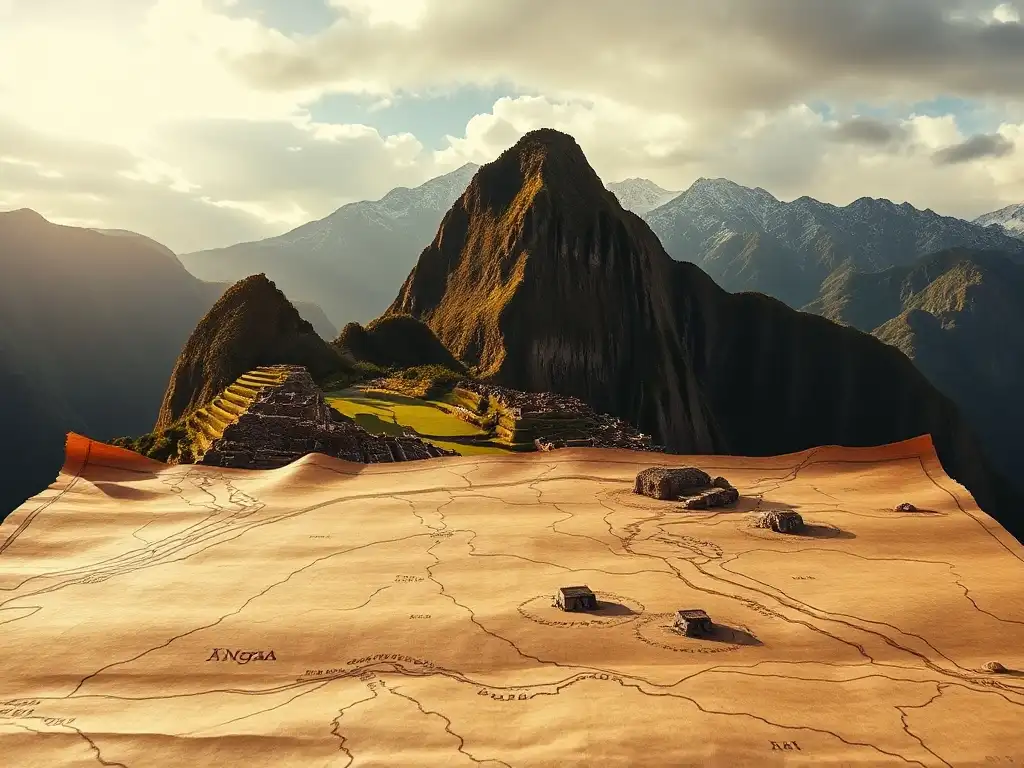
The development of Andean social hierarchy wasn't a sudden event but a gradual process spanning millennia, influenced by environmental factors, technological advancements, and evolving political structures. Understanding this evolution requires examining both the continuities and the dramatic shifts in social organization across different Andean cultures. While the Inca Empire is often synonymous with a rigid hierarchical system, its structure was built upon pre-existing social formations, adapted and modified over time. The legacy of this complex system continues to resonate in modern Andean societies.
The Inca Empire, renowned for its sophisticated bureaucracy and centralized control, didn't emerge in a vacuum. Pre-Inca societies, such as the Wari and Tiwanaku, had already established complex social hierarchies. These earlier civilizations laid the groundwork for the Inca system, providing models for administration, resource management, and social stratification. For example, the Wari state's extensive network of administrative centers and its control over crucial resources like agricultural lands foreshadowed the Inca's ayllu system and their meticulous control over production and distribution.
The ayllu, a kinship-based community, was a fundamental unit in both pre-Inca and Inca societies. However, the Inca Empire significantly expanded and formalized the ayllu system, integrating it into a larger imperial structure. While earlier societies might have had loosely defined hierarchies within their ayllus, the Inca Empire imposed a stricter hierarchy, with specific roles and responsibilities assigned based on lineage and proximity to power.
This involved a complex interplay of reciprocal obligations and centralized control, ensuring the flow of resources and manpower to the imperial center. The Inca's ability to consolidate and expand upon pre-existing social structures was key to their success. Evidence suggests that the Inca strategically incorporated existing elites from conquered territories into their hierarchical system, a tactic that minimized resistance and facilitated smoother integration.
The Spanish conquest dramatically reshaped Andean social hierarchies. The Inca system, with its intricate web of relationships and obligations, was dismantled and replaced with a new colonial order. The Spanish introduced a rigid caste system, placing the Spanish at the top, followed by criollos (Spaniards born in the Americas), mestizos (mixed Spanish and Indigenous ancestry), and Indigenous populations at the bottom. This system drastically altered existing power dynamics, displacing Indigenous elites and creating new forms of social inequality.
The encomienda system, which granted Spanish colonists control over Indigenous labor, further exacerbated existing inequalities. This system, coupled with the introduction of new diseases and forced labor in mines and plantations, decimated Indigenous populations and disrupted traditional social structures. The colonial period saw a significant shift in land ownership, with Indigenous communities losing access to ancestral lands and resources.
This loss had a profound impact on their social organization and economic well-being, creating lasting social and economic disparities that persist to this day. The colonial legacy continues to influence the socio-economic landscape of the Andes, shaping modern power structures and social inequalities.
Despite the upheavals of colonialism and the subsequent modernization processes, the legacy of ancient Andean social structures remains visible in contemporary Andean societies. While the rigid hierarchies of the Inca Empire and the colonial caste system have been formally dismantled, elements of social stratification persist. Indigenous communities often face significant challenges in accessing education, healthcare, and economic opportunities, reflecting a continuation of historical patterns of inequality.
The ayllu, though modified, continues to play a role in some Andean communities, providing a sense of social cohesion and mutual support. However, the modern ayllu often operates within a much larger framework of national and global economies, leading to internal tensions and the erosion of traditional practices. Understanding the enduring influence of ancient Andean social structures is vital for addressing contemporary social and economic inequalities in the region.
The complexities of this legacy require a nuanced approach, acknowledging the historical continuities and the significant transformations that have shaped modern Andean societies. Further research is needed to fully understand the intricate interplay between historical and contemporary social dynamics in the Andes, particularly concerning the ongoing challenges faced by Indigenous communities.
The development of Andean social hierarchy wasn't a linear progression, but rather a complex interplay of environmental factors, technological innovations, and ideological shifts. From small, kinship-based clans, Andean societies gradually evolved into sophisticated, stratified kingdoms, each with unique characteristics and power structures.
Understanding this intricate path requires a nuanced approach, considering the diverse experiences of different Andean cultures and the dynamic nature of their social organizations. This journey, from egalitarian bands to centralized empires, reveals remarkable resilience, adaptation, and the enduring human capacity to build complex societal structures in challenging environments.
The study of Andean social hierarchy development offers crucial insights into the broader processes of societal evolution and the factors that contribute to the rise and fall of civilizations. The diverse trajectories of the Inca, Moche, Nazca, and Tiahuanaco civilizations demonstrate the multifaceted nature of this historical process, highlighting both common threads and unique adaptations to their respective environments and circumstances.
Key Factors Contributing to the Development of Andean Hierarchies
Several key factors contributed to the development of complex social hierarchies in the Andes. One significant factor was agricultural intensification. The development of sophisticated irrigation systems, terracing techniques, and improved farming practices led to increased food production. This surplus allowed for the specialization of labor and the emergence of a ruling elite who controlled access to resources. The development of advanced technologies, such as metallurgy and textiles, further fueled this process. Skilled artisans and craftspeople gained prestige and influence, contributing to the stratification of society.
Another crucial element was religious ideology. The Andean worldview often emphasized a hierarchical cosmos, with powerful deities and intermediaries who controlled access to the supernatural realm. This belief system reinforced existing social hierarchies and legitimized the power of the elite. Religious practices, such as elaborate ceremonies and rituals, often served to consolidate social control and reinforce the authority of rulers. The construction of monumental architecture, such as temples and palaces, further demonstrated the power and prestige of the ruling classes. These structures served not only as religious centers but also as symbols of political authority and social control.
Finally, military power played a significant role in shaping Andean social hierarchies. The ability to conquer and control neighboring territories allowed for the expansion of empires and the consolidation of power in the hands of a ruling elite. Military success often translated into increased wealth, prestige, and political influence. Evidence suggests that warfare was a significant factor in the rise and fall of numerous Andean civilizations, shaping their social structures and political landscapes. For example, the Inca Empire's expansion was fueled by its powerful military, leading to a highly stratified society with a distinct hierarchy of power.
The study of Andean social structures is crucial for several reasons. First, it provides valuable insights into the processes of societal evolution and the factors that contribute to the development of complex societies. By examining the diverse trajectories of different Andean cultures, we can gain a deeper understanding of the commonalities and variations in the development of social hierarchies.
Second, this research helps us to appreciate the remarkable achievements of Andean civilizations in adapting to challenging environments and creating innovative social and political systems. Third, the study of Andean social structures offers valuable lessons for contemporary societies, highlighting the importance of social justice, equity, and sustainable development.
Understanding how past societies addressed issues of inequality and social stratification can inform our efforts to create more just and equitable societies today. Finally, the study of Andean social structures contributes to a more complete and nuanced understanding of world history, challenging Eurocentric perspectives and highlighting the rich diversity of human experience.
Future research on Andean social hierarchy development should focus on several key areas. One important direction is the application of new technologies, such as GIS and remote sensing, to analyze archaeological data and gain a more comprehensive understanding of settlement patterns, social networks, and resource distribution. Further research should also focus on integrating interdisciplinary approaches, bringing together archaeologists, anthropologists, historians, and other scholars to address complex research questions.
This interdisciplinary approach will allow for a more holistic understanding of the development of Andean social hierarchies. Furthermore, a more nuanced examination of gender roles and social stratification is essential. Existing research often overlooks the experiences of women and other marginalized groups, and future studies must prioritize a more inclusive and equitable approach.
Finally, further research needs to incorporate the perspectives of indigenous communities and their descendants, incorporating oral histories and traditional knowledge to develop a more complete and accurate understanding of Andean social structures. The integration of these diverse perspectives is essential for a more nuanced and complete understanding of the intricacies of Andean social hierarchy development.
Frequently Asked Questions
The development of complex agricultural systems allowed for surplus food production, supporting larger populations and specialized labor, which in turn led to hierarchical structures. Control over resources and religious authority further solidified these hierarchies.
While variations existed, most Andean societies shared a hierarchical structure. The Inca system, however, was notably centralized, with the Sapa Inca at its apex, controlling vast resources and manpower through a sophisticated bureaucracy. Other cultures had less centralized, sometimes more regionally-focused systems.
Religion played a pivotal role, with priests and religious specialists holding significant power and influence. Access to the divine and ritual expertise often correlated with social status, reinforcing existing hierarchies and legitimizing elite rule. Ancestor veneration also played a critical role.
The ayllu, a kinship-based community, formed the foundation of social organization in many Andean cultures. While hierarchical structures existed within the ayllu, it also provided a crucial level of social support and cooperation, counterbalancing the power of the elite.
While social mobility was generally limited, it wasn't entirely absent. Merit, military prowess, and religious achievement could sometimes lead to upward social movement, particularly within the Inca empire's meritocratic aspects of the system. However, maintaining the status quo was generally the main goal.
Final Reflection: Echoes of the Andes: Hierarchy's Enduring Legacy
The intricate tapestry of Andean social hierarchy, woven over millennia, continues to resonate in the structures of power we see today. Understanding its evolution isn't merely an academic exercise; it offers a crucial lens through which to examine the persistent challenges of inequality and the enduring human quest for social order. The systems of reciprocity, kinship, and ultimately, state-level control, all played a vital role in shaping the Andean world, and their echoes reverberate in societies across the globe.
The impact of Andean social structures extends far beyond the archaeological record; it profoundly shaped the cultural and social landscape of the region, influencing everything from artistic expression to economic systems. The legacy of these hierarchical systems continues to inform contemporary discussions of power dynamics and social justice. The past is never dead. It's not even past.
– William Faulkner. This quote perfectly encapsulates the enduring relevance of understanding Andean social hierarchy, reminding us that the choices and structures of the past continue to shape our present realities.
Consider the complexities of power, the delicate balance between cooperation and competition, and the ever-present tension between individual agency and collective identity. The story of Andean social development offers a rich tapestry of lessons, reminding us that the path to social organization is rarely straightforward, and that the consequences of our choices, both individually and collectively, can reverberate through generations. Take a moment to reflect on the systems of power that shape your own world.
What lessons can you glean from the Andean experience? How can we strive for a more equitable and just future, informed by the wisdom of the past?
Uncover Your Place in the Rich Tapestry of Andean History!
Thank you for joining us on this journey through the complex social structures of the Andes. Your interest not only deepens your understanding of these fascinating civilizations but also helps to preserve their legacy. Now, let's delve further into this vibrant culture.
Here are some ways to continue your exploration:
- Share your thoughts: Discuss your insights and questions about Andean social structures with friends, family, or in online communities. Engage in conversations with others who share your interest.
- Expand your knowledge: Explore related articles on our site, which cover topics such as daily life, religious practices, and the roles of different social groups within Andean societies.
- Join our community: Subscribe to our newsletter for exclusive content, updates, and invitations to events focusing on Andean history and culture.
What aspect of Andean social hierarchy most captivates you, and how do you believe it resonates with societies today?