
The First Trade Networks: How Early Andean Peoples Exchanged Goods and Ideas

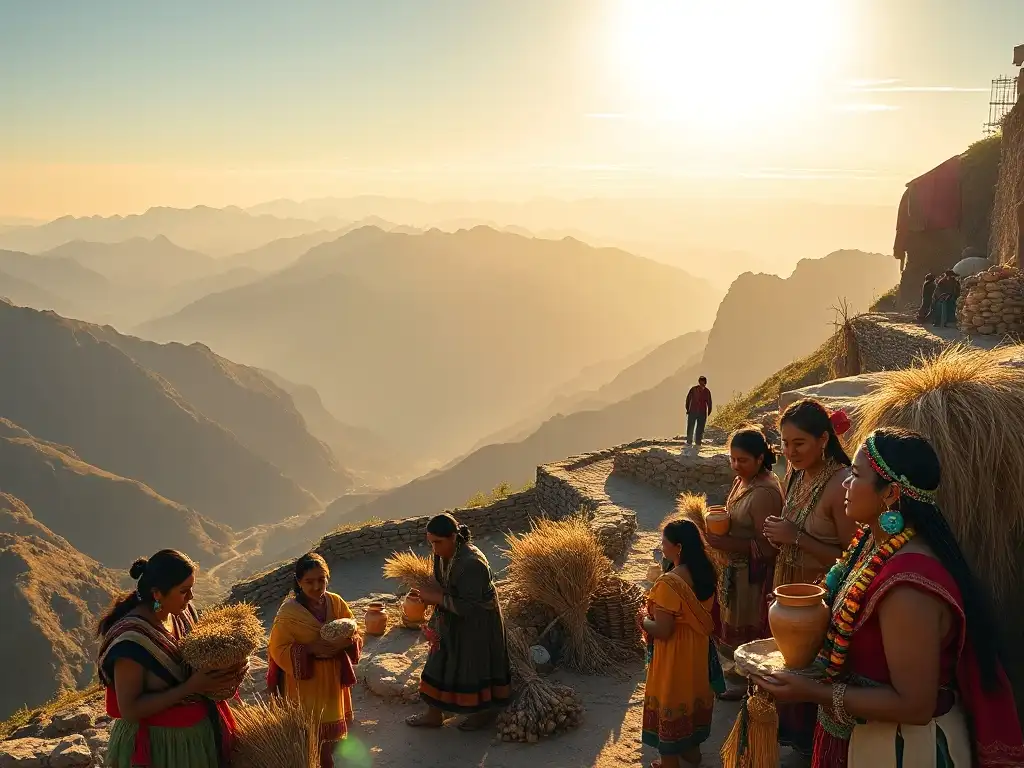
Uncover the secrets whispered on the wind across the Andes! For centuries, a vibrant tapestry of cultures thrived in the heart of South America. But how did the Incas, Moche, Nazca, and Tiahuanaco—and countless others—connect and exchange the goods and ideas that shaped their world? Dive into the fascinating history of Andean trade networks, and discover the ingenious systems that fueled the rise and fall of these remarkable civilizations. Prepare to be amazed.
The Andes Mountains, a formidable geographical barrier, might seem to have isolated its ancient inhabitants. However, a closer examination reveals a vibrant tapestry of interconnected societies, actively engaged in extensive trade networks long before the Inca Empire. This article delves into the fascinating history of Andean trade networks, exploring how early Andean peoples, despite the challenging terrain, exchanged not only vital goods but also crucial cultural and technological innovations.
We will journey through the intricate systems they developed, examining the diverse goods traded, the routes they utilized, and the profound impact this exchange had on the development of Andean civilizations. Understanding these early trade networks is key to grasping the complexity and interconnectedness of Andean societies and their remarkable resilience in the face of geographical challenges. This exploration will illuminate the rich history of Andean trade, revealing its vital role in shaping the cultural landscape of the region and providing crucial context for understanding the later, more centralized empires.
We will analyze the evidence, discuss the methodologies used to decipher this ancient history, and highlight the ongoing research that continues to shed light on this captivating subject. The keyword "Andean trade networks history" will be explored throughout.
Introduction to Andean Trade Networks
The study of Andean trade networks provides a unique lens through which to view the development of early Andean societies. Unlike later, more centralized empires, early Andean trade was often decentralized, relying on a complex web of relationships between different groups. Evidence suggests that exchange wasn't solely driven by economic factors; it also played a critical role in establishing social alliances, disseminating religious beliefs, and facilitating technological diffusion.
Archaeological findings, such as the distribution of specific ceramic styles across vast distances, reveal the extensive reach of these networks. Furthermore, the presence of exotic materials in burials and settlements indicates the movement of goods across significant geographical barriers. The challenges presented by the Andes – steep slopes, high altitudes, and unpredictable weather – made these achievements all the more remarkable.
Early Andean peoples demonstrated an impressive ability to adapt to their environment and create sophisticated systems for transporting goods and maintaining connections across diverse ecological zones. This involved utilizing diverse transportation methods, including pack animals like llamas and alpacas, as well as human porters navigating treacherous mountain passes. The complexity of these networks varied across time and location, reflecting the dynamic nature of Andean societies and their interactions.
Early Andean Societies and the Need for Exchange
Early Andean societies, even those seemingly isolated geographically, were far from self-sufficient. The diverse ecosystems of the Andes, ranging from arid coastal deserts to lush highland valleys, meant that different regions produced unique resources. Coastal communities, for instance, controlled access to marine resources like fish and shellfish, while highland societies possessed access to alpaca wool, potatoes, and other agricultural staples. This inherent resource variability created a strong incentive for exchange.
The need to obtain essential goods not available locally fueled the development of intricate trade networks. This necessity is evident in the archaeological record, which shows a wide distribution of materials across different ecological zones. For example, the presence of coastal shellfish in highland settlements and the discovery of highland agricultural products in coastal sites testify to the importance of inter-regional exchange for survival and prosperity. The development of specialized crafts and technologies further enhanced the need for trade.
Communities specializing in pottery, textiles, or metalworking often relied on trade to distribute their products and acquire necessary raw materials or other goods. This reciprocal exchange fostered economic interdependence and contributed to the overall prosperity and stability of Andean societies. The establishment and maintenance of these trade routes required substantial organization and cooperation, suggesting a level of social complexity that belies simplistic notions of isolated Andean communities.
- What role did trade play in the development of Andean civilizations?
- How did the geography of the Andes influence trade routes?
- What goods were commonly traded within the Andean region?
- How did Andean trade networks compare to those in other parts of the world?
- What evidence exists to support our understanding of Andean trade networks?
Pre-Inca Trade Routes: Foundations of Andean Commerce

The study of Andean trade networks history reveals a complex and dynamic system that predates the Inca Empire by millennia. Long before the rise of Cusco, intricate networks facilitated the exchange of goods, resources, and ideas across diverse ecological zones—from the arid coast to the high Andes. This intricate web of interactions shaped the development of Andean societies, fostering cultural exchange and economic specialization. Understanding these pre-Inca trade routes is crucial to comprehending the later, more expansive Inca system and the rich tapestry of Andean civilization.
The establishment of these early trade routes demonstrates a sophisticated understanding of geography, resource management, and social organization. Analysis of archaeological findings, such as pottery styles, metalwork, and agricultural products found in geographically distant sites, provides strong evidence of this extensive early trade. The sheer volume of goods exchanged suggests established routes and organized systems of distribution, far exceeding simple barter.
Coastal Trade in the Early Andean Period
The coastal regions of Peru, with their diverse microclimates and abundant marine resources, played a pivotal role in early Andean trade. Settlements along the coast, such as those of the Norte Chico culture (circa 3000-1800 BCE), developed specialized fishing techniques and exploited marine life extensively. Evidence suggests that fish, shellfish, and other seafood were traded inland, supplementing the diets of highland communities.
Furthermore, coastal communities produced textiles, pottery, and other craft goods highly valued in the highlands. The exchange was not unidirectional; highland communities likely provided coastal settlements with agricultural products such as maize, potatoes, and quinoa, creating a mutually beneficial relationship. Archaeological excavations have unearthed coastal artifacts in highland sites, and vice-versa, providing tangible proof of this early coastal-highland exchange.
The exact mechanisms of this trade remain a subject of ongoing research, but the evidence strongly suggests organized systems of exchange, possibly involving specialized traders or intermediaries. The development of sophisticated navigation techniques, including the use of rafts and balsa wood boats, facilitated the movement of goods along the coast, fostering interconnectedness among coastal settlements and linking them to the inland networks.
Highland Trade and Inter-Regional Exchange
While coastal trade flourished, the highlands also saw significant inter-regional exchange. The varied altitudes and microclimates of the Andes resulted in diverse agricultural production. High-altitude regions produced potatoes and quinoa, while lower valleys were suited to maize and other crops.
This diversity fueled trade, with communities specializing in specific crops and exchanging surpluses with neighboring groups. The exchange wasn't limited to agricultural products; obsidian, a volcanic glass used for tools and weaponry, was a highly valued commodity traded across significant distances. Obsidian sources were concentrated in specific locations, leading to the establishment of trade routes connecting these sources with settlements across the Andes.
Analysis of obsidian artifacts found in archaeological sites allows researchers to trace these trade routes and understand the extent of inter-regional connections. The diversity of goods discovered in these sites, including textiles, pottery, and metalwork, indicates a sophisticated system of exchange extending beyond basic necessities. The development of these highland trade networks contributed significantly to the growth and interconnectedness of Andean societies, fostering cultural exchange and economic specialization.
The Role of Camelids in Andean Trade
Camelids, specifically llamas and alpacas, played a crucial role in the Andean trade networks history. These animals were not only a source of meat, wool, and hides, but also served as essential pack animals, enabling the transport of goods across challenging terrain. Llamas, in particular, were capable of carrying substantial loads over long distances, making them invaluable for transporting goods across the Andes.
The use of camelids significantly expanded the reach of trade networks, allowing for the exchange of goods between distant communities. Evidence suggests that specialized herders managed llama caravans, transporting goods along established routes. The organization of these caravans required significant social coordination and planning, highlighting the advanced social structures that supported these trade networks.
The impact of camelids on Andean trade extends beyond mere transportation; their presence shaped settlement patterns and contributed to the economic and social development of Andean societies. The domestication and management of these animals represent a significant technological achievement, reflecting the ingenuity and adaptability of Andean peoples. The integration of camelids into trade networks fundamentally altered the scale and scope of Andean commerce, paving the way for even larger and more complex systems in later periods.
Key Goods Traded in Early Andean Networks
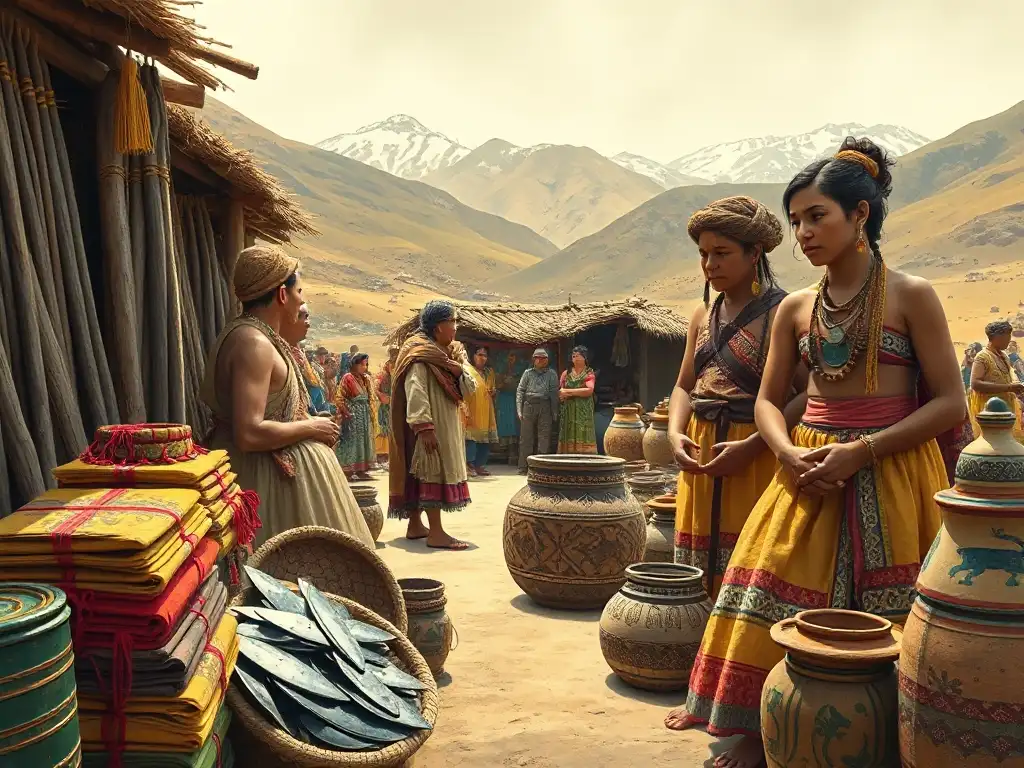
The development of robust Andean trade networks was intrinsically linked to the availability and desirability of specific goods. Understanding the types of goods exchanged provides crucial insight into the economic and social structures of early Andean societies. The movement of these goods wasn't simply a matter of economics; it facilitated cultural exchange, technological diffusion, and the creation of vast, interconnected communities across diverse ecological zones.
Analysis of archaeological findings consistently reveals a complex interplay of resources and needs driving these early trade systems. The history of Andean trade networks is rich and multifaceted, reflecting the ingenuity and adaptability of these ancient peoples. This section will explore some of the key commodities driving this vital exchange.
Exchange of Agricultural Products in the Andes
Agricultural products formed the backbone of early Andean trade networks. The varied geography of the Andes – from coastal deserts to high-altitude plains – created a patchwork of microclimates, each suited to different crops. This diversity fueled a system of exchange. Coastal communities, for example, specialized in fishing and the cultivation of cotton, while highland areas produced potatoes, maize, and quinoa.
The exchange of these agricultural staples wasn’t random; it followed established patterns reflecting both ecological necessity and social organization. Archaeological evidence reveals the transportation of maize from the valleys to the highlands, and conversely, the movement of potatoes and quinoa down to lower altitudes. This wasn't simply a matter of surplus; it was a strategic exchange guaranteeing food security and dietary diversity across different communities.
The scale of this exchange suggests sophisticated logistical systems, possibly involving organized caravans or reciprocal arrangements between different groups. The impact on Andean foodways was significant, leading to a rich and varied diet that supported population growth and social complexity. The successful cultivation and trade of these agricultural products are a testament to the remarkable agricultural techniques developed by these early Andean civilizations.
Trading of Craft Goods and Pottery
Beyond agricultural products, the exchange of craft goods and pottery played a significant role in early Andean trade networks. Highly skilled artisans produced a wide range of goods, including textiles, ceramics, and tools. These items not only served practical purposes but also held significant social and symbolic value. The intricate designs found on pottery, for example, often reflected specific cultural identities or beliefs, spreading these ideas across wide geographical areas.
Textiles, particularly those made from the prized cotton of the coastal regions, were highly valued trade items. Their production required specialized skills and significant labor investment, making them valuable commodities in exchange for other goods. The quality and craftsmanship of Andean textiles were renowned, with some pieces even serving as prestige items, indicating social status and power.
The distribution of specific types of pottery and textiles across different regions provides compelling evidence of the extent and sophistication of these early trade networks. The exchange of these craft goods facilitated cultural exchange, allowing for the dissemination of artistic styles, technological innovations, and religious beliefs.
Precious Metals and Mineral Trade
The allure of precious metals and minerals significantly shaped the development of Andean trade networks. The Andes are rich in mineral resources, including gold, silver, copper, and obsidian. These materials were not only valued for their aesthetic qualities but also held great symbolic importance, often associated with power, divinity, and prestige.
Gold, in particular, became a highly sought-after commodity, used in the creation of elaborate ornaments, ceremonial objects, and prestigious grave goods. The control and distribution of these precious metals played a significant role in shaping social hierarchies and political power structures. The discovery of gold and silver objects in far-flung archaeological sites across the Andes is a testament to the extensive networks that facilitated their transport and exchange. The trade in obsidian, a volcanic glass used for making tools, further highlights the interconnectedness of early Andean communities.
Obsidian sources were geographically limited, resulting in extensive trade routes that connected distant settlements. The presence of obsidian artifacts in archaeological sites across the Andes provides important insights into the patterns and extent of these early trade networks. The strategic exchange of these valuable resources demonstrates the sophisticated economic and political systems that had already developed in early Andean societies.
The Impact of Early Trade on Andean Societies
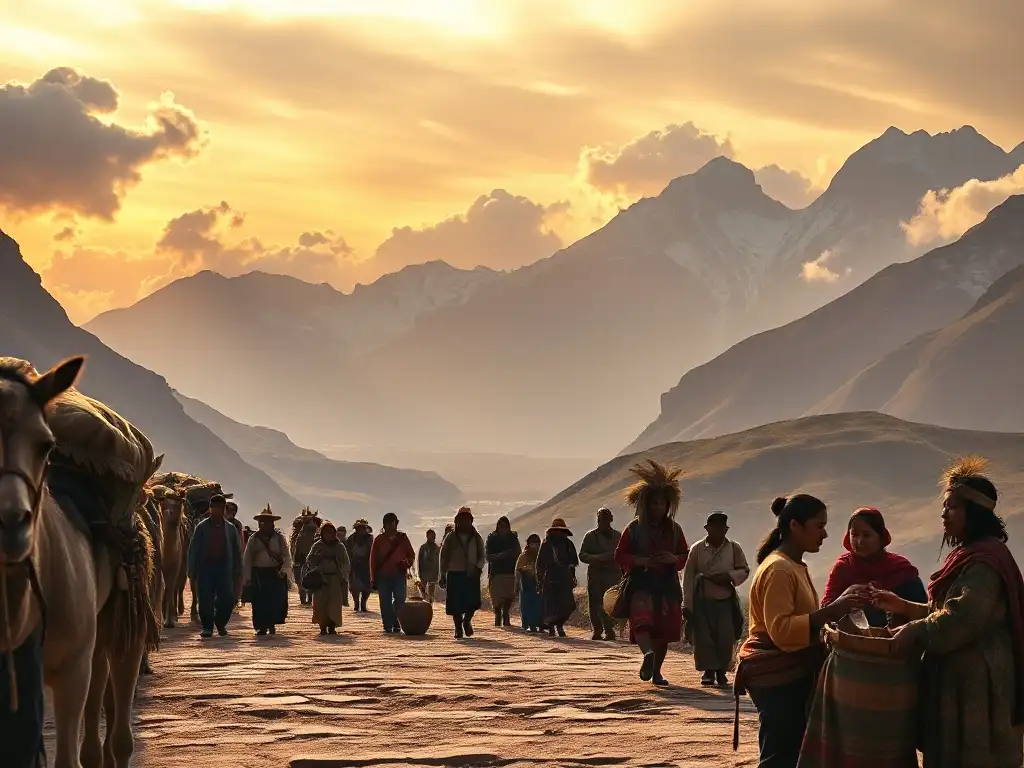
The development of robust Andean trade networks profoundly impacted the societies that flourished along the Andes Mountains. The exchange of goods wasn't simply a matter of economic transaction; it fostered a complex interplay of cultural exchange, economic specialization, and socio-political evolution. Examining these early trade routes reveals a fascinating picture of interconnectedness and innovation in the pre-Columbian Andes, significantly shaping the course of Andean civilizations. Understanding this history provides crucial context for appreciating the complexity of later Andean empires like the Inca. The keyword "Andean trade networks history" is central to this understanding.
Cultural Diffusion through Trade
Trade acted as a powerful engine for cultural diffusion in the early Andean region. The movement of goods was inevitably accompanied by the movement of ideas, beliefs, and artistic styles. Pottery styles, for instance, show remarkable similarities across vast geographical areas, suggesting the adoption and adaptation of techniques and aesthetics through trade interactions. The spread of agricultural practices is another compelling example.
Evidence suggests that crops like maize, initially cultivated in specific regions, spread rapidly across the Andes thanks to established trade routes. This exchange wasn't a passive process; it involved negotiation, adaptation, and the fusion of different cultural elements. Imagine the vibrant marketplaces, bustling with diverse peoples exchanging not only goods but also stories, rituals, and knowledge.
This dynamic exchange enriched the cultural tapestry of the Andean world, leading to a remarkable diversity within a shared cultural sphere. We can trace the evolution of specific artistic motifs, religious iconography, and even architectural styles through the lens of these early trade networks, highlighting the significant role trade played in shaping Andean identity. The movement of artisans and specialists further accelerated this cultural exchange, leading to a cross-pollination of ideas and techniques.
Economic Specialization and Growth
The establishment of Andean trade networks facilitated economic specialization. Regions with favorable environmental conditions focused on producing specific goods. Coastal areas, for example, excelled in fishing and the production of salt, while highland regions specialized in cultivating potatoes and other Andean crops.
This specialization fueled economic growth, as regions became more efficient at producing particular goods and exchanging them for others they needed. The increased availability of diverse goods improved the overall standard of living and fostered innovation. The surplus of goods generated by specialized production allowed for the development of larger, more complex societies.
This system of exchange created a complex web of economic interdependence, binding together different communities and fostering a sense of shared prosperity— a key factor in the development of Andean societies. Detailed analysis of archaeological findings, including the discovery of specialized tools and the presence of exotic materials in various sites, supports this model of economic specialization driven by trade. Quantifying the exact economic impact of these early trade networks is challenging due to the limitations of existing data, but the evidence strongly suggests a significant contribution to economic growth and societal development.
The development of trade networks had profound implications for the social and political structures of early Andean societies. The control of trade routes and resources often translated into political power. Communities situated along major trade routes gained strategic advantages, becoming centers of influence and potentially accumulating wealth and prestige. This led to the emergence of larger, more complex political entities, often competing for control over trade networks.
The rise of powerful elites, who controlled trade and redistributed resources, is directly linked to the expansion of these networks. Moreover, the exchange of information through trade facilitated the development of sophisticated communication systems and administrative structures. Archaeological evidence suggests the existence of early forms of record-keeping and communication systems that were essential for managing the complex logistics of long-distance trade.
The increased interaction between different communities fostered a sense of shared identity and potentially contributed to the development of early forms of political integration. Trade, therefore, wasn't just an economic activity; it was a fundamental driver of social and political change in the early Andean world, laying the groundwork for the more complex political structures that would emerge in later periods. Further research into the political organization of early Andean societies is needed to fully understand the nuanced relationship between trade and political development.
Case Studies of Early Andean Trade Centers
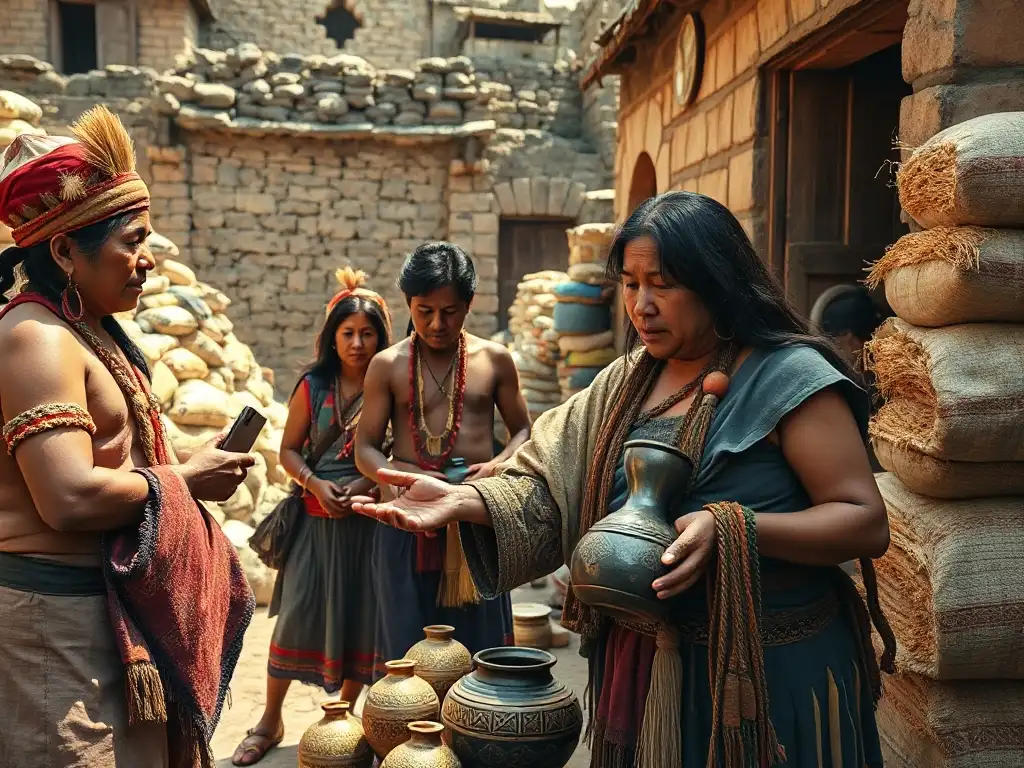
This section delves into specific examples of early Andean trade centers, showcasing the diverse geographical locations and the types of goods exchanged. Understanding these individual cases helps paint a richer picture of the complex Andean trade networks history. The development of these networks was crucial for the growth and prosperity of early Andean societies, facilitating cultural exchange and technological innovation alongside the movement of essential goods.
Caral: A Coastal Trading Center
Caral, located in the Supe Valley on the Peruvian coast, stands as a prime example of an early coastal trading center. Flourishing around 3000-1800 BCE, Caral predates many other well-known Andean civilizations. Its strategic location provided access to marine resources and fertile agricultural lands, creating a surplus that fueled trade. Evidence suggests Caral engaged in extensive exchange networks, both along the coast and potentially with inland communities.
Archaeological evidence indicates that Caral's trade involved a variety of goods. These include:
- Marine resources: Fish, shellfish, and other seafood were likely key exports, providing valuable protein sources to inland populations.
- Agricultural products: Cotton, maize, and other crops grown in the fertile Supe Valley were traded for other resources.
- Artisan goods: Caral was known for its sophisticated textiles and finely crafted tools, suggesting a level of specialization and craftsmanship that supported trade.
- Obsidian: While not locally sourced, obsidian artifacts have been found at Caral, indicating long-distance trade connections.
The absence of defensive structures at Caral suggests a relatively peaceful environment, possibly facilitated by the economic benefits of trade. Further research is needed to fully understand the extent and nature of Caral's trading partnerships, but the available evidence strongly points to its role as a significant coastal hub in the early Andean trade networks history. The sophisticated irrigation systems at Caral also suggest a level of societal organization necessary to manage and distribute resources obtained through trade.
Tiwanaku: A Highland Trading Center
In contrast to the coastal Caral, Tiwanaku thrived in the high Andes of Bolivia, between approximately 300-1000 CE. Its location, while challenging, provided access to unique resources and facilitated trade across diverse ecological zones. Tiwanaku's influence extended far beyond its immediate surroundings, creating a vast network encompassing various Andean communities.
Tiwanaku's trade was characterized by:
- High-altitude crops: Potatoes, quinoa, and other highland crops formed the basis of Tiwanaku's agricultural economy, which were traded for goods unavailable at high altitudes.
- Metalwork: Tiwanaku was renowned for its skilled metalworkers, producing copper and bronze tools and ornaments that were highly sought after.
- Ceramics: The distinctive Tiwanaku pottery style is found across a wide geographical area, indicating extensive trade networks.
- Exotic materials: The presence of shells and other coastal materials in Tiwanaku sites demonstrates long-distance trade connections with coastal communities.
The monumental architecture of Tiwanaku, such as the Kalasasaya temple, likely played a role in managing and facilitating trade. The city's central location and its control over vital resources allowed it to exert significant influence throughout the region. The intricate organization of Tiwanaku society, evident in its sophisticated water management systems and urban planning, was likely crucial for sustaining its extensive trade networks. Further study into Tiwanaku's administrative structures and record-keeping systems could reveal more details about the management of its far-reaching trade relationships.
Piquillacta: An Inter-Regional Trade Hub
Piquillacta, located near Cusco in the Peruvian Andes, serves as an excellent example of an inter-regional trade hub. Flourishing between the 11th and 15th centuries CE, Piquillacta facilitated the exchange of goods between the highlands and lowlands. Its strategic location near important Inca roads suggests a deliberate placement to capitalize on the growing Inca empire's trade routes.
Piquillacta's trade networks were characterized by:
| Resource Type | Source Region | Destination Region |
|---|---|---|
| Highland agricultural products | Andes | Coast |
| Coastal fish and shellfish | Coast | Andes |
| Textiles | Various regions | Various regions |
| Ceramics | Various regions | Various regions |
The architecture of Piquillacta itself reflects its role as a trade center. The city's layout, with its numerous residential and storage structures, suggests a large and well-organized population involved in trade and commerce. The presence of diverse architectural styles also hints at the integration of different cultural groups, likely drawn to Piquillacta by its economic opportunities.
While the exact mechanisms of trade at Piquillacta remain to be fully understood, its significance as a crucial node within the wider Andean trade networks history is undeniable. The city's strategic location and its architectural features reveal a society actively engaging in and benefiting from the exchange of goods and ideas across vast distances. Further research is needed to better understand the social and political organization that facilitated this bustling trade center.
Evolution of Andean Trade Networks Over Time
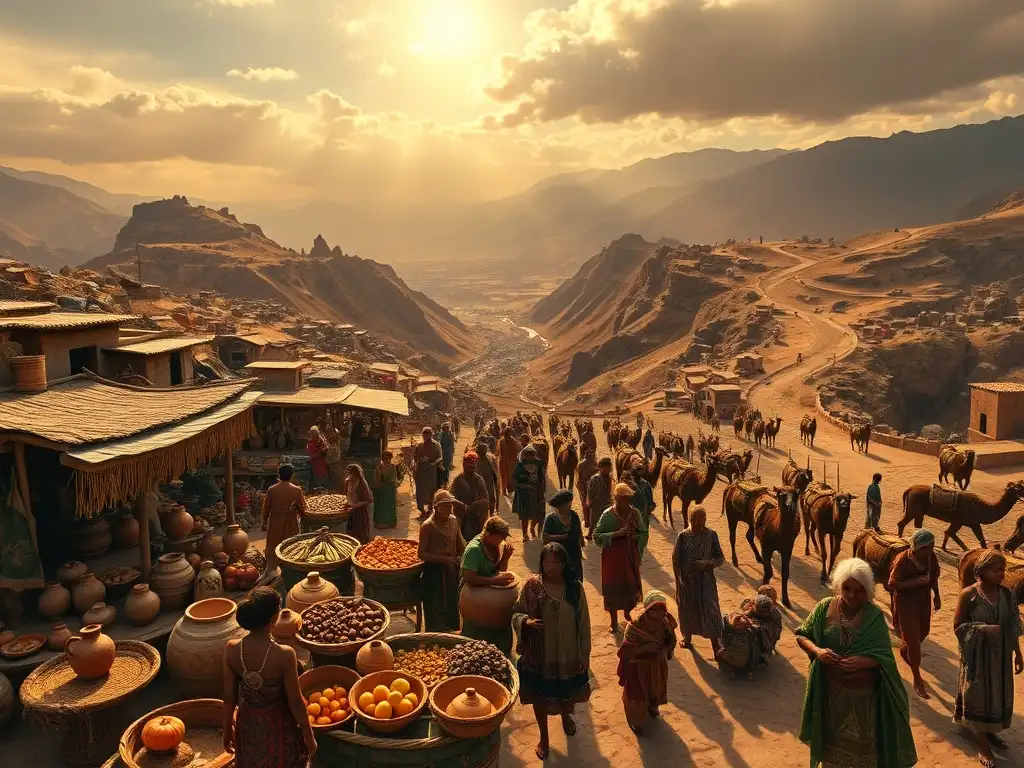
The history of Andean trade networks is a long and complex tapestry woven from threads of innovation, adaptation, and cultural exchange. Long before the Inca Empire established its vast, well-organized system, early Andean peoples developed intricate networks for exchanging goods and ideas. These networks, initially localized and based on kinship ties and reciprocal exchange, gradually evolved into more formalized systems encompassing larger geographical areas and diverse populations. Understanding this evolution is crucial to grasping the full impact of trade on the development of Andean civilizations.
The earliest forms of exchange likely involved simple bartering, with communities trading surplus agricultural products, handcrafted tools, and other essential items. Archaeological evidence suggests that obsidian, a volcanic glass prized for its sharp edges, was traded across significant distances even in the pre-ceramic period. This early trade laid the groundwork for the more complex systems that would emerge later.
The development of agriculture and the resulting food surpluses played a significant role in enabling these networks to flourish. As communities became more settled and food production increased, they had more resources to trade, fostering economic interdependence and stimulating further growth of trade routes. Analyzing the distribution of artifacts and materials across different archaeological sites allows researchers to map these early trade routes and understand their significance in shaping Andean societies.
Development of Formal Trade Systems
The development of formal trade systems in the Andes marked a significant shift from simple bartering to more organized and structured exchange. This transition coincided with the rise of complex societies and the emergence of specialized labor. Instead of relying solely on reciprocal exchanges within kinship groups, these systems involved specialized traders, established trade routes, and potentially even the use of standardized weights and measures. The growth of urban centers further fueled the development of these formalized systems.
These centers served as hubs for the collection, distribution, and exchange of goods, attracting traders from far-flung regions. The Moche culture, for example, is renowned for its sophisticated craftsmanship and extensive trade networks that stretched along the northern coast of Peru. Their mastery of metalworking, ceramics, and textile production resulted in highly valued goods that were exchanged throughout the region.
Evidence from Moche sites reveals a sophisticated understanding of logistics and trade organization, suggesting the existence of specialized traders or intermediaries who facilitated the movement of goods across vast distances. The development of these systems not only facilitated economic growth but also contributed to the spread of cultural ideas and technological innovations across the Andes. The exchange of goods was intertwined with the exchange of knowledge, fostering innovation and diversification in different areas of Andean society.
The Influence of the Wari Empire on Trade
The Wari Empire (circa 600-1000 CE) profoundly impacted Andean trade networks. Its expansion across a vast territory led to the integration of previously isolated communities and the standardization of certain goods and practices. The Wari, unlike later empires, didn't necessarily control trade directly but exerted influence through political and military power, ensuring the safe passage of goods along their extensive road networks.
This created a sense of security and predictability that encouraged trade to flourish. The standardization of pottery styles and the widespread distribution of Wari-style ceramics across the empire provide compelling evidence of this influence. Archaeological findings also indicate the movement of other goods, such as textiles and metalwork, across Wari-controlled territories, suggesting a significant increase in both the volume and range of traded items.
The Wari's impact on Andean trade was not solely economic; it also facilitated cultural exchange and helped to shape the political landscape of the Andes. The empire's centralized administration and the establishment of administrative centers fostered a degree of economic and cultural uniformity throughout the region, laying the foundation for subsequent empires like the Inca.
Continuity and Change in Andean Exchange
The Andean trade networks exhibited remarkable continuity and change across millennia. While the specific forms of exchange and the dominant power structures shifted over time, the fundamental importance of trade remained constant. Pre-Columbian Andean societies consistently demonstrated an ability to adapt their trade strategies to changing circumstances, whether it was the emergence of new political entities, environmental fluctuations, or technological innovations.
Even after the decline of the Wari Empire, trade continued to play a vital role in the Andean economy. The subsequent rise of other powerful states, like the Tiwanaku and the Inca, further shaped the evolution of these networks, though the underlying principles of exchange—the need to acquire resources and share ideas—remained constant. The Inca Empire, with its highly organized system of roads, chasquis (runners), and state-controlled warehouses, represented the culmination of centuries of Andean trade development.
However, even this sophisticated system built upon the foundations established by earlier civilizations, demonstrating the enduring legacy of Andean exchange networks. The study of Andean trade networks offers a rich and multifaceted understanding of the complex interplay between economics, politics, and culture in the formation of Andean civilizations. The continuity and adaptation demonstrated by these networks highlight their resilience and enduring influence on the region's history.
Conclusion: The Legacy of Early Andean Trade
The study of early Andean trade networks reveals a complex and sophisticated system of exchange that profoundly shaped the development of Andean civilizations. Far from isolated pockets of human activity, the pre-Columbian Andes witnessed a vibrant network of interaction, facilitated by diverse geographical features and a shared need for resources. This intricate web of exchange extended beyond mere goods; it fostered the dissemination of ideas, technologies, and cultural practices, contributing significantly to the rise of subsequent empires.
Understanding this early exchange is crucial for comprehending the later, more centralized economic systems of the Incas and other powerful Andean societies. The enduring impact of these early trade routes is evident in the cultural homogeneity and shared practices observed across vast geographical areas.
The legacy of this interconnectedness continues to resonate in the diverse cultural landscape of the Andes today. Analyzing the "Andean trade networks history" allows us to appreciate the continuous evolution of exchange systems and their role in the formation of Andean identity.
Understanding the Foundations of Andean Economy
The early Andean economy was not solely based on agriculture, despite its importance. A robust system of exchange was fundamental, enabling access to resources not readily available in specific regions. For example, coastal communities, rich in marine resources like fish and shellfish, traded these commodities for highland agricultural products such as potatoes and maize. This reciprocal exchange fostered interdependence and economic stability.
Evidence suggests that specialized craft production, like pottery, textiles, and metallurgy, emerged early on, fueling the demand for long-distance trade. The distribution of these specialized goods across geographically diverse locations indicates a well-established system of exchange, possibly using established routes along river valleys and mountain passes. The development of these early trade networks laid the groundwork for the more sophisticated and extensive systems that would characterize later Andean empires.
Understanding this foundational period is crucial for grasping the complexities of the Andean economy as a whole. The scale and diversity of exchanged goods—from everyday necessities to luxury items—highlight the sophisticated organization and planning involved. Further research is needed to fully quantify the volume of trade and the exact mechanisms used for exchange, but existing archaeological evidence strongly suggests a highly developed system.
The Significance of Pre-Inca Trade for Later Civilizations
The pre-Inca trade networks served as a crucial precursor to the vast imperial trade system established by the Inca Empire. The established routes, communication systems, and economic principles learned from centuries of exchange facilitated the Inca's expansion and consolidation of power. The Inca inherited and expanded upon existing infrastructure, adapting and improving upon the trade routes and systems already in place.
For instance, the chasquis, the Inca's famous relay runners, likely built upon pre-existing communication networks used for earlier trade. The Inca's ability to quickly and efficiently move goods and information across their vast empire relied heavily on this established foundation. Without the groundwork laid by these earlier trade networks, the Inca's rapid expansion and economic success would have been significantly hampered.
The seamless integration of existing trade routes into the Inca system highlights the importance of understanding this historical continuity. Analyzing the transition from pre-Inca to Inca trade provides valuable insights into the evolution of economic systems and imperial administration within the Andes.
The Enduring Importance of Interconnectedness Through Trade
The legacy of early Andean trade networks extends beyond the historical context. It demonstrates the enduring importance of interconnectedness and collaboration across geographical boundaries. The exchange of goods and ideas fostered cultural exchange, technological innovation, and economic growth.
This historical precedent reminds us of the vital role of trade in fostering societal development and progress. The lessons learned from the successes and challenges faced by early Andean traders offer valuable insights for contemporary economic and social interactions. Understanding the importance of regional collaboration and resource sharing, as demonstrated by these early Andean societies, is particularly relevant in today's increasingly globalized world.
The study of "Andean trade networks history" provides a rich case study of how interconnectedness can drive cultural and economic prosperity, emphasizing the long-term benefits of cooperation and exchange. The enduring strength of these early networks serves as a powerful testament to the resilience and adaptability of Andean cultures throughout history.
Frequently Asked Questions
What role did trade play in the development of Andean civilizations?
Trade was absolutely essential to the growth of Andean civilizations. It facilitated the exchange of vital resources, ideas, and technologies, fostering cultural interaction and economic prosperity across vast distances. Without robust trade networks, these civilizations wouldn't have flourished as they did.
How did the geography of the Andes influence trade routes?
The challenging Andean terrain significantly shaped trade routes. Paths often followed river valleys and mountain passes, requiring sophisticated engineering and adaptation to diverse environments. This geographic complexity fostered regional specialization and the development of unique trade goods.
What goods were commonly traded within the Andean region?
A diverse array of goods were exchanged, including textiles, ceramics, metals (like gold and silver), agricultural products (potatoes, maize), and luxury items like feathers and shells. The specific goods varied depending on the region and the time period, reflecting economic specialization and cultural exchange.
How did Andean trade networks compare to those in other parts of the world?
Andean trade networks were remarkable for their scale and complexity, considering the challenging geography. While lacking widespread use of wheeled vehicles, they employed sophisticated systems of llama caravans and human porters, demonstrating impressive organization and logistical abilities comparable to other ancient trade networks around the globe.
What evidence exists to support our understanding of Andean trade networks?
Archaeological evidence provides substantial insight into Andean trade. Excavations revealing traded goods at distant sites, analysis of ceramic styles and metalwork, and the discovery of well-preserved road systems all contribute to a rich understanding of these crucial networks.
Final Reflection: Weaving the Threads of Andean History
The intricate tapestry of Andean trade networks, far from being a relic of the past, continues to resonate in the vibrant cultural landscape of South America today. These ancient pathways of exchange not only shaped the material culture of the region but also laid the foundation for the complex social and political structures that followed. Understanding these early interactions is crucial to appreciating the enduring legacy of Andean civilization.
The impact of these early trade routes extends far beyond the mere movement of goods; they represent a powerful testament to human ingenuity, resilience, and the innate human desire for connection. The exchange of goods was inextricably linked to the exchange of ideas, beliefs, and technologies, fostering a dynamic interplay of cultures that enriched the entire region. As the anthropologist, Clifford Geertz, eloquently stated: Culture is not power, it is a system of power.
The Andean trade networks were a powerful system, shaping identities and influencing the very fabric of Andean societies for millennia. This enduring influence is evident in the continued use of traditional crafts, agricultural practices, and even social structures that echo the patterns established centuries ago.
Consider the enduring legacy of these ancient pathways. You, the reader, are now part of a continuous thread in this rich history. Reflect on the power of connection and exchange, not just in the context of ancient Andean societies, but in your own life. How do you connect with others? What ideas and resources do you share? Embrace the opportunity to build bridges, to foster understanding, and to contribute to the ongoing narrative of human connection, inspired by the enduring legacy of the first Andean trade networks.
Unveil the Secrets of Ancient Andean Trade: Take Action Today!
Thank you for exploring the fascinating world of early Andean trade networks! Your interest in the flow of goods and ideas across these ancient landscapes reveals a wealth of history that profoundly shapes our understanding of civilization. Let's now translate this knowledge into action.
- Visit local museums or explore online resources to examine artifacts from these ancient trade routes.
- Share this article with friends and family, or post it on social media to encourage discussions about the crucial role trade played in shaping Andean cultures.
- Engage with local cultural groups or participate in workshops that explore ancient Andean practices and their continuing relevance.
What aspect of Andean trade most captivates you, and how can you integrate this ancient wisdom into your modern life?