
The Pottery Puzzle: Decoding the Social Messages Embedded in Early Andean Ceramics

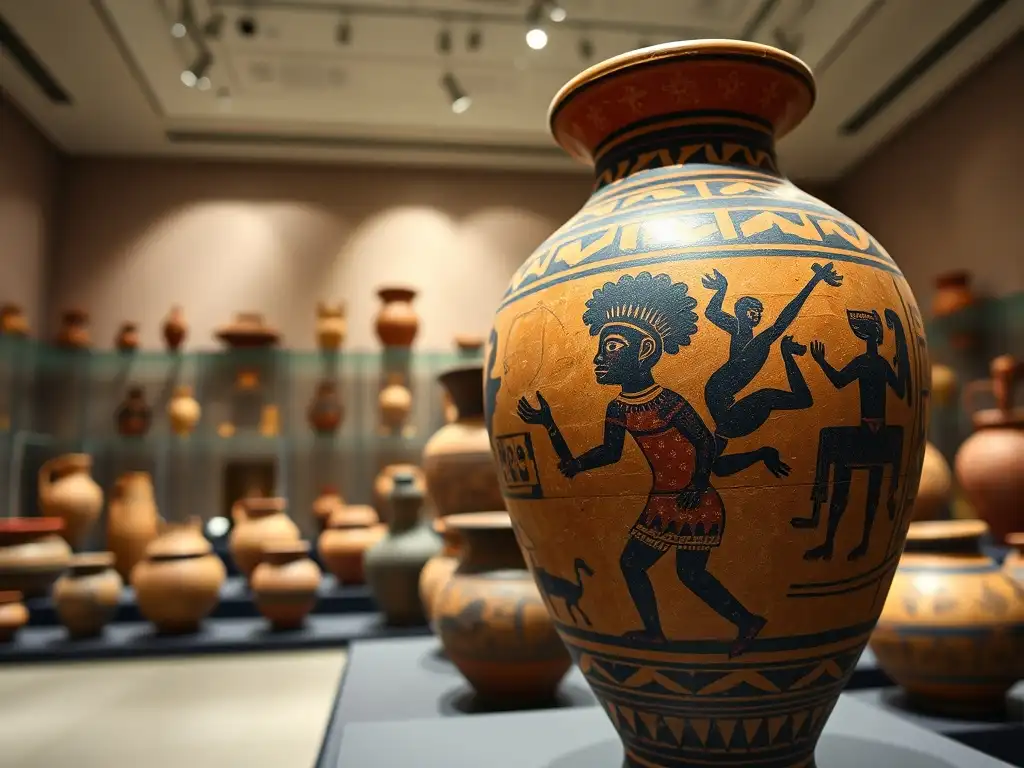
Step into a world lost to time, yet echoing with vibrant stories. For centuries, the Andes Mountains have held secrets whispered through intricate designs and ancient artistry. Unravel the mysteries of Andean pottery social messages – discover how seemingly simple clay vessels became powerful tools of communication, revealing the complex social dynamics of the ancient Andean civilizations. Prepare to be amazed by the intricate details and hidden meanings that await you within this captivating world. Dive in and begin your exploration!
The intricate world of Andean pottery offers a captivating window into the social structures and beliefs of ancient civilizations. Far from mere vessels for utilitarian purposes, these ceramic artifacts serve as powerful repositories of social messages, reflecting hierarchies, rituals, and daily life in remarkable detail. This article delves into the fascinating realm of early Andean ceramics, exploring how stylistic choices, iconography, and even the materials used reveal the complex social dynamics of societies like the Moche, Nazca, and Tiwanaku.
By examining these carefully crafted objects, we can begin to understand the nuanced ways in which ancient Andean people communicated, celebrated, and navigated their social landscapes. We'll uncover how seemingly minor details in pottery design can unlock significant insights into their social organization, religious practices, and the everyday lives of these remarkable cultures.
Understanding these social messages embedded in Andean pottery provides a crucial key to unlocking a more complete picture of these captivating civilizations. The study of Andean pottery is not merely an archaeological pursuit; it's a journey into the heart of a vibrant and complex past.
The iconography depicted on Andean pottery frequently reflects social hierarchies. For instance, Moche pottery often features elaborate scenes depicting rulers, warriors, and priests, clearly distinguished by their attire, posture, and the presence of regalia. These depictions are not merely artistic representations; they are powerful statements of social standing, reinforcing the existing power structures within Moche society. Detailed analysis of these images, including the size and placement of figures, helps researchers understand the relative importance of different social groups.
Similarly, the presence or absence of certain motifs, such as specific headdresses or jewelry, can further elucidate social distinctions. The meticulous detail and stylistic choices in these portrayals underscore the significance placed upon visual communication of social status in Moche culture. Further research is needed to fully understand the subtle nuances of these visual cues, but preliminary findings suggest a complex system of visual communication reflecting social stratification.
Ceramics and Ritual Practices
Beyond portraying social status, Andean pottery played a crucial role in religious and ritual practices. Many vessels were specifically crafted for ritual use, exhibiting unique forms and decorations reflecting specific deities or ceremonies. For example, Nazca pottery often features intricate designs representing deities and mythological creatures, suggesting their use in religious ceremonies. The careful selection of materials, such as specific types of clay or pigments, also holds symbolic meaning, adding another layer of complexity to the interpretation of these ritual objects. The discovery of pottery fragments in burial contexts provides further evidence of their importance in funerary rituals. The careful placement of vessels within tombs, along with the offerings they contain, suggests a belief in the afterlife and the continued importance of these objects in the spiritual realm. The specific types of pottery found in different burial sites could indicate variations in social status or religious affiliation even within death.
The evolution of pottery-making techniques itself reflects broader social changes within Andean societies. The development of new firing methods, the introduction of new pigments, and the increasing sophistication of decorative techniques all correlate with periods of social and political transformation. For example, the emergence of highly specialized pottery workshops suggests the growth of centralized power and the development of a more complex social organization.
The standardization of certain styles and motifs across wide geographical areas indicates the increasing influence of powerful political entities. Conversely, the appearance of regional variations in pottery styles may reflect a fragmentation of power or the emergence of independent social groups.
The study of technological advancements in pottery production, therefore, provides valuable insights into broader social and political developments within ancient Andean civilizations. The relationship between technological innovation and social change remains a dynamic area of research, requiring further investigation to fully reveal the intricate interplay between these factors.
Analyzing Andean Pottery: Methods and Challenges
The accurate interpretation of social messages embedded in Andean pottery requires a multidisciplinary approach. Archaeologists, anthropologists, and art historians collaborate to analyze the artifacts, considering various factors such as context, style, materials, and iconography. However, challenges remain. The fragmentary nature of many ceramic finds complicates analysis, and the lack of written records necessitates reliance on visual evidence and comparative studies.
Moreover, the potential for misinterpretations due to cultural biases requires careful consideration. Researchers utilize advanced techniques such as X-ray fluorescence spectroscopy to analyze the chemical composition of pigments and clays, providing additional data to support interpretations. The ongoing development of new technologies and methodologies promises to further enhance our understanding of these remarkable objects and the societies that created them. The complexities of analyzing these ancient artifacts only emphasizes the importance of rigorous and collaborative research.
- Iconography and Social Status
- Ceramics and Ritual Practices
- Technological Innovation and Social Change
- Analyzing Andean Pottery: Methods and Challenges
- What social messages did Andean pottery convey?
- How did the style of Andean pottery reflect social hierarchy?
- Were there specific symbols or motifs used to communicate social messages in Andean pottery?
- How did the use of color impact the social messages in Andean pottery?
- How can we learn about Andean society through the study of their pottery?
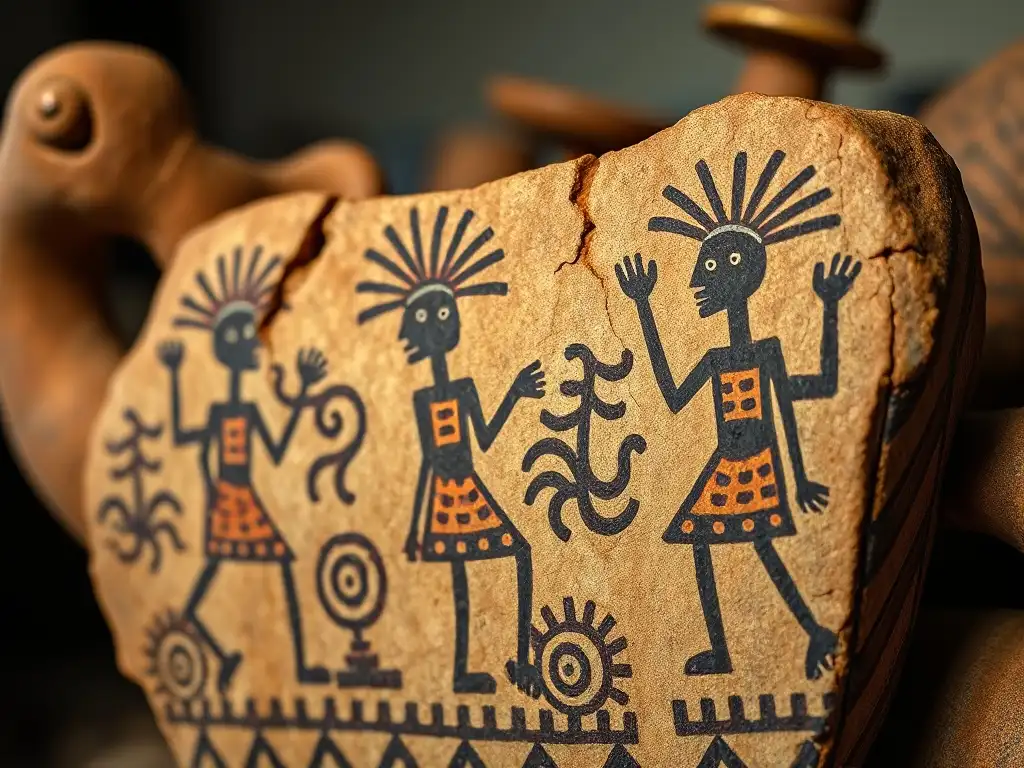
Andean pottery, far from being mere decorative objects, served as powerful tools for social communication in ancient Andean societies. The intricate designs, styles, and materials used in their creation conveyed complex social messages, reflecting power structures, religious beliefs, and everyday life. Analyzing these artifacts provides invaluable insights into the social dynamics and cultural complexities of civilizations like the Inca, Moche, Nazca, and Tiahuanaco.
The sheer volume of surviving pottery, coupled with its remarkable diversity, offers a rich tapestry of information unavailable through other archaeological sources. Scholars meticulously examine aspects like vessel shape, size, color palette, and iconography to decipher their intended meanings, often revealing nuanced social hierarchies and intricate belief systems.
The study of Andean pottery social messages is a vibrant field, constantly evolving as new discoveries are made and analytical techniques are refined. This section will delve into the significance of ceramics within these societies and explore the symbolic language embedded within their designs.
The Significance of Ceramics in Ancient Andean Societies
Ceramics played a central role in the daily lives of Andean peoples, transcending purely utilitarian functions. Pottery was essential for storing food and water, crucial for survival in the challenging Andean environment. However, its significance extended far beyond mere practicality. Elaborate ceramic vessels were used in rituals and ceremonies, highlighting their importance in religious and spiritual life.
The creation and use of pottery were often gendered activities, with women often playing a key role in pottery production, while men might control the distribution and use of more prestigious pieces. This division of labor reflects broader social structures and gender roles within these complex societies. Different styles of Andean pottery were associated with specific social groups or regions, indicating a complex interplay between local identities and broader cultural exchanges.
For instance, the distinctive styles of Moche pottery, characterized by their realistic depictions of scenes and figures, are easily distinguishable from the geometric designs favored by the Nazca. This regional diversity of styles underscores the importance of pottery as a marker of cultural identity and social affiliation. The careful study of the materials used—the type of clay, the firing techniques, the presence of pigments—further allows researchers to trace trade routes and understand economic interactions between different Andean communities.
Beyond Decoration: Unveiling the Symbolic Language of Andean Pottery
The decorative elements on Andean pottery are far from arbitrary. They represent a sophisticated symbolic language, encoding social messages related to power, status, and religious beliefs. For example, the depiction of specific animals, such as jaguars or condors, often signified power and authority. Certain motifs, such as stylized plants or geometric patterns, may have alluded to fertility, abundance, or cosmological beliefs.
The size and quality of the pottery also played a role in conveying social status. Large, intricately decorated vessels were likely reserved for elites, reflecting their higher standing within society. Smaller, simpler vessels were used by commoners, reflecting their everyday needs. The vibrant colors used in Andean pottery were not simply aesthetic choices.
Specific pigments, such as those derived from minerals or plants, likely carried symbolic meanings, further enriching the social messages encoded in these artifacts. Analyzing the iconography on Andean pottery requires a multidisciplinary approach, drawing upon knowledge of Andean mythology, social structures, and artistic conventions. The study of Andean pottery social messages is an ongoing process, with researchers constantly refining their interpretations based on new discoveries and advanced analytical techniques. The meticulous study of these artifacts continues to unveil the intricate social fabric of ancient Andean civilizations.
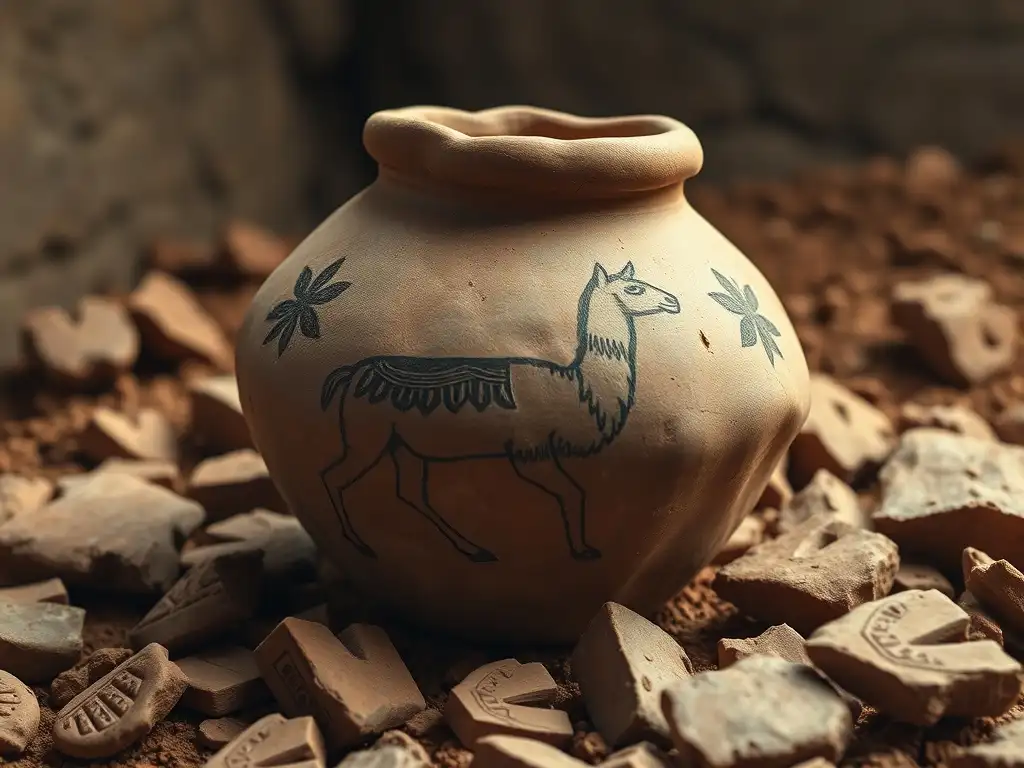
The intricate artistry of Andean pottery offers a fascinating window into the social structures of these ancient societies. By analyzing stylistic choices, iconography, and the materials used, archaeologists can decipher complex social hierarchies and power dynamics that might otherwise remain hidden.
The careful examination of Andean pottery social messages reveals a nuanced understanding of how these civilizations organized themselves, reflecting not only political power but also religious beliefs and daily life. This section will focus on specific examples from three major Andean cultures: Moche, Nazca, and Tiahuanaco, highlighting the ways their pottery reflects societal stratification.
The careful study of these artifacts provides invaluable insights into the complexities of Andean social organization and the ways in which these societies communicated their values and beliefs through art. Understanding these messages allows us to move beyond simple descriptions of artifacts and into a deeper understanding of the cultural context in which they were created and used.
The Moche civilization (100-800 CE) in northern Peru is renowned for its incredibly lifelike and detailed pottery. Analysis of Moche ceramics reveals a strong correlation between pottery style and social status. Elite individuals were often depicted in elaborate portraits, showcasing their fine clothing, jewelry, and regalia. These portraits, frequently found in elite tombs, were crafted with exceptional skill, utilizing fine-grained clays and employing intricate techniques like modeling and slip painting. For example, the depiction of a Moche lord wearing a richly decorated headdress and holding a ceremonial staff clearly signifies his high social standing.
In contrast, pottery associated with commoners exhibits simpler styles and less refined techniques. While still possessing artistic merit, these pieces lack the elaborate detail and high-quality materials of elite pottery. Functional vessels, such as cooking pots and storage jars, are typically less decorated, reflecting their utilitarian purpose and the lower social status of their owners.
The difference in quality and style is a clear indication of the social stratification within Moche society, with pottery serving as a visual marker of social hierarchy. This careful differentiation in pottery production and style allowed for effective communication of social roles and distinctions within the Moche community. The sheer volume and variety of Moche pottery discovered provides a wealth of data for such analyses, allowing researchers to build a comprehensive picture of Moche social organization.
The Iconography of Power in Nazca Pottery Designs
Nazca pottery (100 BCE – 800 CE), from southern Peru, presents a different approach to communicating social messages. While not as overtly representational as Moche pottery, Nazca ceramics utilize complex iconography to convey power and social status. The frequent depiction of stylized figures, often in elaborate headdresses and ceremonial attire, suggests a complex system of religious and political authority. These figures, frequently depicted in processions or ritual contexts, are often associated with specific deities or mythical beings, indicating a close connection between religious and political power.
The use of specific colors and motifs also played a significant role in conveying social messages. Certain colors, such as red and black, were likely associated with high status, while others might have symbolized fertility or other important cultural values. The intricate designs, often incorporating geometric patterns and stylized animals, likely held symbolic meaning related to social status or religious beliefs.
Further research is needed to fully decipher the meaning of these intricate designs, but initial studies suggest that they played a crucial role in communicating social hierarchies and religious beliefs within Nazca society. The sheer number of Nazca vessels unearthed, each with its unique iconography, demonstrates the importance of pottery as a medium for communicating complex social and religious ideas. Further detailed analysis of individual motifs and their contexts promises further insights into the subtle nuances of Nazca social structure.
Tiahuanaco ceramics (500-1000 CE), from the Tiwanaku culture in the Bolivian Altiplano, present a unique perspective on the interplay between social order and religious beliefs. Tiahuanaco pottery frequently depicts stylized human figures, often associated with religious iconography. These figures, frequently depicted in ceremonial attire and holding ritual objects, likely represent priests, rulers, or other important figures within the social hierarchy. The consistent stylistic features across vast geographical areas under Tiahuanaco control suggest a centralized system of religious and political authority.
The use of specific motifs, such as stepped pyramids and stylized feline figures, underscores the importance of religious beliefs in shaping the social order. These motifs, repeated across various pottery styles and vessel types, highlight the pervasive influence of religious ideology on daily life. The quality of the pottery also appears to correlate with social status, with finer pieces likely associated with elite individuals or religious institutions.
Further research is needed to fully understand the nuances of social stratification within Tiahuanaco society, but the pottery provides a valuable starting point for exploring these complex social dynamics. The extensive geographical reach of Tiahuanaco's influence is reflected in the distribution of their distinctive pottery, providing evidence of a sophisticated system of communication and social control. The analysis of Tiahuanaco pottery, therefore, offers a unique perspective on the relationship between religion, power, and social organization in the Andean world.
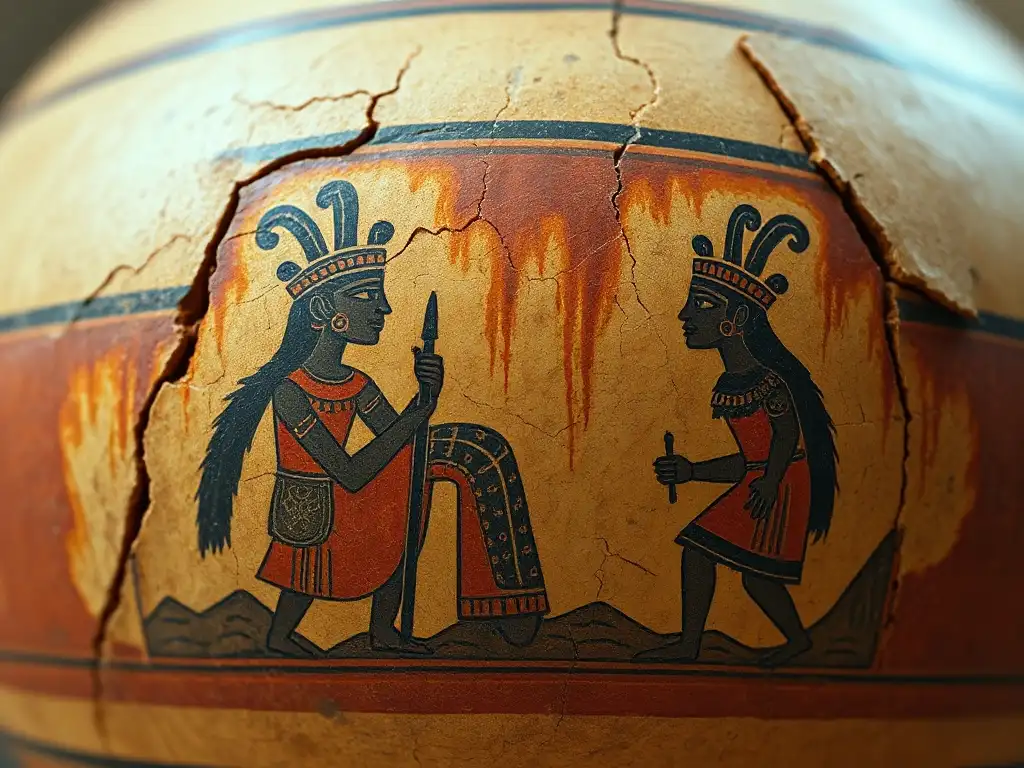
The intricate artistry of Andean pottery extends far beyond mere aesthetics. Careful examination reveals a complex system of social communication embedded within the designs, colors, and forms of these ancient vessels. Understanding these visual cues offers a unique window into the social structures, beliefs, and power dynamics of the various Andean cultures.
This section will explore how Andean pottery functioned as a powerful medium for conveying social messages, acting as a visual language reflecting the social fabric of these societies. The analysis will focus on specific examples, illustrating how seemingly simple decorative elements held profound social significance. We will analyze how pottery styles varied across different social groups, providing insights into social stratification and identity.
Furthermore, we'll explore the role of pottery in rituals and ceremonies, revealing its function as a conduit for communicating religious and ideological beliefs. The study of Andean pottery, therefore, offers a compelling case study in the intersection of material culture and social dynamics.
Andean pottery is characterized by a rich tapestry of motifs, each carrying specific social meanings. For example, the recurring depiction of stylized felines in Moche pottery suggests a connection to elite power structures. These feline motifs, often depicted in dynamic poses and adorned with elaborate headdresses, frequently appear on large, ceremonial vessels, suggesting a link between feline imagery and the authority of the ruling class. Conversely, simpler, geometric patterns found on everyday pottery from the same period might indicate a different social standing. The use of specific motifs, therefore, served as a visual marker of social status and identity.
Further analysis reveals that the depiction of specific plants and animals also held significant social meaning. For example, the representation of maize in Nazca pottery likely symbolizes abundance and prosperity, reflecting the importance of agriculture in their society. The meticulous detail and skillful execution of these motifs highlight the social value placed upon agricultural production and its role in maintaining social order.
The prevalence of certain motifs across different regions and time periods allows for a comparative analysis, illuminating the evolution of social structures and the exchange of cultural ideas. Detailed studies of these recurring patterns provide compelling evidence of the sophisticated social communication embedded in Andean pottery. Analyzing the frequency and context of these motifs helps us understand the complex social hierarchy within these ancient societies.
The vibrant palette of Andean pottery is not merely decorative; color played a crucial role in conveying social messages. The use of specific pigments, often derived from minerals and plants, was carefully controlled, reflecting the social and economic resources available to the potters. For instance, the use of rare, vibrant colors such as deep blues and rich reds often indicates elite patronage, suggesting that these vessels were produced for, or used by, members of the upper class. Conversely, the simpler palettes found on everyday pottery highlight the distinctions in social status.
The strategic use of color further enhanced the narrative scenes depicted on the vessels. The contrasting colors used in Moche pottery, for instance, helped to differentiate characters and emphasize symbolic elements within the narrative scenes. This careful manipulation of color demonstrates a sophisticated understanding of visual communication and its potential to convey complex social messages.
A systematic study of pigment analysis and the distribution of colors across different pottery types provides further insight into the social stratification and the production and consumption patterns within these societies. The color itself, therefore, becomes a key element in understanding the social context of the pottery. Furthermore, the techniques used to apply and preserve the colors provide clues about the technological expertise and social organization of the artisans.
Examining the Narrative Scenes on Pottery Vessels
Many Andean pottery vessels feature elaborate narrative scenes, depicting a range of activities including warfare, rituals, and daily life. These scenes are not random depictions; they actively convey social information. For example, Moche pottery often depicts scenes of human sacrifice, reflecting the importance of religious rituals in their society and the power wielded by religious elites. The detailed depictions, often including specific costumes and gestures, provide valuable insights into the social roles and hierarchies within these societies. Similarly, scenes of hunting and feasting offer insights into economic activities and social gatherings.
The careful composition and arrangement of figures within these scenes reveal a sophisticated understanding of visual storytelling. The size and prominence of certain figures might indicate their social standing, while the actions and interactions between characters provide clues about social relationships and power dynamics. The analysis of these narrative scenes, combined with other archaeological evidence, provides a holistic understanding of the social fabric of ancient Andean societies.
The study of narrative scenes on pottery vessels is therefore crucial for deciphering the social messages embedded in this rich material culture. The dynamic nature of these scenes, often depicting complex interactions and symbolic actions, offers a unique and valuable insight into the social lives of the Andean peoples. Further research into the iconography and stylistic variations within these scenes will allow for a more nuanced understanding of the social complexities of these ancient civilizations.
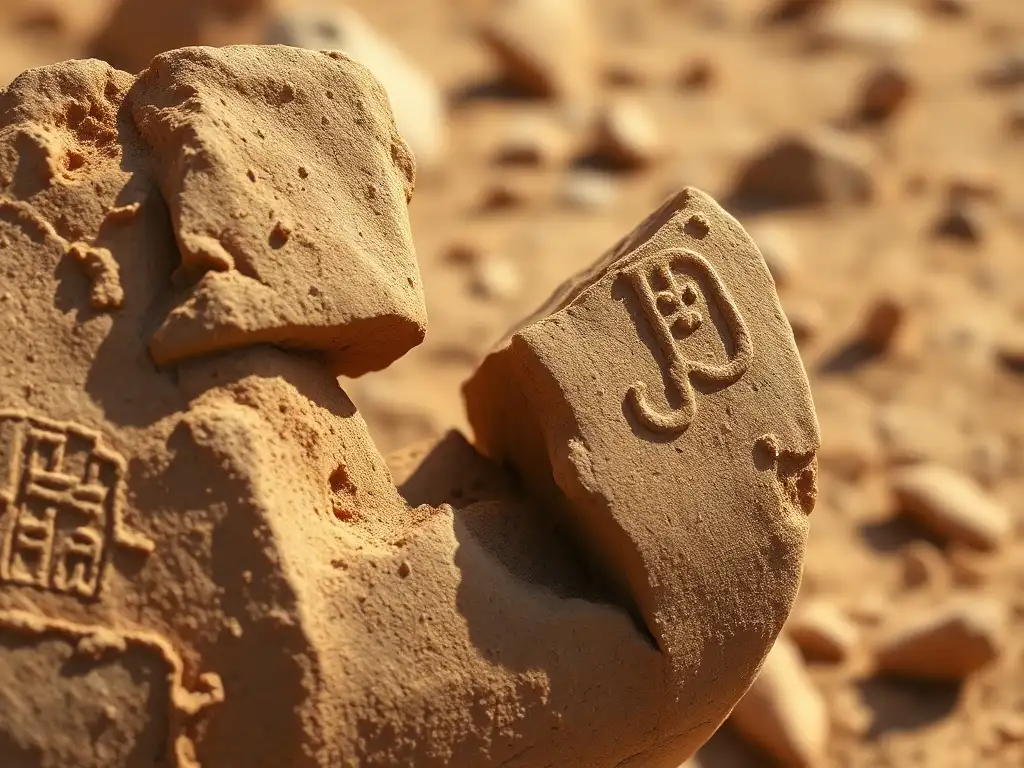
The intricate designs and diverse forms of Andean pottery weren't merely functional; they served as powerful tools for communication, reflecting and shaping social structures, beliefs, and interactions. The very act of creating and using pottery was deeply intertwined with the social fabric of Andean societies, playing a crucial role in rituals, ceremonies, and everyday life. Examining these ceramic artifacts reveals compelling insights into the complex social dynamics of these ancient civilizations.
Understanding the role of Andean pottery in social contexts allows us to better appreciate the depth and sophistication of their cultures, moving beyond simple aesthetics to uncover the rich social messages embedded within each piece. The analysis of Andean pottery social messages provides a unique window into the past.
Andean pottery frequently depicted scenes of communal activities, reinforcing social bonds and shared identities. Pottery styles, often specific to particular regions or social groups, acted as visual markers of affiliation and belonging. For example, the consistent use of specific motifs or colors in a particular village’s pottery might indicate a shared ancestry or a strong sense of community.
This visual unity, expressed through shared aesthetic preferences in pottery, fostered social cohesion and helped solidify group identity. The creation of pottery itself could have been a communal activity, further strengthening social ties. Imagine groups of artisans working together, sharing skills and knowledge, creating pieces that would later be used in shared rituals and celebrations.
This collaborative process, reflected in the uniformity of styles within certain communities, played a significant role in maintaining social harmony and stability. The meticulous craftsmanship evident in many pieces suggests a high level of social organization and cooperation.
Ceremonial Vessels and Their Significance in Andean Rituals
Ceremonial vessels, often elaborately decorated and made from high-quality materials, held a prominent place in Andean rituals. Their forms and iconography frequently alluded to religious beliefs, mythological narratives, and the relationship between humans and the supernatural world. Many vessels depicted deities, mythical creatures, or scenes from important myths, suggesting their use in rituals aimed at appeasing the gods or ensuring a bountiful harvest. The size and complexity of some vessels also indicate their importance in large-scale ceremonies, perhaps involving multiple communities or even entire regions.
The careful placement of these vessels within tombs or sacred sites further underscores their religious significance. For instance, the intricate Moche pottery depicting scenes of sacrifice and ritualistic practices provides invaluable insight into their religious beliefs and social hierarchies. The sheer artistry and detail involved in these pieces highlight the reverence with which religious rituals were conducted.
Beyond religious contexts, Andean pottery played a vital role in feasts and social gatherings. Large storage jars, serving vessels, and drinking cups were essential components of these events, facilitating social interaction and reinforcing social bonds. The presence of particular types of pottery at certain events might have indicated the social status of the participants or the significance of the occasion.
For example, the use of fine, elaborately decorated vessels might have been reserved for elite gatherings, whereas simpler pottery may have been used in more everyday social interactions. The distribution of food and drink in communal settings, using shared pottery, facilitated a sense of shared experience and helped strengthen social ties.
The presence of large quantities of pottery shards at archaeological sites suggests the widespread use of pottery in feasts and celebrations across various Andean societies, offering a tangible representation of their vibrant social lives. The analysis of food residues on pottery fragments could even reveal details about the types of food consumed during these events, providing further insight into the dietary habits and social customs of the people.
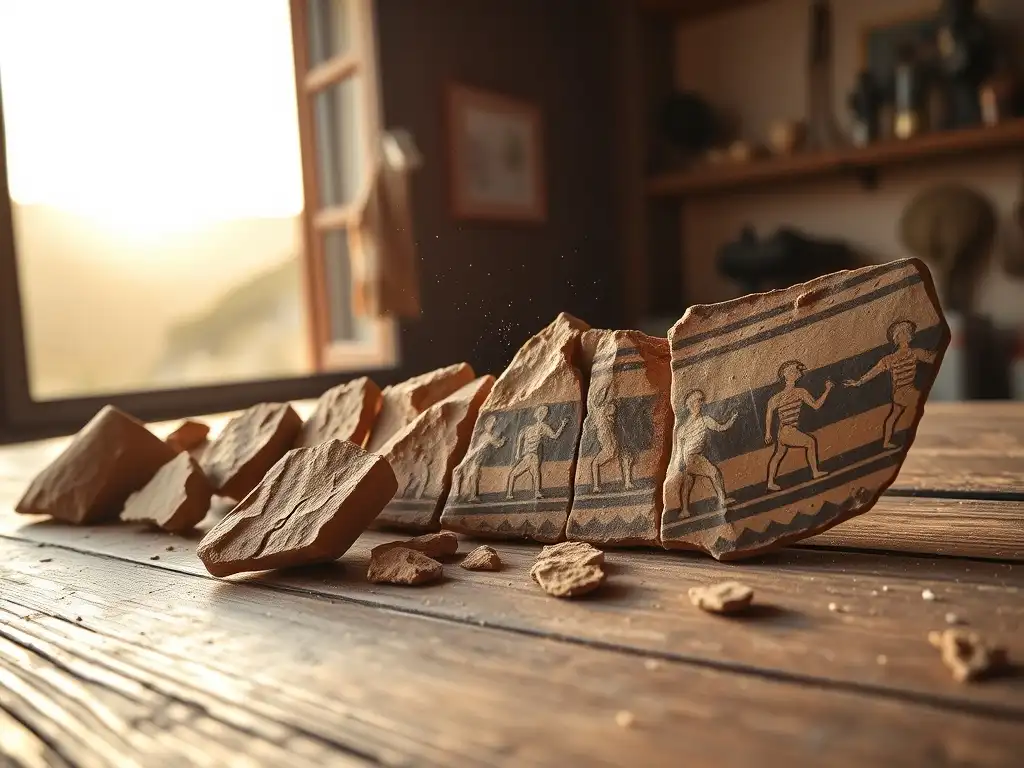
The study of Andean pottery offers a unique window into the evolving social structures and power dynamics of ancient Andean civilizations. Ceramic production wasn't merely a utilitarian activity; it was deeply intertwined with social status, religious beliefs, and political organization. Analyzing changes in pottery styles, techniques, and decorative motifs reveals crucial insights into how these societies functioned and changed over time.
The shift from simple, hand-built vessels to more elaborate, wheel-thrown pieces, for example, reflects not only technological advancements but also the increasing complexity of social hierarchies. The emergence of standardized forms and decorative patterns suggests a growing degree of centralized control and perhaps the rise of elite craft specialists. This evolution is not uniform across all Andean cultures, however, with variations reflecting diverse regional traditions and interactions.
Understanding this evolution is key to deciphering the social messages encoded within these ancient artifacts. The intricate interplay between technology, artistry, and social structure is a compelling narrative waiting to be uncovered.
The evolution of Andean pottery styles is a compelling reflection of societal shifts. Early periods, such as the Early Horizon (c. 1800-900 BCE), are characterized by simpler, often hand-built pottery, frequently decorated with geometric patterns. These styles might represent a more egalitarian society, with less emphasis on conspicuous consumption or elaborate displays of wealth and power. However, as societies grew more complex, so did their pottery.
The Middle Horizon (c. 600-1000 CE) witnessed a dramatic increase in the sophistication of ceramic production, with the introduction of the potter's wheel in some regions and the development of more elaborate decorative techniques, including polychrome painting and intricate mold-made designs. This increased complexity often correlates with the emergence of powerful states and stratified social structures. For instance, the Moche culture's renowned portrait vessels, showcasing detailed depictions of individuals, likely served as representations of elites or significant figures within their society, highlighting social hierarchy through artistic representation.
The Late Intermediate Period (c. 1000-1476 CE) saw further stylistic developments, with regional variations becoming increasingly pronounced, reflecting the diversity of political entities and social structures across the Andes. The Inca Empire, finally, imposed a degree of stylistic standardization, reflecting the centralized nature of their administration and control. This standardization, however, didn't completely erase regional traditions, hinting at a complex negotiation between imperial power and local identities.
The Andean region is characterized by immense geographical and ecological diversity, and this is reflected in the remarkable regional variations in pottery styles. The Nazca culture, known for its intricate polychrome pottery depicting mythical beings and complex narratives, differed significantly from the Moche culture's realistic portrait vessels. These stylistic differences aren't simply aesthetic; they reflect distinct social and religious beliefs, as well as different approaches to social organization.
For instance, the elaborate iconography of Nazca pottery, with its emphasis on complex narratives and symbolic representations, suggests a society deeply engaged with ritual and religious practices. In contrast, the Moche portrait vessels, with their focus on individual representation, possibly indicate a different emphasis on social status and power dynamics. The Tiahuanaco culture, located in the high Andes, produced a distinctive style of pottery characterized by its geometric designs and use of specific colors, reflecting their unique environment and social structures.
These regional variations highlight the importance of considering the social context of each pottery style, as it cannot be understood in isolation from its geographic and cultural background. The diversity of styles across different Andean societies underscores the richness and complexity of their social organization.
The Legacy of Andean Ceramic Traditions in Modern Society
Andean ceramic traditions have left an enduring legacy on contemporary Andean societies. While modern pottery production often incorporates new technologies and materials, many communities continue to produce pottery using traditional techniques and designs, preserving ancient knowledge and artistic skills. These traditions are often deeply intertwined with local identities and cultural practices.
The continued production of traditional pottery serves as a tangible link to the past, reflecting the continuity of cultural heritage and community identity. Furthermore, the study of ancient Andean pottery continues to inspire contemporary artists and designers, contributing to the ongoing evolution of ceramic art. The enduring appeal of these ancient artifacts demonstrates their lasting cultural significance and their capacity to connect past and present.
The vibrant colors, intricate designs, and powerful narratives embedded in Andean pottery continue to resonate with audiences worldwide, reminding us of the rich history and cultural heritage of the Andean region. The preservation and study of these traditions are crucial for understanding the complex social history of the Andes and for ensuring the continuation of these vital cultural practices.
This section delves into the fascinating world of early Andean ceramics and their role as powerful communicators of social structures and beliefs. We'll explore how seemingly simple pottery shards can unlock complex narratives about social hierarchies, religious practices, and daily life in ancient Andean societies. Analyzing Andean pottery social messages requires a multifaceted approach, combining stylistic analysis with archaeological context. The vibrant colors, intricate designs, and even the very composition of the clay itself all contribute to a richer understanding of these ancient cultures.
Andean pottery wasn't merely functional; it served as a vital medium for expressing social status, religious beliefs, and political power. The size, shape, and decoration of pottery vessels often reflected the social standing of their owners. For example, large, elaborately decorated vessels, often found in elite tombs, suggest a connection to high social rank. Conversely, simpler, smaller vessels likely belonged to commoners.
Consider the Moche culture: their pottery is renowned for its intricate depictions of scenes from daily life, warfare, and religious rituals. These narratives, rendered in vivid colors and dynamic compositions, provide invaluable insights into their societal values and beliefs. The detailed representations of individuals, their clothing, and their interactions offer a glimpse into the social hierarchy and power dynamics within Moche society. The prevalence of certain motifs, such as specific animals or deities, can also indicate the importance of those symbols within their worldview.
Furthermore, the chemical analysis of the clay used in pottery production can reveal information about trade networks and resource management. Variations in clay composition across different regions can indicate the movement of goods and the extent of interaction between different Andean communities. This kind of data adds another layer to our understanding of the social dynamics of the time, showcasing the interconnectedness of seemingly disparate groups. Analysis of Andean pottery social messages often reveals a complex interplay of local traditions and wider regional influences.
The use of specific pigments and techniques also holds clues. The availability of certain minerals used in creating pigments could indicate access to specific resources, further reinforcing existing social hierarchies. For instance, the presence of rare pigments in certain vessels might point to the elite's control over trade routes and access to valuable resources. This adds another fascinating dimension to the study of Andean pottery social messages.
Further research into Andean pottery and social dynamics could greatly benefit from a more interdisciplinary approach. Combining archaeological findings with anthropological studies of contemporary Andean communities could illuminate the enduring cultural significance of pottery and its continuing role in social communication. This comparative approach could help decipher the meanings behind certain symbols and motifs that might otherwise remain elusive.
A more comprehensive database of Andean pottery, including detailed descriptions of stylistic variations and contextual information, would be invaluable. This would allow for more robust statistical analyses, revealing patterns and trends that might not be apparent through individual case studies. Such a database could facilitate comparative studies across different Andean cultures, revealing both similarities and differences in their social structures and belief systems.
The integration of advanced imaging techniques, such as 3D scanning and spectral analysis, could further enhance our ability to analyze Andean pottery social messages, providing a more complete and nuanced understanding of these ancient societies. The potential for new discoveries and breakthroughs in this field is immense, promising to significantly enrich our understanding of Andean civilizations.
Frequently Asked Questions
Andean pottery frequently communicated social status, religious beliefs, and daily life. Images depicted rulers, deities, ceremonies, and agricultural practices, reflecting the society's values and structure.
Elaborate designs and high-quality materials often indicated the elite class, while simpler styles were associated with commoners. The size and type of vessels also played a role in signifying social standing.
Yes, many iconic symbols and motifs were used. For example, certain animals, plants, and geometric patterns held specific meanings related to power, fertility, or lineage, conveying complex social information.
Color played a significant role, with certain hues symbolizing spiritual significance or social standing. The use of vibrant or rare pigments could indicate high status or religious importance.
How can we learn about Andean society through the study of their pottery?
Analyzing Andean pottery provides invaluable insights into their social structures, belief systems, and daily routines. The imagery, materials, and techniques used reveal much about their worldview and societal organization.
Final Reflection: Unearthing the Echoes of Andean Voices
The intricate designs and symbolic imagery etched onto early Andean ceramics aren't mere decorations; they are powerful testaments to a vibrant, complex society, their messages resonating even across millennia. These ancient artifacts offer a unique window into the social structures, beliefs, and daily lives of Andean cultures, providing invaluable insights that continue to shape our understanding of pre-Columbian societies. Their enduring legacy challenges us to reconsider our own assumptions about communication and cultural expression.
The enduring influence of Andean pottery extends far beyond the museum walls; it continues to inspire artists, historians, and anthropologists alike. The vibrant colors, intricate patterns, and symbolic representations speak to a deep-seated human need for self-expression and community building, a need that transcends time and geography. The past is never dead. It's not even past.
– William Faulkner. This quote perfectly encapsulates the ongoing relevance of studying Andean pottery, as its messages continue to inform and inspire our understanding of the human experience.
Consider the stories whispered by these ancient vessels. What narratives do they reveal about power dynamics, social hierarchies, and spiritual beliefs? Take a moment to reflect on the power of visual communication and its ability to bridge the chasm of time.
Engage with these artifacts not simply as historical objects, but as powerful voices from a distant past, voices that still have much to teach us about ourselves and the enduring human spirit. Let their legacy inspire you to seek out and appreciate the stories embedded in the objects around you, for within them lies a wealth of untold narratives waiting to be discovered.
**Unleash Your Creativity: Dive Into the World of Andean Ceramics! **
Thank you for exploring the intricate tapestry of social messages woven into early Andean ceramics! We hope this article has inspired you to appreciate the rich cultural heritage and artistry of these stunning artifacts. Now, let's explore ways to connect more deeply with this fascinating world.
Here are some **practical steps** you can take:
- **Visit a Local Museum:** Many museums feature exhibits on Andean ceramics. Immerse yourself in the beauty and history of these remarkable pieces, and learn about the stories they tell.
- **Take a Pottery Class:** Numerous online and in-person classes explore Andean pottery techniques. Learn hands-on skills and discover how to incorporate these ancient artistic concepts into your own work.
- **Share Your Passion:** Discuss your newfound appreciation for Andean ceramics with friends, family, or online communities. Use the hashtag #AndeanArt to connect with others who share your enthusiasm!
What aspects of Andean ceramics intrigue you most, and how can you translate their powerful messages into your own creative endeavors?