
The Legacy of the First Settlers: How They Shaped the Andean World

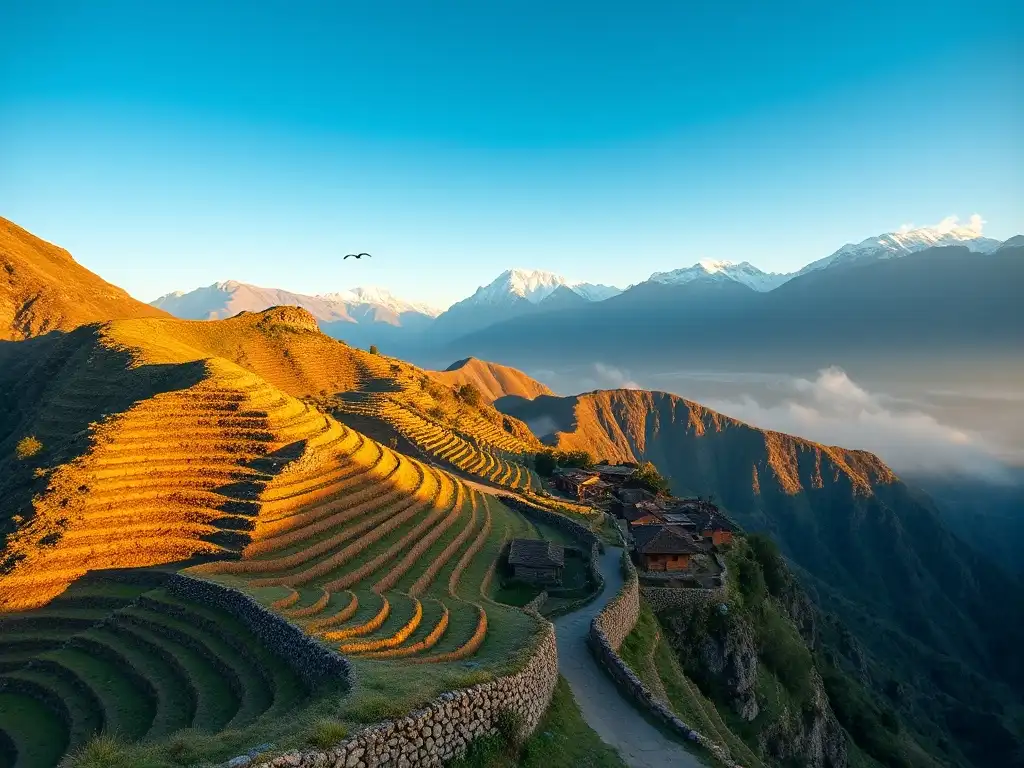
Step into a world lost to time, yet echoing with the whispers of empires. Uncover the secrets of the Ancient Andean civilizations history, a tapestry woven from breathtaking artistry, ingenious engineering, and deeply spiritual beliefs. From the towering heights of Machu Picchu to the enigmatic Nazca Lines, prepare to be captivated by the legacy of these remarkable cultures. The story of their rise and fall is far more complex and fascinating than you might imagine— dare to explore?
- The Legacy of the First Settlers: Shaping the Ancient Andean World
- Early Inhabitants of the Andes: A Foundation for Civilization
- The Development of Complex Societies in the Andean Region
- Shaping the Andean World: Art, Religion and Society
- Transition to More Complex Andean Civilizations
- The Enduring Impact of the First Settlers on the Ancient Andean Civilizations History
-
Frequently Asked Questions
- What is the main focus of this article about Ancient Andean Civilizations?
- Which ancient Andean civilizations are discussed in the article?
- What aspects of Andean civilization are covered in the article?
- How does this article contribute to understanding "Ancient Andean civilizations history"?
- Where can I find more information about the specific civilizations mentioned?
- Final Reflection: Echoes of the Andes: A Legacy Unfolding
- Unveil the Impact of the First Andean Settlers Today!
The Legacy of the First Settlers: Shaping the Ancient Andean World
The towering Andes Mountains, a spine of rock and ice running down the western coast of South America, have witnessed millennia of human history. This dramatic landscape, with its diverse ecosystems ranging from arid coastal deserts to lush cloud forests, profoundly shaped the lives and cultures of the first Andean settlers.
Their ingenuity in adapting to these challenging environments laid the foundation for the remarkable civilizations that would follow, including the Inca, Moche, Nazca, and Tiahuanaco. This article delves into the legacy of these early inhabitants, exploring their innovations in agriculture, social structures, and spiritual beliefs, and examining how they left an indelible mark on the Andean world, significantly contributing to what we understand today as "Ancient Andean civilizations history".
We will uncover the fascinating story of how these pioneering groups not only survived but thrived, creating a complex tapestry of human experience that continues to inspire awe and wonder. Understanding their contributions is crucial to appreciating the full richness and complexity of the later, more well-known Andean empires.
Understanding the Origins of Andean Civilizations
The earliest evidence of human presence in the Andes dates back to approximately 12,000 years ago. These initial settlers were hunter-gatherers, adapting their lifestyles to the available resources. Archaeological findings, such as tools and remnants of settlements, reveal a gradual shift towards more settled lifestyles as they began to cultivate plants and domesticate animals. This transition, crucial in the development of Andean societies, was not uniform across the region.
Different groups developed unique strategies for survival based on their specific environments. For example, coastal communities focused on fishing and shellfish gathering, while those in the highlands relied on camelids like llamas and alpacas, alongside diverse crops adapted to high altitudes. This early diversification is a key aspect of "Ancient Andean civilizations history" and laid the foundation for future societal complexity.
The development of agriculture was a pivotal moment. The cultivation of crops like potatoes, quinoa, and beans provided a reliable food source, allowing for larger and more permanent settlements. This, in turn, led to increased population density and the emergence of more complex social structures.
Evidence suggests early forms of social organization, with potential leadership hierarchies and specialized labor roles. The precise nature of these early societies remains a subject of ongoing research, but their impact on subsequent Andean cultures is undeniable. Their innovations in agriculture and early social structures provided a robust base upon which later, more advanced civilizations would build.
Early Technological Innovations in the Andes
The ingenuity of early Andean settlers is evident in their technological advancements. They developed sophisticated irrigation systems to manage water resources in arid regions, allowing for successful agriculture even in challenging environments. These systems, often involving canals and terraces carved into hillsides, demonstrate a remarkable understanding of hydrology and engineering. Furthermore, their mastery of textiles is also noteworthy.
Early Andean cultures produced intricate textiles using natural dyes and complex weaving techniques. These textiles served not only practical purposes but also held symbolic meaning, reflecting social status and spiritual beliefs. The production of ceramics also flourished, with early pottery displaying diverse styles and decorative elements, providing valuable insights into their artistic expression and cultural beliefs. These technological advancements, integral to "Ancient Andean civilizations history", showcase an impressive capacity for innovation and adaptation, shaping the material culture and economic practices of subsequent Andean societies.
Religious Beliefs and Ritual Practices of Early Andean Cultures
The spiritual world played a significant role in the lives of early Andean settlers. Archaeological evidence reveals the presence of elaborate burial practices, suggesting a belief in an afterlife and the importance of ancestors. The development of religious rituals and ceremonies likely played a crucial role in social cohesion and the maintenance of order within communities.
While the specifics of their belief systems remain partially unknown, the presence of ceremonial sites and artifacts suggests a complex spiritual landscape, with potential links to natural phenomena, such as mountains and celestial bodies. The reverence for these natural elements would continue to be a defining characteristic of Andean cultures for millennia to come, impacting the development of their societal structures and artistic expressions. This aspect of "Ancient Andean civilizations history" remains a captivating area of study, prompting further research into the worldview of these early inhabitants.
Early Inhabitants of the Andes: A Foundation for Civilization
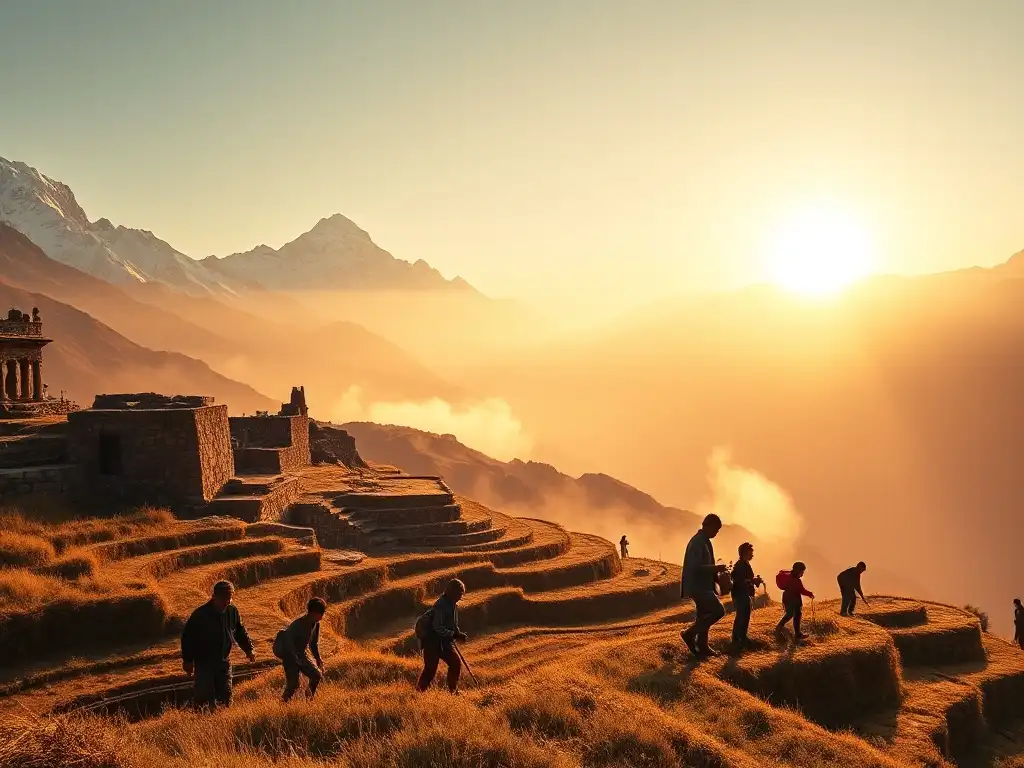
This section delves into the fascinating lives of the earliest Andean inhabitants, laying the groundwork for the complex civilizations that would follow. Understanding their societal structures, technological innovations, and daily lives is crucial to grasping the full scope of Ancient Andean civilizations history. We'll explore the preceramic and archaic periods, highlighting key advancements and significant archaeological sites that offer glimpses into their world.
Preceramic Period: The Dawn of Andean Societies
The Preceramic Period, spanning roughly 8000 to 2000 BCE, marks the initial human presence in the Andes. These early inhabitants were hunter-gatherers, adapting to the diverse Andean environments. Their ingenuity is evident in their sophisticated tools, crafted from stone, bone, and wood. Evidence suggests a complex understanding of their surroundings, with specialized hunting techniques tailored to the available fauna.
For example, archaeological finds in coastal regions demonstrate expertise in fishing and shellfish gathering, while highland sites reveal evidence of hunting camelids like llamas and alpacas. The development of sophisticated tools, like finely crafted projectile points and grinding stones, indicates a growing mastery over their environment and a gradual shift towards more settled lifestyles. This period also saw the development of early forms of social organization, with evidence suggesting the beginnings of community structures and possibly early forms of ritual practices. The transition from nomadic hunter-gatherer societies to more settled communities laid the foundation for the later development of agriculture and the rise of complex societies.
The legacy of these early Andean peoples is profound, shaping the cultural and technological trajectory of subsequent civilizations. Further research is needed to fully understand the complexities of social structures and belief systems during this period. [Specific information pending on social hierarchies within preceramic communities].
Archaic Period: The Rise of Sedentary Life
The Archaic Period (circa 2000-1000 BCE) witnessed a pivotal shift in Andean societies: the adoption of agriculture. This revolutionary change led to the development of sedentary lifestyles, the establishment of permanent settlements, and the emergence of more complex social structures. The domestication of plants, such as potatoes, beans, and squash, provided a reliable food source, allowing for population growth and the development of villages. This period also saw the emergence of irrigation systems, a testament to the early Andean peoples’ engineering skills and their understanding of water management in challenging terrains.
The construction of these early irrigation canals facilitated agricultural expansion and supported larger, more densely populated settlements. The development of pottery during this period also marks a significant cultural milestone. Early pottery styles varied regionally, reflecting the diverse environments and cultural practices of different groups.
Analysis of pottery shards provides valuable insights into dietary habits, trade networks, and artistic expressions. The increasing complexity of social organization is reflected in the size and layout of settlements, with evidence of specialized labor and potentially emerging social hierarchies. This period represents a crucial stage in Ancient Andean civilizations history, setting the stage for the more advanced civilizations of the later periods.
Key Archaeological Sites Revealing Early Andean Life: Caral
Caral, located in the Supe Valley of Peru, stands as a remarkable example of a pre-ceramic, pre-agricultural urban settlement. Dating back to approximately 2600 BCE, Caral predates many other known early urban centers in the Americas. Its monumental architecture, including large platforms, plazas, and residential structures, indicates a sophisticated level of social organization and engineering prowess.
The absence of evidence for warfare or social stratification suggests a relatively egalitarian society. Archaeological findings reveal a complex system of ritual practices, with evidence of music and possibly religious ceremonies. The discovery of cotton textiles and the presence of sophisticated tools suggests a high level of technological advancement.
Caral stands as a testament to the ingenuity and complexity of early Andean societies, challenging previous assumptions about the trajectory of societal development in the Americas. Further research on Caral and similar sites is crucial to gain a deeper understanding of the social, political, and economic structures of these early Andean communities and their contribution to Ancient Andean civilizations history. 🌎 The site's importance lies not only in its age but also in its unique characteristics, highlighting the diverse paths to societal complexity in the ancient Andes.
The Emergence of Agriculture in the Andes: Shaping Food Systems
The development of agriculture in the Andes Mountains represents a pivotal moment in the history of ancient Andean civilizations. The challenging terrain, varying altitudes, and diverse microclimates demanded innovative farming techniques, resulting in a sophisticated understanding of crop domestication and cultivation far exceeding that of many other contemporaneous societies. This wasn't simply a matter of survival; it laid the groundwork for complex social structures, population growth, and the eventual rise of powerful empires.
The earliest evidence of Andean agriculture points to the domestication of plants like squash and beans around 8000 BCE in the northern Peruvian highlands. These early farmers, likely descendants of hunter-gatherer groups, gradually transitioned to a more sedentary lifestyle as their reliance on cultivated crops increased. This shift fundamentally altered their social organization, leading to the formation of small villages and the development of early forms of social hierarchy.
The ingenuity of Andean farmers is evident in their adaptation to the diverse ecological niches available. They developed ingenious irrigation systems, terracing techniques, and sophisticated knowledge of soil management to maximize agricultural yields in challenging environments. For instance, the waru waru system, a type of raised-field agriculture, allowed for efficient water management and increased crop production in wetland areas. This system, still used in some parts of the Andes today, showcases the remarkable sustainability of ancient Andean agricultural practices.
The domestication of potatoes, quinoa, and other Andean staples proved incredibly important. These crops provided a diverse and nutritious food source, supporting population growth and providing the caloric base necessary for the development of larger, more complex societies. The adaptation of these crops to various altitudes and climates further contributed to the expansion of agricultural practices across the Andes, fostering interconnectedness and exchange between different communities.
The cultivation of these crops wasn't merely a means of sustenance; it became deeply intertwined with religious and cultural practices, shaping the spiritual landscape of the Andean world. The careful management of resources and the understanding of ecological balance, demonstrated through such sophisticated farming methods, is a testament to the profound knowledge and adaptability of early Andean settlers. The legacy of their agricultural innovations continues to impact the region's food systems and cultural identity.
The Development of Complex Societies in the Andean Region
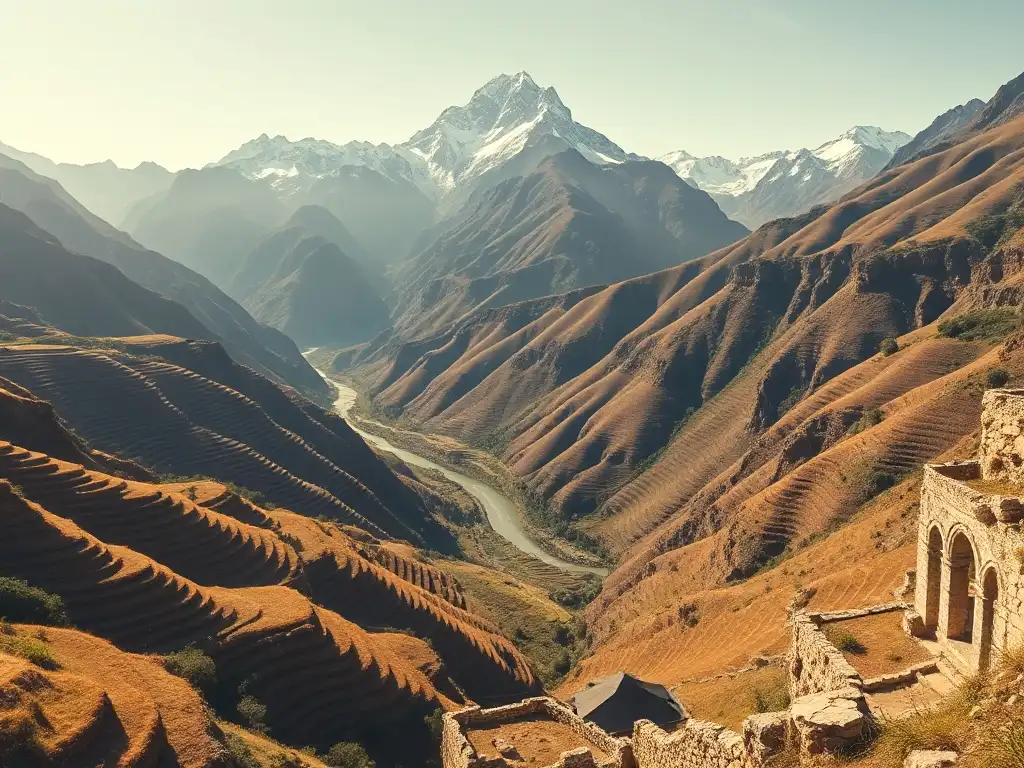
The Andes Mountains presented unique challenges and opportunities for early settlers. The varied altitudes, from coastal deserts to high-altitude plains, fostered diverse ecological niches and, consequently, a mosaic of social structures. Understanding the evolution of these societies is crucial to grasping the full tapestry of Ancient Andean civilizations history. The development of complex societies wasn't a linear process; instead, it was a complex interplay of environmental adaptation, technological innovation, and social organization.
Early settlements, initially small and relatively isolated, gradually grew in size and complexity, eventually leading to the emergence of larger, more sophisticated societies. This transition wasn't uniform across the Andean region; different groups developed at varying paces and along distinct trajectories, shaped by their unique environments and interactions. The study of Ancient Andean civilizations history reveals a fascinating interplay of cooperation and competition between these nascent societies.
The Influence of Early Cultures on Later Andean Civilizations
The legacy of early Andean cultures profoundly shaped the trajectory of later civilizations, particularly the Inca Empire. For example, the sophisticated irrigation systems developed by pre-Inca societies provided a crucial foundation for Inca agricultural practices. These earlier technologies, refined and expanded upon by subsequent groups, allowed for increased food production, supporting larger and denser populations.
Furthermore, the religious and cosmological beliefs of earlier cultures often persisted, influencing the worldview and practices of later Andean civilizations. Consider the widespread veneration of deities associated with mountains and water, a theme that resonates throughout Andean history. Archaeological evidence suggests a continuity of artistic motifs and architectural styles, highlighting the enduring influence of early cultures on later artistic expressions.
The Inca's administrative and social structures, while innovative, also built upon existing models and adaptations developed over centuries by predecessors. Understanding this historical continuity is essential for a comprehensive understanding of Ancient Andean civilizations history. The Inca Empire wasn't a sudden eruption but rather the culmination of a long and complex process of cultural evolution and interaction.
The Role of Trade and Exchange in Early Andean Societies
Trade and exchange networks played a vital role in the development of early Andean societies. Even in the absence of large, centralized states, extensive interaction and exchange of goods occurred across vast distances. This exchange wasn't limited to material goods; it also facilitated the dissemination of ideas, technologies, and religious practices.
Coastal communities, for example, traded marine resources such as fish and shellfish for agricultural products from the highlands. This reciprocal exchange fostered interdependence and strengthened social ties between different groups. The movement of obsidian, a prized volcanic glass used for tools and ornaments, demonstrates the reach of these trade networks, connecting distant communities across diverse ecological zones.
The development of specialized craft production, such as pottery and textiles, also contributed to the growth of trade. These specialized goods served not only as utilitarian objects but also as markers of social status and prestige, reinforcing social hierarchies and stimulating economic activity. The study of ancient trade routes and exchanged goods offers invaluable insights into the complex social and economic interactions that shaped Ancient Andean civilizations history.
Early Technologies and Innovations in the Andes: Irrigation Systems
The development of sophisticated irrigation systems was a crucial technological innovation that allowed early Andean societies to flourish in challenging environments. The arid coastal regions and high-altitude valleys presented significant hurdles to agriculture, but ingenious irrigation techniques allowed for the cultivation of crops in otherwise unsuitable areas. These systems involved the construction of canals, terraces, and reservoirs, often requiring significant labor and engineering expertise. The Nasca culture, for instance, is renowned for its extensive network of aqueducts, which tapped into underground water sources.
These systems were not simply utilitarian; they were also integrated into the broader social and religious life of the communities, reflecting a deep understanding of both hydrology and cosmology. The construction and maintenance of these systems required considerable social organization and cooperation, strengthening community bonds and contributing to the development of more complex social structures. The ingenuity and scale of these early irrigation systems underscore the technological prowess of early Andean societies and their profound impact on shaping Ancient Andean civilizations history.
The ability to reliably produce surplus food was a critical factor in the growth of population centers and the emergence of more complex societies. Further research is needed to fully understand the long-term effects of these irrigation systems on the environment and the sustainability of Andean agriculture. [Specific information pending: Detailed analysis of the environmental impact of early Andean irrigation systems].
Shaping the Andean World: Art, Religion and Society
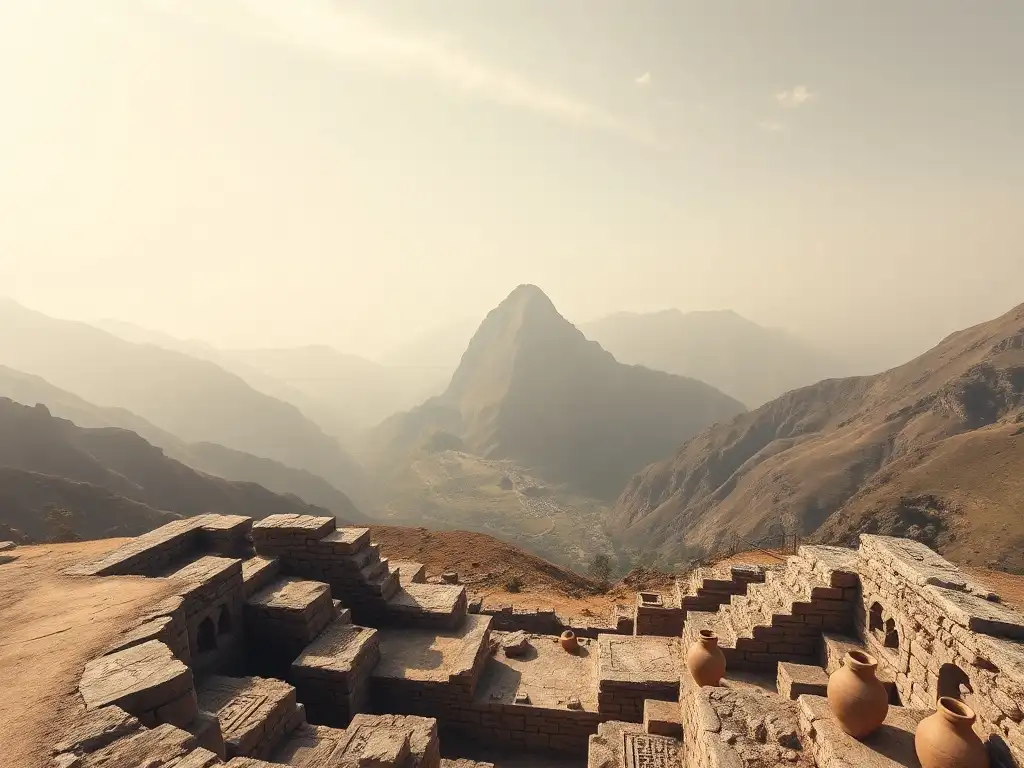
This section delves into the multifaceted legacy of the first Andean settlers, focusing on their artistic achievements, spiritual beliefs, and societal structures. Understanding these aspects is crucial to grasping the complexity of Ancient Andean civilizations history and appreciating the foundations upon which later, more elaborate cultures were built. We will explore the intricate connections between art, religion, and social organization, highlighting the innovative and enduring impact of these early communities.
The Artistic Expressions of the First Andean Settlers: Textile Weaving
The earliest Andean settlers demonstrated remarkable artistic talent, particularly in textile weaving. Long before the Inca Empire, sophisticated techniques were employed, showcasing a deep understanding of fiber preparation, spinning, dyeing, and weaving. Archaeological findings reveal intricate textiles dating back millennia, often incorporating vibrant colors derived from natural sources like plants and minerals. These textiles weren't merely decorative; they served practical purposes as clothing, blankets, and even bags. Their symbolic value, however, is equally important. Patterns and designs often held religious or social significance, reflecting the beliefs and status of the wearer or the community.
For instance, fragments of textiles discovered in the Peruvian highlands exhibit geometric patterns and representations of animals, suggesting a connection to the natural world and possibly early forms of storytelling through visual art. The complexity of some designs, involving multiple colors and intricate interweaving techniques, indicates a high level of skill and specialization within the community.
This suggests the presence of skilled artisans and potentially a system of apprenticeship or specialized training in textile production. Further research into the dyes used could potentially reveal more about trade routes and access to specific resources, enriching our understanding of the Ancient Andean civilizations history.
Religious Beliefs and Practices of Early Andean Cultures
The religious beliefs of early Andean cultures were deeply intertwined with their environment and daily lives. Evidence suggests a reverence for nature, with mountains, rivers, and celestial bodies holding significant spiritual importance. Archaeological sites often reveal evidence of ritual practices, including offerings left in caves, burial mounds, and other sacred places. These offerings, ranging from simple pottery shards to elaborate artifacts, provide insights into the beliefs and values of these early communities.
Analysis of these offerings reveals recurring themes, including fertility, abundance, and the cyclical nature of life and death. The presence of certain animal figures, such as condors or llamas, in these offerings might suggest the symbolic significance of these animals within their belief system. Furthermore, the discovery of sophisticated astronomical observatories suggests a keen understanding of celestial movements and their connection to agricultural cycles and religious rituals.
This demonstrates a complex understanding of the cosmos and its influence on their lives—a crucial component of Ancient Andean civilizations history. Further investigation into the iconography found on ceremonial objects could reveal more detailed information about their pantheon of deities and the nature of their spiritual practices.
While the exact social structures of the earliest Andean communities remain partially obscured by time, archaeological evidence suggests a degree of social organization and hierarchy. The construction of large-scale structures, such as irrigation systems and ceremonial centers, points towards a level of coordinated effort and collective labor. This implies the existence of leadership figures capable of organizing and directing such projects.
Evidence of social stratification might be inferred from the different types of burials found at archaeological sites. Some burials contain elaborate grave goods, indicating a higher social status, while others are simpler, suggesting a less privileged position. However, further research is needed to fully understand the nuances of social stratification in these early societies.
The presence of specialized craftspeople, like the textile weavers mentioned earlier, also indicates a degree of division of labor and potentially a system of reciprocal exchange or specialized roles within the community. By analyzing the distribution of artifacts and the types of dwellings, researchers can continue to piece together a clearer picture of the social dynamics that shaped Ancient Andean civilizations history. More detailed analysis of settlement patterns and artifact distribution is necessary to refine our understanding of social organization and power structures in these early communities.
Transition to More Complex Andean Civilizations
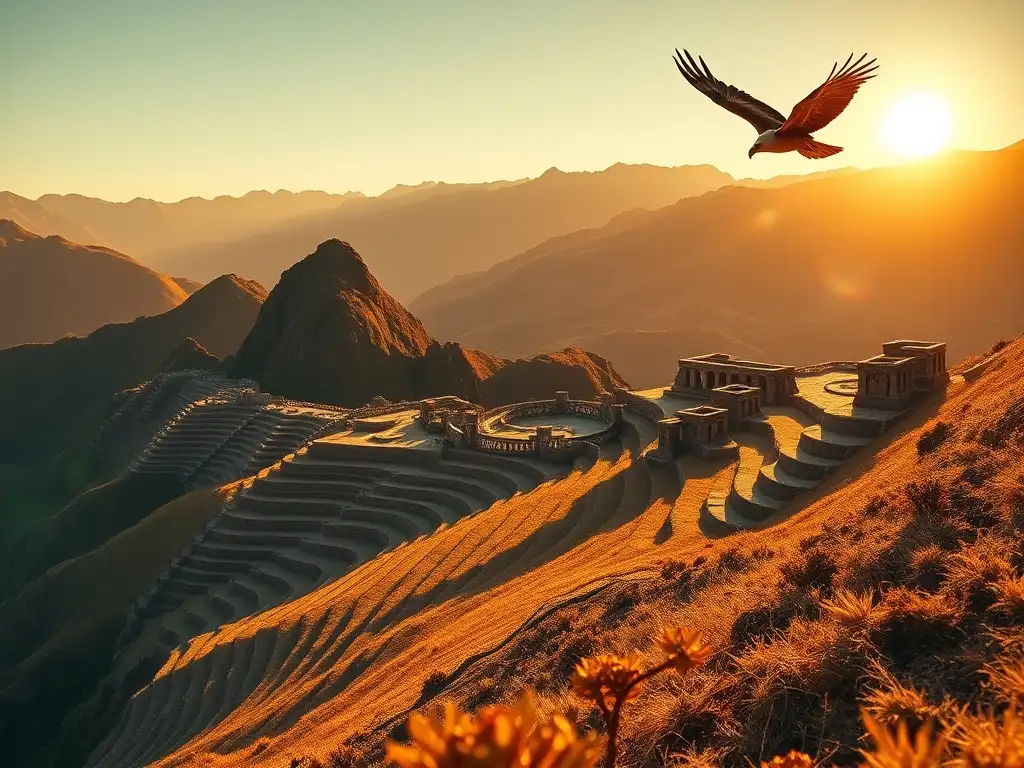
This section explores the crucial evolutionary step from the initial, relatively small settlements of early Andean peoples to the larger, more complex societies that would eventually pave the way for the Inca Empire and other significant Andean civilizations. Understanding this transition is key to grasping the full scope of Ancient Andean civilizations history. The shift wasn't sudden; it involved a gradual process spanning millennia, driven by factors such as population growth, technological advancements, and evolving social structures.
From Small Settlements to Larger Communities
The earliest Andean settlements, characterized by simple dwellings and rudimentary agriculture, gradually grew in size and complexity. Archaeological evidence suggests a slow but steady increase in population density in certain fertile valleys and coastal regions. This demographic shift necessitated more sophisticated methods of food production and resource management. The development of irrigation systems, for instance, played a pivotal role.
Early canal systems, though initially small-scale, allowed for the cultivation of larger areas of land, leading to increased food surpluses. These surpluses, in turn, supported larger populations and fostered specialization of labor. Instead of everyone participating solely in agriculture, individuals could dedicate themselves to other activities like pottery making, weaving, or metalworking, contributing to a more diversified economy and a more complex social hierarchy.
We see evidence of this in the increased size and complexity of settlements, with the emergence of larger structures potentially serving as communal centers or the residences of elite members of society. The transition wasn't uniform across all regions; some areas developed more rapidly than others, depending on factors like environmental conditions and resource availability. However, the overall trend points towards a clear progression from small, self-sufficient settlements to larger, interconnected communities.
The Precursors to the Inca Empire and other Major Andean Civilizations
The sophisticated irrigation systems, advanced agricultural techniques, and complex social structures developed by early Andean settlers laid the groundwork for the rise of later, more powerful empires. The Chavín culture, for example, exerted considerable influence throughout the Andes from approximately 900 to 200 BCE. Their distinctive artistic style and religious beliefs spread widely, indicating a level of cultural and political integration that was unprecedented in earlier periods.
This demonstrates the lasting impact of the initial settlements and the cumulative effect of technological and social innovations. Similarly, the Moche and Nazca cultures, known for their remarkable achievements in art, engineering, and agriculture, built upon the foundations laid by their predecessors. Their mastery of hydraulic engineering, evident in their extensive irrigation canals and sophisticated water management systems, allowed them to support large urban centers and sustain substantial populations.
The Nazca lines, a testament to their advanced understanding of astronomy and engineering, are a powerful symbol of their ingenuity and the cumulative achievements of Andean civilization. The legacy of these early cultures – their innovations in agriculture, their development of complex social structures, and their artistic and religious expressions – directly influenced the development of subsequent Andean empires, including the powerful Inca civilization. The Inca's success wasn't solely their own; it was built upon the shoulders of these earlier cultures.
How the First Settlers' Legacy Influenced Later Andean Empires
The legacy of the first Andean settlers profoundly shaped the trajectory of later empires. Their mastery of agriculture, for example, allowed subsequent civilizations to support larger and more complex urban centers. The Inca Empire, in particular, benefited greatly from the pre-existing knowledge and techniques related to irrigation, terracing, and crop diversification. The Inca expanded and refined these techniques, creating a sophisticated agricultural system that sustained millions of people.
Similarly, the social structures developed by early Andean societies laid the groundwork for the hierarchical political systems of later empires. The Inca's highly organized state, with its intricate bureaucracy and extensive road network, was a direct result of centuries of social and political evolution. The Inca's impressive achievements in architecture, metalworking, and textile production also built upon the foundations laid by earlier Andean cultures. Their mastery of stonework, for instance, was a refinement of techniques developed over many generations.
In essence, the story of the Inca Empire, and other major Andean civilizations, is not solely one of their own achievements, but also a testament to the enduring legacy of the first settlers and the cumulative effect of their innovations and adaptations over millennia. Analyzing the Ancient Andean civilizations history requires understanding this continuous process of cultural evolution and adaptation. The first settlers weren't just the origin point; they were the architects of a legacy that shaped the Andes for centuries to come. Their impact is deeply embedded in the very fabric of Andean culture and history.
The Enduring Impact of the First Settlers on the Ancient Andean Civilizations History
The study of Ancient Andean civilizations history reveals a fascinating narrative of adaptation, innovation, and cultural transmission. The earliest settlers, arriving thousands of years ago, laid the foundations upon which subsequent empires, like the Inca, Moche, and Nazca, would build. Their impact resonates even today, shaping the landscape, the cultural practices, and the very genetic makeup of the Andean region. Understanding their contributions is crucial to appreciating the complexity and richness of Andean history.
The ingenuity displayed in their agricultural techniques, their sophisticated understanding of astronomy, and their artistic expressions all contributed to a legacy that continues to inspire awe and wonder. Their choices regarding settlement patterns, resource management, and social organization profoundly impacted the trajectory of Andean societies for millennia to come. This section delves into the specifics of their lasting influence.
The Cultural Heritage of the First Andean Settlers
The cultural heritage of the first Andean settlers is remarkably diverse, reflecting the varied environments they inhabited and the ingenuity with which they adapted to them. Evidence from archaeological digs suggests a sophisticated understanding of agriculture, with the development of intricate irrigation systems and terracing techniques that allowed them to cultivate crops in challenging terrains. For instance, the use of waru waru agriculture in the Altiplano, a system of raised beds, allowed for efficient water management and increased crop yields in arid conditions.
Their artistic expressions, manifested in pottery, textiles, and rock art, provide invaluable insights into their beliefs, social structures, and daily lives. These early artistic endeavors often featured depictions of animals, plants, and celestial bodies, suggesting a deep connection to the natural world and a sophisticated understanding of astronomy.
The stylistic variations in pottery, for example, often correlate with regional differences and potentially distinct cultural groups. These early artistic expressions weren't merely decorative; they often served ritualistic purposes and reflected the spiritual beliefs of these early communities.
The development of sophisticated weaving techniques, evidenced by the discovery of remarkably preserved textiles in various archaeological sites, showcases the advanced technological capabilities of these early Andean societies. The intricate patterns and the use of diverse natural dyes testify to both artistic skill and a deep understanding of the properties of various plant fibers.
Moreover, their social structures, although still under investigation, seem to have been relatively complex, with evidence suggesting the existence of leadership hierarchies and specialized labor. Further research is needed to fully understand the nuances of their social organization, but the available evidence suggests a level of societal complexity that contradicts simplistic notions of early Andean societies as solely hunter-gatherer groups.
Lessons from the Past: Understanding the Roots of Andean Culture
Analyzing the legacy of the first Andean settlers offers invaluable lessons for understanding the roots of Andean culture. Their adaptation to diverse environments, their innovative agricultural practices, and their rich artistic traditions laid the groundwork for the development of subsequent cultures.
The continuity of certain cultural practices, such as specific agricultural techniques or ceremonial rituals, across different Andean societies suggests a long-term cultural transmission and the enduring influence of these early settlers. For example, the continued reverence for certain mountains or the persistence of specific astronomical observances in later Andean cultures may be traced back to practices established by the first inhabitants.
Furthermore, studying the material culture of these early settlers – their tools, pottery, and textiles – provides crucial insights into their technological advancements and their interaction with the natural environment. The careful analysis of these artifacts allows researchers to reconstruct their daily lives, their social structures, and their beliefs. For instance, the study of early Andean pottery reveals not only artistic skill but also information about dietary habits and trade networks.
Similarly, the analysis of tools provides clues about their hunting and gathering practices and their adaptation to the available resources. The remarkable ingenuity displayed in their adaptation to the diverse Andean landscapes serves as a powerful example of human resilience and adaptability. Their sophisticated understanding of agriculture, particularly in challenging environments, offers valuable lessons for sustainable development and resource management in the modern world.
Preserving the Memory of the First Settlers for Future Generations
Preserving the memory of the first Andean settlers is crucial for understanding the rich tapestry of Andean civilizations history. This requires a multifaceted approach, combining rigorous archaeological research with efforts to protect and interpret archaeological sites. Furthermore, engaging local communities in the preservation and interpretation of their ancestral heritage is paramount. Their oral traditions and knowledge systems often hold invaluable insights that complement and enrich archaeological findings. The development of educational programs and museum exhibits that accurately and respectfully represent the lives and achievements of these early settlers is essential to fostering a deeper appreciation for their contributions.
The accurate and sensitive representation of these cultures is vital to counter misconceptions and stereotypes. Efforts must be made to prevent the misappropriation or exploitation of their cultural heritage, ensuring that their legacy is honored and respected. Moreover, ongoing research and collaboration between archaeologists, anthropologists, and local communities are essential to ensure the continued discovery and understanding of the lives and achievements of the first Andean settlers.
This collaborative approach, focusing on both scientific rigor and cultural sensitivity, is key to preserving and celebrating the enduring impact of these foundational peoples on the Ancient Andean civilizations history. The goal is to safeguard this invaluable heritage, not just for present generations, but for those to come. This includes actively combating the illicit trafficking of artifacts and supporting initiatives that promote sustainable tourism practices in areas of archaeological significance.
The Importance of Studying Ancient Andean Civilizations History
Understanding the history of ancient Andean civilizations is crucial for several reasons. Firstly, it provides invaluable insights into the ingenuity and resilience of human societies in adapting to diverse and challenging environments. The Andes Mountains, with their dramatic altitudes and varied climates, presented significant obstacles, yet these early peoples developed sophisticated agricultural techniques, complex social structures, and remarkable engineering feats to thrive.
Studying their achievements allows us to appreciate the breadth of human potential and learn from their successes and failures. For example, the intricate canal systems built by the Nazca people, still visible today, demonstrate an advanced understanding of water management essential for survival in a desert climate. This knowledge can inform contemporary approaches to sustainable resource management in arid regions worldwide.
Secondly, the study of ancient Andean civilizations enriches our understanding of human cultural diversity. These societies developed unique artistic expressions, religious beliefs, and social hierarchies, offering a fascinating counterpoint to the narratives often associated with other ancient civilizations. The Moche culture, for instance, is renowned for its elaborate pottery depicting scenes of daily life, warfare, and religious rituals, providing a rich window into their worldview and social practices.
Their artistic achievements, alongside those of the Incas, Nazca, and Tiahuanaco, challenge Eurocentric perspectives on the development of complex societies and highlight the diverse paths of human civilization. The vibrant textiles, intricate metalwork, and monumental architecture of these cultures represent a significant contribution to global artistic heritage.
Finally, studying ancient Andean civilizations history helps us to understand the long-term consequences of human actions on the environment and society. The rise and fall of these empires offer valuable lessons about sustainable development, resource management, and the impact of social inequality. For example, the Inca's sophisticated road network facilitated trade and communication across vast distances, but their centralized control also led to vulnerabilities when faced with external threats. Analyzing these historical patterns can contribute to more informed decision-making in contemporary societies facing similar challenges.
Understanding how past civilizations adapted to climate change or managed their resources can provide valuable insights for addressing current environmental concerns. The study of ancient Andean history, therefore, is not simply an academic exercise; it is a crucial endeavor with significant implications for our present and future. It offers a deeper understanding of humanity's past, enriching our present, and informing our future.
Frequently Asked Questions
What is the main focus of this article about Ancient Andean Civilizations?
This article explores the lasting impact of the first settlers in the Andes, examining how their innovations and traditions shaped the region's development and influenced the later, more well-known civilizations like the Inca. It covers early cultural development and its consequences.
Which ancient Andean civilizations are discussed in the article?
While the article primarily focuses on the foundational cultures that preceded the Inca, it contextualizes their influence on later civilizations like the Inca, Moche, Nazca, and Tiahuanaco. It provides a broader understanding of the region's history.
What aspects of Andean civilization are covered in the article?
The article delves into various aspects of early Andean life, including agricultural practices, societal structures, technological advancements, and artistic expressions. It highlights the ingenuity and resilience of the first inhabitants.
How does this article contribute to understanding "Ancient Andean civilizations history"?
It offers a unique perspective by focusing on the often-overlooked early settlers and their contribution to the foundation of Andean civilization. It provides a crucial background for understanding the later, more famous empires.
Where can I find more information about the specific civilizations mentioned?
This article serves as an introduction. For deeper dives into specific civilizations like the Inca, Moche, Nazca, and Tiahuanaco, further research using online resources, academic journals, and books is recommended. Museum exhibits also provide valuable insights.
Final Reflection: Echoes of the Andes: A Legacy Unfolding
The enduring impact of the first Andean settlers resonates deeply within the modern world, a testament to their ingenuity and resilience in the face of formidable challenges. Their innovative agricultural techniques, sophisticated social structures, and profound spiritual beliefs continue to shape the cultural landscape of South America, influencing everything from modern farming practices to contemporary artistic expressions. Understanding their legacy is not merely an academic exercise; it is crucial to comprehending the complexities of the region today.
The echoes of these early civilizations reverberate through the centuries, shaping not only the physical environment but also the very soul of Andean culture. Their intricate understanding of their environment, their ability to thrive in seemingly inhospitable terrain, and their profound connection to the sacred mountains remain a source of both wonder and inspiration. The mountains are not simply stones, but living beings, imbued with spirit and power,
a Quechua elder once told me, encapsulating the deep spiritual connection that persists to this day. This profound respect for nature, a cornerstone of Andean worldview, offers valuable lessons for our own time, as we grapple with the urgent need for environmental sustainability.
Consider the ingenuity of their terraced farming, a testament to their deep understanding of ecology and their commitment to sustainable living. Reflect on the intricate social structures they built, the sophisticated systems of governance they developed, and the rich tapestry of myths and legends they wove into the fabric of their existence.
You, the reader, are now part of this ongoing conversation, a custodian of this rich history. Let the legacy of the first Andean settlers inspire you to explore your own connection to the past, to appreciate the enduring power of human ingenuity, and to strive for a future where sustainability and respect for our shared heritage are paramount.
Unveil the Impact of the First Andean Settlers Today!
Thank you for exploring the profound legacy of the first settlers in the Andes. Understanding their influence provides valuable insights into the foundations of Andean civilization and its lasting impact on our world. Now, let's put that knowledge to work!
Here are some ways you can delve deeper and make a difference:
- **Learn more** about Andean cultures by visiting museums and galleries showcasing indigenous art and artifacts.
- **Join our community! ** Share your perspectives on how these early settlers shaped contemporary Andean identity in our forums.
- **Share your insights:** Write a blog post or article about an aspect of Andean history that inspires you.
Which aspects of the first settlers' legacy resonate most with you, and how do you see their influence reflected in Andean societies today?