
The Role of Trade: How Exchange Networks Fueled Social Development in the Andes

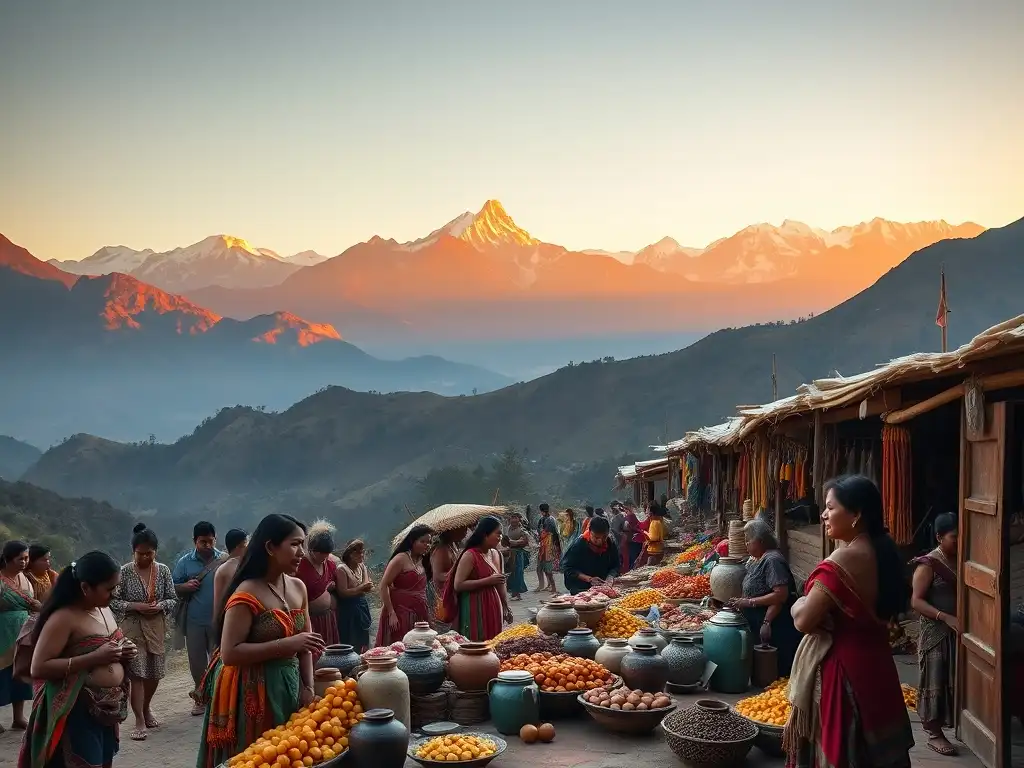
Uncover the secrets of a lost world. For centuries, the towering peaks of the Andes hid a complex web of societies, each leaving behind a legacy of breathtaking artistry and astonishing innovation. But how did these civilizations rise to such heights? Delve into the fascinating story of Andean trade networks social development, and discover how intricate exchange systems fueled the unprecedented social evolution of the Incas, Moche, Nazca, and Tiahuanaco. Prepare to be amazed by the intricate connections that shaped these magnificent cultures – the answers await within.
The Andes Mountains, a spine of towering peaks stretching along the western coast of South America, were not just a geographical barrier but also a crucible of complex societies. For millennia, diverse Andean cultures flourished, developing sophisticated technologies, intricate social structures, and breathtaking art. However, the remarkable rise of these civilizations wasn't solely a product of ingenuity and adaptation to challenging environments; it was significantly fueled by extensive and dynamic trade networks.
This article explores the crucial role of exchange systems in driving social development across various Andean societies, examining how the movement of goods, ideas, and people shaped their political organization, economic prosperity, and cultural identity. We will delve into specific examples from cultures like the Incas, Moche, Nazca, and Tiahuanaco, revealing how the intricate web of Andean trade networks directly impacted their social evolution.
Understanding this interconnectedness is key to comprehending the remarkable achievements and lasting legacy of these ancient civilizations. The keyword "Andean trade networks social development" will be explored throughout, revealing the direct correlation between these two aspects.
The Inca Road System: A Backbone of Imperial Power
The Inca Empire, at its zenith, controlled a vast territory spanning thousands of miles. This impressive feat of imperial expansion was intimately linked to their remarkably efficient road system – a network of highways connecting distant provinces and facilitating the movement of goods, armies, and messengers. The Qhapaq Ñan, as it was known, was more than just a transportation system; it was a vital artery of the Inca state, enabling centralized control and the efficient distribution of resources.
The construction and maintenance of this colossal infrastructure required a highly organized workforce, highlighting the sophisticated administrative capabilities of the Inca government. This system ensured that essential goods like textiles, coca leaves, and precious metals were transported effectively, contributing to economic stability and social cohesion across the empire.
The construction itself also fostered social development, providing employment and unifying various ethnic groups under a common purpose. The Inca's mastery of engineering and logistics, displayed through their road network, stands as a testament to the power of trade in shaping Andean societies.
Coastal Exchange: The Moche and Nazca Networks
While the Inca focused on terrestrial trade, coastal societies like the Moche and Nazca developed their own intricate maritime exchange networks. The Moche, renowned for their elaborate ceramics and metalwork, established trade routes along the northern Peruvian coast, exchanging their exquisite crafts for resources from neighboring regions. Their mastery of irrigation technology allowed them to produce agricultural surpluses, which fueled their trade activities and contributed to a complex social hierarchy.
Similarly, the Nazca, famous for their enigmatic geoglyphs, engaged in extensive trade, primarily focused on textiles and ceramics. Their mastery of weaving techniques led to the production of high-quality textiles, which were traded widely along the coast and potentially even further inland.
The thriving trade of these coastal cultures fostered economic specialization, artistic innovation, and the development of sophisticated social structures characterized by specialized craftspeople and elite classes. The exchange of goods, therefore, directly contributed to the development of their unique cultural identities and political organization.
Highland Hubs: Tiahuanaco and its Influence
The Tiwanaku culture, centered around the city of Tiahuanaco on the shores of Lake Titicaca, served as a major hub for highland trade. Their influence extended far beyond their immediate territory, reaching into the Amazon basin and across the Andes. Their mastery of agriculture, particularly the cultivation of potatoes, allowed them to support a large population and generate surpluses for trade.
Tiahuanaco's sophisticated ceramic production, characterized by unique styles and intricate designs, was a key element of their trade network. The distribution of these ceramics across a wide geographical area underscores the extensive reach and significance of their trade connections.
The exchange of goods and ideas facilitated by Tiahuanaco's trade network played a crucial role in the cultural and technological diffusion across the Andes, influencing the development of subsequent Andean societies. This highlights the role of trade not just in economic development, but also in the transmission of knowledge and cultural exchange.
The Interplay of Goods and Ideas: A Holistic Perspective
The Andean trade networks were not simply about the exchange of material goods; they were also vital conduits for the transmission of ideas, technologies, and religious beliefs. The movement of people along these routes facilitated cultural exchange and the dissemination of innovations. The adoption of new agricultural techniques, artistic styles, and religious practices often occurred through trade interactions. This demonstrates the interwoven nature of economic and cultural development in the Andes.
Understanding the interplay between the material and immaterial aspects of Andean trade is crucial for a comprehensive understanding of the factors that contributed to the rise of complex societies in the region. This interconnectedness, fueled by trade, shaped the social landscape and contributed to the dynamism and diversity of Andean civilizations. The impact of Andean trade networks on social development is a multifaceted and enduring legacy that continues to inspire research and fascination.
- The Inca Road System: A Backbone of Imperial Power
- Coastal Exchange: The Moche and Nazca Networks
- Highland Hubs: Tiahuanaco and its Influence
- The Interplay of Goods and Ideas: A Holistic Perspective
- How did trade impact social development in the Andes?
- What goods were primarily exchanged in Andean trade networks?
- Which Andean civilizations participated in these extensive trade networks?
- What role did infrastructure play in facilitating Andean trade?
- How did Andean trade networks contribute to cultural exchange?
Understanding Ancient Andean Trade Systems and their Importance
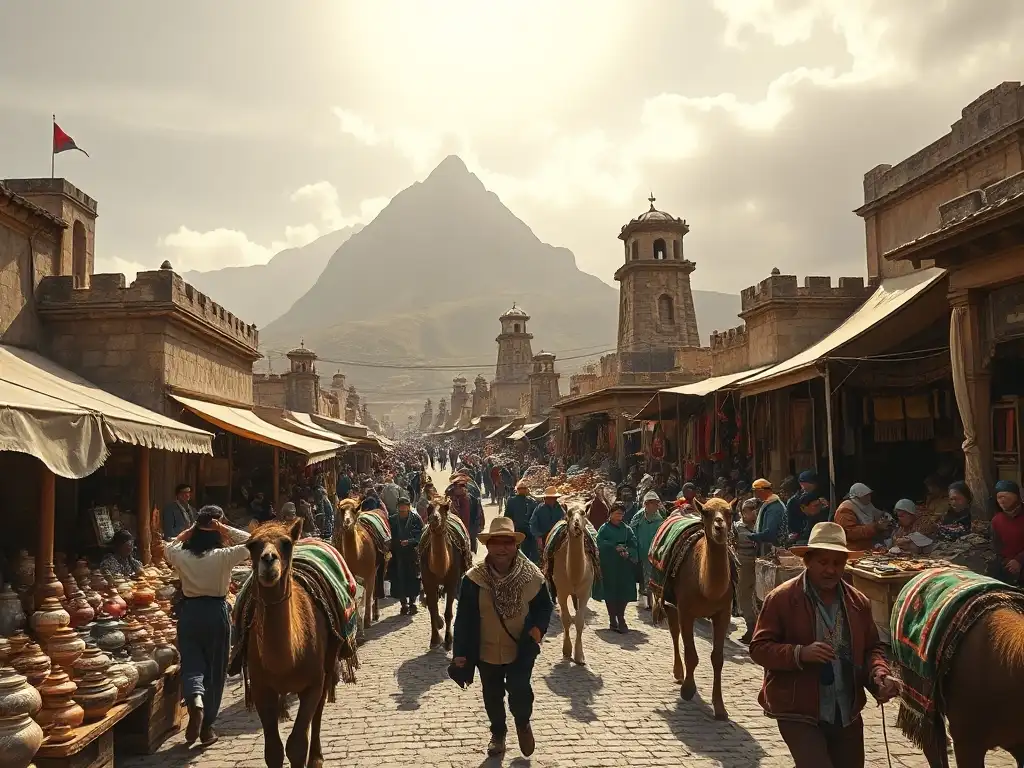
This section delves into the intricate web of Andean trade networks and their profound impact on the social development of ancient Andean civilizations. We'll explore how the exchange of goods, ideas, and resources fostered societal complexity, political power, and cultural innovation across vast geographical areas. Understanding these systems is crucial to appreciating the rise of sophisticated societies in the Andes, a process inextricably linked to the efficient and extensive movement of commodities.
The scale and sophistication of these networks challenged traditional notions of isolated Andean communities, revealing a dynamic and interconnected world. Analyzing the Andean trade networks social development relationship requires examining various aspects, from the logistical challenges of traversing mountainous terrain to the social and political implications of control over vital resources.
Defining Andean Trade Networks: An Overview
Andean trade networks weren't simply haphazard exchanges; they were complex systems involving meticulously planned routes, specialized transport methods, and sophisticated organizational structures. These networks spanned diverse ecological zones, connecting coastal regions rich in marine resources with highland areas producing agricultural surpluses and precious metals. The movement of goods was not random; it followed established pathways, often utilizing existing river systems and mountain passes. Evidence suggests the use of llama caravans for transporting goods over long distances, a testament to their adaptive capacity and organizational skills.
The nature of these networks varied across different Andean societies and time periods. For instance, the Inca Empire's qhapaq ñan, or Royal Road, represented a highly organized system of roads and relay stations facilitating rapid communication and efficient transport across the vast empire. In contrast, earlier civilizations like the Nazca relied more on localized exchange systems supplemented by periodic long-distance trade.
The scale and sophistication of these networks evolved over time, reflecting the growing complexity of Andean societies and their expanding political influence. Analyzing the artifacts found along these routes – ceramics, textiles, metals – provides valuable insights into the nature and extent of exchange.
The Significance of Exchange in Andean Societies
The significance of exchange in Andean societies extended far beyond simple economic transactions. It played a vital role in shaping social hierarchies, forging political alliances, and fostering cultural exchange. Control over key resources, such as obsidian, coca leaves, or precious metals, often translated into political power and social prestige. The distribution of these goods reinforced existing power structures or facilitated the emergence of new elites.
Furthermore, the movement of goods facilitated the spread of ideas, technologies, and religious practices. The exchange of artistic motifs, architectural styles, and agricultural techniques across different regions demonstrates the interconnectedness of Andean cultures. This cultural diffusion played a significant role in shaping the unique character of individual societies while simultaneously fostering a sense of shared Andean identity.
The impact of Andean trade networks social development is clearly visible in the shared cultural elements found across geographically disparate Andean groups. For example, the widespread adoption of certain agricultural techniques or the similarity of pottery styles across diverse regions points to the powerful influence of trade in shaping cultural landscapes. The exchange of ideas and technologies ultimately fueled innovation and fostered the development of increasingly complex societies.
Early Forms of Trade and Barter in the Andes
The development of complex societies in the Andes was significantly influenced by the evolution of their trade networks. Long before the Inca Empire unified much of the region, intricate systems of exchange connected disparate communities, facilitating the flow of goods, ideas, and even social status. Understanding these early forms of trade is crucial to grasping the broader context of Andean social development.
The sheer diversity of the Andean landscape—from arid coastal deserts to high-altitude plains and lush Amazonian foothills—necessitated extensive interaction and exchange between groups inhabiting these varied environments. This inherent geographical diversity directly fueled the need for robust trade networks, shaping the economic and social structures of numerous Andean cultures.
Pre-Inca Trade Practices: Local and Regional Exchange
Pre-Inca Andean societies relied heavily on barter as the primary mechanism for exchange. This involved the direct exchange of goods and services without the use of a standardized currency. Archaeological evidence reveals a wide array of traded items, including textiles, ceramics, agricultural products (like maize, potatoes, and coca), precious metals (gold, silver), and exotic stones. The scale of exchange varied greatly, ranging from small-scale, localized transactions between neighboring communities to larger regional networks connecting settlements across considerable distances.
For example, coastal communities specializing in fishing and shellfish traded these resources for highland agricultural products. Similarly, highland communities exchanged their surplus agricultural goods for coastal resources and specialized crafts. This reciprocal exchange fostered interdependence and strengthened social ties between different groups.
The development of specialized craft production, even at the local level, contributed to the expansion of these early trade networks. Communities with access to specific resources or possessing specialized skills (pottery making, weaving, metalworking) became important nodes in these networks, supplying goods to a wider area. This early specialization laid the groundwork for larger-scale, more complex trade systems that would emerge later.
The Development of Specialized Production and Trade
The increasing complexity of Andean societies witnessed a corresponding increase in the specialization of production and trade. As societies grew larger and more stratified, the need for efficient exchange mechanisms intensified. While barter continued to play a significant role, the emergence of specialized production centers and the increasing use of intermediary traders marked a crucial transition. This shift is evident in the archaeological record, with the discovery of large-scale workshops dedicated to the production of specific goods, such as textiles in the Nazca culture or metalwork in the Moche culture.
These specialized production centers indicate a move towards greater economic efficiency and a more sophisticated division of labor. The increased production of surplus goods facilitated the growth of long-distance trade networks. These networks were not simply economic phenomena; they played a vital role in the dissemination of cultural ideas, religious beliefs, and technological innovations across the Andes. The movement of goods also facilitated the spread of political influence, with powerful elites leveraging trade networks to consolidate their power and extend their reach.
The development of sophisticated record-keeping systems, including quipu (knotted string records), further enhanced the efficiency of Andean trade networks and facilitated complex economic transactions. The integration of these diverse aspects—specialized production, long-distance trade, and sophisticated record-keeping—contributed substantially to the overall social development and complexity of Andean civilizations before the Inca. The impact of these pre-Inca Andean trade networks is undeniably significant, providing a crucial foundation for the later, even more extensive trade systems of the Inca Empire.
The Rise of Long-Distance Trade in the Andes

The development of sophisticated Andean trade networks was pivotal in the rise of complex societies across the Andes Mountains. These weren't simply bartering systems; they were intricate networks connecting distant communities, fostering economic growth, and ultimately shaping the social and political landscape. The scale and organization of Andean trade, particularly from the early centuries CE onwards, significantly contributed to the emergence of powerful states and the flourishing of Andean civilizations.
Understanding the intricacies of these networks is crucial to grasping the complexities of Andean social development. This section delves into the key aspects of this transformative process, examining its impact on the region's trajectory.
Key Trade Routes and Their Impact on Andean Development
The Andes' challenging geography—steep mountains, arid deserts, and dense rainforests—didn't hinder trade; instead, it shaped its unique characteristics. Trade routes weren't simply straight lines; they were adapted to the terrain, often following river valleys, coastal paths, and high-altitude passes. The cañadas, or natural pathways through the mountains, were vital arteries of exchange.
Several key routes stand out for their significance:
- Coastal Route: This route facilitated the exchange of goods along the Pacific coast, linking settlements from northern Chile to Ecuador. The proximity to the sea allowed for efficient transportation of goods by raft and boat, significantly impacting the coastal cultures' economic prosperity. Evidence suggests extensive maritime trade, with specialized crafts and navigation techniques developed to navigate the often-treacherous waters.
- Highland Route: This route traversed the high Andes, connecting the various highland civilizations. Llamas and alpacas played a crucial role in transporting goods across these challenging terrains, showcasing the ingenuity of Andean herding practices and their economic importance. This route facilitated the exchange of highland agricultural products, precious metals, and textiles.
- Amazonian Route: While less well-documented than the coastal and highland routes, evidence suggests a significant exchange of goods between the Andes and the Amazon basin. This route involved navigating challenging river systems and dense rainforests. The goods exchanged along this route, which are still being uncovered, further highlight the extensive reach of Andean trade networks.
The impact of these routes on Andean development is undeniable. They facilitated the distribution of essential resources, stimulated economic specialization, and promoted the growth of urban centers that served as hubs for trade and exchange. The control and management of these routes often became a source of power and influence for emerging states, further solidifying their dominance.
Major Traded Goods in the Andes: From Textiles to Precious Metals
The goods exchanged across Andean trade networks were incredibly diverse, reflecting the region's rich environmental diversity and specialized production. Some of the most important traded goods included:
| Category | Specific Goods | Significance |
|---|---|---|
| Agricultural | Maize, potatoes, coca leaves, quinoa, cotton | Provided sustenance and formed the basis of many economies; coca had ritual significance |
| Textiles | Fine cottons, wool textiles (alpaca, llama) | Status symbols; used for clothing, ritual objects, and trade itself |
| Precious Metals | Gold, silver, copper | Used for ornaments, ritual objects; symbols of power and wealth; also used in tools and weapons |
| Ceramics | Fine pottery, ritual vessels | Used for everyday life and ceremonial purposes; styles varied regionally |
| Obsidian | Tools, blades, ornaments | High-quality stone used for crafting tools and weapons; evidence of long-distance exchange |
| Spices & Dyes | Aji peppers, dyes from plants (e.g., cochineal) | Essential ingredients for food and textiles; their trade reflects sophisticated knowledge of plants |
The exchange of these goods wasn't just about economic gain; it also had profound social and cultural implications. The distribution of luxury goods like precious metals and fine textiles reinforced social hierarchies and contributed to the development of elite classes. The control of key resources, such as obsidian quarries, became a source of power and political influence.
How Long-Distance Trade Promoted Cultural Exchange
Andean trade networks weren't simply conduits for goods; they were also pathways for the exchange of ideas, beliefs, and artistic styles. The movement of people along these routes—merchants, artisans, and even migrants—facilitated cultural diffusion across vast distances. This exchange led to a complex interplay of cultural influences, shaping the unique characteristics of different Andean societies.
The spread of religious beliefs and practices is a prime example. The dissemination of specific deities, rituals, and iconography across different regions suggests a significant level of interaction and exchange of religious ideas. Architectural styles, artistic motifs, and technological innovations also spread through trade networks, resulting in a dynamic process of cultural hybridization. The standardization of weights and measures in some regions further highlights the integration and interconnectedness fostered by trade. The adoption of similar agricultural techniques across diverse environments also suggests a powerful influence of information exchange through trade.
The flourishing of Andean civilizations wasn't solely a product of independent development; it was significantly shaped by the intricate web of long-distance trade networks. These networks fostered economic growth, facilitated cultural exchange, and ultimately contributed to the rise of complex societies in the Andes. Further research into the specifics of these networks promises to further enrich our understanding of Andean social development. Understanding the nuances of Andean trade networks is crucial to fully appreciating the complexity and interconnectedness of these remarkable civilizations.
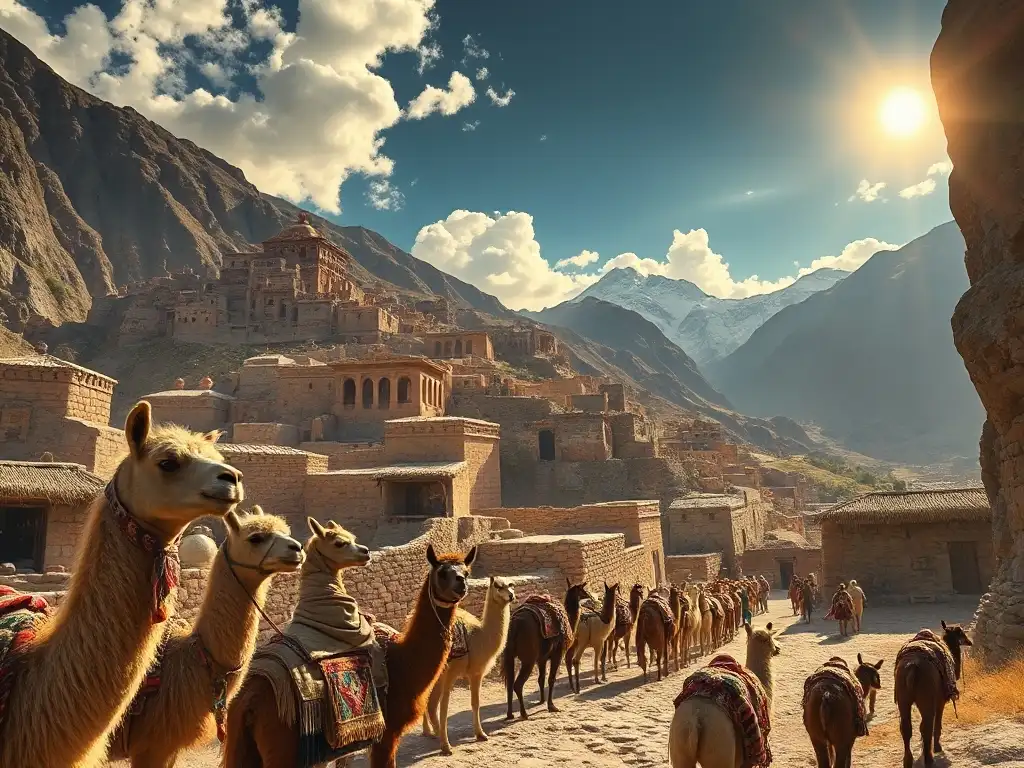
This section delves into the crucial role of trade in shaping the social structures and political landscapes of ancient Andean civilizations. We will explore how extensive exchange networks not only facilitated economic growth but also directly contributed to the emergence of complex societies, social stratification, and the consolidation of political power.
The intricate interplay between trade and social development is a key factor in understanding the rise of powerful Andean states like the Inca Empire, but also earlier societies such as the Moche and Nazca. Analyzing Andean trade networks and social development reveals a fascinating dynamic where economic activity directly influenced social structures and political organization.
The Role of Trade in the Emergence of Andean States
The development of sophisticated Andean trade networks was intrinsically linked to the emergence of larger, more complex political entities. Prior to the Inca Empire, smaller chiefdoms and regional groups engaged in localized exchange, primarily bartering goods within their immediate vicinity. However, the increasing demand for scarce resources, such as obsidian for tools, spices, coca leaves, and precious metals like gold and silver, spurred the expansion of trade routes across vast distances.
This expansion required improved infrastructure, including the construction of roads, bridges, and storage facilities, which in turn fostered greater social organization and collaboration. The need to manage these complex networks led to the rise of specialized administrative roles, further solidifying centralized power and contributing to the formation of early Andean states.
The control and management of these trade routes became a significant source of power, allowing certain groups to accumulate wealth and influence, ultimately leading to the consolidation of larger political units. For example, the Moche civilization's mastery of coastal trade routes enabled them to control access to valuable marine resources and consolidate their political dominance over a significant portion of the northern Peruvian coast.
The growth of Andean trade networks directly influenced social stratification. Control over resources, particularly those highly valued in exchange, led to the accumulation of wealth and prestige. Those who controlled key trade routes, or who held monopolies over specific goods, enjoyed significantly higher social status than those engaged in subsistence agriculture or local craft production.
This created a hierarchical social structure, with elites accumulating vast wealth and power while the majority of the population worked to produce and transport goods. Archaeological evidence supports this, with elite burials containing lavish grave goods indicative of access to far-flung resources unavailable to the common population. The presence of specialized artisans producing luxury goods for the elite further demonstrates the impact of trade on social differentiation.
The unequal distribution of wealth and power, fueled by trade, solidified social hierarchies and contributed to the development of complex social structures within Andean societies. The emergence of a powerful priestly class, often involved in the control of sacred goods and rituals associated with trade, further exemplifies this complex interplay.
The Influence of Trade on Political Power and Control
The control of trade routes became a critical factor in political power struggles within Andean societies. The ability to regulate the flow of goods, impose taxes, and control access to key resources allowed rulers to consolidate their power and exert control over their subjects. This is exemplified by the Inca Empire's sophisticated system of tambos, strategically located waystations along their extensive road network.
These tambos served not only as rest stops for travelers but also as administrative centers, allowing the Inca to monitor trade, collect taxes, and maintain control over their vast empire. The Inca's ability to manage this complex trade network was integral to their political success, allowing them to consolidate power and maintain order across diverse territories. Furthermore, the control of trade allowed Andean rulers to reward loyal followers and suppress dissent by strategically allocating resources and access to valuable goods.
The manipulation of trade networks, therefore, proved a powerful tool for maintaining political dominance and shaping the social and political landscape of the Andes. The strategic placement of settlements near trade routes further highlights the close link between political power and the control of economic activity. The study of Andean trade networks unveils a fascinating case study of how economic activity played a decisive role in the evolution of complex societies and the establishment of powerful states.
Impact of Trade on Andean Economic Development
The intricate Andean trade networks weren't merely conduits for goods; they were fundamental drivers of economic development, shaping the very fabric of Andean societies. The exchange of resources and manufactured goods fostered economic growth, technological innovation, and the emergence of specialized labor, creating a complex and dynamic economic landscape. Analyzing the extent of this influence requires examining the diverse ways trade impacted Andean economies, from stimulating innovation to creating specialized markets.
Understanding this multifaceted relationship is crucial to grasping the rise of complex societies in the Andes. The scale of this impact is often underestimated, with scholars increasingly recognizing the profound role trade played in shaping the economic trajectory of these civilizations. The keyword "Andean trade networks social development" directly reflects this intricate interplay.
Trade as a Catalyst for Economic Growth and Innovation
Trade acted as a powerful catalyst for economic growth in the Andes. The movement of goods across vast distances stimulated production. For instance, the demand for coastal fish in the highlands spurred increased fishing activities and the development of sophisticated preservation techniques, like charqui (dried meat), to facilitate long-distance transport.
Similarly, the need for highland textiles in coastal regions fueled the growth of textile production and innovative dyeing techniques utilizing locally sourced pigments and materials. This reciprocal exchange fostered a dynamic system where the demand for goods in one region spurred economic activity and innovation in another, creating a positive feedback loop that fueled overall economic growth. The availability of diverse resources through trade also led to the development of new technologies.
For example, the exchange of obsidian from high-altitude sources for coastal ceramics showcases the development of specialized tools and transportation systems optimized for efficient and large-scale trade. This constant exchange of resources and ideas directly contributed to the economic prosperity of Andean societies. The constant pressure to improve efficiency and produce higher-quality goods for trade fostered technological advancement across various sectors.
The Development of Markets and Trade Centers
The flourishing Andean trade networks necessitated the development of sophisticated market systems and specialized trade centers. Archaeological evidence suggests the existence of large-scale markets, often located at strategic points along major trade routes or near significant agricultural production areas. These weren't simply places for bartering; they were complex social and economic hubs where goods were exchanged, prices were negotiated, and economic information flowed.
The development of these centers facilitated the standardization of weights and measures, the emergence of specialized merchants, and the growth of a more complex and stratified economy. We can see this in the evidence of large storage facilities found near many trade centers, suggesting a system for managing surplus goods and facilitating large-scale transactions.
The very existence of these centers points to a level of economic organization and sophistication that was crucial for the development and maintenance of the extensive trade networks that characterized Andean civilizations. The organization and management of these markets required sophisticated administrative systems, further contributing to the development of complex Andean societies.
Economic Specialization and its Connection to Trade
The extensive trade networks in the Andes fostered a high degree of economic specialization. With goods flowing freely across different ecological zones, communities could focus on producing those items best suited to their environment and expertise. Highland communities specialized in the production of textiles, ceramics, and metalwork, while coastal communities focused on fishing, salt production, and shell crafting.
This division of labor increased overall productivity and efficiency, leading to a more complex and integrated economy. The exchange of specialized goods through trade networks created interdependencies between different communities, strengthening social bonds and fostering cooperation. This economic interdependence was a key factor in the development of complex political structures and the rise of powerful states in the Andes.
The very fabric of Andean social life was interwoven with the intricate tapestry of specialized production and trade, demonstrating the profound impact of trade on the social and economic evolution of these civilizations. The development of specialized crafts and the resulting economic interdependencies created a sophisticated system that directly fueled social and political development in the Andes, highlighting the critical role of trade in shaping the trajectory of these remarkable societies.
Case Studies of Andean Trade and its Societal Impact

This section delves into specific examples of how Andean trade networks directly influenced social development, focusing on the Tiwanaku and Inca civilizations. We'll examine the intricate systems they employed, the goods exchanged, and the resulting social and economic consequences. Understanding these case studies provides a clearer picture of the crucial role trade played in shaping Andean societies. The analysis will highlight the intricate connection between Andean trade networks and social development, demonstrating the powerful synergy between these two aspects of Andean civilization.
The Tiwanaku Trade Network: Control and Distribution of Resources
The Tiwanaku civilization (c. 300-1100 CE), centered around Lake Titicaca, developed a sophisticated trade network that extended across a vast area of the Andes. This wasn't simply bartering; it was a strategically managed system contributing significantly to Tiwanaku's power and influence. Their control over vital resources and trade routes solidified their position as a dominant force in the region. The effective management of these Andean trade networks was a key factor in their social and political development.
Analysis of Trade Routes and Goods
Archaeological evidence suggests Tiwanaku controlled several key trade routes, including those traversing the altiplano and accessing coastal regions. The goods traded were diverse, reflecting the varied environments within their reach. These included luxury items like obsidian (from sources far beyond their immediate territory), coca leaves, textiles (of remarkable quality), and ceramics.
The quantity and quality of these goods indicate a well-organized system of production, distribution, and exchange. Analysis of isotopic signatures in human remains from Tiwanaku settlements further supports the wide-ranging connections facilitated by their Andean trade networks. The presence of non-local materials in their artifacts demonstrates the extensive reach of their trade.
Social and Economic Consequences of the Trade
The control of trade routes and valuable resources generated significant economic benefits for Tiwanaku's elite. This wealth fueled the construction of monumental architecture, supported specialized craft production, and likely contributed to social stratification. The concentration of power in the hands of those controlling trade likely exacerbated existing social inequalities.
However, the widespread distribution of certain goods, even if uneven, also fostered a sense of shared cultural identity across the vast Tiwanaku sphere of influence, demonstrating the impact of these Andean trade networks on social cohesion, albeit a complex one. Further research is needed to fully understand the distribution of wealth and its effects on different social strata. [Specific information pending: More detailed analysis of Tiwanaku social stratification based on archaeological evidence].
The Inca Road System: Integration and Control of a Vast Empire
The Inca Empire (1438-1533 CE) built upon earlier traditions of Andean trade, creating a highly organized and extensive road system that facilitated unprecedented levels of integration and control across their vast territory. This infrastructure was instrumental in their rapid expansion and the consolidation of their power. The integration achieved through the Inca road system demonstrates the crucial role of Andean trade networks in the development of a highly centralized and powerful empire.
Examination of Trade Networks and Their Evolution
The Inca qhapaq ñan (royal road) wasn't just a network of pathways; it was a sophisticated system with strategically placed tambos (roadside inns) that served as waystations for travelers and facilitated the movement of goods. This network connected distant regions of the empire, allowing for the efficient transfer of resources, information, and people.
The evolution of this system involved adapting and improving pre-existing routes, demonstrating a strategic understanding of existing Andean trade networks and how they could be used to consolidate power. This efficient system allowed for the movement of goods across diverse ecological zones, facilitating the exchange of agricultural products, textiles, and other essential goods.
The Link Between Trade and Cultural Development
The Inca road system played a vital role in cultural integration. The movement of people and goods fostered the spread of Inca language (Quechua), religious practices, and administrative systems. This integration, facilitated by the road system and the resulting trade, contributed to the creation of a shared imperial identity.
However, it also involved a degree of cultural assimilation, as Inca practices were imposed upon conquered populations. The impact of this Andean trade network on cultural development was therefore a complex interplay of integration and assimilation, highlighting the far-reaching consequences of their trade infrastructure. [Specific information pending: Further quantitative analysis of the spread of Quechua language and Inca religious practices along the Inca road system].
The Legacy of Andean Trade Networks
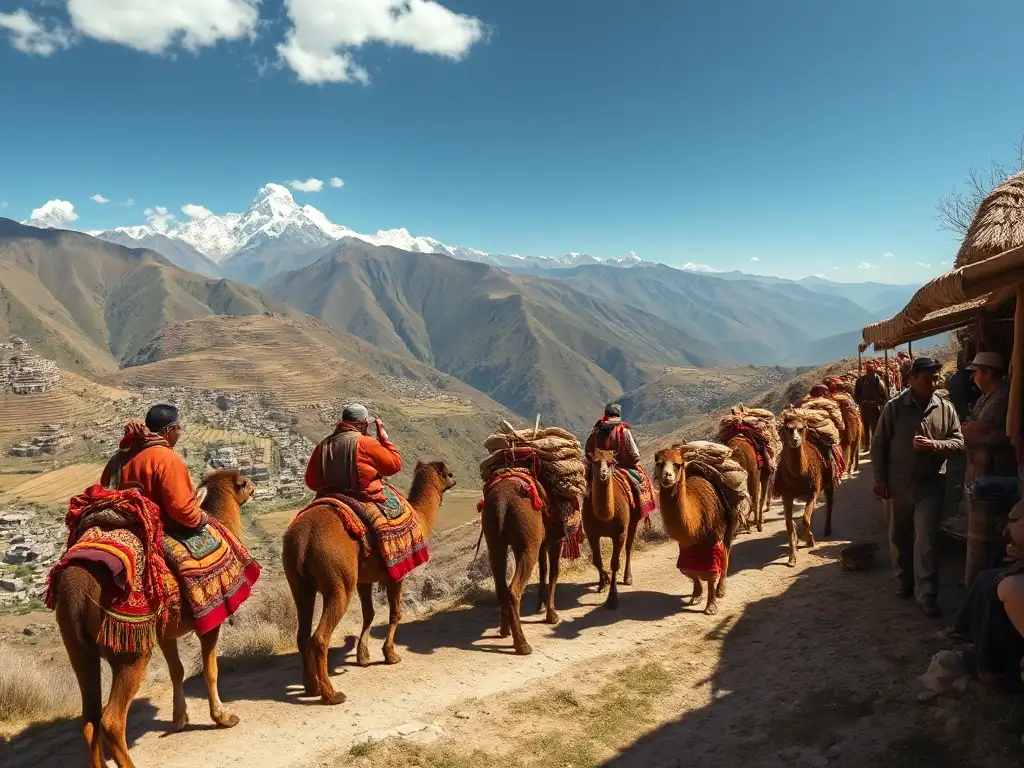
The intricate web of Andean trade networks left an indelible mark on the social, political, and economic landscapes of the region, extending far beyond the demise of individual empires like the Inca. Understanding this legacy requires moving beyond a simple narrative of conquest and collapse, to appreciate the enduring power of established exchange systems and their adaptation to changing circumstances. The sheer scale and sophistication of these networks, facilitated by diverse environments and ingenious transport methods, fostered a remarkable degree of interconnectedness across vast distances.
This interconnectedness, in turn, profoundly shaped social structures, technological innovation, and cultural exchange. Analyzing the lasting impacts of these networks illuminates how trade served as a catalyst for social development, not merely a consequence of it.
The continued importance of trade routes, even after political upheavals, highlights their resilience and their essential role in the Andean world. This enduring influence is a testament to the deeply ingrained cultural practices and economic necessities that underlay these networks.
The Continuity of Trade Patterns in Later Andean History
Even after the Spanish conquest dramatically altered the political and social fabric of the Andes, many pre-Columbian trade routes persisted, albeit transformed. While the Inca empire's centralized control was shattered, the established pathways and networks of exchange continued to facilitate the movement of goods and information. Indigenous communities adapted their trading practices to the new colonial reality, often integrating Spanish goods and technologies into existing exchange systems.
For example, the intercambio, a system of reciprocal exchange, continued to play a significant role in Andean societies, albeit often modified to incorporate the demands of the colonial economy. This adaptation demonstrates the flexibility and resilience of Andean trade networks in the face of significant external pressures. The persistence of traditional markets and exchange systems, alongside the emergence of new ones shaped by colonial influence, highlights the enduring importance of trade in the lives of Andean communities.
The continued presence of these networks, even in the face of conquest and colonization, showcases their deep roots in Andean social structures and their critical role in sustaining communities. Detailed studies of post-conquest Andean trade patterns, including the analysis of archaeological evidence and colonial records, are vital to fully understand this complex interplay of continuity and change.
The Andean experience offers valuable insights into the complex relationship between trade networks and social development. The development of sophisticated technologies, such as llama herding and the construction of extensive road systems, directly facilitated trade and contributed to the overall prosperity of Andean societies. The exchange of goods also fostered cultural diffusion, spreading ideas, technologies, and artistic styles across vast distances.
This exchange fostered a sense of shared identity and facilitated cooperation among different groups, contributing to the rise of more complex political structures. Furthermore, the control and management of trade routes often became a source of power and prestige, leading to the emergence of powerful elites and the development of hierarchical social structures. Analyzing the Andean case, we can observe how the concentration of resources and the control of trade routes directly influenced the distribution of wealth and power within society.
The interplay between trade, technology, and social stratification provides a compelling example of how economic activity can shape social structures and contribute to the development of complex societies. Furthermore, the Andean experience demonstrates that trade networks were not simply passive conduits for the exchange of goods, but rather active agents of social change and development, shaping the very fabric of Andean societies. Understanding these dynamics offers crucial lessons for understanding social development in other contexts.
Summarizing the Crucial Role of Exchange Networks
The intricate tapestry of Andean trade networks played a pivotal role in the social development of the region's diverse civilizations. From the coastal deserts to the high Andean plateaus, the exchange of goods, ideas, and people fostered unprecedented levels of social complexity. This wasn't merely a matter of economic exchange; it was a catalyst for cultural diffusion, political integration, and technological innovation.
The efficient movement of resources, facilitated by well-established routes and sophisticated logistical systems, fueled population growth and the development of larger, more centralized societies. Analyzing the archaeological evidence – from the distribution of ceramics and textiles to the presence of exotic materials in elite tombs – reveals the profound impact of these networks on the social hierarchy and the power structures within Andean societies.
The sheer scale and longevity of these trade routes, spanning centuries and encompassing vast geographical areas, underscore their importance in shaping the unique trajectory of Andean civilization. The interconnectedness fostered by trade undeniably contributed to the rise of complex societies, leaving an enduring legacy on the region.
The Enduring Impact of Trade on Andean Societies
The influence of Andean trade networks extends far beyond the immediate economic benefits. The exchange of goods facilitated the spread of religious beliefs, artistic styles, and agricultural techniques, creating a shared cultural identity across disparate regions. For example, the widespread distribution of specific ceramic styles suggests the existence of powerful symbolic networks that transcended purely economic transactions. Moreover, the control and management of these trade routes often became a source of political power, with ruling elites leveraging their control over resources and trade routes to consolidate their authority.
The development of sophisticated administrative systems, necessary to manage the complex logistics of long-distance trade, further contributed to the growth of centralized states and the emergence of powerful empires like the Inca. Even after the decline of these empires, the legacy of these networks persisted, influencing the patterns of settlement, interaction, and cultural exchange in the Andean region for centuries to come. The enduring impact of Andean trade networks on social development is undeniable, shaping the very fabric of Andean societies and leaving a lasting mark on the region's history and culture.
Further research into specific trade routes and their associated social consequences would further illuminate the nuances of this complex relationship between trade and social progress in the Andes. This understanding is crucial to fully appreciate the complexities of Andean civilization and its remarkable achievements. Analyzing the longue durée of Andean trade reveals a dynamic system that constantly adapted to changing circumstances, demonstrating the resilience and adaptability of Andean societies in the face of challenges.
Frequently Asked Questions
Trade networks facilitated significant social development in the Andes. The exchange of goods and ideas fostered inter-regional interaction, leading to cultural exchange and technological advancements. This interconnectedness also promoted political alliances and the growth of powerful states.
What goods were primarily exchanged in Andean trade networks?
Andean trade networks involved a diverse range of goods. Luxury items like textiles, gold, and silver were exchanged alongside essential resources such as food, tools, and building materials. The exchange of these goods connected distant communities and fostered economic interdependence.
Which Andean civilizations participated in these extensive trade networks?
Many Andean civilizations participated, including the Inca, Moche, Nazca, and Tiahuanaco. Each civilization contributed unique goods and technologies, enriching the network's overall complexity and reach. The Inca, in particular, developed a sophisticated system to manage their vast empire's trade.
What role did infrastructure play in facilitating Andean trade?
Developed infrastructure was crucial. The Inca, for example, constructed extensive road systems, facilitating the movement of goods and people across challenging Andean terrain. This infrastructure also supported the efficient distribution of resources and the consolidation of power.
How did Andean trade networks contribute to cultural exchange?
The exchange of goods also fostered cultural diffusion. Ideas, religious beliefs, and artistic styles spread across the Andes through trade, leading to a rich tapestry of cultural interactions and the development of shared traditions. This exchange promoted cultural dynamism and innovation.
Final Reflection: Weaving the Threads of Andean Exchange
The intricate tapestry of Andean trade networks, far from being a relic of the past, continues to resonate in the complexities of globalization and interconnectedness we face today. Understanding the profound impact of these ancient exchange systems offers crucial insights into the very nature of social development, reminding us that collaboration and the free flow of goods and ideas are fundamental to societal progress. The lessons learned from the Andes challenge us to re-evaluate our modern approaches to global trade and cooperation.
The enduring legacy of Andean trade is not merely historical; it's a living testament to the power of human ingenuity and the inherent human desire to connect. The sophisticated systems of reciprocity and exchange that flourished across the Andes, encompassing everything from textiles and precious metals to knowledge and cultural practices, shaped entire societies and left an indelible mark on the region's identity. The mountains themselves were not a barrier, but a bridge, connecting diverse communities through a shared economy and a common destiny.
This quote, though fictionalized, captures the essence of the interconnectedness fostered by these ancient trade routes, a concept that remains profoundly relevant in our increasingly globalized world.
Consider the implications of this historical narrative for your own life. How can we, in our own communities and interactions, foster the same spirit of collaboration and exchange that characterized the Andean trade networks? What barriers are we building, consciously or unconsciously, that hinder the free flow of ideas and resources? Let the story of Andean trade inspire you to build bridges, not walls, and to recognize the transformative power of connection and shared prosperity. Embrace the opportunity to contribute to a more interconnected and equitable future, one inspired by the enduring legacy of the Andes.
Thank you for exploring the fascinating world of Andean civilizations and discovering the crucial role trade networks played in their social development. Now, let's put that knowledge into action.
Here are some ways to further explore the remarkable impact of trade on the Andes:
- **Join our community:** Connect with fellow enthusiasts on our forum to discuss the enduring legacy of trade in ancient societies. Share your discoveries and learn from others' insights.
- **Explore local resources:** Visit a museum or library with exhibits on Andean history and trade. You might uncover fascinating untold stories and perspectives.
- **Share your insights:** Write a short reflection on what you've learned or share this article with friends and family to spread awareness of trade's importance in social development.
What aspect of Andean trade intrigues you most, and how do you believe it shaped the region's diverse cultures? Your perspectives could spark insightful discussions and further our understanding.