
The Soul of the Andes: Markets That Preserve Ancient Crafting Techniques

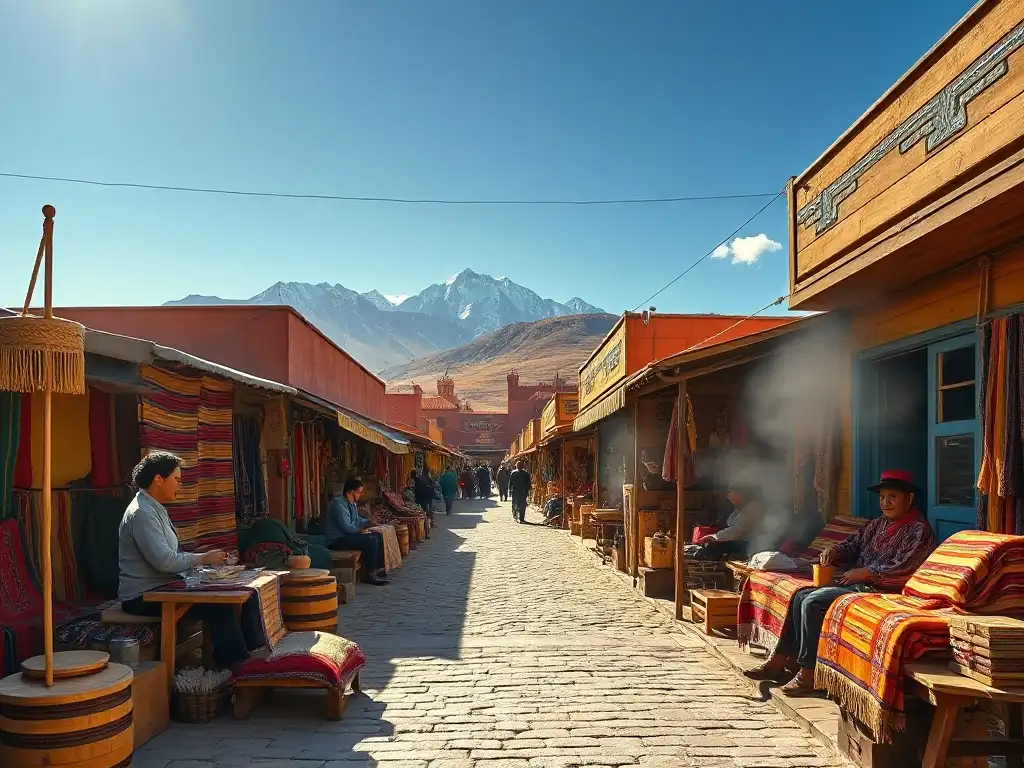
Step into a world lost to time, yet vibrantly alive. Imagine bustling marketplaces echoing with the whispers of ancient Andean civilizations, where intricate textiles and masterful metalwork tell tales of ingenuity and resilience. Discover the secrets behind the enduring legacy of Ancient Andean crafting techniques markets, a vibrant tapestry woven from generations of skill and tradition. Prepare to be captivated by the artistry and innovation that shaped these remarkable cultures – your journey into the heart of the Andes begins now.
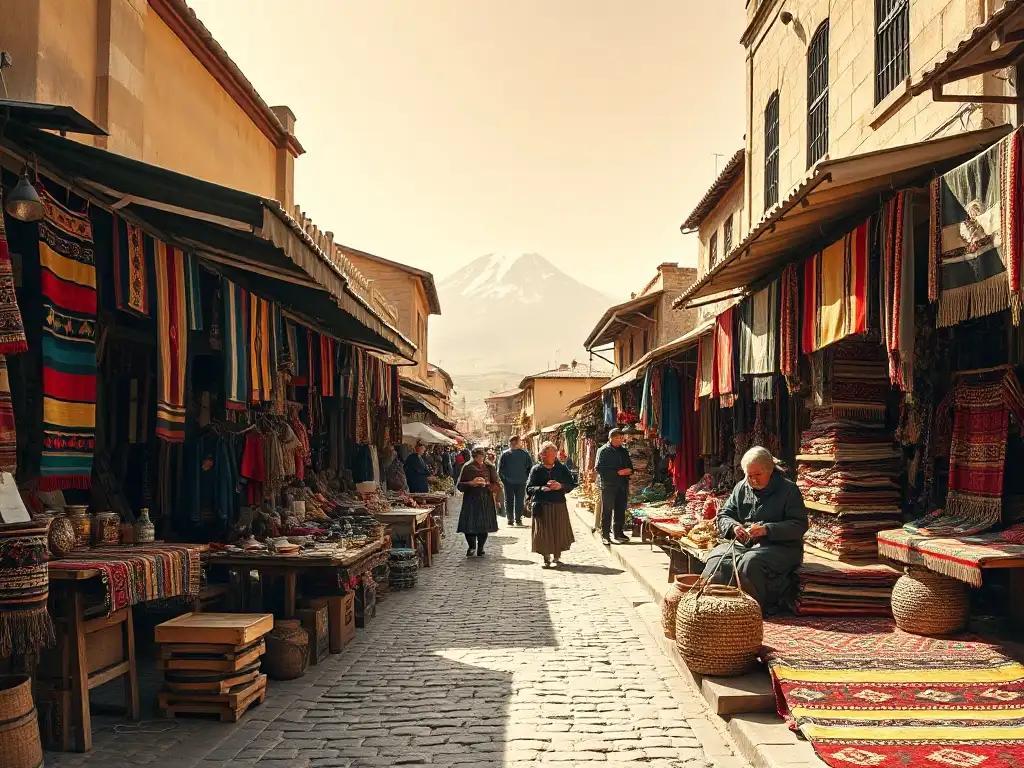
The Andes Mountains, a spine of majestic peaks running down the western edge of South America, are not just a geographical feature; they are the cradle of vibrant and enduring cultures. For millennia, ingenious Andean civilizations—including the Incas, Moche, Nazca, and Tiahuanaco—have shaped a unique identity through their remarkable artistry and innovative technologies. This article delves into the fascinating world of Ancient Andean crafting techniques markets, exploring how these vibrant hubs preserve and celebrate the legacy of these ancient peoples.
We’ll journey through the bustling marketplaces where you can witness firsthand the continuation of traditions passed down through generations, finding exquisite examples of pottery, textiles, and metalwork that echo the ingenuity and spiritual depth of Andean cultures. From the intricate weaving techniques reflecting centuries-old designs to the meticulous craftsmanship of silver jewelry, these markets offer a tangible connection to a rich and complex past.
This exploration will uncover not only the beauty of the handcrafted items but also the significant role these markets play in sustaining cultural heritage and providing economic opportunities for Andean communities. Prepare to be captivated by the soul of the Andes, expressed through the enduring artistry of its people.
Exploring Markets for Ancient Andean Craftsmanship
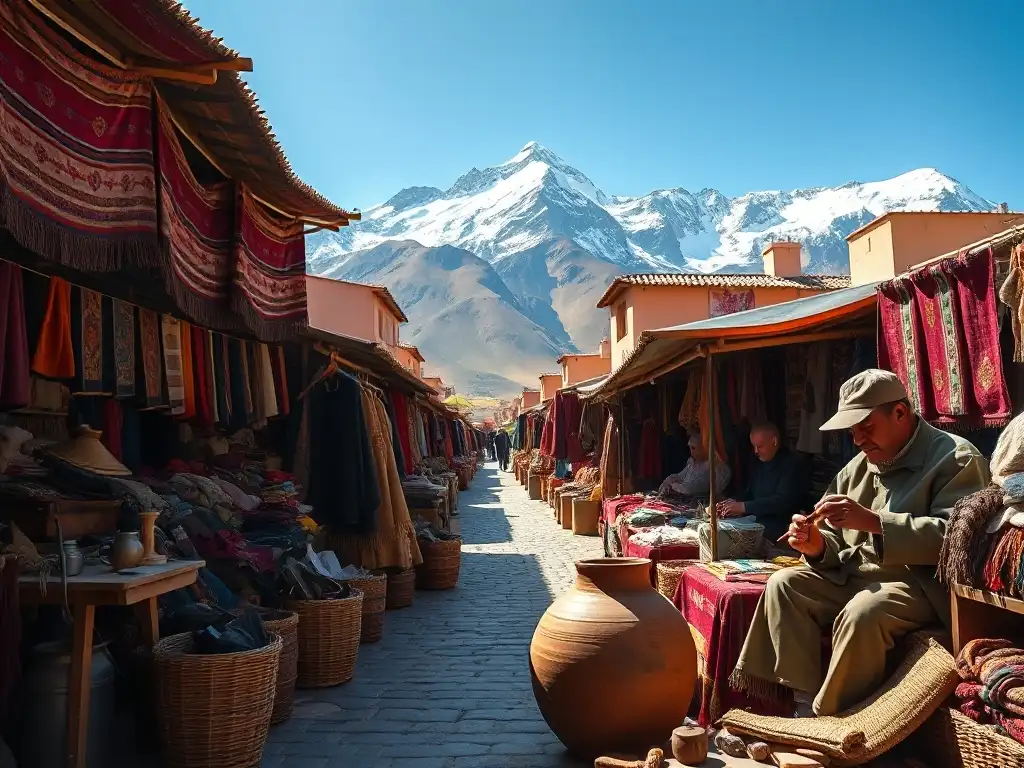
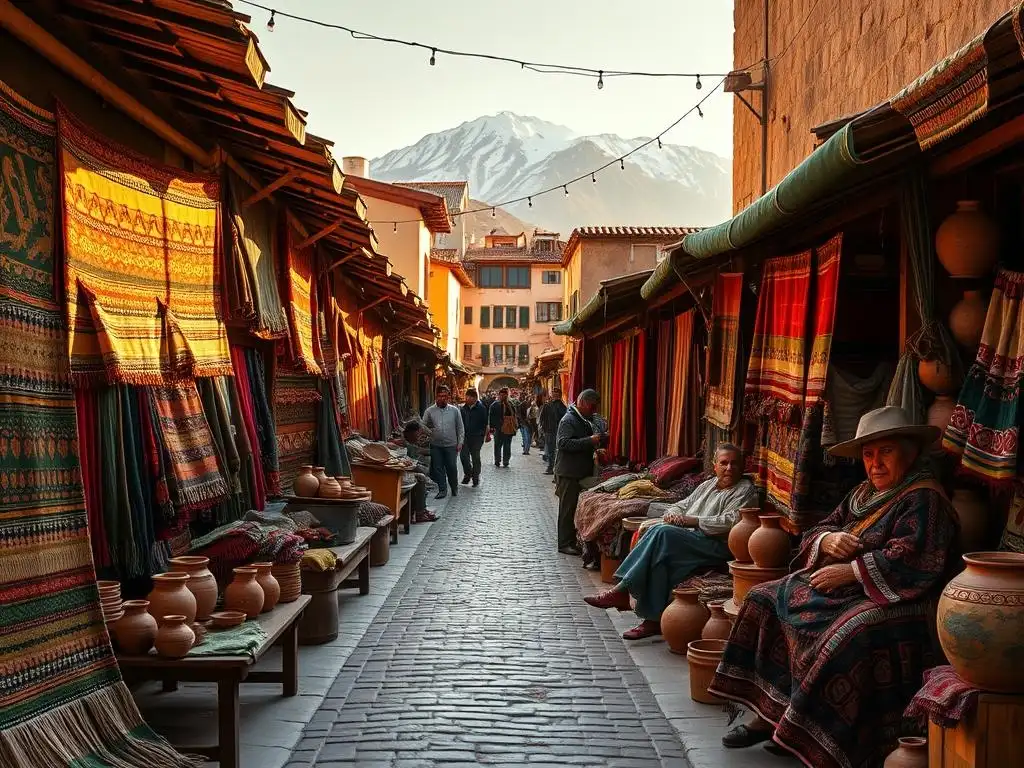
The Andes boast a diverse tapestry of markets, each with its own unique character and specialization. Some markets are large-scale affairs, brimming with vendors showcasing a wide array of goods. Others are smaller, more intimate gatherings, often located in charming villages nestled high in the mountains.
Many of these markets are not just places to buy and sell goods; they are social hubs, where community members gather, share news, and strengthen their bonds. The atmosphere is typically lively and engaging, filled with the sounds of bartering, the aroma of local delicacies, and the vibrant colors of handcrafted textiles. Finding these markets often involves a journey in itself, adding to the adventure and enriching the experience.
The process of discovery, interacting with artisans, and learning about their techniques is as rewarding as acquiring a beautiful piece of handcrafted art. This exploration of Ancient Andean crafting techniques markets will highlight some of the most noteworthy locations where you can immerse yourself in this vibrant cultural landscape. Below is a glimpse into the types of crafts you might encounter:
- Textiles: Intricate weavings using traditional Andean techniques, often incorporating vibrant natural dyes and symbolic patterns.
- Ceramics: Stunning pottery, reflecting ancient styles and techniques, ranging from simple utilitarian pieces to elaborately decorated ceremonial vessels.
- Metalwork: Exquisite silver and gold jewelry, often incorporating traditional motifs and techniques passed down through generations.
- Woodcarving: Detailed carvings showcasing the skill and artistry of Andean craftspeople.
The Enduring Appeal of Traditional Andean Arts and Crafts
The enduring appeal of traditional Andean arts and crafts lies not only in their aesthetic beauty but also in their deep cultural significance. These objects are more than just decorative items; they are imbued with history, spirituality, and the stories of the communities that create them. The intricate designs often reflect ancient beliefs, cosmologies, and social structures, offering a window into the worldview of Andean civilizations. For example, the use of specific colors or patterns can hold symbolic meaning, representing particular deities, events, or natural phenomena.
Moreover, the techniques themselves are often passed down through families, representing a continuity of tradition that spans centuries. Learning about these techniques and their significance adds another layer of appreciation to the aesthetic value of the crafts. The enduring appeal of these crafts is also linked to their quality and durability.
Many are made using sustainable materials and time-tested techniques, ensuring their longevity and value. This commitment to quality and tradition contributes to the high demand for these handcrafted items, both domestically and internationally. The preservation of these techniques is crucial for maintaining cultural identity and providing economic opportunities for Andean communities.
Understanding the Significance of Ancient Andean Crafting Techniques
The significance of Ancient Andean crafting techniques extends far beyond the mere production of beautiful objects. These techniques represent a profound connection to the past, a testament to the ingenuity and resilience of Andean cultures. The mastery of these techniques often requires years of apprenticeship and dedicated practice, reflecting a deep commitment to preserving cultural heritage.
For example, the intricate process of creating textiles, involving the spinning of alpaca or llama wool, the dyeing with natural pigments, and the weaving of complex patterns, is a testament to the skill and patience of Andean artisans. Similarly, the techniques used in pottery making, metalworking, and woodcarving demonstrate a sophisticated understanding of materials and processes. The preservation of these techniques is not only essential for maintaining cultural identity but also for providing economic opportunities for Andean communities.
By supporting these artisans and their craft, we contribute to the sustainable development of these regions and the preservation of a rich cultural legacy. The continued practice of these techniques also ensures the survival of invaluable knowledge and skills, safeguarding a vital part of the Andean heritage for future generations. The study and appreciation of these techniques offer a unique insight into the ingenuity and creativity of ancient Andean civilizations.
- Exploring Markets for Ancient Andean Craftsmanship
- The Enduring Appeal of Traditional Andean Arts and Crafts
- Understanding the Significance of Ancient Andean Crafting Techniques
- What ancient crafting techniques are still practiced in Andean markets today?
- Where can I find these markets preserving ancient Andean crafting techniques?
- How do these markets contribute to the preservation of Andean culture?
- Are the products sold in these markets authentic?
- What is the significance of ancient Andean crafting techniques in the modern world?
Top Markets Showcasing Traditional Andean Weaving
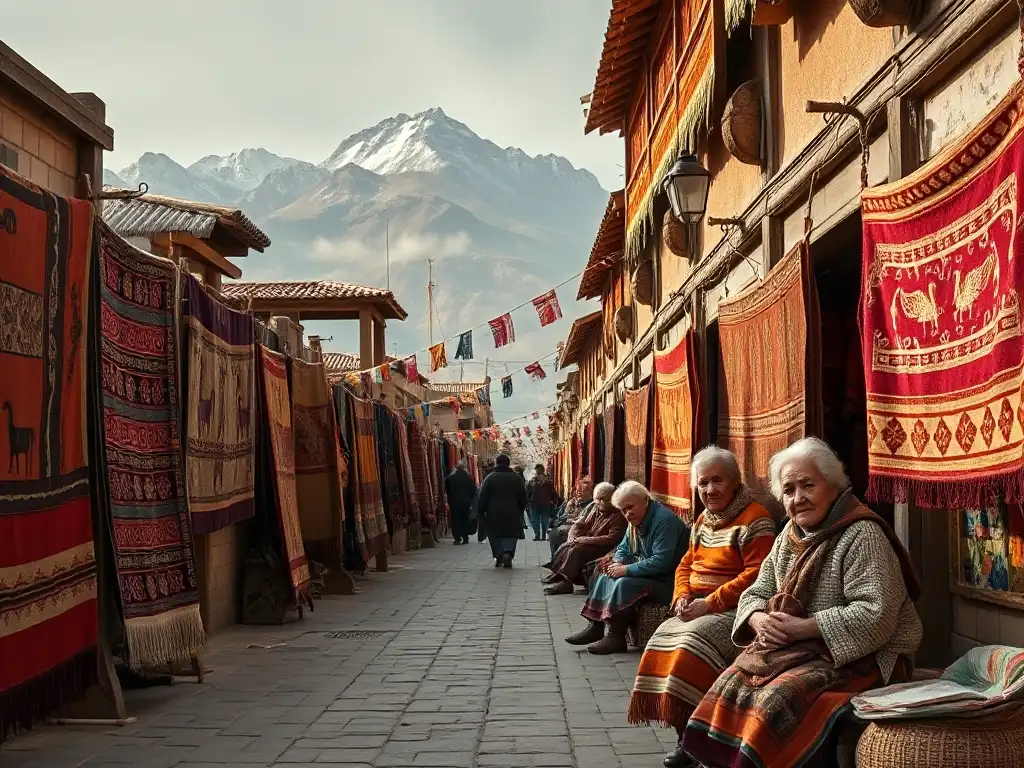
This section dives deep into specific markets renowned for preserving and showcasing ancient Andean crafting techniques, focusing on the vibrant textile traditions that have endured for centuries. These markets offer not only a glimpse into the past but also a chance to acquire unique, handcrafted items, directly supporting artisans who maintain these invaluable skills. Understanding the nuances of each market allows for a more enriching and culturally sensitive experience. The preservation of these Ancient Andean crafting techniques markets is crucial for the continued vitality of Andean heritage.
The Pisac Market, Peru: A Vibrant Hub of Textile Art
The Pisac Market, nestled in the Sacred Valley of the Incas, is a kaleidoscope of colors and textures. More than just a marketplace, it's a living museum of Andean textile art. Here, you can witness artisans skillfully weaving intricate patterns into alpaca and llama wool, employing techniques passed down through generations. The air hums with the rhythmic click-clack of looms, a soundtrack to centuries of tradition. The market's location, surrounded by breathtaking Andean scenery, adds to the immersive experience.
You'll find everything from small, intricately detailed items to large, vibrantly colored textiles. The sheer variety and quality of the work on display are testament to the enduring skill and artistry of Andean weavers. Many artisans are happy to discuss their techniques, offering a fascinating insight into their craft. This direct interaction fosters a deeper appreciation for the cultural significance of these Ancient Andean crafting techniques.
Witnessing the Art of Handwoven Alpaca Textiles
Observe closely the meticulous process of hand-weaving alpaca textiles. The softness of the alpaca fiber, the complexity of the designs, and the precision of the weaving are truly remarkable. Many artisans use natural dyes derived from plants and minerals found in the Andes, resulting in rich, earth-toned hues. You might see them using traditional backstrap looms, a testament to the ingenuity and adaptability of Andean technology.
The designs themselves often tell stories, depicting Andean mythology, flora, and fauna. Some patterns may even represent specific communities or families, showcasing the deep connection between the artisans and their heritage. Buying directly from these artisans ensures that the income supports the preservation of these skills and traditions. The experience is far more than just a purchase; it's a participation in the continuation of a living cultural legacy.
Affiliate Opportunity: [Link to High-Quality Alpaca Scarves]
The Otavalo Market, Ecuador: A Tapestry of Andean Culture
Otavalo Market, in Ecuador's Imbabura Province, is another significant example of a market deeply rooted in Ancient Andean crafting techniques. Known for its vibrant atmosphere and extensive array of handcrafted goods, Otavalo is particularly famous for its textiles. Unlike Pisac, which is more focused on smaller, individual craftspeople, Otavalo presents a larger-scale market with a more established network of artisans and vendors.
While the scale is different, the dedication to traditional techniques remains paramount. The market's impressive array of textiles, from blankets and ponchos to rugs and tapestries, showcases a wide range of weaving styles and techniques. The use of vibrant colors and intricate patterns is striking, reflecting the rich cultural heritage of the region.
Exploring the Intricacies of Otavalo Weaving Techniques
Otavalo's weaving techniques often incorporate elements unique to the region. For example, the use of specific dyes or the incorporation of particular motifs may distinguish Otavalo textiles from those found in other Andean regions. Observe the intricate designs, some of which are incredibly complex and require years of practice to master.
The quality of the wool used, often sourced from local sheep, contributes significantly to the durability and softness of the finished products. The market provides a unique opportunity to compare and contrast different weaving styles, observing the subtle variations in technique and design that reflect the diverse traditions within the Andean region. The sheer volume of textiles available also highlights the importance of this craft within the Otavalo community, emphasizing its continued relevance and economic significance.
Affiliate Opportunity: [Link to Handwoven Wool Blankets]
The Chinchero Market, Peru: Preserving Generations of Weaving Traditions
The Chinchero market, nestled high in the Andes mountains of Peru, is a vibrant tapestry of ancient traditions and modern artistry. This isn't just a place to buy textiles; it's a living museum showcasing centuries-old Andean weaving techniques. Generations of artisans have passed down their skills, creating breathtaking textiles with intricate designs and vibrant colors. The market itself is a sensory explosion – the air alive with the rhythmic click of looms, the earthy scent of natural dyes, and the chatter of Quechua, the indigenous language. You'll find everything from intricately woven alpaca shawls and brightly colored ponchos to smaller items like wall hangings and intricate belts.
Each piece tells a story, a testament to the enduring spirit of Andean craftsmanship. The women weavers, often dressed in their traditional clothing, are not shy about sharing their knowledge and passion for their craft. Observing them work is a privilege – a glimpse into a world where artistry and daily life are inextricably linked. The skill and precision involved in their work, from the careful preparation of the wool to the complex weaving patterns, is truly remarkable. The Chinchero market offers a unique opportunity to connect with the heart of Andean culture and appreciate the enduring legacy of its ancient weaving traditions.
It's a place where history, culture, and commerce intertwine, offering a truly unforgettable experience for any visitor. The sheer variety of textiles available, each reflecting unique regional styles and personal interpretations, adds to the market's allure. It's a must-see destination for anyone interested in experiencing authentic Andean culture and the artistry of its people. The ancient Andean crafting techniques markets here are particularly impressive.
Learning About Natural Dyeing Techniques in Andean Textiles
One of the most fascinating aspects of Andean weaving is the use of natural dyes. For centuries, artisans have harnessed the vibrant hues found in the Andean landscape, using plants, insects, and minerals to create a stunning array of colors. In Chinchero, and other ancient Andean crafting techniques markets, you can often witness the process firsthand. The women weavers readily share their knowledge, demonstrating how they extract color from cochineal insects (producing a rich crimson), various plants like tara (yielding yellows and oranges), and even minerals like ochre (for earthy browns and yellows). Understanding the process reveals the deep connection between the Andean people and their environment.
These natural dyes not only produce breathtaking colors but also contribute to the environmental sustainability of the craft. Unlike synthetic dyes, natural dyes are biodegradable and less harmful to the environment. Learning about these techniques adds another layer of appreciation for the skill and artistry involved in Andean weaving. It’s not just about the final product; it's about the entire process, from the sourcing of raw materials to the meticulous application of dyes.
This deeper understanding transforms the experience of shopping at these markets into an enriching cultural exchange. Many artisans are happy to share their knowledge, providing a glimpse into the centuries-old techniques that have been passed down through generations. It's a truly immersive experience that goes beyond mere shopping, offering a profound connection with Andean culture and its sustainable practices. This is a key element when considering the best ancient Andean crafting techniques markets.
Affiliate Opportunity: [Link to Natural Indigo Dye]
[Specific information pending] This section would ideally include a link to a reputable seller of natural indigo dye, a commonly used dye in Andean textiles. The link would be an affiliate link, generating revenue for the website while providing readers with a convenient way to purchase high-quality natural dyes and support sustainable practices. The description would highlight the benefits of using natural indigo dye, emphasizing its vibrant color, environmental friendliness, and connection to traditional Andean weaving techniques.
This would strengthen the article's connection to the "ancient Andean crafting techniques markets" keyword while offering practical value to readers interested in learning more about and practicing these techniques. The inclusion of this affiliate link would also help monetize the article, furthering the website's sustainability.
Markets Highlighting Andean Pottery and Ceramics
This section delves into the vibrant world of Andean pottery and ceramics, showcasing markets where ancient crafting techniques are still practiced and preserved. We will explore specific markets, highlighting the unique styles and techniques found within them. Understanding these markets provides a crucial window into the enduring legacy of Andean craftsmanship, revealing the artistry and innovation passed down through generations.
The preservation of these techniques is not merely a historical endeavor; it's a testament to the resilience and cultural richness of the Andean people, and their continuing connection to their ancestral heritage. The continued demand for these authentic pieces fuels the continuation of these age-old traditions, ensuring their survival for future generations.
The Ayacucho Markets, Peru: A Legacy in Clay
The Ayacucho region of Peru is renowned for its exceptional pottery, a testament to centuries of skilled artisanship. Ayacucho's markets are a treasure trove of traditional ceramics, showcasing a diversity of styles and techniques that reflect both ancient Andean traditions and contemporary influences. The vibrant colors, intricate designs, and unique forms speak to the enduring creativity of the region's potters.
Discovering the Art of Andean Ceramic Decoration
The art of Andean ceramic decoration is a captivating blend of ancient techniques and modern innovation. Potters often employ techniques passed down through generations, including the use of natural pigments derived from local plants and minerals. These pigments, often mixed with water and a binding agent, are applied to the pottery using brushes, sponges, or even fingers, creating intricate patterns and designs.
Common motifs include geometric shapes, stylized animals, and representations of Andean deities. The skillful application of these pigments, often layered to achieve depth and richness of color, is a testament to the artisans' mastery. For example, the use of negative space in many designs showcases a sophisticated understanding of visual balance and composition.
The pottery often features a remarkable resilience, enduring for years with minimal degradation, reflecting the quality of both the clay and the firing techniques. Some pieces even incorporate metallic elements, enhancing their visual appeal and adding to their cultural significance.
Affiliate Opportunity: [Link to Hand-Painted Ceramic Bowls]
The Raqchi Market, Peru: Witnessing Ancient Pottery Techniques
Located near the impressive Raqchi ruins, this market offers a unique opportunity to witness ancient pottery techniques in action. The proximity to the pre-Inca site provides a powerful connection to the past, allowing visitors to see how traditional methods are still being employed today. The pottery found here often reflects pre-Inca styles and designs, highlighting the continuity of these ancient traditions. The artisans often work openly, allowing visitors to observe the meticulous processes involved in creating these remarkable pieces.
Exploring Pre-Incan Pottery Styles and Designs
Pre-Inca pottery styles are characterized by their distinctive forms and decorative techniques. Common motifs include stylized birds, geometric patterns, and representations of mythical creatures. The use of natural pigments, often derived from local clays and minerals, results in a rich palette of earthy tones. The pottery is often characterized by its robust construction and durability, reflecting the high-quality materials and skilled craftsmanship employed by the artisans.
Unlike later Inca pottery, which often features more refined and symmetrical forms, pre-Inca pottery exhibits a greater diversity of styles and designs, reflecting the regional variations and cultural expressions of different pre-Inca societies. Detailed analysis of these pieces reveals much about the social structures, religious beliefs, and daily lives of these ancient cultures. The intricate details and craftsmanship showcase the high level of skill and artistic expression achieved by these early Andean potters.
Affiliate Opportunity: [Link to Museum Quality Replicas of Pre-Incan Pottery]
Best Markets for Andean Wood Carvings and Metalwork
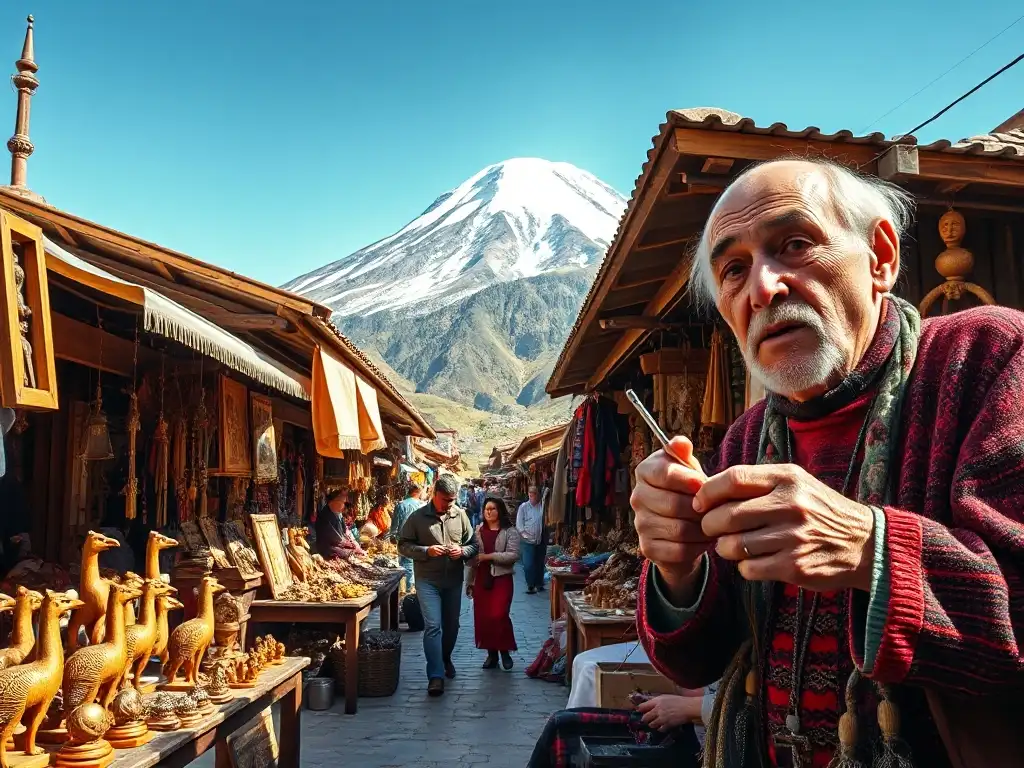
This section delves into the vibrant marketplaces of the Andes where ancient crafting techniques are not just preserved but celebrated, offering a unique glimpse into the soul of Andean artistry. We'll explore two key regions renowned for their exceptional wood carvings and metalwork, highlighting the skills passed down through generations. Understanding these techniques provides a deeper appreciation for the cultural heritage embedded within each handcrafted piece. The preservation of these "Ancient Andean crafting techniques markets" is crucial for maintaining cultural identity and economic sustainability in the region.
The Cusco Artisan Markets: Where Wood Comes to Life
Cusco, the former capital of the Inca Empire, pulsates with the energy of its artisan markets. Here, the scent of polished wood mingles with the vibrant colors of textiles, creating a sensory feast. The mastery of wood carving, a tradition dating back centuries, is readily apparent in the intricate details and expressive forms of the pieces on display. These markets aren't just places to buy souvenirs; they are living museums showcasing the enduring legacy of Andean craftsmanship.
Observing Traditional Andean Wood Carving Techniques
Many artisans openly demonstrate their skills, allowing visitors to witness firsthand the transformation of raw wood into stunning works of art. From the initial sketching and shaping to the meticulous carving and finishing, each step is a testament to the dedication and artistry involved. Common motifs include stylized animals (such as llamas and condors), mythical creatures, and intricate geometric patterns reflecting Inca iconography. The tools used, often simple yet effective, have remained largely unchanged for generations, a testament to their enduring practicality.
Observing these techniques offers a profound understanding of the connection between the Andean people and their environment, a relationship deeply ingrained in their artistic expressions. You can often find artisans using traditional chisels and knives, showcasing the durability and efficiency of tools passed down through generations. The artistry is not just about skill; it’s about storytelling, preserving ancestral knowledge and cultural identity through each meticulously carved piece.
Affiliate Opportunity: [Link to Hand-Carved Wooden Masks]
The Markets of Puno, Peru: Exploring Andean Metalworking
The high-altitude city of Puno, nestled on the shores of Lake Titicaca, is another treasure trove of Andean artistry. While Cusco is known for its wood, Puno boasts a rich tradition of metalworking, particularly in silver and gold. The intricate designs and the skilled use of hammering, chasing, and repoussé techniques demonstrate a sophisticated understanding of metallurgy that has evolved over centuries. These techniques, passed down through generations of skilled artisans, are integral to the creation of exquisite jewelry and decorative objects.
The Craftsmanship of Andean Silver and Gold Jewelry
The silver and gold jewelry found in Puno's markets is not merely decorative; it often incorporates symbolic elements reflecting Andean cosmology and mythology. Intricate designs featuring animals, plants, and geometric patterns tell stories of Andean beliefs and traditions. The quality of the craftsmanship is evident in the smooth finish, the precise detailing, and the overall elegance of the pieces. Many artisans use traditional methods, employing techniques that have been refined over centuries.
The use of ancient alloys and the precise control over the melting and shaping processes contribute to the unique character and durability of Andean metalwork. The skill and precision involved in creating these pieces are truly remarkable, highlighting the dedication and artistry of the Andean metalworkers. The intricate detailing and the symbolic significance of the designs elevate these pieces beyond simple ornamentation, making them truly unique expressions of Andean culture.
Affiliate Opportunity: [Link to Sterling Silver Andean Pendants]
This detailed exploration of Andean crafting techniques within specific markets aims to showcase the richness and depth of this cultural heritage. The preservation of these traditions is not only vital for maintaining cultural identity but also for supporting the livelihoods of the artisans who continue to practice these ancient skills. The markets themselves serve as dynamic spaces where tradition meets modernity, offering a unique window into the soul of the Andes.
Beyond the Markets: Supporting Andean Artisans
This section delves into the crucial role of conscious consumerism in preserving ancient Andean crafting techniques. While vibrant markets offer a captivating glimpse into this rich heritage, understanding the ethical implications of our purchases is paramount. Supporting Andean artisans directly contributes to the sustainability of their traditions and livelihoods, ensuring these invaluable skills are passed down through generations.
We'll explore the multifaceted ways consumers can contribute to the preservation of these ancient techniques, moving beyond simple transactions to genuine partnerships that foster cultural continuity. The demand for authentic Andean handicrafts fuels the continuation of these practices; however, this demand must be met responsibly.
Ethical Considerations When Purchasing Andean Handicrafts
Purchasing Andean handicrafts should be an act of cultural appreciation, not exploitation. Many factors contribute to ethical sourcing, demanding careful consideration. The first step is recognizing that fair prices are crucial for the artisans' well-being. Exploitative pricing practices, often driven by market pressures, undermine the artisans' efforts and threaten the survival of their craft. Look for organizations or shops committed to fair trade principles, ensuring artisans receive a just compensation that reflects the time, skill, and cultural significance embedded in their work.
Furthermore, authenticity is key. Counterfeit products not only deceive consumers but also damage the reputation of genuine Andean artisans. Be discerning in your purchases, seeking out pieces with demonstrable provenance and craftsmanship. Look for hallmarks, certificates of authenticity, or direct engagement with the artisan to verify the product's origin and quality. This conscious approach not only protects artisans from unfair competition but also guarantees the acquisition of a truly unique and valuable piece.
It's also essential to be aware of environmental sustainability. Many traditional Andean crafts utilize natural resources, and responsible sourcing of these materials is crucial. Support artisans who employ sustainable practices, minimizing environmental impact and preserving the delicate ecosystems of the Andes. This includes understanding the materials used—from alpaca wool sourced ethically to sustainably harvested wood—and choosing products that reflect this commitment. The preservation of these ancient techniques is intrinsically linked to the preservation of the Andean environment.
Consider the impact of mass tourism. While tourism can boost local economies, uncontrolled growth can lead to the commodification and dilution of cultural practices. Seek out smaller, artisan-run businesses or cooperatives that prioritize community involvement and cultural preservation over mass production. This direct support empowers artisans and their communities, fostering a more equitable and sustainable system. Supporting smaller initiatives helps maintain the integrity of ancient Andean crafting techniques.
Directly Engaging with Artisans to Preserve Ancient Techniques
Beyond market purchases, direct engagement with Andean artisans offers unparalleled opportunities to support their craft and learn about its cultural significance. Visiting artisan workshops, attending craft demonstrations, and participating in workshops provide invaluable insights into the intricate processes involved in creating these unique pieces. This direct interaction fosters a deeper appreciation for the skills and traditions involved, transforming the purchase into a meaningful cultural exchange.
Examples of Direct Engagement
Many communities offer opportunities for tourists to participate in workshops, learning traditional weaving techniques, pottery making, or metalwork. These hands-on experiences not only provide a unique souvenir but also contribute directly to the artisan's income and the preservation of their skills. Another approach is to commission a custom piece, working directly with the artisan to design a unique item that reflects your personal preferences while supporting their craft.
This direct engagement goes beyond simple transactions; it fosters relationships and contributes to the preservation of ancient Andean crafting techniques. By actively seeking out these opportunities, consumers become active participants in the continuation of a rich cultural heritage, ensuring these invaluable traditions thrive for generations to come. The future of these ancient techniques hinges on our conscious choices and active participation in their preservation. Support for Andean artisans isn't just about purchasing handicrafts; it's about investing in a living culture and ensuring its enduring legacy.
Maximizing Your Experience: Tips for Visiting Andean Craft Markets
This section offers practical advice for maximizing your experience when exploring the vibrant world of ancient Andean crafting techniques markets. Remember, these markets aren't just places to buy souvenirs; they're living museums showcasing generations of skill and tradition. Approaching your visit with respect and awareness will enrich your experience and ensure a positive impact on the local communities.
Planning Your Trip to Explore Ancient Andean Arts
Planning is key to a successful trip focused on experiencing ancient Andean crafting techniques. Consider these factors:
- Timing: Many markets are busiest on weekends and during peak tourist seasons. Weekday visits can offer a more intimate experience and potentially better opportunities for interaction with artisans. Consider the specific festivals and celebrations in the region, as these often coincide with increased market activity and unique offerings. 📅
- Location: Research specific markets known for particular crafts. For example, certain villages might specialize in textiles, while others focus on pottery or metalwork. This targeted approach allows you to focus your efforts and discover truly exceptional pieces reflecting specific ancient Andean crafting techniques. 🗺️
- Transportation: Plan your transportation in advance. Some markets are easily accessible by public transport, while others may require taxis or private vehicles. Factor in travel time, especially if you plan to visit multiple markets. 🚗
- Budget: Set a realistic budget. While prices vary, authentic Andean handicrafts are often labor-intensive and reflect the skill and time invested in their creation. Be prepared to spend more for high-quality, ethically sourced items. 💰
What to Look For When Purchasing Authentic Andean Craftwork
Identifying authentic Andean craftwork requires a discerning eye. Here's how to distinguish genuine articles from mass-produced imitations:
- Materials: Pay close attention to the materials used. Authentic pieces often utilize traditional materials like alpaca wool, vicuña fiber, or specific types of clay and metals. Look for the natural variations in color and texture inherent in these materials—a hallmark of handcrafted items. Imitations frequently use synthetic materials that lack this natural character.
- Craftsmanship: Examine the quality of the craftsmanship. Look for intricate details, consistent stitching (in textiles), even firing (in pottery), and precise metalwork. Authentic pieces often display subtle imperfections that are a testament to the handmade nature of the item, rather than flaws. Mass-produced items tend to be uniform and lack this individuality.
- Origin and Story: Engage with the artisans. Ask about their techniques, the history of their craft, and the materials they use. This not only enriches your understanding but also helps you verify authenticity. Many artisans will readily share their knowledge and family history tied to their ancient Andean crafting techniques. A compelling story often accompanies a genuine piece.
- Certification (where available): Some organizations offer certifications guaranteeing authenticity and ethical sourcing. Look for these markings, but remember that their absence doesn't automatically indicate inauthenticity.
How to Negotiate Fair Prices and Support Local Economies
Negotiating is common in Andean markets, but it should be done respectfully. Here's how to ensure a fair exchange that benefits both you and the artisan:
- Respectful Approach: Begin by expressing genuine interest in the item and acknowledging the artisan's skill. This establishes a positive rapport and sets the stage for a mutually beneficial negotiation.
- Research Prices: While negotiating is expected, it's helpful to have a general understanding of fair market prices for similar items. This prevents you from offering an insulting price or overpaying significantly.
- Gradual Negotiation: Start with a slightly lower offer than you're willing to pay, leaving room for compromise. Avoid drastic reductions that could be offensive. A friendly and respectful exchange is more likely to lead to a mutually agreeable price.
- Fair Compensation: Remember that you're supporting a local economy and a centuries-old tradition. A fair price reflects the artisan's skill, time, and the preservation of ancient Andean crafting techniques. Paying a fair price directly contributes to the sustainability of these crafts.
Remember, your visit to these markets is an opportunity to connect with a rich cultural heritage and support the continuation of ancient Andean crafting techniques. By being mindful, respectful, and informed, you can maximize your experience and make a positive impact.
Final Thoughts: The Timeless Beauty of Andean Craftsmanship
The vibrant tapestry of Andean craftsmanship, passed down through generations, continues to captivate and inspire. These ancient techniques, meticulously preserved and showcased in bustling markets, represent not merely handcrafted goods, but a living legacy. Each intricately woven textile, each delicately carved piece of wood, each meticulously painted ceramic tells a story – a story of resilience, ingenuity, and unwavering cultural pride. Visiting these markets offers a unique opportunity to connect with this rich heritage, to appreciate the artistry and dedication of the artisans, and to acquire a piece of this timeless beauty to cherish for years to come.
The experience transcends mere shopping; it's a journey into the soul of the Andes, a profound encounter with a culture that has shaped the landscape and the hearts of its people for millennia. Remember to approach each market and artisan with respect, acknowledging the time, skill, and cultural significance imbued in their creations. By supporting these artisans, you're not only acquiring beautiful and unique items but also contributing to the preservation of these invaluable ancient Andean crafting techniques markets and the vibrant cultures they represent.
The enduring artistry of the Andes is a testament to human creativity and a treasure to be celebrated and protected. Take the time to learn about the techniques used, the stories behind the pieces, and the lives of the artisans who create them – your appreciation will deepen, and your souvenir will become something truly special. 🛍️ ✨
Frequently Asked Questions
What ancient crafting techniques are still practiced in Andean markets today?
Andean markets showcase a remarkable array of ancient techniques, including textile weaving using traditional looms and natural dyes, pottery making with ancestral designs, and metalworking employing techniques passed down through generations.
Where can I find these markets preserving ancient Andean crafting techniques?
You can find these markets throughout the Andes region, particularly in Peru, Bolivia, Ecuador, and Colombia. Many are located in smaller towns and villages, offering a more authentic experience.
How do these markets contribute to the preservation of Andean culture?
These markets provide economic opportunities for artisans, ensuring the survival of ancient crafting techniques. They also offer a vital link to the past, allowing visitors to experience and appreciate Andean heritage.
Are the products sold in these markets authentic?
While some counterfeits exist, many artisans work directly in the markets, selling authentic, handmade goods. Look for details and craftsmanship that indicate traditional methods.
What is the significance of ancient Andean crafting techniques in the modern world?
These techniques represent a unique cultural heritage and showcase the ingenuity and artistry of Andean civilizations. Their continued practice demonstrates the enduring power of tradition and cultural resilience.
Final Reflection: Weaving the Past into the Present
The vibrant threads of ancient Andean crafting techniques, once woven solely into textiles and ceramics, now intertwine with the very fabric of tourism and cultural preservation. These markets, far from being mere tourist traps, represent a powerful testament to the enduring spirit of Andean communities and their unwavering commitment to their heritage. Their survival is not just a matter of economic viability; it's a vital link to a rich and complex past.
The impact of these markets extends far beyond the sale of goods; they are living museums, showcasing the artistry and resilience of generations. They are a powerful counter-narrative to the homogenizing forces of globalization, proving that tradition and modernity can coexist, even thrive, together. Tradition is not the worship of ashes, but the preservation of fire.
– Gustav Mahler. This quote perfectly encapsulates the spirit of these Andean artisans who, through their dedication, keep the flame of their ancestral skills burning bright.
Consider, for a moment, the stories embedded within each intricately woven textile, each hand-carved piece of wood. These are not just objects; they are vessels of history, carrying the echoes of ancient rituals, beliefs, and artistic expressions. You, the reader, hold the power to support this legacy. By consciously choosing to purchase authentic, handcrafted items from these markets, you become a participant in preserving this invaluable cultural heritage for future generations. Let us all strive to ensure that the soul of the Andes continues to inspire and enrich the world for centuries to come.
Embrace the Spirit of the Andes Today!
Thank you for exploring the vibrant world of Andean markets and the ancient crafting techniques that bring each creation to life. You've discovered a rich cultural heritage and the artistry that defines the soul of the Andes. Now, let's celebrate and support these incredible traditions!
Here's how you can get involved:
- Visit an Andean market or artisan shop: Immerse yourself in the culture by purchasing handcrafted goods and directly supporting the artisan communities. Your purchase helps preserve these invaluable techniques and traditions.
- Share your Andean experience: Document your discoveries and creations on social media. Use relevant hashtags to connect with others who appreciate Andean crafts and inspire your followers to learn more.
- Learn more about Andean craftsmanship: Explore documentaries, books, and online resources that delve deeper into Andean history and artistry, enriching your understanding and appreciation.
What aspect of Andean craftsmanship resonates most with you, and how will you support it in your daily life?