
Inca Trade Networks: Connecting the Empire Through Commerce

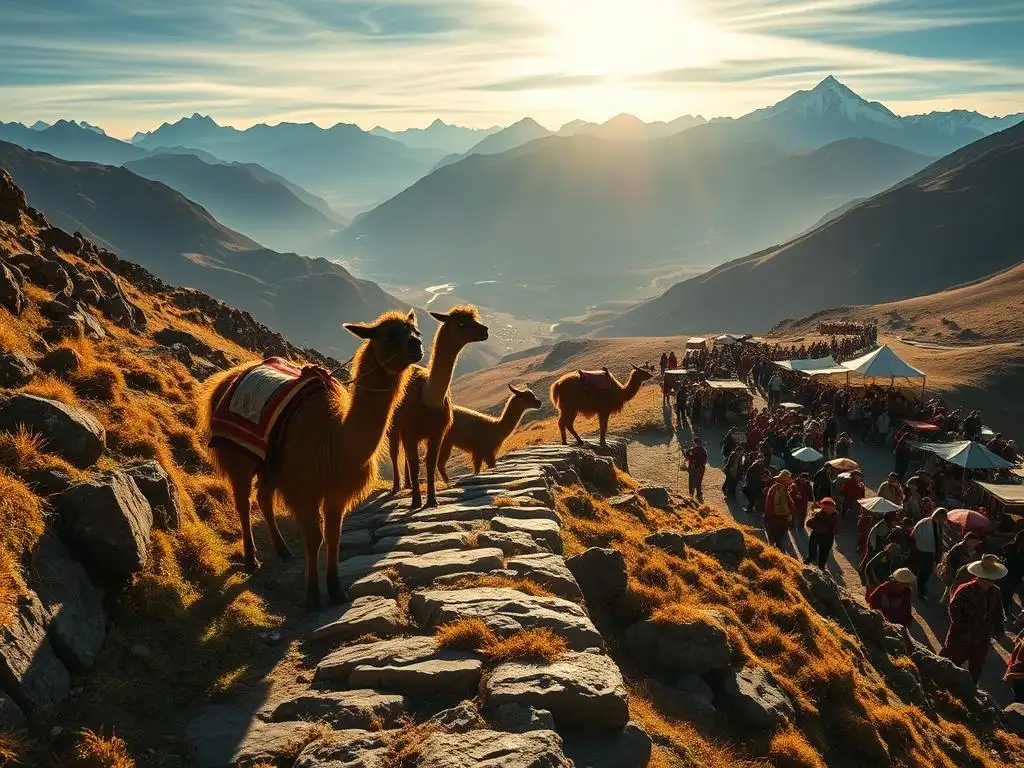
Unravel the mysteries of the Andes! Journey back in time to explore the breathtaking ingenuity of ancient civilizations, from the intricate artistry of the Nazca to the architectural marvels of Tiahuanaco. But prepare to be captivated by the Inca Empire, specifically its sophisticated network of trade. How did the Inca trade routes and impact shape this vast empire, forging connections across treacherous mountain passes and forging a legacy that continues to fascinate us today? Discover the answers and more within...
The Inca Empire, a marvel of ancient engineering and political organization, achieved its remarkable expansion and longevity partly due to its sophisticated and extensive trade networks. This wasn't merely a system of bartering goods; it was a meticulously planned and executed operation that served as a crucial pillar of Inca governance, facilitating the movement of resources, fostering economic stability, and solidifying political control across a vast and diverse territory.
Understanding the Inca trade routes and their impact is key to comprehending the empire's remarkable success and its lasting legacy. This article will delve into the intricate workings of the Inca trade system, exploring its routes, the goods exchanged, and its profound influence on the empire's social, economic, and political landscape.
We will examine how these trade routes not only connected disparate regions but also contributed significantly to the empire's overall power and stability. The impact of this system extended far beyond mere economic gain, shaping cultural exchange and even contributing to the empire's eventual downfall.
The Infrastructure of Inca Trade: Roads and Pathways
The foundation of the Inca trade system was its unparalleled infrastructure: a network of roads and pathways that crisscrossed the Andes Mountains, spanning thousands of miles. These weren't simply rudimentary trails; they were meticulously engineered marvels, featuring strategically placed bridges, meticulously graded paths, and rest houses (tambos) for travelers. The Qhapaq Ñan, or Great Inca Road, is perhaps the most famous example, a system of roads that connected the empire from north to south, facilitating the rapid movement of goods and people.
The construction of this intricate system required immense organization, manpower, and engineering skill, showcasing the Inca's mastery of their environment and their dedication to efficient administration. The roads were not only crucial for trade but also served military and communication purposes, significantly enhancing the empire's ability to maintain control over its vast territory.
These routes were carefully maintained, ensuring reliable access even in challenging mountainous terrain. The precise length of the entire road network is still debated, but estimates suggest it stretched for thousands of kilometers.
Goods in Transit: What Traveled the Inca Trade Routes?
The goods exchanged across the Inca trade routes were remarkably diverse, reflecting the varied ecological zones under Inca control. From the coastal regions came fish, salt, and cotton; the highlands yielded potatoes, maize, quinoa, and llamas; while the Amazonian lowlands contributed tropical fruits, coca leaves, and various other goods. Precious metals like gold and silver, along with ornate textiles, ceramics, and other luxury items, also circulated within the system.
The movement of these goods wasn't random; it was carefully managed by a complex system of state-controlled warehouses (qollqas) and officials responsible for overseeing the distribution and storage of resources. This centralized control ensured that essential goods reached all parts of the empire, preventing shortages and maintaining social stability.
The system prioritized the needs of the empire, with resources being channeled to support the ruling elite, religious institutions, and the construction of public works. The efficient management of this system speaks volumes about the sophistication of Inca administration and its ability to manage a complex economy.
The Impact of Inca Trade on Society and Politics
The impact of Inca trade extended far beyond the mere exchange of goods. It played a crucial role in shaping Inca society and politics. The system fostered economic stability and reduced the risk of famine, contributing to the empire’s overall prosperity and social cohesion.
The control over trade routes provided the Inca state with immense power, allowing them to exert influence over distant regions and consolidate their political authority. The movement of goods also facilitated cultural exchange, leading to the spread of ideas, technologies, and religious practices across the empire. However, it's important to acknowledge that this system also had a darker side.
The demands placed upon conquered populations to provide tribute and labor for the maintenance of the trade routes could be burdensome and exploitative. The forced relocation of populations to work on infrastructure projects also impacted local communities. This highlights the complexities of the Inca trade system and its multifaceted effects on the lives of its subjects.
The Legacy of Inca Trade Networks
The legacy of the Inca trade networks is profound. The Qhapaq Ñan and other aspects of the Inca road system continue to inspire awe and admiration, standing as a testament to the Inca's ingenuity and organizational capabilities. Many sections of these ancient roads are still used today, showcasing their enduring practicality and the impact of Inca engineering on subsequent generations.
The study of Inca trade routes and their impact provides valuable insights into the complexities of ancient Andean civilizations and the sophisticated strategies employed by the Inca to manage their vast and diverse empire. Further research is needed to fully understand the nuances of this system and its long-term consequences, but its significance in shaping the Inca Empire is undeniable.
The system stands as a powerful example of how an efficient and well-managed trade network can contribute to the growth, stability, and overall success of a civilization. The meticulous planning and execution of the Inca trade system serve as a compelling case study for understanding the vital role of trade in the development and maintenance of ancient empires.
- The Infrastructure of Inca Trade: Roads and Pathways
- Goods in Transit: What Traveled the Inca Trade Routes?
- The Impact of Inca Trade on Society and Politics
- The Legacy of Inca Trade Networks
- What was the extent of the Inca Empire's trade network?
- How did the Incas manage to transport goods across such challenging terrain?
- What types of goods were traded within the Inca Empire?
- What was the impact of the Inca trade routes on the development of the empire?
- How did Inca trade compare to that of other Andean civilizations?
The Foundation of Inca Commerce: Understanding the Economic System
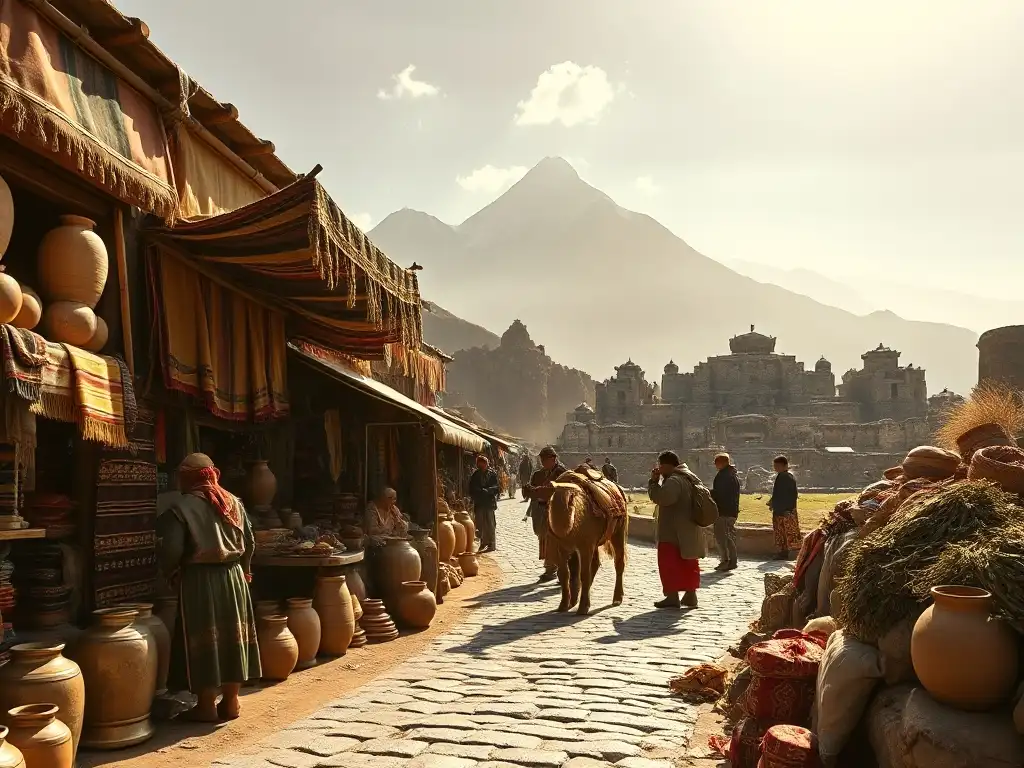
The Inca Empire, renowned for its sophisticated administrative structures and impressive infrastructure, possessed a unique economic system significantly impacting its vast trade networks. Understanding this system is crucial to appreciating the scale and influence of Inca trade routes and impact. Unlike many other ancient civilizations, the Inca did not rely on a formalized monetary system.
Instead, their economy was primarily based on two fundamental principles: reciprocity and redistribution, intricately woven into the fabric of their society and governance. This system, managed by the state, facilitated the extensive movement of goods across the empire, creating a robust and far-reaching network of exchange. The efficient organization of this system, coupled with the impressive road network, allowed the Inca to effectively control and manage resource allocation across their diverse territories.
The impact of this economic model was profound, fostering both social cohesion and imperial expansion. The empire's ability to mobilize resources for monumental construction projects, such as Machu Picchu, is a testament to the effectiveness of their economic organization.
The Absence of Currency in Inca Society
Contrary to many other developed societies of the time, the Inca did not utilize a standard currency for transactions. Instead, goods and services were exchanged directly through a system of barter. This absence of a formal monetary system, however, shouldn't be interpreted as economic primitivism. Rather, it reflects a fundamentally different approach to economic organization, deeply rooted in the social and political structures of the empire.
The Inca economy functioned within a highly regulated framework governed by the state, which played a central role in resource allocation and distribution. The lack of a currency didn't hinder trade; instead, it facilitated a system of reciprocal exchange and state-controlled redistribution, which ensured the equitable distribution of resources throughout the empire. The absence of a universally accepted currency actually minimized economic inequality and fostered social stability. This system, while different, was remarkably effective in supporting a vast and complex empire.
Reciprocity and Redistribution: Key Principles of Inca Economy
Reciprocity and redistribution formed the twin pillars of the Inca economic system, driving both local exchange and the flow of goods across vast distances. Reciprocity, at its core, involved mutual exchange of goods and services within communities and between different social groups. This system fostered strong social bonds and ensured the cooperation necessary for the functioning of the empire.
For example, farmers might exchange surplus crops for textiles produced by artisans, creating a balanced network of exchange within their local ayllu (community). Redistribution, on the other hand, involved the state's collection and subsequent allocation of goods. The Inca government levied taxes in the form of labor and goods, which were then redistributed to support public works, feed the population, and maintain the imperial army.
This system ensured that resources were channeled to where they were most needed, mitigating potential imbalances and contributing to the stability of the empire. The intricate balance between these two principles demonstrates the sophisticated nature of the Inca economic model, demonstrating the sophistication of Inca trade routes and impact.
Role of the State in Inca Economic Organization
The Inca state played a dominant role in organizing and managing the economy. It wasn't merely a passive observer but an active participant, controlling resource allocation, directing production, and regulating trade.
The state's involvement was multifaceted: it organized large-scale agricultural projects, such as terracing and irrigation systems, to maximize food production; it controlled the production of textiles and other craft goods; and it established a complex system of storage facilities (qollqas) to manage surpluses and ensure food security during times of scarcity. The state's extensive network of roads facilitated the movement of goods and people, further enhancing its control over the economy.
This centralized economic management enabled the empire to effectively mobilize resources for both local needs and large-scale projects, showcasing the significant impact of Inca trade routes and the far-reaching influence of the Inca state. The detailed organization, facilitated by the state, demonstrates the sophisticated understanding of resource management and its crucial role in the empire's success.
The Importance of Inca Trade Routes
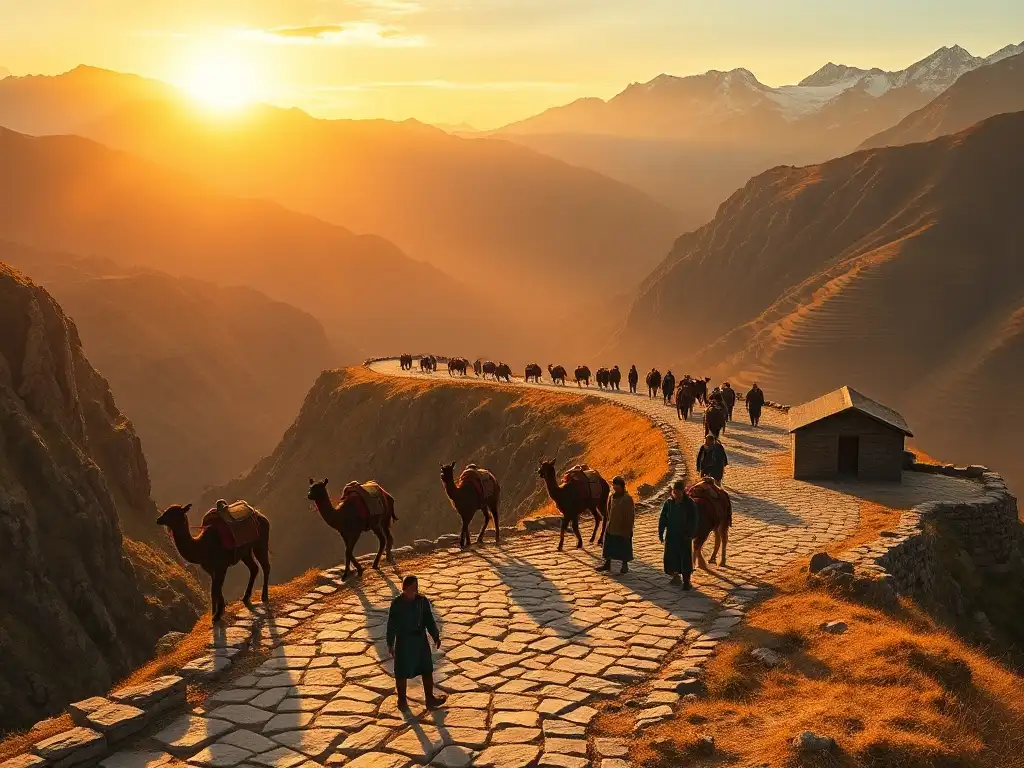
The Inca Empire, renowned for its sophisticated governance and impressive infrastructure, relied heavily on an extensive network of trade routes to maintain its power and prosperity. Understanding the Inca trade routes and their impact is crucial to grasping the empire's economic strength and its ability to control vast territories. The efficient movement of goods and resources was not merely a matter of economic convenience; it was a fundamental pillar of Inca political and social stability.
Control over these routes ensured the flow of essential goods to the capital, Cuzco, and facilitated the distribution of resources throughout the empire. This intricate system of exchange cemented loyalty amongst conquered populations and allowed for the effective administration of a diverse and geographically challenging realm. The impact of this sophisticated trade network extended beyond mere economics, influencing social structures, cultural exchange, and even religious practices.
The Qhapaq Ñan: The Great Inca Road System
The Qhapaq Ñan, meaning "Royal Road" in Quechua, was the backbone of the Inca trade network. This remarkable feat of engineering spanned thousands of miles, traversing diverse terrains from the arid Pacific coast to the high Andes mountains. The road system wasn't a single continuous highway but rather a complex network of roads, bridges, and pathways connecting major cities, villages, and strategic locations.
Its construction involved ingenious techniques, including the use of stone paving, retaining walls, and suspension bridges, reflecting a deep understanding of Andean geography and engineering principles. The Qhapaq Ñan wasn't simply a transportation route; it was a symbol of Inca power, connecting the empire’s far-flung provinces to the heartland and facilitating the efficient movement of armies, messengers, and goods. The strategic placement of tambos (roadside inns) along the routes provided rest stops for travelers and storage facilities for goods.
Detailed records, though incomplete, suggest that the Qhapaq Ñan was meticulously maintained and regularly inspected, highlighting the empire's dedication to its infrastructure. The impact of this sophisticated road network on the Inca trade routes is undeniable, facilitating the rapid and reliable transport of goods across vast distances.
Strategic Locations and Trading Centers Along Inca Roads
The Inca road system wasn't just a network of pathways; it strategically linked key settlements and trading centers that facilitated commerce. These locations were chosen for their geographical advantages, proximity to resources, or their importance as hubs for regional exchange. For example, coastal cities like [[Tumbes]] and [[Chan Chan]] provided access to marine resources like fish, salt, and cotton, while highland cities like [[Cuzco]] and [[Sacsayhuamán]] were centers for agricultural products and metalworking.
The strategic placement of these centers ensured the efficient distribution of goods throughout the empire. The exchange wasn’t limited to simple bartering; sophisticated systems of record-keeping and taxation were in place to manage the flow of goods and ensure fair distribution.
Archaeological evidence suggests that these trading centers were not only economic hubs but also important social and religious centers, reflecting the interconnectedness of economic, social, and religious life within the Inca Empire. Further research into the specific locations and their functionalities is needed to fully understand the complexity of these centers and their role in the Inca trade routes and their impact.
Diverse Goods Traded: From Coastal Products to Highland Resources
The Inca Empire's trade network facilitated the exchange of a vast array of goods, reflecting the empire's ecological diversity and economic sophistication. Coastal regions provided fish, salt, cotton, and shellfish, while the highlands yielded potatoes, maize, quinoa, llamas, alpacas, and precious metals like gold and silver. The Amazon rainforest contributed to the trade with exotic fruits, medicinal plants, and feathers.
This exchange wasn't merely a matter of resource distribution; it also fostered cultural exchange and the diffusion of ideas and technologies. The movement of goods along the Inca trade routes was facilitated by a complex system of relay runners, who carried messages and small packages over long distances. Larger goods were transported using llamas and alpacas, which were well-adapted to the Andean terrain.
The impact of this diverse trade is evident in the Inca diet, clothing, and religious practices, highlighting the interconnectedness of different regions and the empire’s remarkable ability to manage resources and distribution. Further research is needed to fully quantify the volume and variety of goods traded, and to better understand the economic impact of this exchange on different regions of the empire. The diversity of goods traded along the Inca trade routes showcases the empire's economic strength and its ability to integrate disparate regions into a cohesive whole.
Key Products and Goods Exchanged in the Inca Empire
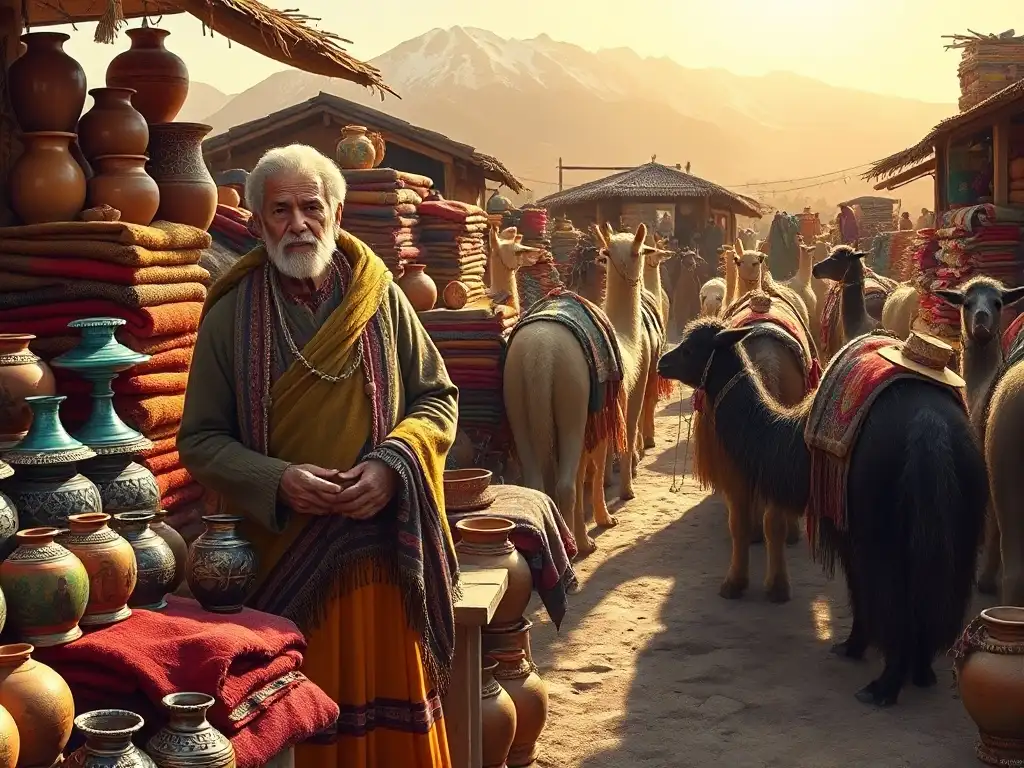
The Inca Empire's vast network of roads and chasquis (runners) facilitated a robust and intricate system of exchange, crucial for maintaining political control and sustaining the empire's population. Understanding the key products and goods traded reveals much about Inca economic strategies, social structures, and the overall impact of their trade routes on the Andean region. The "Inca trade routes and impact" are inextricably linked to the types of goods circulating within the empire, showcasing both their sophisticated logistical capabilities and their resource management.
Agricultural Products and Foodstuff Trade
The Inca economy was largely agrarian, with agriculture forming the backbone of their trade system. The sheer volume of agricultural products exchanged across the empire speaks to the scale of their logistical achievements and the importance of food security in maintaining social stability. The effective management of these trade routes ensured the flow of vital resources, highlighting the sophisticated organization of the Inca government.
Maize, Potatoes, and Quinoa: Staple Goods in Inca Commerce
Maize, potatoes, and quinoa were the cornerstones of the Inca diet, and their trade played a significant role in the empire's sustenance. These staple crops were cultivated in diverse ecological zones, creating a need for inter-regional exchange. The mit'a system, a form of labor tribute, was often used to ensure the production and transport of these essential goods.
For example, surplus maize from the fertile valleys of the coast would be transported to higher-altitude regions where it was less readily available, a testament to the Inca's ability to manage complex supply chains. The efficient distribution of these staple foods was critical to maintaining social harmony and preventing food shortages, directly influencing the stability and longevity of the empire. Data on the precise quantities traded remains scarce, but archaeological evidence suggests substantial movement of these crops across significant distances.
Trade in Coca and Other Specialized Crops
Beyond staple crops, specialized agricultural products also played a vital role in Inca trade. Coca leaves, highly valued for their stimulating and medicinal properties, were traded extensively. Their distribution was carefully controlled, often reserved for elite members of society and used in religious ceremonies.
Other specialized crops, such as chili peppers, cotton, and various medicinal plants, were also traded, reflecting the empire's diverse agricultural production and the varied needs of its population. This trade in specialized goods not only contributed to the empire's economy but also reinforced its social hierarchy and religious practices, further demonstrating the profound impact of Inca trade routes.
Precious Metals, Textiles, and Handicrafts
In addition to agricultural products, precious metals, textiles, and handicrafts formed a significant part of Inca commerce. These goods, often associated with prestige and power, circulated within the elite circles of Inca society and were also used in diplomatic exchanges and tribute systems. The demand for these luxury items further stimulated the growth of Inca trade routes, strengthening the empire's economic and political influence.
Gold, Silver, and Copper: Demand for Metallic Resources
Gold, silver, and copper were highly prized in the Inca Empire. Gold, in particular, held immense symbolic significance, often used to adorn religious objects, royal regalia, and elite burials. Silver and copper also found practical applications in tools, weaponry, and decorative items.
The mining and processing of these metals required significant labor and expertise, further highlighting the organization and control exerted by the Inca government over its economic resources. The distribution of these metals throughout the empire, often in the form of refined objects or ingots, solidified Inca power and fostered a sense of imperial unity. The precise quantities of these metals mined and traded are difficult to ascertain, but surviving artifacts testify to their widespread use and value.
Textile Production and Trade in Fine Cloth
Textile production was another crucial aspect of Inca trade. Fine cottons and woolens, often intricately woven with elaborate designs, were highly valued items, used for clothing, blankets, and religious textiles. The production of these textiles often involved specialized techniques and skills, contributing to the prestige associated with them. The trade in textiles not only fueled economic activity but also demonstrated the sophisticated artistry and craftsmanship of Inca artisans. Regional variations in textile styles and materials also provide valuable insights into the diversity of Inca culture and the interconnectedness of different regions within the empire.
Ceramic and Artisan Goods in Inca Trade
Ceramic and artisan goods, ranging from utilitarian pottery to finely crafted stone sculptures, also circulated within the Inca trade network. These items reflected the diverse artistic traditions across the empire, contributing to the exchange of cultural ideas and practices. The production of these goods often involved specialized skills and knowledge, passed down through generations of artisans.
The distribution of these goods across the empire provided evidence of the integration of diverse regional artistic styles and the standardization of certain types of products, showcasing the effectiveness of Inca trade routes in disseminating cultural practices. The impact of this cultural exchange is still evident today in the surviving artifacts, contributing to our understanding of Inca culture and its remarkable achievements.
The Impact of Inca Trade Routes and Networks
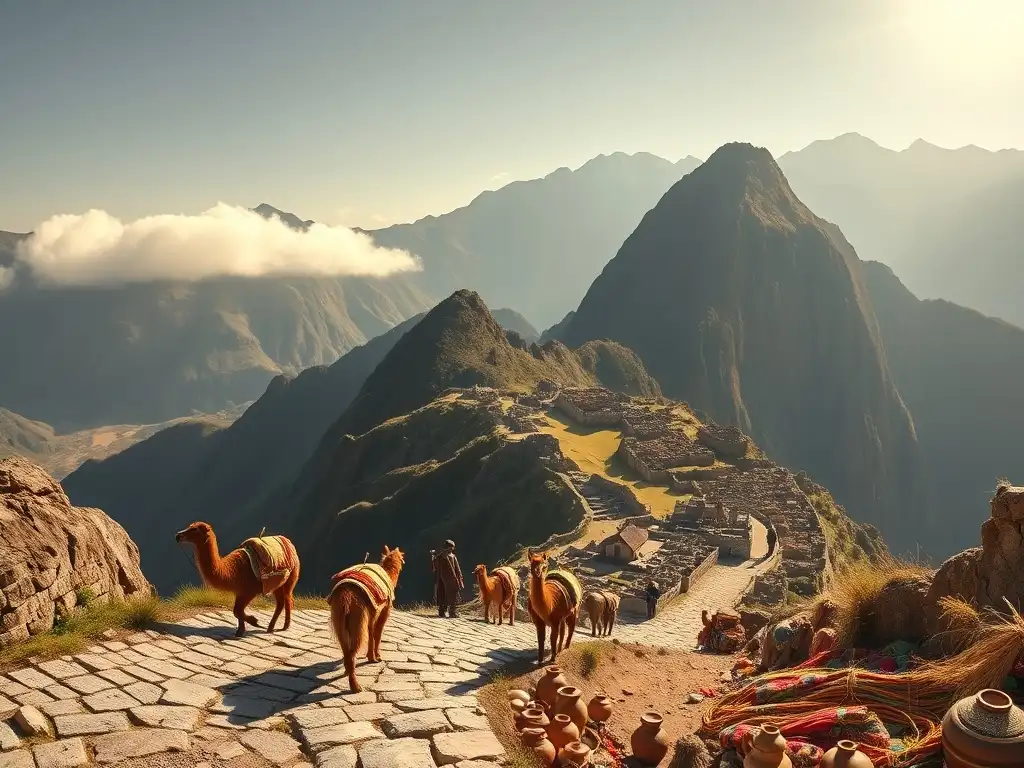
The Inca Empire, renowned for its sophisticated administrative system and impressive infrastructure, relied heavily on extensive trade routes and networks to maintain its power and influence. These weren't simply pathways for the exchange of goods; they were crucial arteries that pulsed with political, economic, and cultural life, significantly shaping the empire's trajectory. Analyzing the impact of Inca trade routes reveals a complex interplay of factors that cemented Inca dominance and left a lasting legacy across the Andes.
The keyword phrase "Inca trade routes and impact" encapsulates this crucial aspect of the empire's success. Understanding this impact requires examining its multifaceted consequences.
Political Control and Integration of Diverse Regions
The Inca road system, the Qhapaq Ñan, served as the backbone of their political control. Its strategic placement facilitated the rapid movement of troops, officials, and messages across vast and geographically diverse territories. This efficient communication network enabled the Inca to swiftly quell rebellions, enforce policies, and maintain order across the empire.
The control over trade routes themselves was a significant source of power. The Inca government often controlled key trade centers and levied taxes on goods passing through them, further solidifying their economic and political authority. This centralized control fostered a degree of integration among previously disparate Andean communities, despite their diverse languages and customs.
For instance, the standardization of weights and measures along trade routes reflects a deliberate effort to create a unified economic system throughout the empire. The Inca's ability to manage and regulate trade effectively contributed significantly to their ability to govern such a large and diverse population. The economic power derived from this trade fueled the political power of the Inca state.
Cultural Exchange and Diffusion of Ideas
Beyond the purely political, Inca trade routes facilitated significant cultural exchange. The movement of goods was accompanied by the movement of people, ideas, and religious practices. Artisans, merchants, and officials traveled along these routes, carrying with them their unique skills, beliefs, and traditions. This interaction led to a fascinating blend of cultural influences.
For example, the spread of Inca religious beliefs and practices—like the worship of the sun god Inti—was facilitated by the movement of priests and religious artifacts along the trade routes. Similarly, agricultural techniques, artistic styles, and architectural designs were diffused across the empire, resulting in a degree of cultural homogenization, though local variations undoubtedly persisted. The integration of diverse cultural elements enriched Inca society and contributed to the empire's unique character. The exchange wasn't one-sided; the Inca also absorbed and adapted elements from the cultures they conquered, enriching their own traditions.
The Role of Trade in the Expansion of the Inca Empire
The Inca's ability to effectively manage and exploit their trade networks played a pivotal role in the expansion of their empire. Control over vital trade routes provided both economic advantages and strategic military positioning. By controlling access to essential resources and trade routes, the Inca could exert pressure on neighboring groups, encouraging alliances or facilitating conquest.
The wealth generated through trade financed the Inca military campaigns and allowed them to consolidate their power. The acquisition of new territories often meant gaining access to new resources and extending their trade networks, creating a self-reinforcing cycle of expansion. The sheer scale of the Inca road network itself—a testament to their engineering prowess—demonstrates their commitment to controlling and exploiting the economic benefits of trade for imperial growth.
The strategic use of trade routes was, therefore, integral to the empire’s impressive expansion and consolidation of power across the Andes. Further research into specific trade goods and their routes could provide a more precise understanding of this intricate relationship.
The Organization of Inca Trade
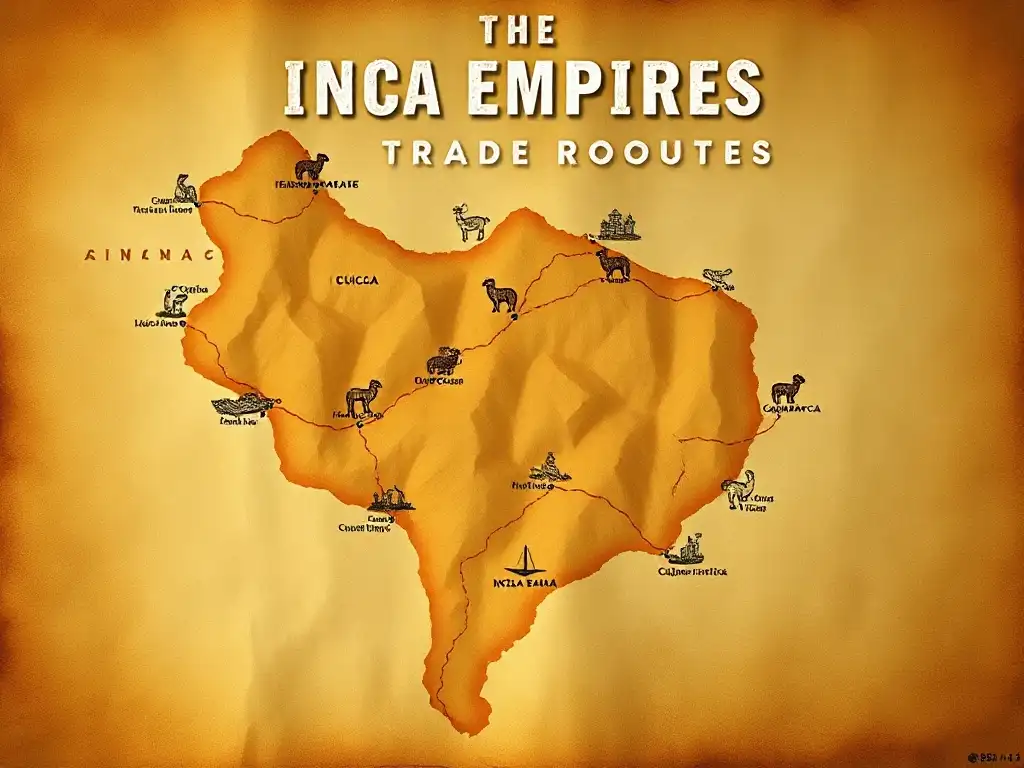
The Inca Empire, renowned for its sophisticated governance, relied on a highly organized system of trade to sustain its vast territory and diverse population. This wasn't simply a free-market exchange; instead, it was a carefully planned and controlled operation integral to the empire's economic and political strength. The Inca state directly controlled the flow of goods, using a complex system of redistribution and resource management to ensure equitable distribution and prevent shortages.
This centralized control, while potentially restrictive to individual initiative, ultimately fostered stability and prevented the kind of economic disparities that could threaten the empire's unity. The impact of this organized trade system was far-reaching, shaping the very fabric of Inca society and contributing significantly to the empire's longevity.
Understanding the organization of Inca trade is key to comprehending the empire's overall success and its lasting legacy. The effectiveness of the Inca trade routes and impact on the empire is undeniable.
The Role of Kurakas and Mit'a Labor in Managing Trade
The Inca's efficient trade network wasn't solely dependent on a centralized bureaucracy. Local authorities, known as kurakas, played a crucial role in managing trade within their respective regions. These individuals, often hereditary leaders, were responsible for overseeing the collection of tribute, the distribution of goods, and the maintenance of local infrastructure vital for trade. Their involvement ensured that the imperial system connected smoothly with local needs and realities.
The mit'a system, a form of mandatory labor service, was another key component of the trade network. While often associated with construction projects, mit'a labor was also extensively used in transportation and storage of goods. Communities were assigned quotas of porters, who transported goods along designated routes, effectively acting as a state-controlled logistics system.
The organization and management of this labor force required meticulous planning and coordination by both the kurakas and central imperial officials. This system was not without its challenges, with potential for abuse and resentment, but its effectiveness in moving vast quantities of goods across the empire is undeniable. The impact of the mit'a system on Inca trade routes was profound, enabling the efficient movement of resources across vast distances.
The Use of Llamas and Porters in Transportation
The Inca Empire leveraged both animal and human power for transportation. Llamas, domesticated for centuries in the Andes, were essential for moving goods across the mountainous terrain. Their surefootedness and ability to carry substantial loads made them ideally suited to the challenging Andean geography. However, llamas were not the sole means of transport.
Human porters, often organized through the mit'a system, played a vital role, particularly for goods that required more careful handling or for journeys that were inaccessible to llamas. The combination of llama caravans and human porters created a highly adaptable and resilient transportation network, capable of moving goods across diverse landscapes and varying distances. The integration of these two methods maximized efficiency and ensured the reliability of the Inca trade routes and its impact on the empire's economy.
The capacity of each llama varied depending on the terrain and the load, but estimates suggest an average carrying capacity of around 30-40 kg. Porters, on the other hand, could carry significantly less, typically around 15-20 kg, but their numbers compensated for their individual limitations. The precise ratio of llamas to porters varied depending on the nature and volume of goods being transported. This sophisticated and flexible approach to transportation significantly boosted the effectiveness of the Inca trade routes and its impact on the economy.
Infrastructure for Storage and Distribution of Goods
The Inca's logistical prowess extended beyond transportation. They constructed an impressive network of qollqas, strategically located storehouses, throughout the empire. These structures, often built from stone, served as vital hubs for the storage and redistribution of goods. Their design, often incorporating ventilation and drainage systems, ensured the preservation of agricultural products and other perishable goods.
The location of these qollqas was meticulously planned to facilitate efficient distribution across the empire, minimizing transportation costs and ensuring the timely delivery of goods to various regions. This sophisticated system of storage and distribution was crucial for maintaining stability during times of scarcity and ensuring equitable access to resources across the vast Inca Empire. The strategic placement of qollqas along the Inca trade routes and its impact on the empire's food security is well documented.
The system was not simply reactive; it was proactive. Surplus goods from one region were stored in qollqas and then redistributed to areas experiencing shortages, preventing widespread famine and maintaining social stability. This sophisticated system of storage and redistribution reflects the Inca's deep understanding of logistics and their commitment to managing resources effectively across their vast empire. The combination of efficient transportation, well-maintained storage facilities, and a centralized administrative system allowed the Inca to manage their trade network with remarkable effectiveness. The impact of this sophisticated infrastructure on Inca trade routes is evident in the empire’s stability and prosperity.
Inca Trade and its Legacy
The Inca Empire, renowned for its sophisticated political organization and impressive architectural feats, also possessed a remarkably efficient and extensive trade network. This intricate system, far from being a mere byproduct of imperial expansion, played a crucial role in maintaining social stability, political control, and economic prosperity across the vast Andean region. The impact of Inca trade extended far beyond the mere exchange of goods; it shaped cultural practices, influenced technological advancements, and left an indelible mark on the landscape itself.
Understanding the Inca trade routes and impact necessitates exploring its multifaceted nature and long-lasting consequences. The empire's economic prowess wasn't solely based on conquest; it was deeply intertwined with a complex system of resource management, distribution, and reciprocal exchange. This intricate web of commerce cemented the Inca's power and facilitated the integration of diverse Andean communities.
The Enduring Impact of Inca Trade on Andean Culture
The Inca trade system significantly impacted Andean culture, leaving a lasting legacy on various aspects of life. The movement of goods facilitated the spread of ideas, technologies, and artistic styles, fostering a sense of cultural unity across the empire. For example, the widespread distribution of pottery styles, textiles, and agricultural techniques demonstrates the unifying force of Inca trade. The standardization of weights and measures, a hallmark of Inca administration, further points to the empire's deliberate efforts to create a cohesive economic and cultural sphere.
The introduction of new crops and livestock through trade also enriched Andean diets and agricultural practices. This exchange not only improved food security but also contributed to the development of innovative farming techniques adapted to diverse ecological zones. This cultural fusion, a direct consequence of the active trade networks, resulted in a richer, more diverse Andean civilization.
The legacy of this interconnectedness is still visible today in the shared cultural practices and artistic motifs found across various Andean communities. The impact of Inca trade on Andean culture is a testament to the transformative power of commerce within a vast and complex empire. The integration of diverse populations wasn't simply a matter of political control; it was facilitated by a sophisticated system that fostered cultural exchange and mutual dependence.
Modern Day Traces of Inca Trade Routes in Andean Communities
While much of the Inca infrastructure has been altered or destroyed over time, remnants of their trade routes are still visible today in many Andean communities. Many modern roads and trails follow the paths carved out by the Inca, a testament to their foresight in selecting strategic routes. The Inca's preference for traversing mountain passes and utilizing river valleys for transportation is still reflected in contemporary infrastructure. In some areas, one can still observe sections of the original Inca stonework, particularly in bridges and sections of pathways.
These vestiges offer tangible connections to the past, allowing for a better understanding of the logistical challenges and engineering marvels that characterized the Inca trade system. Moreover, certain traditional practices and economic activities in contemporary Andean communities can be traced back to the Inca's legacy. For example, the exchange of goods and services within communities often mirrors the principles of ayni and mita, demonstrating the enduring influence of Inca economic organization.
These practices serve as a living reminder of the sophisticated and far-reaching impact of the Inca trade routes and their enduring presence in the lives of Andean people. The preservation and study of these traces is crucial for understanding the historical and cultural significance of the Inca Empire's economic influence. The survival of these routes, often integrated into modern infrastructure, speaks volumes about the enduring practicality and strategic importance of the Inca trade routes.
Lessons Learned from the Inca Economic System
The Inca economic system, built upon a foundation of efficient trade routes and resource management, offers valuable lessons for modern economies. The Inca's emphasis on reciprocal exchange and community-based cooperation, exemplified by systems like ayni and mita, contrasts sharply with purely capitalist models. These systems, while incorporating labor obligations, also fostered a sense of collective responsibility and social cohesion.
Their approach to resource management, characterized by a focus on sustainability and adaptation to diverse environments, is particularly relevant in the face of modern ecological challenges. The Inca's ability to integrate diverse regions and manage a vast empire through a sophisticated system of trade and distribution is a testament to their organizational skills and their understanding of economic principles. The Inca's success in managing a complex economy across varied geographical and cultural landscapes provides valuable insights into the importance of infrastructure, resource allocation, and effective governance.
Studying the Inca economic system provides a unique perspective on alternative models of economic organization, emphasizing the role of social cooperation and sustainability. The Inca trade routes and impact highlight the crucial interplay between economic efficiency and social harmony, a lesson that remains relevant for contemporary societies striving for sustainable and equitable development. Analyzing their successes and challenges offers valuable insights for modern economic planning and development.
Frequently Asked Questions
What was the extent of the Inca Empire's trade network?
The Inca Empire boasted a vast trade network spanning thousands of miles across the Andes Mountains, encompassing the entirety of their vast empire from present-day Colombia to Chile. This network facilitated the movement of goods and people across diverse and challenging terrains.
How did the Incas manage to transport goods across such challenging terrain?
The Incas utilized a sophisticated system of roads, bridges, and storage facilities, along with the labor of their vast population, to overcome the obstacles presented by the Andes' rugged geography. Llamas and alpacas were crucial for carrying goods across these routes.
What types of goods were traded within the Inca Empire?
A wide variety of goods were traded, including textiles, ceramics, precious metals (gold, silver), food, and other agricultural products. Specialized goods, produced in specific regions, were highly valued and traded throughout the empire.
What was the impact of the Inca trade routes on the development of the empire?
The Inca trade routes were essential for the growth and stability of the empire. They facilitated the distribution of resources, promoted cultural exchange, and strengthened political control across distant regions.
How did Inca trade compare to that of other Andean civilizations?
While other Andean civilizations, like the Moche and Nazca, also had extensive trade networks, the Inca system was significantly larger and more sophisticated, owing to their advanced infrastructure and centralized administration. The scale and impact of Inca trade was unparalleled in the region.
Final Reflection: The Enduring Legacy of Inca Trade
The intricate web of Inca trade routes, a testament to sophisticated logistical planning and imperial power, remains a powerful example of how commerce can shape civilizations and even transcend time. The efficiency and reach of the Inca's chasquis system and their innovative use of storehouses (qollqas) continue to inspire modern logistical solutions, demonstrating the enduring relevance of their achievements in a world increasingly focused on global supply chains.
The impact of the Inca trade network extends far beyond mere economic prosperity; it fostered cultural exchange, solidified political control, and created a sense of shared identity across a vast and diverse empire. The seamless integration of different regions through trade laid the groundwork for a unified Andean identity, a legacy that continues to resonate in modern-day Peru and beyond. The Inca road system was not merely a means of transportation; it was a vital artery of the empire, pulsating with the lifeblood of commerce and communication.
This quote encapsulates the profound significance of the Inca trade routes, highlighting their role in shaping not only the empire's economic strength but also its social and cultural fabric.
Consider, for a moment, the ingenuity and foresight required to construct and maintain such an extensive network across challenging terrain. The Inca's achievements serve as a powerful reminder of human potential and the transformative power of collaboration. Let their legacy inspire you to explore the connections between commerce, culture, and societal development, and to appreciate the enduring impact of well-planned systems on the lives of individuals and the trajectory of civilizations. Embrace the challenge of building bridges, both literal and metaphorical, and strive to create networks that foster growth, understanding, and lasting legacies of your own.
**Explore the Rich Tapestry of Inca Trade! **
Thank you for exploring the fascinating world of Inca trade networks! You've discovered how these ancient systems connected communities and facilitated commerce across the vast empire. Now, let's delve even deeper into this vibrant history!
Here are some ways to continue your journey:
- **Dive Deeper:** Research a specific Inca trade good that piqued your interest—perhaps intricately woven textiles, finely crafted pottery, or the uniquely preserved *chuno* potatoes. Discover more about its production methods and cultural significance.
- **Share Your Findings:** Discuss your favorite Inca trade item with friends, family, or online communities. Sharing your knowledge sparks curiosity and fosters collective learning about these remarkable cultures.
- **Get Involved:** Join a local history or archaeology group focused on ancient Andean civilizations. Your passion for Inca trade can lead to new friendships and exciting collaborative discoveries.
What's one surprising fact you've learned about Inca trade that you'd like to share?