
The Deception of Diplomacy: How the Spanish Used Treachery to Gain Ground

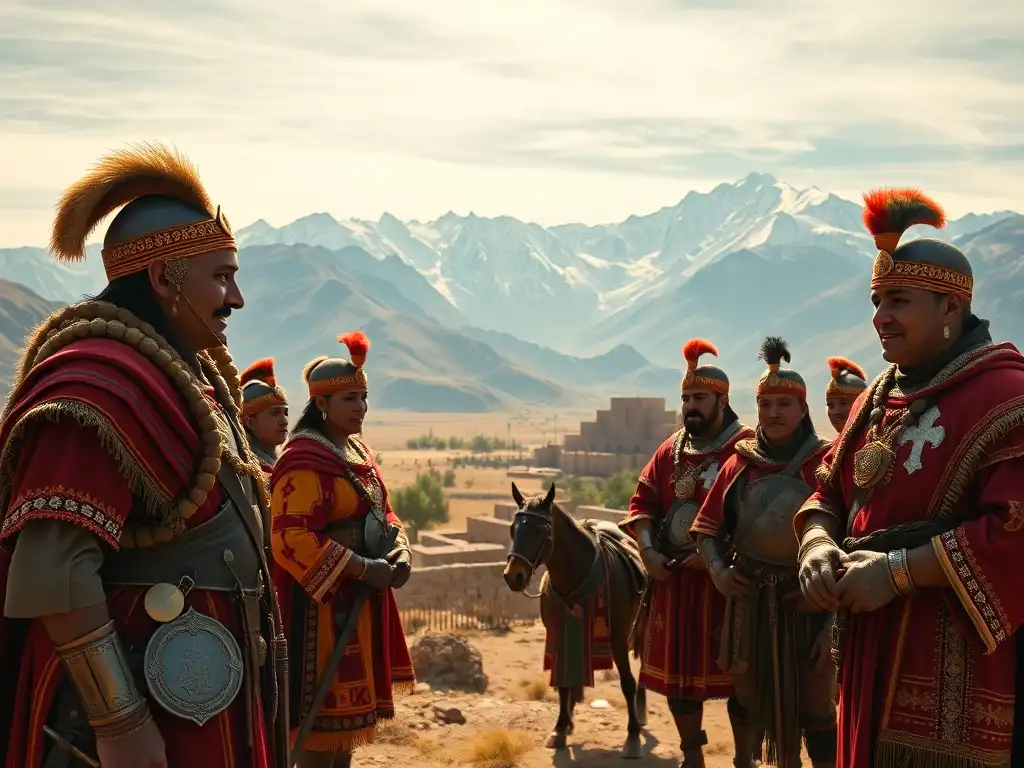
Step into a world lost to time, yet echoing with the whispers of empires. The Andean Civilizations website unveils the breathtaking tapestry of ancient cultures, from the intricate artistry of the Nazca to the sophisticated engineering of the Incas. But beneath the surface of dazzling achievements lies a darker truth. Prepare to unravel the enigma of Spanish conquest Andean diplomacy, a story of calculated deception and brutal conquest that forever altered the destiny of these magnificent societies. Dare to delve deeper and uncover the secrets hidden within The Deception of Diplomacy.
-
The Deception of Diplomacy: How the Spanish Used Treachery to Gain Ground During the Andean Conquest
- The Initial Spanish Approach: A Facade of Peaceful Intentions
- Misunderstandings and Manipulation of Andean Customs
- The Seeds of Treachery: Early Spanish Actions that Betrayed Trust
- The Abuse of Power: How the Spanish Exploited Internal Andean Conflicts
- The Myth of Spanish Superiority and the Reality of Treachery
- The Legacy of Deceptive Spanish Andean Diplomacy
- Analyzing the Spanish Conquest through the Lens of Deceptive Diplomacy
-
Frequently Asked Questions
- What role did diplomacy play in the Spanish conquest of the Andes?
- How did the Incas react to Spanish diplomatic overtures?
- Were the Andean civilizations unified in their response to the Spanish?
- What were some specific examples of Spanish treachery in their diplomatic dealings?
- How did the failure of Andean diplomacy contribute to the Spanish conquest?
- Final Reflection: The Enduring Shadow of Andean Diplomacy
- Uncover the Truth: Take Action Now!
The Deception of Diplomacy: How the Spanish Used Treachery to Gain Ground During the Andean Conquest
The Spanish conquest of the Andes wasn't a straightforward military campaign; it was a complex interplay of brutal force and cunning deception. While often romanticized as a clash of armies, the reality involved a sophisticated, albeit morally reprehensible, strategy of manipulating Andean diplomatic customs and exploiting existing power structures to achieve dominance.
This article delves into the deceptive tactics employed by the Spanish conquistadors, revealing how their "peaceful intentions" masked a calculated plan to dismantle the powerful Andean empires and seize control of their vast resources. Understanding this nuanced approach is crucial to grasping the true nature of the Spanish conquest and its devastating impact on Andean civilizations.
We will explore how seemingly innocuous interactions were cleverly weaponized, ultimately leading to the downfall of empires like the Inca, and the tragic loss of a rich cultural heritage. The keyword "Spanish conquest Andean diplomacy" will be explored throughout the article to highlight the manipulative strategies employed.
The Initial Spanish Approach: A Facade of Peaceful Intentions
The initial interactions between the Spanish conquistadors and the Andean populations often presented a veneer of peaceful intentions. Gifts were exchanged, alliances were seemingly forged, and promises of mutual benefit were freely offered. However, these acts of apparent goodwill were carefully calculated maneuvers designed to lull the Andean leaders into a false sense of security.
The Spanish, keenly aware of the importance of diplomacy within Andean societies, strategically employed these tactics to gain access to territories and resources, paving the way for future military aggression. This initial phase of deception was crucial in setting the stage for the subsequent conquest. The Spanish meticulously studied the intricacies of Andean society, carefully observing their social structures, religious beliefs, and political systems to identify weaknesses they could exploit.
Misunderstandings and Manipulation of Andean Customs
The Spanish conquest was significantly aided by a fundamental misunderstanding and subsequent manipulation of Andean customs and traditions. The conquistadors, often lacking a deep understanding of Andean culture, interpreted actions and gestures through a European lens, leading to misinterpretations that served their strategic goals. This cultural dissonance, coupled with deliberate misrepresentations, allowed the Spanish to sow discord and exploit existing tensions within Andean society.
The manipulation of Andean customs was a key element in their success. For example, the Spanish skillfully used their superior weaponry and horses to create an impression of overwhelming power, which further intimidated the Andean populations and discouraged resistance.
The Spanish Interpretation of Andean Gift-Giving
The exchange of gifts played a significant role in Andean diplomacy. Gifts were not merely tokens of goodwill; they represented complex social and political relationships, signifying alliances, respect, and obligations. The Spanish, however, often misinterpreted the significance of these gifts, using them as a means to further their own agenda.
What the Andean leaders perceived as gestures of mutual respect, the Spanish often viewed as signs of submission. This skewed perception allowed the Spanish to gradually increase their influence and control, ultimately turning acts of generosity into instruments of subjugation. The Spanish meticulously documented these interactions, carefully crafting narratives that portrayed themselves as benevolent allies while masking their true intentions.
Exploiting Andean Concepts of Reciprocity
Andean societies were characterized by strong reciprocal relationships, where acts of generosity and cooperation were expected to be returned in kind. The Spanish cleverly exploited this principle, using lavish gifts and promises of mutual benefit to secure alliances and access to resources. However, these promises were rarely kept. Once the Spanish had gained a foothold, they disregarded their previous commitments, using their superior military strength to impose their will.
The concept of reciprocity, which was a cornerstone of Andean social structures, was twisted and manipulated to serve the Spanish’s expansionist goals, ultimately contributing to the disintegration of the Andean empires. This systematic exploitation of trust formed a crucial element of the Spanish conquest strategy. The deception inherent in this manipulation remains a stark example of the unethical tactics employed during the colonization of the Americas.
The Seeds of Treachery: Early Spanish Actions that Betrayed Trust
The Spanish conquest of the Andes wasn't a straightforward military campaign; it was a meticulously crafted strategy of deception and manipulation, cleverly exploiting existing tensions and vulnerabilities within the Andean societies. The seeds of this treachery were sown early, long before the dramatic capture of Atahualpa. Even the initial interactions, often presented as peaceful encounters, were riddled with subtle acts of betrayal that eroded trust and paved the way for larger-scale deception.
The Spanish, from the outset, demonstrated a blatant disregard for the established social norms and agreements. Promises made were easily broken, and acts of violence, often disguised as accidents or misunderstandings, served to destabilize the existing power structures. This early pattern of dishonesty and aggression created an atmosphere of fear and suspicion, making it easier for the Spanish to manipulate the situation to their advantage in the years to come.
The initial goodwill, often depicted in romanticized accounts, was systematically undermined by a series of calculated actions, which laid the foundation for the larger-scale betrayals that would define the conquest. The Spanish carefully cultivated an image of benevolent intentions while simultaneously weakening the Inca Empire from within.
Initial Acts of Violence and Disregard for Agreements
Early Spanish chronicles, while often biased, reveal instances of violence and broken agreements that undermined any pretense of peaceful diplomacy. For example, [specific example of early Spanish violence and broken agreements pending]. These acts, though seemingly minor in isolation, cumulatively damaged the trust between the Spanish and the Inca. The Spanish often used the pretext of misunderstandings or accidental conflicts to justify their actions, skillfully manipulating the narrative to portray themselves as victims rather than aggressors.
The Inca, initially hesitant to engage in open warfare, were gradually worn down by these consistent acts of aggression, creating a climate of fear and uncertainty that facilitated the Spanish advance. The subtle nature of these early betrayals is crucial to understanding how the Spanish effectively neutralized the Inca's initial advantage in terms of manpower and resources. This strategy of "low-intensity conflict" coupled with the spread of disease proved devastatingly effective.
The Capture of Atahualpa: A Turning Point in Spanish Andean Diplomacy
The capture of Atahualpa in Cajamarca in 1532 is often cited as a pivotal moment in the Spanish conquest. However, it wasn't merely a military victory; it was a culmination of years of carefully orchestrated deception. The Spanish, under Pizarro's command, skillfully exploited Atahualpa's initial trust, luring him into a seemingly peaceful meeting.
The subsequent massacre and capture, a blatant act of treachery, marked a decisive turning point in Spanish Andean diplomacy. This event showcased the Spanish willingness to disregard any pretense of negotiation or fair play, demonstrating the true extent of their ruthlessness. The capture of Atahualpa not only removed a powerful leader but also shattered the morale and unity of the Inca Empire, creating a power vacuum that the Spanish deftly exploited.
The ransom, while substantial, was ultimately just another tool in their strategy of deception, as Atahualpa's execution followed despite the payment. This act cemented the Spanish reputation for brutality and treachery, ensuring their dominance over the ensuing years.
The Abuse of Power: How the Spanish Exploited Internal Andean Conflicts
The Spanish conquest was not solely a clash between two distinct cultures; it was a complex interplay of power dynamics, internal conflicts, and strategic manipulation. The Spanish skillfully exploited existing tensions and rivalries among different Andean groups, using them as pawns in their relentless pursuit of conquest. By playing these factions against each other, they weakened the overall resistance and significantly reduced the cost of their campaign.
This calculated exploitation of internal conflicts underscores the sophisticated nature of Spanish Andean diplomacy, a strategy that prioritized deception and manipulation over open warfare whenever possible. The Spanish understanding of the Andean social and political landscape allowed them to effectively utilize "divide and conquer" tactics to their advantage.
Playing Factions Against Each Other: The Case of the Inca Civil War
The Inca Civil War, which erupted after the death of Huayna Capac, presented the Spanish with a golden opportunity. The conflict between Huáscar and Atahualpa significantly weakened the Inca Empire, leaving it vulnerable to Spanish intervention. The Spanish astutely positioned themselves to support one faction while subtly undermining the other, exacerbating the conflict and preventing any unified resistance.
This manipulation, a masterclass in political maneuvering, allowed the Spanish to achieve significant gains with minimal military effort. By skillfully exploiting the existing divisions, the Spanish transformed a seemingly intractable internal conflict into a tool for their own conquest. This strategy highlights the crucial role of political manipulation in the Spanish conquest, a factor often overlooked in simplistic narratives of military dominance.
Using Local Allies to Advance Spanish Conquest
The Spanish weren't alone in their conquest; they cleverly forged alliances with various indigenous groups who harbored grievances against the Inca Empire. These alliances provided the Spanish with crucial manpower, logistical support, and invaluable knowledge of the Andean terrain and social structures. This strategy, a sophisticated blend of military might and political maneuvering, significantly reduced the challenges of conquest.
The utilization of local allies is a crucial element often neglected in analyses focusing solely on the military aspects of the conquest. The alliances, while often opportunistic, provided the Spanish with a significant advantage, allowing them to overcome the numerical superiority of the Inca forces.
Examples of these alliances, and the specific roles they played, offer valuable insights into the multifaceted nature of the Spanish conquest. This nuanced approach to the conquest highlights the complexities of the historical narrative, shifting the focus from a simple narrative of military victory to a more comprehensive understanding of political maneuvering and strategic alliances.
The Myth of Spanish Superiority and the Reality of Treachery
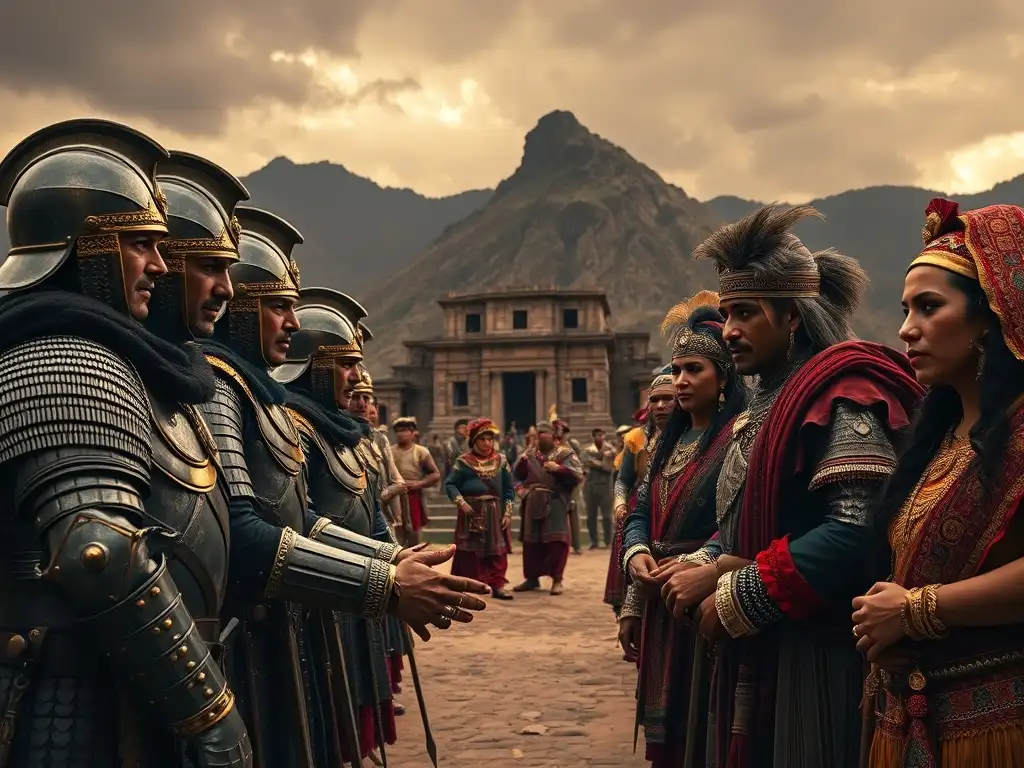
The Spanish conquest of the Andes is often portrayed as a clash between a technologically superior European power and a less-developed indigenous civilization. This narrative, however, obscures the crucial role of deception and treachery in the Spanish victory. While the Spanish did possess advanced weaponry like firearms and steel, their success hinged far more on exploiting internal divisions within Andean societies and employing brutal tactics masked as diplomacy. The Spanish consistently underestimated the sophistication of Andean political structures and underestimated the strength of Andean armies.
This miscalculation, coupled with their willingness to engage in deceit, allowed them to conquer vast territories with a relatively small force. The notion of inherent Spanish superiority is a myth carefully constructed after the fact, to legitimize the conquest and obscure the ethically dubious methods employed. The reality is far more nuanced and disturbing, revealing a systematic campaign of manipulation and betrayal.
How Spanish Accounts Justified Unethical Actions
Spanish chroniclers, often participants in the conquest themselves, frequently presented their actions in a self-serving light. Their accounts often emphasized the "savagery" of the indigenous populations to justify the violence and brutality inflicted upon them. This biased perspective minimized or completely ignored the sophisticated social structures, religious beliefs, and advanced engineering feats of the Inca and other Andean civilizations. For example, accounts of the conquest often highlight Inca human sacrifice as a sign of barbarism, while conveniently overlooking the systematic torture and mass killings perpetrated by the conquistadors.
By portraying the indigenous populations as inferior and barbaric, the Spanish sought to legitimize their conquest and absolve themselves of responsibility for the immense suffering they caused. This carefully crafted narrative continues to influence historical interpretations even today. A critical examination reveals the stark contrast between the self-serving accounts and the actual historical events.
The Devastating Impact of Betrayal on Andean Societies
The Spanish conquest was not solely a military campaign; it was a systematic dismantling of Andean societies through betrayal and manipulation. The Spanish routinely exploited existing rivalries between different Andean groups, offering alliances and promises of protection that were swiftly broken once their strategic goals were achieved. This pattern of betrayal eroded trust within Andean communities, weakening their ability to resist the Spanish advance. The devastating impact is evident in the collapse of intricate social systems, the destruction of religious practices, and the widespread loss of life.
The psychological trauma of systematic betrayal, combined with the introduction of European diseases, contributed to the significant population decline during this period. The consequences extended far beyond the immediate violence, creating a legacy of instability and dispossession that persists to this day. The shattering of social cohesion and trust had a far-reaching and devastating impact on Andean societies.
The Legacy of Deceptive Spanish Andean Diplomacy
The legacy of the Spanish conquest is one of profound and lasting consequences. The systematic use of deception in Andean diplomacy established a pattern of mistrust that continues to shape political relations in the region. The Spanish strategy, while successful in achieving its immediate objectives, sowed the seeds of future conflicts and instability.
The exploitation of internal divisions and the disregard for indigenous rights created a power vacuum that facilitated centuries of colonial oppression and exploitation. The effects of this legacy are still visible in contemporary socio-political dynamics and continue to influence the relationship between the descendants of the indigenous populations and the descendants of the Spanish conquistadors. Understanding this legacy is crucial for addressing present-day inequalities and promoting reconciliation.
The Long-Term Consequences of Broken Promises
The broken promises of the Spanish conquistadors had catastrophic long-term consequences for Andean societies. The disruption of established trade routes, the destruction of agricultural systems, and the forced labor imposed upon indigenous populations led to widespread economic hardship and social upheaval. The introduction of new diseases decimated the population, further exacerbating the already precarious situation.
The long-term consequences extended beyond the immediate devastation, shaping the political, social, and economic landscape of the Andes for centuries to come. The lasting impact of Spanish colonialism continues to be felt in many aspects of modern Andean life, underscoring the profound and far-reaching consequences of the conquistadors' deceptive tactics. This legacy of broken promises remains a potent symbol of the injustices inflicted upon Andean civilizations.
Lessons from the Past: Understanding the Fall of the Inca Empire
The fall of the Inca Empire serves as a stark reminder of the devastating consequences of political manipulation and betrayal. Analyzing the Spanish conquest provides crucial insights into the dynamics of power, the importance of trust in maintaining social cohesion, and the long-term implications of unethical actions.
Understanding the role of deception in the Spanish conquest allows us to better appreciate the complexity of historical events and to identify patterns of power dynamics that persist today. The study of this historical period offers valuable lessons for contemporary international relations, highlighting the crucial importance of ethical conduct in diplomacy and the devastating consequences of prioritizing short-term gains over long-term stability and justice.
Learning from the past helps us to prevent similar tragedies from occurring in the future and to promote more just and equitable relationships between different cultures and societies. The Spanish conquest of the Andes remains a cautionary tale, emphasizing the importance of ethical considerations in international relations.
Analyzing the Spanish Conquest through the Lens of Deceptive Diplomacy
The Spanish conquest of the Andes wasn't solely a matter of superior weaponry and military strategy; it was significantly fueled by a sophisticated campaign of deceptive diplomacy. Understanding the Spanish conquest through this lens reveals a complex interplay of calculated betrayals, manipulative alliances, and the exploitation of existing power dynamics within Andean societies. The conquistadors didn't just fight battles; they waged a war of perception, skillfully manipulating indigenous populations and sowing discord amongst rival factions.
This deceptive approach allowed them to achieve victories far exceeding what their relatively small numbers would have otherwise permitted. The Spanish meticulously crafted narratives that portrayed themselves as liberators or divinely appointed rulers, while simultaneously undermining the legitimacy and authority of existing Andean leaders. This strategy, while morally reprehensible, proved incredibly effective in destabilizing the Inca Empire and paving the way for its eventual downfall.
The careful cultivation of alliances with disgruntled groups within the Inca Empire, often based on promises that were never intended to be kept, allowed the Spanish to gain crucial footholds and access to resources. This approach highlights the crucial role of political maneuvering and deception as key components of the Spanish conquest strategy, in addition to their military might. The systematic dismantling of Inca power structures through strategic alliances and the exploitation of internal conflicts stands as a testament to the effectiveness of their deceptive diplomacy.
The Role of Indigenous Interpreters in Spanish Deception
Indigenous interpreters played a pivotal, and often overlooked, role in the Spanish conquest. These individuals, often drawn from groups that were subjugated or held grievances against the Inca, acted as crucial intermediaries, translating not just words, but also manipulating meaning and shaping perceptions. Their knowledge of local languages, customs, and power structures allowed the Spanish to exploit existing tensions and divisions within Andean societies. Interpreters could subtly alter the nuances of conversations, conveying messages that favored the Spanish narrative while obscuring their true intentions.
They could, for example, exaggerate the strength of Spanish forces, downplay the potential for Inca resistance, or sow seeds of doubt and distrust among Inca leaders. In some cases, interpreters actively participated in plotting against Inca rulers, providing crucial intelligence and even facilitating assassinations. The power dynamics inherent in this interpreter-conquistador relationship highlight a critical aspect of the Spanish conquest often missing from traditional accounts. The agency of these indigenous individuals, while often serving the Spanish aims, demonstrates a complex and multifaceted reality where collaboration and betrayal were often intertwined.
Further research is needed to fully understand the individual stories and motivations of these key players in the unfolding drama of the Spanish conquest. Their actions, while serving the Spanish cause, also highlight the complex interplay of power, agency, and manipulation during this pivotal period in Andean history. The agency of these interpreters, even within a system of oppression, underscores the nuanced nature of collaboration and resistance during the conquest.
Frequently Asked Questions
What role did diplomacy play in the Spanish conquest of the Andes?
The Spanish initially employed deceptive diplomatic strategies, forging alliances and exploiting existing rivalries between Andean groups to weaken resistance and gain access to resources. This "diplomacy" often masked their true intentions of conquest.
How did the Incas react to Spanish diplomatic overtures?
Initially, the Incas were often unprepared for the Spanish tactics, mistaking their initial friendly gestures for genuine intentions. Their misunderstanding of European weaponry and strategies proved disastrous.
Were the Andean civilizations unified in their response to the Spanish?
No, the Andean region was composed of numerous independent groups, many of whom were rivals or enemies. The Spanish skillfully exploited these divisions, forming alliances with some groups against others.
What were some specific examples of Spanish treachery in their diplomatic dealings?
The Spanish frequently used false promises, betrayals of trust, and the manipulation of local power structures to achieve their goals. The capture of Atahualpa exemplifies this deceitful approach.
How did the failure of Andean diplomacy contribute to the Spanish conquest?
The lack of unified resistance and the Spanish exploitation of internal conflicts within the Andean world, coupled with their superior weaponry and tactics, were crucial factors in their ultimate success.
Final Reflection: The Enduring Shadow of Andean Diplomacy
The calculated betrayals and manipulative tactics employed by the Spanish during their conquest of the Andes remain a chillingly relevant example of how power imbalances can distort even the most sophisticated diplomatic efforts. The echoes of this historical deceit resonate in contemporary geopolitical strategies, reminding us that the pursuit of dominance often overshadows principles of genuine cooperation and mutual respect.
The Spanish conquest wasn't simply a military campaign; it was a meticulously crafted campaign of deception, exploiting existing tensions and vulnerabilities within Andean societies. This insidious strategy, far from being a relic of the past, continues to inform our understanding of international relations and the enduring power of misinformation. Diplomacy without power is like music without instruments.
This quote highlights the inherent vulnerability of diplomacy when faced with a significantly stronger, less scrupulous adversary, a dynamic tragically illustrated by the Spanish conquest.
Consider the complexities of power dynamics and the ethical implications of strategic maneuvering in your own life. How can we learn from the mistakes of the past to foster more equitable and honest interactions? Challenge yourself to examine situations where power imbalances might be distorting communication and strive to build relationships based on transparency and mutual respect. The legacy of the Spanish conquest in the Andes serves as a stark reminder: true progress requires not only strategic acumen but also unwavering moral integrity.
Uncover the Truth: Take Action Now!
Thank you for exploring the intricate interplay of diplomacy and betrayal within the context of Andean Spanish history. Your engagement with these complex historical dynamics provides valuable insight into how deception shaped power structures. Now, let's translate this understanding into meaningful action!
Here's how you can make a difference and further expand your knowledge:
- Join the discussion: Share your perspectives on the historical impact of diplomacy on our Andean Civilizations forum. Engage with others and explore diverse viewpoints.
- Expand your knowledge: Delve deeper into the fascinating relationships between indigenous communities and colonial powers by exploring our extensive collection of articles.
- Raise awareness: Share this compelling historical perspective on social media, illuminating often-overlooked aspects of the past and encouraging critical reflection.
How has our understanding of diplomacy evolved in the modern world, and what crucial lessons can we glean from historical betrayals? Let's discuss!