
The Oral Canvas: Painting Pictures of the Past Through Spoken Word

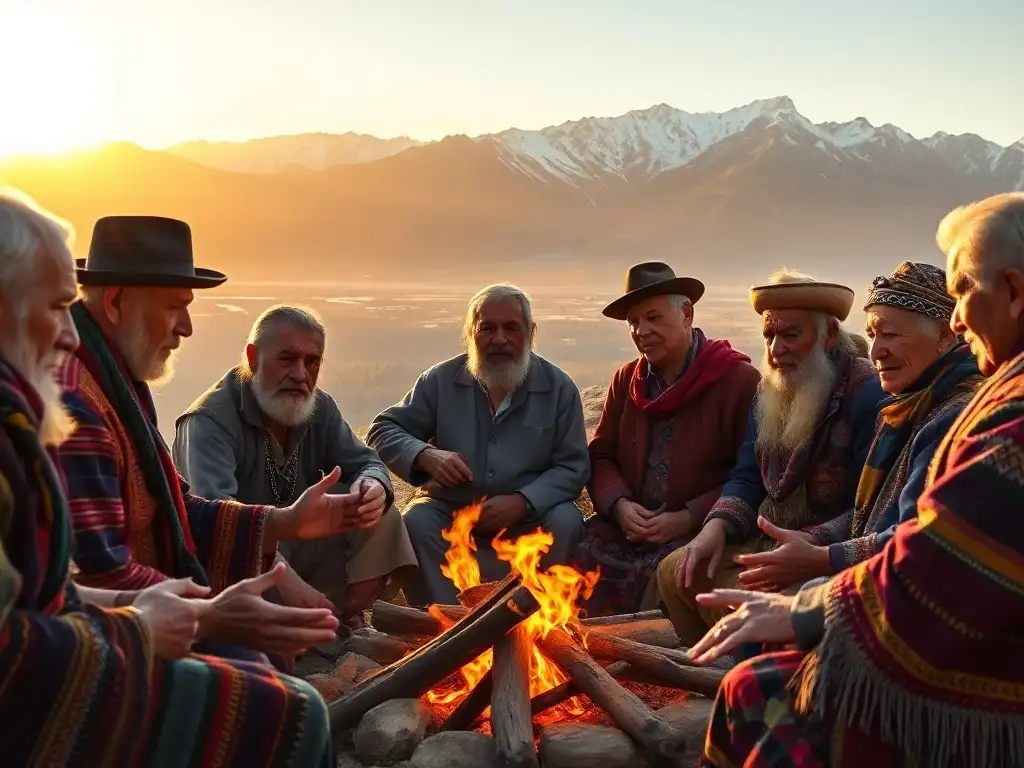
Step into a world lost to time, yet echoing with vibrant voices. Imagine a tapestry woven not from threads, but from whispered stories, ancient songs, and enduring myths. On this journey through Andean Civilizations, we unravel the mysteries of their fascinating past, beginning with the captivating power of Andean oral history. Prepare to be amazed as we explore how spoken word painted vivid pictures of life, shaping the legacies of the Incas, Moche, Nazca, and Tiahuanaco. Discover the secrets held within these ancient narratives – secrets waiting to be revealed.
The Andes Mountains, a spine of towering peaks running down the western coast of South America, are not only a breathtaking geographical feature but also a cradle of vibrant and complex civilizations. For centuries, these Andean societies—including the Incas, Moche, Nazca, and Tiahuanaco—flourished, leaving behind a legacy that continues to fascinate and inspire. However, much of our understanding of these cultures comes not from written records, which were relatively scarce in many Andean societies, but from the enduring power of oral tradition.
This article delves into the crucial role of Andean oral history, exploring how spoken word served as a dynamic and vital canvas for preserving knowledge, transmitting cultural values, and shaping the identity of these remarkable peoples. We will examine how stories, songs, and rituals acted as living archives, conveying historical events, social structures, and cosmological beliefs across generations.
Understanding Andean oral history is key to unlocking a deeper appreciation of the richness and complexity of these ancient societies and their lasting impact on the world. This exploration will reveal how the seemingly ephemeral act of speaking became a powerful force in shaping Andean civilization.
Introduction to Andean Oral History and its Significance
Andean oral history wasn't simply a means of recounting past events; it was a living, breathing entity deeply interwoven with the fabric of daily life. Unlike written histories, which can become static and removed from the lived experience, oral traditions constantly adapted and evolved, reflecting the changing social and environmental contexts of each generation. The transmission of knowledge wasn't a passive process; it involved active participation, interpretation, and re-creation by storytellers, singers, and ritual practitioners.
This dynamic nature ensured that oral histories remained relevant and meaningful, constantly adapting to new circumstances while preserving the core cultural values of the Andean people. Consider, for instance, the intricate narratives surrounding the origins of the Inca Empire, or the detailed descriptions of agricultural practices passed down through generations of farmers. These stories weren't merely historical accounts; they were tools for social cohesion, moral instruction, and the preservation of ancestral knowledge.
The significance of Andean oral history lies not only in its historical value but also in its enduring cultural relevance. It offers a window into the worldview, beliefs, and social structures of these societies, providing insights that are often inaccessible through other sources.
Different Forms of Andean Oral Traditions: Narratives, Songs, and Rituals
Andean oral traditions manifested in diverse forms, each serving a specific purpose within the community. Narratives, often epic in scope, recounted the exploits of mythical heroes, the origins of clans and lineages, and the historical events that shaped the identity of a particular group. These weren't simply entertaining stories; they served as powerful tools for reinforcing social hierarchies, transmitting moral values, and educating younger generations about their cultural heritage.
Songs, with their melodic and rhythmic qualities, played a crucial role in memorizing and disseminating information, often embedding historical events or practical knowledge within memorable verses. Think of the yaravíes of the Andes, poignant songs that often spoke of love, loss, and social injustice. Rituals, often accompanied by chants and prayers, served to connect the living with the spiritual world, reenacting foundational myths and ensuring the continuity of ancestral practices.
The intricate tapestry woven from these diverse forms of oral tradition ensured that knowledge, beliefs, and cultural values were passed down through generations, creating a dynamic and ever-evolving historical record. The sheer variety of these forms highlights the richness and complexity of Andean oral culture.
The Challenges of Preserving Andean Oral History in the Modern Era
The preservation of Andean oral history faces significant challenges in the modern era. The increasing dominance of written languages and the pressures of globalization threaten the vitality of indigenous languages and the oral traditions they carry. The passing of elders, the repositories of centuries of accumulated knowledge, creates a critical loss of invaluable cultural heritage.
However, ongoing efforts to document and revitalize Andean oral traditions are underway. Researchers, community members, and organizations are actively working to record stories, songs, and rituals before they are lost forever. These efforts not only preserve a vital part of human history but also empower indigenous communities to maintain their cultural identity and heritage.
The work is ongoing, and the challenges are substantial, but the commitment to preserving these invaluable traditions remains a testament to their enduring significance. The future of Andean oral history depends on the continued collaboration between researchers and communities, a partnership crucial for ensuring the survival of this rich cultural legacy.
- Introduction to Andean Oral History and its Significance
- Different Forms of Andean Oral Traditions: Narratives, Songs, and Rituals
- The Challenges of Preserving Andean Oral History in the Modern Era
- What role did oral tradition play in Andean societies?
- How was oral history preserved in the absence of writing?
- What are some examples of Andean oral history themes?
- How reliable is Andean oral history as a historical source?
- How does the study of Andean oral history contribute to our understanding of these civilizations?
The Power of the Spoken Word in Andean Cultures
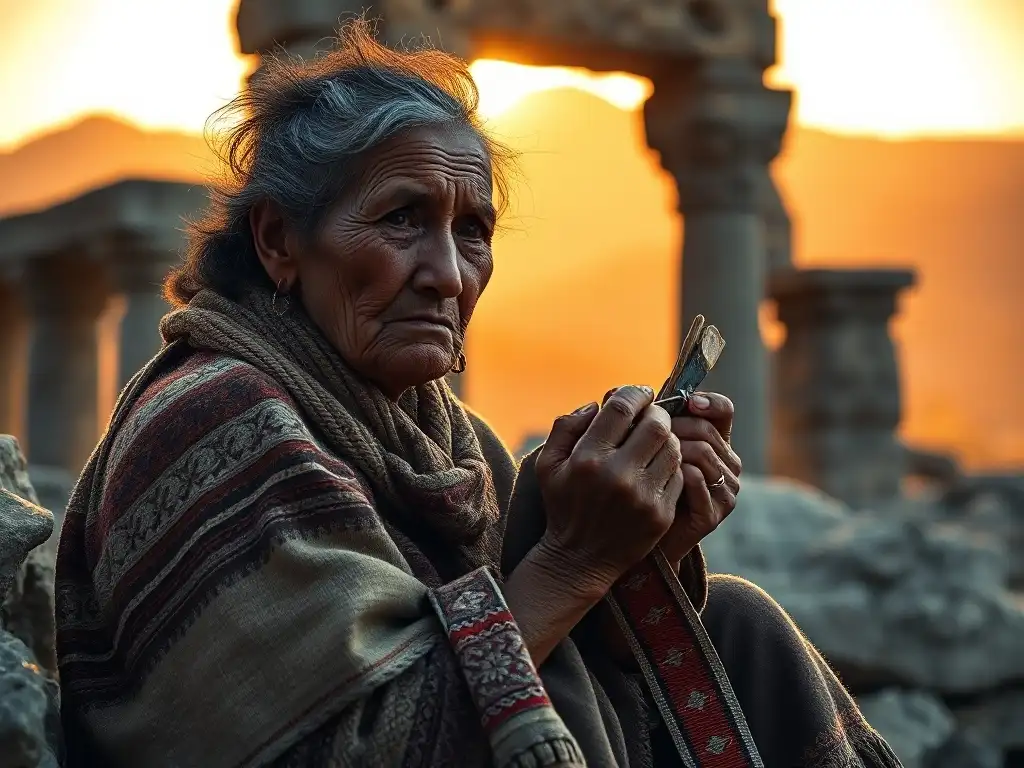
The Andes Mountains, a spine of towering peaks stretching along the western edge of South America, have witnessed the rise and fall of numerous vibrant civilizations. While impressive architectural feats like Machu Picchu and Nazca Lines endure as tangible testaments to their ingenuity, a crucial element of understanding these Andean cultures lies in recognizing the profound influence of oral tradition.
Andean oral history, passed down through generations, offers a unique and often irreplaceable lens through which to view their beliefs, social structures, and daily lives. This section delves into the significance of spoken word as a primary means of preserving and transmitting cultural knowledge within these societies.
The resilience and adaptability of these oral traditions, even in the face of colonization and modernization, underscore their enduring power and relevance in understanding Andean history. The richness and complexity of Andean oral narratives are a testament to the enduring power of storytelling and the importance of preserving these invaluable cultural legacies.
Oral Tradition as a Primary Source of History
Before the widespread adoption of writing systems, Andean societies relied heavily on oral tradition to preserve their history, mythology, and practical knowledge. This wasn't simply a matter of casual storytelling; it was a carefully structured system of transmission, employing mnemonic devices, repetitive formulas, and specialized roles to ensure accuracy and continuity across generations. Unlike written records that can be easily altered or lost, the oral transmission of history fostered a collective memory, strengthening social bonds and reinforcing cultural identity.
Archaeological evidence, while providing valuable context, often lacks the nuanced detail and personal perspective offered by oral narratives. For instance, analyzing the intricate designs on Moche pottery provides insights into their artistic skill and aesthetic preferences, but the stories behind those images, the myths and legends associated with them, are often revealed only through Andean oral history. The narratives offer a deeper understanding of the meaning and significance of these artifacts within their cultural context.
Many aspects of Andean life, social structures, agricultural practices, and cosmological beliefs, are better understood through carefully documented and analyzed oral traditions. The accuracy of these oral accounts is supported by cross-referencing with archaeological findings and linguistic analysis. This interdisciplinary approach provides a more holistic and nuanced understanding of Andean civilizations than either method could achieve alone.
Transmitting Knowledge Through Generations
The transmission of knowledge through generations wasn't merely a passive process of rote learning. It involved active participation, interpretation, and adaptation. Storytellers and oral historians weren't simply reciters; they were active agents in shaping the narrative, adapting it to the needs and understanding of each generation. This dynamic process ensured the survival of the core cultural values while allowing for flexibility and evolution.
Consider, for example, the intricate system of quipus, knotted cords used by the Inca to record numerical data and perhaps even narrative information. While the precise meaning of many quipus remains debated, their existence highlights the sophisticated methods employed to transmit information across time and space. The oral tradition complemented and, in many instances, supplemented the information recorded on quipus, providing a richer, more complete picture of Inca life.
The process involved rigorous memorization, often aided by songs, poetry, and dramatic performances. This method not only facilitated retention but also made the learning process engaging and memorable, ensuring the continued transmission of vital cultural knowledge. Furthermore, this oral transmission often served as a form of education, instilling moral values, social norms, and practical skills.
The Role of Storytellers and Oral Reciters
Within Andean societies, storytellers and oral reciters held positions of significant social standing. They were highly respected members of the community, entrusted with preserving and sharing the cultural heritage. Their mastery of language, memory, and performance skills was crucial for maintaining the integrity and effectiveness of the oral tradition. These individuals weren't simply entertainers; they were keepers of history, teachers, and cultural ambassadors.
Their performances often involved elaborate rituals, costumes, and musical accompaniment, transforming the act of storytelling into a powerful and immersive experience. The skill of these reciters wasn't merely a gift but a honed craft, passed down through apprenticeship and rigorous training. The ability to weave compelling narratives, to adjust their performance to suit the audience, and to adapt the stories to reflect the changing social landscape all contributed to their success.
Detailed studies of surviving oral traditions reveal a complex system of checks and balances, with different individuals and communities contributing to the preservation and interpretation of historical accounts. This collaborative approach ensured the robustness and accuracy of the transmitted information, highlighting the communal nature of Andean oral history. The legacy of these storytellers and reciters continues to resonate today, shaping our understanding of these remarkable civilizations and reminding us of the enduring power of the spoken word.
Unveiling the Past: Andean Oral History Techniques
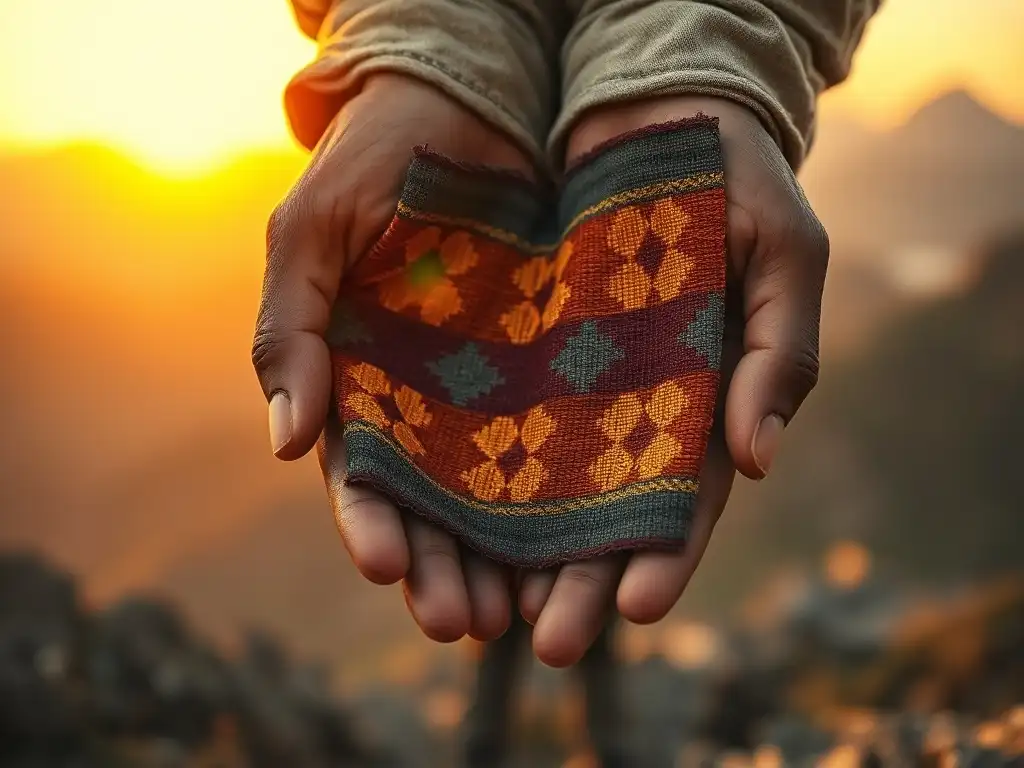
The vibrant tapestry of Andean civilization wasn't solely woven on looms and sculpted in stone; it was also meticulously crafted through the spoken word. Andean oral history, a powerful tool for preserving knowledge and cultural identity across generations, relied on sophisticated techniques for memorization, transmission, and augmentation. Understanding these methods provides crucial insight into the complexity and resilience of these ancient societies.
The careful preservation of Andean oral traditions, even in the face of conquest and cultural upheaval, highlights the deep-seated importance of spoken narratives in shaping Andean identity and worldview. This section explores the methods employed to ensure the continuity of their rich oral heritage. The term "Andean oral history" itself encapsulates the richness and diversity of the traditions across various Andean cultures.
Methods of Memorization and Transmission
The effective transmission of Andean oral history depended on highly developed mnemonic devices and social structures. Memorization wasn't a passive process; it involved active engagement with the material. One key technique was the use of repeticion, a cyclical process where narratives, songs, and genealogies were repeatedly recited, often within communal settings. This constant repetition, combined with rhythmic chanting and musical accompaniment, aided in embedding the information in the memory.
Furthermore, the stories themselves were often structured to facilitate memorization. They frequently employed repetitive phrases, memorable characters, and symbolic imagery, creating a framework that aided recall. Think of it as a sophisticated form of storytelling designed for maximum retention.
Beyond individual memory, the transmission of oral history was a communal endeavor. Elders played a crucial role, acting as repositories of knowledge and passing down traditions to younger generations. This intergenerational transfer wasn't merely a recitation; it involved a process of dialogue, interpretation, and adaptation, ensuring the stories remained relevant and meaningful across different contexts.
The social fabric itself was intricately woven with the oral tradition, reinforcing its importance and ensuring its survival. Specific individuals, often designated storytellers or yachaywasi (those who “know the house” of knowledge), were entrusted with preserving and transmitting vital information. Their role was critical in maintaining the continuity of Andean oral history.
The Use of Narratives, Songs, and Rituals
Andean oral history wasn't simply a collection of facts; it was a living, breathing entity expressed through various artistic forms. Narratives, often imbued with mythical and symbolic elements, served to transmit historical events, moral lessons, and cultural values. These weren't dry recitations; they were vibrant performances, incorporating dramatic elements, gestures, and vocal inflections.
The stories themselves often intertwined historical accounts with mythological narratives, making them both entertaining and deeply meaningful. For example, the stories of the creation of the world or the origins of specific clans were not just entertaining tales, but also served as foundational myths that shaped the social and political order.
Songs played a complementary role, encoding historical information within memorable melodies and lyrics. These songs were often used to commemorate important events, celebrate victories, or lament losses. They served as mnemonic devices, aiding in the retention of historical information while also providing emotional resonance. The use of music and rhythm enhanced the memorability and impact of the transmitted information.
Rituals, too, were integral to the preservation of oral history. Many rituals involved the recitation of specific narratives, songs, or prayers, embedding historical knowledge within sacred practices. This integration ensured that the oral tradition was not only remembered but also actively performed and reaffirmed within the community. The continuity of these rituals ensured the enduring relevance of the associated oral histories.
The Khipu as an Aid in Oral History Transmission
While Andean oral history primarily relied on the spoken word, the khipu—a complex system of knotted strings—played a significant role in supporting and augmenting memory. Although the precise nature of khipu’s function remains a subject of ongoing research, evidence suggests they were not merely accounting devices but also served as mnemonic aids. The different colors, types of knots, and arrangements of strings likely encoded specific information, acting as a visual aid to supplement oral narratives. Think of them as a sophisticated form of external memory, allowing storytellers to refer to specific details and maintain the accuracy of their accounts.
The khipu acted as a visual scaffold for oral histories, providing a framework for the narratives and allowing for a deeper level of detail. It’s important to understand that the khipu didn't replace oral transmission; instead, it worked in conjunction with it, creating a synergistic relationship between visual and auditory memory. The combination of intricate knots and detailed oral accounts allowed for a more robust and comprehensive preservation of Andean history and knowledge.
Further research is needed to fully unlock the secrets of the khipu and understand its precise contribution to the preservation of Andean oral history. The continued study of these artifacts promises to further illuminate the sophisticated techniques employed by Andean civilizations to maintain their rich cultural heritage.
The Rich Tapestry of Andean Oral Narratives
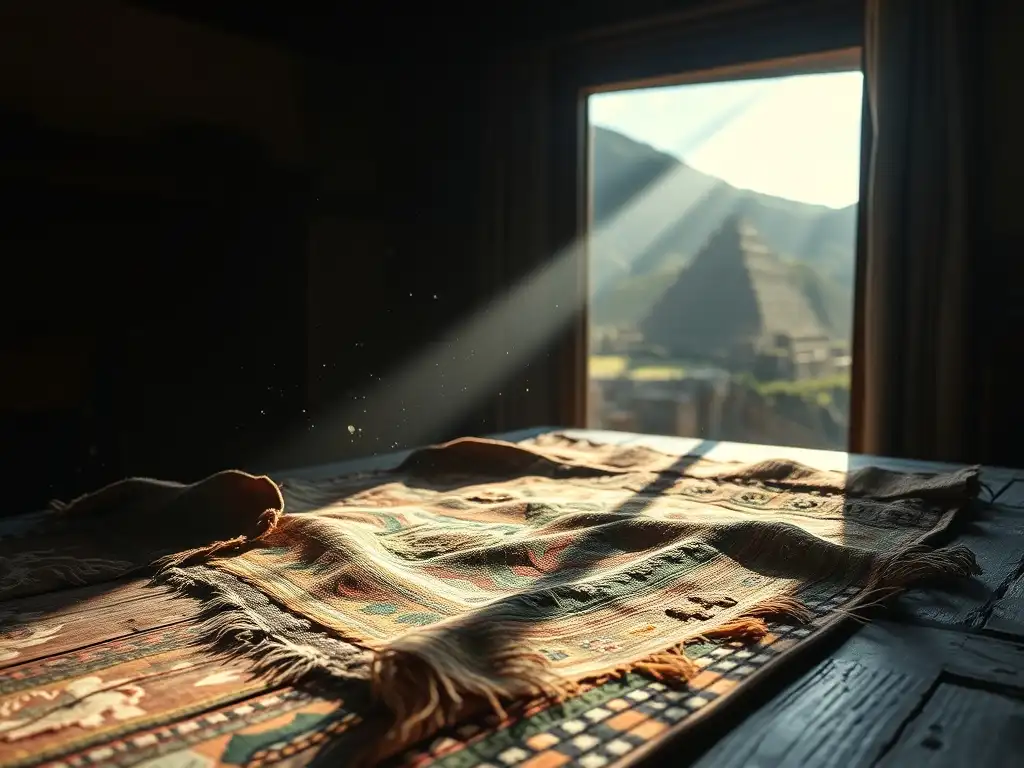
Andean oral history, a vibrant and complex system of knowledge transmission, played a crucial role in shaping the identities and worldviews of the diverse Andean civilizations. Unlike written records, which are often fragmented or biased towards elite perspectives, oral traditions offer a more inclusive window into the lives and beliefs of ordinary people. This section explores the multifaceted nature of Andean oral narratives, focusing on their diverse forms and their enduring significance.
The survival and continued relevance of these narratives highlight the resilience of Andean cultures and their ability to adapt and evolve while maintaining a strong connection to their past. Understanding Andean oral history requires appreciating its intricate layers and the various ways in which stories were (and continue to be) used to transmit knowledge, values, and social structures.
Myths and Legends of Andean Cosmology
Andean cosmologies, deeply intertwined with the natural world, are vividly portrayed in myths and legends passed down through generations. These narratives often feature powerful deities, mythical creatures, and intricate explanations of the universe's creation and workings. For example, the Quechua people have rich oral traditions surrounding the creator god Viracocha, whose actions shaped the landscape and the lives of the early inhabitants.
These stories are not merely entertaining tales; they provide a framework for understanding the relationship between humans and the cosmos, influencing social structures, agricultural practices, and religious rituals. The narratives often incorporate detailed descriptions of celestial bodies, geographical features, and natural phenomena, reflecting a deep understanding of the environment and its influence on human life. Variations of these myths exist across different Andean communities, showcasing the diversity of cosmological beliefs within the region.
The continued telling of these myths reinforces community identity and provides a sense of continuity with ancestral traditions. The intricate details found in these oral narratives provide invaluable insights into the worldview of the Andean peoples, offering a unique perspective on their relationship with the spiritual realm. Analyzing these myths reveals a complex system of beliefs that shaped their social and political structures, impacting even their daily lives.
Stories of Creation and Ancestral Origins
Many Andean oral traditions focus on accounts of creation and ancestral origins, tracing lineage back to mythical beings or foundational events. These stories frequently intertwine with cosmological narratives, explaining the origins of humans, animals, plants, and the landscape itself. For instance, some Aymara narratives describe the emergence of humanity from caves or subterranean realms, highlighting a connection between the underworld and the surface world. These stories often serve as foundational myths for specific communities, establishing their identity and their rights to particular territories.
The detailed descriptions of ancestral heroes and heroines, their struggles, and their accomplishments, provide a powerful sense of continuity and belonging. The transmission of these narratives through generations helped maintain social cohesion and reinforce cultural identity. These stories are not static; they evolve over time, reflecting changes in society and incorporating new experiences.
Researchers have documented variations in these creation myths across different groups, demonstrating their adaptation to specific historical and environmental contexts. Understanding these variations is crucial to grasping the complexity and dynamism of Andean oral traditions. The use of mnemonic devices, such as songs and poems, aided in the accurate transmission of these lengthy and intricate narratives across generations.
Accounts of Historical Events and Cultural Practices
Beyond myths and legends, Andean oral history also encompasses detailed accounts of historical events and cultural practices. These narratives often recount significant battles, migrations, social upheavals, and the lives of important figures. While not always perfectly accurate in a strictly chronological sense, these oral accounts offer valuable insights into the past, providing perspectives that are often absent from written records. For example, oral traditions recount the Inca expansion, providing perspectives from conquered populations that offer a counterpoint to official Inca narratives.
Similarly, oral histories detail specific agricultural techniques, medicinal practices, and social customs, offering a rich understanding of daily life in Andean communities. The precise methods of weaving, pottery creation, and agricultural practices are often passed down through oral instruction, supplemented by demonstrations. These traditions not only preserve practical skills but also embody cultural values and social norms. The continued use of Quechua and Aymara in daily life and storytelling helps maintain the vitality of these oral traditions.
Furthermore, the recent resurgence of interest in Andean oral history has led to increased efforts in documenting and preserving these invaluable narratives for future generations. The study of these accounts necessitates careful consideration of the context in which they are told, acknowledging potential biases and variations across different tellings. This detailed approach ensures a more nuanced understanding of the past and a deeper appreciation for the richness of Andean oral traditions.
Preserving Andean Heritage Through Oral Accounts
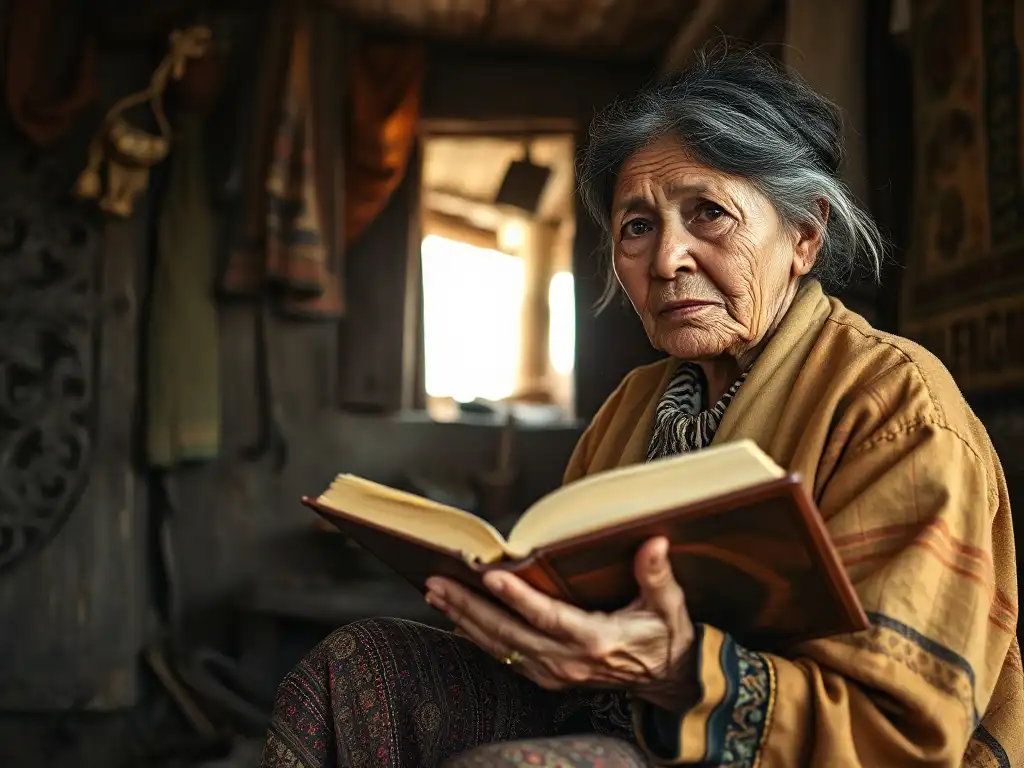
The vibrant tapestry of Andean civilization, extending far beyond the impressive architectural feats of Machu Picchu and the intricate artistry of Nazca lines, is deeply interwoven with its rich oral tradition. For centuries, Andean oral history served as the primary means of transmitting knowledge, beliefs, and cultural practices across generations. This oral legacy encompasses not only historical narratives and genealogical accounts but also intricate myths, legends, songs, and rituals, all reflecting a profound connection to the Andean landscape and cosmology.
Understanding and preserving this invaluable heritage is crucial for comprehending the complexities of Andean societies and ensuring the continuity of their cultural identity. The study of Andean oral history offers a unique window into the perspectives and experiences of indigenous communities, often marginalized or overlooked in written historical accounts.
The Importance of Documenting Oral Histories
Documenting Andean oral histories is not merely an academic exercise; it's a vital act of cultural preservation. The rapid societal shifts and globalization processes impacting Andean communities threaten the transmission of traditional knowledge. The passing of elders fluent in indigenous languages and steeped in ancestral traditions leaves a significant void, potentially leading to the irreversible loss of invaluable cultural heritage.
Systematic documentation, through meticulous transcriptions, audio recordings, and video archives, helps to safeguard these narratives for future generations. This process involves careful consideration of ethical implications, ensuring the respect of indigenous knowledge systems and the active participation of community members in the research and preservation efforts.
The documentation efforts should also focus on creating accessible archives, translated into multiple languages, and presented in formats that resonate with both academic researchers and the wider public, fostering a broader appreciation for Andean oral traditions. For instance, meticulously documenting the creation myths of different Andean groups, such as the origin stories surrounding Lake Titicaca or the various accounts of the Inca Empire's founding, provides invaluable insights into their cosmology and worldview.
Challenges in Preserving Oral Traditions
Preserving Andean oral traditions presents significant challenges. One major obstacle is the linguistic diversity within the Andes. Numerous indigenous languages are endangered, with few fluent speakers remaining. This linguistic attrition directly threatens the survival of oral narratives tied to these languages.
Moreover, the process of documenting oral histories requires sensitivity and respect for cultural protocols and intellectual property rights. Researchers must engage with communities respectfully, ensuring informed consent and equitable partnerships. Another significant challenge lies in the interpretation and contextualization of oral accounts. Narratives may be fluid and layered, incorporating elements of myth, legend, and historical fact in complex ways.
Careful analysis, considering the socio-cultural context and potential biases of narrators, is vital for accurate interpretation. Furthermore, the sheer volume of oral traditions across different Andean communities presents a logistical hurdle in terms of resource allocation and collaborative research efforts. Funding limitations and a lack of trained personnel specialized in oral history techniques further compound these difficulties. The need for increased investment in linguistic preservation programs and collaborative research initiatives is therefore paramount.
Supporting Indigenous Communities in Oral Heritage Preservation
Active engagement and collaboration with indigenous communities are essential for effective oral heritage preservation. Supporting community-based initiatives allows for ownership and control over the documentation and dissemination of their stories. This might involve training community members in oral history methodologies, providing resources for archiving and digital preservation, and facilitating the creation of accessible online archives.
The empowerment of indigenous communities plays a crucial role in ensuring the long-term sustainability of these efforts. It's vital to avoid extractive research practices where researchers merely gather data without reciprocal benefits for the communities involved. Instead, collaborative projects that prioritize community needs and priorities are crucial.
This includes supporting initiatives that promote the revitalization of indigenous languages, the creation of educational materials based on oral traditions, and the use of oral histories in community development projects. By working with indigenous communities rather than on them, we can ensure that the preservation of Andean oral history is a sustainable and empowering process, contributing to the ongoing vitality of Andean cultures.
The Interplay Between Language and Andean Oral History
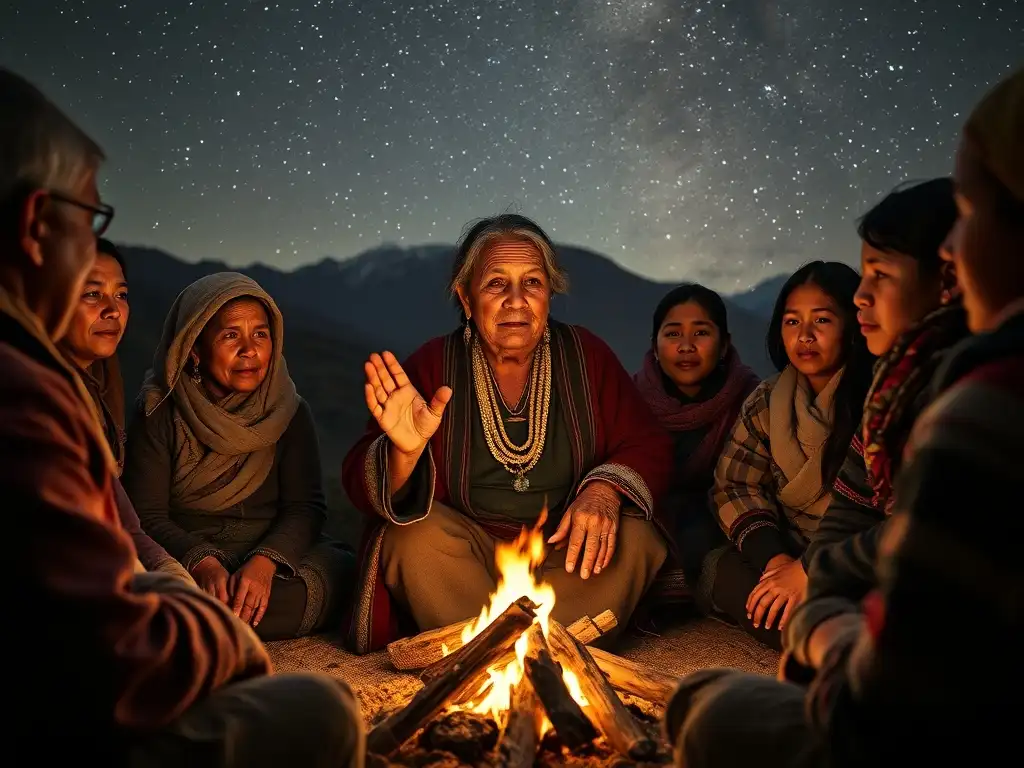
The vibrant tapestry of Andean oral history is inextricably woven with the threads of indigenous languages. Understanding the nuances of these languages is crucial to deciphering the rich narratives, preserving cultural knowledge, and appreciating the sophisticated storytelling traditions of these ancient societies. The very structure and sounds of Quechua and Aymara, for example, influence the rhythm, imagery, and emotional impact of the stories passed down through generations.
The loss of these languages represents not only a linguistic decline, but a significant erosion of cultural memory and a profound silencing of voices that have shaped Andean identity for millennia. This section will delve into the profound relationship between language and the transmission of Andean oral history, highlighting the unique contributions of specific languages and dialects.
How Andean Languages Shape Oral Narratives
Andean oral narratives are not simply recounts of events; they are carefully constructed artistic expressions. The structure of Quechua and Aymara, with their agglutinative morphology (where multiple grammatical elements are combined into single words), allows for a dense packing of information and meaning within concise phrases. This contributes to the memorability and efficiency of oral transmission.
For instance, a single Quechua word might convey what requires a whole sentence in Spanish, impacting the pacing and flow of the narrative. Furthermore, the rich soundscapes of these languages, with their distinctive phonemes and intonation patterns, add layers of emotional depth and evocative imagery.
Think of the haunting melodies used in traditional Andean storytelling – the musicality is deeply intertwined with the language itself, enhancing the narrative's impact. The oral tradition isn't just about words; it's about the performance of words, a performance shaped profoundly by the unique linguistic features of Quechua and Aymara.
The Significance of Indigenous Languages in Transmission
The continued use of indigenous languages is paramount for the survival of Andean oral history. When stories are translated into Spanish or English, crucial layers of meaning are often lost. These losses are not merely semantic; they represent a fundamental shift in cultural understanding.
Nuances of meaning embedded in indigenous terminology, metaphors, and storytelling conventions are frequently impossible to capture in a different linguistic framework. This is particularly evident in the transmission of knowledge related to traditional medicine, agricultural practices, and cosmological beliefs, where specific terminology holds deep cultural significance. The vitality of Andean oral tradition, therefore, is directly linked to the vitality of the languages themselves.
The ongoing efforts to revitalize and promote Quechua and Aymara are crucial not just for linguistic preservation, but for safeguarding the invaluable cultural heritage encoded within these languages. The decline in the use of indigenous languages directly correlates with a diminishing understanding and appreciation of Andean oral narratives.
Quechua and Aymara Dialects and their Impact on Oral Storytelling
The diversity within Quechua and Aymara themselves further enriches the landscape of Andean oral history. Numerous dialects exist, each with its own unique vocabulary, grammatical structures, and storytelling conventions. These variations reflect the diverse geographical and cultural landscapes of the Andes, contributing to a rich tapestry of oral traditions.
A story told in a Quechua dialect from the Cusco region, for example, might differ significantly in style, content, and even meaning from a story told in a Quechua dialect from the Ecuadorian Andes. Similarly, Aymara dialects spoken in Bolivia and Peru exhibit variations that influence the way stories are structured and communicated. This dialectal diversity highlights the importance of documenting and preserving these variations to gain a complete understanding of the Andean oral tradition's complexity and richness.
The study of these dialects reveals not only linguistic diversity but also a deep understanding of the social and cultural landscapes that have shaped Andean identity for centuries. Ignoring these nuances would be akin to neglecting a significant part of the puzzle, leaving a fragmented and incomplete picture of Andean oral history.
Connecting the Past with the Present: The Enduring Legacy of Andean Oral History
Andean oral history, a vibrant tapestry woven from centuries of storytelling, continues to profoundly shape the lives and cultures of Andean communities. It's not simply a relic of the past; it's a living, breathing force that connects generations and preserves a unique cultural heritage. This section explores how this rich oral tradition continues to influence contemporary Andean society, shapes Andean identity, and inspires artistic expression.
Understanding its enduring legacy is crucial for appreciating the complexity and resilience of Andean cultures. The preservation and study of Andean oral traditions are paramount to understanding the nuances of Andean languages and their evolution.
The Influence of Oral Tradition on Contemporary Andean Society
Oral traditions in the Andes haven't faded with the advent of written language; instead, they've adapted and integrated into modern life. Many Andean communities still rely heavily on oral transmission for knowledge transfer, particularly in areas such as traditional medicine, agricultural practices, and social customs. For example, the intricate knowledge of medicinal plants and their uses, passed down through generations of curanderos (healers), is primarily oral.
This knowledge, often embedded within complex narratives and rituals, is crucial for maintaining community health and well-being. Similarly, the techniques for cultivating crops adapted to the challenging Andean terrain are often learned through observation, imitation, and direct instruction, rather than through written manuals. This oral transmission ensures the continuity of sustainable agricultural practices vital for Andean communities' survival.
The vibrant social fabric of Andean communities—their customs, beliefs, and social structures—are also deeply rooted in oral narratives, ensuring a strong sense of shared identity and collective memory. The continued use of Quechua, Aymara, and other indigenous languages in oral storytelling further reinforces cultural identity and strengthens community bonds.
The Value of Oral History in Understanding Andean Identity
Andean oral history is invaluable for understanding the complexities of Andean identity. These narratives are not merely historical accounts; they are constitutive elements of Andean self-perception. They provide insights into the Andean worldview, shaping beliefs about the relationship between humans, nature, and the spiritual realm.
Stories of origin, myths, legends, and historical accounts collectively form a rich understanding of Andean identity, going beyond simple genealogical lineage. For instance, narratives about powerful ancestors or legendary figures often serve as models of behavior and embody crucial cultural values. These stories help define what it means to be Andean, establishing a sense of belonging and continuity across generations.
The careful analysis of these narratives reveals the dynamic interplay between indigenous Andean cultures and external influences, offering a nuanced understanding of the evolution of Andean identity over time. The diversity of narratives across different Andean regions also highlights the richness and complexity of this identity, emphasizing the unique characteristics of each community.
Oral Narratives' Impact on Andean Music and Performance Art
Andean oral history is intrinsically linked to the region's vibrant musical and performance traditions. Many songs, dances, and theatrical performances are based on ancient oral narratives, preserving historical events, myths, and legends. The yaraví, a genre of melancholic Andean music, often expresses themes of love, loss, and social injustice, drawing heavily on traditional oral narratives and reflecting the collective experiences of Andean communities.
Similarly, many Andean dances, with their intricate steps and symbolic gestures, re-enact historical events or tell stories passed down through generations. These performances are not merely entertainment; they are vital ways of preserving and transmitting cultural memory. The continued use of traditional musical instruments and performance styles further strengthens the connection between oral narratives and artistic expression.
The analysis of these artistic forms offers further insights into the themes, values, and beliefs embedded within Andean oral tradition, revealing the depth and complexity of this cultural heritage. The study of Andean oral history, therefore, is crucial for a complete understanding of Andean music and performance art, enriching our appreciation of their cultural significance.
Frequently Asked Questions
What role did oral tradition play in Andean societies?
Oral tradition was paramount in Andean societies. It served as the primary means of transmitting history, beliefs, and knowledge across generations before the widespread use of writing. Stories, songs, and rituals preserved cultural memory.
How was oral history preserved in the absence of writing?
Andean cultures employed sophisticated mnemonic devices like memorization techniques, songs, and dramatic performances to preserve their oral histories. These methods ensured the continuity of their cultural heritage. Khipus, knotted strings, also aided in record-keeping.
What are some examples of Andean oral history themes?
Common themes include myths of origin, heroic tales of ancestors, and explanations of natural phenomena. These narratives often intertwined with religious beliefs and social structures, shaping Andean worldviews.
How reliable is Andean oral history as a historical source?
While subject to changes over time, Andean oral history provides valuable insights into the past. When analyzed critically, alongside archaeological evidence, it offers a rich understanding of Andean societies and their perspectives. Multiple accounts enhance reliability.
How does the study of Andean oral history contribute to our understanding of these civilizations?
The study of Andean oral history offers a crucial indigenous perspective often missing from written records left by colonizers. It reveals complex social structures, beliefs, and worldviews, enriching our understanding of these vibrant civilizations.
Final Reflection: Echoes of the Andes: Preserving Voices, Shaping Futures
The vibrant tapestry of Andean oral history, woven through generations of storytelling, remains a powerful force in the present day. Its intricate threads connect us to ancient wisdom, resilience, and the enduring spirit of a people who have shaped their world through spoken word. Ignoring this rich legacy would be a profound loss, silencing voices that deserve to be heard and understood.
The impact of Andean oral traditions extends far beyond mere historical record; it shapes identity, fosters community, and provides a crucial framework for understanding contemporary challenges. These stories, passed down through countless generations, offer invaluable insights into social structures, environmental adaptations, and the ongoing struggle for self-determination. The past is never dead. It's not even past.
– William Faulkner. This quote resonates deeply, as the echoes of Andean oral traditions continue to reverberate, influencing how communities perceive their history, their present, and their future.
Now, consider the power you hold. You have read about the importance of preserving these invaluable narratives. What steps will you take to ensure that the voices of the Andes continue to be heard?
Will you seek out opportunities to learn more, to share these stories, or to support initiatives dedicated to their preservation? The future of Andean oral history rests not only in the hands of scholars and researchers, but in the hearts and minds of all who recognize its profound significance. Let us work together to ensure that these vital stories continue to resonate for generations to come.
Unleash Your Voice: Keep the Tradition Alive!
Thank you for joining us on this journey into the world of oral storytelling! By exploring the rich tapestry of our past through spoken word, you've discovered a powerful art form that connects generations. Now, let's take the next step in honoring and preserving these traditions.
Here are a few ways you can get involved:
- **Share your stories:** Participate in a local storytelling event, either by sharing your own experiences or listening to the narratives of others. This helps keep the oral tradition vibrant and alive.
- **Become a modern-day oral historian:** Create a podcast or video series to document and share the spoken stories of your family or community.
- **Inspire the next generation:** Partner with local schools or cultural organizations to offer storytelling workshops or sessions. Help young people appreciate this valuable art form.
How will you use your voice to contribute to the rich tapestry of our shared cultural heritage? Let's inspire each other in the comments below!