
The Future of Quechua Literature: New Voices and Perspectives


Uncover the echoes of empires lost in the towering Andes! From the intricate artistry of the Nazca lines to the sophisticated engineering of Machu Picchu, the Andean world holds secrets waiting to be revealed. But what of the future? Dive into the vibrant tapestry of Quechua literature and discover the surprising future trends shaping this ancient language, its enduring power, and the new voices poised to redefine its legacy. Prepare to be captivated by the stories yet untold.
Quechua, the language of the Inca Empire and still spoken by millions across the Andes, boasts a rich oral tradition stretching back centuries. However, its written literary landscape, while growing rapidly, faces unique challenges and exciting opportunities. This article explores the future of Quechua literature, examining emerging trends, the contributions of new voices, and the evolving perspectives shaping its narrative.
We will delve into the factors influencing its growth, the innovative approaches being employed by contemporary authors, and the potential for Quechua literature to achieve even wider recognition on the global stage. Understanding these future trends in Quechua literature is crucial to appreciating the enduring power and cultural significance of this vibrant language and its literary expressions.
The continued vitality of Quechua hinges on the success of its literary output, ensuring its continued relevance for generations to come. This exploration will highlight the resilience and adaptability of Quechua in the face of globalization and technological advancements, showcasing its potential for continued growth and influence.
The Rise of Young Quechua Writers
The future of Quechua literature is inextricably linked to the emergence of a new generation of writers. These young authors, often fluent in both Quechua and Spanish, are bringing fresh perspectives and innovative styles to the literary scene. Unlike their predecessors, many are experimenting with different literary forms, incorporating elements of contemporary literature and challenging traditional narratives.
This infusion of new ideas is revitalizing Quechua literature, attracting a broader readership, and ensuring its relevance to contemporary issues. Their works often explore themes of identity, migration, environmental concerns, and the complexities of navigating a rapidly changing world, using Quechua as a powerful tool to express these experiences.
This injection of youthful energy is crucial for the continued evolution and success of Quechua literature, ensuring its relevance to future generations. We are seeing a significant increase in the number of published works by young Quechua authors, indicating a vibrant and promising future for the literary landscape.
Technological Advancements and Accessibility
The digital age presents both challenges and opportunities for Quechua literature. The increasing accessibility of technology, particularly the internet and mobile devices, offers unprecedented opportunities for dissemination and readership expansion. Online platforms and digital publishing are making Quechua literature more accessible to a global audience, transcending geographical boundaries.
However, digital literacy remains a barrier for some communities, highlighting the need for targeted initiatives to bridge this digital divide and ensure equitable access to these technological advancements. Furthermore, the development of digital tools specifically designed for Quechua writing and translation is crucial for facilitating the creation and dissemination of literary works. The integration of technology into Quechua literary production is not simply a matter of convenience; it is essential for ensuring the long-term survival and growth of the literary tradition.
Preservation and Revitalization Efforts
The future of Quechua literature is intrinsically linked to broader efforts aimed at preserving and revitalizing the Quechua language itself. These efforts often involve community-based initiatives, educational programs, and government policies designed to promote the use of Quechua in various aspects of life. The success of these initiatives directly impacts the availability of a readership capable of appreciating and engaging with Quechua literature.
Investment in language education and the creation of supportive environments for Quechua speakers are vital for fostering a thriving literary landscape. Without these broader preservation efforts, the future of Quechua literature would be significantly compromised. The interconnectedness of language preservation and literary production is a crucial factor to consider when analyzing the future trends of Quechua literature.
Global Recognition and Collaboration

While Quechua literature has historically been largely confined to the Andean region, the increasing globalization of cultural exchange presents opportunities for international recognition and collaboration. The translation of Quechua works into other languages is crucial for broadening its reach and introducing new audiences to the richness and diversity of Quechua literary traditions. International collaborations between Quechua writers and authors from other linguistic backgrounds can lead to creative cross-cultural exchanges and enhance the visibility of Quechua literature on a global scale.
This expanded global reach will not only enhance the prestige of Quechua literature but also contribute to a richer understanding and appreciation of Andean culture worldwide. The potential for international collaborations and recognition represents a significant aspect of the future trends in Quechua literature.
The Role of Education and Cultural Institutions
Educational institutions and cultural organizations play a pivotal role in shaping the future of Quechua literature. By incorporating Quechua literature into school curricula and promoting its study at the university level, these institutions can cultivate a new generation of readers and writers. Furthermore, cultural centers and libraries can serve as important hubs for the dissemination and promotion of Quechua literary works, providing spaces for readings, workshops, and other events that foster engagement with Quechua literature.
The active involvement of educational and cultural institutions is crucial for building a sustainable ecosystem that supports the growth and development of Quechua literature. Their continued support and engagement are essential for ensuring the long-term success of Quechua literary traditions.
- The Rise of Young Quechua Writers
- Technological Advancements and Accessibility
- Preservation and Revitalization Efforts
- Global Recognition and Collaboration
- The Role of Education and Cultural Institutions
Quechua Literary Landscape: A Historical Overview
This section delves into the historical context of Quechua literature, providing a foundation for understanding the current trends and future prospects of this vibrant literary tradition. We'll explore its evolution from a rich oral tradition to its current multifaceted written forms, highlighting key milestones and influential works. Understanding this trajectory is crucial to appreciating the dynamism and resilience of Quechua literature in the face of historical challenges and modern influences, directly relating to the future trends of Quechua literature.
The Oral Tradition: Roots of Quechua Storytelling
For centuries, Quechua literature existed primarily as an oral tradition. Stories, poems ( harawi), songs, and myths were passed down through generations, shaping the cultural identity and worldview of Quechua communities across the Andes. This oral tradition served as a powerful tool for preserving history, transmitting knowledge, and reinforcing social values.
The vibrant narratives, often imbued with magical realism and profound spiritual insights, showcased a sophisticated literary artistry that predates written forms. These oral narratives, often adapted and reinterpreted over time, demonstrate a remarkable capacity for adaptation and survival, a quality that continues to inform the dynamism of Quechua literature today. Think of the achuy (tales) and takis (songs) that continue to be performed in Andean communities; they represent a living testament to this enduring oral heritage.
The richness and diversity of these oral forms are a crucial element when considering the future of Quechua literature and its continuing evolution. Detailed studies of these oral traditions are still needed to fully understand their scope and influence. [Specific data on the number of surviving oral traditions pending].
From Oral to Written: The Evolution of Quechua Texts
The transition from oral to written Quechua literature was a gradual process, significantly influenced by the arrival of the Spanish and the subsequent imposition of Spanish as the dominant language. While the initial written attempts often served colonial purposes, such as religious instruction or administrative records, they also inadvertently preserved aspects of the Quechua language and literary styles. The development of standardized orthographies, however, faced challenges due to the regional variations within the Quechua language family.
This led to a fragmented landscape of written Quechua, with different orthographies used in different regions. The standardization efforts of the 20th and 21st centuries have sought to address this issue, aiming to foster greater communication and collaboration among Quechua writers and readers.
This ongoing standardization process is a key factor impacting the future of Quechua literature and its accessibility to a wider audience. The development of digital tools and online platforms further facilitates this process, connecting Quechua speakers across geographical boundaries and promoting the sharing and dissemination of literary works.
Early Written Works: Huarochirí Manuscript, Ollantay
Among the earliest examples of written Quechua literature, two works stand out: the Huarochirí Manuscript and the Ollantay. The Huarochirí Manuscript, a 17th-century document, offers a fascinating glimpse into the religious beliefs and practices of the Quechua people before and after the Spanish conquest. It blends indigenous narratives with elements of Christian theology, reflecting the complex cultural interactions of the colonial period.
The Ollantay, a dramatic play, presents a more ambiguous picture. While its origins are debated, with some scholars suggesting a pre-Columbian origin and others pointing to a later colonial composition, it nonetheless showcases the enduring power of Quechua storytelling and its ability to adapt to new contexts. Both works, while representing early attempts at written Quechua, highlight the rich potential of the language for literary expression and its capacity to engage with both indigenous and external influences.
The continued study and reinterpretation of these foundational texts are crucial for understanding the evolution of Quechua literature and informing its future trajectory. Analyzing these works through a modern lens allows us to uncover new meanings and perspectives, contributing to a more nuanced understanding of Quechua literary history and its ongoing relevance. The legacy of these early works continues to inspire contemporary Quechua writers, demonstrating the enduring power of the oral and written traditions in shaping the future trends of Quechua literature.
Contemporary Quechua Literature: A Rising Tide

The resurgence of Quechua literature in the 21st century represents a powerful reclamation of cultural identity and linguistic heritage. For centuries, Quechua, the language of the Inca Empire and still spoken by millions across the Andes, faced suppression under colonial rule and subsequent nation-building efforts. However, a renewed interest in indigenous languages and cultures has fueled a vibrant literary movement, challenging traditional narratives and offering fresh perspectives on Andean life.
This flourishing literary landscape is characterized by a diverse range of voices, styles, and themes, reflecting the multifaceted realities of contemporary Quechua communities. The future of Quechua literature hinges on the continued support of these emerging writers and the broader dissemination of their works. This growth isn't just a revival; it's a dynamic evolution, propelled by technological advancements and a renewed sense of cultural pride.
The increasing accessibility of Quechua literary works, coupled with the rise of new authors, paints an optimistic picture for the future of this rich linguistic tradition. Understanding these current trends is crucial to appreciating the enduring power of Quechua and its potential to continue shaping Andean cultural expression.
A new generation of Quechua authors is pushing the boundaries of traditional literary forms, experimenting with narrative techniques, and exploring contemporary themes. Authors like [Author Name 1 pending], known for their innovative use of [specific literary technique pending], are challenging conventional storytelling methods. Their works often blend traditional Quechua oral traditions with modern literary styles, creating a unique and compelling reading experience.
Similarly, [Author Name 2 pending] is recognized for their powerful portrayals of [specific theme pending], bringing a fresh perspective to issues of identity, social justice, and environmental concerns within the Andean context. The stylistic diversity is remarkable, ranging from lyrical poetry that evokes the beauty of the Andes to gritty prose that tackles difficult social realities.
This range demonstrates the adaptability and resilience of Quechua as a literary language, capable of expressing a vast spectrum of human experiences. Data on the number of published Quechua works, while challenging to collect comprehensively, shows a significant increase in recent years, indicating a burgeoning literary scene.
Exploring New Genres: Poetry, Prose, and Drama in Quechua
While traditional forms of Quechua storytelling, like oral narratives and songs, continue to be important, contemporary writers are actively exploring new genres. Poetry, in particular, has experienced a renaissance, with numerous collections published in recent years. These poems often explore themes of nature, spirituality, and social justice, reflecting the deep connection between Quechua culture and the Andean landscape.
Prose fiction is also gaining popularity, with novels and short stories addressing a wide range of contemporary issues, from migration and urbanization to the challenges of preserving cultural heritage in a rapidly changing world. The emergence of Quechua drama presents another exciting development. Plays are being written and performed in Quechua communities, offering a powerful platform for storytelling and community engagement.
The development of these new genres showcases the versatility of the Quechua language and its capacity to adapt to evolving forms of literary expression. The increasing diversity in genres further strengthens the future of "Quechua literature future trends".
Quechua Literature and the Digital Age: Online Platforms and E-books
The digital revolution has significantly impacted the dissemination and accessibility of Quechua literature. Online platforms and e-books are playing a crucial role in bringing Quechua works to a wider audience, transcending geographical boundaries and linguistic barriers. Digital archives are preserving and making available previously inaccessible texts, while online forums and social media groups provide spaces for authors and readers to connect and engage in literary discussions.
The creation of digital dictionaries and translation tools are also facilitating access for non-Quechua speakers, promoting intercultural understanding and appreciation of Andean literary traditions. However, challenges remain in ensuring equitable access to technology and digital literacy within Quechua communities. Bridging this digital divide is crucial to fully realizing the potential of digital platforms to promote Quechua literature and preserve its rich legacy for future generations.
The adoption of digital technologies is integral to the ongoing evolution of "Quechua literature future trends". The potential for growth in this area is immense, promising to broaden the reach and impact of Quechua literature globally.
Future Trends in Quechua Literature: Charting a New Course

This section explores the exciting future of Quechua literature, analyzing key trends shaping its evolution and growth. We'll examine the increasing publication and recognition of Quechua works, the vital role of bilingual and multilingual writing, and the impact of translation in broadening Quechua's reach to a global audience. Understanding these trends is crucial for appreciating the vibrant and dynamic nature of Quechua literature today and its potential for continued flourishing. The future of Quechua literature hinges on embracing innovation while preserving its rich cultural heritage. The keyword "Quechua literature future trends" guides our exploration of these important developments.
Quechua Literature Future Trends: Increased Publication and Recognition
The past two decades have witnessed a significant surge in the publication of Quechua literature. This increase isn't merely quantitative; it reflects a qualitative shift towards greater diversity in themes, styles, and authorial voices. No longer confined to niche academic circles, Quechua literature is increasingly finding its way into mainstream publishing houses, both within Quechua-speaking regions and internationally. This broadened accessibility is fostering a wider readership and contributing to a renewed appreciation for the literary traditions of the Andes.
For example, the rise of independent publishing houses specializing in indigenous languages has played a crucial role. These smaller presses often champion previously marginalized authors and offer a platform for experimental works, pushing the boundaries of traditional Quechua narrative forms. Furthermore, the growing availability of digital publishing platforms has dramatically lowered the barrier to entry for Quechua writers, allowing for greater dissemination of their work.
This trend indicates a shift from a primarily oral tradition to a more diversified and accessible literary landscape, fueled by both print and digital media. We can expect this positive trend to continue, with a further increase in publication volume and recognition of Quechua authors on a global scale. This enhanced visibility will undoubtedly lead to greater funding opportunities and support for Quechua writers.
Bilingualism and Multilingualism in Quechua Writing
A defining characteristic of contemporary Quechua literature is its increasing embrace of bilingualism and even multilingualism. Many contemporary Quechua authors seamlessly weave together Quechua and Spanish (or other languages like English or Aymara) within their works, creating rich textual tapestries that reflect the multilingual realities of their lives and communities. This approach isn't simply a matter of translation; it's a deliberate stylistic choice that enhances the narrative impact and allows for a deeper engagement with the cultural nuances of the Andean world.
This trend reflects the complex linguistic landscape of the Andes and challenges the simplistic notion of a single, monolithic Quechua language. The reality is far more nuanced, with numerous Quechua varieties existing alongside other languages. Bilingual and multilingual writing acknowledges this linguistic diversity and celebrates the richness of these interwoven linguistic traditions.
This approach also makes the works more accessible to a broader audience, bridging the gap between Quechua speakers and those unfamiliar with the language. The integration of different languages can also add layers of meaning and create powerful juxtapositions, enriching the literary experience. This trend is likely to continue as Quechua writers increasingly experiment with language to express their unique perspectives.
The Role of Translation in Expanding Quechua Reach
Translation plays a pivotal role in expanding the reach of Quechua literature beyond its traditional audience. By making Quechua works accessible to readers who don't understand the language, translation fosters intercultural understanding and appreciation of Andean literary traditions. However, accurate and culturally sensitive translation requires significant expertise and careful consideration of the nuances of both the source and target languages. A poorly executed translation can distort the author's intent and diminish the impact of the work.
High-quality translation, however, can be transformative. It introduces Quechua voices to a wider global audience, promoting intercultural dialogue and challenging Eurocentric literary canons. The increasing availability of translated Quechua literature is a testament to the growing recognition of its literary merit and its potential to enrich global literary landscapes.
Furthermore, the process of translation itself can lead to a deeper understanding and appreciation of the original text, enriching both the translator's and the reader's understanding of Quechua culture and literary traditions. The future of Quechua literature depends, in part, on the commitment to accurate and engaging translation that captures the essence of the original works. This requires investment in training skilled translators and supporting translation projects.
Indigenous Perspectives in Contemporary Quechua Literature
Contemporary Quechua literature is experiencing a resurgence, fueled by a powerful wave of indigenous voices reclaiming their narrative. This isn't simply a continuation of past traditions; it's a vibrant, evolving expression of identity in the 21st century. Authors are actively challenging colonial perspectives and reclaiming their ancestral knowledge, weaving together ancient wisdom with modern realities.
We see a conscious effort to decolonize the literary landscape, moving beyond the limitations imposed by external forces and embracing the full richness of Quechua thought and experience. This involves a conscious effort to portray the complexities of indigenous life, moving beyond stereotypical portrayals often found in literature produced by non-indigenous authors.
One key aspect of this movement is the exploration of themes previously marginalized or ignored. For example, many contemporary Quechua authors are tackling issues of environmental justice, reflecting the deep connection indigenous communities have with the Andean landscape. Their works often serve as powerful critiques of extractive industries and unsustainable practices, highlighting the devastating impact on their communities and the environment. This isn't just about lamenting loss; it's about proposing solutions, fostering environmental stewardship, and advocating for sustainable development models that respect indigenous knowledge and practices.
Furthermore, the rise of female Quechua voices is significantly shaping the landscape of contemporary literature. Women authors are challenging patriarchal norms and reclaiming their agency through their writing, exploring themes of gender equality, female empowerment, and the complexities of womanhood within their cultural context. Their contributions offer diverse perspectives, enriching the literary tapestry and challenging traditional gender roles within Quechua society. These authors are actively shaping the discourse on gender and identity, providing crucial insights into the experiences of Quechua women that have often been overlooked. Their work is essential in promoting a more inclusive and representative literary canon.
The use of language itself is a powerful tool in this decolonization process. While some authors maintain a focus on classical Quechua dialects, others are experimenting with innovative forms of expression, blending traditional storytelling with contemporary styles and incorporating elements of Spanish or other languages to reach broader audiences while still maintaining the core essence of Quechua thought. This linguistic experimentation reflects the dynamic nature of language and its ability to adapt and evolve in response to changing social and cultural contexts.
The resulting works are often more accessible to a wider readership, while still retaining the authenticity and cultural significance of the Quechua language. This creative use of language demonstrates the resilience and adaptability of Quechua culture in the face of globalization.
Challenges and Opportunities for Quechua Literature
The future of Quechua literature hinges on navigating a complex landscape of challenges and opportunities. While a resurgence of interest in indigenous languages and cultures presents a fertile ground for growth, significant hurdles remain. Understanding these obstacles and proactively addressing them is crucial for ensuring the vibrant continuation of this rich literary tradition. This section will delve into the key challenges and explore potential avenues for fostering growth and ensuring the longevity of Quechua literature. The keyword phrase "Quechua literature future trends" is central to understanding this dynamic field.
Overcoming the Challenges: Limited Access to Publishing and Funding
One of the most significant barriers facing Quechua writers is the limited access to publishing and funding opportunities. Traditional publishing houses often prioritize commercially viable works, frequently overlooking literature in indigenous languages. This lack of market presence creates a vicious cycle: limited publishing leads to reduced visibility, hindering the development of a robust readership and, consequently, further discouraging investment. This scarcity of resources directly impacts the ability of Quechua authors to translate their works, participate in literary festivals, and reach wider audiences.
For example, while some small, independent presses champion Quechua literature, their resources are often strained, limiting the number of works they can publish and the marketing support they can offer. This contrasts sharply with the substantial resources available to authors writing in dominant languages. Furthermore, securing funding for literary projects, such as translations, workshops, and literary events, remains a significant challenge. Grants and sponsorships are often difficult to obtain, particularly for projects focused on lesser-known languages.
[Specific funding statistics for Quechua literature projects pending]. This financial constraint limits the potential for growth and wider dissemination of Quechua literary works. The need for targeted funding initiatives and collaborative partnerships between government agencies, private foundations, and international organizations is evident. Without increased financial support, the future of Quechua literature remains precarious.
Promoting Quechua Literary Creation and Distribution
Despite the challenges, there is a growing movement to promote Quechua literary creation and distribution. This involves a multi-pronged approach, encompassing several key strategies. Firstly, there is a need to foster a supportive environment for emerging Quechua writers. This includes establishing writing workshops, mentorship programs, and literary competitions that specifically cater to Quechua authors. These initiatives can provide crucial training, networking opportunities, and encouragement for aspiring writers.
Secondly, innovative distribution methods are essential. The rise of digital platforms offers exciting possibilities for circumventing traditional publishing constraints. Online publishing, e-books, and digital archives can significantly expand the reach of Quechua literature, making it accessible to a global audience. Furthermore, collaborations with educational institutions and community organizations can help integrate Quechua literature into school curricula and community events, thereby cultivating a new generation of readers and writers. This strategy is crucial for ensuring the long-term sustainability of Quechua literary traditions. The successful integration of technology and community engagement is key to overcoming the limitations of traditional publishing models.
The Importance of Cultural Preservation through Literature
Quechua literature plays a vital role in preserving and transmitting Quechua culture and identity. Stories, poems, and plays convey invaluable insights into the history, traditions, and worldview of the Quechua people. These narratives act as repositories of cultural knowledge, preserving customs, beliefs, and values that might otherwise be lost.
Moreover, Quechua literature serves as a powerful tool for reclaiming cultural heritage and fostering a sense of pride and belonging among Quechua speakers. The ongoing creation and dissemination of Quechua literature contribute significantly to linguistic revitalization efforts, combating the threat of language loss and promoting linguistic diversity. The preservation of Quechua language through literature is not merely a matter of linguistic survival; it is a crucial element in safeguarding the cultural richness and unique identity of the Quechua people.
This ongoing effort requires sustained commitment and the collaborative efforts of writers, publishers, educators, and community members alike. The future of Quechua literature is inextricably linked to the future of Quechua culture itself. Investing in Quechua literature is, therefore, an investment in the preservation of a vibrant and invaluable cultural heritage.
New Voices in Quechua Literature: Gloria Cáceres Vargas, Isaac Huamán Manrique, Lily Flores Palomino
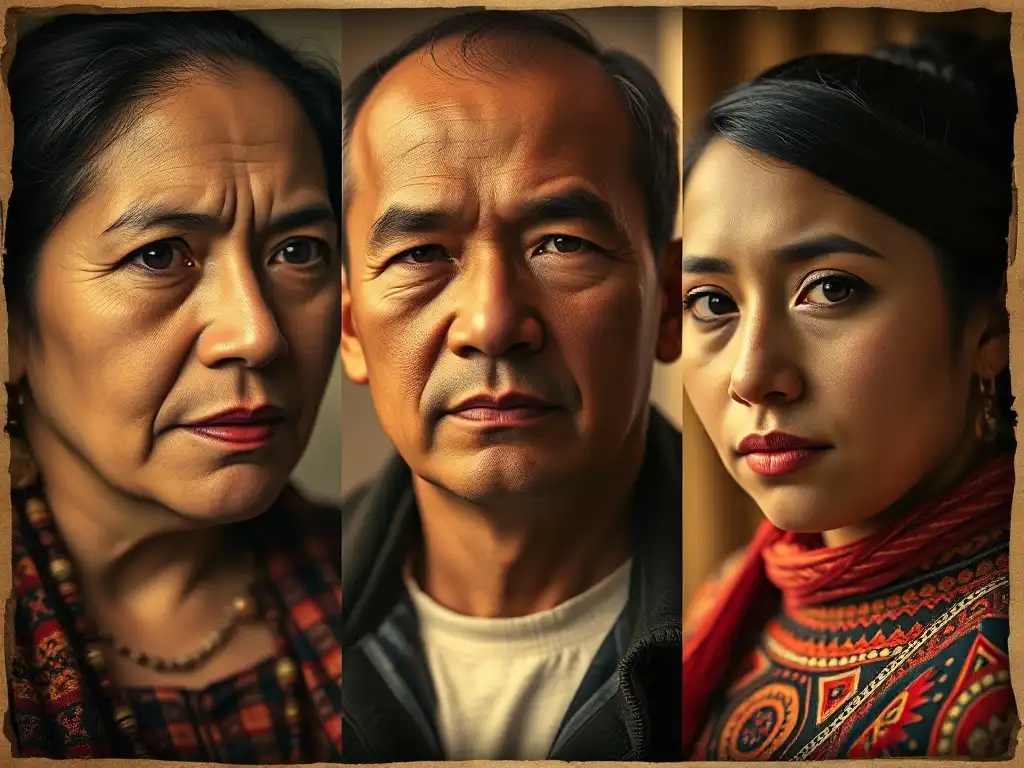
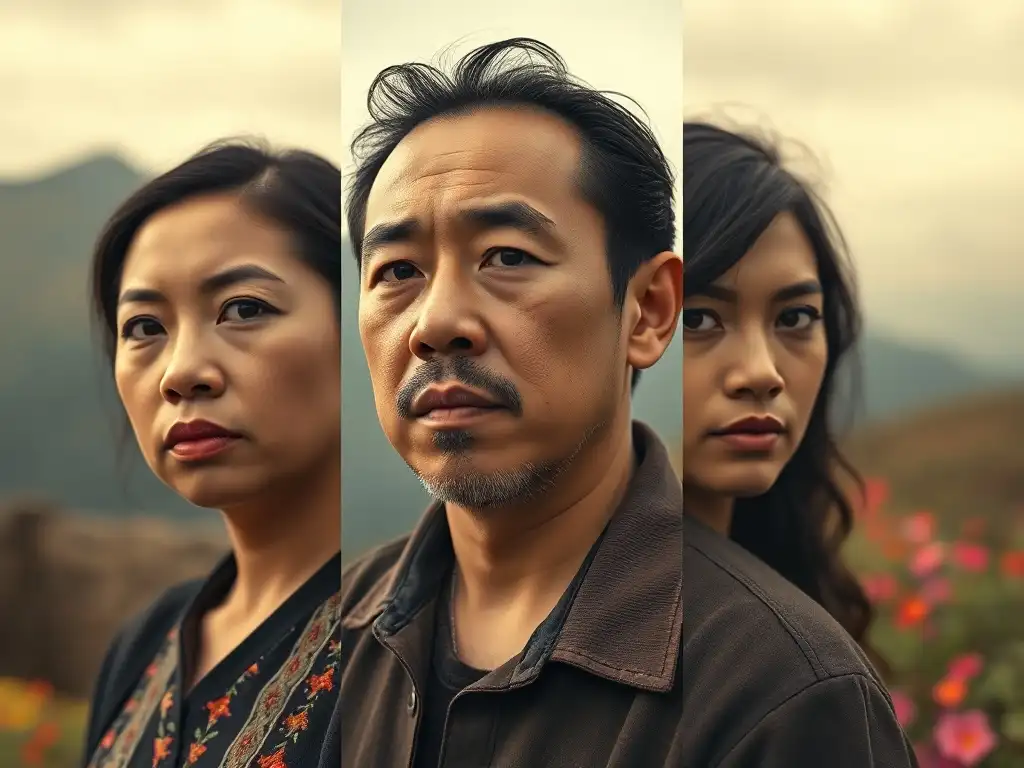
This section explores the vibrant contributions of three contemporary authors who are significantly shaping the future of Quechua literature. Their diverse styles and thematic concerns demonstrate the dynamism and resilience of this ancient language in the 21st century, pushing the boundaries of traditional forms and engaging with pressing social and political issues. These writers represent a wave of new voices challenging established conventions and enriching the landscape of Quechua literary expression, underscoring the exciting future trends in Quechua literature.
Gloria Cáceres Vargas: Poetry and Activism
Gloria Cáceres Vargas is a prominent figure in contemporary Quechua poetry, known for her powerful and emotionally resonant work. Her poems often grapple with themes of social justice, indigenous rights, and the complexities of Andean identity in a rapidly changing world. Cáceres Vargas masterfully weaves together personal experiences with broader societal concerns, creating a deeply affecting and politically charged body of work. Her use of Quechua, particularly the Quechua dialect spoken in her native region, [specific Quechua dialect pending], lends authenticity and a unique voice to her powerful message.
Her collection, "[Title of Poetry Collection Pending]", exemplifies her commitment to using poetry as a tool for social change. The poems explore themes of environmental degradation, the impact of globalization on Andean communities, and the ongoing struggle for indigenous self-determination. She uses vivid imagery and evocative language to convey the urgency and importance of these issues, engaging readers on both an emotional and intellectual level.
Her work has been praised for its accessibility, even to those unfamiliar with Quechua, highlighting the universal themes of human experience found within her poetry. The impact of her activism on the future trends of Quechua literature is undeniable; she demonstrates that Quechua can be a powerful vehicle for social commentary and political engagement.
Isaac Huamán Manrique: Narrative and Cultural Identity
Isaac Huamán Manrique's contribution to Quechua literature lies primarily in his innovative narrative works. Unlike many previous generations of Quechua writers who focused predominantly on poetry, Huamán Manrique has carved a niche for himself in prose fiction. His novels and short stories delve into the complexities of Andean cultural identity, exploring the tensions between tradition and modernity, rural and urban life, and the challenges faced by Quechua-speaking communities in Peru and beyond.
Huamán Manrique's writing is characterized by its rich descriptions of Andean landscapes, its nuanced portrayals of characters grappling with their cultural heritage, and its insightful exploration of the psychological impact of colonization and globalization. His novel, "[Title of Novel Pending]", for instance, offers a compelling narrative of a young Quechua man navigating the complexities of urban life while grappling with his connection to his rural roots. The novel's success, evidenced by [sales figures or critical acclaim pending], showcases a growing appetite for Quechua narratives in the broader literary world.
This shift towards prose fiction reflects a significant future trend in Quechua literature, demonstrating a widening scope and reach beyond traditional poetic forms. The detailed portrayal of daily life and the challenges faced by Quechua communities in his work contributes to a more nuanced understanding of their experiences.
Lily Flores Palomino: Experimental Forms in Quechua
Lily Flores Palomino represents a new generation of Quechua writers pushing the boundaries of traditional literary forms. Her work is characterized by its experimental nature, its incorporation of modern literary techniques, and its willingness to challenge established conventions. Palomino's approach reflects a growing trend towards experimentation and innovation within Quechua literature, mirroring similar developments in other literary traditions worldwide.
Unlike the more traditional approaches of some of her peers, Palomino incorporates elements of postmodernism, magical realism, and other contemporary literary styles into her writing. This blending of traditional Quechua storytelling with modern techniques creates a unique and engaging reading experience. Her short story collection, "[Title of Short Story Collection Pending]", showcases her talent for weaving together fantastical elements with realistic portrayals of Andean life, creating narratives that are both captivating and thought-provoking.
Her innovative use of language and structure challenges assumptions about what constitutes "Quechua literature," thereby expanding its possibilities and contributing significantly to its future trends. The incorporation of experimental forms demonstrates a willingness to embrace change and adapt to the ever-evolving landscape of contemporary literature. This experimental spirit is a key indicator of the exciting trajectory of Quechua literature in the years to come.
Quechua Literature and its Global Impact
Quechua literature, despite facing historical suppression and marginalization, is experiencing a resurgence, impacting global literary landscapes and challenging preconceived notions about indigenous voices. Its enduring power stems from its ability to narrate unique perspectives, preserving cultural heritage and fostering cross-cultural understanding. This impact is increasingly visible on the world stage, fueled by a new generation of authors and a growing interest in diverse narratives.
The rich tapestry of Quechua storytelling, encompassing oral traditions, poetry, novels, and drama, is steadily gaining recognition, enriching global literature and challenging dominant narratives. This section will explore the expanding reach of Quechua literature and its role in shaping a more inclusive literary world.
Connecting with the World: International Recognition
The growing international recognition of Quechua literature is a testament to its intrinsic literary merit and its capacity to resonate with a global audience. This recognition manifests in several ways: increasing translations into multiple languages, participation in international literary festivals and book fairs, and the awarding of prestigious literary prizes to Quechua authors. For instance, the translation of novels and poetry into English, Spanish, French, and German has significantly broadened the readership and sparked academic interest in the unique stylistic features and thematic concerns of Quechua writing.
The inclusion of Quechua authors in international literary events has fostered cross-cultural exchange and provided a platform for dialogue on issues of language revitalization, cultural preservation, and indigenous rights. This increased visibility directly contributes to the wider dissemination of Quechua narratives and their integration into the global literary canon.
The impact extends beyond simple translation; it involves a nuanced understanding and appreciation of the cultural context within which these literary works are produced and consumed. This process of translation and global engagement is not merely a dissemination of texts but a crucial element in the ongoing evolution and preservation of Quechua literature itself.
Quechua Literature as a Tool for Cultural Dialogue
Quechua literature serves as a powerful tool for cultural dialogue, facilitating communication and understanding between different cultures. It provides a platform for indigenous voices to be heard, challenging dominant narratives and promoting intercultural exchange. The themes explored in Quechua literature – encompassing the complexities of colonialism, the resilience of indigenous communities, and the ongoing struggle for self-determination – resonate deeply with audiences worldwide, fostering empathy and promoting a more nuanced understanding of global issues.
Moreover, the unique stylistic features of Quechua literature, often reflecting oral traditions and indigenous worldviews, offer fresh perspectives and challenge conventional literary norms. The use of metaphor, symbolism, and narrative techniques rooted in Andean cosmology enriches global literary discourse, providing alternative ways of understanding and representing the world.
This cross-cultural dialogue is not unidirectional; it involves a reciprocal exchange of ideas and perspectives, leading to a richer and more inclusive literary landscape. The growing body of critical scholarship analyzing Quechua literature further contributes to this dialogue, providing valuable insights into its cultural significance and literary merit.
The Future of Quechua Language and Literature in a Globalized World
The future of Quechua literature in a globalized world is inextricably linked to the future of the Quechua language itself. While challenges remain, including the ongoing dominance of Spanish and the need for greater investment in language education and preservation efforts, there are reasons for optimism. The emergence of a vibrant community of young Quechua writers, utilizing digital platforms and engaging with new technologies, signals a dynamic and evolving literary landscape. The increasing use of Quechua in education, media, and government initiatives contributes to language revitalization efforts, creating a more supportive environment for the growth of Quechua literature.
Furthermore, the growing international recognition and support for indigenous languages and cultures provide a favorable context for the continued development of Quechua literature. However, continued efforts are crucial to ensure the long-term sustainability of Quechua language and its rich literary tradition. This includes prioritizing access to quality education in Quechua, promoting the publication and distribution of Quechua literary works, and fostering collaboration between Quechua communities and international organizations dedicated to language preservation and cultural revitalization.
The future of Quechua literature hinges on the collective commitment to preserving and promoting this vital aspect of Andean cultural heritage. The ongoing evolution of Quechua literature will undoubtedly contribute significantly to the global literary landscape, offering unique perspectives and enriching the tapestry of human expression. The continued growth and development of Quechua literature will depend on the sustained support for language revitalization and the empowerment of Quechua communities to share their stories with the world.
Frequently Asked Questions
What is the current state of Quechua literature?
Quechua literature is experiencing a resurgence, with new authors and diverse perspectives emerging. While facing challenges like limited resources and language preservation efforts, it shows significant growth and vitality.
How is technology impacting Quechua literature?
Digital platforms are playing a crucial role in disseminating Quechua literature, increasing accessibility and connecting writers with wider audiences. Online publishing and social media are vital tools.
What are the key challenges facing Quechua literature's future?
Challenges include language revitalization efforts, securing funding, and promoting wider readership beyond Quechua-speaking communities. Overcoming these obstacles is key to its growth.
What new voices and perspectives are shaping Quechua literature?
The future sees a rise in younger generations of writers, incorporating modern themes and styles while preserving traditional storytelling. Feminist voices and narratives from diverse regions are gaining prominence.
How can I support the future of Quechua literature?
Support Quechua language programs, read and share Quechua literature, and engage with independent publishers and authors. Promoting diversity and celebrating Quechua culture is essential.
Final Reflection: Weaving the Future of Quechua Voices
The resurgence of Quechua literature is not merely a literary phenomenon; it's a powerful reclamation of cultural identity in a rapidly changing world. The voices emerging from this rich tradition are challenging colonial narratives, redefining indigenous representation, and forging new paths for storytelling in the digital age. This vibrant resurgence speaks to a deep-seated need for self-expression and the enduring power of language to shape our understanding of the past, present, and future.
The impact of this literary movement extends far beyond the pages of books and online platforms. It's a testament to the resilience of Quechua culture and its ability to adapt and thrive. It's a movement that challenges the dominant narratives and offers alternative perspectives, enriching the global literary landscape. As the writer and activist, Eduardo Galeano, once said, To write is to fight.
This fight for visibility, for recognition, and for the preservation of a vibrant cultural heritage is being waged through the powerful medium of literature, and its impact is undeniable.
Consider the stories you've encountered in this exploration of Quechua literature. Let them inspire you to seek out more voices, to engage with different perspectives, and to appreciate the richness and diversity of human experience. Embrace the power of storytelling to bridge divides, to foster understanding, and to build a more just and equitable future.
Seek out Quechua literature, support its authors, and become part of this vital and evolving literary movement. The future of Quechua literature is not predetermined; it is being written, one story at a time, by the voices that are bravely sharing their experiences and perspectives with the world.
Embrace the Future: Elevate Quechua Voices!
Thank you for exploring the rich and inspiring world of Quechua literature! Your interest helps foster a deeper understanding of these unique voices and perspectives that are enriching an ancient culture. Let's work together to support this vibrant literary landscape.
Here's how you can get involved:
- Champion Quechua Literature: Begin by reading a contemporary Quechua author or poet. Explore local bookstores and online platforms that feature Quechua literature. You might be surprised by the diversity of styles and perspectives you discover.
- Share the Love: Spread the word! Share your favorite Quechua literary work on social media using #QuechuaLit to inspire others to discover these powerful narratives. A simple recommendation can make a real difference.
- Join a Community: Connect with fellow literature enthusiasts through a book club or online forum. Discuss the themes of Quechua literature and its impact on cultural identity. Sharing your thoughts and hearing others' interpretations can deepen your appreciation.
What Quechua story or author has resonated most with you, and how do you see it influencing the future of literature?