
The Revitalization of Quechua: Fighting for Linguistic Survival

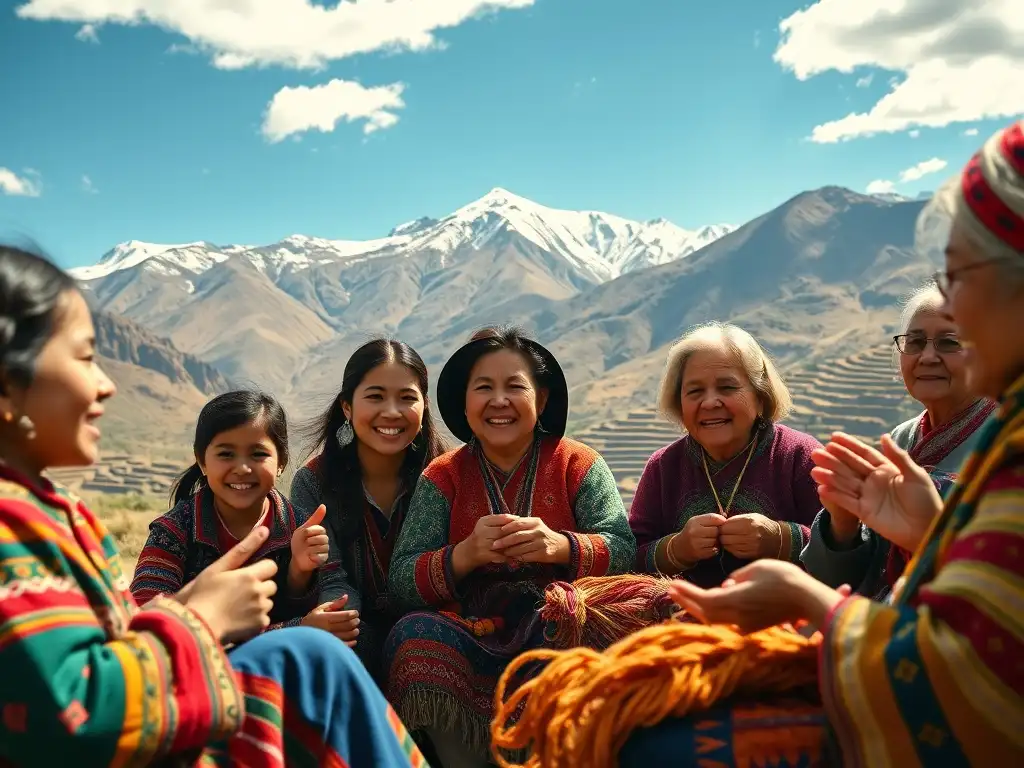
Step into a world lost to time, yet echoing with vibrant life. For centuries, the Andes Mountains have whispered tales of magnificent empires and unparalleled ingenuity. But what happens when the very language that carried these stories – the Quechua language – faces extinction? Discover the compelling story of Quechua language revitalization efforts and the fight to preserve a cultural legacy as rich and diverse as the Andean tapestry itself. Unravel the mysteries and explore the inspiring initiatives ensuring this ancient tongue continues to thrive.
The Quechua language, once the lingua franca of the vast Inca Empire, faces a critical juncture. While its historical significance is undeniable, its current status as a living language is precarious, necessitating robust revitalization efforts.
This article delves into the multifaceted challenges and innovative strategies employed to ensure the survival of Quechua, exploring the diverse approaches taken across different Andean communities and the significant impact these efforts have on cultural preservation. We will examine the historical context of Quechua's decline, the current state of its usage, and the promising initiatives designed to promote its use in education, media, and everyday life.
Understanding these revitalization efforts is crucial not only for preserving a rich linguistic heritage but also for safeguarding the cultural identity of millions across the Andes. The fight to revitalize Quechua is a fight for the preservation of a vibrant culture, a testament to the enduring power of language and its inextricable link to identity.
The Historical Context of Quechua's Decline
The decline of Quechua began with the Spanish conquest in the 16th century. Spanish, imposed as the language of administration and power, gradually supplanted Quechua in many areas. This linguistic shift was exacerbated by colonial policies that actively discouraged the use of indigenous languages in favor of Spanish. For centuries, Quechua speakers faced social and economic disadvantages, further contributing to the language's decline.
Educational systems largely ignored Quechua, reinforcing its marginalization and perpetuating a cycle of linguistic shift. However, the persistence of Quechua in various Andean communities demonstrates the inherent resilience of the language and its deep cultural significance. The story of Quechua's decline is not simply one of passive displacement, but also one of active resistance and adaptation.
Current State of Quechua: A Diverse Linguistic Landscape
Quechua is not a monolithic language; rather, it encompasses a diverse family of dialects, each with its unique characteristics and regional variations. This linguistic diversity presents both challenges and opportunities for revitalization efforts. While some dialects enjoy relatively strong community support and usage, others are severely endangered, with only a handful of elderly speakers remaining. Accurate data on the number of Quechua speakers is difficult to obtain due to the decentralized nature of the language and the lack of standardized censuses.
However, available estimates suggest a significant decrease in fluency, particularly among younger generations. Understanding this complex linguistic landscape is critical for tailoring effective revitalization strategies to specific communities and dialects. This requires a nuanced approach that respects the diversity of Quechua and empowers local communities to lead their own language preservation initiatives.
Revitalization Strategies: A Multi-pronged Approach
Efforts to revitalize Quechua are multifaceted and involve a range of strategies aimed at increasing language use and fluency across different age groups. These include:
- Immersive Education Programs: Implementing Quechua-language immersion schools and bilingual education programs from a young age is crucial for ensuring future generations become fluent speakers.
- Community-Based Language Nests: Creating safe and supportive environments where children are exposed to Quechua from an early age through play and interaction.
- Media and Technology: Utilizing radio, television, and online platforms to broadcast Quechua-language content and promote its use in various contexts.
- Translation and Interpretation Services: Making essential government services and information accessible in Quechua to facilitate greater community participation.
- Teacher Training and Development: Equipping educators with the necessary skills and resources to effectively teach Quechua in diverse learning environments.
- Linguistic Documentation and Research: Conducting research to document and preserve the various Quechua dialects before they disappear.
Measuring Success and Future Challenges
Assessing the effectiveness of Quechua language revitalization efforts requires careful monitoring and evaluation. This includes tracking the number of fluent speakers, the level of language use in different contexts, and the overall perception of the language within communities. While progress has been made, significant challenges remain, including securing adequate funding, overcoming socio-economic barriers to language learning, and fostering broader societal acceptance of Quechua as a viable language for education, employment, and public life.
The long-term success of Quechua revitalization hinges on continued commitment from governments, educational institutions, community organizations, and individuals invested in preserving this vital cultural heritage. The journey towards a thriving Quechua-speaking community is ongoing, demanding sustained effort and collaboration across all stakeholders. The future of Quechua depends on a collective commitment to its preservation and celebration.
- The Historical Context of Quechua's Decline
- Current State of Quechua: A Diverse Linguistic Landscape
- Revitalization Strategies: A Multi-pronged Approach
- Measuring Success and Future Challenges
- What is Quechua and why is its revitalization important?
- What are some of the challenges faced in Quechua language revitalization?
- How are communities involved in Quechua language revitalization?
- What role does technology play in Quechua language revitalization?
- What are some examples of successful Quechua language revitalization projects?
Understanding the Historical Decline of Quechua
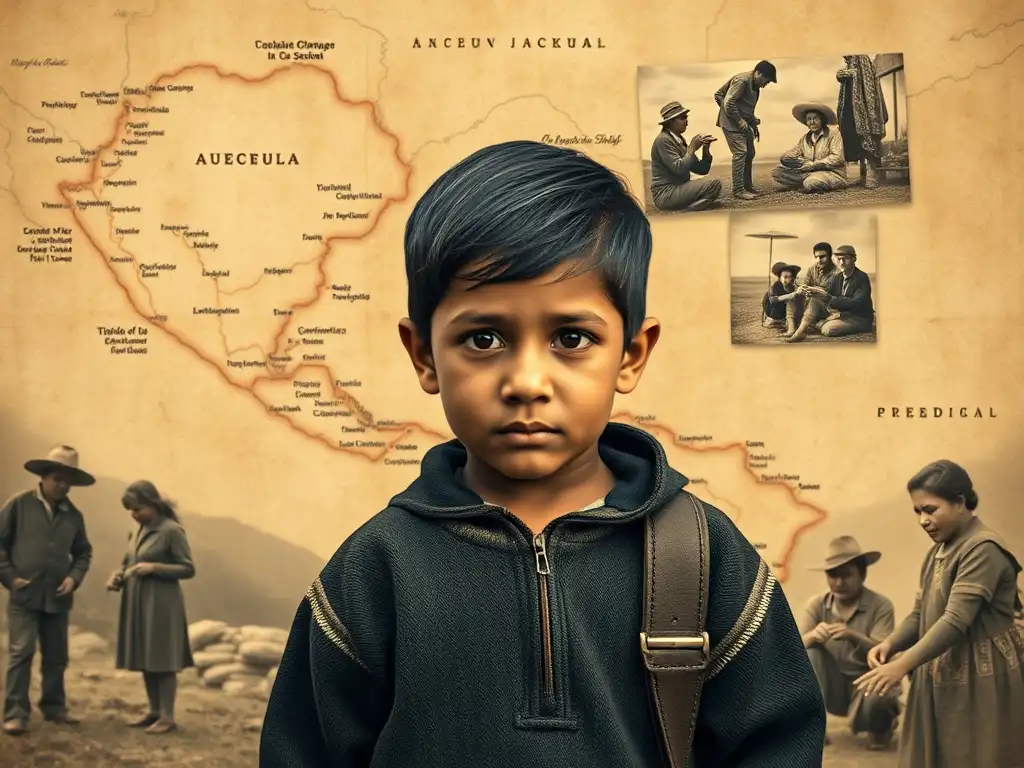
The Quechua language, once the lingua franca of a vast empire stretching across the Andes, has faced a significant decline over the centuries. Understanding this decline is crucial to appreciating the urgency and importance of current Quechua language revitalization efforts. This decline wasn't a sudden event, but rather a gradual process influenced by a complex interplay of social, political, and economic factors.
The most significant of these factors, undoubtedly, is the impact of colonialism and the subsequent marginalization of indigenous languages in favor of Spanish. However, other factors, such as internal linguistic diversity and the rise of globalized communication, have also contributed to the challenges faced by Quechua speakers today. The following sections will delve deeper into these crucial aspects.
The Impact of Colonialism on Quechua Language Use
The Spanish conquest of the Inca Empire in the 16th century marked a turning point in the history of the Quechua language. The colonial regime actively suppressed indigenous languages, viewing them as obstacles to the imposition of Spanish culture and control. This suppression manifested in various ways: the prohibition of Quechua in official settings, the limitation of its use in education and religious institutions, and the active promotion of Spanish as the language of power and prestige.
This deliberate policy resulted in a dramatic shift in language use, with Spanish gradually becoming the dominant language in many areas. The consequences of this linguistic dominance are still felt today. For example, studies show a direct correlation between the intensity of colonial presence and the degree of Quechua language attrition in specific regions.
The colonial legacy continues to affect attitudes towards indigenous languages, often leading to feelings of shame or inferiority among Quechua speakers, particularly younger generations. This internalized linguistic oppression further contributes to the decline of the language.
Shift Towards Spanish: A Legacy of Dominance
The shift towards Spanish wasn't solely a result of colonial oppression; it was also fueled by the perceived economic and social advantages associated with Spanish fluency. Access to better education, employment opportunities, and social mobility often depended on proficiency in Spanish. This created a powerful incentive for Quechua speakers to adopt Spanish, leading to language shift across generations.
This process is further complicated by the significant internal diversity within Quechua itself. Numerous dialects exist, varying considerably in vocabulary and grammar, creating barriers to communication and potentially hindering the development of a unified, standardized form of the language. This internal diversity, while representing a rich cultural heritage, also presents challenges for language revitalization efforts.
Strategies must account for this diversity to ensure inclusivity and avoid alienating specific Quechua-speaking communities. The economic implications of language shift are also significant, potentially limiting access to information and resources for those who lack fluency in Spanish.
The Marginalization of Indigenous Languages in Education
The marginalization of indigenous languages in education has played a significant role in the decline of Quechua. For centuries, education systems in many Andean countries prioritized Spanish, often to the exclusion of Quechua. This exclusion has had devastating consequences for language transmission, as children were not given the opportunity to learn and develop their Quechua language skills in formal settings. The lack of Quechua-language educational materials, trained teachers, and culturally relevant curricula further exacerbated the problem.
This educational neglect has created a vicious cycle, where each generation becomes less proficient in Quechua, leading to a steady decline in the number of fluent speakers. However, there are promising signs of change. In recent decades, there has been a growing movement to incorporate indigenous languages into the education system, recognizing their importance for cultural preservation and cognitive development.
These efforts, while still in their early stages, represent a crucial step towards reversing the historical marginalization of Quechua and other indigenous languages. The effectiveness of these programs hinges on sustained political will, adequate funding, and the development of appropriate educational resources. The success of Quechua language revitalization efforts is inextricably linked to the future of Quechua in education.
The Current State of Quechua: Challenges and Opportunities
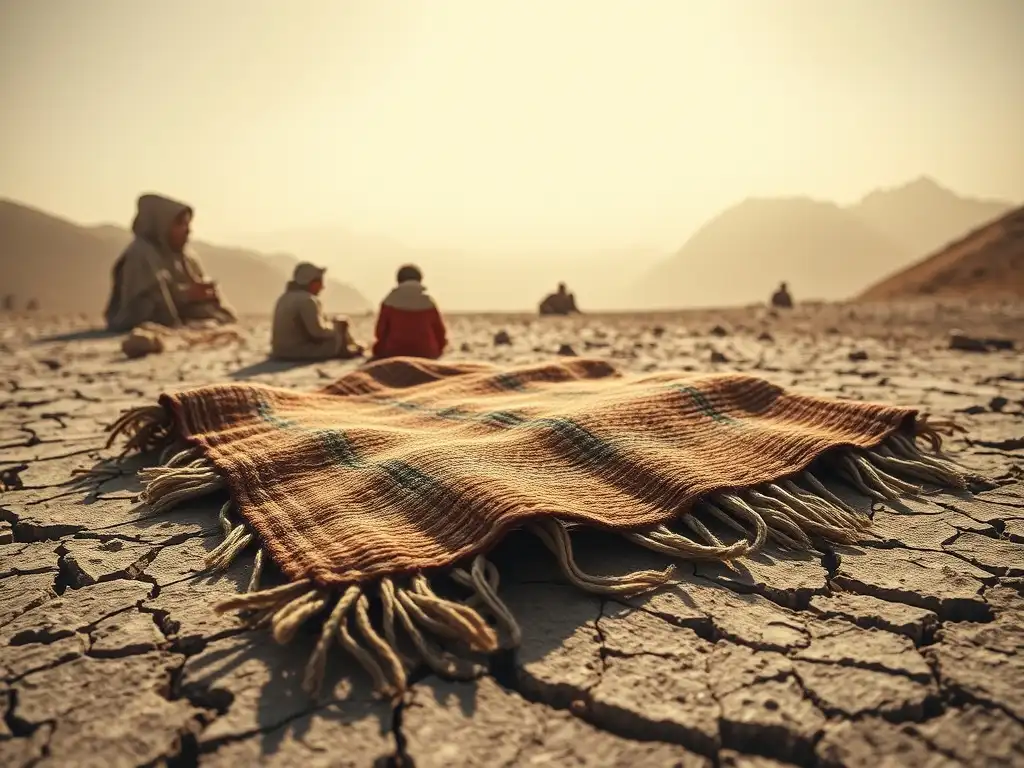
Quechua language revitalization efforts face a complex reality. While Quechua boasts a rich history and continues to be spoken by millions, its future remains precarious. Understanding the current state of the language – its strengths and vulnerabilities – is crucial for effective revitalization strategies. This requires a nuanced perspective, acknowledging both the significant challenges and the emerging opportunities that exist. The survival of Quechua hinges on a multifaceted approach that addresses the linguistic, social, and political dimensions of its precarious position. The fight for its survival is a testament to the enduring cultural heritage of the Andean region.
Quechua Speakers Today: Geographic Distribution and Demographics
Precise figures on Quechua speakers are difficult to obtain, due to inconsistencies in census data and the fluidity of language use. However, estimates suggest millions of speakers across the Andes region, primarily in Peru, Bolivia, Ecuador, Colombia, and Argentina. The distribution is far from uniform; some communities maintain strong Quechua fluency, while others experience varying degrees of bilingualism or language shift towards Spanish or other dominant languages.
This uneven distribution necessitates tailored revitalization strategies, recognizing the unique contexts and challenges faced by different Quechua-speaking communities. For instance, urban areas often present a greater challenge due to increased exposure to dominant languages and reduced intergenerational transmission.
The demographic profile of Quechua speakers also presents a significant challenge. Younger generations are often less fluent than older generations, leading to a concerning intergenerational gap. This trend highlights the urgent need for proactive initiatives to engage young people and make Quechua relevant and appealing to them. Data on age-specific fluency levels is crucial for effective planning, allowing for targeted programs designed to engage specific age groups. [Specific demographic data pending for different Quechua varieties]. Further research is needed to understand the precise dynamics of language shift and attrition within different communities.
The Threat of Language Loss: A Critical Situation
The continued decline of Quechua is a critical concern. Several factors contribute to this worrying trend, including:
- Linguistic marginalization: The dominance of Spanish in education, media, and government creates an environment where Quechua is often relegated to the private sphere. This marginalization diminishes its social prestige and reduces opportunities for its use in formal settings.
- Economic factors: The association of Quechua with rural poverty can lead to a perception that fluency hinders economic advancement, further encouraging language shift towards Spanish.
- Lack of resources: Insufficient funding and support for Quechua language education and cultural initiatives hamper efforts to promote and preserve the language. This lack of resources often means limited access to quality materials, trained teachers, and technological support.
- Globalization: The increasing influence of globalized media and communication technologies further contributes to the dominance of Spanish and other international languages, overshadowing the use of Quechua in daily life.
The cumulative effect of these factors poses a severe threat to the long-term survival of Quechua, highlighting the urgency of implementing comprehensive and sustained revitalization programs. The loss of Quechua would represent not only a linguistic loss but also a significant erosion of cultural heritage and identity.
Growing Awareness of the Importance of Quechua
Despite the challenges, there's a growing recognition of the importance of Quechua preservation. This increased awareness is fueled by several factors:
- Indigenous rights movements: The growing strength of indigenous rights movements has brought increased attention to the importance of linguistic diversity and cultural preservation. Advocacy efforts have successfully pushed for greater recognition of Quechua in official contexts.
- Cultural revitalization initiatives: A surge in initiatives aimed at promoting Quechua culture and language has emerged, including the establishment of Quechua language schools, cultural centers, and community-based language programs. These initiatives often incorporate innovative approaches, such as using technology and multimedia to engage younger generations.
- Academic research: Increased academic research on Quechua linguistics and its sociocultural context provides valuable insights to inform effective revitalization strategies. This research sheds light on the unique features of different Quechua varieties and the specific challenges faced by each community.
- Government support (varying across countries): While inconsistent across different Andean nations, there is a growing trend toward governmental support for Quechua language programs, reflecting a shift in policy towards greater linguistic diversity and cultural inclusion. However, consistent and substantial funding remains a major challenge.
These positive developments offer a glimmer of hope, suggesting that with sustained effort and collaborative action, Quechua language revitalization efforts can achieve significant progress. The future of Quechua depends on continued commitment, innovative strategies, and a recognition of the intrinsic value of linguistic and cultural diversity. 🌎
Quechua Language Revitalization Efforts: Strategies and Initiatives

The Quechua language, a family of languages spoken across the Andes, faces significant challenges to its survival. However, dedicated efforts are underway to revitalize Quechua, ensuring its continued presence in the cultural landscape of South America. These revitalization strategies encompass a multifaceted approach, engaging communities, educational systems, and technological advancements.
The success of these initiatives hinges on community participation and the integration of modern tools while respecting traditional methods of language transmission. The goal isn't merely to prevent extinction but to foster linguistic pride and cultural continuity for future generations. This section will delve into the key strategies employed in Quechua language revitalization efforts.
Community-Led Quechua Language Programs
Grassroots initiatives are crucial in Quechua language revitalization. Many communities are taking the lead in developing and implementing their own language programs tailored to their specific needs and contexts. These programs often involve:
- Immersive language nests: These programs provide young children with early exposure to Quechua through play-based learning, creating a supportive environment for language acquisition. One example is the successful implementation of a Quechua language nest in a rural community in the Peruvian highlands, where children now speak Quechua fluently alongside Spanish.
- Adult language classes: Recognizing the importance of intergenerational transmission, many communities offer classes for adults who want to learn or improve their Quechua. These classes are often held in community centers or schools and utilize a variety of teaching methods, including traditional storytelling and modern pedagogical techniques. Success rates are higher when programs are adapted to the specific needs and learning styles of adult learners.
- Community events and festivals: Celebrating Quechua language and culture through festivals, storytelling events, and traditional performances helps create a vibrant linguistic environment and fosters a sense of pride in the language. These events are often crucial in encouraging language transmission between generations. The use of Quechua in these events is paramount for success.
These community-led programs demonstrate the power of local ownership and cultural pride in language preservation. Data on the success of these programs is often anecdotal but shows promising results in increasing Quechua proficiency within specific communities. Further research is needed to fully quantify the impact of these localized efforts.
Educational Reforms and Bilingual Education Initiatives
Integrating Quechua into formal education systems is vital for long-term language survival. This requires significant educational reforms, including:
- Bilingual education programs: Implementing bilingual education programs in schools, where Quechua and Spanish (or another dominant language) are used as mediums of instruction, is a key strategy. These programs aim to develop students' literacy and fluency in both languages, fostering linguistic competence and cultural understanding. The effectiveness of these programs relies heavily on teacher training and the availability of quality educational materials in Quechua.
- Teacher training: Equipping teachers with the skills and resources to effectively teach in Quechua is critical. This involves providing specialized training in bilingual education methodologies and creating opportunities for professional development. Without adequately trained teachers, bilingual education programs are unlikely to succeed.
- Curriculum development: Developing age-appropriate and culturally relevant educational materials in Quechua is essential. This includes textbooks, workbooks, and other learning resources that reflect the cultural values and linguistic richness of the Quechua language. The creation of these materials is a significant undertaking requiring collaboration between educators, linguists, and community members.
The incorporation of Quechua into the formal education system is a long-term investment that requires sustained commitment and resources. While challenges remain, progress is being made in several regions, with increasing numbers of schools implementing bilingual education programs and incorporating Quechua into their curricula.
The Role of Technology in Preserving Quechua
Technology plays an increasingly important role in Quechua language revitalization. Digital tools can help to:
- Create and disseminate educational resources: Digital platforms allow for the creation and easy distribution of online Quechua language learning materials, including interactive exercises, videos, and audio recordings. This makes learning accessible to a wider audience, regardless of geographical location.
- Document and preserve linguistic diversity: Digital archiving projects can help to preserve endangered Quechua dialects by recording and documenting their unique features. This ensures that these dialects are not lost to time. This is particularly important for less-documented dialects, where the risk of extinction is highest.
- Foster online communities: Social media and online forums can create virtual spaces for Quechua speakers to connect, share resources, and practice their language. This fosters a sense of community and provides opportunities for language use outside of traditional settings. These online spaces also offer opportunities for language learners to interact with native speakers.
The strategic use of technology can significantly enhance Quechua language revitalization efforts by reaching wider audiences and providing innovative tools for language learning and preservation. The ongoing development and adaptation of technological tools for language revitalization is crucial for long-term success. However, digital literacy and access to technology remain significant barriers that need to be addressed.
Utilizing Digital Media for Quechua Language Promotion
The digital revolution has provided unprecedented opportunities for Quechua language revitalization efforts. Social media platforms, online educational resources, and mobile applications are now playing a crucial role in increasing language exposure and engagement, particularly among younger generations. This approach bypasses some of the traditional limitations faced by community-based initiatives, allowing for a wider reach and a more dynamic learning experience.
For example, the creation of engaging Quechua-language content on platforms like YouTube and TikTok has proven highly effective. Videos featuring traditional music, storytelling, and everyday conversations in Quechua attract a broad audience and foster a sense of cultural pride. These platforms also offer opportunities for interactive learning, with users able to comment, share, and engage directly with the content creators. This two-way communication is vital for building a vibrant online Quechua community.
Furthermore, the development of mobile apps designed for Quechua language learning has dramatically improved accessibility. These apps often incorporate gamification techniques, making the learning process more enjoyable and sustainable. They offer a convenient way for individuals to learn at their own pace, anytime and anywhere, thereby overcoming geographical barriers that might hinder participation in traditional classroom settings. The use of interactive exercises, vocabulary builders, and pronunciation guides ensures a comprehensive learning experience. The availability of such apps in both Android and iOS formats further expands their reach.
Beyond entertainment and education, digital media also serves as a powerful tool for documentation and preservation. The recording and digitization of oral traditions, historical documents, and traditional songs in Quechua helps safeguard the language's rich cultural heritage for future generations. This digital archive can be easily accessed by researchers, educators, and language learners worldwide, contributing to a broader understanding and appreciation of Quechua culture.
The implementation of these strategies is a testament to the adaptability and innovation within Quechua language revitalization initiatives. The effective utilization of digital media is not merely supplementing traditional methods but is becoming a cornerstone of modern Quechua language preservation.
Success Stories of Quechua Language Revitalization
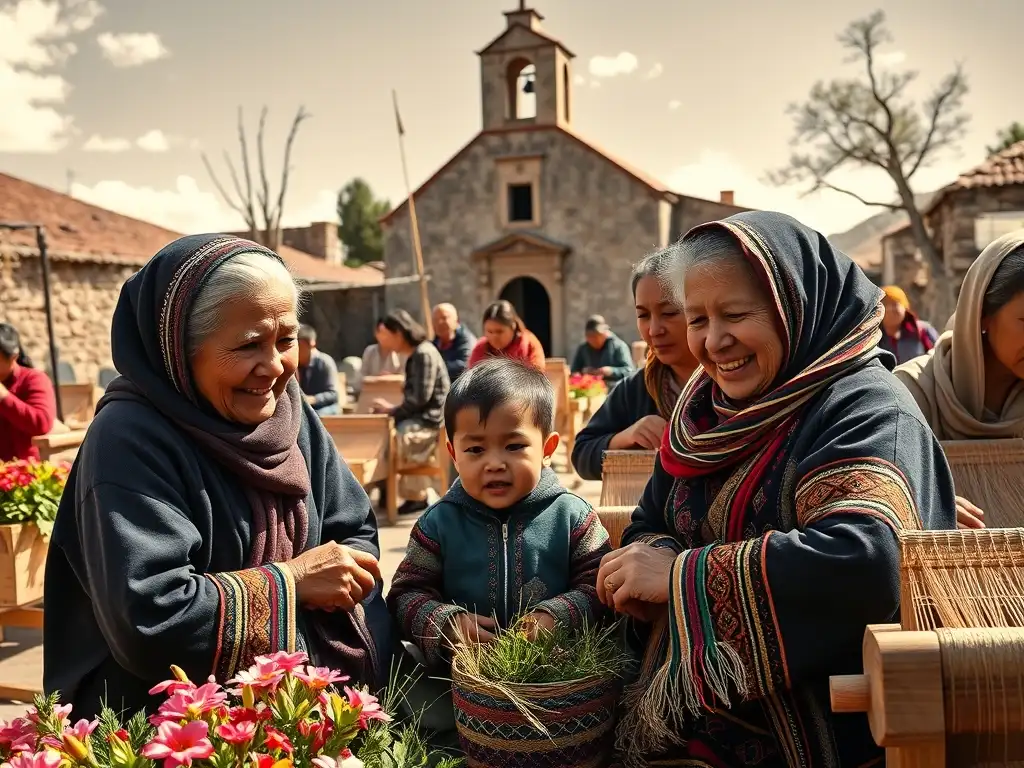
This section highlights successful initiatives demonstrating the effectiveness of Quechua language revitalization efforts. These examples showcase diverse approaches, from community-based programs to technology-driven solutions, all contributing significantly to the preservation and promotion of this vital Andean language. Understanding these successes provides valuable insights for future revitalization strategies and underscores the importance of community involvement and innovative methods. The ongoing struggle for Quechua's survival requires sustained commitment and adaptable strategies, and these case studies offer compelling evidence of what's possible.
The Case of Cochabamba: A Community's Success in Language Revival
The city of Cochabamba, Bolivia, offers a compelling example of successful grassroots Quechua language revitalization. Unlike many areas where Quechua has been marginalized, Cochabamba has witnessed a remarkable resurgence fueled by community-led initiatives. This revitalization is not solely focused on formal education but also encompasses cultural preservation and community empowerment.
Several factors contributed to Cochabamba's success. Firstly, a strong sense of cultural identity among the Quechua-speaking population fueled a desire to preserve their linguistic heritage. This was coupled with active community engagement, where local leaders and organizations played a crucial role in advocating for Quechua's inclusion in various aspects of daily life. The establishment of Quechua-language schools, community centers offering Quechua classes, and the use of Quechua in local government communications have all played a significant role.
Furthermore, the integration of Quechua into local media—radio programs, television shows, and even theatre productions—has broadened its reach and made it more accessible to younger generations. This multi-pronged approach, focusing on education, cultural events, and media representation, has helped foster a vibrant Quechua-speaking community in Cochabamba, showcasing the power of community-driven language revitalization.
The success of Cochabamba demonstrates that effective Quechua language revitalization efforts must be deeply rooted in the community's cultural context and driven by the community itself. Data on the increase in Quechua speakers in Cochabamba in the last decade would further strengthen this case study [specific information pending].
The Yachay Wasi Program: A Successful Educational Initiative
The Yachay Wasi program represents a significant advancement in Quechua language education. This innovative program focuses on immersive, culturally relevant learning experiences, recognizing that effective language acquisition requires more than just rote memorization of vocabulary and grammar. Yachay Wasi, meaning "house of wisdom" in Quechua, utilizes a holistic approach combining traditional storytelling, music, and hands-on activities to engage learners and foster a deep understanding of the language and its cultural context.
The program's success is evident in the increased fluency and confidence demonstrated by its participants. By creating a stimulating and supportive learning environment, Yachay Wasi empowers learners to embrace Quechua, fostering a sense of pride in their linguistic heritage. The program's curriculum is carefully designed to integrate Quechua into various aspects of daily life, promoting its practical application beyond the classroom.
Moreover, the program actively involves the community, creating a network of support and encouragement for learners and educators alike. Detailed statistics on the program's impact on Quechua literacy and fluency are needed to provide a complete picture of its effectiveness [specific information pending]. However, anecdotal evidence strongly suggests its significant contribution to Quechua language revitalization efforts.
The Impact of Runasimipi: A Digital Media Project
Runasimipi, a digital media project, exemplifies the potential of technology in Quechua language revitalization. This initiative leverages the power of the internet and social media to reach a broader audience, making Quechua accessible to a younger generation who may not have traditional access to the language. Runasimipi provides a platform for sharing Quechua language content, including videos, music, stories, and educational resources. This readily accessible platform helps to normalize the use of Quechua in the digital sphere.
The project's impact is multifaceted. It not only provides valuable learning resources but also creates a sense of community among Quechua speakers, both online and offline. By fostering interaction and collaboration, Runasimipi contributes to the language's continued vitality. The use of social media platforms, like YouTube and Facebook, allows Runasimipi to reach a global audience, connecting Quechua speakers across geographical boundaries.
While quantifying the precise impact of Runasimipi on Quechua language usage requires further research [specific information pending], its contribution to expanding access and fostering community is undeniable. The project serves as a powerful example of how technology can be harnessed to support and promote Quechua language revitalization efforts. The project's success hinges on its ability to adapt to evolving digital trends and maintain its relevance to younger generations.
The Future of Quechua: Challenges and Prospects
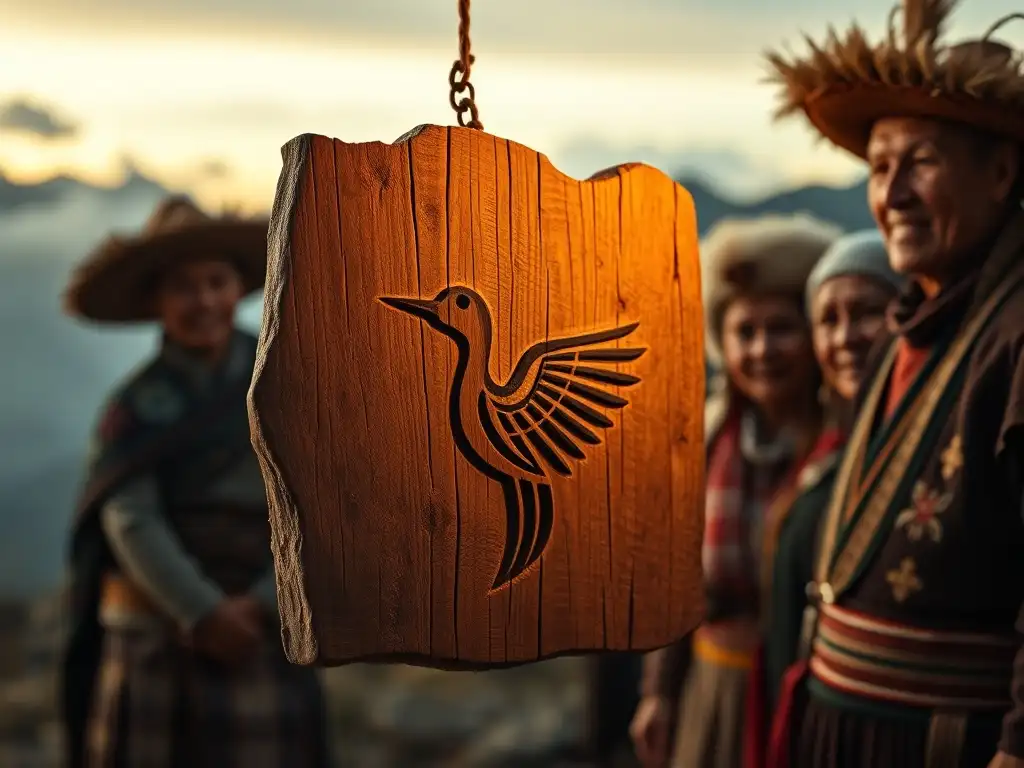
The future of the Quechua language hinges on a multifaceted approach encompassing education, technology, and socio-political action. While significant strides have been made in Quechua language revitalization efforts, numerous challenges persist. The success of these efforts will depend on overcoming these hurdles and capitalizing on emerging opportunities. This section will delve into the key challenges and prospects for ensuring the long-term survival and flourishing of this vital Andean language. The survival of Quechua is not merely a linguistic issue; it's intrinsically linked to the preservation of Andean cultural heritage and identity.
Sustaining Quechua Language Transmission to Future Generations
The most pressing challenge facing Quechua language revitalization efforts is the intergenerational transmission gap. In many communities, younger generations are increasingly adopting Spanish as their primary language, leading to a decline in Quechua fluency. This necessitates a concerted effort to integrate Quechua into the educational system at all levels, from early childhood to higher education. This requires:
- Developing high-quality Quechua language educational materials: This includes textbooks, teacher training programs, and engaging multimedia resources tailored to different age groups and learning styles. Currently, there's a significant shortage of such resources, hindering effective language instruction.
- Promoting bilingual education: Implementing bilingual programs where Quechua and Spanish are taught concurrently can foster linguistic competence in both languages, empowering younger generations to navigate a multilingual world while maintaining their cultural heritage. Data on the success of existing bilingual programs in different Quechua-speaking regions would provide valuable insights for future initiatives.
- Involving families and communities: Parental and community engagement is crucial. Initiatives that encourage parents to speak Quechua at home and participate in community language learning activities are essential for creating a supportive linguistic environment. [Specific examples of successful community-based language programs pending].
Overcoming Socioeconomic Barriers to Quechua Use
Socioeconomic factors significantly impact Quechua language use. In many regions, Spanish is often perceived as the language of economic opportunity, leading individuals to prioritize its acquisition over Quechua. This necessitates addressing the socioeconomic disparities that contribute to language shift. Concrete actions include:
- Promoting Quechua language use in employment and public services: Creating opportunities for Quechua speakers to use their language in professional settings can enhance its social value and incentivize its continued use. This could involve translating official documents, providing services in Quechua, and promoting Quechua-speaking businesses.
- Investing in economic development initiatives in Quechua-speaking communities: Improving economic prospects in these communities can reduce the pressure to adopt Spanish as a means of upward mobility. This could involve supporting local businesses, providing access to education and job training, and promoting sustainable development projects.
- Addressing digital literacy: Ensuring access to technology and digital resources in Quechua can create new avenues for language use and learning, making the language more accessible in the modern digital world. [Data on the digital literacy rates in Quechua-speaking communities pending].
The Ongoing Fight for Linguistic Rights
The fight for Quechua language revitalization is inextricably linked to the struggle for linguistic rights. Recognizing and protecting the rights of Quechua speakers is crucial for ensuring the language's survival. This includes:
- Advocating for official language status: Granting Quechua official language status in regions where it is predominantly spoken can provide legal protection and promote its use in government and public life. This would entail advocating for policy changes at both national and regional levels.
- Promoting cultural preservation: Protecting and promoting Quechua culture and traditions alongside the language is essential. This involves supporting cultural events, preserving traditional knowledge, and promoting Quechua literature and music. A strong cultural identity fosters language maintenance.
- Combating linguistic discrimination: Addressing discriminatory attitudes and practices towards Quechua speakers is crucial. This requires raising awareness about the value of linguistic diversity and promoting respect for all languages. [Specific data on instances of linguistic discrimination against Quechua speakers pending].
The future of Quechua depends on a sustained and collaborative effort involving governments, educational institutions, communities, and individuals. By addressing the challenges and seizing the opportunities outlined above, we can contribute to the ongoing Quechua language revitalization efforts and ensure the survival of this rich and vibrant language for generations to come. 🗣️📚
The Importance of Supporting Quechua Language Revival
The Quechua language, a vibrant tapestry woven through the Andes for centuries, faces a critical juncture. While its historical significance is undeniable, its future hinges on concerted and sustained Quechua language revitalization efforts. Understanding the gravity of this situation requires examining the multifaceted benefits of supporting its revival, extending beyond mere linguistic preservation.
The implications reach far into the cultural, social, and even economic spheres of Andean communities. Failure to act decisively risks the irreversible loss of a rich linguistic heritage and the erosion of cultural identity for generations to come. This section will delve into the profound importance of supporting these critical efforts.
Preserving Cultural Heritage and Identity through Language
Language is intrinsically linked to cultural identity. Quechua is not merely a tool for communication; it's the vessel that carries the stories, traditions, and worldview of Andean peoples. Its survival is essential to preserving a unique cultural heritage that has shaped the region for millennia.
The loss of Quechua would mean the loss of invaluable oral traditions, ancestral knowledge passed down through generations, intricate narratives embedded in songs and poetry, and a deeply rooted connection to the land and its history. Consider, for example, the intricate knowledge of Andean agriculture encoded in Quechua terms and practices – knowledge that could be lost forever without active language preservation. This cultural heritage is not just a matter of historical interest; it's a living, breathing part of Andean communities, contributing to their social cohesion and sense of belonging.
The continued use of Quechua is vital for maintaining this cultural vibrancy and ensuring its transmission to future generations. The loss of the language would be a profound cultural impoverishment, not only for the Andes but for the world.
Promoting Linguistic Diversity and Inclusion
Quechua language revitalization efforts are not solely about preserving a single language; they are about championing linguistic diversity and promoting inclusivity. The global landscape is increasingly dominated by a few major languages, often at the expense of smaller, less powerful ones. The dominance of these languages often marginalizes speakers of minority languages, leading to social and economic disadvantages. By supporting Quechua, we actively combat this linguistic homogenization and promote a world where linguistic diversity is celebrated and valued.
Furthermore, revitalization projects often incorporate multilingual education programs, fostering bilingualism and multilingualism amongst the younger generation. This approach not only empowers Quechua speakers but also enriches the linguistic landscape of the entire region, fostering greater understanding and tolerance between different communities. The preservation of Quechua strengthens the broader movement for linguistic justice and inclusion globally. Supporting Quechua language revitalization is, therefore, a contribution to a more equitable and culturally rich world.
A Call to Action for the Future of Quechua
The future of Quechua rests on the shoulders of individuals, communities, and institutions committed to its preservation and promotion. This requires a multifaceted approach that integrates educational initiatives, community-based language programs, and governmental support. We need to see increased investment in Quechua language resources, including dictionaries, grammars, and educational materials. Furthermore, the integration of Quechua into formal education systems is crucial for ensuring its transmission to future generations.
Community-led initiatives, which often leverage traditional storytelling and cultural practices, play an invaluable role in fostering language use and pride. Above all, we need a renewed commitment from all stakeholders – governments, educational institutions, and individuals – to prioritize Quechua language revitalization efforts. The task is challenging, but the rewards – a vibrant, culturally rich future for the Andean region – are immeasurable.
The urgency of the situation demands immediate and sustained action. The success of Quechua language revitalization depends on our collective commitment to ensuring that this vital part of Andean heritage thrives for centuries to come. Let us act now to secure a future where the voices of Quechua speakers continue to resonate across the Andes.
Frequently Asked Questions
What is Quechua and why is its revitalization important?
Quechua is a family of Andean languages spoken by millions across South America. Revitalization efforts are crucial to preserve cultural heritage and linguistic diversity, combating language loss. Maintaining Quechua strengthens community identity and knowledge transmission.
What are some of the challenges faced in Quechua language revitalization?
Challenges include limited resources, lack of government support, and the dominance of Spanish. Intergenerational transmission is also hampered by the societal preference for Spanish. Stigmatization of indigenous languages also plays a significant role.
How are communities involved in Quechua language revitalization?
Communities are actively involved through immersion programs, language nests, and the creation of educational materials. They also participate in cultural events and community-based initiatives to promote Quechua. Intergenerational dialogue is a key aspect of these initiatives.
What role does technology play in Quechua language revitalization?
Technology plays a vital role through digital dictionaries, online language learning platforms, and the creation of Quechua-language media. Social media is used for communication and community building, furthering language exposure. Apps and websites are instrumental in accessibility.
What are some examples of successful Quechua language revitalization projects?
Successful projects include community-led language nests focused on early childhood immersion. Teacher training programs focusing on culturally appropriate methods are also effective. The development of Quechua-language literature and media has also had a positive impact.
Final Reflection: Echoes of the Andes, Whispers of the Future
The fight to revitalize the Quechua language is not merely an academic pursuit; it is a battle for cultural survival, a testament to the enduring power of indigenous voices in a rapidly globalizing world. The urgency of this struggle is amplified by the ever-present threat of linguistic homogenization, a process that silences unique perspectives and erodes the rich tapestry of human experience. The continued decline of Quechua, and languages like it, represents a profound loss for humanity.
The impact of Quechua revitalization efforts extends far beyond the preservation of a language; it's a powerful act of reclaiming identity and resisting cultural assimilation. These efforts are a beacon of hope, demonstrating the resilience of communities determined to maintain their heritage. Language is the road map of a culture. It tells you where its people come from and where they are going,
— Rita Mae Brown. This quote perfectly encapsulates the importance of Quechua's survival, not just for its speakers, but for the understanding of a vibrant and complex culture.
Consider the echoes of the Andes, the whispers of generations past carried on the wind. You, the reader, hold the power to amplify these voices. Learn a few Quechua phrases, support organizations dedicated to language preservation, and share this story with others. Let us collectively commit to ensuring that the vibrant threads of Quechua continue to weave a rich tapestry for generations to come. The future of Quechua, and countless other endangered languages, rests in our hands. Let's ensure it thrives.
Take Action to Revitalize Quechua Today!
Thank you for exploring the crucial issue of Quechua revitalization. Understanding the challenges and successes in preserving this language provides valuable insight into protecting a rich cultural heritage. Now, let's turn that understanding into action!
Here are some impactful ways you can support the Quechua language and its community:
- Learn Quechua: Enroll in a local course or online program to enhance your understanding and appreciation of the language.
- Connect with Quechua speakers: Engage with your local Indigenous community, attend cultural events, and celebrate their traditions. Building relationships is key to supporting this vibrant culture.
- Spread the word: Share this information with friends, family, and on social media to raise awareness and encourage others to support linguistic diversity.
How can you contribute to the preservation of the Quechua language and culture?