
The Roots of Identity: How Oral Tradition Defines Andean Heritage

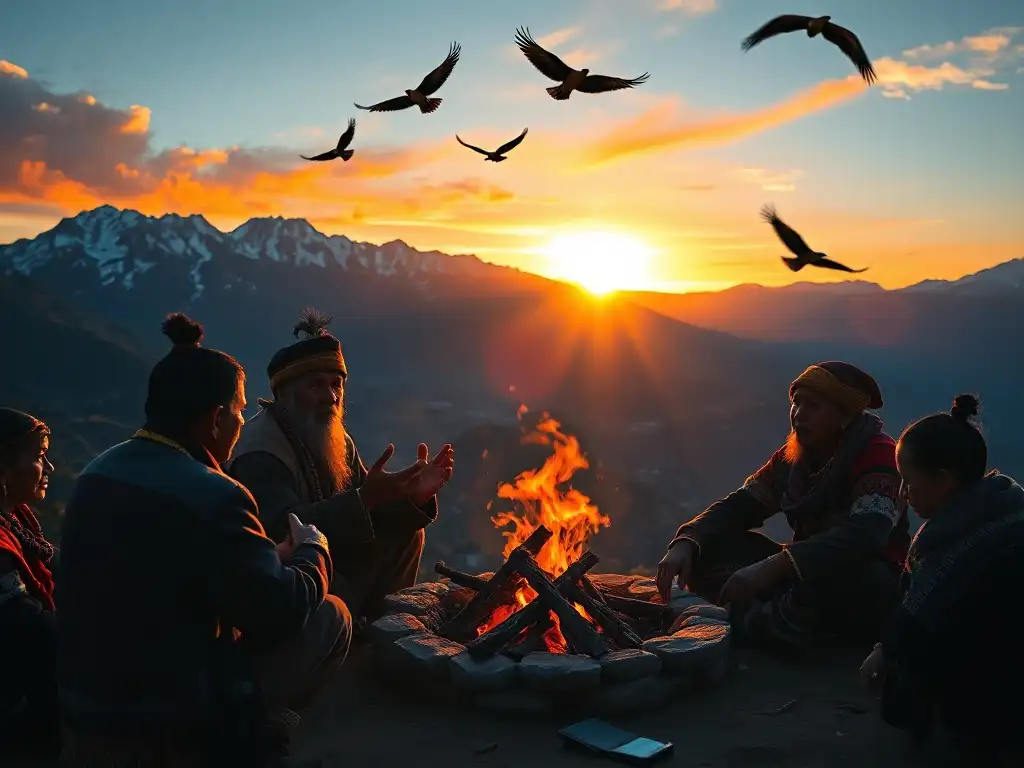
Unravel the mysteries of a lost world. For centuries, the echoes of the Andes have whispered tales of empires built on ingenuity and belief. But what truly shaped the identity of the Incas, Moche, and other magnificent Andean civilizations? Dive into the captivating world of Andean oral tradition history, where ancient voices reveal the vibrant tapestry of their heritage and culture. Discover how these powerful narratives, passed down through generations, continue to resonate today. Prepare to be amazed.
The Andes Mountains, a spine of towering peaks running down the western coast of South America, are home to a rich tapestry of cultures and civilizations. For millennia, before the advent of widespread writing systems, the Andean peoples relied heavily on oral tradition to transmit knowledge, beliefs, history, and cultural values across generations. This article delves into the profound significance of Andean oral tradition, exploring how it shaped and continues to shape the identity and heritage of these remarkable communities.
We will examine its role in preserving ancestral wisdom, fostering social cohesion, and navigating the complexities of life in this challenging yet breathtaking landscape. Understanding Andean oral tradition is key to unlocking a deeper understanding of the vibrant and enduring legacy of the Incas, Moche, Nazca, and Tiahuanaco, as well as countless other smaller groups who called the Andes home.
This exploration will reveal how the spoken word, songs, narratives, and rituals formed the bedrock of Andean societies and continue to resonate in their modern expressions. The enduring power of oral tradition in the Andes speaks volumes about the ingenuity and resilience of its people, demonstrating how a culture can thrive and adapt, preserving its essence despite external pressures.
Understanding Andean Oral Tradition and its Significance
Andean oral tradition isn't merely the recounting of historical events; it's a dynamic and multifaceted system for transmitting knowledge. It encompasses a vast array of forms, including:
- Narratives and Myths: These stories, often imbued with supernatural elements, explain the origins of the world, the cosmos, and human society. They serve as powerful tools for transmitting moral values and cultural beliefs. For example, the myths surrounding the creation of the world vary significantly between different Andean groups, reflecting their unique cosmologies and worldviews. Detailed analysis reveals intricate connections between environment, social structures and spiritual belief systems.
- Songs and Music: Music plays a vital role in Andean culture, often serving as a vehicle for storytelling, expressing emotions, and preserving historical memory. Traditional Andean music, with its unique instrumentation and melodies, is often closely tied to specific rituals, ceremonies, and social events. The intricate rhythms and harmonies often reflect the complex social structures and hierarchies of Andean societies.
- Rituals and Ceremonies: Many Andean rituals and ceremonies are deeply rooted in oral tradition. The precise words, chants, and actions involved in these rituals are carefully preserved and passed down through generations, ensuring the continuity of religious and cultural practices. These rituals often involve intricate dialogues between the human and spiritual worlds, reflecting the deep spiritual connection that Andean people have with their environment.
- Proverbs and Sayings: Short, memorable sayings often encapsulate important cultural values and beliefs. These proverbs offer concise expressions of wisdom, providing guidance and insight into the Andean worldview. Their brevity and memorability ensures their effective transmission across generations and diverse social groups.
The preservation of these diverse forms of oral tradition was, and continues to be, crucial for maintaining cultural identity and continuity in the face of colonization and globalization. The intricate interweaving of these traditions created a rich and complex cultural landscape, emphasizing the importance of community, respect for nature, and the interconnectedness of all living things. The sheer volume of information transmitted orally is a testament to the power and effectiveness of this system. Further research into specific communities is needed to fully understand the nuances of their oral traditions.
- What role did oral tradition play in Andean societies?
- How was information preserved through oral tradition?
- Are there any examples of Andean oral traditions that survive today?
- How did oral tradition influence Andean art and architecture?
- How reliable is information passed down through Andean oral tradition?
The Historical Context of Andean Oral Storytelling
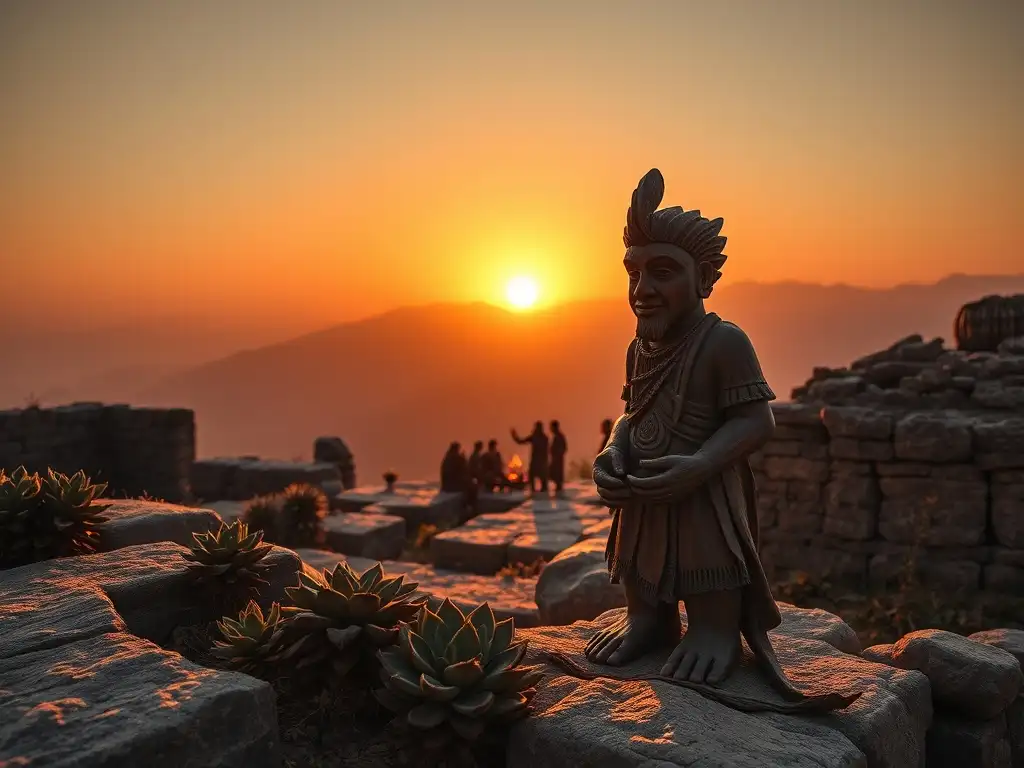
The vibrant tapestry of Andean culture is deeply interwoven with its rich oral tradition, a legacy stretching back millennia. Understanding the significance of Andean oral tradition history requires acknowledging its profound historical context. For centuries, before the advent of writing systems widely adopted in the region, oral storytelling served as the primary means of preserving and transmitting knowledge, beliefs, and cultural values across generations. This wasn't merely entertainment; it was a vital mechanism for societal cohesion and continuity, shaping identity and worldview in profound ways.
The enduring power of this tradition is evident even today, where oral narratives continue to play a crucial role in Andean communities. The intricate relationship between oral tradition and the development of Andean societies is a complex and fascinating subject deserving of in-depth exploration. We'll delve into the specific ways this tradition shaped Andean identity, focusing on the pre-Columbian era and its lasting impact.
Pre-Columbian Oral Traditions in the Andes
Pre-Columbian Andean societies, encompassing cultures like the Inca, Moche, Nazca, and Tiahuanaco, lacked widespread written languages as we understand them. Instead, they relied heavily on sophisticated oral traditions to transmit historical accounts, religious beliefs, agricultural practices, and social structures. These oral narratives weren't simply recounted; they were meticulously crafted and performed, often incorporating elaborate rituals, music, dance, and mnemonic devices to ensure accurate transmission and deeper engagement.
Think of the quipus, knotted cords used by the Inca to record numerical data and potentially narrative information – a testament to the ingenuity employed in preserving knowledge without a written alphabet. The complexity of these oral traditions is reflected in the intricate mythology, cosmology, and historical accounts passed down through generations, revealing a sophisticated understanding of the world and their place within it. These narratives were not static; they evolved and adapted over time, reflecting changing social dynamics and environmental conditions.
Archaeological evidence, coupled with ethnohistorical accounts, provides glimpses into the richness and diversity of these pre-Columbian oral traditions. The survival of elements of these traditions even today underscores their resilience and enduring influence.
The Role of Storytellers in Ancient Andean Societies
In pre-Columbian Andean societies, storytellers held positions of immense social and cultural importance. They weren't simply entertainers; they were custodians of knowledge, keepers of history, and shapers of community identity. These individuals, often highly respected elders or specialized practitioners, possessed a deep understanding of the oral traditions and the intricate art of storytelling.
Their performances were often ceremonial occasions, involving elaborate costumes, symbolic gestures, and musical accompaniment. The skill of a storyteller lay not only in memorizing lengthy narratives but also in their ability to adapt and interpret them for their audience, ensuring that the stories remained relevant and engaging across different contexts and generations. The role of these storytellers extended beyond mere entertainment; they played a vital part in transmitting moral values, social norms, and historical accounts, thus contributing significantly to the social cohesion and cultural continuity of their communities.
Their expertise in oral performance ensured the accurate and effective transmission of vital information across generations. The prestige associated with this role highlights the profound respect accorded to oral tradition within Andean societies.
Preservation of Knowledge Through Oral Transmission
The effectiveness of Andean oral tradition in preserving knowledge lay in its multifaceted approach. Several techniques ensured the accurate transmission of information across generations. These included:
- Repetition and Memorization: Stories were repeatedly told and retold, reinforcing memory and ensuring accuracy.
- Mnemonic Devices: Techniques like songs, poems, and rhythmic patterns aided memorization and recall.
- Performance and Ritual: The ritualistic context of storytelling enhanced memorability and emphasized the importance of the narratives.
- Community Participation: Stories were often collaborative, with the audience actively participating in the telling and retelling.
- Intergenerational Transmission: Knowledge was passed down from elders to younger generations, ensuring the continuity of the tradition.
This layered approach, combining multiple strategies, contributed to the remarkable ability of Andean oral tradition to maintain cultural memory and transmit complex information across vast stretches of time. The resilience of these methods is a testament to their effectiveness in a society where written records were not widely available. The study of these techniques offers valuable insights into the cognitive processes involved in knowledge transmission and preservation within oral cultures.
The effectiveness of these methods is evident in the survival of many elements of Andean oral tradition to this day. Understanding these methods is crucial to appreciating the enduring legacy of Andean oral history.
Key Elements of Andean Oral Tradition
This section delves into the core components of Andean oral tradition, demonstrating how its multifaceted nature shaped the worldview, social structures, and cultural practices of ancient Andean societies. Understanding these elements is crucial to grasping the profound impact of oral tradition on Andean heritage and its lasting legacy. The vibrant tapestry of Andean oral tradition is woven from threads of myth, cosmology, ritual, and everyday storytelling, each contributing uniquely to the preservation and transmission of knowledge across generations. This rich legacy continues to influence Andean identity today, making the study of Andean oral tradition history a vital pursuit.
Myths and Legends Shaping Andean Worldviews
Andean myths and legends weren't mere fanciful tales; they served as powerful tools for transmitting cultural values, explaining natural phenomena, and legitimizing social hierarchies. These narratives, passed down through generations, provided a framework for understanding the world and one's place within it. For example, the story of Viracocha, the creator god, is prevalent across various Andean cultures, illustrating a shared belief system despite regional variations. The details of Viracocha's creation myths differ, reflecting the unique adaptations of each culture, yet the fundamental concept of a divine creator remains constant, highlighting the unifying power of oral tradition.
The narratives often involved intricate relationships between humans, animals, and the supernatural. Animals frequently played symbolic roles, representing specific qualities or embodying ancestral spirits. These narratives were not static; they evolved over time, adapting to changing social and environmental conditions.
This adaptability underscores the dynamic nature of oral tradition and its capacity to reflect the lived experiences of the people who transmitted it. Analyzing these evolving narratives provides valuable insights into the social and political changes within Andean societies. Further research into specific regional variations in these myths could shed light on the diverse cultural expressions within the broader Andean context.
The Importance of Andean Cosmology in Narratives
Andean cosmology, the understanding of the universe and humanity's place within it, is deeply interwoven into oral traditions. Narratives often reflect a holistic worldview, emphasizing the interconnectedness of the celestial and terrestrial realms. The Andean worldview is not anthropocentric; rather, it acknowledges the spiritual significance of mountains, rivers, and other natural elements. These elements are not merely inanimate objects; they are imbued with spiritual power and are often considered sacred entities.
For instance, the concept of Pachamama, Mother Earth, is central to Andean cosmology. Oral traditions frequently describe Pachamama as a nurturing deity who provides for humanity, but also demands respect and reciprocity. Disrespect for Pachamama is believed to bring misfortune, reinforcing the importance of harmonious coexistence with the natural world.
Stories involving Pachamama and other deities are not simply religious tales; they also serve as ethical guidelines, shaping social behavior and promoting environmental stewardship. The intricate relationship between humans and the natural world, as depicted in these narratives, demonstrates the profound influence of Andean cosmology on their social and environmental practices. A detailed study of these narratives across various Andean cultures could reveal a deeper understanding of the similarities and differences in their cosmological beliefs.
Rituals and Ceremonies Embedded in Oral Accounts
Oral traditions played a vital role in preserving and transmitting knowledge about Andean rituals and ceremonies. These ceremonies, often tied to agricultural cycles or significant life events, were integral to Andean social life. The details of these rituals, including specific chants, prayers, and procedures, were carefully passed down through generations through oral transmission. The loss of these oral traditions would represent an irreplaceable loss of cultural heritage.
Many rituals involved specific offerings to deities or ancestral spirits, reflecting the importance of reciprocity in the Andean worldview. For example, the capacocha sacrifices, while controversial, were embedded within a complex system of beliefs and practices meticulously documented (though often incompletely) in Spanish chronicles and archeological findings. These accounts, while filtered through a colonial lens, still offer glimpses into the significance of these rituals within the broader Andean context.
Oral accounts, even if fragmented or incomplete, provide crucial context and nuance to such practices, enriching our understanding of their social, political, and religious functions. Further research into the surviving fragments of oral traditions related to specific ceremonies could help reconstruct a more complete picture of these crucial aspects of Andean life. The study of Andean oral tradition history, therefore, is crucial for understanding the complexity and richness of Andean cultural practices.
Andean Oral Tradition History: A Timeline
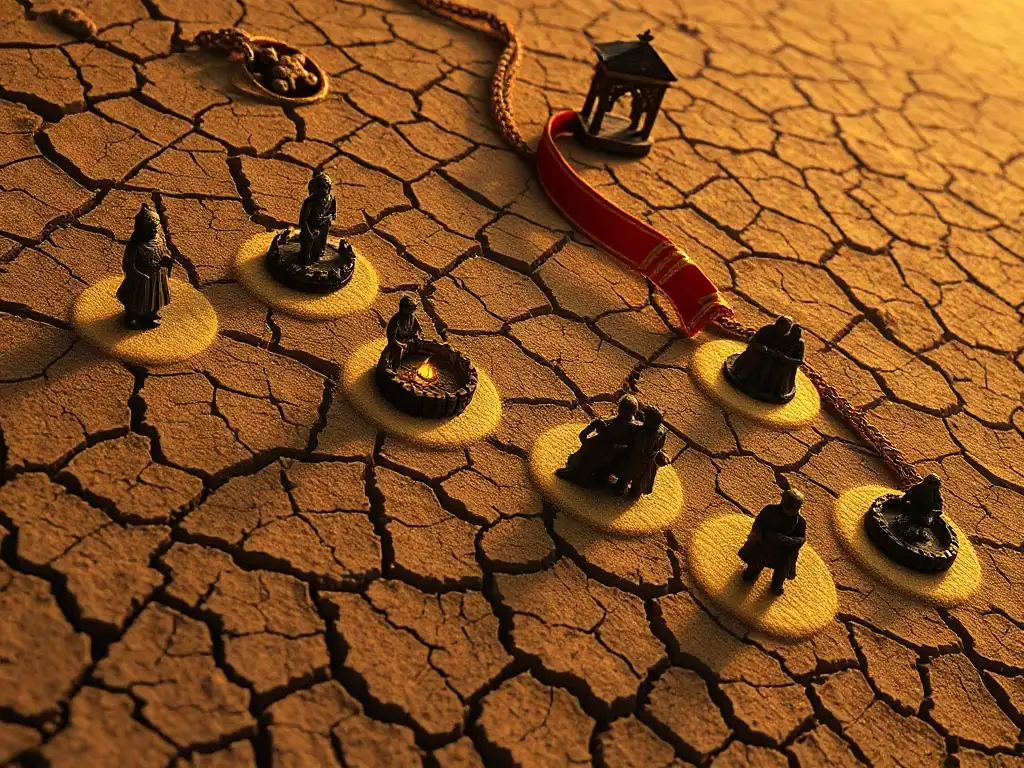
This section delves into the chronological development of Andean oral traditions, highlighting key periods and their influence on shaping Andean cultural identity. Understanding the historical context is crucial to appreciating the enduring power of oral narratives in the region. The preservation and transmission of knowledge, beliefs, and values through spoken word have been, and continue to be, a cornerstone of Andean societies. We'll explore how this tradition has navigated significant historical shifts, adapting and evolving while retaining its core essence. The resilience of Andean oral tradition, despite external pressures, testifies to its profound importance within Andean communities.
The Legacy of Ancient Andean Civilizations and their Oral Practices
Long before the Inca Empire, sophisticated oral traditions flourished across the Andes. The pre-Columbian civilizations, such as the Moche, Nazca, and Tiahuanaco, each possessed unique storytelling practices. Archaeological evidence, including intricate pottery depicting narratives and ceremonial objects suggesting ritualistic storytelling, points to the centrality of oral tradition in their social fabric.
These narratives likely encompassed creation myths, heroic tales, ancestral lineages, and practical knowledge related to agriculture, astronomy, and medicine. Unfortunately, much of the specific content of these early oral traditions remains lost to us, as written records are scarce. However, the enduring presence of oral storytelling in contemporary Andean communities suggests a continuous thread connecting these ancient practices to the present.
Further research into archaeological finds and linguistic analysis of surviving Andean languages could potentially shed more light on the specific themes and styles of these early oral traditions. The study of Andean oral tradition history requires a multidisciplinary approach, combining archaeological, anthropological, and linguistic perspectives.
Oral Tradition During the Inca Empire
The Inca Empire (1438-1533 CE) witnessed a significant expansion and formalization of Andean oral traditions. The Inca, known for their sophisticated administrative system, utilized quipus – complex knotted cords – to record and transmit information. While quipus are often mistakenly considered a form of writing, they served more as mnemonic devices supporting oral narratives.
The Inca's centralized government promoted the standardization of certain narratives, particularly those relating to the imperial lineage and Inca cosmology. However, local traditions and dialects persisted alongside imperial narratives, reflecting the diverse cultural landscape of the empire. Royal chroniclers, known as amautas, played a crucial role in preserving and disseminating official narratives.
These individuals, often highly educated and respected within their communities, were responsible for maintaining the historical memory of the Inca and transmitting it to future generations. The Inca's emphasis on oral tradition was not merely a matter of cultural preservation; it was integral to their social and political structures. It cemented loyalty to the emperor and provided a framework for understanding social hierarchies and societal norms.
The Impact of Colonialism on Oral Transmission
The Spanish conquest of the Inca Empire in the 16th century drastically altered the landscape of Andean oral traditions. The imposition of Spanish language and culture led to the suppression of indigenous languages and storytelling practices. Many traditional narratives were lost or deliberately destroyed, while others were adapted to incorporate Christian beliefs and values. The Catholic Church, in particular, actively sought to replace indigenous oral traditions with its own religious narratives.
However, despite these efforts, Andean oral traditions demonstrated remarkable resilience. Indigenous communities continued to practice their oral traditions, often adapting them to survive within the colonial context. They cleverly embedded elements of their indigenous beliefs and values within seemingly compliant narratives.
The continuation of oral traditions in the face of colonial oppression highlights the profound importance of these narratives for maintaining cultural identity and community cohesion. The study of this period reveals the complex interplay between cultural resistance and adaptation in the Andes, showcasing the power of oral tradition to endure even under extreme pressure. The legacy of colonialism is still felt today, but the persistence of Andean oral traditions demonstrates their enduring strength and significance.
The Endurance of Andean Oral Tradition
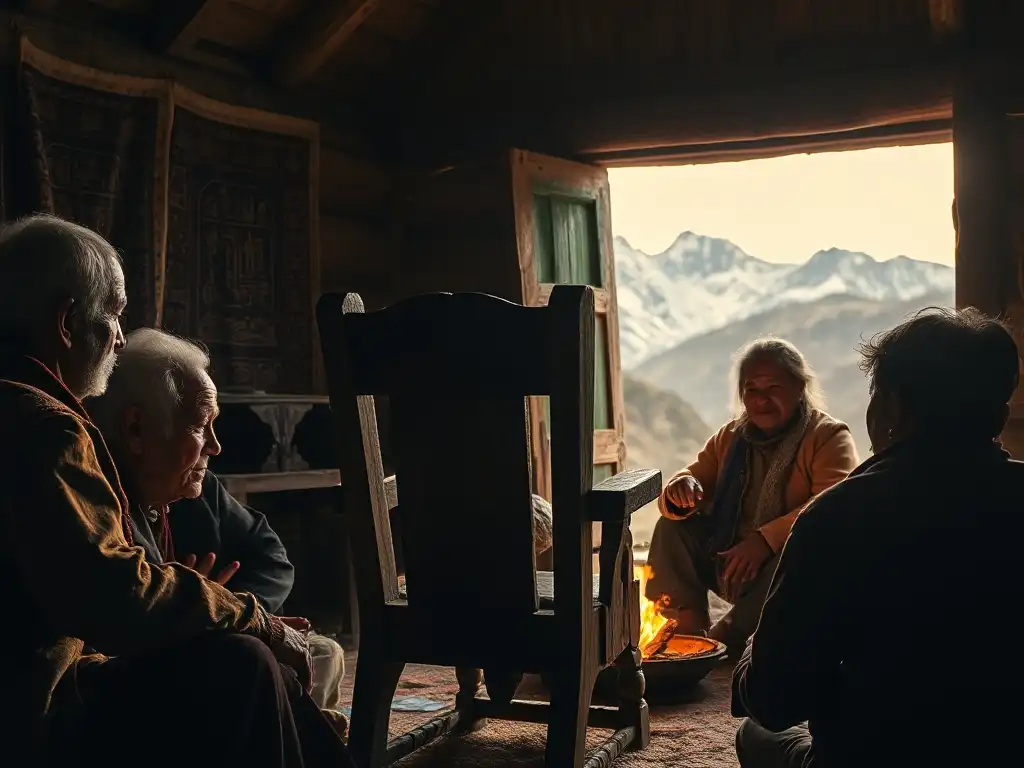
The endurance of Andean oral tradition is a testament to its inherent strength and the deep connection it fosters within Andean communities. Despite centuries of colonization and the imposition of foreign languages and cultural practices, these rich narratives, songs, and rituals have persisted, adapting and evolving while retaining their core essence. This resilience is not merely passive survival; it's an active process of cultural maintenance and transmission.
The stories themselves, often passed down through generations, act as living archives, preserving historical knowledge, social values, and spiritual beliefs. The very act of sharing these narratives reinforces community bonds and transmits cultural identity. We can see this reflected in the continued use of Quechua, Aymara, and other indigenous languages in storytelling, demonstrating a powerful link between language preservation and the vitality of oral tradition.
This living legacy is far more than mere folklore; it's a dynamic system of knowledge transfer, a cornerstone of Andean identity, and a vital component of their cultural heritage. Understanding this endurance requires appreciating the active role of Andean communities in safeguarding their tradition.
Revitalization Efforts and the Role of Indigenous Communities
Revitalization efforts focusing on Andean oral tradition are not imposed from the outside; they are largely driven by the indigenous communities themselves. These communities recognize the crucial role of oral tradition in maintaining their cultural identity and resisting assimilation. Many initiatives center around recording and archiving traditional stories, songs, and rituals.
This documentation, however, is not simply a passive recording of fading traditions; it's a conscious effort to preserve and disseminate these cultural treasures. Elderly storytellers, often the keepers of this invaluable knowledge, are actively involved in the process, ensuring the accuracy and authenticity of the recordings. Furthermore, many communities are actively engaging in the education of younger generations, teaching them the traditional stories and songs, thereby ensuring the continuity of the oral tradition.
This active participation is critical; it prevents the tradition from becoming a mere spectacle or museum piece, ensuring it remains a living, breathing part of Andean life. The success of these efforts hinges on community ownership and leadership, ensuring the preservation of the tradition’s authenticity and its continued relevance to contemporary Andean life. Data on the number of active projects, while difficult to compile comprehensively, indicates a significant and growing investment in these community-led initiatives across various Andean regions.
The Importance of Preserving Andean Languages
The preservation of Andean languages is inextricably linked to the survival of their rich oral traditions. Quechua, Aymara, and other indigenous languages are not merely vehicles for communication; they are integral components of the cultural fabric, carrying within their structure, grammar, and vocabulary the nuances and complexities of Andean worldviews. The stories, songs, and rituals are deeply embedded within these languages; translating them into other languages inevitably leads to a loss of meaning and cultural context.
The intricate metaphors, poetic devices, and subtle shifts in meaning that are inherent in the original languages are often lost in translation. For example, the nuances of kinship terms, the specific vocabulary related to Andean agriculture, and the rich metaphorical language used in traditional songs are difficult, if not impossible, to fully convey in languages that lack the same cultural background.
Therefore, preserving the languages is not merely a linguistic endeavor; it's a crucial step towards protecting the integrity and authenticity of Andean oral tradition. The loss of a language represents a profound loss of cultural heritage, significantly impacting the ability to understand and appreciate the depth and complexity of Andean oral traditions.
The Future of Andean Oral Storytelling in a Modern World
The future of Andean oral storytelling in the modern world is a complex issue, balancing the need for preservation with the realities of globalization and technological advancements. While the challenge of maintaining these traditions in the face of dominant global cultures is significant, there are reasons for optimism. The increasing awareness of the importance of cultural diversity and the growing recognition of the value of indigenous knowledge are creating a more supportive environment for preservation efforts.
The use of modern technology, such as audio and video recording, offers new opportunities for archiving and disseminating these stories to wider audiences. However, it’s crucial to ensure that technological advancements serve to strengthen, rather than replace, traditional methods of storytelling. The integration of technology should be carefully considered, ensuring it complements and enhances, rather than diminishes, the cultural significance of these narratives.
The key to a successful future lies in empowering Andean communities to control the narrative, ensuring their voices are heard and their traditions are respected and celebrated. This requires ongoing support, collaboration, and a commitment to understanding and respecting the unique cultural heritage of the Andean region. The future, therefore, depends on a delicate balance between embracing innovation and upholding tradition.
The Impact of Oral Tradition on Andean Culture
The vibrant tapestry of Andean culture, encompassing diverse groups like the Incas, Moche, Nazca, and Tiahuanaco, is profoundly shaped by its rich oral tradition. This isn't merely a historical footnote; it's a living, breathing force that continues to define Andean identity and worldview. For centuries, before the advent of widespread literacy, oral narratives served as the primary vehicle for preserving history, transmitting knowledge, and shaping social structures.
This legacy persists, influencing contemporary Andean life in significant ways, making the study of Andean oral tradition history crucial to understanding the region's complexity and resilience. The intricate relationship between spoken word and cultural formation is a key aspect of Andean heritage, one that deserves careful examination. Understanding this dynamic helps us appreciate the depth and continuity of Andean civilizations.
Oral Tradition and the Construction of Identity in Andean Communities
Andean oral tradition plays a pivotal role in constructing collective and individual identities within Andean communities. Stories, songs, and myths passed down through generations forge a strong sense of belonging and shared heritage. These narratives not only recount historical events but also establish social norms, moral values, and spiritual beliefs. For example, the stories surrounding specific mountain spirits or apus shape the relationship between communities and their environment, influencing agricultural practices and land management.
Similarly, origin myths, often involving powerful ancestors or deities, solidify a group's connection to a particular territory and its history. These aren't just abstract tales; they are living traditions, actively shaping social interactions and individual self-perception within the community. The constant retelling and adaptation of these narratives ensure their continued relevance and power in defining Andean identity across time. The impact is profound, weaving a strong sense of continuity and shared experience.
The strength of these narratives lies not only in their content but also in their performative aspect. The act of storytelling itself becomes a communal event, strengthening social bonds and reinforcing community values. The use of specific vocal techniques, gestures, and even costumes enhances the experience, further embedding the narratives within the cultural fabric. This active participation in the transmission of oral history is vital to understanding its enduring influence on Andean identity. The oral tradition doesn't simply inform identity; it actively creates it.
The Role of Oral Narratives in Cultural Transmission
Andean oral narratives serve as the cornerstone of cultural transmission, acting as a repository of knowledge spanning generations. This transmission isn't limited to historical accounts; it encompasses practical skills, agricultural techniques, medicinal practices, and even astronomical knowledge. For instance, intricate knowledge of Andean agriculture, including sophisticated irrigation systems and crop rotation techniques, has been passed down through generations via oral instruction and observation.
Similarly, traditional healing practices, incorporating the use of plants and rituals, are often learned through apprenticeship and the passing down of oral knowledge. The narratives act as mnemonic devices, helping to retain and transmit complex information. The loss of these oral traditions would represent a catastrophic loss of invaluable knowledge.
Furthermore, the songs and chants associated with many Andean rituals are crucial in preserving and transmitting cultural practices. These musical forms often encode important historical information, agricultural cycles, or religious beliefs, making them integral to the preservation of Andean cultural heritage. The combination of narrative and music makes the transmission process more effective and engaging, ensuring the continued relevance of these traditions. The importance of this method of cultural transmission cannot be overstated; it represents a vibrant and dynamic system of knowledge preservation.
How Andean Oral Tradition Informs Art and Music
Andean oral tradition is inextricably linked to the region's artistic and musical expressions. The themes, motifs, and narratives found in oral literature frequently inspire visual arts, textiles, and musical compositions. Many Andean textiles, for example, feature intricate designs that tell stories or depict scenes from mythology or historical events, reflecting the narratives woven into the cultural fabric. Similarly, Andean music, with its diverse styles and instruments, often directly incorporates elements of oral tradition, such as traditional songs, chants, and poetic forms. The melodies and lyrics often carry historical or mythological significance.
The relationship between oral tradition and artistic expression is symbiotic. Oral narratives provide inspiration for artistic creation, while the artistic works themselves serve to reinforce and disseminate the oral traditions. This dynamic interplay contributes to the richness and complexity of Andean artistic heritage, creating a powerful and enduring connection between tradition and creativity.
The study of Andean art and music provides invaluable insights into the enduring power of oral tradition and its influence on cultural production. This reciprocal relationship ensures the continued vitality of both oral tradition and artistic expression within Andean cultures. The result is a powerful and enduring cultural legacy.
Andean Oral Tradition: Case Studies
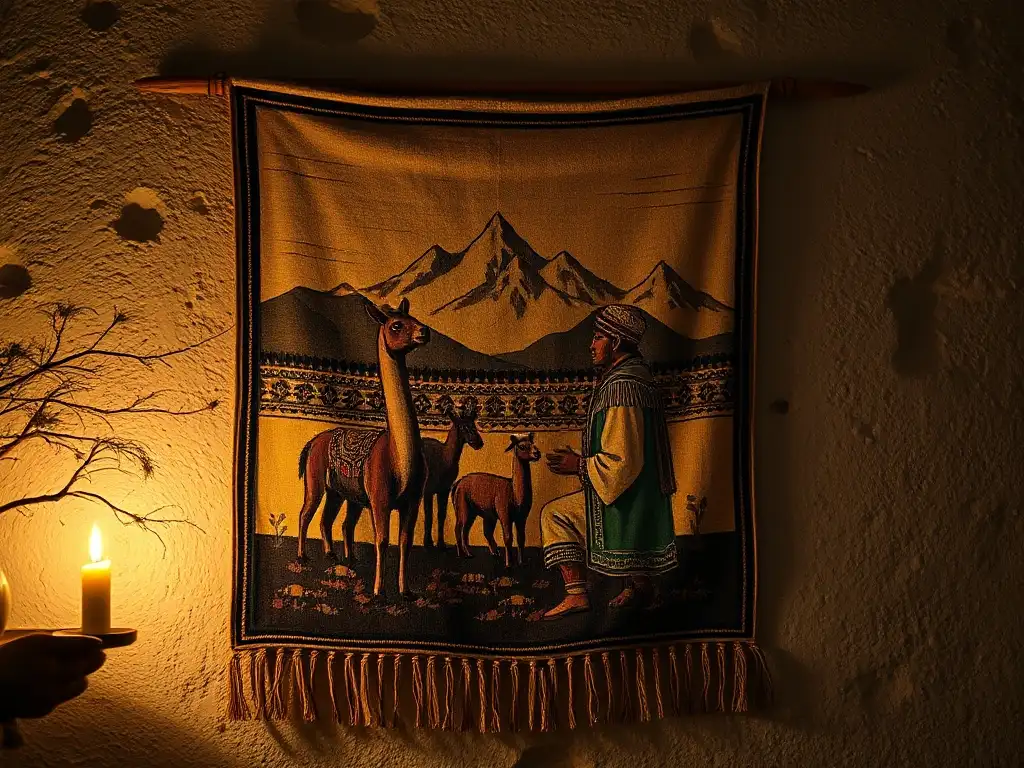
This section delves into specific examples of how Andean oral tradition has shaped and continues to shape Andean identity, offering a glimpse into the rich tapestry of stories, songs, and rituals that have been passed down through generations. The vitality of Andean oral tradition is undeniable, evidenced by its continued relevance and adaptation in contemporary society. Understanding these case studies allows us to appreciate the dynamism and enduring power of this crucial element of Andean heritage, directly impacting our understanding of "Andean oral tradition history."
The Myth of Inkarrí and its Regional Variations
The myth of Inkarrí, the legendary Inca emperor who will return to restore the Inca Empire, is a powerful example of how oral tradition has adapted and evolved across different Andean regions. While the core narrative remains consistent – a future return of a powerful leader to reclaim ancestral lands and restore order – the details vary significantly depending on the specific community and its unique historical experiences.
For instance, in some Quechua-speaking communities, Inkarrí is depicted as a benevolent figure, a saviour who will bring prosperity and justice. His arrival is often associated with specific celestial events or natural phenomena, reinforcing the close connection between the Andean worldview and the natural environment. These variations in the myth reflect the diverse experiences and perspectives of different Andean communities, highlighting the decentralization inherent in Andean oral tradition.
In other regions, the myth has been adapted to incorporate elements of colonial history and resistance. Inkarrí’s return is sometimes linked to the overthrow of oppressive forces, providing a powerful symbol of hope and resilience for communities struggling against social and economic inequalities. This dynamic adaptability demonstrates the enduring relevance of the myth, its capacity to reflect and respond to changing social contexts, solidifying its place in "Andean oral tradition history."
The variations in the Inkarrí myth are not merely anecdotal; they represent a complex interplay of historical memory, cultural identity, and ongoing social dynamics. Analyzing these variations reveals crucial insights into the ways in which oral tradition functions as a dynamic force, shaping and reshaping Andean identities across time and space. The enduring power of the myth underscores the importance of studying Andean oral tradition as a living, breathing entity, constantly evolving and adapting to new realities.
Oral History of the Q'ero Community and their Connection to the Apus
The Q'ero community, located high in the Andes mountains of Peru, provides a compelling example of a community where oral tradition remains central to daily life. Their intricate system of knowledge transmission relies heavily on storytelling, songs, and rituals, all passed down orally through generations. This oral history is not merely a collection of stories; it is a living, breathing entity that shapes their worldview, social structures, and relationship with their environment.
A crucial element of Q'ero oral tradition is their profound connection to the Apus, the sacred mountain spirits. Their stories recount the interactions between their ancestors and the Apus, detailing the reciprocal relationships of respect and responsibility. These narratives guide their agricultural practices, their social organization, and their spiritual beliefs. The Q'ero's deep-rooted connection to the Apus, as transmitted through oral tradition, exemplifies the holistic nature of Andean knowledge systems.
It showcases how oral tradition isn't just about preserving the past; it's a crucial tool for navigating the present and shaping the future. Their oral history is a testament to the enduring power of tradition in maintaining cultural identity and ecological sustainability. It also provides valuable insights into the broader context of "Andean oral tradition history."
The Inti Raymi Festival and its Oral Transmission
The Inti Raymi, the Inca festival of the sun, is a vibrant example of how oral tradition ensures the continuation of significant cultural events. While the grand spectacle of Inti Raymi, as celebrated today, incorporates elements of reconstruction and adaptation, its core elements – the rituals, songs, and dances – are rooted in centuries of oral transmission. The festival's survival testifies to the power of oral tradition in preserving cultural heritage across generations.
The songs and chants performed during Inti Raymi are not simply entertainment; they carry complex historical and mythological narratives. These narratives, transmitted orally from generation to generation, encapsulate the Inca worldview, their relationship with the sun god Inti, and their agricultural cycles. The dances, too, are rich in symbolism, communicating stories and traditions that would otherwise be lost.
The meticulous preservation of these oral components ensures the festival's continued relevance and its capacity to connect contemporary Andean communities to their rich ancestral past. The Inti Raymi serves as a powerful symbol of the vitality and enduring influence of "Andean oral tradition history," demonstrating the ability of oral traditions to transcend time and continue to shape cultural identity. The festival's ongoing evolution further illustrates the dynamism inherent in oral traditions, adapting to modern contexts while retaining its core elements.
The Challenges and Future of Andean Oral Heritage
The preservation of Andean oral tradition history faces significant hurdles in the 21st century. While the vibrant tapestry of narratives, songs, and rituals continues to enrich Andean communities, the very fabric of this heritage is threatened by a confluence of factors. Understanding these challenges is crucial to developing effective strategies for its long-term survival.
The intricate relationship between language, culture, and identity is paramount in this context. The loss of indigenous languages directly impacts the ability to transmit oral traditions, as the nuances, subtleties, and depth of meaning often get lost in translation. This isn't merely a linguistic issue; it's a cultural erosion.
Threats to Andean Oral Traditions: Language Loss and Cultural Appropriation
The decline of Quechua, Aymara, and other Andean languages poses a direct threat to the survival of their associated oral traditions. As younger generations increasingly adopt Spanish, the intricate body of knowledge embedded in these languages risks being lost forever. This isn't simply a matter of words; it's the loss of entire cultural frameworks, worldviews, and systems of knowledge passed down through generations. For example, the complex agricultural knowledge embedded in Quechua songs about planting cycles and weather patterns is irreplaceable. The loss of these songs means losing generations of accumulated wisdom and practical skills.
Furthermore, cultural appropriation presents another significant danger. The increasing commercialization of Andean culture, often without proper acknowledgment or compensation to the original communities, can lead to the distortion and trivialization of oral traditions. Stories and rituals are stripped of their original context and meaning, reduced to mere commodities for consumption by a global audience. This process not only undermines the cultural integrity of Andean communities but also denies them the agency and control over their own heritage. The commodification of traditional textiles, music, and ceremonies – without the involvement or benefit of the creators – exemplifies this devastating trend.
Strategies for Safeguarding and Promoting Andean Oral Heritage
Addressing these threats requires a multifaceted approach. Active language revitalization programs are crucial, focusing on education initiatives within communities and the development of resources to support language learning among younger generations. These programs must go beyond simple vocabulary lessons, embracing the rich cultural context in which the languages are embedded. The integration of oral traditions into formal and informal education systems is essential, ensuring that the next generation appreciates and understands the value of their heritage.
Moreover, empowering Andean communities to control and benefit from the commercialization of their cultural heritage is vital. This involves developing sustainable economic models that allow communities to actively participate in the tourism and cultural industries, ensuring that they receive fair compensation for the use of their intellectual property and cultural knowledge. This necessitates supporting indigenous-led initiatives, providing access to resources and training, and promoting ethical and respectful engagement with Andean culture.
The creation of digital archives and databases, properly curated and accessible, also plays a crucial role in documenting and preserving these valuable traditions. This ensures that even if a language is endangered, the stories, songs, and knowledge can still be accessed and studied.
The Intergenerational Transmission of Andean Wisdom
The transmission of Andean oral tradition history across generations is a dynamic and complex process, far from a simple transfer of information. It's a living, evolving dialogue, adapting and changing while maintaining its core essence. This transmission isn't solely a matter of elders recounting stories to children; it involves active participation, interpretation, and re-creation.
Grandmothers weaving traditional textiles while sharing ancestral tales with their granddaughters, or musicians teaching their intricate rhythms to apprentices, are powerful examples of this dynamic process. These traditions are not static; they are constantly reshaped and revitalized by each generation, reflecting their unique experiences and perspectives.
The role of storytelling in this intergenerational transmission cannot be overstated. Stories are not simply narratives; they are carriers of cultural values, ethical codes, historical memories, and practical knowledge. They serve as a powerful tool for education, socialization, and social cohesion. Through storytelling, children learn about their ancestors, their history, and their place within the broader community.
This transmission is often embedded in daily life, integrated into rituals, ceremonies, and social gatherings. The continuity of these traditions relies on the active participation of each generation in this ongoing conversation with the past. The loss of this organic, interactive transmission represents a significant loss for future generations. Protecting this vital link between past and present is crucial for the survival and flourishing of Andean cultural identity.
Conclusion: The Enduring Power of Andean Oral Tradition
The study of Andean oral tradition history reveals a vibrant tapestry woven from centuries of storytelling, song, and ritual. It's not merely a historical record; it's a living, breathing entity that continues to shape Andean identities and cultural practices today. Understanding this tradition is crucial to comprehending the complexities of Andean societies, past and present. The narratives passed down through generations offer invaluable insights into social structures, belief systems, and the relationship between humans and their environment.
From the epic tales of the Incas to the intricate myths of the Nazca, each story holds a piece of the puzzle, contributing to a richer and more nuanced understanding of Andean heritage. The enduring power of this oral tradition lies in its ability to connect the past with the present, fostering a sense of continuity and belonging amongst Andean communities. This rich legacy deserves continued exploration and preservation for future generations.
Recap of the Significance of Andean Oral Tradition
Andean oral tradition history isn't simply a collection of stories; it's a dynamic system of knowledge transmission. It's a vital tool for maintaining cultural identity in the face of colonialism and globalization. Consider, for example, the Quechua language: its survival is intrinsically linked to the continued practice of oral storytelling and song.
These practices aren't static; they adapt and evolve, reflecting the changing circumstances of Andean communities. The narratives themselves often contain valuable ecological knowledge, passed down through generations of farmers and herders. This knowledge, often encoded in metaphorical language and ritual, is crucial for sustainable resource management in challenging Andean environments.
The significance of Andean oral tradition, therefore, extends beyond mere entertainment; it's a cornerstone of Andean cultural survival and resilience. Its preservation is not just a historical imperative, but a vital act of cultural safeguarding. The continued vitality of Andean oral tradition speaks to its inherent strength and the enduring connection between Andean communities and their rich past.
The Importance of Continued Research and Support
Continued research into Andean oral tradition is paramount. While significant strides have been made in documenting these narratives, much work remains. Many traditions are still undocumented, threatened by factors such as language loss and the encroachment of dominant cultures. Systematic efforts are needed to record and archive these stories before they are lost forever.
This includes providing resources and support to indigenous communities involved in preserving their oral histories. Funding for research projects, translation initiatives, and educational programs focused on Andean oral tradition is crucial. Furthermore, fostering collaboration between researchers, community members, and policymakers is essential to ensure the sustainable preservation of this invaluable cultural heritage.
This collaborative approach respects the ownership of these traditions by the communities themselves, empowering them to actively participate in their preservation and dissemination. The future of Andean oral tradition depends on our collective commitment to its study and support. This requires a concerted effort to address the challenges it faces and to ensure its continued vitality for generations to come.
Celebrating the Richness of Andean Heritage
The richness of Andean heritage is inextricably linked to its oral traditions. These traditions are not relics of the past; they are vibrant, living expressions of Andean culture. Celebrating this heritage requires more than just acknowledging its existence; it demands active engagement and appreciation. This includes supporting initiatives that promote the learning and teaching of Quechua and other Andean languages, the languages in which these oral traditions are primarily expressed.
It also involves promoting access to these narratives through translations, publications, and educational programs. By actively engaging with Andean oral traditions, we can foster a deeper understanding and appreciation of Andean cultures and their enduring contributions to human civilization. Celebrating this richness means recognizing the immense value of these traditions not only for Andean communities but also for the global community.
It's a celebration of resilience, creativity, and the power of storytelling to connect people across time and space. The vibrant tapestry of Andean oral tradition deserves to be celebrated, preserved, and shared with the world. Let's ensure that the voices of the Andes continue to resonate for generations to come.
Frequently Asked Questions
What role did oral tradition play in Andean societies?
Oral tradition was central to Andean life, transmitting history, beliefs, and knowledge across generations before the arrival of writing systems. It shaped their identity and worldview.
How was information preserved through oral tradition?
Information was passed down through storytelling, songs, poems, and rituals. Specialized individuals, like quipu keepers, played a vital role in memorizing and disseminating crucial data.
Are there any examples of Andean oral traditions that survive today?
Yes, many indigenous communities continue to utilize oral tradition. Narratives, songs, and ceremonies reflecting ancient practices are still practiced and passed down, though often adapted to modern times.
How did oral tradition influence Andean art and architecture?
Oral traditions profoundly influenced Andean art and architecture. Myths, legends, and historical accounts were often represented visually in textiles, ceramics, and monumental structures.
How reliable is information passed down through Andean oral tradition?
While not always perfectly preserved, Andean oral traditions provide valuable insights into the past. By comparing multiple accounts and analyzing their context, historians can reconstruct a relatively accurate picture of Andean history and culture.
Final Reflection: Echoes of the Andes: A Legacy in Words
The enduring power of Andean oral tradition resonates deeply in today's world, a vibrant testament to the resilience of culture and the strength of community. While modern technology bombards us with information, the stories, songs, and knowledge passed down through generations in the Andes remain a vital source of identity and cultural continuity, proving that the past is not merely a relic, but a living force shaping the present. These narratives are not simply historical accounts; they are the very bedrock upon which Andean societies are built.
The impact of oral tradition extends far beyond the preservation of historical events; it shapes worldview, social structures, and even ecological understanding. It fosters a profound connection to the land and ancestors, a sense of belonging that transcends individual lives. The past is never dead. It's not even past,
wrote William Faulkner, and this rings profoundly true when considering the enduring influence of Andean oral traditions. These stories, passed from generation to generation, continue to inform contemporary Andean identities, shaping their perspectives on everything from environmental stewardship to political activism. The narratives are not static; they evolve, adapt, and reflect the ongoing experiences of the Andean people, demonstrating the dynamic nature of cultural preservation.
Consider the power of these stories, the weight of history carried in each whispered word, each sung verse. You, the reader, now hold a piece of that legacy. Reflect on the stories that shape your own identity, the narratives that have been passed down in your family or community.
How do these narratives influence your understanding of the world? What stories will you carry forward, ensuring that the echoes of your own heritage continue to resonate for generations to come? Let us all strive to be keepers of these vital threads of human experience, ensuring that the voices of the past continue to inform and inspire the future.
Embrace Your Andean Heritage Today!
Thank you for exploring the vibrant tapestry of Andean identity with us, shaped by its rich oral traditions. We hope you've discovered the profound impact these stories have on the culture's heritage. Now, it's time to actively engage with and celebrate this legacy!
Here are some ways to deepen your connection to your Andean heritage:
- Explore local oral traditions: Seek out workshops or community events that celebrate Andean storytelling. Immerse yourself in the experience—listen, participate, and learn!
- Share your journey: Use social media to share a story or tradition from your Andean heritage. Invite friends and family to connect with their roots as well!
- Make a contribution: Consider volunteering with organizations that preserve Andean culture, or supporting local artisans who keep these traditions alive. Your support makes a real difference.
What story from your family or community best embodies the spirit of your Andean heritage? Share your thoughts in the comments below!