
Aymara Festivals and Celebrations: Vibrant Displays of Cultural Heritage

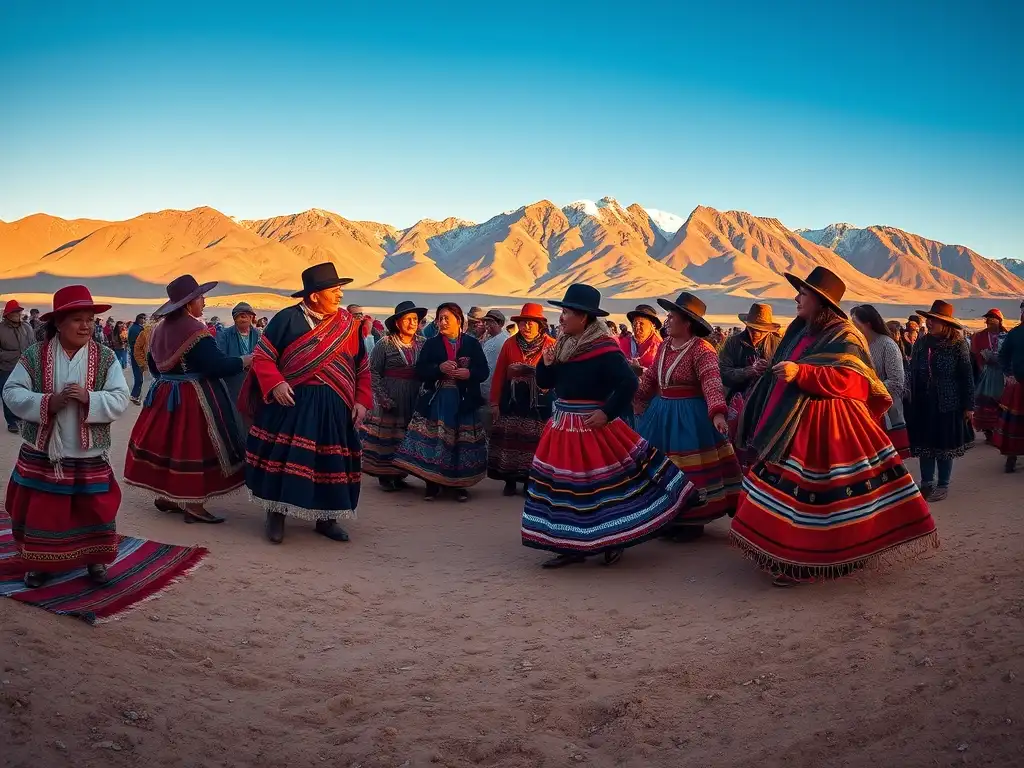
Uncover the vibrant tapestry of Andean heritage! Journey with us into a world of breathtaking artistry, ingenious engineering, and captivating rituals. Did you know that the Aymara people maintain incredibly rich festival traditions? Prepare to be amazed as we delve into the heart of their celebrations, revealing the secrets behind their enduring cultural legacy. Discover the mesmerizing world of Aymara festival traditions and unlock the mysteries of these ancient Andean civilizations.
The Aymara people, inhabiting the Andean highlands of Bolivia, Peru, and Chile, possess a rich tapestry of cultural traditions deeply interwoven with their vibrant festivals and celebrations. These events aren't merely occasions for merriment; they are powerful expressions of their enduring spiritual beliefs, agricultural cycles, and social structures.
Understanding Aymara festival traditions provides a crucial window into the heart of this ancient and resilient culture, revealing the intricate connection between their worldview and their daily lives. This article delves into the significance and diversity of these celebrations, exploring their unique characteristics and the enduring legacy they represent for the Aymara community and their cultural heritage.
We will examine key festivals, highlighting their rituals, symbolism, and the role they play in maintaining Aymara identity in the modern world. Prepare to be captivated by the colorful spectacle and profound meaning behind these remarkable events, a testament to the enduring strength of Aymara culture.
Key Aymara Festivals and Their Significance
Aymara festivals are often tied to the agricultural calendar and the Andean cosmology, reflecting a profound respect for nature's rhythms and the interconnectedness of the community with the spiritual world. Many celebrations involve intricate rituals, music, dance, and traditional costumes, creating a powerful and visually stunning experience. For example, the Alasita festival, celebrated annually on January 24th, is a vibrant display of miniature representations of desired possessions – houses, cars, money – symbolizing hopes and aspirations for the coming year.
This isn't just a playful tradition; it represents a deep-seated desire for prosperity and reflects the Aymara belief in the power of symbolic representation. The festival is filled with bustling markets, lively music, and a palpable sense of community.
Another important festival, often celebrated with equal fervor, is the Fiesta de la Virgen de Copacabana. This religious celebration, although intertwined with Catholicism, retains strong indigenous elements, blending Aymara traditions with the Catholic faith in a unique and fascinating syncretism. The festival involves processions, offerings, and traditional dances, showcasing the adaptive capacity of Aymara culture in integrating external influences while retaining its core identity.
The specific rituals and practices can vary depending on the community and location, demonstrating the rich diversity within Aymara culture itself. More research is needed to fully document the variations in celebration across different Aymara communities. [Specific information pending on regional variations of Fiesta de la Virgen de Copacabana].
The Role of Music and Dance in Aymara Festivals
Music and dance are integral to Aymara festivals, serving not only as entertainment but also as powerful mediums for storytelling, spiritual expression, and social cohesion. Traditional instruments like the siku (panpipes) and tarka (vertical flute) create haunting melodies that evoke the vast Andean landscape and its spiritual significance. The dances, often elaborate and highly stylized, tell stories of ancient myths, legends, and historical events, passing down cultural knowledge through generations.
The movements, costumes, and accompanying songs are rich in symbolism, conveying complex meanings about the Aymara relationship with their land, ancestors, and deities. These performances aren't simply entertainment; they are active participants in the maintenance and transmission of Aymara cultural heritage. Observing these performances offers a profound understanding of the depth and complexity of their cultural narratives.
Furthermore, participation in these dances and musical performances fosters a strong sense of community and shared identity. It is a collective act that reinforces social bonds and strengthens the cultural fabric of Aymara society. The rhythmic movements and shared experience create a powerful sense of unity and belonging, ensuring that these traditions are not only preserved but also actively celebrated and renewed within each generation. The energy and enthusiasm displayed by participants are truly infectious, leaving a lasting impression on any observer.
The Enduring Legacy of Aymara Festival Traditions
Despite facing challenges of globalization and modernization, Aymara festival traditions remain a vital part of their cultural identity. These celebrations serve as powerful reminders of their history, beliefs, and resilience. They are a testament to the enduring strength of Aymara culture and its ability to adapt and thrive while preserving its unique heritage.
The continued celebration of these festivals ensures that the rich cultural legacy of the Aymara people is not only preserved but actively revitalized and passed on to future generations. These events are a powerful symbol of cultural resistance and a testament to the vitality of Aymara traditions in the face of ongoing societal pressures.
The vibrant colors, captivating music, and powerful narratives embedded in these festivals offer a glimpse into a captivating and resilient culture, deserving of greater recognition and appreciation. The preservation of these traditions is crucial for maintaining cultural diversity and celebrating the unique contributions of the Aymara people to the world.
The continued study and documentation of Aymara festival traditions are therefore essential for understanding the complexities of Andean cultural heritage and ensuring its preservation for future generations. Further research should focus on documenting the diverse regional variations and the evolving nature of these celebrations in the face of contemporary challenges. The preservation of these vibrant traditions is crucial for the continued flourishing of Aymara culture and identity.
- Key Aymara Festivals and Their Significance
- The Role of Music and Dance in Aymara Festivals
- The Enduring Legacy of Aymara Festival Traditions
Understanding Aymara Cultural Celebrations
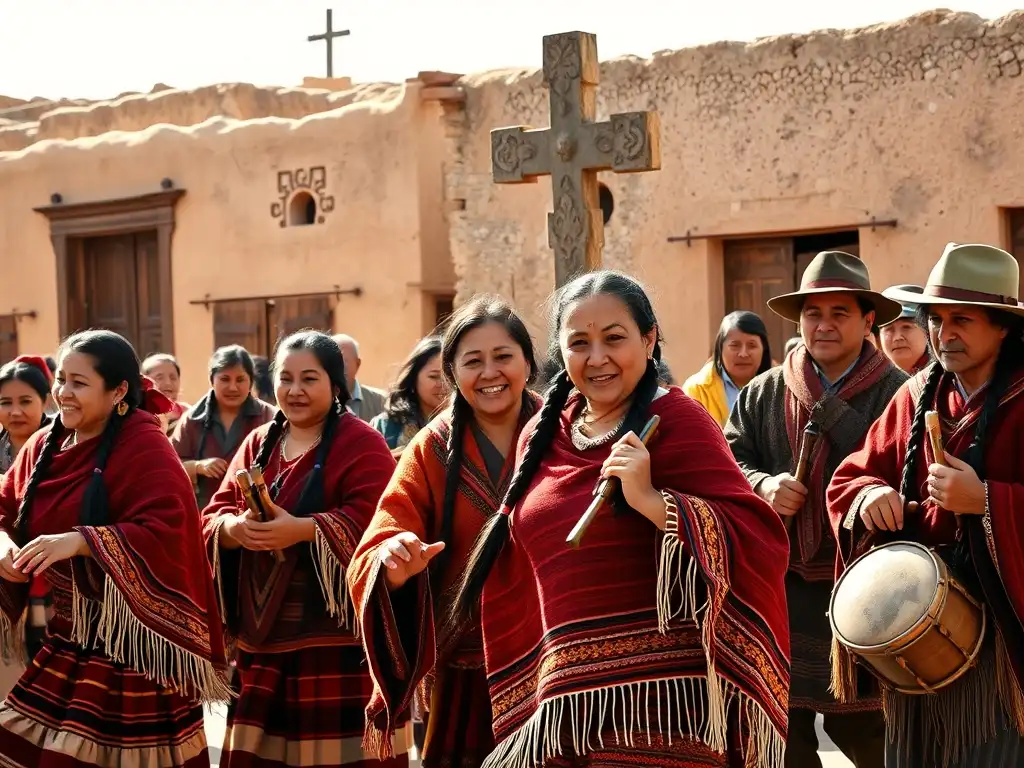
The Aymara people, inhabiting the Andean highlands of Bolivia, Peru, and Chile, possess a rich tapestry of vibrant festivals and celebrations. These events are not merely occasions for merrymaking, but deeply rooted expressions of their unique worldview, history, and connection to the land. Understanding Aymara festival traditions requires appreciating their intricate relationship with their ancestral past and the enduring power of their spiritual beliefs. The preservation of these traditions is crucial for maintaining their cultural identity in a rapidly changing world.
The continued practice of these festivals highlights the resilience and adaptability of Aymara culture, demonstrating its ability to integrate modern influences while safeguarding its core values. Analyzing these celebrations offers a window into the complex social structures and belief systems of this fascinating Andean community. Moreover, studying Aymara festival traditions provides valuable insights into the broader context of Andean cultural heritage and its remarkable continuity across centuries.
The Significance of Aymara Rituals and Festivities
Aymara rituals and festivities are imbued with profound spiritual significance. They are not simply social gatherings but rather opportunities to reaffirm their connection to the Pachamama (Mother Earth) and the Apus (mountain spirits). Many celebrations revolve around the agricultural cycle, reflecting the deep dependence of the Aymara way of life on the land. For example, the Fiesta de la Cosecha (Harvest Festival) is a time of thanksgiving for a bountiful harvest, marked by offerings to the Pachamama and communal feasts.
Other festivals commemorate important historical events or honor specific deities. These events often involve elaborate costumes, traditional music and dance, and the use of symbolic objects reflecting their cosmology. The meticulous preparation and execution of these rituals underscore their importance in maintaining social cohesion and transmitting cultural knowledge across generations.
The precise details of each ritual can vary across different Aymara communities, reflecting regional variations in their beliefs and practices. However, the underlying themes of respect for nature, community solidarity, and spiritual connection remain constant. The continuity of these traditions, even in the face of modernization, speaks volumes about their enduring relevance in Aymara life.
Aymara Cosmovision and its Influence on Celebrations
The Aymara cosmovision, a unique worldview that integrates the physical and spiritual realms, profoundly influences their celebrations. Their understanding of the universe is structured around a hierarchical system, with the Pachamama at the base, followed by the Apus, and then the celestial bodies. This interconnectedness is reflected in their rituals, where offerings and prayers are directed to various spiritual entities to ensure balance and harmony in the cosmos. For instance, the Awatiñas (shamanistic healers) play a crucial role in many festivals, mediating between the human and spiritual worlds.
Their knowledge of traditional medicine and rituals is essential for maintaining the well-being of the community and ensuring the success of agricultural cycles. The use of specific colors, symbols, and offerings in Aymara festivals reflects their complex understanding of the relationship between the human world and the supernatural. These symbolic elements are not arbitrary but rather carry deep meaning, conveying messages of respect, gratitude, and a desire for continued prosperity.
Further research into the specific symbolism employed in various Aymara festivals could reveal even more nuanced aspects of their rich spiritual heritage. The study of Aymara festival traditions thus offers a unique lens through which to understand their intricate cosmology and its enduring influence on their daily lives. Analyzing these celebrations provides a deeper understanding of "Aymara festival traditions."
Key Aymara Festival Traditions
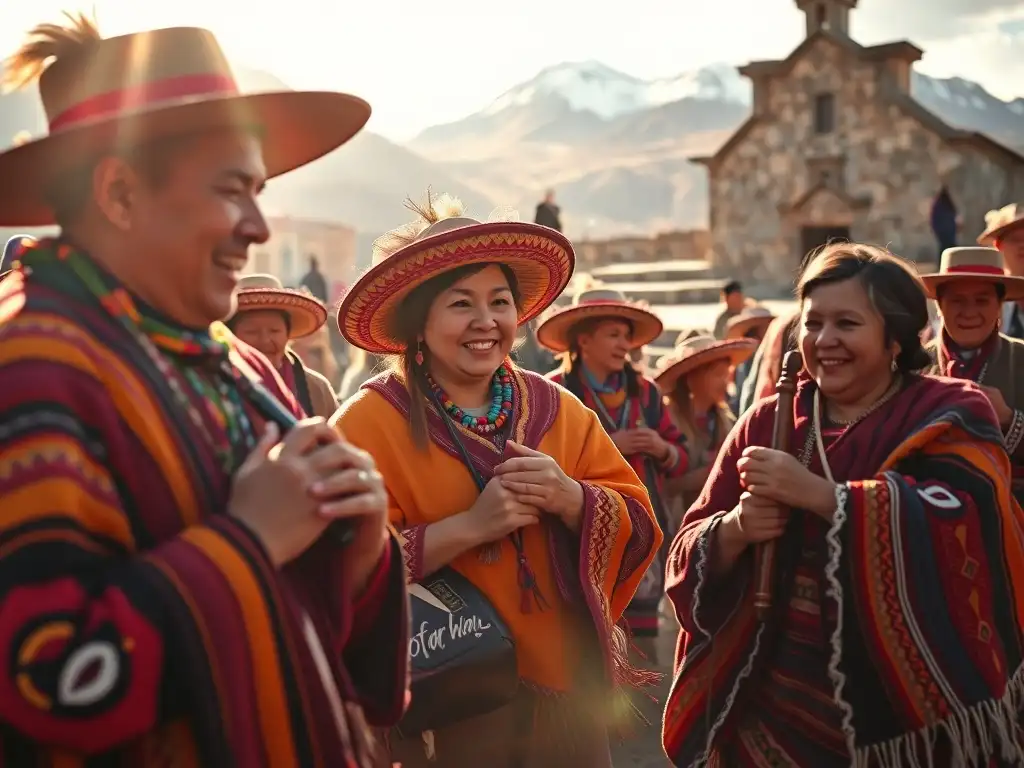
The Aymara people, inhabiting the Andean highlands of Bolivia, Peru, and Chile, maintain a vibrant tapestry of cultural traditions, intricately woven with their deep-rooted connection to the land and their ancestral spirits. Their festivals and celebrations, a testament to their enduring heritage, offer captivating insights into their worldview and social structures. Understanding these Aymara festival traditions is crucial to appreciating the richness and complexity of their cultural heritage.
These traditions are often deeply spiritual, connecting the community with the natural world and their ancestors. The continuity of these practices underscores the Aymara people's resilience and their commitment to preserving their identity in the face of historical and contemporary challenges. Many aspects of these festivals are deeply symbolic, echoing themes of renewal, abundance, and the enduring spirit of the community.
The Anata: A Celebration of Harvest and Renewal
The Anata festival, also known as Anata Andina, is a significant agricultural celebration marking the harvest season and the renewal of life. It's a time of thanksgiving to Pachamama, the Earth Mother, for the bounty provided. The festival's timing varies slightly depending on the specific Aymara community and the agricultural cycle, usually falling sometime between January and March.
Anata is far more than a simple harvest festival; it is a powerful expression of Aymara cosmology and their intimate relationship with their environment. The festivities blend ancient rituals with contemporary expressions, showcasing the dynamic nature of their cultural heritage. The vibrant colors, music, and dance are integral to the Anata experience, creating a truly immersive cultural event.
Honoring Pachamama during the Anata Festival
Central to the Anata festival is the veneration of Pachamama. Offerings of food, coca leaves, and chicha (a traditional fermented corn beverage) are presented to the Earth Mother as a sign of gratitude and respect. These offerings are often placed on specially prepared altars, or directly into the earth. The act of offering is not merely a symbolic gesture; it's a deeply spiritual act that reinforces the Aymara people's connection to the land and their dependence on its fertility.
The belief is that Pachamama reciprocates the offerings with abundant harvests and overall well-being for the community. This reciprocal relationship is fundamental to the Aymara worldview and informs many aspects of their daily life. The intensity and sincerity with which these offerings are made are a powerful testament to the strength of their beliefs.
Traditional Music and Dance in Anata Celebrations
The Anata festival is characterized by lively music and dance performances. Traditional instruments such as the zampoña (panpipes), tarka (vertical flute), and charango (a small Andean lute) create a vibrant soundscape that accompanies the rhythmic movements of the dancers. The dances often depict stories from Aymara mythology, recounting tales of heroes, spirits, and the cyclical nature of life and death. These performances are not merely entertainment; they are a crucial component of the festival, serving to transmit cultural knowledge and values across generations.
The intricate steps and costumes are carefully preserved and passed down, ensuring the continuity of these traditions. The energy and passion displayed by the dancers are infectious, drawing participants and observers into the heart of the Aymara culture. The music itself is often improvisational, reflecting the spontaneous and joyful nature of the festival.
Wilancha: Animal Sacrifice and its Symbolic Meaning
Wilancha refers to the ritual sacrifice of animals, predominantly llamas and alpacas, a practice deeply embedded in Aymara spiritual beliefs. This is not an act of cruelty, but rather a sacred offering intended to appease deities, express gratitude, or request blessings for various aspects of life, from successful harvests to the health of the community. The choice of animal is often significant, and the ritual itself is meticulously performed, following established procedures that have been passed down through generations.
The symbolism of the sacrifice is rich and complex, going beyond a simple exchange of goods. It is a communion between the human and the spiritual world.
The Purpose of Animal Offerings in Aymara Culture
The purpose of Wilancha extends beyond simple appeasement. It is a deeply symbolic act representing the interconnectedness of the human and spiritual realms. The animal's life is seen as a gift to the deities, a gesture of respect and gratitude for their blessings. The sacrifice is also believed to purify the community, removing negativity and ensuring the continued flow of positive energy.
In some instances, Wilancha is performed to request healing or protection from harm. The act itself is a communal one, often involving the participation of various community members. This shared experience strengthens social bonds and reinforces the collective identity of the Aymara people. The consumption of the sacrificed animal after the ritual is also a meaningful act, representing the sharing of the blessing with the community.
The Ritual Process of Wilancha
The Wilancha ritual is carefully orchestrated. It begins with the selection of the animal, which is often chosen based on its health and physical characteristics. The animal is then prepared, often adorned with coca leaves and other symbolic items. The sacrifice is performed by a designated ritual leader, typically a yatiri (shaman) or a respected elder within the community.
Prayers and incantations are recited throughout the process, accompanied by traditional music. After the sacrifice, the animal's body is carefully processed, with specific parts being distributed amongst the community members. The meticulous nature of the ritual underscores its significance and the deep respect held for the animal and the spiritual forces involved. The entire process is a solemn yet profound event, reflecting the Aymara people's deep connection to their spiritual beliefs.
Alasitas Fair: Miniature Dreams and Aspirations
The Alasitas Fair, held annually in La Paz, Bolivia, is a vibrant and unique celebration deeply rooted in Aymara traditions. This fascinating festival, also known as the "Fair of Miniatures," sees thousands of people flocking to buy tiny replicas of houses, cars, money, and other objects. These aren't mere toys; they're imbued with profound symbolic meaning, representing aspirations and hopes for the coming year.
The bustling atmosphere, filled with the sounds of bargaining and laughter, creates an electric energy that encapsulates the spirit of the Aymara people's enduring hope and optimism. Vendors, many of whom are Aymara themselves, proudly display their meticulously crafted miniatures, each carrying its own story and significance. It's a sensory feast, a captivating blend of vibrant colors, enticing aromas from street food stalls, and the infectious rhythm of traditional Andean music.
The sheer scale of the fair, transforming a large section of La Paz into a vibrant marketplace, is a testament to the importance of this festival in Aymara culture. The experience is far more than just a shopping event; it's a deeply spiritual practice, a tangible manifestation of Aymara beliefs and values.
The Origins of the Alasitas Festival
The exact origins of the Alasitas Festival are shrouded in some mystery, with various interpretations and legends surrounding its beginnings. However, it's widely believed to have deep roots in pre-Columbian Andean traditions, with influences from both Aymara and Inca cultures. Some scholars trace its origins to ancient Andean rituals involving miniature offerings to deities and spirits.
The festival's name itself, "Alasitas," is believed to derive from the Aymara phrase "ala-sitas," meaning "buy me." This highlights the central act of purchasing miniature representations of desired possessions, not just for their material value, but for the symbolic power they hold.
The festival's evolution over centuries has seen a fascinating blend of indigenous beliefs and Catholic influences, resulting in a unique syncretic tradition that continues to thrive today. The enduring popularity of the Alasitas Fair is a powerful testament to its enduring relevance within the Aymara community and its ability to adapt and evolve whilst retaining its core cultural significance.
The Symbolic Importance of Miniatures
The heart of the Alasitas Fair lies in the symbolic power attributed to its miniature objects. These aren't simply playthings; they are believed to bring good fortune and prosperity to their owners. Purchasing a miniature house, for example, is seen as a way of manifesting the desire for a new home or improvements to one's existing dwelling.
Similarly, buying miniature money is believed to attract wealth and abundance in the coming year. The act of purchasing these miniatures is a ritualistic expression of hope and ambition, a tangible way of bringing one's dreams into the realm of possibility. The level of detail and craftsmanship in these miniatures further enhances their symbolic value, demonstrating the dedication and skill of the artisans who create them.
The careful selection of a miniature, and the subsequent blessing of the object, is a deeply personal and meaningful act, strengthening the connection between the individual and their aspirations. The entire process underscores the Aymara belief in the power of intention and the spiritual significance of material objects.
Ch'alla: Ritual Offerings and Blessings
Ch'alla, a cornerstone of Aymara spiritual practices, is a ceremony involving the offering of coca leaves, alcohol, and other items to the Pachamama (Mother Earth) and other deities. This ritual is not merely a symbolic gesture; it's a profound act of respect, gratitude, and a plea for blessings and protection. The act of offering is a deeply spiritual experience, connecting the individual to the natural world and the spiritual realm.
The vibrant colors of the coca leaves, the intoxicating aroma of the alcohol, and the heartfelt prayers create a powerful atmosphere of reverence and connection. Ch'alla ceremonies are performed on various occasions, ranging from daily rituals to major festivals and significant life events.
The frequency and scale of the ceremony can vary, but the underlying principles of respect, gratitude, and appeasement remain constant. The act of sharing the offerings with others strengthens the communal bonds within the Aymara community, reinforcing their shared spiritual beliefs and practices.
The Significance of Ch'alla in Daily Life
Ch'alla isn't confined to special occasions; it's woven into the fabric of daily life for many Aymara people. A small offering of coca leaves might be made before starting a day's work, seeking blessings for a successful and safe day. Similarly, a small amount of alcohol might be poured onto the ground as a gesture of thanks for a successful harvest or a safe journey.
These seemingly small acts are significant expressions of gratitude and a continuous acknowledgment of the spiritual forces that govern daily life. It's a constant dialogue between the human world and the spiritual realm, a way of maintaining harmony and balance.
This consistent practice highlights the deep-seated spiritual beliefs that permeate the lives of many Aymara individuals, shaping their daily routines and interactions with the world around them. The regular performance of Ch'alla reinforces the importance of maintaining a harmonious relationship with nature and the spiritual world.
Materials Used in Ch'alla Ceremonies
The materials used in Ch'alla ceremonies are carefully selected and hold significant symbolic meaning. Coca leaves, a sacred plant in Andean cultures, are central to the ritual. Their vibrant green color represents life, growth, and renewal.
Alcohol, typically chicha (a fermented corn beverage) or singani (a grape brandy), is also an essential element, symbolizing the offering of something precious and valuable. Incense, often made from local plants, adds another layer of sensory experience, creating a fragrant atmosphere conducive to prayer and meditation. Other items may include sweets, cigarettes, and small figurines, depending on the specific context and purpose of the ceremony.
The careful selection and preparation of these materials demonstrate the reverence and respect given to the ritual. Each element plays a specific role in the ceremony, contributing to its overall effectiveness and symbolic significance. The use of locally sourced materials also reinforces the connection between the Aymara people and their environment.
Aymara Festival Traditions: Preserving Cultural Heritage
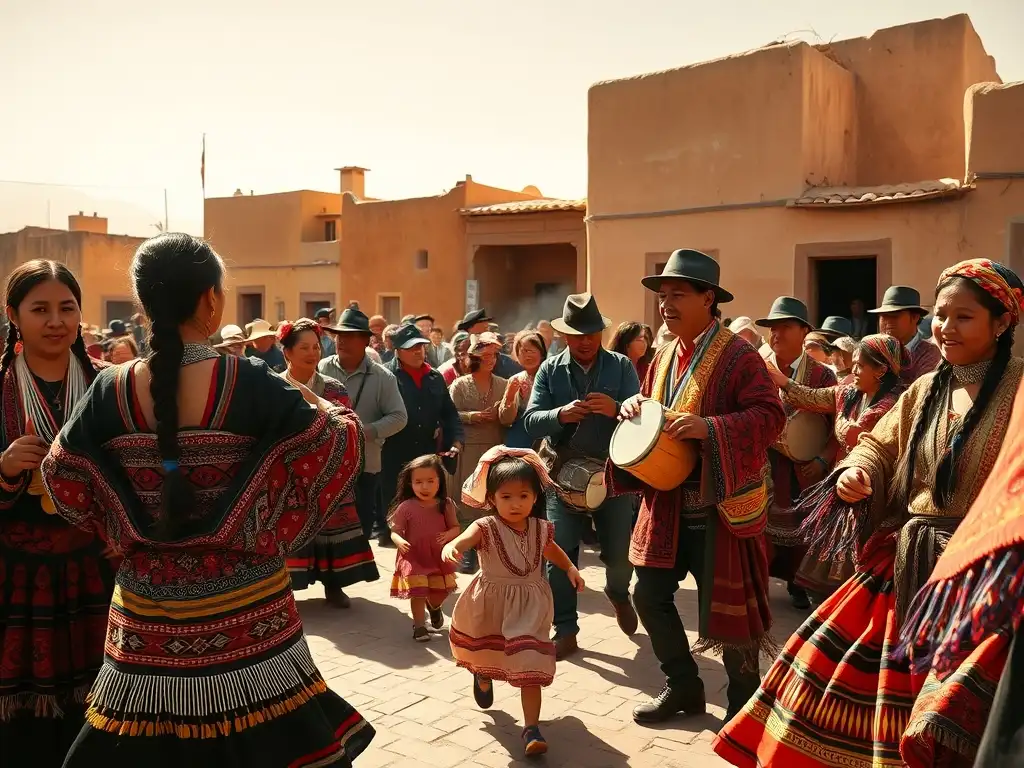
The Aymara people, inhabiting the Altiplano region of the Andes Mountains, possess a rich tapestry of traditions deeply interwoven with their vibrant festivals. These celebrations, far from being mere spectacles, serve as crucial mechanisms for preserving their unique cultural heritage, transmitting knowledge across generations, and fostering a strong sense of community. Understanding Aymara festival traditions offers a profound insight into their worldview, social structures, and enduring resilience in the face of societal changes.
The enduring power of these celebrations lies in their ability to connect the past with the present, shaping the identity of the Aymara people for generations to come. This section delves into the multifaceted aspects of these traditions, exploring their evolution, challenges, and ongoing efforts for preservation.
The Transmission of Aymara Customs to Future Generations
The continuity of Aymara festival traditions relies heavily on intergenerational transmission. Knowledge isn't simply passed down; it's actively lived and re-enacted. Elderly members of the community play a pivotal role, acting as custodians of ancestral wisdom.
They meticulously guide younger generations in the intricate details of each ritual, from preparing traditional offerings to mastering the complex steps of ceremonial dances. This process often involves hands-on learning, where younger Aymara learn through observation and participation. For example, the preparation of challa, a sacred offering made of coca leaves, alcohol, and other items, is a carefully orchestrated process passed down through generations, symbolizing respect for the apus (mountain spirits).
The use of storytelling also plays a critical role. Myths, legends, and historical accounts related to specific festivals are orally transmitted, imbuing these events with deeper meaning and significance. This oral tradition helps maintain a strong connection to the past, reinforcing the importance of preserving these cultural practices.
These narratives, often embellished with vibrant descriptions and dramatic flair, are not merely entertaining; they are instructional, conveying important moral lessons and societal values. The younger generation actively engages in these storytelling sessions, ensuring the longevity of Aymara history and cultural identity. Furthermore, the vibrant costumes, music, and dances themselves serve as visual and auditory reminders of Aymara heritage, creating a powerful sensory experience that reinforces cultural memory.
The Impact of Modernity on Aymara Festivals
Modernity presents both opportunities and challenges to the preservation of Aymara festival traditions. While globalization has opened up new avenues for cultural exchange and tourism, it also poses a threat to the authenticity and integrity of these practices. The influx of outside influences can lead to the adoption of foreign elements, potentially diluting the unique character of Aymara festivals. For instance, the incorporation of modern music and dance styles might overshadow traditional forms, leading to a gradual erosion of cultural practices.
Another significant concern is the increasing urbanization and migration of Aymara communities. As younger generations move to urban centers in search of better economic opportunities, they may lose touch with their traditional practices and customs. This can result in a decline in participation in festivals, weakening the communal bonds that are essential to their continuity.
The increasing accessibility of digital media, while offering new opportunities for dissemination, also presents a challenge: the authenticity and accuracy of information about Aymara traditions can be compromised by misinformation or superficial representations. This necessitates a careful approach to utilizing technology for preserving and promoting Aymara cultural heritage. Balancing the benefits of modernization with the need to safeguard traditional practices remains a delicate and ongoing process.
Efforts to Preserve Aymara Cultural Heritage through Festivals
Recognizing the importance of preserving Aymara festival traditions, various efforts are underway to ensure their continuity. Community-based initiatives play a crucial role, organizing workshops, educational programs, and cultural events that promote the active participation of younger generations. These initiatives often involve collaboration between community elders and younger members, fostering a sense of shared responsibility in preserving Aymara heritage. Documentation efforts, such as meticulous recordings of traditional music, dances, and oral histories, also contribute to preserving these intangible cultural assets for future generations. These recordings serve as valuable resources for research, education, and cultural revitalization.
Furthermore, government agencies and non-governmental organizations (NGOs) are increasingly involved in supporting projects aimed at preserving Aymara cultural heritage. These organizations provide funding, technical assistance, and advocacy to help communities maintain and promote their traditions. The promotion of Aymara festivals through tourism also plays a significant role, generating economic benefits for the communities while simultaneously raising awareness about their rich cultural heritage.
However, it's crucial to ensure that tourism initiatives are managed sustainably, avoiding the commodification or exploitation of cultural practices. A balanced approach that respects the cultural integrity of Aymara traditions while capitalizing on the opportunities presented by tourism is essential for long-term preservation. The preservation of Aymara festival traditions is a collective endeavor, demanding continuous effort and collaboration among various stakeholders to ensure the vitality of this significant cultural heritage for years to come.
The Aymara Festival Calendar: A Year of Celebrations
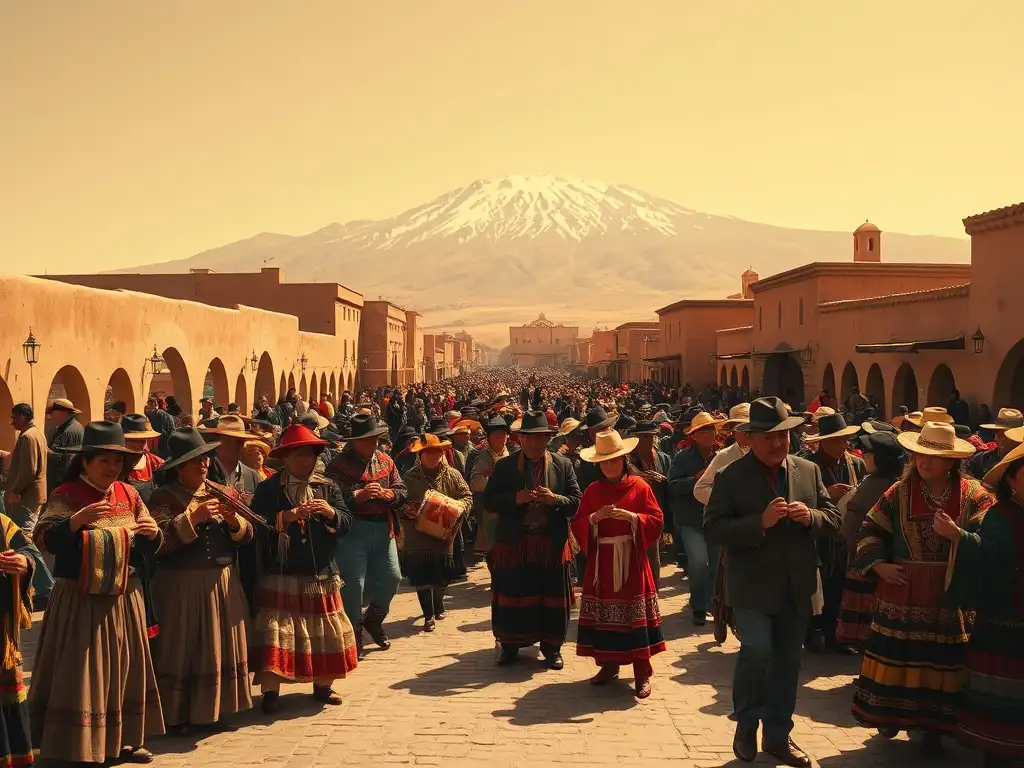
The Aymara people, inhabiting the Andes region of South America, possess a rich tapestry of vibrant festival traditions deeply intertwined with their agricultural cycle and spiritual beliefs. Their calendar is not rigidly fixed like the Gregorian calendar; instead, it's flexible, adapting to the specific needs and observations of each community. This inherent flexibility means precise dates can vary from year to year and even between different Aymara communities. However, the underlying themes and celebratory spirit remain consistent, reflecting a deep connection to the land and their ancestors.
Understanding the Aymara festival calendar requires appreciating this blend of structured ritual and adaptable practice, a key aspect of their enduring cultural heritage. The festivities are not merely celebrations; they are vital rituals that reinforce community bonds, honor deities, and ensure a bountiful harvest. This section will explore the seasonal rhythms and key dates that shape the Aymara year.
Seasonal Celebrations and their Significance
Aymara festivals are strongly linked to the agricultural calendar, reflecting the vital importance of farming to their way of life. The changing seasons dictate the timing and focus of many celebrations. For instance, the pachu (harvest) season is marked by joyous festivities thanking the Pachamama (Mother Earth) for her bounty. These celebrations often involve offerings of food and drink, music, and dance, all performed with reverence and gratitude. The offerings are not simply symbolic; they are believed to nourish the earth and ensure continued fertility.
Conversely, periods of planting and sowing are also marked by rituals designed to ensure a successful harvest. These may include prayers, offerings, and specific agricultural practices passed down through generations. The Aymara worldview sees the natural world as sacred and interconnected, and their festivals reflect this profound respect for the environment.
The festivals are not merely social events; they are crucial rituals that maintain the delicate balance between humanity and nature. They represent a powerful example of how cultural practices can be intrinsically linked to ecological sustainability. The timing of these seasonal celebrations can shift slightly based on local climatic conditions, showcasing the adaptive nature of Aymara traditions.
Specific Dates and Timing of Key Aymara Festivals
Pinpointing exact dates for Aymara festivals requires detailed ethnographic research specific to particular communities. The information available often lacks precise dates, emphasizing the community-specific nature of these celebrations. However, some general patterns emerge. For example, celebrations around the solstices and equinoxes are commonly observed, reflecting a broader Andean pattern of astronomical alignments in their spiritual practices.
While precise dates remain elusive for many festivals, understanding the seasonal timing is crucial. For example, celebrations related to pachu (harvest) typically occur between March and May, coinciding with the harvesting of potatoes and other crops. Similarly, festivals associated with planting and sowing usually take place in the months leading up to the harvest.
The variation in precise dates underscores the decentralized and community-based nature of Aymara culture. Further research is needed to compile a more comprehensive and geographically specific calendar of Aymara festivals, but the existing understanding highlights the rich cultural significance embedded within their celebrations. The lack of readily available precise dates, however, doesn't diminish the importance of these celebrations within the broader context of Aymara cultural identity and practice.
This emphasizes the need for further research to document and preserve these unique traditions for future generations. The inherent flexibility of the Aymara festival calendar is a testament to the adaptability and resilience of their culture in the face of changing circumstances.
Experiencing Aymara Festival Traditions
The Aymara people, inhabiting the Altiplano region of the Andes, boast a rich tapestry of vibrant festival traditions deeply intertwined with their agricultural cycles, ancestral beliefs, and spiritual practices. These festivals are not mere celebrations; they are living expressions of their cultural heritage, passed down through generations. Understanding the nuances of these traditions offers a glimpse into the heart of Aymara identity and worldview.
Their festivals are often characterized by a unique blend of indigenous practices and syncretism with Catholicism, resulting in a captivating spectacle of color, music, dance, and ritual. The intensity and significance of these events vary depending on the specific community and the time of year, reflecting the cyclical nature of Andean life. For instance, celebrations honoring the Pachamama (Mother Earth) are crucial, reflecting the profound connection the Aymara have with their environment and the importance of agriculture in their sustenance.
Recommendations for Attending Aymara Festivals
Attending an Aymara festival can be a deeply rewarding experience, offering a unique opportunity to witness a living culture. However, respectful observation is paramount. Prior planning and awareness of cultural sensitivities are crucial for a positive and meaningful encounter.
- Respectful Attire: Dress modestly. Avoid wearing revealing clothing. Bright, vibrant colors are generally acceptable, reflecting the festive atmosphere.
- Photography Etiquette: Always ask permission before taking photographs, especially of individuals participating in rituals. Be mindful of the context and avoid intrusive photography during sacred ceremonies. A simple " ¿Puedo tomar una foto?</em
(Can I take a photo?) goes a long way.
- Participation: While full participation might not always be appropriate for outsiders, observing attentively and respectfully is vital. Avoid interrupting or interfering with the proceedings.
- Language: While Spanish is widely spoken, learning a few basic Aymara phrases demonstrates respect and enhances the experience. Even a simple Jallalla!" (Hail!) can foster positive interactions.
- Gifts: Offering a small, thoughtful gift, like coca leaves (a sacred plant in Andean culture) or a locally sourced item, can be a gesture of goodwill, but always inquire about appropriateness beforehand. This should only be done with guidance from local community members.
- Guides: Consider engaging a local guide who understands the cultural nuances of the festival and can provide valuable insights and ensure your interactions are appropriate and respectful.
- Learn about specific festivals: Research the specific festival you plan to attend. Understanding its significance and rituals will enable you to appreciate the experience more fully.
Ethical Considerations When Observing Aymara Rituals
Observing Aymara rituals requires a deep understanding of ethical considerations. The festivals are not mere tourist attractions; they are sacred events with profound spiritual meaning for the Aymara community. Treating them with respect is not only courteous but also essential for preserving their cultural integrity.
- Avoid Disrespectful Behavior: Refrain from any behavior that could be perceived as disrespectful, such as loud or disruptive actions, inappropriate attire, or intrusive questions. Remember, you are a guest in their culture.
- Commercialization: Be wary of situations that exploit the festival for commercial gain without benefiting the community. Support local businesses and initiatives that directly benefit the Aymara people.
- Cultural Appropriation: Avoid appropriating aspects of Aymara culture for personal gain or entertainment. Respect their traditions and avoid mimicking rituals without proper understanding and permission.
- Privacy: Respect the privacy of individuals participating in the rituals. Avoid intrusive questioning or unwanted interaction.
- Environmental Responsibility: Be mindful of your environmental impact. Leave no trace, and dispose of waste responsibly. The Pachamama (Mother Earth) is central to Aymara culture; preserving the environment is a sign of respect.
- Consent: Always obtain consent before interacting with individuals or participating in any aspect of the ritual. Respect boundaries and avoid imposing your presence.
- Support Local Initiatives: Support local initiatives that protect and promote Aymara culture and heritage. This could include supporting local artisans, businesses, and community projects.
The Aymara festival traditions represent a powerful connection to the past, present, and future of this vibrant culture. By approaching these events with respect, sensitivity, and a genuine desire to learn, you can experience the richness and depth of Aymara life while contributing to the preservation of their invaluable cultural heritage.
Frequently Asked Questions
What are Aymara festivals?
Aymara festivals are vibrant celebrations of Andean culture, deeply rooted in their history, spirituality, and agriculture. They involve music, dance, traditional costumes, and often religious ceremonies. These festivals are a crucial part of maintaining Aymara identity.
When do the main Aymara festivals take place?
The timing of Aymara festivals varies depending on the specific celebration and the agricultural cycle. Many are tied to the solstices and equinoxes, or to significant events in the agricultural calendar, like harvests. Specific dates are best confirmed with local communities.
What are some key features of Aymara festival traditions?
Key features include traditional music and dance, often performed in colourful costumes. Rituals and ceremonies are also central, often involving offerings to Pachamama (Mother Earth) and other deities. Food plays a vital role, with shared meals strengthening community bonds.
How important are Aymara festivals to the Aymara people?
Aymara festivals are essential for cultural preservation and the transmission of traditions across generations. They are a vital part of maintaining their identity and connection to their ancestral lands and beliefs. Festivals strengthen community ties and reaffirm their cultural heritage.
Where can I experience Aymara festival traditions?
Aymara communities throughout the Andes region, particularly in Bolivia and Peru, host festivals. The best way to experience them authentically is to engage with local communities and attend with respect for their traditions and customs. Researching specific festivals and locations beforehand is highly recommended.
Final Reflection: Echoes of the Andes: Preserving Aymara Heritage
The vibrant tapestry of Aymara festivals, far from being relics of the past, remains a powerful testament to the enduring strength of indigenous culture in the face of globalization. These celebrations are not merely spectacles; they are living, breathing expressions of identity, resilience, and a profound connection to the Andean landscape. Their continued practice is crucial for the preservation of a unique cultural heritage that deserves global recognition and respect.
The influence of Aymara festivals extends far beyond the immediate communities that participate. They offer a window into a rich cosmology, a complex social structure, and a deep-seated relationship with the natural world. These traditions, passed down through generations, shape the very fabric of Aymara identity and provide a sense of continuity in a rapidly changing world. Culture is not inherited, it is conquered, and reconquered, each generation.
This quote underscores the ongoing effort required to maintain and celebrate these vital traditions.
Consider the impact of these festivals on your own understanding of cultural preservation. What role can you play in supporting the continuation of these vibrant traditions? Perhaps it's through increased awareness, supporting organizations dedicated to preserving Aymara culture, or simply taking the time to learn more about this rich heritage. Let the echoes of the Andes resonate within you, inspiring a deeper appreciation for the diversity and strength of human culture, and prompting you to actively participate in its preservation for generations to come.
Thank you for exploring the vibrant world of Aymara festivals and celebrations! You've discovered a rich cultural heritage that unites communities and showcases timeless traditions. Let's build on that appreciation.
Here are some ways you can connect with and share the wonders of Aymara culture:
- Attend a Local Cultural Event: Look for Andean festivals or cultural gatherings in your area. Participating firsthand will deepen your understanding and appreciation of Aymara culture.
- Share Your Experience: Share your insights and experiences on social media, encouraging others to learn more. Use the hashtag #AymaraHeritage to join the conversation and inspire others.
- Continue Your Exploration: Learn more about Aymara customs by reading books, watching documentaries, or attending workshops focused on their history and practices.
What aspect of Aymara culture most inspires you to share your knowledge or continue learning? We'd love to hear your thoughts!