
The Hidden Curriculum: Learning Life Lessons Through Andean Oral Tradition

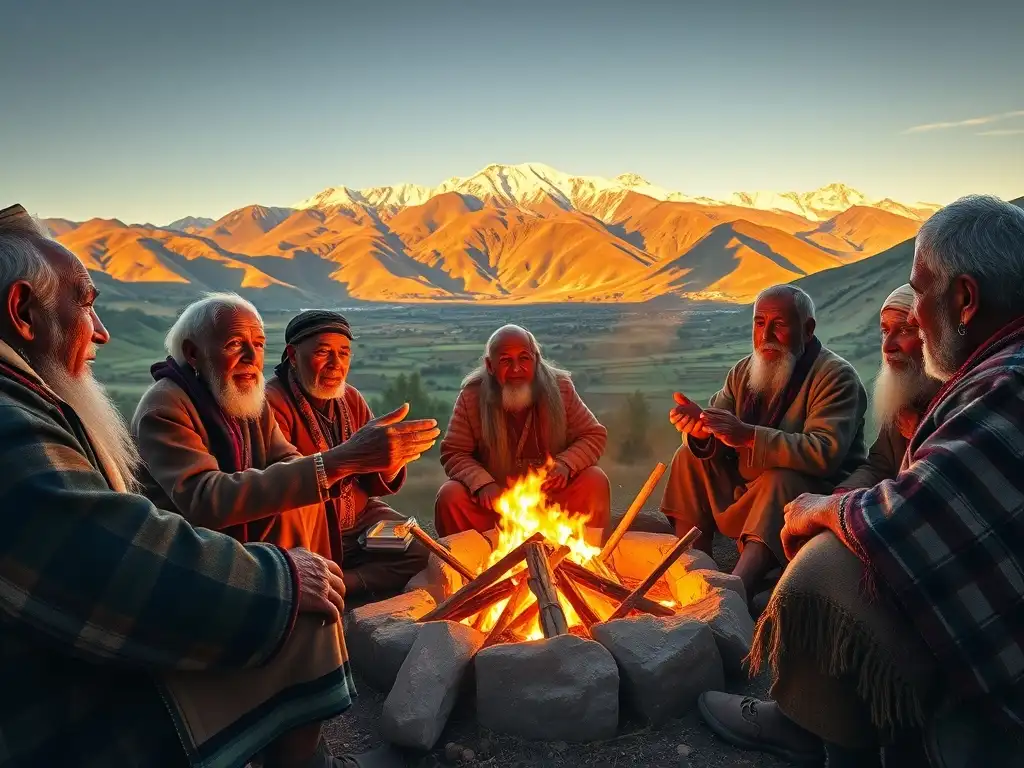
Dive into the captivating world of Andean Civilizations! Beyond the majestic ruins and breathtaking artistry, lies a hidden legacy: the Andean oral tradition. Discover how these ancient cultures passed down invaluable life lessons through storytelling, a tradition that continues to resonate today. Uncover the secrets embedded within the Andean oral tradition lessons and prepare to be amazed by the wisdom of these remarkable civilizations. Are you ready to embark on this journey of discovery?
- The Hidden Curriculum: Unveiling Life Lessons Through Andean Oral Tradition
- Key Life Lessons Embedded in Andean Oral Narratives
- Exploring Specific Examples of Andean Oral Tradition Lessons
- The Enduring Relevance of Andean Oral Tradition Lessons Today
- Frequently Asked Questions
- Final Reflection: Echoes of the Andes, Lessons for Life
- Unveil Life's Lessons Through Andean Wisdom!
The vibrant tapestry of Andean civilizations, renowned for their intricate artistry, sophisticated engineering, and complex social structures, also possessed a rich oral tradition that served as a powerful vehicle for transmitting knowledge, values, and life lessons across generations. This wasn't merely entertainment; Andean oral traditions represented a sophisticated educational system, a “hidden curriculum” woven into the fabric of daily life.
This article delves into the profound impact of Andean storytelling, exploring how these narratives shaped individual lives and contributed to the remarkable resilience and cultural continuity of Andean societies. We will examine the crucial role oral tradition played in preserving history, transmitting practical skills, and instilling ethical and social values, showcasing how "Andean oral tradition lessons" continue to resonate even today.
From the epic tales of the Incas to the intricate myths of the Moche, we will uncover the wisdom embedded within these narratives and discover how they continue to offer valuable insights into human experience. Understanding this rich legacy provides a deeper appreciation for the enduring legacy of Andean cultures and their lasting impact on the world.
Understanding the Power of Andean Storytelling
Andean storytelling wasn't a passive activity; it was an active process of knowledge creation and transmission. Narratives weren't simply recounted; they were performed, engaging multiple senses and fostering deep emotional connections. Storytellers, often highly respected members of the community, employed a variety of techniques to captivate their audiences – including dramatic pauses, changes in vocal tone, and the incorporation of songs, dances, and even mime. These performances weren't just about entertaining; they served as powerful tools for:
- Passing down practical knowledge: Stories often contained crucial information about agriculture, animal husbandry, medicine, and other essential survival skills. For instance, tales might describe effective farming techniques passed down through generations, or detail the medicinal properties of local plants.
- Preserving history and genealogy: Oral histories meticulously documented significant events, family lineages, and the origins of communities. These accounts helped maintain a strong sense of identity and belonging, connecting individuals to their ancestors and their shared past.
- Instilling moral and ethical values: Many stories conveyed important moral lessons, emphasizing the importance of community, cooperation, respect for nature, and responsible behavior. These narratives served as a powerful form of social control, shaping individual conduct and reinforcing societal norms. For example, the consequences of violating community rules or disrespecting nature were often vividly depicted, providing a powerful deterrent.
- Explaining the natural world: Myths and legends explained natural phenomena, offering interpretations of the cosmos, the origins of life, and the forces of nature. This helped people understand their place in the world and fostered a deep respect for the environment. The intricate astronomical knowledge embedded within some Andean narratives is a testament to the sophisticated understanding of the natural world achieved through oral tradition.
The Role of Oral Tradition in Andean Culture
The significance of oral tradition in Andean societies cannot be overstated. It was far more than simply a means of entertainment or information dissemination; it was the very foundation upon which Andean cultures were built and sustained. The absence of a widespread written language meant that oral tradition served as the primary means of transmitting knowledge, preserving history, and shaping cultural identity.
This reliance on oral transmission fostered strong communities with shared values and a deep connection to their heritage. The continued relevance of these traditions, even in the face of modernization and globalization, highlights their enduring power and adaptability. The preservation and study of Andean oral traditions are crucial not only for understanding the past but also for appreciating the richness and resilience of Andean cultures today.
The lessons embedded within these narratives offer valuable insights into human nature, societal structures, and the enduring power of storytelling. Further research into specific Andean groups, such as the Quechua and Aymara peoples, would reveal even more nuanced aspects of this vital cultural element. The ongoing efforts to document and preserve these oral traditions are essential for ensuring that these invaluable lessons continue to enrich future generations.
Key Life Lessons Embedded in Andean Oral Narratives
Andean oral tradition, a vibrant tapestry woven from centuries of storytelling, offers a wealth of knowledge far beyond mere historical accounts. It provides a rich pedagogical resource, embedding crucial life lessons within captivating narratives. These lessons, passed down through generations, shaped Andean societies and continue to resonate today, offering valuable insights into sustainable living, community building, and respectful coexistence with the environment. Understanding these embedded lessons helps us appreciate the enduring wisdom of Andean cultures and their relevance to contemporary challenges. The keyword "Andean oral tradition lessons" is central to understanding this rich legacy.
Community and Reciprocity in Andean Tales
Many Andean myths and legends emphasize the importance of ayni, a Quechua term signifying reciprocity and mutual support within the community. Stories often depict the consequences of selfishness and the rewards of collaboration. For instance, tales of communal agricultural practices, like the minga, illustrate how collective effort ensures the well-being of all.
These narratives aren't simply entertaining; they are practical guides for social interaction, emphasizing the interconnectedness of individuals within a larger social fabric. The success of the minga, for example, depended entirely on the commitment of each participant to the collective good. Failure to contribute was seen not merely as laziness but as a disruption of the social harmony, a transgression with potentially dire consequences.
These stories reinforce the crucial role of community in ensuring survival and prosperity, a lesson deeply ingrained in Andean values and worldview. The concept of ayni extends beyond simple labor; it encompasses all aspects of life, demonstrating the importance of sharing resources, knowledge, and support within the community.
Respect for Nature: Andean Wisdom in Oral Tradition
Andean oral traditions consistently highlight a profound respect for the natural world. Numerous stories personify natural elements—mountains, rivers, and animals—as powerful entities deserving of reverence and careful stewardship. These narratives aren't just fanciful tales; they reflect a deep understanding of ecological interconnectedness and the consequences of environmental exploitation.
For instance, stories about the Pachamama (Mother Earth) emphasize the need for respectful interaction with the land, highlighting the importance of sustainable practices in agriculture and resource management. Failure to show respect often results in natural disasters or other misfortunes, reinforcing the message of ecological responsibility. This reverence for nature isn't abstract; it's woven into the fabric of daily life, shaping agricultural practices, resource allocation, and even spiritual beliefs.
The consequences of disregarding this wisdom are frequently depicted in oral narratives, serving as cautionary tales for future generations. This deep connection to the environment, embedded within Andean oral tradition, offers valuable lessons for contemporary societies facing the challenges of climate change and environmental degradation. Learning from these ancient perspectives could lead to more sustainable and harmonious relationships with the planet.
The Importance of Ancestral Knowledge Transmitted Orally
The transmission of knowledge through oral tradition is not merely a method of storytelling; it's a vital mechanism for preserving cultural identity and ensuring the continuity of Andean societies. These narratives are not static; they evolve over time, adapting to changing circumstances while retaining their core values. This dynamic process highlights the importance of active participation in the preservation and transmission of oral traditions.
The stories themselves are often vehicles for passing down practical skills, agricultural techniques, medicinal knowledge, and social codes. This oral transmission fostered a strong sense of collective memory and cultural continuity. The loss of these oral traditions would represent a significant loss of invaluable knowledge and cultural heritage.
The continued practice of storytelling, therefore, is crucial for the preservation of Andean cultural identity and the transmission of vital life lessons to future generations. Efforts to document and preserve these narratives are essential for safeguarding this rich legacy and ensuring that the wisdom embedded within them continues to inform and inspire. The ongoing study of "Andean oral tradition lessons" is paramount to understanding this intricate system of knowledge transfer.
Perseverance and Resilience: Learning Through Andean Stories
Andean oral traditions are replete with narratives that emphasize the importance of perseverance and resilience in the face of adversity. These stories, passed down through generations, aren't merely entertaining tales; they serve as powerful pedagogical tools, shaping the worldview and values of Andean communities. Many narratives center on challenging journeys, both physical and metaphorical, highlighting the strength of the human spirit to overcome obstacles.
For example, the myths surrounding the creation of the world often depict deities or heroes facing seemingly insurmountable challenges, ultimately achieving their goals through sheer determination and unwavering commitment. These narratives subtly instill in listeners the understanding that setbacks are inevitable, but that perseverance is key to achieving one's aspirations.
The concept of ayni, reciprocal exchange and mutual support, is deeply woven into many Andean narratives. Stories frequently showcase how communities overcome hardship through collective effort and shared responsibility. The image of individuals working together to build terraces on steep mountain slopes, or to navigate treacherous river crossings, becomes a powerful metaphor for the importance of communal resilience.
These stories aren't just about physical survival; they also emphasize the psychological resilience fostered by strong social bonds. The shared experience of overcoming adversity strengthens community ties and reinforces the value of mutual support, a crucial lesson for navigating the challenges of life in the harsh Andean environment.
Furthermore, many Andean folktales feature characters who face seemingly insurmountable odds, only to triumph through their ingenuity and unwavering resolve. These tales often involve clever problem-solving, strategic thinking, and the ability to adapt to changing circumstances. Consider the stories of cunning heroes who outsmart powerful enemies or overcome natural disasters through resourcefulness. These narratives demonstrate that resilience isn't simply about enduring hardship; it's also about actively engaging with challenges and finding creative solutions.
The emphasis on resourcefulness and adaptability in these stories provides valuable life lessons for navigating the complexities and uncertainties of modern life. The ability to adapt and persevere, lessons explicitly taught through these narratives, remains a crucial skill for individuals and communities alike. The enduring power of these stories lies in their ability to inspire hope and instill a belief in one's capacity to overcome even the most daunting obstacles.
Exploring Specific Examples of Andean Oral Tradition Lessons
Andean oral tradition wasn't merely a method of storytelling; it served as a vital tool for transmitting crucial life lessons across generations. These narratives, often imbued with mythical creatures and fantastical elements, subtly imparted profound values and practical knowledge essential for navigating Andean life. Understanding these lessons allows us to appreciate the sophisticated pedagogical approach embedded within the seemingly simple tales.
The effectiveness of this "hidden curriculum" lay in its ability to engage listeners emotionally, making the lessons memorable and impactful. The enduring power of these stories reflects their deep connection to the Andean worldview and their continued relevance in modern society. We can analyze this through specific examples, revealing the nuanced ways in which Andean oral tradition shaped individual behavior and societal norms.
The Legend of Tunupa and the Lesson of Respect for Sacred Lands
The legend of Tunupa, a powerful female deity in Andean mythology, is a prime example of how oral tradition conveyed crucial environmental ethics. Tunupa’s story, passed down through generations, emphasizes the importance of respecting the sacredness of the land and its resources. Variations exist across different Andean communities, but the central theme remains consistent: the consequences of exploiting nature without consideration for its inherent value.
Analyzing the Narrative and its Teachings
Tunupa’s story often depicts her as a generous provider, nurturing her people and the land. However, her generosity is eventually abused. The narrative details how human actions, such as unsustainable farming practices or disrespect for sacred sites, lead to environmental degradation and ultimately, punishment.
This punishment is not simply a divine retribution; it serves as a cautionary tale, highlighting the interconnectedness of human actions and environmental consequences. The story implicitly teaches the importance of sustainable resource management and the need to maintain a harmonious relationship with the natural world – a lesson profoundly relevant in today's context of environmental challenges. The narrative's power lies in its ability to communicate complex ecological principles through a relatable and emotionally engaging story, making it far more effective than a simple didactic lecture.
The legend's enduring popularity demonstrates the continued relevance of its central message: the necessity of respecting and protecting the sacred lands for the well-being of both humanity and the environment. The story’s details vary, sometimes including specific geographical locations, reinforcing the localized nature of this environmental ethic.
The Fable of the Fox and the Condor Demonstrating Andean Values
Another rich example from Andean oral tradition is the fable of the fox and the condor. This seemingly simple animal story subtly teaches fundamental Andean values such as community, reciprocity ( ayni), and the importance of respecting social hierarchies. While specific details may differ depending on the region and community, the underlying moral remains consistent.
Identifying the Core Values Presented
The fable typically portrays the fox as cunning and opportunistic, often attempting to outsmart the condor, a powerful symbol of Andean authority and strength. However, the condor, despite its superior strength, often demonstrates wisdom and restraint. The narrative unfolds to reveal the limitations of the fox's individualistic approach and the ultimate benefits of cooperation and respect for established social structures.
The condor's actions often exemplify the principle of ayni, the reciprocal exchange of goods and services that formed the backbone of Andean social organization. The story subtly reinforces the importance of community and collaboration over individual gain, demonstrating how such values contribute to social harmony and collective well-being. The fable's effectiveness lies in its simplicity and memorability, making it an ideal tool for transmitting complex social principles to younger generations.
It provides a framework for understanding the importance of respecting social hierarchies while simultaneously highlighting the dangers of unchecked ambition and individualism. The enduring presence of this fable in Andean oral tradition showcases its continued relevance in shaping Andean social values and interactions.
The Enduring Relevance of Andean Oral Tradition Lessons Today
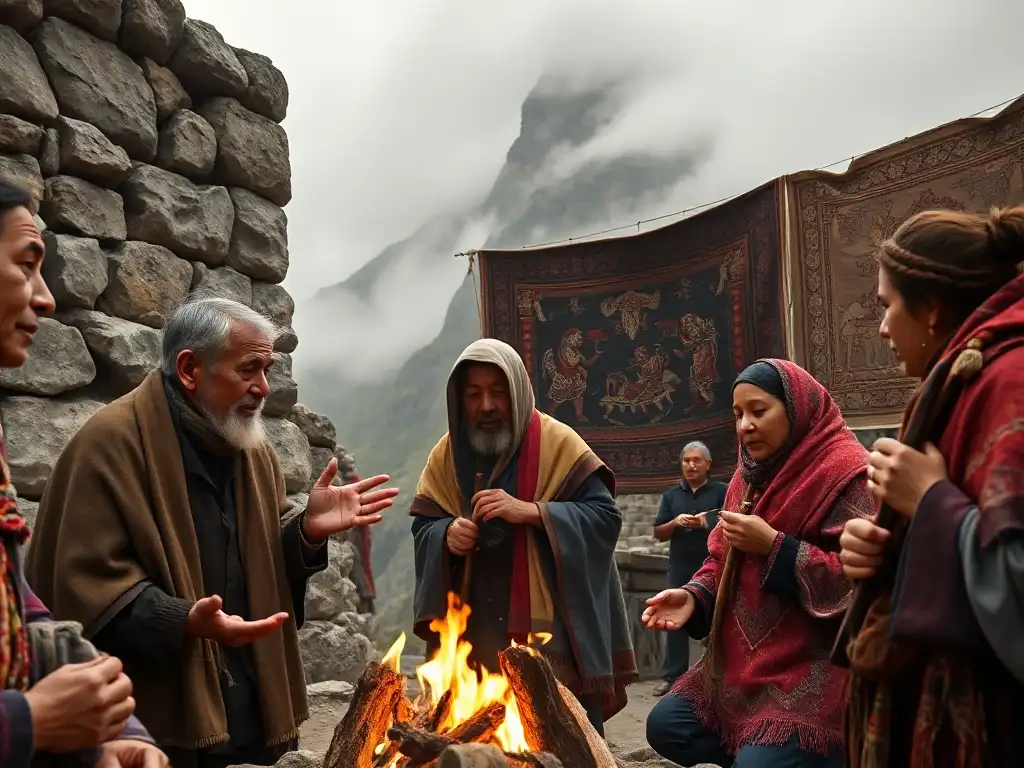
Andean oral tradition, a vibrant tapestry woven from centuries of storytelling, songs, and rituals, offers timeless lessons profoundly relevant to contemporary life. These aren't merely historical artifacts; they are living repositories of wisdom applicable to navigating the complexities of the modern world. The enduring power of these traditions lies in their ability to address universal human experiences – resilience in the face of adversity, the importance of community, and the pursuit of harmony with nature.
Understanding these lessons can foster personal growth and contribute to a more sustainable and equitable future. The narratives passed down through generations, often involving mythical figures and allegorical events, provide frameworks for ethical decision-making and conflict resolution.
For example, the stories of Pachamama, the Earth Mother, emphasize the interconnectedness of all living things and the importance of respecting the environment – a message particularly resonant in our era of climate change. The emphasis on reciprocity and mutual support within Andean communities provides a powerful counterpoint to the individualism often prevalent in modern societies.
Applying Andean Wisdom to Modern Life
The practical application of Andean oral tradition lessons is multifaceted. Many of the problem-solving strategies and conflict resolution techniques embedded in these narratives can be adapted to modern contexts. For instance, the concept of ayni, reciprocal exchange, can be applied to foster collaboration and cooperation in the workplace, promoting a sense of shared responsibility and mutual benefit.
Similarly, the emphasis on community building and collective action found in Andean oral tradition offers valuable insights for addressing contemporary social challenges, such as poverty and inequality. Furthermore, the intricate knowledge systems encoded in Andean oral traditions, relating to agriculture, medicine, and astronomy, offer valuable lessons in sustainable living and resource management. Understanding the traditional Andean approach to agriculture, for example, which emphasizes biodiversity and ecological balance, can inspire innovative solutions to modern agricultural challenges.
The stories also highlight the importance of adaptability and resilience, crucial skills in an ever-changing world. Modern educational initiatives increasingly incorporate these principles, adapting ancient narratives to contemporary challenges. This integration promotes critical thinking, cultural awareness, and a deeper understanding of sustainable practices.
Preserving and Promoting Andean Oral Heritage
The preservation and promotion of Andean oral tradition are crucial for safeguarding a rich cultural heritage and ensuring its continued relevance. This requires a multi-pronged approach involving collaborative efforts between communities, researchers, and educational institutions. Documentation efforts, including meticulous recording of stories, songs, and rituals, are vital for preserving this invaluable knowledge before it is lost.
However, simply recording these traditions is insufficient; it's equally important to ensure that they remain dynamic and relevant to future generations. This necessitates the active involvement of community members in the preservation process, empowering them to share and interpret their cultural heritage on their own terms. Moreover, educational programs that integrate Andean oral traditions into school curricula can play a significant role in fostering cultural pride and promoting intercultural understanding.
This involves creating engaging and accessible learning materials that connect traditional narratives to contemporary issues and challenges. Supporting initiatives that promote the revitalization of Andean languages is also essential, as language is inextricably linked to the preservation of oral traditions. The loss of a language represents the loss of a unique way of knowing and understanding the world.
The Future of Andean Oral Tradition and its Educational Value
The future of Andean oral tradition hinges on its continued relevance and accessibility. Its educational value is undeniable, providing a unique lens through which to understand human history, culture, and the environment. Integrating Andean oral tradition into educational settings can foster critical thinking skills, cultural sensitivity, and a deeper appreciation for diverse perspectives. By incorporating these narratives into curricula, we can cultivate a more holistic and inclusive approach to education, promoting intercultural dialogue and understanding.
Furthermore, the stories and lessons embedded within Andean oral tradition can inspire creativity, innovation, and a greater sense of responsibility towards the planet and its inhabitants. Continued research and collaboration are needed to ensure the preservation and dissemination of this vital cultural heritage. This includes exploring innovative ways to engage younger generations with these traditions, leveraging technology and creative media to make them accessible and relevant.
The goal is not simply to preserve these traditions as static artifacts, but to ensure their dynamic evolution and continued contribution to the enrichment of human life. The potential for Andean oral tradition lessons to contribute to a more just, sustainable, and equitable future is immense. Their enduring power lies in their ability to connect us to our shared humanity and inspire us to build a better world.
Frequently Asked Questions
What is Andean oral tradition?
Andean oral tradition encompasses the stories, songs, and myths passed down through generations in the Andes Mountains. It's a vital part of their cultural identity, teaching values and preserving history without a written script. It's a living, evolving tradition.
How did oral tradition impact Andean societies?
Oral tradition served as a powerful tool for transmitting knowledge, values, and beliefs. It shaped social structures, governed daily life, and preserved cultural memory across generations, acting as a form of education and governance. It fostered community identity and social cohesion.
What types of lessons were taught through Andean oral traditions?
Andean oral traditions imparted lessons on ethics, morality, social responsibility, and practical skills. Stories often conveyed practical knowledge about agriculture, astronomy, and medicine alongside moral and spiritual teachings. These lessons were key to survival and societal harmony.
How are Andean oral traditions relevant to modern education?
Andean oral traditions offer valuable insights into alternative pedagogical approaches. Their emphasis on storytelling, community learning, and experiential knowledge can enrich modern educational methods, promoting engagement and cultural understanding. They highlight the importance of diverse learning styles.
Where can I learn more about Andean oral tradition lessons?
You can explore academic journals, museums, and cultural centers focusing on Andean studies. Many books and documentaries also delve into this rich tradition, providing valuable insights into its history and significance. Seek out resources from reputable institutions and indigenous communities.
Final Reflection: Echoes of the Andes, Lessons for Life
The enduring power of Andean oral traditions resonates deeply in today's world, offering invaluable lessons on community, resilience, and the interconnectedness of all things. These aren't simply historical artifacts; they are living narratives that continue to shape identities and inform perspectives on sustainable living, environmental stewardship, and social justice. The stories, songs, and rituals passed down through generations provide a powerful counterpoint to the often isolating and individualistic narratives dominant in modern society.
The impact of Andean oral traditions extends far beyond the Andes themselves, influencing global discussions on cultural preservation, indigenous rights, and the importance of storytelling in shaping our understanding of the world. Their emphasis on collective responsibility and respect for nature offers a compelling alternative to exploitative and unsustainable practices. The earth is not something we inherit from our ancestors; it is something we borrow from our children.
This sentiment, though not explicitly Andean, perfectly encapsulates the deep ecological consciousness embedded within these traditions, a consciousness we desperately need to reclaim in the face of climate change and environmental degradation.
Consider the wisdom woven into these ancient narratives. Think about how the values of community, respect for elders, and harmonious coexistence with nature could enrich your own life. You, too, can become a storyteller, sharing these powerful lessons and contributing to the ongoing conversation about sustainability, cultural preservation, and the enduring strength of human connection. Let the echoes of the Andes inspire you to build a more just and sustainable future, one story at a time.
Unveil Life's Lessons Through Andean Wisdom!
Thank you for exploring the rich tapestry of life lessons embedded in Andean oral traditions. Your journey through this fascinating culture has provided valuable insights that can transform your perspective on learning and connection.
Now, let's deepen your understanding! Here are some ways to immerse yourself in this wisdom:
- Explore Andean stories: Find local workshops or online courses focusing on Andean oral traditions and folklore. Experience the power of these narratives firsthand.
- Share the knowledge: Discuss your newfound insights with friends and family. Host a gathering to share Andean tales and their significance, fostering a community of learning.
- Incorporate these lessons into your life: Weave the moral lessons from these stories into your daily interactions and teachings, inspiring others to connect with this rich heritage.
How will you integrate the wisdom of Andean culture into your life? We'd love to hear your thoughts!