
Not Just for Entertainment: The Educational Value of Andean Oral Tradition

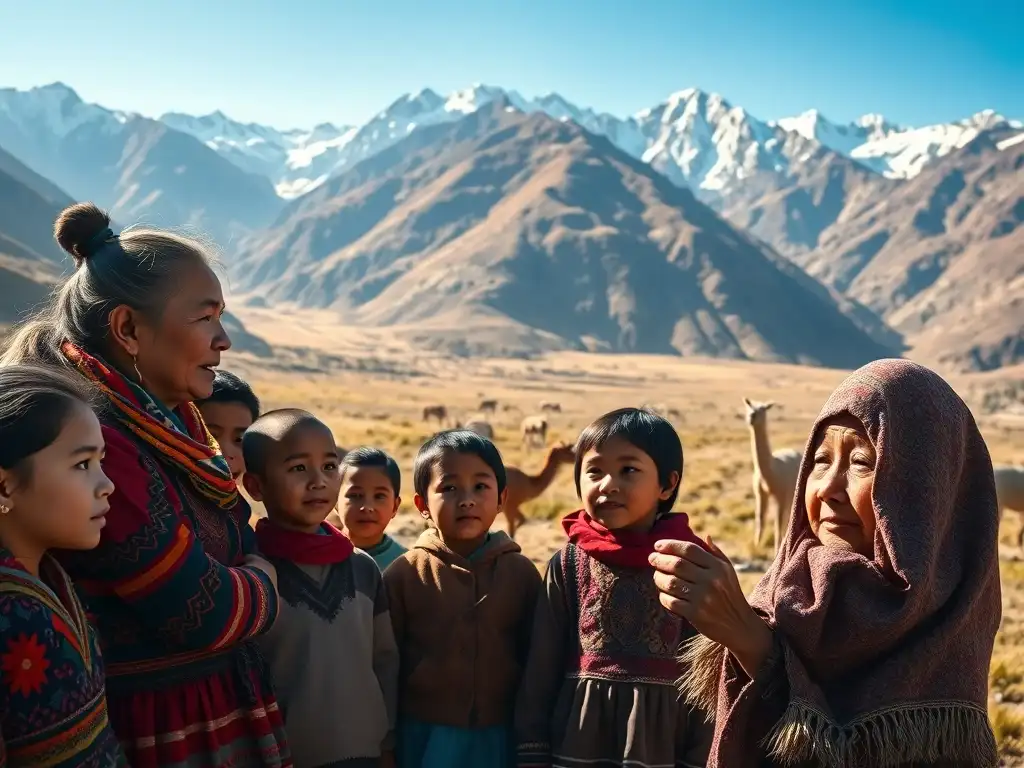
Unravel the mysteries of the Andes! Beyond the breathtaking landscapes and iconic Machu Picchu lies a world of vibrant cultures, waiting to be discovered. For centuries, the Andean peoples have preserved their history and wisdom through remarkable oral traditions. But what hidden educational value lies within these captivating stories? Dive into the fascinating world of Andean oral tradition educational value and unlock the secrets passed down through generations. Prepare to be amazed by the ingenuity and insight of these ancient civilizations.
- Unveiling the Educational Significance of Andean Oral Tradition
- Understanding the Core of Andean Oral Tradition
- Educational Roles of Andean Oral Tradition
- Specific Educational Values of Andean Oral Tradition
- Andean Oral Tradition in Modern Education
- Challenges and Opportunities in Promoting Andean Oral Tradition
- Frequently Asked Questions
- Final Reflection: Weaving the Threads of Andean Wisdom
- Embrace the Wisdom of Andean Oral Tradition!
Unveiling the Educational Significance of Andean Oral Tradition
The Andes Mountains, a majestic spine running down the western coast of South America, are home to a rich tapestry of cultures and histories. For millennia, before the advent of widespread literacy, the Andean peoples relied on oral tradition – a vibrant network of storytelling, songs, poems, and myths – to transmit knowledge, values, and cultural heritage across generations. This article delves into the profound educational value of Andean oral tradition, exploring its impact on the preservation of history, the transmission of practical skills, and the fostering of social cohesion.
We will move beyond simply viewing these narratives as mere entertainment, revealing their crucial role in shaping Andean societies and the enduring lessons they hold for us today. Understanding the educational power of Andean oral tradition provides a critical lens through which to appreciate the complexity and resilience of these remarkable civilizations, and offers valuable insights into the importance of preserving and celebrating diverse forms of knowledge transmission.
This exploration will showcase how this rich oral heritage continues to inform and inspire, offering invaluable lessons for education and cultural preservation in the modern world. We will specifically examine how the educational value of this tradition manifests in various aspects of Andean life, demonstrating its lasting impact on the region's cultural identity.
The Enduring Power of Andean Storytelling
Andean storytelling isn't simply about recounting events; it's a dynamic process of knowledge transfer, moral instruction, and community building. Narratives often weave together historical accounts, mythical explanations of natural phenomena, and practical advice on agriculture, medicine, and social conduct. For example, the stories of the Apu, powerful mountain spirits, teach respect for nature and the interconnectedness of all living things.
These narratives are not static; they adapt and evolve with each telling, reflecting the changing needs and experiences of the community. The oral transmission of these stories ensures their continued relevance and allows for a continuous dialogue between past and present. This process fosters critical thinking as listeners engage with the narrative, interpreting its meaning within their own context.
Furthermore, the act of storytelling itself strengthens community bonds, creating a shared space for cultural transmission and intergenerational learning. The emotional resonance of these stories, often accompanied by music and dance, enhances their memorability and impact, ensuring that vital knowledge is not only passed down but actively engaged with and celebrated. This dynamic interplay between narrative, performance, and community participation is a key element in understanding the lasting impact of Andean storytelling on education and cultural preservation.
Further Exploration: Specific Examples of Andean Storytelling
Specific examples of Andean stories that highlight their educational value are needed here. [Specific examples and detailed analysis pending]
Understanding the Core of Andean Oral Tradition
This section delves into the heart of Andean oral tradition, exploring its multifaceted nature and significance beyond mere entertainment. We'll unpack its components and demonstrate how it served as a vital mechanism for transmitting knowledge across generations, shaping Andean societies and cultures for millennia. The educational value of Andean oral tradition is immense, influencing everything from agricultural practices to complex cosmological understandings. Understanding this tradition requires appreciating its intricate interwoven narratives, songs, and rituals.
What Constitutes Andean Oral Tradition?
Andean oral tradition isn't simply a collection of stories; it's a dynamic, living system of knowledge transmission. It encompasses a vast array of forms, including:
- Narratives (Willka): Myths, legends, and historical accounts explaining the origins of the world, the cosmos, and Andean societies. These narratives often feature powerful deities, ancestral heroes, and cautionary tales, imparting moral and social lessons. For example, the stories surrounding Pachamama, the Earth Mother, teach respect for nature and its resources. These narratives are not static; they evolve and adapt over time, reflecting the changing circumstances of the communities that tell them.
- Songs (Harawi): Musical expressions conveying a wide range of emotions, experiences, and historical events. Harawi songs often accompany rituals and ceremonies, reinforcing their significance and transmitting cultural knowledge through melodic and rhythmic patterns. The specific lyrics and melodies can vary significantly between different Andean communities, showcasing the diversity within the tradition.
- Rituals (Kapaq Raymi): Ceremonies and practices that reinforce social structures, celebrate important events, and petition the supernatural world. These rituals often involve specific songs, dances, and offerings, all contributing to the transmission of cultural knowledge and values. The Inti Raymi, the Inca festival celebrating the sun god, is a prime example of a complex ritual with deep educational significance.
- Proverbs and Sayings (Amo): Concise expressions of wisdom and practical knowledge, often used to teach moral lessons or provide guidance in daily life. These sayings encapsulate generations of experience and offer valuable insights into Andean worldviews and social values. Their brevity makes them easily memorized and passed down through generations.
The interconnectedness of these forms is crucial. A single narrative might be accompanied by songs and rituals, reinforcing its message and embedding it more deeply within the cultural memory. This integrated approach maximized the educational impact of the oral tradition.
The Transmission of Knowledge Through Oral Narratives
The educational value of Andean oral tradition is profoundly demonstrated in the transmission of knowledge through oral narratives. These narratives weren't just entertaining stories; they were crucial tools for:
- Preserving History: Oral narratives served as the primary means of preserving historical events, lineages, and social structures before the advent of writing systems. These stories often contained valuable information about past leaders, battles, and significant societal changes, ensuring the continuity of cultural memory. The accuracy of these historical accounts, though subject to interpretation and embellishment, remains a subject of ongoing scholarly investigation.
- Teaching Agricultural Practices: Many narratives explain the origins of agriculture and detail the techniques used for cultivating crops. These stories often incorporated practical knowledge about planting cycles, irrigation methods, and pest control, passing on essential survival skills across generations. The detailed descriptions within these narratives offer valuable insights into ancient Andean agricultural techniques.
- Imparting Cosmological Understandings: Andean oral traditions frequently describe complex cosmological systems, explaining the relationship between humans and the supernatural world. These narratives often detail the roles of various deities, the structure of the cosmos, and the significance of celestial events. This transmission of cosmological knowledge shaped Andean worldviews and influenced their social and religious practices. The depth and complexity of these cosmological narratives often surprise modern scholars.
- Reinforcing Social Values: Many narratives emphasize moral and ethical principles, teaching proper behavior within the community. These stories often feature heroes and villains, rewards and punishments, reinforcing social norms and contributing to social cohesion. The consistent themes present in these narratives underscore their importance in shaping Andean social structures.
The enduring power of Andean oral tradition lies in its ability to transmit knowledge, values, and cultural identity across generations. Its educational impact continues to resonate today, offering valuable insights into the rich tapestry of Andean civilizations and their enduring legacy. Further research is needed to fully understand the nuances and complexities of this rich tradition and its continued relevance in modern Andean societies.
Educational Roles of Andean Oral Tradition
The Andean oral tradition, a vibrant tapestry woven from centuries of storytelling, holds immense educational value far beyond mere entertainment. It served, and continues to serve, as a vital mechanism for transmitting knowledge, shaping values, and preserving cultural heritage across generations. This section delves into the specific educational roles played by this rich tradition, highlighting its enduring significance in understanding Andean civilizations. Understanding the Andean oral tradition educational value requires appreciating its multifaceted impact on Andean societies.
Preserving Cultural Heritage Through Oral Accounts
Andean oral accounts weren't simply stories; they were meticulously crafted repositories of historical knowledge. These narratives, passed down through generations, documented crucial events, social structures, and technological advancements. Consider, for example, the detailed descriptions of Inca agricultural techniques, irrigation systems, and astronomical observations embedded within oral histories. These weren't just fanciful tales; they represented a living encyclopedia of practical knowledge, essential for the survival and prosperity of Andean communities.
The accuracy of these accounts is often debated, but the consistent transmission of core elements over centuries speaks volumes about their importance. Many oral traditions recount the origins of specific clans, tracing lineage and land rights back to mythical founders. This genealogical information was crucial for maintaining social order and resolving disputes. Furthermore, the transmission of historical accounts through oral tradition ensured the survival of knowledge even in the absence of a written language, a testament to the ingenuity and resilience of Andean cultures.
The loss of these oral traditions would represent an irreplaceable loss of historical context, hindering our understanding of these complex societies. Detailed studies are still needed to fully understand the extent of historical information encoded within these oral narratives. The meticulous recording and analysis of these traditions is crucial to preserve this invaluable heritage for future generations.
Andean Oral Narratives as a Tool for Moral Education
Beyond preserving historical knowledge, Andean oral narratives served as powerful tools for moral education. Stories often featured archetypal characters who embodied desirable or undesirable traits, providing implicit lessons on proper conduct and social responsibility. For instance, myths often involved characters who faced challenging situations, teaching valuable lessons about perseverance, respect for nature, and community cooperation.
These narratives were not merely passive entertainment; they actively shaped the moral compass of young people, reinforcing societal norms and values. The use of allegory and symbolism within these stories ensured their relevance and impact across diverse social groups. While specific examples vary across different Andean cultures, the consistent emphasis on community, reciprocity ( ayni ), and respect for the Pachamama (Mother Earth) is a common thread.
The impact of these moral lessons is evident in the long-lasting social structures and cooperative ethos characteristic of Andean societies. Further research is needed to fully understand the specific pedagogical techniques employed in the transmission of these moral lessons, but the lasting impact is undeniable. The effectiveness of storytelling as a method of moral education in Andean cultures offers valuable insights into effective pedagogical approaches.
The Importance of Andean Myths and Legends in Shaping Values
Andean myths and legends played a crucial role in shaping the worldview and values of Andean communities. These narratives often explained natural phenomena, the origins of the world, and the relationship between humans and the supernatural. For example, myths involving the Apus (mountain spirits) instilled a deep respect for nature and a sense of interconnectedness with the environment. Stories about powerful deities, such as Viracocha or Pachamama, reinforced the importance of ritual and sacrifice in maintaining cosmic balance.
These stories weren't just believed; they profoundly influenced social practices, agricultural cycles, and even political structures. The detailed cosmology depicted in these myths provided a framework for understanding the world and one's place within it. The rich tapestry of Andean mythology, with its diverse characters and compelling narratives, offers a unique window into the spiritual and philosophical beliefs of these ancient civilizations.
Further study is needed to fully grasp the nuanced interpretations of these myths within different Andean communities. The ongoing study of Andean mythology reveals the complex relationship between spiritual beliefs and social practices, highlighting the powerful role of oral tradition in shaping cultural identity. The enduring relevance of these myths demonstrates the deep-seated connection between Andean people and their ancestral heritage.
Specific Educational Values of Andean Oral Tradition
The Andean oral tradition offers a wealth of educational opportunities far beyond simple entertainment. Its preservation and study provide invaluable insights into the history, culture, and worldview of these fascinating civilizations. This section explores the concrete educational benefits, focusing on how the transmission of knowledge through storytelling and oral narratives fosters critical thinking, historical understanding, and a deeper appreciation for Andean culture. The enduring legacy of the Andean oral tradition is a testament to its power as a tool for education and cultural preservation. Understanding its educational value is key to appreciating its significance in the modern world.
Teaching History and Ancestral Knowledge
The Andean oral tradition serves as a vital repository of historical information, often preserving details not found in written records. These narratives, passed down through generations, offer a unique perspective on the past, enriching our understanding of Andean societies. The intricate details woven into these stories provide a rich tapestry of historical events, social structures, and cultural practices.
This living history offers a powerful counterpoint to often incomplete or biased written accounts created by outsiders. The educational value lies not only in learning the "what" but also understanding the "how" and "why" behind historical events as perceived by the Andean people themselves.
Learning About Inca History Through Legends
Inca history, for example, is significantly enriched by oral traditions. Legends surrounding Inca emperors, such as Pachacuti or Huayna Capac, often contain kernels of historical truth intertwined with mythical elements. By analyzing these narratives, we can gain insights into the Inca worldview, their political structures, and their understanding of their own history.
These stories are not merely fanciful tales; they are carefully constructed narratives that reflect the values and beliefs of the Inca society. For instance, stories of Inca ingenuity in engineering often parallel archeological findings, providing corroborating evidence of their remarkable skills in construction and irrigation. The challenge lies in discerning the historical accuracy from the symbolic or mythical components, requiring careful analysis and cross-referencing with other sources.
The Role of Oral Tradition in Transmitting Andean Cosmovision
Beyond specific historical events, Andean oral tradition plays a crucial role in transmitting the Andean cosmovision – the intricate worldview that shaped their understanding of the universe, their place within it, and their relationship with the natural world. Stories about Pachamama (Mother Earth), the Apus (mountain spirits), and other supernatural beings offer profound insights into Andean spirituality and their deep connection to the environment. This knowledge is not merely abstract; it is deeply embedded in their daily lives, influencing their agricultural practices, social structures, and even their artistic expressions.
Understanding this cosmovision is essential to grasping the holistic nature of Andean culture and its unique perspective on the world. The oral tradition provides a direct line to this understanding, bypassing the limitations of written translations that can often fail to capture the nuances and complexities of this rich worldview.
The Development of Critical Thinking Skills
The Andean oral tradition is not simply a passive transmission of information; it actively encourages critical thinking. Listeners are challenged to interpret symbolism, analyze narratives, and draw their own conclusions. The inherent ambiguity in many stories requires careful consideration and interpretation, fostering a deeper understanding of the complexities of meaning. The ability to critically engage with these narratives is a valuable skill applicable far beyond the study of Andean culture.
Analyzing the Symbolism in Pachamama Stories
Stories about Pachamama, for instance, are often rich in symbolism. The depiction of Pachamama as a nurturing mother figure reflects the Andean reverence for nature and the importance of maintaining a harmonious relationship with the environment. However, the stories also often include warnings about the consequences of disrespecting nature, highlighting the importance of environmental stewardship.
Analyzing these symbols allows students to develop their critical thinking skills by exploring multiple interpretations and understanding the underlying values and beliefs reflected in the narrative. This process requires careful consideration of context, cultural background, and the interplay between different symbolic elements. This analytical approach goes beyond rote memorization, stimulating deeper engagement and a more comprehensive understanding.
Fostering Interpretation and Understanding
The open-ended nature of many Andean oral traditions necessitates interpretation. Unlike a textbook with definitive answers, these narratives encourage discussion, debate, and the development of diverse interpretations. Students are encouraged to engage with the material actively, forming their own conclusions while considering the perspectives of others.
This fosters a collaborative learning environment that promotes critical thinking, encourages respectful dialogue, and cultivates a deeper appreciation for the richness and complexity of Andean culture. The process of interpretation itself becomes a valuable educational experience, teaching students to analyze information critically, consider multiple perspectives, and formulate their own reasoned judgments. This skill is transferable to various aspects of life, making the study of Andean oral traditions a valuable asset in personal and academic development.
Language Acquisition and Development
Andean oral tradition plays a crucial role in language acquisition and development, particularly for indigenous languages like Quechua, Aymara, and others. The immersive nature of oral storytelling, songs, and proverbs provides children with consistent exposure to the nuances of their native tongue. This constant interaction with the language fosters natural language acquisition, strengthening vocabulary, grammar, and pronunciation skills far beyond what a textbook could achieve.
Furthermore, the rhythmic and melodic aspects of many oral traditions enhance memory and cognitive development, contributing to a deeper understanding and appreciation of the language's structure and beauty. The transmission of knowledge through oral means ensures the continuation of linguistic diversity, combating the threat of language loss that many indigenous communities face in the modern world.
This is especially important in regions where formal education may not be readily available or where the dominant language overshadows indigenous tongues. The rich tapestry of Andean oral tradition thus acts as a vital tool in preserving linguistic heritage and promoting linguistic vitality.
The Role of Oral Tradition in Quechua Language Preservation
Quechua, a language family spoken across the Andes, showcases the profound impact of oral tradition on language preservation. For centuries, Quechua communities have relied on oral transmission for passing down not only their language but also their history, values, and cultural practices. The absence of a widespread written tradition until relatively recently meant that oral tradition was the primary mechanism for maintaining linguistic continuity.
This reliance on oral storytelling, songs, and chants ensured the survival of Quechua dialects in the face of colonization and globalization. Even today, many Quechua speakers primarily learn their language through oral interaction within their families and communities. The use of traditional forms of storytelling, like habladores (skilled storytellers), continues to play a significant role in maintaining linguistic fluency and passing down generational knowledge.
The educational value is immeasurable; oral tradition represents a living archive of the Quechua language, preserving its vitality and ensuring its continuation for future generations. Without this oral tradition, many Quechua dialects would likely be lost.
Improving Communication Skills Through Storytelling
Andean oral traditions significantly enhance communication skills. The vibrant storytelling traditions, often characterized by intricate narratives, metaphors, and dramatic performances, cultivate strong communication abilities. Children and adults alike learn to articulate their thoughts clearly, employing vivid language and engaging their audiences.
The emphasis on narrative structure within these stories improves organizational skills and the ability to present information coherently. Moreover, active listening is crucial for understanding the complex narratives and appreciating their subtle nuances, fostering empathy and improving interpersonal communication. The use of proverbs and riddles further sharpens wit and encourages creative thinking, contributing to the overall development of effective communication skills.
This is not merely about entertaining; it's about actively participating in a dynamic process of language acquisition, cultural transmission, and interpersonal engagement, all of which are essential for success in any field. The ability to tell a compelling story, to capture and hold an audience's attention, is a highly valuable skill honed through the rich practice of Andean oral tradition.
Andean Oral Tradition in Modern Education
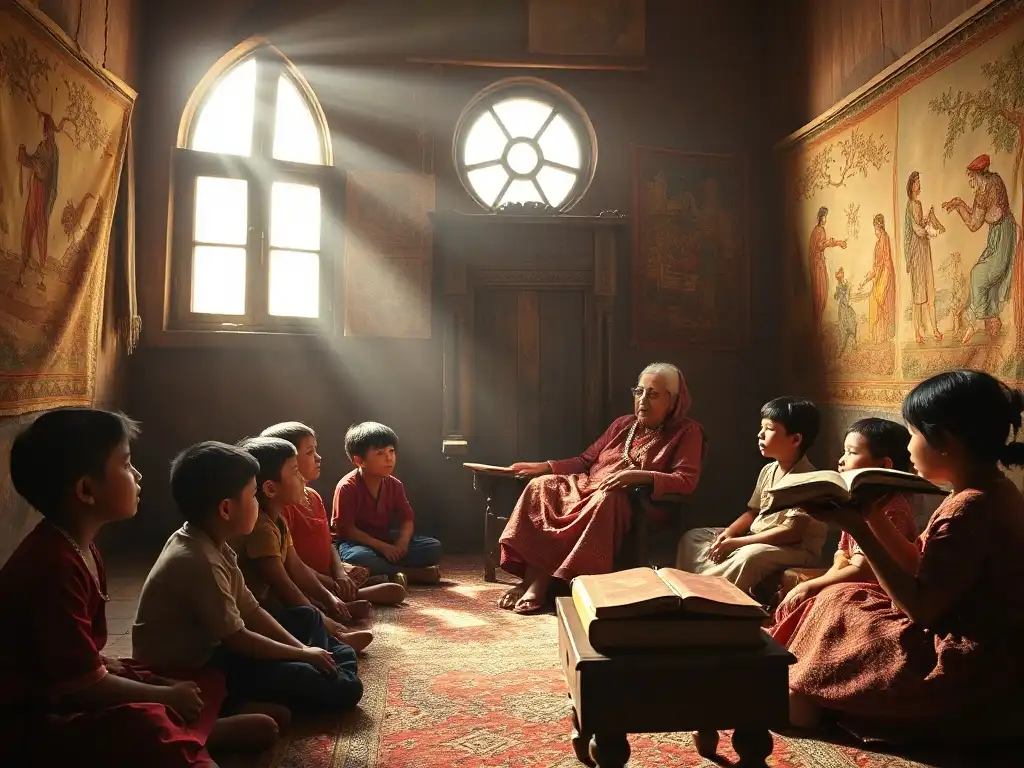
The Andean oral tradition, a rich tapestry woven from millennia of storytelling, myth-making, and cultural transmission, holds immense untapped potential within modern education. Its value extends far beyond mere entertainment; it offers a unique pedagogical approach that fosters critical thinking, cultural understanding, and a deeper connection to the past. This section explores how the vibrant narratives, songs, and rituals of Andean cultures can be effectively integrated into contemporary curricula, enriching the learning experience for students of all ages.
Understanding the educational value of Andean oral tradition requires recognizing its inherent capacity to build bridges between cultures, promote empathy, and cultivate a more holistic understanding of history and society. The preservation and application of this tradition are crucial for maintaining cultural heritage and enriching the educational landscape.
Integrating Andean Oral Tradition into Curricula
Integrating Andean oral traditions into curricula requires a thoughtful and sensitive approach. It’s not simply about adding a few stories to the lesson plan; it's about fundamentally altering the way students engage with learning. This can be achieved through various methods:
- Storytelling workshops: Invite native Andean storytellers to schools to share their traditions directly with students. This immersive experience allows for authentic engagement with the culture and language.
- Creative writing exercises: Encourage students to create their own stories inspired by Andean myths and legends. This fosters creativity, critical thinking, and a deeper understanding of narrative structure.
- Dramatic interpretations: Adapt Andean tales into plays or theatrical performances. This allows students to explore character development, dialogue, and nonverbal communication within a culturally relevant context.
- Music and dance integration: Incorporate traditional Andean music and dance into classroom activities to enhance the sensory experience and cultural immersion. The rhythmic nature of many Andean traditions can also be used to improve memory and focus.
- Interdisciplinary approaches: Connect Andean oral traditions with other subjects like history, geography, art, and social studies to create a more holistic learning experience. For example, studying Inca road systems can be complemented by stories about the challenges of travel in the Andes.
Successful integration hinges on respecting the cultural context and avoiding reductive or stereotypical representations. The focus should always be on celebrating the richness and diversity of Andean cultures.
The Benefits of Using Traditional Narratives in Classrooms
The use of Andean traditional narratives in classrooms offers a multitude of benefits, extending beyond simple entertainment:
- Improved literacy skills: Engaging storytelling enhances vocabulary, comprehension, and narrative understanding. The rich imagery and metaphorical language found in Andean oral traditions stimulate imagination and improve language acquisition.
- Enhanced cultural awareness: Exposure to diverse cultural narratives fosters empathy, respect, and understanding of different perspectives and worldviews. This is particularly crucial in increasingly globalized societies.
- Development of critical thinking skills: Analyzing the underlying messages, symbolism, and moral lessons within Andean tales encourages critical thinking and problem-solving skills. Students learn to interpret narratives and draw their own conclusions.
- Strengthened sense of community: Sharing stories fosters a sense of community and belonging. The collaborative nature of many Andean storytelling traditions encourages interaction and shared learning experiences.
- Improved memory and cognitive function: The rhythmic and repetitive nature of some Andean oral traditions can improve memory and cognitive functions. The engaging nature of the stories helps keep students focused and interested.
Examples of Successful Educational Initiatives
Several initiatives demonstrate the positive impact of integrating Andean oral traditions into education. These examples highlight the potential for meaningful and lasting change.
"Yachay Wasi": A Project Using Andean Storytelling
The "Yachay Wasi" project ([specific information pending on location and details]) successfully integrated Quechua storytelling into the curriculum of a rural school. The project focused on [specific information pending on the project's methodology and impact, e.g., using storytelling to teach math concepts, improving student engagement, increasing literacy rates]. The results showed a significant improvement in [specific data pending, e.g., student engagement, literacy scores, cultural understanding]. This initiative demonstrates the potential of culturally relevant pedagogy to enhance learning outcomes. The project’s success highlights the importance of culturally sensitive and community-based approaches to education.
A Rural School Applying Andean Storytelling in Their Methods
A rural school in [specific location pending] implemented a program using Andean storytelling to teach history and social studies. By incorporating local legends and historical accounts, the teachers successfully [specific information pending on the results, e.g., increased student interest in history, improved understanding of local history, fostered a sense of community pride]. This case study underscores the effectiveness of using familiar narratives to make abstract concepts more accessible and engaging for students.
The program showed that integrating oral traditions not only enhances learning but also strengthens the connection between the school and the community. The success of this initiative showcases the potential of localized, culturally relevant curriculum development.
Challenges and Opportunities in Promoting Andean Oral Tradition
The preservation and promotion of Andean oral tradition face significant hurdles in the modern world. While its inherent educational value is undeniable, numerous factors threaten its continued existence and accessibility. Successfully navigating these challenges requires a multi-faceted approach that acknowledges both the opportunities and the obstacles. The keyword phrase "Andean oral tradition educational value" itself highlights the core conflict: how to leverage the immense educational potential while combating the forces that diminish it. This section will explore some key aspects of this complex issue.
The Impact of Globalization on Oral Traditions
Globalization, while offering numerous benefits, presents a significant challenge to the survival of Andean oral traditions. The influx of global media—television, internet, and readily available digital entertainment—often overshadows the importance of local storytelling practices. Younger generations, increasingly exposed to globalized media, may find traditional narratives less engaging than readily available alternatives.
This shift in preference can lead to a decline in the transmission of knowledge, skills, and cultural values embedded within these traditions. The loss is not merely aesthetic; it represents a significant erosion of cultural identity and historical memory. For example, the vibrant storytelling traditions of the Quechua-speaking communities in the Andes are facing a critical juncture, with fewer and fewer young people actively participating in or learning these ancient narratives.
This necessitates a focused effort to integrate these traditions into modern educational systems and media platforms, making them more accessible and appealing to younger audiences. Understanding the impact of globalization requires analyzing media consumption habits amongst Andean youth and developing strategies to counter the dominance of foreign narratives.
Revitalizing and Preserving Andean Storytelling
Revitalizing Andean storytelling requires a proactive and multi-pronged strategy. One crucial element is the active involvement of Andean communities themselves. Empowering local storytellers and elders to share their knowledge is paramount. This can be achieved through workshops, community-based initiatives, and the creation of accessible platforms for sharing oral histories.
Furthermore, documenting these stories through audio and video recordings can help preserve them for future generations. Careful consideration must be given to ethical considerations, ensuring that the recording and dissemination of these stories respect the cultural sensitivities and intellectual property rights of the communities involved. The creation of digital archives, accessible to both local communities and researchers, can significantly contribute to preservation efforts.
This requires collaboration between anthropologists, linguists, educators, and community members to ensure the accuracy and cultural sensitivity of the digital archive. Moreover, integrating oral traditions into educational curricula at both primary and secondary levels can foster a sense of cultural pride and ensure the continuity of these invaluable narratives. This should go beyond simply reciting stories; it needs to involve interactive learning experiences that encourage active participation and critical engagement.
Empowering Andean Communities through Education
Education plays a pivotal role in empowering Andean communities to protect and promote their oral traditions. This involves not just teaching the stories themselves, but also fostering a deep understanding of their cultural significance and historical context. By integrating Andean oral traditions into educational programs, we can equip younger generations with the knowledge and skills necessary to become active participants in preserving their cultural heritage.
This can involve developing educational materials that are culturally relevant and engaging, incorporating storytelling techniques into the classroom, and providing opportunities for students to interact with elders and storytellers. Furthermore, providing educational resources and support to community-based organizations working to preserve oral traditions can significantly strengthen their efforts. This might include funding for workshops, training programs, and the development of educational materials.
The ultimate goal is to create a sustainable system where Andean communities are empowered to lead their own preservation efforts, ensuring the long-term survival and vibrancy of their unique oral traditions. This requires a shift from a passive approach of simply documenting traditions to an active approach of fostering community ownership and engagement. The educational value of Andean oral tradition is not merely academic; it is vital for the cultural survival and wellbeing of Andean communities.
Frequently Asked Questions
What is Andean oral tradition?
Andean oral tradition encompasses the stories, songs, myths, and proverbs passed down through generations in the Andes region. It's a vital part of their cultural heritage, conveying knowledge, values, and history. It's not simply entertainment, but a powerful educational tool.
How did oral tradition contribute to Andean education?
Oral tradition served as the primary means of knowledge transmission before the widespread use of writing. It taught practical skills, social norms, history, and cosmology, shaping Andean worldviews and societal structures. It fostered community and cultural identity.
What are some examples of the educational value of Andean oral traditions?
Stories about ancient heroes and mythical beings taught moral lessons and explained natural phenomena. Songs preserved historical events and agricultural knowledge. Proverbs provided practical wisdom for daily life. All contributed to a holistic education.
Why is studying Andean oral tradition important today?
Studying Andean oral traditions offers valuable insights into indigenous knowledge systems and perspectives. It promotes cross-cultural understanding and challenges Eurocentric narratives. It also highlights the importance of preserving diverse cultural heritage.
How can Andean oral traditions be used in modern education?
Andean oral traditions can be integrated into curricula to enrich history, literature, and social studies lessons. They provide engaging and culturally relevant learning materials, promoting critical thinking and empathy. They offer a unique perspective on world history.
Final Reflection: Weaving the Threads of Andean Wisdom
The enduring power of Andean oral tradition isn't merely a relic of the past; it's a vibrant tapestry woven into the fabric of contemporary education and social justice. Its rich narratives, imbued with ecological knowledge, social structures, and spiritual beliefs, offer invaluable lessons for navigating the complexities of the modern world. Ignoring this wealth of knowledge is a disservice to both the past and the future.
The impact of Andean oral tradition extends far beyond the classroom, shaping identities, fostering community, and preserving a unique cultural heritage. Its ability to transmit knowledge across generations, fostering critical thinking and problem-solving skills, is profoundly relevant in our increasingly interconnected world. The stories we tell, the songs we sing, are not just entertainment; they are the keepers of our memory, the guides to our future.
This sentiment encapsulates the profound significance of preserving and understanding these oral traditions, not just for academic study, but for the enrichment of human experience.
Consider the stories, the songs, the myths – the very essence of Andean oral tradition – and how they might inform your own perspective. What lessons can you glean from these ancient narratives? How can you integrate the values of community, respect for nature, and intergenerational learning into your own life? Let the wisdom of the Andes inspire you to seek out diverse voices, to embrace the power of storytelling, and to actively participate in the preservation of cultural heritage for generations to come.
Embrace the Wisdom of Andean Oral Tradition!
Thank you for exploring the profound educational insights offered by Andean oral tradition. This rich heritage provides valuable lessons that extend far beyond simple storytelling. Let's put this knowledge to work!
Here are some ways you can engage further:
- Dive Deep: Research a specific Andean tale, uncovering its themes, moral lessons, and cultural significance. Share your discoveries on social media to inspire others!
- Create Connections: Gather friends or family for a storytelling session, where each person shares a favorite story from their own cultural background. This fosters appreciation for diverse traditions and strengthens community bonds.
- Curate Resources: Compile a list of books, podcasts, or documentaries about Andean cultures and oral traditions to share with your local library or school.
How can modern society benefit from incorporating the wisdom of Andean oral traditions into our educational systems?