
Aymara Cultural Tourism: Respectful Engagement with Communities

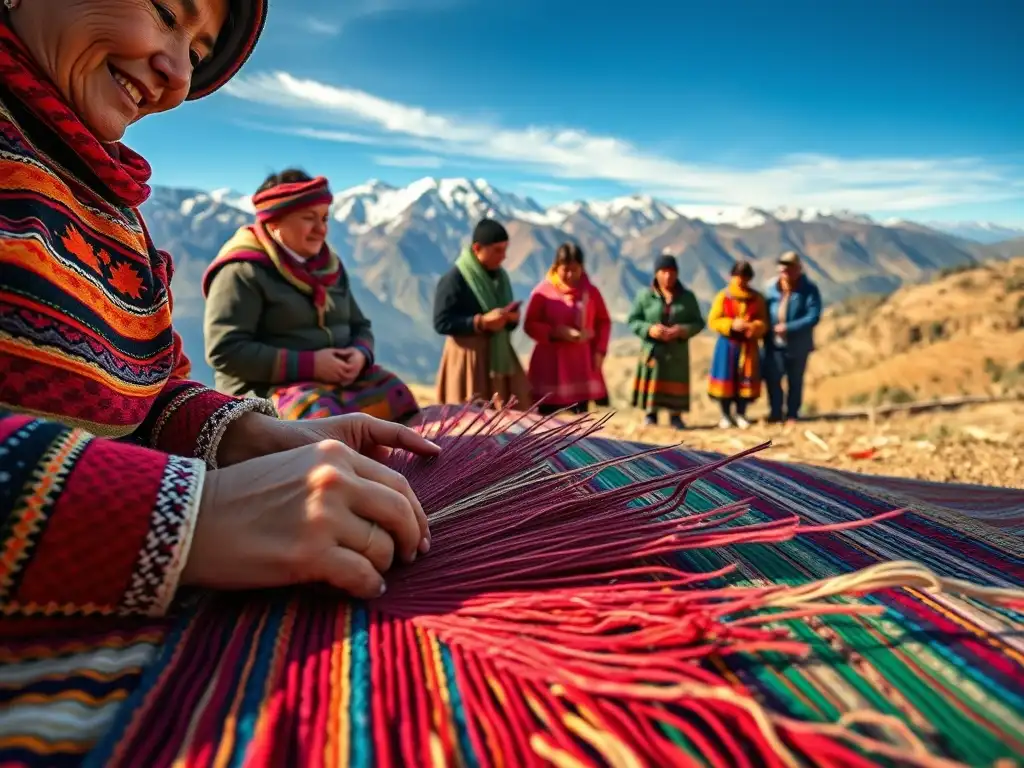
Unravel the mysteries of the Andes! Journey beyond the iconic Inca empire and discover a world of vibrant cultures, breathtaking artistry, and astonishing ingenuity. This isn't just history; it's a living legacy. Intrigued by the enduring spirit of the Andean people? Then delve into the fascinating realm of Aymara cultural tourism experiences – a respectful approach to exploring a heritage as rich and complex as the mountains themselves. Prepare to be amazed.
The Andes Mountains, a spine of majestic peaks stretching along the western edge of South America, have been home to a rich tapestry of vibrant cultures for millennia. Among these, the Aymara people stand out for their enduring traditions, resilience, and profound connection to their ancestral lands. This article delves into the burgeoning field of Aymara cultural tourism, emphasizing the crucial importance of respectful engagement and ethical practices.
We will explore what constitutes meaningful Aymara tourism experiences, highlighting the significance of understanding their culture and ensuring the preservation of their heritage for future generations. This approach is vital not only for enriching the experiences of visitors seeking authentic cultural immersion but also for supporting the economic well-being of Aymara communities while safeguarding their invaluable cultural legacy – a legacy that encompasses a unique language, intricate textile traditions, captivating folklore, and a deep-rooted spirituality inextricably linked to the Andean landscape.
Understanding the nuances of Aymara cultural tourism is key to fostering sustainable and mutually beneficial relationships between visitors and the communities they seek to experience. This exploration will provide a framework for responsible travel and contribute to the growth of ethically-sound Aymara cultural tourism experiences.
Understanding Aymara Culture for Meaningful Tourism
To engage meaningfully with Aymara culture, a deep understanding of their history, beliefs, and social structures is paramount. The Aymara are not a monolithic group; their traditions and customs vary across different communities and regions. For example, traditional Aymara clothing, often vibrant and intricately woven, can vary significantly in design and color depending on the specific community.
Similarly, their agricultural practices, deeply rooted in their ancestral knowledge of the land, adapt to the diverse ecological zones within the Andes. Understanding these nuances is crucial to avoid unintentional cultural appropriation or disrespect. Furthermore, learning basic Aymara phrases can significantly enhance interactions, demonstrating respect and a genuine interest in connecting with the community on their terms.
This respect extends to acknowledging the spiritual significance of sacred sites and respecting local customs and protocols, such as appropriate dress and behavior during ceremonies or visits to community spaces. Engaging with local guides who are members of the Aymara community is highly recommended; they can provide invaluable insights and ensure a truly authentic and respectful experience. This approach transforms tourism from a passive observation into an active and mutually enriching exchange.
The Importance of Ethical Aymara Tourism Practices
Ethical Aymara tourism goes beyond simply visiting a community; it's about actively contributing to their well-being and the preservation of their culture. This necessitates supporting local businesses, purchasing handicrafts directly from Aymara artisans, and ensuring that the economic benefits of tourism are fairly distributed within the community. It also involves actively participating in initiatives that support the preservation of the Aymara language and cultural practices.
For instance, supporting community-based projects focused on language revitalization or the preservation of traditional weaving techniques contributes directly to the sustainability of Aymara culture. The emphasis should always be on reciprocity and mutual benefit – a tourism model where both visitors and the host community gain enriching experiences and tangible benefits. Avoiding exploitative practices, such as the commodification of cultural traditions or the disruption of local lifestyles, is crucial for ensuring the long-term sustainability of Aymara cultural tourism.
Ultimately, ethical Aymara tourism is about building respectful, enduring relationships based on mutual understanding, appreciation, and a commitment to preserving this rich and vibrant culture for generations to come. This requires a conscious and proactive approach from both tourists and tourism operators alike.
Planning Your Aymara Cultural Tourism Experience
Planning a respectful and enriching Aymara cultural tourism experience requires careful consideration. It's crucial to move beyond the typical tourist traps and engage authentically with the Aymara communities and their traditions. This involves thorough research, responsible tour operator selection, and practical preparation for the unique environmental conditions of the Andean highlands. Ignoring these aspects can lead to disrespectful or even harmful interactions, undermining the very purpose of cultural tourism. Prioritizing responsible travel ensures a positive experience for both the visitor and the community. Remember that your presence is a privilege, not a right.
Researching Specific Aymara Communities and Their Unique Traditions
Before embarking on your journey, dedicate time to researching the specific Aymara communities you plan to visit. The Aymara people are not a monolithic group; they inhabit diverse regions across the Andes, each with its unique traditions, customs, and perspectives. Some communities might be more open to tourism than others, and understanding these nuances is paramount. Look for information on local festivals, agricultural practices, artistic expressions, and social structures.
Understanding the local context allows for a more meaningful and respectful interaction. For example, learning about the significance of specific colors in Aymara textiles or the rituals surrounding their agricultural cycles will enhance your appreciation and enable you to engage in more meaningful conversations. The more you know, the more enriching your experience will be.
Choosing Tour Operators Committed to Community Benefit
Selecting the right tour operator is critical for ensuring your Aymara cultural tourism experience is both ethical and rewarding. Prioritize operators who are demonstrably committed to community benefit. Look for those who employ local guides, support local businesses, and reinvest profits back into the communities they serve. Avoid operators who seem to prioritize profit over cultural preservation and community well-being.
Check reviews and testimonials to gauge the operator's commitment to ethical tourism practices. Ask specific questions about their approach to community engagement and their contribution to the sustainability of Aymara culture. Supporting ethical tourism ensures that your trip contributes positively to the preservation of Aymara heritage and the well-being of its people.
Preparing for Altitude and Climate in Aymara Regions
The Andean highlands present unique challenges, particularly concerning altitude and climate. Preparing adequately is essential for ensuring your safety and comfort. The high altitude can cause altitude sickness, so acclimatization is crucial. Plan for gradual ascents and allow your body time to adjust. Stay hydrated, avoid strenuous activity in the initial days, and be aware of the symptoms of altitude sickness.
The climate can be unpredictable, with significant variations in temperature between day and night. Pack layers of clothing to adapt to these changes, including warm clothing for evenings and cooler days. Appropriate footwear is also crucial for navigating uneven terrain. Proper preparation ensures a safe and enjoyable experience, allowing you to fully immerse yourself in the cultural aspects of your journey.
Authentic Aymara Cultural Tourism Experiences
Engaging in authentic Aymara cultural tourism goes beyond simply observing; it involves actively participating in and learning from the community. This means respecting local customs, actively listening, and showing genuine interest in their way of life. It’s about building connections and fostering mutual understanding, not just collecting souvenirs. A truly enriching experience will leave you with a deeper appreciation for Aymara culture and a renewed awareness of your own place in the world.
Participating in Traditional Farming Practices and Cooking
Many Aymara communities maintain traditional farming practices, often using ancient techniques passed down through generations. Participating in these activities provides a unique insight into their way of life and their deep connection to the land. This could involve helping with planting, harvesting, or processing crops.
Similarly, participating in traditional Aymara cooking offers a sensory experience, allowing you to learn about local ingredients and culinary traditions. Sharing a meal with a local family is a powerful way to connect with the community and build relationships based on shared experiences. These interactions provide invaluable insights into the daily lives and cultural practices of the Aymara people.
Witnessing Aymara Music and Dance Performances
Aymara music and dance are vibrant expressions of their cultural heritage, often imbued with deep spiritual and social significance. Witnessing a performance offers a captivating glimpse into their rich artistic traditions. These performances are frequently tied to specific ceremonies, festivals, or celebrations, providing further insight into their beliefs and values. The rhythmic beats and expressive movements tell stories of their history, their resilience, and their enduring connection to their ancestral lands. Actively engaging with these performances—by respecting the space and showing genuine appreciation—shows respect for their art and culture.
Learning about the Significance of Aymara Weaving Techniques
Aymara weaving is renowned for its intricate designs and symbolic significance. Each pattern, color, and technique carries meaning, reflecting the community's history, beliefs, and social structure. Learning about these techniques provides a deeper understanding of Aymara artistry and its role in preserving their cultural heritage. Many communities offer workshops where you can learn basic weaving techniques, providing a hands-on experience that enhances your appreciation for the skill and artistry involved. This is a valuable opportunity to connect with local artisans and learn directly from them, fostering a deeper understanding of Aymara traditions.
Visiting Pre-Columbian Aymara Ruins and Sacred Sites
Many pre-Columbian ruins and sacred sites across the Andes bear witness to the rich history of the Aymara people and their ancestors. Visiting these sites offers a tangible connection to their past, allowing you to appreciate the ingenuity and resilience of past generations. However, it’s crucial to approach these sites with respect and reverence.
Follow any guidelines provided by local authorities or guides, and avoid disturbing any artifacts or structures. Understanding the historical and spiritual significance of these sites enriches the experience and fosters a deeper connection to Aymara history and culture. Remember that these sites are not merely tourist attractions; they are places of profound cultural and spiritual significance to the Aymara people.
The Role of Aymara Communities in Tourism Development
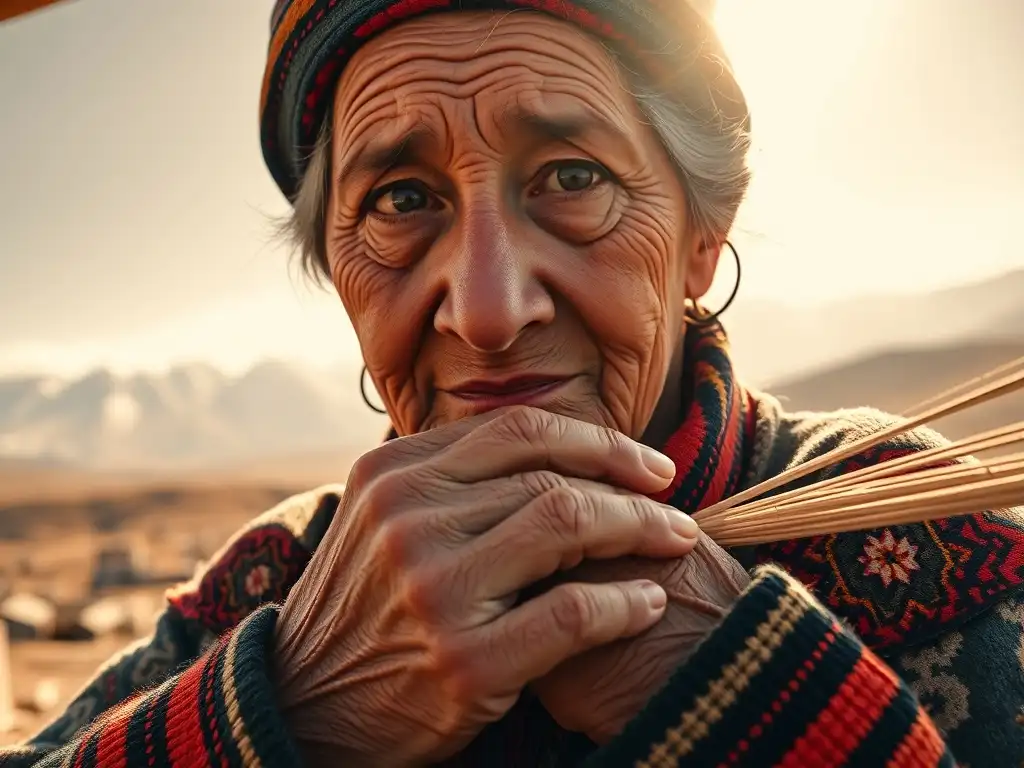
The development of Aymara cultural tourism hinges on the active and meaningful participation of Aymara communities. It's crucial to move beyond simply showcasing Aymara culture as a spectacle and instead empower Aymara people to be the primary architects and beneficiaries of tourism initiatives. This ensures cultural preservation and economic empowerment go hand-in-hand. A genuine partnership fosters a respectful and sustainable approach, prioritizing the well-being and self-determination of the Aymara people. This approach is essential for creating authentic and enriching Aymara cultural tourism experiences. Without community involvement, the risk of cultural appropriation and exploitation is significantly increased.
Community-Owned and Operated Lodges and Tours
One exemplary approach to empowering Aymara communities is through community-owned and operated lodges and tours. These initiatives place decision-making power and economic benefits directly within the hands of the Aymara people. This model allows for the preservation of traditional Aymara hospitality and knowledge, ensuring visitors engage with authentic cultural practices and traditions.
For instance, a community might establish a network of homestays, offering visitors an immersive experience within Aymara homes, sharing meals, stories, and daily life. This fosters genuine cultural exchange and mutual respect, contrasting starkly with impersonal, mass-tourism models. The profits generated directly support community development projects, such as schools, healthcare, and infrastructure improvements.
Direct Purchase of Aymara Crafts and Goods
Supporting Aymara artisans directly is another crucial aspect of responsible cultural tourism. By purchasing handicrafts, textiles, and other goods directly from Aymara artisans, tourists contribute to their economic well-being and help preserve traditional crafts. This bypasses exploitative middlemen and ensures a fair price for the artisans' work. This direct engagement offers a more meaningful and ethical experience for tourists, allowing them to connect with the creators and learn about the cultural significance of the products. Examples include purchasing hand-woven textiles, intricately carved wooden items, or traditional silver jewelry directly from the artisans at local markets or workshops.
Aymara Leadership in Tourism Planning and Management
Meaningful Aymara cultural tourism necessitates Aymara leadership at all levels of planning and management. This includes involvement in decision-making processes, from determining the types of tourism activities offered to setting pricing structures and managing resources. This ensures that tourism development aligns with the community's values, priorities, and long-term vision. Aymara experts should be integral in guiding the development of tourism strategies, ensuring that cultural sensitivity and authenticity are prioritized. This participatory approach respects Aymara self-determination and fosters a sense of ownership and pride in their cultural heritage.
Challenges and Opportunities in Aymara Cultural Tourism
While Aymara cultural tourism presents significant opportunities for economic development and cultural preservation, it also faces substantial challenges that require careful consideration and proactive mitigation strategies. Balancing the benefits of tourism with the preservation of Aymara culture and environment is a complex undertaking. Sustainable practices are crucial to ensuring the long-term viability and positive impact of this form of tourism.
Mitigating Cultural Commodification and Misrepresentation
A key challenge lies in preventing the commodification and misrepresentation of Aymara culture. It is crucial to avoid reducing Aymara traditions to mere tourist attractions, stripped of their deeper meaning and significance. Tourism initiatives must be carefully designed to ensure respectful representation, avoiding stereotypes and fostering genuine understanding and appreciation. This requires careful collaboration with Aymara communities to ensure that cultural practices are presented accurately and ethically. Education and awareness campaigns can help combat misrepresentations and promote responsible tourism behaviors.
Managing Environmental Impacts of Increased Tourism
The influx of tourists can negatively impact the fragile environment of Aymara communities. Increased waste generation, water consumption, and habitat disruption are potential consequences. Sustainable tourism practices are crucial to mitigate these impacts. This includes implementing waste management programs, promoting responsible water usage, and minimizing the environmental footprint of tourism activities. Investing in eco-friendly infrastructure and supporting local conservation efforts are crucial steps towards sustainable tourism development. Examples include supporting initiatives focused on sustainable agriculture and waste reduction.
Developing Fair Trade and Equitable Tourism Practices
Ensuring fair trade and equitable tourism practices is vital for the long-term success and sustainability of Aymara cultural tourism. This means establishing fair wages and working conditions for Aymara workers involved in tourism activities. It also requires ensuring that economic benefits are distributed equitably within the community, benefiting all members and not just a select few.
Transparency and accountability are essential aspects of fair trade practices, ensuring that all stakeholders understand how tourism revenues are utilized. This promotes economic empowerment and fosters long-term community well-being. Implementing fair trade principles ensures that Aymara communities receive a fair share of the benefits from tourism.
Tips for Respectful Engagement in Aymara Communities
Engaging respectfully with Aymara communities is paramount for a positive and enriching cultural tourism experience. It's crucial to remember that you are a guest in their homes and lands, and treating them with the utmost respect is essential. This means approaching interactions with humility, curiosity, and a genuine desire to learn and understand. Avoid imposing your own cultural norms and instead strive to adapt to theirs.
Remember that Aymara culture is rich and diverse, with variations existing between different communities. What might be considered respectful in one village could be different in another. Always be open to learning and adapting your approach as needed. This adaptability demonstrates a genuine interest in understanding and respecting their traditions.
Seeking Permission Before Taking Photos or Videos
Before taking any photos or videos of people or their property, always ask for permission. A simple gesture, accompanied by a smile and a polite request, often works wonders. Consider offering to share the photos or videos with them afterwards as a token of respect. If permission is granted, be mindful of the context. Avoid intrusive or exploitative photography. Remember that these images are representations of real people and their lives.
Do not treat them as mere objects to be photographed. Respect their privacy and dignity. In some cases, communities may have specific guidelines or restrictions on photography, so it's always best to inquire beforehand. This shows consideration for their cultural sensitivities and avoids any potential misunderstandings. Respecting their wishes, whether they grant or deny permission, is key to ethical and responsible engagement.
Learning Basic Aymara Greetings and Phrases
Learning a few basic Aymara greetings and phrases can significantly enhance your interactions. Simple phrases such as "Kusisimi" (hello) and "Maypi" (thank you) demonstrate your effort to connect with the community on their terms. Even a simple attempt at communication, even if imperfectly executed, shows respect and willingness to engage. It demonstrates that you value their language and culture.
This simple act can foster a sense of connection and mutual understanding. Consider carrying a small phrasebook or using a translation app to aid your communication. However, remember that words alone aren't enough; genuine respect and attentiveness are equally important. Body language and tone also play a crucial role in effective communication.
Showing Respect for Elders and Community Leaders
In Aymara culture, elders and community leaders hold significant respect and authority. Showing deference to them is essential. This might involve seeking their permission before engaging in certain activities, such as visiting sacred sites or participating in ceremonies. Always approach them with humility and listen attentively when they speak.
Respect their knowledge and experience. Avoid interrupting them, and show patience while they share their stories and wisdom. This respectful behavior not only shows consideration for their roles within the community but also helps to foster positive relationships and a deeper understanding of Aymara traditions. Remember that their insights are invaluable in understanding the deeper meanings and significance of Aymara culture.
Key Takeaways for Aymara Cultural Tourism Experiences
The Value of Cultural Exchange and Understanding
Aymara cultural tourism offers a unique opportunity for cultural exchange and mutual understanding. By engaging respectfully, tourists can learn about Aymara history, traditions, and beliefs, while also sharing aspects of their own culture. This reciprocal exchange fosters appreciation and respect for different ways of life. It can lead to new perspectives and a deeper understanding of the interconnectedness of human cultures. This exchange is a vital component of responsible and meaningful cultural tourism. It's about building bridges of understanding, not simply consuming culture.
The Positive Economic Impact of Responsible Tourism
Responsible Aymara cultural tourism can have a positive economic impact on communities. By supporting locally owned businesses, purchasing handicrafts, and contributing to community projects, tourists can help improve the livelihoods of Aymara people. This economic empowerment is crucial for the preservation of Aymara culture and traditions. It ensures that the community benefits directly from tourism, rather than simply being exploited. This sustainable approach ensures that tourism contributes positively to the long-term well-being of the community. Economic sustainability is intrinsically linked to cultural preservation.
The Future of Community-Led Aymara Tourism
The future of Aymara cultural tourism lies in community-led initiatives. By empowering Aymara communities to design and manage their own tourism experiences, tourists can ensure that their visits are both respectful and beneficial. This approach ensures that tourism reflects the authentic values and perspectives of the Aymara people, rather than being imposed from outside. Community-led tourism fosters a sense of ownership and pride, leading to more sustainable and culturally sensitive tourism practices. This participatory approach safeguards the integrity of Aymara culture while generating economic benefits for the community. It's a model that prioritizes both cultural preservation and community empowerment.
- Understanding Aymara Culture for Meaningful Tourism
- The Importance of Ethical Aymara Tourism Practices
- Planning Your Aymara Cultural Tourism Experience
- Authentic Aymara Cultural Tourism Experiences
- The Role of Aymara Communities in Tourism Development
- Challenges and Opportunities in Aymara Cultural Tourism
- Tips for Respectful Engagement in Aymara Communities
- Key Takeaways for Aymara Cultural Tourism Experiences
Frequently Asked Questions
What is Aymara cultural tourism?
Aymara cultural tourism focuses on respectful and authentic interactions with Aymara communities. It prioritizes supporting local economies and preserving Aymara culture and traditions through responsible travel practices. This includes learning about their history, art, and way of life directly from the Aymara people.
How can I ensure my tourism is respectful of Aymara culture?
Engage in meaningful interactions with Aymara people, learn basic Aymara phrases, support local businesses, and be mindful of local customs and traditions. Avoid exploitative practices and always ask for permission before taking photos of people. Respect their environment.
What kind of Aymara cultural experiences are available?
Experiences range from homestays and community-based tourism initiatives to guided tours of significant Aymara sites. You might participate in traditional ceremonies, learn about Aymara weaving techniques, or enjoy authentic Andean cuisine.
Where can I find Aymara cultural tourism experiences?
Many organizations offer tours and experiences focusing on Aymara culture. Research responsible travel operators who prioritize community engagement and cultural preservation. Look for tours specifically focused on the Aymara people and their regions.
Why is respectful tourism important for the Aymara people?
Respectful tourism helps preserve Aymara culture and empowers Aymara communities economically. It allows them to share their rich heritage while maintaining their traditions and ensuring sustainable development. It avoids the negative impacts of exploitative tourism.
Final Reflection: Weaving Respect into the Aymara Tapestry
The responsible exploration of Aymara culture is not merely a trend; it's a crucial step towards a more equitable and sustainable future for tourism. Ignoring the voices and needs of indigenous communities in the pursuit of profit only perpetuates historical injustices. We must move beyond superficial interactions and embrace genuine engagement.
The enduring legacy of colonialism continues to shape the narrative surrounding Aymara culture, often reducing it to a spectacle for consumption rather than a vibrant, living tradition. Tourism can be a powerful force for good, but only if it is developed and managed in a way that respects the rights and cultures of local communities.
This quote underscores the importance of shifting our perspective from one of extraction to one of reciprocal exchange, ensuring that the benefits of tourism are shared equitably. The Aymara people deserve to be active participants in shaping their own future, not passive subjects in a tourist narrative.
Consider the impact of your choices. Will you contribute to the commodification of Aymara culture, or will you actively seek out experiences that prioritize respect, authenticity, and collaboration? Choose to engage with Aymara communities in a way that honors their traditions, supports their livelihoods, and empowers them to tell their own stories. Let's work together to build a future where cultural tourism truly benefits all involved, weaving a vibrant and respectful tapestry of shared experiences.
Embark on Your Journey of Cultural Discovery!
Thank you for exploring the rich tapestry of Aymara culture. This shows a commitment to respectful engagement with these vibrant communities. Now, let's translate your interest into meaningful action.
- Plan your next trip to an Aymara community to immerse yourself in their traditions and way of life.
- Share your experiences on social media to inspire others to appreciate and respect Aymara culture. Your perspective can make a real difference.
- Support local organizations involved in Aymara tourism to ensure its sustainability and positive impact on the community. Your contribution can foster lasting positive change.
What's your first step toward a deeper connection with Aymara culture?