
The Rhythm of Remembrance: The Art of Oral Storytelling in the Andes

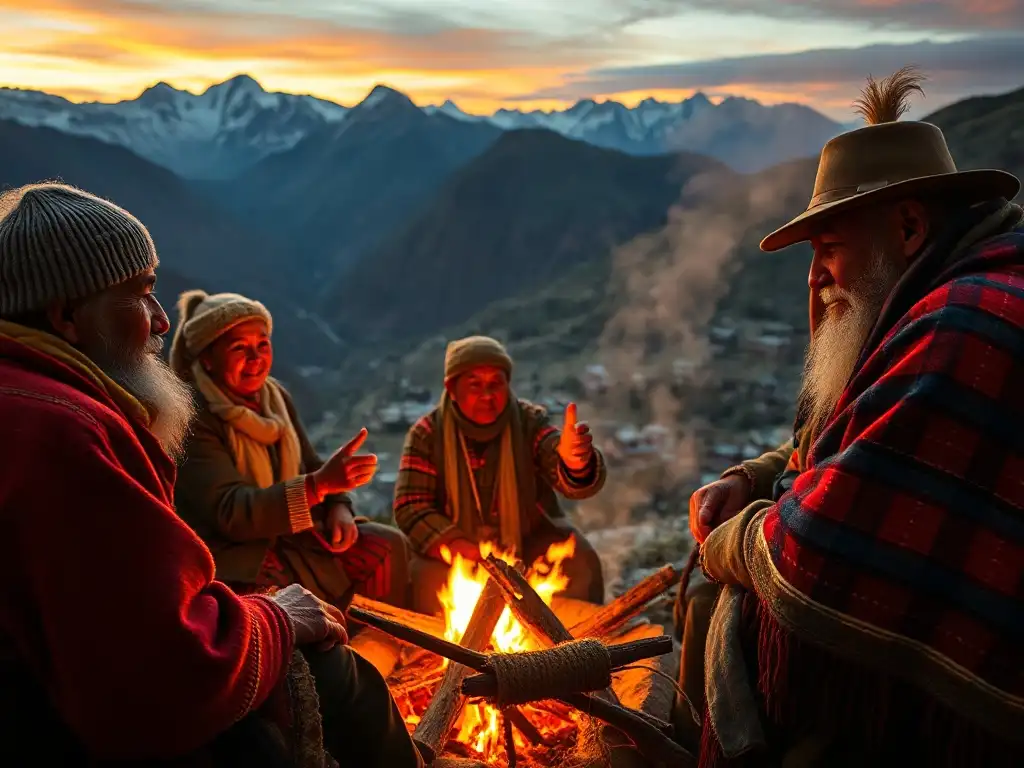
Step into a world lost in time, yet echoing with vibrant voices. Discover the captivating legacy of the Andean civilizations—their intricate artistry, awe-inspiring engineering, and the enduring power of their traditions. But what secrets do the whispers of the past hold? Unravel the mysteries of Andean oral storytelling traditions, a vital thread weaving through the tapestry of Andean history and culture. Prepare to be enthralled as we delve into the Rhythm of Remembrance.
The Andes Mountains, a spine of towering peaks running down the western edge of South America, are not only a breathtaking geographical feature but also the cradle of a rich tapestry of ancient cultures. For millennia, long before the written word held sway, the vibrant history, beliefs, and knowledge of Andean civilizations were meticulously preserved and transmitted through the art of oral storytelling.
This article delves into the fascinating world of Andean oral storytelling traditions, exploring their significance in shaping cultural identity, preserving historical narratives, and transmitting vital knowledge across generations. We will uncover the diverse forms these traditions took, from epic poems and myths to practical instructions and social commentaries, highlighting their enduring relevance in understanding the complexities of Andean societies.
Understanding these traditions provides a crucial lens through which to appreciate the enduring legacy of Andean cultures and their profound connection to their ancestral lands. This exploration will illuminate the power of the spoken word in shaping a civilization's identity and the remarkable ways in which these stories continue to resonate today.
The Role of Storytelling in Andean Society
Before the arrival of the Spanish conquistadors and the subsequent imposition of written language systems, oral traditions were the primary means of preserving and transmitting knowledge within Andean communities. Storytelling wasn't merely entertainment; it served as a vital tool for education, social control, and the perpetuation of cultural values. These narratives, often passed down through lineages of storytellers known as yachaywasi (knowledge keepers), cemented social structures, explained the natural world, and provided moral guidance.
The intricate details woven into these stories, often containing complex genealogies, historical accounts, and practical agricultural knowledge, demonstrate the sophisticated methods employed to encode and transmit essential information. The accuracy and consistency with which these stories were passed down over generations is a testament to the dedication and skill of the Andean storytellers.
Furthermore, the use of mnemonic devices, such as songs, chants, and rhythmic patterns, further ensured the preservation of these crucial narratives. The importance of these oral traditions can't be overstated; they were the bedrock of Andean society, forming the very foundation of their identity and worldview.
Diverse Forms of Andean Oral Storytelling
Andean oral storytelling traditions encompassed a wide array of forms, each tailored to specific purposes and audiences. These ranged from lengthy epic poems recounting the creation of the world and the deeds of mythical heroes to shorter, more practical tales offering advice on farming techniques or social etiquette. For example, the harawi, a genre of Quechua poetry, often served as a vehicle for expressing personal emotions or commenting on social issues. Meanwhile, myths surrounding powerful deities like Pachamama (Mother Earth) and Inti (the Sun God) provided explanations for natural phenomena and reinforced religious beliefs.
The narratives were not static; they evolved over time, adapting to changing social and environmental conditions, reflecting the dynamic nature of Andean societies. The flexibility and adaptability of these oral traditions are a testament to their enduring power and relevance. This rich diversity highlights the nuanced and multifaceted nature of Andean cultural expression.
The Enduring Legacy of Andean Oral Storytelling Traditions
Despite the challenges posed by colonization and the subsequent dominance of written language, Andean oral storytelling traditions have demonstrated remarkable resilience. While the forms and contexts may have shifted, the fundamental importance of these narratives in maintaining cultural identity and transmitting knowledge persists.
In many Andean communities, oral storytelling remains a vibrant and integral part of daily life, providing a vital link to the past and shaping the present. Efforts to document and preserve these traditions are crucial not only for academic research but also for the communities themselves, ensuring the continuation of this rich cultural heritage.
The ongoing efforts to revitalize and promote Andean languages are intrinsically linked to the preservation of their oral traditions, demonstrating the deep interconnectedness of language, culture, and identity. The continued practice of oral storytelling in the Andes stands as a powerful testament to the enduring strength and vitality of these ancient cultures and their profound connection to their history.
- The Role of Storytelling in Andean Society
- Diverse Forms of Andean Oral Storytelling
- The Enduring Legacy of Andean Oral Storytelling Traditions
The Enduring Legacy of Andean Oral Traditions
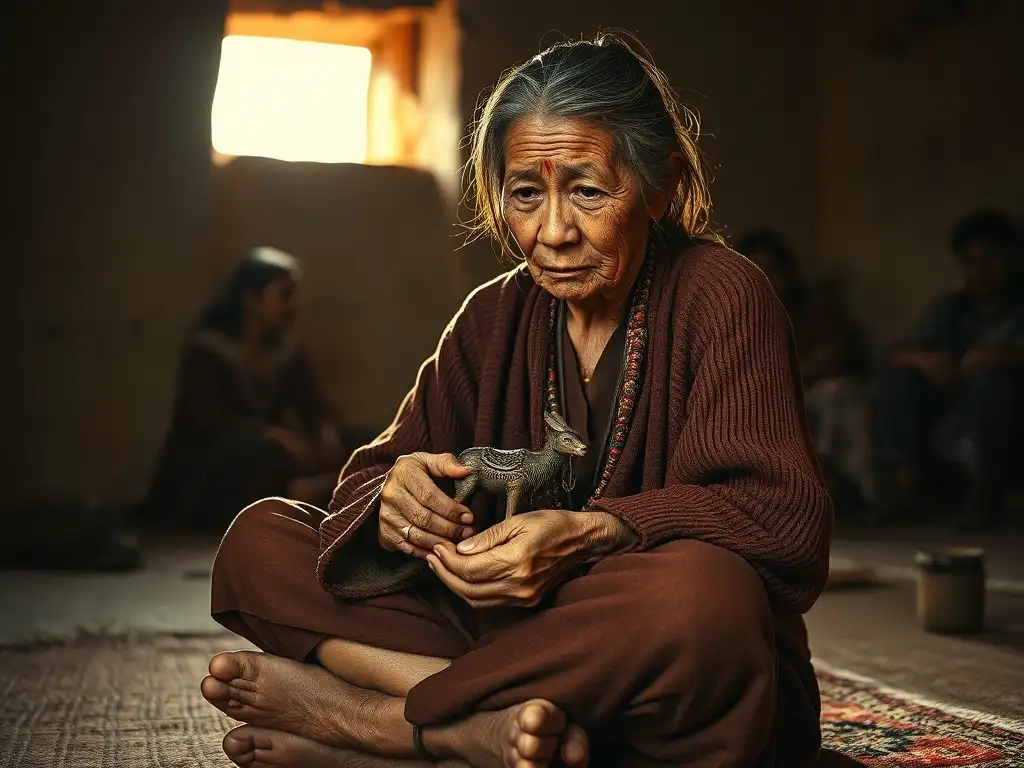
The Andes Mountains, a spine of towering peaks stretching along the western edge of South America, are not only a geographical marvel but also a repository of rich and vibrant cultural heritage. For centuries, before the advent of widespread literacy, the Andean civilizations relied heavily on oral traditions to transmit knowledge, beliefs, and history across generations. This intricate network of spoken narratives, songs, and rituals formed the very bedrock of their societal structures and continues to resonate powerfully today.
Understanding these Andean oral storytelling traditions is crucial to appreciating the depth and complexity of these ancient cultures. The enduring legacy of these traditions is evident in the continued practice of storytelling in many Andean communities, a testament to their resilience and adaptability. These narratives are not merely historical accounts; they are living, breathing entities that shape identity, values, and social cohesion.
The study of these traditions provides invaluable insights into the worldview, social organization, and spiritual beliefs of these fascinating civilizations. This section delves into the specific mechanisms of preservation and the profound cultural significance of these oral narratives.
Preserving History Through Spoken Word in the Andes
The preservation of Andean oral storytelling traditions involved sophisticated mnemonic techniques and a deep-seated cultural commitment to remembering. These weren't simply casual tales; they were carefully crafted narratives laden with symbolic meaning and historical weight. Consider, for example, the harawi, a Quechua poetic form often used to recount historical events, express emotions, or transmit moral lessons. These harawi were not simply memorized; they were meticulously passed down through lineages, often accompanied by musical accompaniment that aided in memorization and emotional impact.
The use of repetition, rhythm, and rhyme further enhanced memorability. Furthermore, the collective nature of storytelling played a vital role. Narratives were often shared within families and communities during gatherings, festivals, and rituals, creating a communal reinforcement of memory. This collective effort ensured the accuracy and longevity of the stories, transforming them into a shared cultural inheritance.
The role of yachaywasi (houses of knowledge) in Inca society further underscores the importance placed on oral transmission. While the exact nature of these institutions remains a subject of ongoing research, evidence suggests they served as centers for the preservation and dissemination of knowledge, including oral histories, astronomical observations, and agricultural techniques. These institutions fostered a culture of learning and memory, ensuring that crucial information was not lost to time.
The intricate system of quipus, knotted cords used for record-keeping, also supplemented oral traditions, providing a tangible support system for the complex narratives passed down through generations. The integration of oral and material culture highlights the sophisticated strategies employed by Andean civilizations to safeguard their rich cultural heritage.
The Significance of Oral Narratives in Andean Culture
Andean oral narratives served far more than a simple historical function; they were integral to the very fabric of Andean societies. These stories shaped social identities, reinforced moral codes, and transmitted crucial knowledge about the natural world, agriculture, and spirituality. Myths and legends, for instance, often explained the origins of the world, the relationship between humans and nature, and the roles of various deities. These narratives provided a framework for understanding the cosmos and one's place within it. They instilled a deep respect for the environment and a sense of responsibility towards maintaining ecological balance.
Furthermore, oral traditions played a critical role in social control and conflict resolution. Stories about exemplary behavior and the consequences of transgression served as powerful moral guides. Narratives about past conflicts and their resolution provided valuable lessons in diplomacy and conflict management. The use of storytelling in these contexts highlights its importance as a tool for social cohesion and cultural transmission.
The continued relevance of these traditions in contemporary Andean communities underscores their enduring power to shape values, behaviors, and social interactions. The vibrant tapestry of Andean oral storytelling traditions continues to inform and inspire, demonstrating the enduring power of the spoken word in shaping culture and transmitting knowledge across millennia. The study of these rich narratives offers a unique window into the minds and hearts of the people who shaped the Andean world.
Key Elements of Andean Oral Storytelling
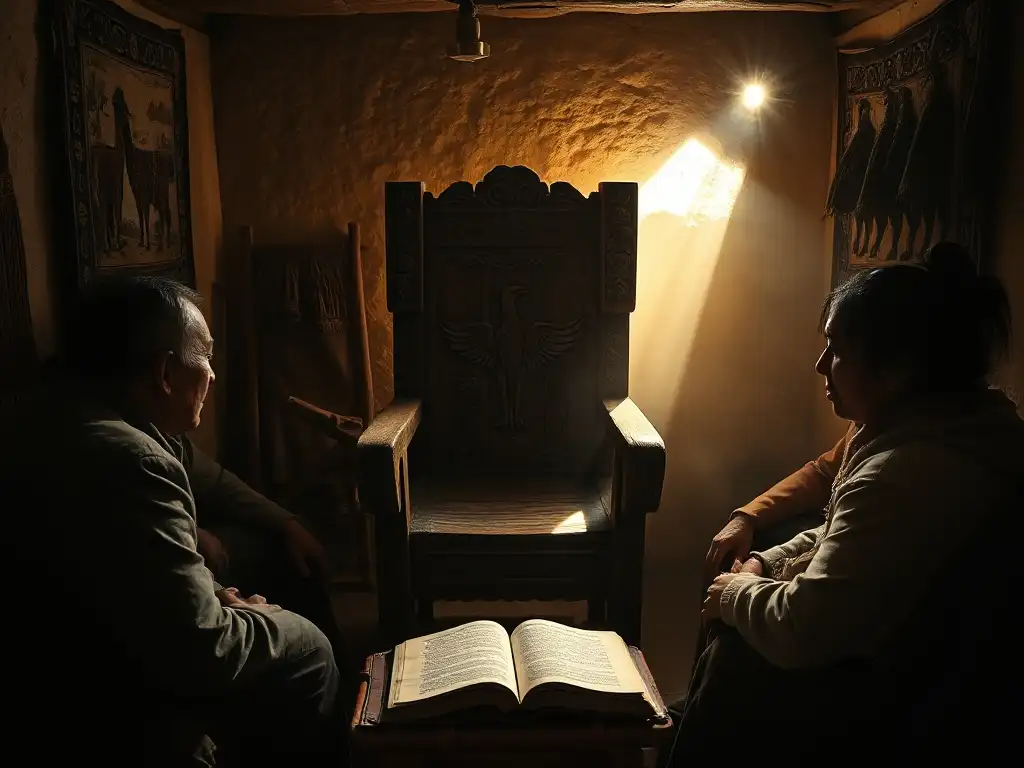
Andean oral storytelling traditions weren't merely a means of entertainment; they served as vital mechanisms for transmitting knowledge, preserving history, and reinforcing social structures across generations. This intricate system of communication relied on several key elements to ensure the effective preservation and dissemination of cultural heritage. These elements included mnemonic devices, cyclical narratives, and a deep understanding of the audience's cultural context.
The effectiveness of these traditions hinged on the storytellers' ability to connect with their listeners on an emotional and intellectual level, fostering a powerful sense of shared identity and cultural continuity. The meticulous preservation of these narratives ensured the continuity of Andean cultural values and beliefs, a testament to the power of oral transmission in shaping societal norms and worldview. Understanding these key elements is crucial to appreciating the profound influence of Andean oral storytelling traditions on the region's cultural landscape.
The vibrant tapestry of Andean culture, its rich history, and its unique artistic expressions owe a significant debt to the enduring power of this oral heritage. Indeed, the very essence of Andean identity is intrinsically linked to these age-old practices.
Storytelling Techniques in Andean Communities
Andean oral storytelling wasn't a haphazard recounting of events; it was a highly refined art form employing sophisticated techniques to ensure accurate and engaging transmission of information. Storytellers frequently used mnemonic devices such as repetitive phrases, songs, and symbolic imagery to aid memorization and recall. For instance, the use of quipus (knotted strings) provided a visual aid that helped structure and remember complex narratives, supplementing the spoken word.
Furthermore, cyclical narratives, often reflecting the cyclical nature of Andean cosmology and agriculture, helped embed stories within a larger, familiar framework, making them easier to understand and remember. The stories themselves were often adapted to the specific audience and context, demonstrating a high level of communicative skill and adaptability. This adaptability ensured that the core message resonated with listeners regardless of their age or background, highlighting the dynamic and interactive nature of Andean oral storytelling.
The use of proverbs, riddles, and other forms of verbal artistry further enhanced the engagement and memorability of the narratives. This skillful weaving of narrative threads, combined with the strategic use of mnemonic devices, ensured the effective transmission of knowledge across generations, preserving the rich cultural heritage of the Andean region.
The Role of Music and Performance in Oral Narratives
Music played an indispensable role in Andean oral storytelling, enhancing the narrative's emotional impact and aiding memorization. The rhythmic chanting and musical accompaniment not only made the stories more engaging but also served as a mnemonic device, helping listeners retain the information. The use of instruments like panpipes, drums, and flutes added layers of meaning and atmosphere, transforming simple recounting into immersive experiences.
Different musical styles were employed depending on the type of story being told. For example, celebratory narratives might have been accompanied by upbeat, energetic music, while somber stories might have used slower, more melancholic melodies. The performance itself was theatrical; storytellers often used gestures, facial expressions, and changes in vocal tone to convey emotion and emphasize key points.
This multi-sensory approach ensured that the stories were not just heard, but felt and experienced on a visceral level, leaving a lasting impression on the audience. The combination of music, performance, and narrative created a powerful synergy that amplified the impact of the stories, cementing their place in the collective memory of the Andean communities.
The Power of Andean Storytellers: Yachaq, Amauta, and Hampi Camayoc
The effectiveness of Andean oral storytelling traditions rested heavily on the shoulders of skilled storytellers. These individuals, often holding positions of authority and respect within their communities, possessed a deep understanding of their culture's history, cosmology, and social structures. Different titles denoted varying levels of expertise and social standing. Yachaq, meaning "wise one" or "knowledgeable person," often served as spiritual leaders and custodians of traditional knowledge.
Amauta, a Quechua term, referred to highly respected elders and teachers, often entrusted with the transmission of cultural values and historical accounts. The Hampi Camayoc, or "keeper of the roads," were storytellers who often traveled between communities, disseminating news, stories, and cultural knowledge. These individuals weren't merely storytellers; they were cultural ambassadors, preserving and shaping the social fabric of their communities through their narratives.
Their role extended beyond simple entertainment; they were instrumental in maintaining social cohesion, educating younger generations, and reinforcing societal values. Their mastery of storytelling techniques, their deep understanding of their culture, and their respected social standing ensured the enduring power of Andean oral storytelling traditions. Their legacy continues to resonate in the cultural landscape of the Andes, shaping identities and preserving a rich history passed down through generations.
Themes and Motifs in Andean Oral Narratives
Andean oral storytelling traditions are rich tapestries woven with recurring themes and motifs that reflect the worldview, values, and experiences of the diverse Andean cultures. These narratives, passed down through generations, offer invaluable insights into the complexities of Andean societies and their relationship with the natural world. Understanding these recurring motifs is crucial to appreciating the depth and significance of Andean oral literature. The consistent presence of certain themes highlights their importance in shaping Andean identity and cultural memory. Analyzing these patterns helps us unravel the intricacies of Andean thought and belief systems.
Creation Myths and Origins in Andean Storytelling
Creation myths are foundational to Andean oral storytelling. These narratives explain the origins of the world, humanity, and the cosmos, often intertwining natural phenomena with supernatural forces. For example, many Andean creation stories involve a creator god or deity shaping the landscape and bringing forth life from the earth. These myths often feature powerful animals, celestial bodies, and ancestral figures playing pivotal roles in the creation process. The specific details vary significantly between different Andean cultures, reflecting the unique cosmologies and beliefs of each group.
For instance, some narratives detail a primordial chaos that was subsequently ordered by divine intervention, while others describe a gradual emergence of the world from a watery or subterranean realm. These stories aren't simply whimsical tales; they serve to establish a connection between the Andean people and their environment, reinforcing their understanding of place and belonging. Furthermore, these myths often provide explanations for natural events, such as earthquakes, volcanic eruptions, and seasonal changes, integrating the spiritual and the physical realms.
The persistence of these creation narratives underscores their continuing relevance in shaping Andean understandings of the world. Detailed ethnographic studies are needed to fully document the variations and nuances in creation myths across the different Andean regions. [Specific information pending: Detailed examples of creation myths from specific Andean groups, including Moche, Inca, and Aymara].
Tales of Heroes, Gods, and Ancestors
Another prevalent theme in Andean oral storytelling traditions is the recounting of heroic deeds, both those attributed to gods and those performed by human ancestors. These narratives often serve as models of behavior, showcasing ideals of courage, resilience, and community. Heroes in Andean stories frequently exhibit supernatural abilities or close relationships with the spirit world, further highlighting the blurred lines between the human and divine realms.
These tales often involve quests, battles against monstrous creatures, or struggles against natural forces. They function as both entertainment and moral instruction, teaching valuable lessons about perseverance, respect for nature, and the importance of communal solidarity.
The stories of Inca emperors, for example, often blend historical events with mythical elements, creating a narrative that combines both factual accounts and legendary feats. Similarly, many Andean cultures have tales about powerful ancestors who founded villages or established crucial social structures. These narratives not only solidify lineage and identity but also reinforce social order and cultural values.
The repetition of these heroic tales across generations ensures the continued transmission of cultural knowledge and the preservation of collective memory. [Specific information pending: Examples of specific Andean heroes and their stories, including details on their actions and the values they represent].
Moral Lessons and Cultural Values Embedded in Stories
Andean oral narratives are not solely focused on entertainment; they are rich repositories of moral and ethical teachings. These stories frequently illustrate important cultural values, such as respect for elders, the importance of community, and the interconnectedness of all living things. Through allegorical tales and cautionary narratives, Andean storytellers convey crucial social norms and expectations. The stories often feature consequences for actions that violate these norms, reinforcing the importance of adhering to traditional values.
For instance, many tales emphasize the importance of reciprocity ( ayni ) and communal labor ( minka), highlighting the collaborative nature of Andean societies. Other stories emphasize the consequences of disrespecting nature or ignoring spiritual guidance. These narratives are not simply didactic; they are woven into engaging stories that make the lessons memorable and meaningful. The effectiveness of this method of moral instruction underscores the power of storytelling as a pedagogical tool.
Furthermore, the variation in moral lessons across different Andean cultures reflects the diversity of values and beliefs within the region. A deeper investigation into specific examples of moral lessons from different Andean communities would provide a richer understanding of the ethical frameworks that guided their societies. [Specific information pending: Examples of specific moral lessons embedded in Andean oral narratives, along with the cultural values they represent].
The Transmission of Andean Oral Traditions
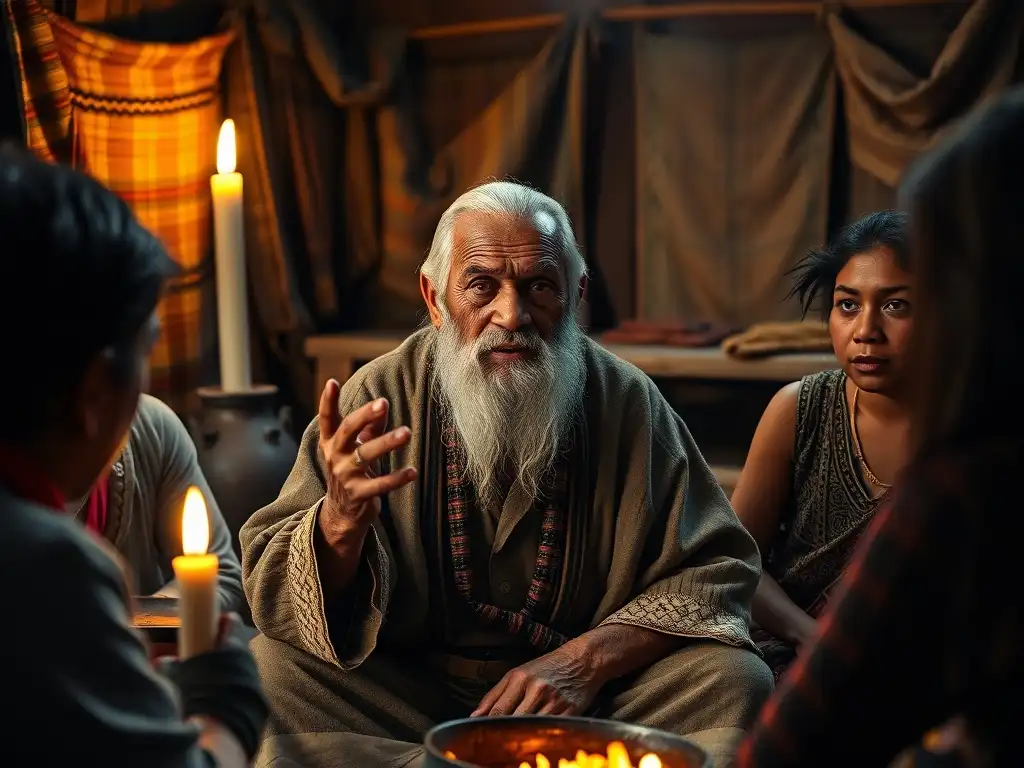
The vibrant tapestry of Andean oral storytelling traditions wasn't simply a pastime; it was a meticulously crafted system for preserving and transmitting knowledge, beliefs, and cultural values across generations. This intricate process relied heavily on specific techniques and social structures, ensuring the continuity of these rich narratives despite the absence of a written language for many Andean communities.
The effectiveness of this system is evidenced by the survival and evolution of these stories over centuries, even millennia, demonstrating the enduring power of oral communication in shaping Andean identity. Understanding how these traditions were passed down is crucial to appreciating their significance and the cultural ingenuity they represent.
We'll explore the key mechanisms involved in this transmission, examining the roles of family, community, and ritual in keeping these vital stories alive. The strength of Andean oral storytelling traditions lies not just in the stories themselves, but in the sophisticated methods used to preserve and pass them on.
The Intergenerational Transfer of Stories
The most fundamental aspect of Andean oral storytelling traditions was the intergenerational transfer of narratives. Stories weren't simply told; they were actively taught. Children learned from elders, absorbing not only the narratives themselves but also the nuanced performance styles, the appropriate contexts for telling specific stories, and the underlying cultural meanings embedded within them.
This process often began in the home, with parents, grandparents, and other family members sharing stories during daily routines or special occasions. These weren't isolated events; they were integrated into the fabric of daily life, reinforcing cultural values and knowledge through repetition and immersion. The intimate setting fostered a deep connection between the storyteller and the listener, creating a powerful bond that transcended mere entertainment.
Think of a grandmother weaving a tale of the Apu (mountain spirits) while her grandchild helps with household chores – a perfect example of how storytelling was seamlessly integrated into daily life, ensuring the continuous flow of cultural knowledge. This intimate, personalized approach differed significantly from later forms of mass communication, highlighting the deep personal investment in the preservation of Andean oral traditions. The role of the family in this process cannot be overstated; it was the bedrock upon which the broader community's understanding of their heritage was built.
Storytelling as a Form of Education and Cultural Preservation
Andean oral storytelling traditions served as a primary form of education, transmitting essential knowledge about history, geography, social structures, and spiritual beliefs. Myths and legends explained the origins of the world and the relationships between humans and the supernatural. Historical narratives recounted the achievements and struggles of ancestors, reinforcing community identity and fostering a sense of shared history.
Practical knowledge, such as agricultural techniques, medicinal practices, and social customs, was also embedded within these narratives, ensuring its transmission across generations. The stories weren't just entertaining; they were functional, serving as a vital repository of cultural knowledge and a crucial mechanism for its preservation. For instance, stories about successful harvests or effective medicinal plants served as practical lessons, integrating knowledge about survival and well-being directly into the cultural narrative.
This educational approach, deeply intertwined with entertainment and cultural values, ensured that crucial knowledge wasn't lost, but rather passed down effectively and engagingly, ensuring the continuity of Andean traditions. The effectiveness of this method is evident in the rich cultural heritage that survives to this day.
The Importance of Community Gatherings for Oral Storytelling
Beyond the family unit, community gatherings played a vital role in the perpetuation of Andean oral storytelling traditions. Festivals, ceremonies, and other social events provided opportunities for large-scale storytelling performances, reinforcing shared cultural values and strengthening community bonds. These gatherings often involved specific rituals and performance styles, enhancing the impact and memorability of the stories.
The communal nature of these events fostered a sense of collective identity and ownership over the shared narratives. Think of the fiesta celebrating a patron saint, where elders gather to share ancestral stories with younger generations, strengthening community ties and ensuring the continuing relevance of the tradition. The use of music, dance, and other performance elements further enhanced the storytelling experience, making it a vibrant and engaging communal activity.
The importance of these gatherings cannot be overstated; they were not merely social events, but crucial mechanisms for the transmission and preservation of Andean cultural heritage. The collective nature of these events cemented the stories in the community's collective memory, ensuring their survival and continued relevance for generations to come. These gatherings served as living archives of Andean culture, actively shaping and reinforcing community identity.
The Impact of Modernity on Andean Oral Storytelling
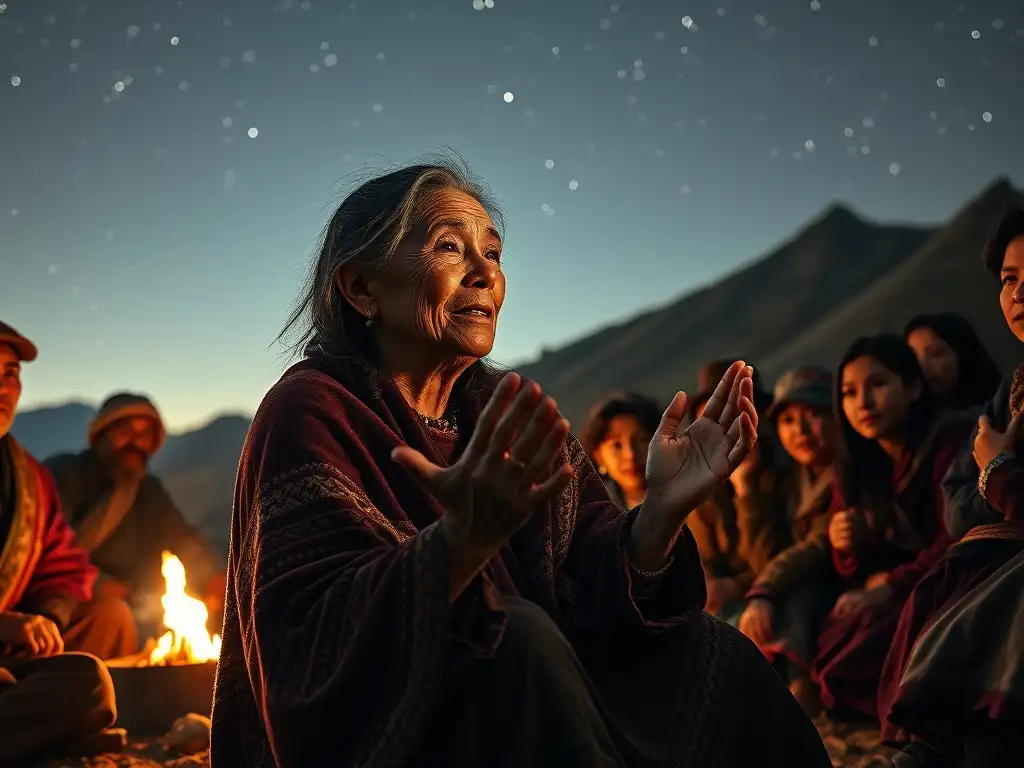
The vibrant tapestry of Andean oral storytelling traditions, woven through generations, faces significant challenges in the modern era. The encroachment of globalization, technological advancements, and societal shifts have profoundly impacted the transmission and preservation of these invaluable narratives. The once-dominant role of oral tradition in Andean communities is now increasingly contested by competing forms of communication and entertainment. This section delves into the complexities of this transition, examining how modernization affects the longevity of these rich cultural legacies. Understanding these impacts is crucial to developing effective strategies for preservation and revitalization.
Challenges to Traditional Oral Storytelling Practices
The rise of mass media, particularly television and the internet, presents a formidable challenge to Andean oral storytelling. These technologies offer readily accessible alternatives to traditional forms of entertainment and information dissemination, often attracting younger generations who may find the slower pace and less visually stimulating nature of oral storytelling less engaging. This shift in preference poses a serious threat to the continuity of these ancient narratives. Furthermore, migration from rural communities to urban centers disrupts the close-knit social structures that traditionally fostered the transmission of oral narratives.
The loss of intergenerational contact weakens the chain of oral transmission, putting the knowledge and skills of elder storytellers at risk of being lost forever. We also see the impacts of language shift. As Spanish gains prominence, the indigenous languages in which many oral narratives are traditionally told are losing speakers. This linguistic erosion directly jeopardizes the preservation of the stories themselves, as their cultural nuances and subtleties are difficult to translate accurately.
Quantifying the exact impact of these factors is difficult, lacking comprehensive, standardized data across all Andean communities. However, anecdotal evidence and observations from ethnolinguistic studies consistently point to a decline in the frequency and reach of traditional oral storytelling practices. The loss is not merely quantitative; the qualitative impact is even more profound, threatening the erosion of cultural memory and identity.
Efforts to Revive and Preserve Andean Oral Narratives
Despite the considerable challenges, significant efforts are underway to revive and preserve Andean oral storytelling traditions. These initiatives often involve collaborations between community members, researchers, and educational institutions. Many communities are actively engaging in documenting their oral narratives through audio and video recordings, creating archives that serve as a repository of their cultural heritage. This digital preservation offers a powerful tool for safeguarding these stories for future generations, facilitating wider access and promoting their continued relevance.
Furthermore, educational programs are incorporating oral storytelling into school curricula, aiming to instill appreciation for this art form among younger generations. Storytelling workshops and festivals are also gaining popularity, providing platforms for elder storytellers to share their knowledge and for younger individuals to learn and participate. These efforts are not without their limitations. The success of these revitalization projects hinges on securing sustained funding, engaging community members actively, and navigating the complexities of intellectual property rights.
Balancing the desire to preserve traditional storytelling with the need to adapt to modern contexts remains a critical challenge. For example, incorporating storytelling into digital platforms requires careful consideration to ensure authenticity and avoid misrepresentation. The focus is shifting from simply recording stories to actively fostering participatory engagement, empowering local communities to lead the preservation efforts themselves.
The Future of Andean Oral Storytelling Traditions
The future of Andean oral storytelling traditions hinges on the continued commitment of communities, researchers, and policymakers. The challenges are significant, but the potential for revitalization and adaptation remains strong. The integration of technology, while presenting challenges, also offers opportunities for wider dissemination and access to these narratives. Digital platforms can connect storytellers with audiences beyond geographical limitations, potentially fostering renewed interest and appreciation.
However, ensuring equitable access and avoiding the commodification of these cultural treasures requires careful planning and community involvement. Crucially, the success of any preservation effort relies on empowering local communities to take ownership of their cultural heritage. By supporting community-led initiatives and fostering intergenerational dialogue, we can ensure that these rich traditions continue to thrive. The long-term sustainability requires a holistic approach that considers the social, economic, and cultural contexts in which these stories exist.
Further research is needed to better understand the specific challenges faced by different Andean communities and to develop tailored strategies for preservation. The continued existence of Andean oral storytelling traditions is not just a matter of preserving cultural heritage; it is about safeguarding a vital part of human history and identity, a living testament to the resilience and creativity of the Andean people. The ongoing work is crucial to ensure that the rhythmic pulse of these ancient narratives continues to resonate for generations to come.
Examples of Andean Oral Storytelling
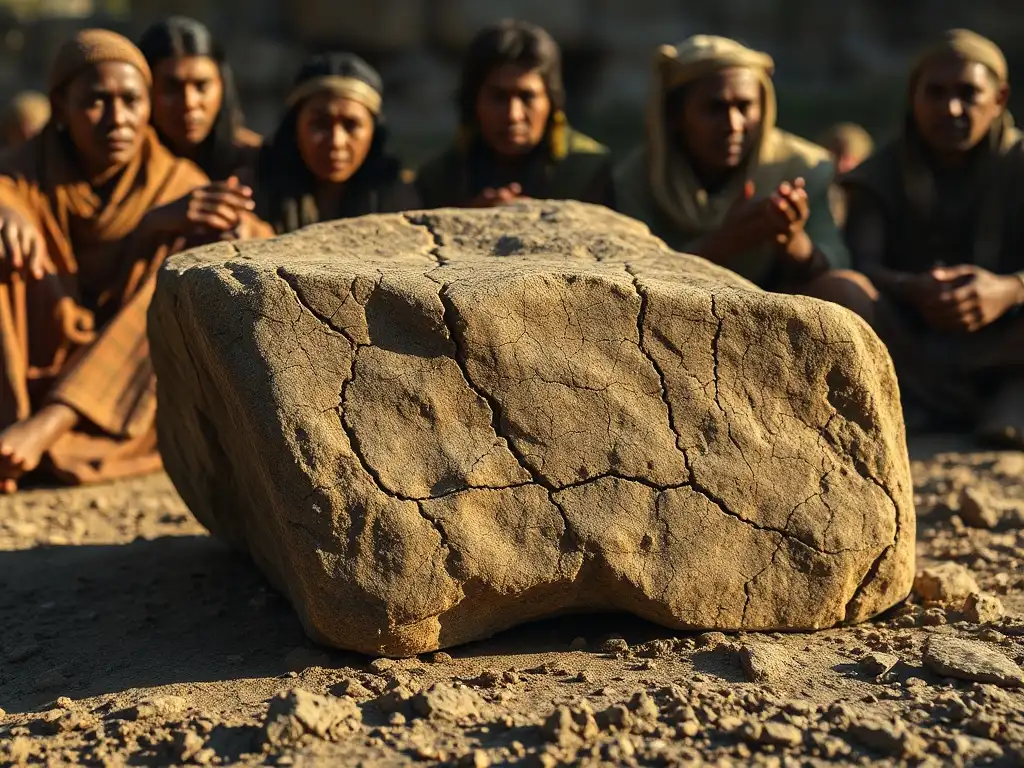
The vibrant tapestry of Andean culture is richly woven with threads of oral storytelling traditions. These traditions, passed down through generations, serve not only as entertainment but also as vital repositories of history, cosmology, social values, and practical knowledge. Understanding these narratives provides a crucial window into the complexities of Andean societies and their enduring connection to their ancestral past. The enduring power of Andean oral storytelling traditions lies in their ability to adapt and evolve while maintaining a core connection to their origins. This section will explore specific examples, highlighting the unique characteristics of different Andean groups.
The Quechua Storytelling Traditions
Quechua, encompassing various dialects, boasts a rich tradition of oral narratives. These stories are often deeply intertwined with the Andean landscape, reflecting a profound understanding of the natural world and its rhythms. Mythological figures, like the creator god Viracocha and the mischievous spirits known as Apu, populate these tales, imparting moral lessons and explaining natural phenomena.
Storytelling is often integrated into daily life, with elders sharing narratives during communal gatherings, weaving tales into the fabric of social interaction. The use of mnemonic devices, such as repetition and song, aids in the memorization and transmission of these extensive narratives across generations. For example, the story of Manco Cápac and Mama Ocllo, the founders of the Inca Empire, is a foundational Quechua narrative, passed down orally for centuries, shaping Inca identity and legitimizing their rule.
Variations of this story exist across different Quechua communities, highlighting the adaptive nature of oral traditions. The continued use of Quechua in many Andean communities ensures the survival of these vital narratives, albeit facing challenges from the dominance of Spanish and other languages.
The Aymara Oral Narrative Practices
Aymara oral storytelling traditions, similarly vibrant, often feature narratives centered around the relationship between humans and the natural world. These stories often incorporate elements of cosmology, reflecting the Aymara worldview and their understanding of the universe. Unlike the more centralized narrative structures sometimes found in Quechua traditions, Aymara storytelling frequently incorporates a more decentralized approach, with different versions and interpretations of the same story existing within different communities.
This diversity reflects the decentralized nature of Aymara social structures. Moreover, the use of specific performance techniques, such as changes in vocal tone and body language, enhances the storytelling experience, making it a dynamic and engaging form of communication. The narratives often serve a practical purpose, conveying knowledge about agriculture, medicinal plants, and social customs.
One example is the Aymara creation myth, which explains the origin of the world and the relationship between humans and the sacred mountains, illustrating their deep connection to their environment. These stories are not just tales; they are living traditions, constantly evolving and adapting to the changing circumstances of Aymara communities.
Analysis of the Legend of Inkarrí
The legend of Inkarrí, a recurring motif in Andean oral traditions, exemplifies the power and resilience of these narratives. Inkarrí, a mythical figure often depicted as a powerful Inca chieftain, is said to be waiting in a hidden location, ready to return and restore the Inca Empire. This legend serves multiple functions. First, it provides a source of hope and resistance for indigenous communities facing oppression and marginalization.
The enduring belief in Inkarrí's return acts as a powerful symbol of cultural survival and the potential for future liberation. Second, the legend itself is a dynamic and evolving narrative, with variations existing across different regions and communities. This fluidity highlights the adaptive nature of oral traditions, allowing them to remain relevant and meaningful across generations and varying contexts.
Analyzing the different versions of the Inkarrí legend reveals insights into the social and political dynamics of the communities that perpetuate it. Furthermore, the legend's persistence underscores the crucial role of oral storytelling in maintaining cultural identity and resisting assimilation in the face of historical trauma. The continued retelling of the Inkarrí legend showcases the power of Andean oral storytelling traditions to preserve cultural memory and inspire future generations.
The Importance of Recognizing and Valuing Andean Oral Storytelling
The vibrant tapestry of Andean civilizations is not solely woven from threads of monumental architecture and intricate metalwork. A crucial, often overlooked, element is the rich legacy of oral storytelling traditions. These weren't merely forms of entertainment; they were—and in many cases, still are—the lifeblood of Andean communities, transmitting knowledge, history, values, and beliefs across generations. Understanding and valuing these traditions is paramount to appreciating the full complexity and enduring impact of Andean cultures.
The continued practice of Andean oral storytelling is vital for cultural preservation and identity. Ignoring this aspect risks a significant loss of invaluable cultural heritage, leaving a gaping hole in our understanding of these fascinating societies. The stories themselves are repositories of ancient wisdom, practical knowledge, and spiritual understanding, offering a unique perspective on the human experience and the relationship between humanity and the natural world.
The sheer diversity of these traditions, varying from region to region and community to community, underscores the richness and complexity of Andean cultural heritage. This diversity reflects not only linguistic differences but also unique historical experiences and environmental adaptations. Proper documentation and preservation efforts are crucial to ensuring that these narratives continue to resonate for future generations.
A Call to Appreciate Andean Cultural Heritage
The urgency to preserve Andean oral storytelling traditions cannot be overstated. Many languages and associated storytelling practices are facing extinction due to various factors, including globalization, migration, and the dominance of other languages. This loss represents not only the disappearance of specific narratives but also the erosion of cultural identity and the silencing of unique voices. We need a concerted effort to actively support and promote the documentation, preservation, and revitalization of these traditions. This involves several key strategies:
- Investing in community-based projects: Funding initiatives that empower local communities to document and share their stories in their own languages is crucial. This includes providing resources for recording, transcription, translation, and archiving of oral narratives.
- Supporting language revitalization programs: Strengthening Andean languages is directly linked to preserving their associated oral traditions. Educational programs and community initiatives aimed at promoting language learning and use are essential.
- Creating accessible archives: Digital archives and online repositories can make these stories accessible to a wider audience, both within and outside of Andean communities. This ensures that these narratives are not only preserved but also shared and celebrated.
- Promoting intercultural dialogue: Fostering understanding and appreciation of Andean oral storytelling traditions within and beyond Andean communities can combat cultural biases and misconceptions. This can be achieved through educational programs, cultural exchanges, and public awareness campaigns.
The decline of these traditions represents a significant loss for humanity's shared cultural heritage. Active preservation efforts are not merely acts of cultural preservation; they are acts of cultural celebration, celebrating the enduring spirit and resilience of Andean cultures. 🌎
The Role of Storytelling in Shaping Andean Identity
Andean oral storytelling traditions play a pivotal role in shaping individual and collective identities. These narratives aren't just historical accounts; they are living traditions that actively construct and reinforce cultural values, beliefs, and social structures. Stories transmit crucial knowledge about kinship systems, social hierarchies, and customary laws, shaping social behavior and maintaining social cohesion within communities. They also communicate moral and ethical principles, teaching about right and wrong, responsibility, and respect for elders and ancestors.
Myths and legends often explain the origins of the world, the community, and significant natural features, connecting people to their land and history. These narratives are not static; they adapt and evolve to reflect changing social contexts and challenges. However, the underlying values and cultural messages remain relatively consistent, providing a sense of continuity and identity across generations.
For example, stories about legendary figures like Mama Ocllo and Manco Cápac in Inca mythology reinforce ideas of lineage, authority, and the relationship between the rulers and their people. Similarly, narratives about mythical creatures and spirits convey beliefs about the supernatural world and the importance of maintaining harmony with nature. The continued telling and retelling of these stories strengthen a sense of collective identity and cultural pride, promoting cultural resilience.
Without these oral traditions, a crucial aspect of Andean identity would be lost, leaving a significant gap in our understanding of these dynamic and fascinating cultures. The vitality of these storytelling traditions is directly correlated with the strength and continuity of Andean cultural identity. Their preservation is therefore not merely an academic exercise but a vital contribution to the ongoing cultural survival and flourishing of Andean communities.
Frequently Asked Questions
What role did oral storytelling play in Andean societies?
Oral storytelling was central to Andean life, transmitting history, values, and knowledge across generations. It served as a crucial tool for education, entertainment, and social cohesion. Stories helped maintain cultural identity and social order.
How did Andean oral traditions adapt to different cultures?
Andean oral traditions showed remarkable adaptability, incorporating elements from various cultures they encountered. They evolved through intercultural exchange, blending indigenous narratives with those of the Spanish colonizers and other groups. This created a rich tapestry of stories.
What were some common themes in Andean oral storytelling?
Common themes included creation myths, heroic deeds, ancestor veneration, and natural phenomena. Stories often featured supernatural beings, reflecting the Andean worldview and relationship with the environment. Moral lessons were frequently woven into the narratives.
What techniques were used to enhance Andean storytelling?
Storytellers employed various techniques, including memorization, rhythmic speech, and dramatic gestures. They might use songs, music, and mime to enhance the narrative and engage their audience. The performance itself was a key element.
How are Andean oral storytelling traditions preserved today?
Efforts to preserve these traditions include community storytelling events, recordings, and academic research. Younger generations are actively involved in keeping these stories alive, ensuring the continuation of this vibrant cultural heritage.
Final Reflection: Echoes of the Past, Voices of the Future
The enduring power of Andean oral storytelling traditions resonates deeply in today's world, a vibrant testament to the strength of community and the resilience of cultural memory. In a digital age dominated by fleeting images and instant communication, the deliberate act of sharing stories, of weaving narratives through generations, offers a powerful counterpoint; a reminder of the profound connection between past, present, and future. These aren't simply tales; they are living legacies, shaping identities and fostering a sense of belonging that transcends geographical boundaries.
The impact of these traditions extends far beyond the Andes themselves, influencing literary styles, artistic expressions, and even our understanding of history. These stories, passed down through centuries, offer invaluable insights into Andean cosmology, social structures, and the human experience itself. They remind us of the importance of preserving cultural heritage, not just as artifacts in a museum, but as living, breathing elements of a community's identity. The stories we tell ourselves are far more powerful than the ones we hear from others.
This sentiment underscores the vital role of oral tradition in shaping individual and collective narratives.
Consider the stories you carry within you, the narratives that shape your understanding of the world. How can you, in your own life, become a storyteller, sharing your experiences and preserving the memories that define your community? Embrace the rhythm of remembrance, the power of shared narrative, and become a custodian of the stories that connect us all. Let the echoes of the past inspire you to create a future rich in meaning and shared human experience.
Embrace the Stories of the Andes!
Thank you for joining us on this journey through the rich tapestry of Andean oral storytelling! We hope you've been inspired by the vibrant culture and powerful messages woven into each tale. Now, let's keep the spirit of these stories alive.
Here are a few ways you can connect with the world of Andean oral tradition:
- Start a storytelling circle with friends and family, sharing and adapting Andean legends. This fosters a sense of community and cultural appreciation.
- Explore local resources or workshops on storytelling techniques—you might discover a hidden talent!
- Share your favorite Andean story on social media using the hashtag #AndeanStories to raise awareness and invite others to participate.
Which Andean story resonates most with you, and how will you share it?