
Quechua's Use in Contemporary Art: Expressing Identity Through Language

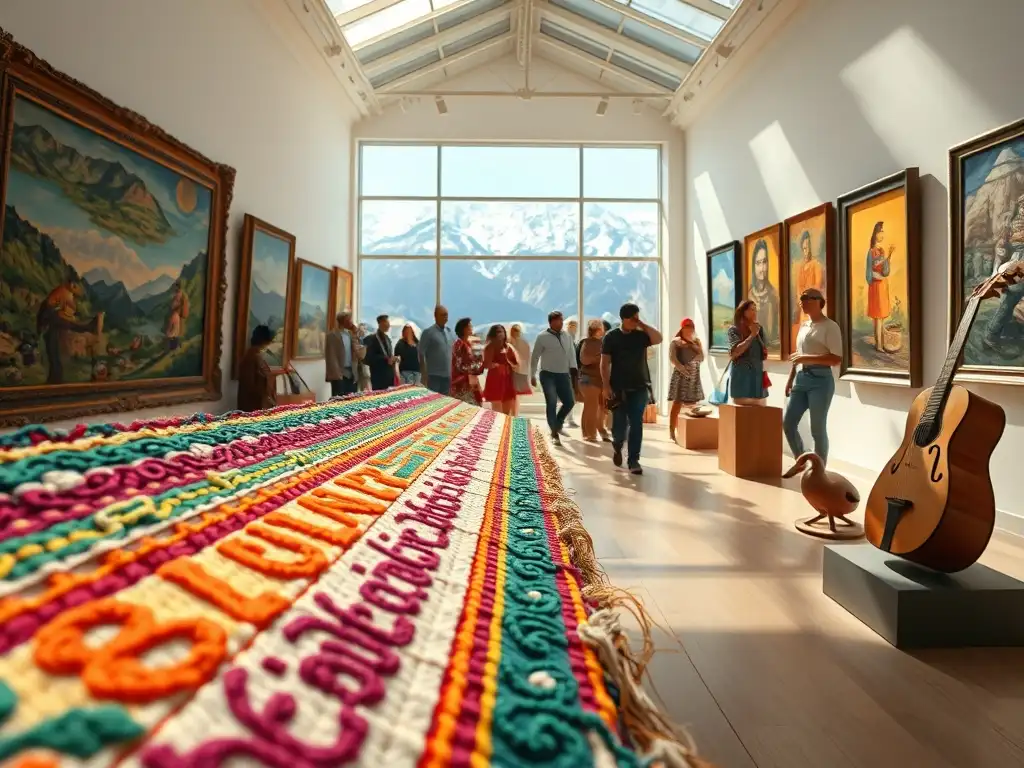
Step into a world lost to time, yet echoing powerfully in the present. Dive into the vibrant tapestry of Andean civilizations, where intricate artistry and innovative technology thrived for centuries. But what whispers remain? This journey begins with the Quechua language, its enduring presence a captivating thread woven through contemporary Andean art. Discover how this ancient tongue continues to shape identity and artistic expression – a story waiting to unfold within.
The Quechua language, a vibrant tapestry woven through the history of the Andes, continues to exert a powerful influence on contemporary art. This article explores the resurgence of Quechua in modern Andean artistic expression, examining how artists utilize this ancient tongue not merely as a subject, but as a fundamental tool for expressing cultural identity, reclaiming history, and forging new paths for artistic innovation.
We will delve into the historical context of the Quechua language, its suppression under colonial rule, and its subsequent revitalization efforts, all of which have significantly shaped its presence in the contemporary Andean art scene. Understanding this history is crucial to appreciating the depth and significance of Quechua’s role in modern artistic creations, highlighting its enduring power as a symbol of Andean heritage and resistance.
This exploration will reveal how artists are using the Quechua language in contemporary Andean art to challenge colonial legacies, promote cultural pride, and create powerful works that resonate with both Andean communities and a global audience interested in the rich cultural heritage of the region. The use of Quechua in contemporary art is not simply an aesthetic choice; it's a potent act of cultural preservation and a testament to the enduring spirit of the Andean people.
The Resurgence of Quechua in Modern Andean Art
Contemporary Andean artists are increasingly incorporating Quechua into their work, utilizing it in diverse ways to express a range of themes. From paintings and sculptures that incorporate Quechua words and phrases to performances that utilize the language as a central element, artists are creatively employing Quechua to reclaim their cultural heritage and challenge dominant narratives. This resurgence is not merely an aesthetic choice, but a powerful act of cultural resistance and self-determination.
Many artists use Quechua to create a sense of authenticity and connection to their ancestral roots, countering the long history of language suppression under colonial rule. The use of Quechua becomes a means of reclaiming a voice silenced for centuries, allowing artists to share their stories and perspectives in a language deeply rooted in their identity.
This artistic expression serves as a powerful tool for cultural preservation, ensuring that Quechua remains a vital part of the Andean cultural landscape. We see this reflected in textiles, ceramics, literature, and even digital art forms, demonstrating the versatility and enduring power of the language.
Quechua Language: A Historical Overview
Understanding the contemporary use of Quechua in art requires acknowledging its rich and complex history. The language's journey, marked by periods of both flourishing and suppression, profoundly shapes its current significance in Andean artistic expression. The enduring presence of Quechua in contemporary art is a testament to its resilience and the enduring cultural memory of the Andean people. The following sections will delve deeper into specific periods of Quechua's history.
The Origins and Spread of Quechua
Quechua's origins are believed to lie in the central Andes, with its spread linked to the expansion of the Inca Empire. Before the Inca, various Quechua dialects existed, but the Inca's dominance led to a standardization and wider dissemination of the language, becoming the lingua franca across a vast territory. This process of standardization, though imposed by imperial power, laid the groundwork for the language's survival and eventual resurgence. The Inca's use of Quechua as an administrative language facilitated communication and trade across diverse regions, fostering a sense of shared identity among different Andean communities.
This historical context is essential to understanding the language's current significance. Further research is needed to precisely define the pre-Inca Quechua dialects and their evolution. [specific information pending]
Quechua Under Colonial Rule and Its Suppression
The Spanish conquest of the Inca Empire brought about a systematic attempt to suppress Quechua and replace it with Spanish. This colonial policy aimed to erase indigenous cultures and languages, resulting in a significant decline in Quechua speakers. The suppression of Quechua was multifaceted, involving the banning of its use in official settings, the promotion of Spanish education, and the marginalization of Quechua speakers. This colonial legacy continues to impact the language's usage today, although efforts are underway to reverse the damage.
The period of colonial suppression, however, did not entirely extinguish Quechua. It persisted in rural communities and maintained its importance in cultural practices and oral traditions. This resilience is crucial to understanding its later revival.
Revitalization Efforts of the Quechua Language
Despite centuries of suppression, Quechua has demonstrated remarkable resilience. In recent decades, there has been a concerted effort to revitalize the language through educational programs, media initiatives, and cultural promotion. These efforts are directly related to the resurgence of Quechua in contemporary Andean art, providing artists with the tools and resources to integrate the language into their work. [Specific data on the success of these programs are pending].
The revitalization of Quechua is not simply a linguistic project; it’s a crucial part of a broader movement to reclaim and celebrate Andean identity and cultural heritage. This ongoing revitalization reflects a powerful resistance to colonial legacies and a commitment to preserving a vital part of Andean culture. The increased visibility of Quechua in contemporary art is a direct result of these conscious revitalization efforts.
Contemporary Andean Art: A Platform for Cultural Expression
Contemporary Andean art serves as a powerful platform for cultural expression, allowing artists to reclaim and redefine their heritage in the face of globalization and historical marginalization. It's a space where indigenous voices, often silenced or suppressed, find a powerful means of self-representation. This resurgence in artistic production isn't merely aesthetic; it's a vital act of resistance and revitalization, reclaiming narratives and challenging dominant cultural paradigms.
The vibrant colors, intricate patterns, and symbolic imagery used often directly reflect the rich tapestry of Andean traditions and beliefs, offering a visual counterpoint to the often-homogenizing forces of modern society. Many artists consciously use their work to educate and engage wider audiences, fostering a greater understanding and appreciation for Andean culture.
This artistic movement is not just about creating beautiful works; it's about actively participating in the ongoing process of cultural survival and renewal. The sheer diversity of artistic expressions – from textiles and ceramics to painting and digital media – showcases the resilience and adaptability of Andean cultures.
The Role of Art in Preserving Indigenous Heritage
Art plays a crucial role in preserving indigenous heritage within Andean communities. It acts as a living archive, transmitting knowledge, traditions, and beliefs across generations. Traditional techniques, such as weaving, pottery, and metalwork, are not merely artistic practices; they are also repositories of cultural memory.
The intricate designs and motifs found in these artworks often encode complex narratives, cosmological beliefs, and social structures. By continuing these artistic traditions, contemporary Andean artists ensure that ancestral knowledge remains accessible and relevant in the modern world. Furthermore, the use of traditional materials and techniques acts as a form of cultural resistance, maintaining a connection to the land and the ancestral practices that shape Andean identity.
This preservation is particularly important in the face of ongoing pressures from globalization and modernization, which threaten to erode traditional cultural practices. The active engagement with these art forms serves as a powerful tool for cultural continuity and resilience.
Key Themes in Modern Andean Art
Modern Andean art explores a range of themes deeply rooted in the region's history and cultural landscape. Recurring motifs include the Andes mountains themselves, often depicted as a source of life and spirituality; representations of ancestral figures and deities, reflecting the enduring power of Andean mythology; and depictions of daily life, showcasing the resilience and adaptability of Andean communities.
The impact of colonization and its lasting effects on indigenous populations is also a prevalent theme, expressed through both overt and subtle means. Many artists use their work to address issues of social justice, land rights, and environmental protection, reflecting the ongoing struggles faced by Andean communities.
Furthermore, the exploration of identity – both individual and collective – is a central concern, as artists grapple with the complexities of navigating a globalized world while maintaining their cultural heritage. These diverse themes showcase the dynamism and complexity of contemporary Andean art, demonstrating its capacity to reflect the rich and multifaceted realities of the region.
Quechua Language in Contemporary Artistic Manifestations
The Quechua language, far from being a relic of the past, is experiencing a resurgence in contemporary Andean art. Artists are creatively integrating Quechua into their work, revitalizing the language and showcasing its cultural significance. This isn't simply about adding Quechua words as decorative elements; it's about using the language as a powerful tool for artistic expression and cultural reclamation.
The integration of Quechua reflects a conscious effort to challenge linguistic dominance and assert the validity and beauty of indigenous languages within the broader cultural landscape. This linguistic revitalization through art is a vital component of the ongoing struggle for cultural survival and self-determination within Andean communities. The use of Quechua in art acts as a bridge between generations, connecting contemporary artists with their ancestral heritage and fostering a renewed appreciation for the language's richness and expressiveness.
Visual Arts: Quechua Texts and Symbolism
In visual arts, Quechua manifests in several ways. Artists incorporate Quechua words and phrases directly into their paintings, sculptures, and textiles, often using them as integral parts of the composition. The visual presentation of the language itself can become an artistic element, with artists experimenting with calligraphy, typography, and other visual treatments to enhance the aesthetic impact of the text. Beyond literal textual inclusion, Quechua also finds expression through symbolism.
Traditional Andean symbols, often imbued with Quechua meanings, are incorporated into artwork, conveying complex narratives and cultural understandings. The interplay between visual imagery and Quechua language creates a layered and nuanced artistic experience, enriching the artwork's meaning and resonance. This approach demonstrates the deep connection between language, visual culture, and Andean identity.
Performance Art and the Quechua Oral Tradition
Performance art offers a particularly fertile ground for the integration of Quechua. The oral tradition, a cornerstone of Quechua culture, is naturally suited to performance-based art forms. Artists use performance to revive and reinterpret traditional storytelling, songs, and rituals, often incorporating Quechua dialogue and chants.
This allows for a dynamic and engaging presentation of Quechua, reaching audiences in a way that is both accessible and impactful. The immediacy of performance also allows for a direct connection between the artist and the audience, fostering a deeper understanding and appreciation of the language and its cultural significance. The use of body language, music, and other performance elements further enhances the artistic expression, creating a multi-sensory experience that engages audiences on multiple levels.
Quechua in Digital and Multimedia Art
The digital age has opened up exciting new avenues for the integration of Quechua in art. Artists are using digital platforms and multimedia technologies to create innovative works that incorporate Quechua text, audio, and video. Websites, interactive installations, and virtual reality experiences are among the many formats being utilized. This allows for a wider reach and accessibility, transcending geographical boundaries and connecting Quechua speakers and enthusiasts across the globe.
The use of digital tools also enables artists to experiment with innovative forms of artistic expression, pushing the boundaries of traditional media and creating dynamic and engaging experiences. This integration of Quechua into cutting-edge digital art reinforces the language's relevance in the modern world and demonstrates its capacity to adapt and thrive in new contexts. The use of digital platforms also facilitates the creation of collaborative projects, bringing together artists and communities from diverse backgrounds.
Artists Using Quechua to Express Identity and Resistance
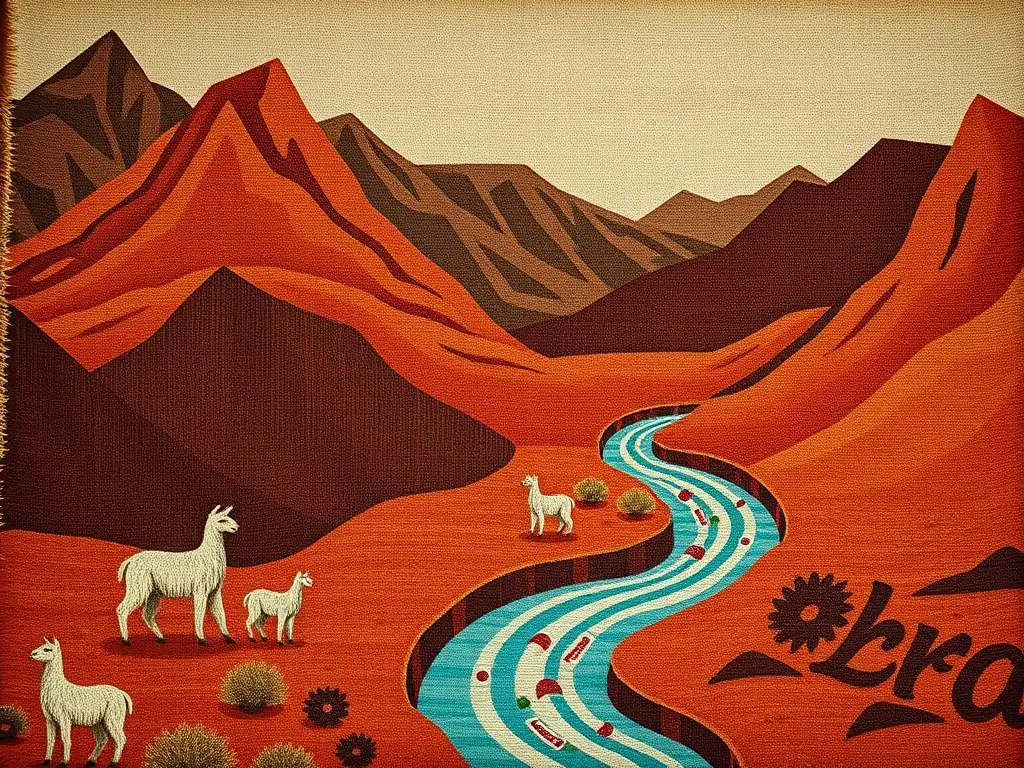
The resurgence of Quechua in contemporary Andean art is a powerful testament to the enduring strength of indigenous cultures. Many artists utilize the language not merely as a subject but as a fundamental element of their creative process, weaving it into the very fabric of their works. This isn't simply about aesthetics; it's a conscious act of reclaiming cultural heritage and challenging colonial legacies.
The use of Quechua in art acts as a form of resistance against the historical marginalization of the language and the cultures it represents. Artists are actively combating the linguistic and cultural hegemony imposed by Spanish and other dominant languages, asserting their identity and cultural pride through their art. The vibrant colors, intricate designs, and powerful imagery often found in Quechua-inspired art reflect a deep-seated connection to the land and a rich tapestry of ancestral traditions.
This artistic expression serves as a potent tool for preserving and promoting the language for future generations. The very act of creating art in Quechua is a powerful statement of cultural survival and resilience.
Case Studies of Prominent Andean Artists
Several contemporary Andean artists exemplify the powerful use of Quechua in their work. [Specific artist names and examples of their work pending]. These artists often incorporate Quechua words, phrases, or entire poems directly into their artwork, using the language as both a visual and textual element. Some artists focus on textile art, weaving intricate patterns and incorporating Quechua phrases into the designs. Others employ painting, sculpture, and performance art to express their cultural identity through the language.
Their works often explore themes of resistance, resilience, and the ongoing struggle for indigenous rights. By showcasing their art, these artists contribute significantly to the visibility and appreciation of Quechua culture and language within a global context. Their work transcends mere artistic expression; it becomes a powerful act of cultural preservation and political activism. A deeper analysis of their techniques and motivations reveals the multifaceted nature of Quechua’s role in contemporary art.
How Quechua Art Challenges Dominant Narratives
Quechua art, infused with the language, directly challenges dominant narratives that often marginalize or erase indigenous voices. The very act of creating art in a language historically suppressed is a powerful form of counter-narrative. These artistic expressions actively disrupt the monolithic view of Andean culture often presented in mainstream contexts. By showcasing the richness and complexity of Quechua language and culture, these artists challenge the simplistic and often stereotypical representations prevalent in dominant narratives.
They provide alternative perspectives, highlighting the resilience and cultural continuity of Quechua-speaking communities. The use of Quechua in art serves as a tool to decolonize artistic representation, fostering a more inclusive and nuanced understanding of Andean history and culture. This artistic resistance actively dismantles colonial narratives and promotes a more equitable representation of indigenous voices.
The Impact of Quechua Art on Cultural Awareness
The increasing visibility of Quechua in contemporary art significantly impacts cultural awareness, both within Andean communities and globally. The incorporation of Quechua language into artistic creations not only beautifies the artwork but also acts as a powerful vehicle for language revitalization. It increases the visibility and appreciation of Quechua culture, fostering a sense of pride and belonging among Quechua speakers. Furthermore, this artistic expression bridges cultural gaps, educating audiences worldwide about the richness and diversity of Andean heritage.
The use of Quechua in art helps challenge the misconception that indigenous languages are dying or irrelevant, demonstrating their continued vitality and importance. This increased awareness contributes to greater linguistic and cultural diversity and fosters respect for indigenous cultures globally. The impact extends beyond the aesthetic appreciation of art, influencing educational initiatives, language preservation programs, and promoting intercultural dialogue.
Promoting the Value of Indigenous Languages
Quechua art plays a crucial role in promoting the value of indigenous languages worldwide. By showcasing the beauty and power of the Quechua language through artistic expression, these artists contribute to a global movement advocating for linguistic diversity. The artistic use of Quechua counters the pervasive dominance of global languages and highlights the importance of preserving and promoting indigenous languages.
This artistic activism underscores the intrinsic link between language and cultural identity, demonstrating how language loss leads to cultural erosion. The increased visibility of Quechua in art inspires efforts to protect and revitalize other endangered indigenous languages across the globe, fostering a broader understanding of the interconnectedness of language, culture, and identity. This positive impact extends beyond the Andean region, contributing to a global conversation about linguistic diversity and cultural preservation.
Fostering Dialogue and Understanding Through Art
Contemporary Andean art utilizing Quechua fosters dialogue and understanding between different cultures. The art serves as a bridge, facilitating communication and interaction between Quechua-speaking communities and the wider world. By presenting Quechua culture and language in a visually engaging and accessible manner, the art helps break down stereotypes and misconceptions. This creative form of intercultural exchange promotes empathy and appreciation for diverse cultural expressions.
The use of Quechua in art fosters a deeper understanding of Andean history, traditions, and perspectives, encouraging a more inclusive and equitable global society. The artistic expression transcends linguistic barriers, facilitating meaningful conversations about cultural identity, language preservation, and the importance of respecting cultural diversity. The art becomes a catalyst for meaningful cross-cultural dialogue, promoting mutual respect and understanding.
Challenges and Future Directions for Quechua Art
The integration of Quechua into contemporary Andean art, while vibrant and increasingly visible, faces significant hurdles. One major challenge lies in the limited resources available to Quechua artists. Funding opportunities for projects focusing on indigenous languages and artistic expressions are often scarce, hindering the creation and dissemination of artwork. This lack of funding impacts everything from the acquisition of materials to the promotion and exhibition of finished pieces.
Many talented artists lack the means to properly showcase their work, limiting their reach and potential impact. Furthermore, the dominance of Spanish in many Andean regions creates a barrier to wider appreciation of Quechua art. Many art critics, curators, and even audiences lack fluency in Quechua, making it difficult to fully understand and appreciate the nuances of the language's incorporation into the artwork.
This language barrier often leads to misinterpretations or a complete lack of understanding of the artist's intended message. Finally, the preservation of traditional Quechua artistic techniques alongside the embrace of modern forms presents a unique challenge for artists. Striking a balance between honoring cultural heritage and innovating within contemporary art practices requires careful consideration and skillful execution.
Overcoming Barriers to Accessibility
To overcome the accessibility barriers facing Quechua art, a multi-pronged approach is necessary. Increased funding for initiatives specifically supporting Quechua artists is crucial. This funding should not only support the creation of art but also encompass educational programs, workshops, and artist residencies that foster skill development and cross-cultural exchange.
The establishment of dedicated art spaces and galleries focused on showcasing Quechua art can increase visibility and accessibility for a broader audience. These spaces should actively work to bridge the language gap through bilingual exhibition materials, artist talks, and educational programs that explain the cultural context of the artwork. Furthermore, the active integration of Quechua art into mainstream art institutions and festivals is essential to foster greater appreciation and recognition.
This requires a concerted effort from curators, art critics, and policymakers to actively seek out and promote Quechua artists and their work. Finally, digital platforms and online resources can play a pivotal role in expanding the reach of Quechua art, allowing artists to connect with audiences worldwide and share their cultural heritage more effectively. This includes creating online galleries, virtual exhibitions, and interactive resources that provide context and information about the art and its cultural significance.
The Future of Quechua in Contemporary Art
The future of Quechua in contemporary Andean art is bright, but its success hinges on continued effort and collaboration. We can anticipate a growing interest in Quechua art as global awareness of indigenous cultures increases. This growing interest will likely translate into increased demand for Quechua artwork, creating opportunities for artists and driving innovation within the field.
As younger generations of Quechua artists emerge, we can expect to see a fusion of traditional techniques and modern artistic expressions, resulting in a unique and dynamic artistic landscape. The increasing use of digital media and technology will also play a crucial role in the future of Quechua art, offering new avenues for creative expression and broader dissemination of artwork. However, continued support and investment in the artistic community remain paramount.
This includes ongoing funding for artist initiatives, educational programs, and the preservation of cultural heritage. Collaboration between Quechua artists, art institutions, and government agencies is essential to ensure the long-term sustainability and growth of Quechua art. The integration of Quechua language and cultural elements into contemporary art will not only celebrate the rich heritage of the Andean region but also contribute to a more diverse and inclusive global art scene.
Conclusion: The Enduring Power of Quechua in Art
The use of Quechua in contemporary Andean art serves as a powerful testament to the enduring strength and resilience of indigenous languages and cultures. By weaving Quechua into their creative expressions, artists not only preserve their linguistic heritage but also challenge dominant narratives and reclaim their cultural identity. The challenges faced by Quechua artists highlight the need for continued support, investment, and collaborative efforts to ensure the visibility and accessibility of their work.
The future of Quechua in contemporary art is promising, with the potential for a vibrant and dynamic artistic movement that celebrates the richness and diversity of Andean culture. The enduring power of Quechua in art lies in its ability to connect artists with their heritage, engage audiences, and foster a deeper understanding of Andean history and identity.
The ongoing evolution of Quechua art will undoubtedly enrich the global art landscape and contribute to a more inclusive and representative artistic world. 🌎🎨
- The Resurgence of Quechua in Modern Andean Art
- Quechua Language: A Historical Overview
- Contemporary Andean Art: A Platform for Cultural Expression
- Quechua Language in Contemporary Artistic Manifestations
- Artists Using Quechua to Express Identity and Resistance
- The Impact of Quechua Art on Cultural Awareness
- Challenges and Future Directions for Quechua Art
- Conclusion: The Enduring Power of Quechua in Art
- What is the significance of the Quechua language in contemporary Andean art?
- How is Quechua incorporated into contemporary Andean artworks?
- Are there specific artistic movements that prominently feature Quechua?
- How does the use of Quechua impact the interpretation of Andean art?
- Where can I learn more about Quechua's role in contemporary Andean art?
Frequently Asked Questions
What is the significance of the Quechua language in contemporary Andean art?
The Quechua language holds immense cultural significance, serving as a powerful tool for indigenous identity expression in contemporary Andean art. Artists use it to reclaim their heritage and challenge colonial narratives.
How is Quechua incorporated into contemporary Andean artworks?
Quechua is incorporated through various mediums, including painting, sculpture, textiles, and performance art. Artists might use Quechua words, phrases, or entire narratives directly within their pieces.
Are there specific artistic movements that prominently feature Quechua?
While not a singular movement, many contemporary Andean artists consciously utilize Quechua to reclaim and revitalize their cultural heritage. This is part of a broader trend of indigenous artistic resurgence.
How does the use of Quechua impact the interpretation of Andean art?
Using Quechua adds a layer of cultural context and meaning, enriching the viewer's understanding. It allows for a deeper engagement with the artist's intention and the artwork's social and political commentary.
Where can I learn more about Quechua's role in contemporary Andean art?
You can explore further through academic research, museum exhibitions focusing on Andean art, and by directly engaging with the works of contemporary Andean artists themselves. Many artists utilize social media to share their process and inspiration.
Final Reflection: Weaving Quechua into the Tapestry of Today
The resurgence of Quechua in contemporary Andean art is not merely an aesthetic choice; it is a powerful reclamation of identity and a vibrant assertion of cultural survival. The threads of this ancient language, once suppressed and marginalized, are now being woven into a rich tapestry of artistic expression, challenging dominant narratives and reclaiming a space for Indigenous voices in the global art world. This revitalization speaks to a deeper societal shift, a growing recognition of the importance of linguistic and cultural diversity.
The enduring power of Quechua in contemporary art lies in its ability to bridge the past and the present, connecting ancestral traditions with contemporary realities. It's a testament to the resilience of a people who have maintained their cultural heritage despite centuries of oppression. Language is the road map of a culture. It tells you where its people come from and where they are going.
– Rita Mae Brown. This quote perfectly encapsulates the journey of Quechua, a language that continues to guide its speakers towards a future where their identity is celebrated and respected. The artists featured in this article are not just creating beautiful works; they are actively shaping the narrative of their communities and contributing to a more inclusive and equitable world.
Consider the impact of language on your own identity and cultural heritage. What stories are you telling, and how are you sharing them with the world? Let the vibrant expressions of Quechua artists inspire you to explore your own heritage, to find your voice, and to contribute to a world where all languages and cultures are valued and celebrated. Embrace the power of language, not just as a means of communication, but as a powerful tool for self-expression, cultural preservation, and social change.
Embrace Your Identity Through Art!
Thank you for exploring the vibrant role of Quechua in contemporary art! We hope you were inspired by how artists use this beautiful language to express their identity and cultural heritage. Let's delve deeper into this fascinating intersection of language and art.
- Visit a local art exhibition showcasing Indigenous artists and their work celebrating Quechua culture.
- Share your insights on social media using hashtags like #QuechuaArt #CulturalIdentity to connect with others who share your interest.
- Discuss with friends and family how language influences art within your own community—you might be surprised by the connections you uncover!
How important do you believe language is in shaping artistic expression today?