
Quechua's Resilience: Surviving Centuries of Political and Social Upheaval

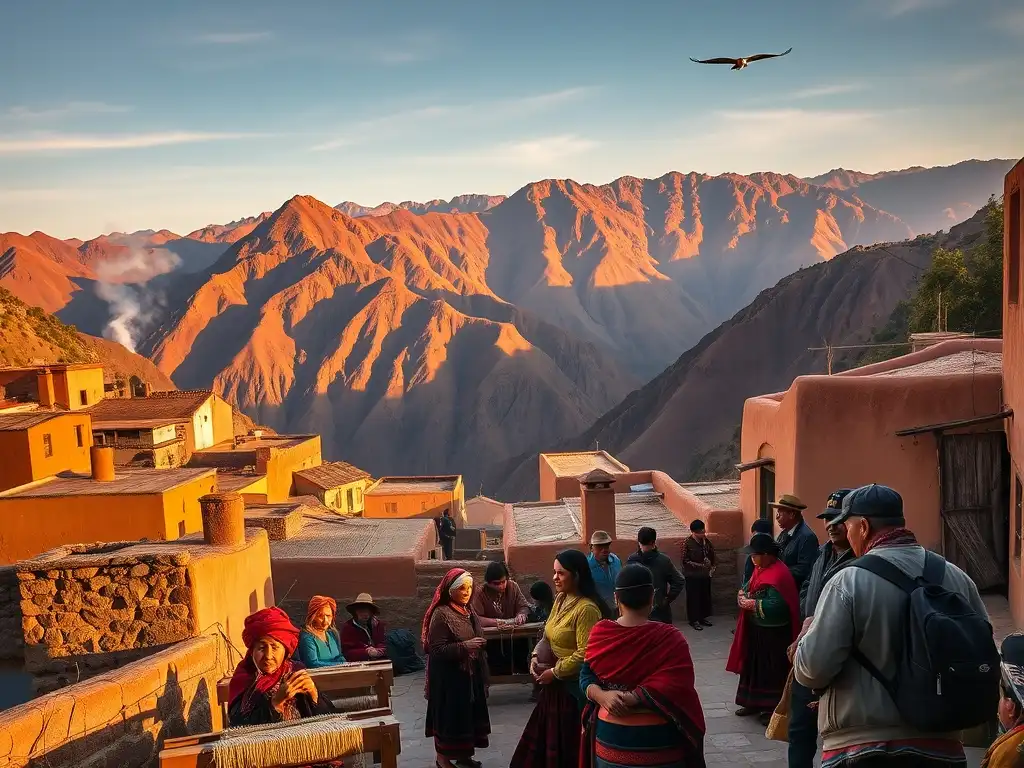
Step into a world lost to time, yet echoing in the vibrant tapestry of modern life. Explore the breathtaking legacy of the Andean civilizations, from the towering heights of Machu Picchu to the intricate artistry of the Nazca Lines. But what truly bound these remarkable cultures together, surviving centuries of upheaval? Discover the surprising resilience of the Quechua language and its profound impact on Andean culture – a story of survival, adaptation, and enduring identity waiting to be unveiled. Uncover the secrets within.
The Quechua language, a testament to the enduring spirit of the Andean peoples, stands as a powerful symbol of cultural resilience. This article explores the profound impact of Quechua on Andean culture, demonstrating its ability to not only survive but thrive amidst centuries of political and social upheaval. From the pre-Inca era to the present day, Quechua has witnessed the rise and fall of empires, the imposition of foreign languages, and the constant negotiation of identity in a rapidly changing world.
Its continued existence is a remarkable achievement, reflecting the deep-rooted connection between language, identity, and the cultural landscape of the Andes. We will examine the language's historical trajectory, its role in shaping Andean societies, and its ongoing significance in the face of globalization and modernization. The Quechua language impact on Andean culture is undeniable, a story of adaptation, resistance, and ultimately, triumph.
The Pre-Inca Roots of Quechua and its Early Influence
Before the Inca Empire's expansion, various Quechua dialects were already spoken across different regions of the Andes. These dialects, though distinct, shared common linguistic features, suggesting a long history of interaction and exchange amongst Andean communities. Archaeological evidence, while still being interpreted, hints at the presence of sophisticated social structures and cultural practices that likely contributed to the development and dissemination of early Quechua.
The precise origins remain a subject of ongoing research, but the pre-Inca period laid the groundwork for the language's later dominance. The early influence of Quechua was likely tied to trade networks, agricultural practices, and shared religious beliefs, fostering a sense of cultural unity across diverse Andean groups. Further research into pre-Inca pottery, textiles, and other artifacts could reveal more about the early use and evolution of the language.
The Inca Empire and the Standardization of Quechua
The Inca Empire's expansion during the 15th and 16th centuries marked a pivotal moment in Quechua's history. The Inca rulers adopted a standardized form of Quechua, known as Runa Simi, as the official language of the empire, facilitating communication and administration across vast territories. This standardization, however, didn't erase the existing dialectal diversity. Many regional variations persisted, and the Inca administration recognized and utilized these differences in their governance.
The use of Quechua as the lingua franca of the empire had a significant impact on cultural unification. It fostered the spread of Inca ideology and facilitated the exchange of knowledge, beliefs, and artistic expressions across the diverse populations under Inca rule. The standardization process, while imposed from above, also inadvertently helped preserve and transmit the language to future generations.
Quechua's Survival Under Colonial Rule and Beyond
The Spanish conquest in the 16th century brought about a dramatic shift in the Andean linguistic landscape. Spanish was imposed as the official language, leading to a period of suppression and marginalization of Quechua. Despite this, Quechua demonstrated remarkable resilience. It continued to be spoken in rural communities, preserving its cultural significance within family and community life.
The persistence of Quechua in the face of colonial oppression reflects the strong cultural identity and the deep-rooted connection between language and community. The language adapted, incorporating some Spanish loanwords, while retaining its core structure and vocabulary. This demonstrates a linguistic flexibility that allowed it to navigate the challenges of colonialism and maintain its relevance. The continued use of Quechua in religious practices and oral traditions also helped preserve the language and its associated cultural heritage.
The Modern Revival and Continued Influence of Quechua
In recent decades, there has been a growing movement to revitalize and promote the Quechua language. Efforts are underway to incorporate Quechua into education systems, media, and government administration. This revival reflects a renewed sense of cultural pride and recognition of the importance of linguistic diversity. The impact of Quechua on modern Andean culture is substantial.
It continues to be a vital component of identity for many Andean communities, shaping their artistic expressions, literature, and musical traditions. The ongoing struggle for linguistic rights and the increasing visibility of Quechua in various spheres of life highlight its enduring significance and its potential to continue to shape the future of Andean culture. The language's adaptation to modern technologies, such as the internet and social media, further demonstrates its resilience and adaptability. The Quechua language's continued vitality is a powerful testament to the cultural strength and identity of the Andean peoples.
- The Pre-Inca Roots of Quechua and its Early Influence
- The Inca Empire and the Standardization of Quechua
- Quechua's Survival Under Colonial Rule and Beyond
- The Modern Revival and Continued Influence of Quechua
The Enduring Legacy of the Quechua Language
The Quechua language, far from being a relic of the past, holds a vibrant and enduring legacy in the Andes. Its impact on Andean culture is profound and multifaceted, extending far beyond its role as simply a means of communication. This section will explore the significant influence of Quechua, demonstrating its resilience in the face of centuries of political and social upheaval, and its continued importance in shaping Andean identity.
The persistence of Quechua speaks volumes about the strength of Andean cultural traditions and the deep connection between language and identity. Understanding its impact reveals a richer appreciation for the complexities of Andean history and the ongoing efforts to preserve linguistic diversity.
Quechua's Origins and Pre-Incan Roots
Tracing Quechua's origins requires delving into the pre-Inca era. While the precise origins remain a subject of ongoing linguistic research, evidence points to a long history predating the Inca Empire. Archaeological discoveries and comparative linguistic studies suggest that Quechua emerged from a family of languages spoken in the central Andes long before the Inca expansion.
This pre-Incan development is crucial because it highlights the language's inherent resilience and its ability to adapt and evolve within diverse cultural contexts. The language wasn't simply imposed by the Inca; rather, it was already a significant player in the social fabric of the region, a foundation upon which the Inca built their empire.
Many scholars believe that various Quechua dialects existed even before the Inca, with subtle variations reflecting the distinct cultural identities of different Andean communities. This rich pre-Inca history demonstrates that the Quechua language impact on Andean culture is rooted in a deep and long-standing relationship.
The Rise of Quechua Under the Inca Empire
The Inca Empire's expansion dramatically increased Quechua's prominence. The Inca, recognizing the strategic advantages of a common language, actively promoted Quechua as the lingua franca of their vast territory. This wasn't a forceful imposition in all cases; rather, it was a gradual process of integration, facilitated by the Inca's administrative system and their extensive road network. The standardization of Quechua under the Inca Empire, while arguably leading to the suppression of other languages in some areas, also provided a powerful unifying force across diverse ethnic groups.
This facilitated trade, communication between distant provinces, and the dissemination of Inca ideologies. The Quechua language impact on Andean culture during this period was immense; it became an essential tool for governance, administration, and cultural exchange, solidifying its position as a vital element of Andean identity. The impact is still visible today in the many Quechua dialects that continue to be spoken.
Quechua as the Lingua Franca of the Andes
Even after the Spanish conquest, Quechua continued to thrive as a lingua franca in many parts of the Andes. Despite attempts to suppress indigenous languages in favor of Spanish, Quechua's deep roots and widespread use proved too resilient to be easily eradicated. Its persistence is a testament to its practical value as a means of communication among diverse Andean communities.
The continued use of Quechua, even alongside Spanish, highlights its ongoing importance in social and cultural life. Today, Quechua remains a vital part of daily life for millions of people across the Andes, serving as a powerful symbol of cultural identity and resistance. Furthermore, the ongoing efforts to revitalize and promote Quechua demonstrate its continued importance in shaping Andean culture and its significant impact on the region's vibrant linguistic landscape.
The resilience of Quechua is a key factor in understanding the ongoing Quechua language impact on Andean culture, a legacy that continues to evolve and adapt to the challenges of the modern world. The survival of Quechua serves as a powerful symbol of the enduring spirit of Andean cultures.
Quechua's Challenges During the Colonial Era
The arrival of the Spanish in the 16th century marked a profound turning point in the history of the Quechua language and its speakers. The Inca Empire, with its sophisticated administrative system largely reliant on Quechua communication, crumbled under the weight of conquest. This upheaval triggered a cascade of challenges that threatened the very survival of the language, impacting its use, structure, and cultural significance across the Andes.
The colonial period witnessed a systematic effort to suppress Quechua, a process that played out in various insidious ways, leaving an enduring legacy on the language's current state. The impact extends beyond mere linguistic changes; it deeply intertwined with the socio-political fabric of Andean societies, shaping their identity and cultural expression for centuries to come. Understanding this period is crucial to appreciating the remarkable resilience of Quechua and its continued vitality today.
Suppression and Marginalization of Quechua After the Spanish Conquest
The Spanish conquest initiated a deliberate policy aimed at dismantling the Inca Empire's infrastructure and replacing Quechua with Spanish. This wasn't simply a passive shift; it was an active campaign of cultural suppression. Quechua speakers faced systematic marginalization in various spheres of life. Access to education, government positions, and economic opportunities was largely restricted to those proficient in Spanish.
The use of Quechua was often discouraged, sometimes even punished, in public spaces and official settings. This created a linguistic hierarchy, placing Spanish at the apex and relegating Quechua to a subordinate position, associated with inferiority and backwardness. The impact on Andean communities was devastating, as their primary means of communication and cultural transmission was actively undermined.
The Church also played a significant role in this process. Religious instruction was primarily delivered in Spanish, further reinforcing the language's dominance and marginalizing Quechua. Indigenous individuals were often pressured to abandon their native tongue and adopt Spanish as a sign of assimilation and loyalty to the new colonial power.
This forceful imposition of language had a far-reaching impact on the social and psychological landscape of Andean communities, eroding their cultural confidence and contributing to a sense of linguistic insecurity that persists in some areas even today. The consequences of this deliberate suppression are still felt in the uneven distribution of Quechua speakers across different regions of the Andes.
The Impact of Spanish on Quechua Vocabulary and Grammar
The colonial encounter inevitably led to linguistic contact and borrowing between Quechua and Spanish. However, this wasn't a purely reciprocal exchange. The power imbalance between the two languages resulted in a significant influx of Spanish loanwords into Quechua, often replacing indigenous terms. This process of lexical borrowing reflects the dominance of Spanish in various domains of life, including administration, commerce, and religion. Many everyday objects, concepts, and institutions were introduced by the Spanish, leading to the adoption of their corresponding names into Quechua.
Furthermore, the grammatical structures of Quechua were subtly but noticeably affected by prolonged contact with Spanish. While Quechua maintained its core grammatical features, some scholars argue that the influence of Spanish syntax can be observed in certain regional variations of the language. This interaction between the two languages is a complex phenomenon, and its precise extent and nature continue to be debated among linguists.
Further research, particularly focusing on detailed comparative analysis of different Quechua dialects, is needed to fully understand the long-term effects of Spanish on the language's grammatical evolution. The ongoing study of these changes is crucial for preserving the integrity and uniqueness of Quechua.
Resistance and Adaptation: Quechua's Survival Strategies
Despite the formidable challenges posed by the colonial era, Quechua demonstrated remarkable resilience. Far from succumbing to suppression, the language adapted and survived through various ingenious strategies employed by its speakers. One key element was the preservation of Quechua within the private sphere of family and community life. While public use of the language was discouraged, Quechua continued to thrive in homes, villages, and during traditional ceremonies. This ensured the transmission of the language across generations, safeguarding its cultural and linguistic heritage.
Furthermore, Quechua speakers developed creative ways to maintain their linguistic identity. They incorporated Spanish loanwords into their vocabulary while simultaneously adapting them to the Quechua phonological and grammatical system. This demonstrated a remarkable ability to absorb external influences without losing their linguistic core.
This process of linguistic adaptation underscores the dynamic nature of language and its capacity to evolve in response to external pressures. The continued use and evolution of Quechua serve as a testament to the enduring strength of Andean cultural identity and the resourcefulness of its people in protecting their linguistic heritage in the face of significant historical adversity. The continued presence of Quechua, despite centuries of suppression, is a powerful symbol of cultural resistance and linguistic vitality.
Quechua in the Modern Era: A Story of Revival and Recognition
The Quechua language, far from being relegated to the history books, thrives in the 21st century, demonstrating remarkable resilience in the face of persistent challenges. Its continued presence is a testament to the enduring cultural strength of Andean communities and a vibrant example of language revitalization efforts. While the impact of Spanish colonization significantly diminished Quechua's dominance, the language's survival and resurgence are shaping a new narrative, one marked by both struggle and success in reclaiming its rightful place in Andean society. The Quechua language impact on Andean culture is undeniable, even more so today.
The Struggle for Quechua Language Rights and Education
For centuries, Quechua speakers faced systemic discrimination, with Spanish imposed as the language of power and education. This marginalization led to a decline in fluency, particularly amongst younger generations. However, a growing movement advocating for linguistic rights has emerged, pushing for bilingual education programs and the official recognition of Quechua in various governmental and social spheres. This struggle is multifaceted, encompassing legal battles to secure official status for Quechua in specific regions, advocating for its inclusion in educational curricula, and fighting against subtle and overt forms of linguistic discrimination.
The fight for Quechua language rights is not uniform across the Andes. Some countries have made more progress than others. For example, [Specific data on Quechua language rights in different Andean countries pending]. Furthermore, the internal politics within Andean nations often influence the trajectory of these movements.
For instance, [Specific examples of political influence on Quechua language policy pending]. Nevertheless, the persistent advocacy and activism of Quechua communities are gradually shifting the landscape, fostering a more inclusive and equitable environment where Quechua is valued and respected. The fight is far from over, but the progress made is noteworthy and demonstrates the unwavering commitment to linguistic preservation.
Quechua's Role in Contemporary Andean Identity
Quechua's survival is intrinsically linked to the preservation of Andean cultural identity. The language acts as a powerful vehicle for transmitting traditional knowledge, stories, songs, and values across generations. It’s not merely a tool for communication; it's a cornerstone of Andean cultural heritage. The use of Quechua in daily life, from family conversations to community gatherings, strengthens social bonds and reinforces a sense of shared identity amongst Quechua speakers. This cultural significance is particularly evident in [Specific examples of Quechua's use in traditional Andean practices pending].
Moreover, the revitalization of Quechua has fostered a renewed sense of pride and cultural self-determination within Andean communities. The language is becoming a symbol of resistance against assimilation and a celebration of their unique heritage. This resurgence is visible in various forms, including the increasing use of Quechua in artistic expressions like music, literature, and theatre.
The rise of Quechua-language media further solidifies its role in contemporary Andean identity. The impact is profound, fostering a sense of belonging and empowering communities to reclaim their history and culture. The Quechua language's impact on Andean culture is not merely linguistic; it's a deeply rooted cultural phenomenon.
Quechua Radio Broadcasts: A Tool for Language Revitalization
Radio broadcasts in Quechua have proven to be incredibly effective in promoting language revitalization efforts. These broadcasts serve as a vital tool for disseminating information, entertainment, and cultural programming in the Quechua language, reaching a wide audience across diverse Andean communities. The accessibility of radio, particularly in remote areas with limited access to other forms of media, makes it a powerful instrument for strengthening language transmission.
The content of these broadcasts is diverse, ranging from news and educational programs to music and storytelling. This variety caters to different age groups and interests, ensuring broad engagement. [Specific examples of successful Quechua radio programs and their impact pending].
Moreover, the interactive nature of some radio programs, which encourage listener participation and feedback, fosters a sense of community and strengthens the bond between broadcasters and listeners. The use of radio is a testament to the ingenuity and adaptability of Quechua language revitalization strategies, highlighting the importance of leveraging existing technologies to support language preservation. The continued success of these broadcasts underscores the significant role of media in the ongoing effort to ensure the Quechua language's continued vitality and impact on Andean culture.
The Quechua Language Impact on Andean Culture
The Quechua language, far from being a relic of the past, remains a vibrant force shaping Andean culture. Its enduring presence profoundly impacts various aspects of Andean life, from artistic expression and spiritual beliefs to the transmission of invaluable traditional knowledge. Understanding this impact is crucial to appreciating the resilience and richness of Andean societies.
The continued use of Quechua represents a powerful testament to the enduring strength of indigenous cultures in the face of centuries of colonization and globalization. This section will explore the multifaceted ways in which Quechua continues to influence Andean culture, demonstrating its profound and lasting legacy.
Cultural Significance of Quechua in Music and Oral Traditions
Quechua's role in preserving and transmitting Andean cultural heritage is undeniable. Music, a cornerstone of Andean expression, is deeply intertwined with the language. Many traditional songs, yaravíes and huaynos, are composed and sung entirely in Quechua, carrying with them generations of stories, beliefs, and emotions. The rhythmic structures and melodic patterns often reflect the inherent qualities of the Quechua language itself, illustrating a symbiotic relationship between language and artistic expression. The lyrical content, rich in metaphors and symbolism often inaccessible to non-Quechua speakers, speaks volumes about the worldview and experiences of the Andean people.
Beyond music, Quechua thrives in oral traditions. Stories, legends, and proverbs passed down through generations are often preserved solely in Quechua, ensuring the continuity of cultural narratives. These oral traditions provide invaluable insights into Andean history, social structures, and belief systems, often providing alternative perspectives to those found in colonial records.
The richness and complexity of these narratives underscore the importance of linguistic diversity in preserving cultural memory. The loss of Quechua would be not only a linguistic loss but also a catastrophic loss of cultural heritage. For example, the intricate weaving techniques of the Andes are often accompanied by Quechua chants and instructions, demonstrating the language’s integral role in the practical transmission of skills.
Quechua's Influence on Andean Worldview and Spirituality
Quechua is not merely a vehicle for communication; it's intrinsically linked to the Andean worldview and spiritual practices. The language itself embodies a cosmology that differs significantly from Western perspectives. Concepts of time, space, and the relationship between humans and the natural world are often expressed through Quechua vocabulary and grammatical structures in ways that are difficult to translate accurately. Many spiritual rituals and ceremonies are conducted entirely in Quechua, reinforcing the language's sacred significance.
The use of specific Quechua terms for natural elements, celestial bodies, and deities reflects a deep connection with the environment and a holistic understanding of the universe. These terms are not simply labels; they embody a cultural understanding of the interconnectedness of all things. For instance, the Quechua term for mountain, often imbued with spiritual significance, reflects a reverence for nature that is integral to Andean spirituality.
The continued use of Quechua in religious contexts guarantees the preservation of these unique spiritual traditions and prevents their dilution or loss. Furthermore, the intricate relationship between Quechua and Andean shamanistic practices highlights the language's importance in maintaining traditional healing methods.
How Quechua Transmits Traditional Knowledge and Practices
Quechua serves as a crucial vehicle for transmitting traditional knowledge and practices across generations. This is particularly evident in areas such as agriculture, medicine, and craftsmanship. Agricultural techniques, passed down through oral instruction and practical demonstrations, are often explained and understood within the framework of the Quechua language. Similarly, traditional healing practices, which often incorporate herbal remedies and spiritual rituals, are frequently transmitted through Quechua-speaking healers and elders.
The intricate knowledge associated with Andean craftsmanship, such as weaving, pottery, and metalwork, is also intricately bound to Quechua. The specific terminology used in these crafts, often rich in nuanced descriptions and technical instructions, ensures the accuracy and continuity of these skills. The loss of Quechua would inevitably lead to a decline in the understanding and practice of these traditional crafts, resulting in an irreplaceable loss of cultural heritage.
The continued use of Quechua in these contexts demonstrates its vital role in maintaining the sustainability of Andean communities and their unique cultural identity. The preservation of the Quechua language is, therefore, essential for the preservation of a rich tapestry of traditional knowledge and practices.
Factors Contributing to Quechua Language Persistence
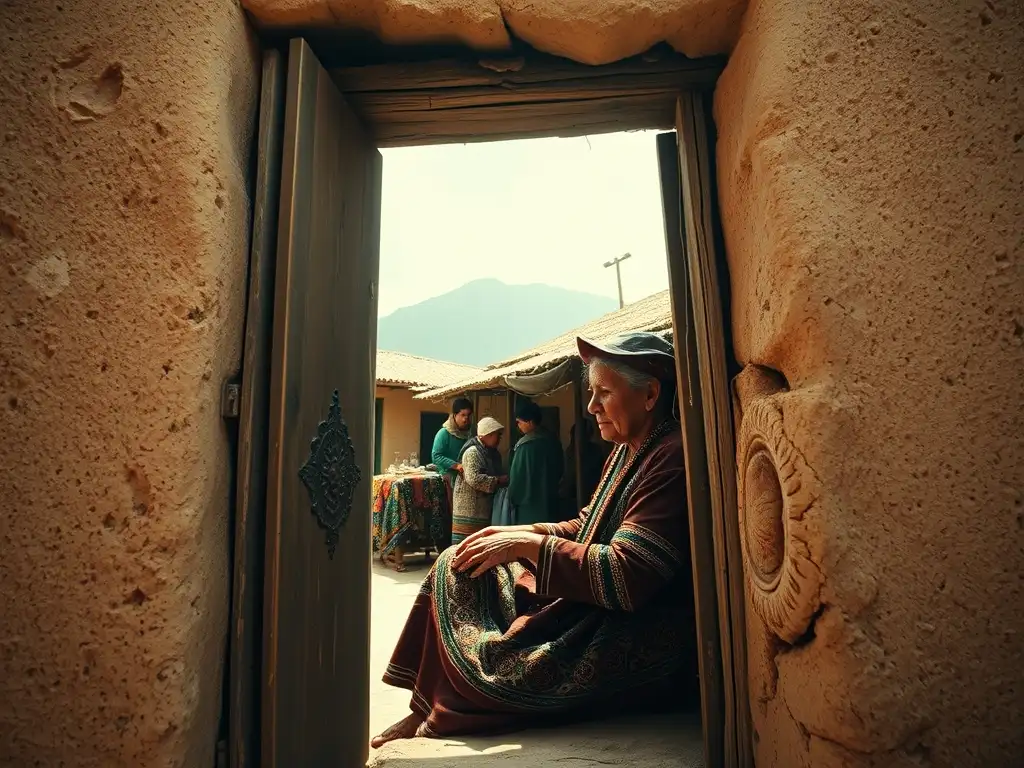
The Quechua language, despite centuries of colonization and societal pressure to adopt Spanish, remains a vibrant force in Andean culture. Its persistence is a testament to the resilience of its speakers and the multifaceted strategies employed to safeguard its legacy. This section will explore key factors contributing to Quechua's remarkable survival, focusing on the crucial roles played by indigenous communities, educational initiatives, and intergenerational knowledge transfer.
Understanding these factors offers valuable insight into the enduring impact of Quechua on Andean identity and cultural heritage. The continued use of Quechua is a powerful demonstration of the language's deep-rooted connection to the land, history, and social fabric of the Andes. Its survival speaks volumes about the cultural strength and determination of its speakers.
The Role of Indigenous Communities in Preserving Quechua
Indigenous communities have been the bedrock of Quechua language preservation. Their unwavering commitment to maintaining their ancestral tongue has been critical in countering the dominance of Spanish. This commitment manifests in various ways:
- Community-based language nests: Many communities have established "wawa wasi" (children's houses) or similar programs where Quechua is the primary language of instruction, fostering early language acquisition and fluency. These initiatives actively combat language shift and ensure that Quechua remains a living language for future generations. The success of these programs is evident in the high level of Quechua proficiency among children in participating communities.
- Traditional storytelling and oral traditions: Quechua's rich oral tradition, encompassing myths, legends, songs, and poetry, continues to thrive. These forms of cultural expression serve as powerful vehicles for language transmission, keeping Quechua alive through storytelling and performance. The intricate narratives passed down through generations are not merely entertainment; they are the living embodiment of Quechua culture and history, intrinsically linked to the language itself.
- Religious practices and ceremonies: Quechua is often integral to religious ceremonies and practices, further strengthening its social relevance and perpetuating its use within the community. The sacred connection between language and spirituality reinforces its importance and ensures its continued use in vital cultural contexts. This deep intertwining of language and faith safeguards Quechua's vitality within the community's spiritual life.
Peru's Bilingual Education Programs: A Key to Preservation
Peru's government has implemented various bilingual education programs aimed at promoting Quechua alongside Spanish. While the effectiveness of these programs varies across regions and communities, they represent a significant effort to formally recognize and support Quechua's role in society.
- Curriculum development: The incorporation of Quechua into the school curriculum, even partially, allows for the formal teaching of the language and its integration into various subjects. This approach aims to build language proficiency while fostering a sense of cultural pride and identity among students. However, the success of this approach hinges on the availability of trained Quechua-speaking teachers and appropriate learning materials.
- Teacher training: Training teachers who are proficient in both Quechua and Spanish is crucial for the success of bilingual education programs. Investing in teacher training ensures that educators are equipped to effectively teach Quechua and create a supportive learning environment for students. The quality of teacher training directly impacts the effectiveness of bilingual education initiatives.
- Challenges and limitations: Despite these efforts, challenges remain. These include disparities in resource allocation across different regions, a shortage of qualified Quechua-speaking teachers, and the persistent societal pressure to prioritize Spanish. Overcoming these obstacles requires sustained commitment and investment in bilingual education initiatives.
The Importance of Intergenerational Transmission
The transmission of Quechua from one generation to the next is paramount to its survival. This intergenerational continuity ensures that the language remains relevant and dynamic, adapting to contemporary contexts while preserving its core essence.
- Family roles: Families play a crucial role in transmitting Quechua. Parents who actively speak Quechua at home create a supportive linguistic environment for their children, fostering fluency and cultural understanding. This home-based language learning is often the foundation upon which formal education builds. The strength of family-based language transmission is undeniable.
- Community involvement: Community participation in language preservation efforts extends beyond the family unit. Elders, as repositories of traditional knowledge and language, often play a vital role in mentoring younger generations. This intergenerational dialogue ensures the preservation of linguistic nuances and cultural heritage. The wisdom and experience of elders are invaluable assets in preserving Quechua.
- The power of storytelling: The continued use of storytelling, songs, and traditional performances within families and communities reinforces the relevance of Quechua in everyday life. These methods ensure that the language is not just learned but actively lived and experienced. The vitality of Quechua is inextricably linked to its continued use in these traditional forms. The preservation of these traditions is vital for the future of the Quechua language.
The ongoing impact of Quechua on Andean culture is undeniable. Its survival is a testament to the enduring strength of its people and the combined efforts of communities, educational initiatives, and intergenerational transmission. The future of Quechua depends on the continued commitment to these preservation strategies, ensuring that this rich and vibrant language continues to thrive for generations to come.
Quechua Today: Challenges and Future Prospects
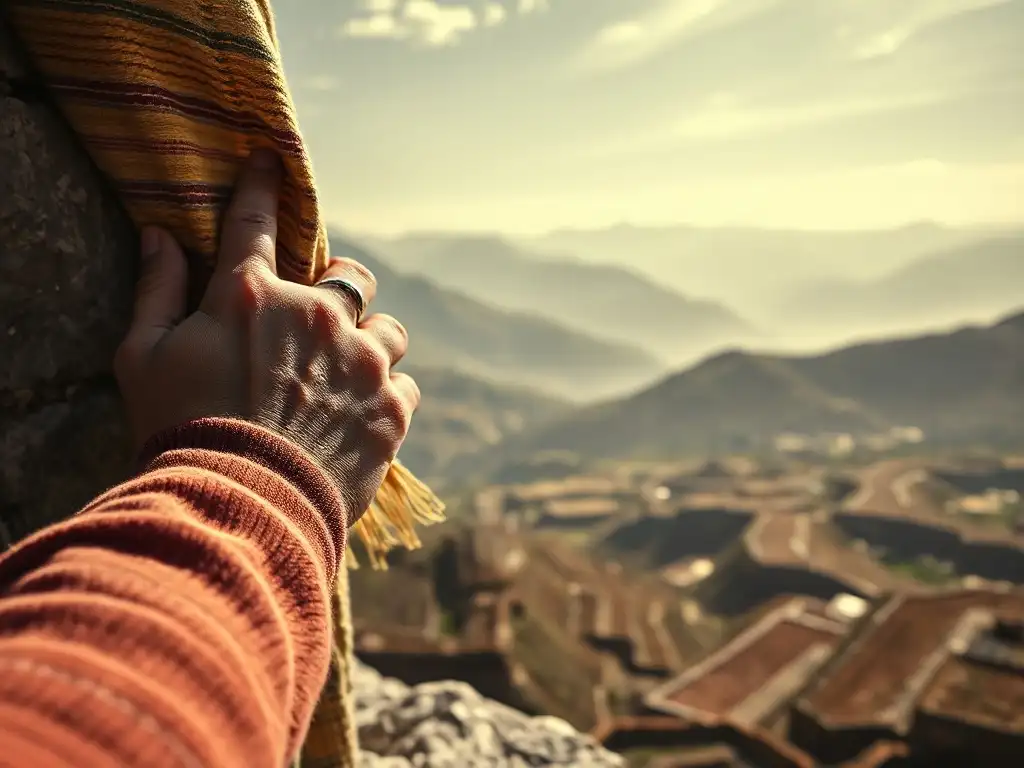
The Quechua language, despite its enduring presence across the Andes, faces significant challenges in the 21st century. Understanding its current state, the threats it faces, and the ongoing efforts to revitalize it are crucial to appreciating the full impact of this language on Andean culture. The resilience demonstrated throughout its history continues to be tested, demanding proactive measures for its preservation and continued flourishing.
The Current State of Quechua Speakers and Dialects
Precise figures on Quechua speakers are difficult to obtain due to varying census methodologies and the fluidity of language use. However, estimates suggest millions of individuals across several South American countries still identify as Quechua speakers. This number, however, represents a significant decrease from pre-colonial times. The language's vitality varies considerably across different regions and communities. Some areas maintain robust Quechua-speaking populations where it's used daily in homes, schools, and markets. Others show a much weaker presence, with Quechua primarily spoken by older generations.
The existence of numerous Quechua dialects further complicates the picture. These dialects, while mutually intelligible to varying degrees, represent a rich linguistic diversity that reflects the complex geography and social structures of the Andes. This diversity, while showcasing the language's adaptability, also poses a challenge for standardization and language revitalization efforts. Understanding the nuances of these dialects is crucial for effective language preservation programs. For example, the Quechua spoken in Cusco differs noticeably from that spoken in Ecuador, impacting the development of unified educational materials.
Threats to the Quechua Language and Cultural Heritage
Several factors contribute to the decline of Quechua and the erosion of its cultural heritage. The dominance of Spanish, the official language in most Andean countries, is a primary threat. Spanish is generally seen as the language of opportunity, essential for education, employment, and social mobility. This leads many families to prioritize Spanish instruction over Quechua, resulting in a gradual shift away from the ancestral tongue. This is further exacerbated by limited access to quality Quechua-language education in many regions.
Furthermore, the processes of globalization and urbanization contribute to language shift. As younger generations migrate to urban centers, they often find themselves surrounded by Spanish speakers, limiting their use of Quechua. This contributes to a decline in intergenerational transmission of the language and its associated cultural knowledge. The loss of Quechua is not simply a linguistic phenomenon; it represents the erosion of a rich cultural heritage, impacting traditional storytelling, music, and worldview. The weakening of the language directly impacts the survival of unique Andean cultural practices and knowledge systems.
Efforts to Revitalize and Promote Quechua in the 21st Century
Despite the challenges, significant efforts are underway to revitalize and promote the Quechua language. These efforts range from community-based initiatives to national-level language policies. Many communities are actively working to maintain Quechua through educational programs, cultural events, and media initiatives. These initiatives often focus on integrating Quechua into daily life, emphasizing its value and relevance in modern society.
Governments in several Andean nations have also implemented policies aimed at promoting Quechua. These policies may include the incorporation of Quechua into the formal education system, the use of Quechua in official government communication, and the support of cultural programs that celebrate Quechua heritage. However, the success of these policies often depends on factors such as funding, teacher training, and community engagement.
The effectiveness of Quechua language revitalization programs is heavily dependent on community participation and a sustained commitment from governmental and non-governmental organizations. The future of Quechua hinges on a collaborative effort that recognizes the language's intrinsic value and its vital role in preserving Andean cultural identity. The long-term impact of these initiatives remains to be seen, but the commitment to preserving this vibrant linguistic heritage is undeniable.
The Future of Quechua: A Continuing Saga of Resilience
The Quechua language, a testament to the enduring spirit of Andean cultures, faces a complex future. While its survival is far from guaranteed, the ongoing efforts to revitalize and preserve it offer a beacon of hope. Understanding the challenges and opportunities facing Quechua is crucial to appreciating its continued impact on Andean culture.
The resilience demonstrated by Quechua speakers throughout centuries of colonial rule and social change provides a powerful framework for predicting its trajectory in the modern world. Its future hinges on several key factors, including the effective implementation of language preservation programs, the integration of Quechua into modern technologies, and the recognition of its inherent value in a globalized society. The impact of Quechua on Andean culture is undeniable and its future is inextricably linked to the future of the Andean region itself.
The Importance of Linguistic Diversity and Cultural Preservation
The preservation of Quechua is not merely a linguistic endeavor; it is fundamentally intertwined with the safeguarding of Andean cultural heritage. Linguistic diversity is a cornerstone of cultural richness. Each language carries within it a unique worldview, a tapestry of traditions, and a repository of knowledge accumulated over generations.
The loss of Quechua would represent an irreplaceable loss to the world's cultural heritage, silencing the voices and stories of countless Andean communities. Efforts to promote Quechua, therefore, are intrinsically linked to broader initiatives aimed at preserving biodiversity, promoting intercultural understanding, and fostering sustainable development within the Andean region. The continued use of Quechua strengthens community bonds, transmits ancestral wisdom, and maintains a sense of identity in the face of globalization's homogenizing pressures.
The vibrant tapestry of Andean culture is woven with the threads of Quechua, and its preservation is vital to the health of the whole. Studies have shown a direct correlation between language loss and erosion of traditional practices, emphasizing the critical importance of Quechua's survival for the future of Andean culture.
How Quechua Continues to Evolve and Adapt
Quechua is not a static entity; it is a living language that constantly adapts and evolves. While facing numerous challenges, it continues to demonstrate remarkable resilience by incorporating new words and expressions to reflect the changing realities of modern life. This adaptability is crucial for its survival. The integration of technological terms, for instance, shows Quechua's capacity to remain relevant in a rapidly changing world.
Furthermore, the emergence of new Quechua dialects and variations reflects the dynamic nature of language and its ability to adapt to different social and geographical contexts. While standardization efforts are underway, the diversity of Quechua dialects showcases the richness and complexity of its linguistic landscape. The ongoing evolution of Quechua underscores its vitality and its potential to continue thriving in the 21st century and beyond. This adaptability, a key factor in its historical survival, continues to be a crucial element for its future.
Increased Use of Technology in Promoting Quechua
Technology plays an increasingly significant role in language preservation and revitalization efforts. The use of digital platforms, such as online dictionaries, language learning apps, and social media groups, has significantly expanded access to Quechua learning resources. Moreover, the creation of Quechua-language websites, blogs, and podcasts provides new avenues for promoting the language and fostering a sense of community among speakers.
The development of digital archives containing traditional Quechua literature, songs, and oral histories helps preserve and transmit cultural heritage to future generations. These technological tools offer unprecedented opportunities to reach wider audiences and to overcome geographical barriers that have historically hindered Quechua's dissemination. The strategic use of technology is not merely a supplementary tool but a crucial component of a comprehensive strategy to ensure the long-term survival and flourishing of the Quechua language and its impact on Andean culture.
This digital revolution is empowering Quechua speakers and expanding the language's reach in ways unimaginable just a few decades ago. The future of Quechua is increasingly intertwined with the effective utilization of technology.
Frequently Asked Questions
What is the Quechua language?
Quechua is a family of indigenous languages spoken across the Andes Mountains of South America. It's most closely associated with the Inca Empire, but many variations exist and were spoken by various Andean cultures before the Inca. Its survival is a testament to its cultural significance.
How did the Inca Empire impact the spread of Quechua?
The Inca Empire's extensive administrative network facilitated the spread of Quechua as a lingua franca across their vast territory. While not all subjects spoke it, it became essential for trade, governance, and communication. This solidified its importance as an administrative language.
Did the Spanish conquest affect the Quechua language?
The Spanish conquest significantly impacted Quechua, with Spanish becoming the dominant language in many areas. However, Quechua persisted, particularly in rural communities, demonstrating its remarkable resilience.
How is Quechua impacting Andean culture today?
Quechua continues to be a vital part of Andean cultural identity, influencing literature, music, and daily life in many communities. Efforts are underway to preserve and revitalize the language, ensuring its continued impact.
What is the significance of Quechua's survival?
The survival of Quechua despite centuries of oppression showcases the strength and endurance of Andean culture. It represents a powerful symbol of cultural resistance and the enduring legacy of pre-Columbian societies.
Final Reflection: The Enduring Echo of Quechua
The resilience of the Quechua language is not merely a historical footnote; it is a vibrant testament to the enduring strength of Andean culture in the face of relentless pressure. The continued existence of Quechua, despite centuries of colonization and marginalization, speaks volumes about the deep-rooted connection between language and identity, and the power of cultural preservation in the face of adversity. Its survival challenges us to reconsider the very definition of cultural dominance and the lasting impact of seemingly insurmountable odds.
The influence of Quechua extends far beyond mere linguistic survival; it permeates the very fabric of Andean society, shaping worldview, social structures, and artistic expression. Its continued use in daily life, in literature, music, and even in political discourse, is a powerful symbol of resistance and cultural pride. A language is not merely a means of communication; it is the embodiment of a people's history, culture, and identity.
This quote perfectly encapsulates the profound significance of Quechua's continued presence in the Andes, a testament to the unwavering spirit of its speakers.
Consider, for a moment, the impact of language loss on a culture. What stories, traditions, and knowledge would be lost forever? The survival of Quechua offers a powerful counterpoint to this potential tragedy. You, the reader, are now empowered to appreciate the richness and complexity of Andean culture, and to recognize the importance of linguistic diversity in preserving the world's cultural heritage. Let us all strive to understand and respect the enduring legacy of Quechua, and to support efforts to protect and promote its continued vitality for generations to come.
Unveil the Strength of Quechua Resilience!
Thank you for exploring the remarkable journey of the Quechua people! Your interest in their enduring resilience through centuries of hardship speaks volumes about your appreciation for culture and history. Let's build on this appreciation and translate it into meaningful action.
- Deepen your understanding: Explore resources on Andean civilizations to enrich your knowledge of their vibrant history and culture. Consider visiting museums, reading books, or watching documentaries focusing on Quechua history and traditions.
- Share your newfound knowledge: Discuss this inspiring story with friends, family, and colleagues; share the article on social media to encourage wider conversations about the importance of preserving indigenous cultures and heritage.
- Support the Quechua community: Participate in local cultural events or workshops to experience Quechua traditions firsthand and actively support their continued cultural legacy. Look for opportunities to engage with and learn from Quechua artists, storytellers, and community leaders.
What aspect of Quechua resilience most resonates with you, and how can you use this inspiration to foster cultural understanding and appreciation within your own community?