
Aymara Cultural Revitalization: Efforts to Preserve Heritage

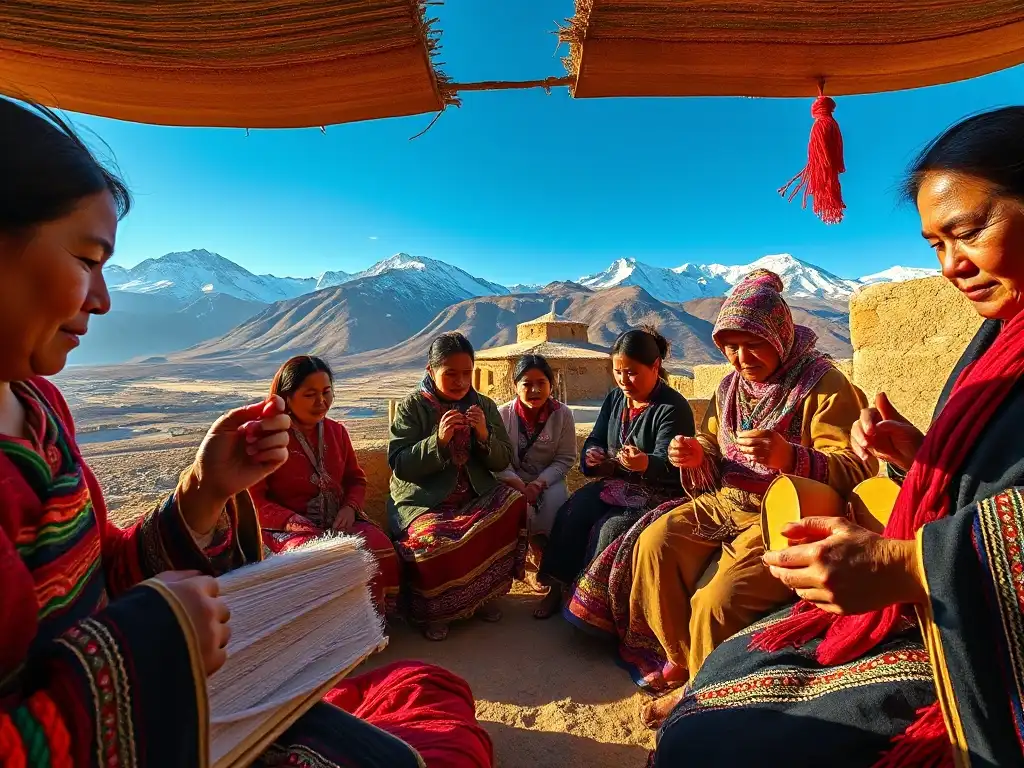
Step into a world lost to time, yet echoing powerfully in the present. Discover the breathtaking legacy of the Andean civilizations, from the intricate artistry of the Nazca lines to the sophisticated engineering of the Incas. But the story doesn't end there. Intriguing efforts are underway to preserve the vibrant Aymara culture, a testament to the enduring spirit of these remarkable people. Journey with us as we delve into the fascinating world of Aymara cultural preservation efforts and uncover the secrets of their resilience.
The Aymara people, inhabiting the Andean highlands of Bolivia, Peru, and Chile, possess a rich and vibrant cultural heritage shaped by millennia of adaptation to a challenging environment and a unique worldview. Their traditions, deeply intertwined with their language, are facing significant challenges in the modern world, prompting a growing movement dedicated to Aymara cultural preservation.
This article explores the multifaceted efforts underway to revitalize Aymara culture, focusing on the crucial role of language preservation and the various initiatives aimed at safeguarding this invaluable heritage for future generations. Understanding these efforts is crucial for appreciating the resilience and cultural richness of the Aymara people and the broader Andean civilization.
The increasing globalization and dominance of Spanish pose significant threats to the Aymara language and cultural practices, highlighting the urgency and importance of the initiatives discussed herein. This exploration will delve into the specific challenges faced by the Aymara language, and then highlight the innovative and community-driven strategies employed to combat language loss and revitalize cultural practices.
Introduction to Aymara Heritage and the Need for Preservation
Aymara heritage encompasses a complex tapestry woven from intricate social structures, unique artistic expressions, and a profound connection to the Andean landscape. Traditional Aymara society was organized around community-based agriculture, with intricate systems of water management and agricultural practices adapted to the high-altitude environment. Their art, often expressed through textiles, ceramics, and music, reflects a deep spiritual connection to the Pachamama (Mother Earth) and the Andean cosmos.
However, centuries of colonization and the pressures of modernization have significantly impacted Aymara communities, leading to a decline in the use of the Aymara language and a gradual erosion of traditional practices. The need for preservation stems from the recognition that the loss of Aymara culture represents not only the loss of a unique heritage but also the erosion of valuable knowledge systems, traditional practices, and a distinct worldview.
The preservation of Aymara culture is not merely an academic pursuit but a vital act of safeguarding cultural diversity and supporting the self-determination of the Aymara people. This preservation is crucial for maintaining a sense of identity and community cohesion within Aymara populations.
The Importance of Aymara Language in Cultural Identity
The Aymara language is inextricably linked to the cultural identity of the Aymara people. It is the primary vehicle through which their history, traditions, and worldview are transmitted from one generation to the next. Aymara is not merely a means of communication; it is the foundation upon which their cultural knowledge, beliefs, and social structures are built.
The loss of the Aymara language would represent an irreparable loss of cultural knowledge, impacting their understanding of their history, their connection to their land, and their ability to maintain their distinct cultural identity. Many aspects of Aymara culture, including traditional storytelling, medicinal practices, and social interactions, are deeply embedded within the Aymara language.
Its preservation is, therefore, paramount to the continuation of Aymara cultural practices and the maintenance of a strong sense of community identity. The intricate nuances of the language itself reflect the complexities of Aymara thought and worldview, making its preservation vital for a complete understanding of their culture.
Aymara Language Loss: A Threat to Cultural Continuity
The decline of the Aymara language is a serious concern. Factors contributing to this decline include the dominance of Spanish as the official language in many regions, limited access to Aymara-language education, and the perceived economic advantages of Spanish fluency. This language shift threatens the transmission of traditional knowledge, stories, and cultural practices, leading to a potential break in cultural continuity. The younger generations, often more exposed to Spanish, may not be acquiring the Aymara language, leading to a situation where the language is primarily spoken by older generations.
This creates a significant risk of language extinction and the subsequent loss of valuable cultural heritage. [Specific data on the rate of Aymara language loss pending]. This loss poses a substantial risk to the cultural continuity of the Aymara people.
Revitalization Initiatives for the Aymara Language
Various initiatives are underway to revitalize the Aymara language and culture. These include community-based language immersion programs, the development of Aymara-language educational materials, and the promotion of Aymara-language media. These efforts aim to increase the use of the Aymara language in daily life and to foster a sense of pride and ownership among Aymara speakers. Furthermore, efforts are being made to integrate Aymara language and culture into the formal education system, ensuring that future generations have access to their linguistic and cultural heritage.
These initiatives often involve close collaboration between Aymara communities, educational institutions, and governmental organizations. The success of these initiatives hinges on the active participation of Aymara communities and a commitment to fostering a supportive environment for language learning and cultural expression. These diverse approaches demonstrate a commitment to preserving a unique and valuable cultural heritage for generations to come.
Traditional Aymara Practices: Preserving Ancestral Knowledge
The preservation of traditional Aymara practices is paramount to the survival of their rich cultural heritage. These practices, passed down through generations, are deeply intertwined with their worldview and relationship with the natural environment. Efforts to safeguard this knowledge involve meticulous documentation, active participation by community members, and the creation of accessible resources for learning and teaching.
This includes not only the practical aspects of these traditions but also the underlying philosophies and beliefs that give them meaning. For example, understanding the spiritual significance of specific agricultural rituals or the social structures that govern traditional Aymara governance systems is crucial for authentic preservation. The challenge lies in balancing the need to preserve these practices in their original form while also adapting them to the realities of the modern world.
This delicate balance requires careful consideration and collaboration between Aymara communities, researchers, and cultural institutions. Ignoring the interconnectedness of these practices risks losing the essence of Aymara culture. The long-term success depends on the active engagement of younger generations, ensuring the continuity of these valuable traditions.
Aymara Textile Art: Safeguarding Weaving Traditions
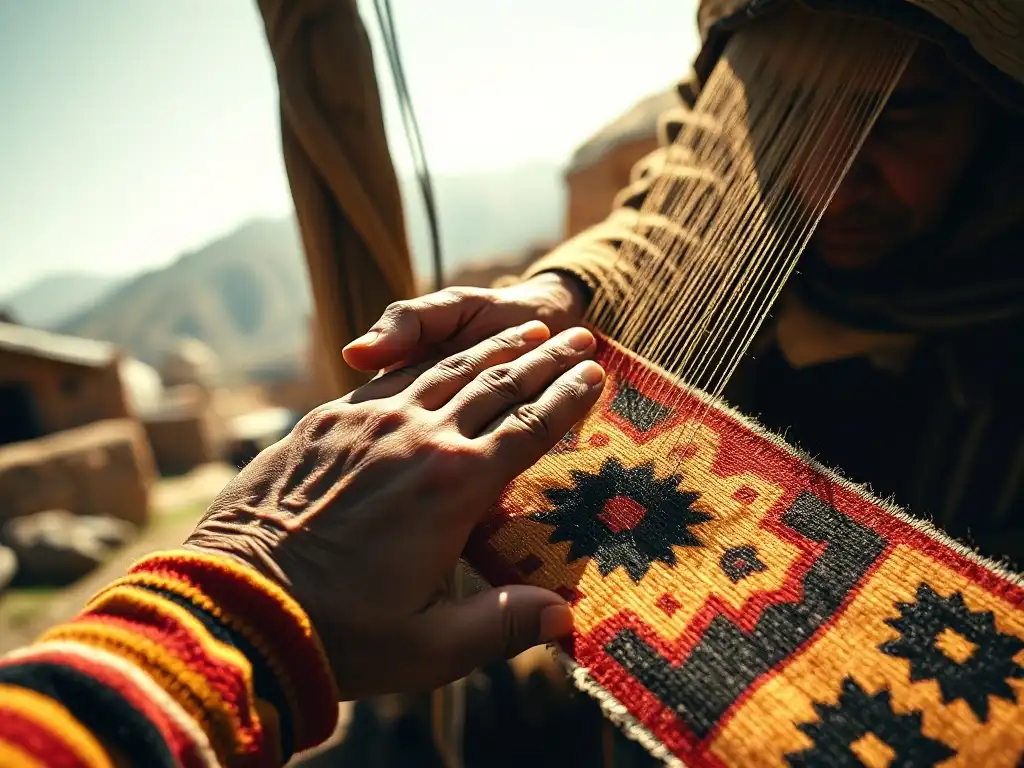
Aymara textile art is a powerful symbol of their identity and cultural heritage. The intricate designs and techniques employed in weaving are not merely aesthetic; they tell stories, transmit knowledge, and reflect their deep connection to the Andean landscape. Preservation efforts focus on documenting traditional weaving techniques, supporting Aymara artisans, and promoting their work in national and international markets.
Workshops and training programs teach younger generations the skills needed to continue this ancient craft. Efforts are also underway to revive the use of traditional natural dyes, ensuring the authenticity and sustainability of the process. The vibrant colors and symbolic patterns found in Aymara textiles are vital for preserving a tangible link to their ancestors.
Furthermore, protecting the intellectual property rights of Aymara weavers is crucial to preventing cultural appropriation and ensuring that they benefit from their craftsmanship. The economic empowerment of Aymara women, who are often the primary weavers, is an integral part of this preservation strategy.
Aymara Music and Dance: Maintaining Rhythmic Heritage
The rhythmic pulse of Aymara music and dance is a vibrant expression of their cultural identity. These art forms are integral to social gatherings, religious ceremonies, and celebrations. Preservation efforts involve documenting traditional musical instruments, melodies, and dance steps. This includes recording performances, conducting interviews with experienced musicians and dancers, and creating archives of musical scores and choreographic notations.
Teaching these arts to younger generations through formal and informal educational programs is also crucial. Supporting Aymara musicians and dance troupes in their performances and promoting their work on a wider stage is essential for fostering appreciation and ensuring the continued practice of these traditions. The unique sounds and movements of Aymara music and dance are not just entertainment; they are a dynamic reflection of their history, beliefs, and social structures. Their preservation ensures the vitality of Aymara cultural expression.
Aymara Agricultural Practices: Protecting Sustainable Techniques
Aymara agricultural practices represent a remarkable example of sustainable living in harmony with the environment. Their traditional farming techniques, adapted to the challenging Andean terrain, demonstrate a deep understanding of ecological principles. Preservation efforts focus on documenting these techniques, promoting their adoption by other communities, and highlighting their relevance in the face of climate change. This includes studying traditional irrigation systems, crop rotation methods, and soil management practices.
Sharing this knowledge with a wider audience can contribute to more sustainable agricultural practices globally. The resilience of Aymara agriculture is a testament to their ingenuity and adaptability. Protecting this knowledge is not only crucial for preserving their cultural heritage but also for promoting sustainable development and food security in the region. The wisdom embedded in these practices offers valuable lessons for a world facing increasing environmental challenges.
Community-Based Aymara Cultural Preservation Initiatives
Community-based initiatives play a crucial role in the revitalization of Aymara culture. These efforts are driven by the Aymara people themselves, ensuring the authenticity and relevance of the preservation strategies. They involve a range of activities, from organizing cultural events and festivals to establishing museums and archives. The success of these initiatives hinges on the active participation of community members of all ages and backgrounds.
Local Aymara Organizations and their Role in Cultural Revival
Local Aymara organizations act as vital hubs for cultural preservation activities. They coordinate efforts, mobilize resources, and advocate for the recognition and protection of Aymara heritage. These organizations often work in collaboration with government agencies, academic institutions, and international organizations to implement various preservation projects.
Their deep understanding of Aymara culture and their strong ties to the communities they serve make them uniquely positioned to lead these initiatives. Their work encompasses a wide range of activities, from documenting oral histories to promoting Aymara language education. The commitment and dedication of these organizations are essential for the long-term success of Aymara cultural revitalization.
Educational Programs Promoting Aymara Culture
Educational programs play a crucial role in transmitting Aymara cultural knowledge to future generations. These programs aim to integrate Aymara language, history, and traditions into the school curriculum, fostering pride in their cultural heritage among young people. Efforts are underway to develop culturally relevant teaching materials and training programs for educators.
The inclusion of Aymara perspectives in educational settings is essential for fostering inclusivity and cultural understanding. Moreover, these programs aim to equip young people with the skills and knowledge needed to participate actively in the preservation of their culture. Such initiatives contribute to the long-term sustainability of Aymara cultural heritage.
Intergenerational Transmission of Aymara Knowledge
The transmission of Aymara knowledge across generations is fundamental to its survival. This involves creating opportunities for elders to share their wisdom and experiences with younger generations. This can take many forms, from storytelling and traditional craft workshops to mentorship programs and community-based learning initiatives. Bridging the gap between generations is crucial for ensuring the continuity of Aymara cultural practices and beliefs.
These intergenerational exchanges not only preserve traditional knowledge but also strengthen community bonds and foster a sense of shared identity. The active involvement of elders and young people alike is essential for the success of these efforts. The vitality of Aymara culture depends on the successful transfer of knowledge and traditions between generations.
Challenges Faced in Aymara Cultural Preservation
The preservation of Aymara culture faces a multitude of interconnected challenges, hindering its continued vitality and transmission to future generations. These challenges are complex and often intertwined, demanding multifaceted solutions. Understanding these obstacles is crucial for developing effective strategies for cultural revitalization.
Socioeconomic Pressures Affecting Aymara Culture
Significant socioeconomic disparities significantly impact Aymara cultural preservation. Many Aymara communities experience poverty and limited access to education and healthcare. This often forces individuals to migrate to urban centers in search of better economic opportunities, leading to a weakening of traditional social structures and a decline in the use of the Aymara language. The allure of modern lifestyles and consumerism further diminishes the appeal of traditional practices, creating a generational gap in cultural understanding and participation.
For instance, the younger generation might prioritize acquiring Spanish language skills for better job prospects, potentially leading to a decline in Aymara fluency. Addressing these socioeconomic disparities is paramount to fostering a supportive environment for cultural preservation. This includes investing in sustainable economic development projects within Aymara communities, improving access to quality education that values and incorporates Aymara language and culture, and creating opportunities for cultural exchange and pride.
The Impact of Globalization on Aymara Traditions
Globalization, while offering potential benefits, also poses significant threats to Aymara cultural heritage. The influx of global media, consumer products, and cultural trends can overshadow and even replace traditional practices and beliefs. The dominance of Spanish in media and education often marginalizes the Aymara language, leading to language shift and the loss of associated cultural knowledge.
Moreover, the adoption of Westernized lifestyles can lead to a diminished appreciation for traditional Aymara values, social structures, and artistic expressions. For example, the increasing popularity of fast food and Western clothing styles can displace traditional Aymara cuisine and attire. Strategies to mitigate the negative impacts of globalization include promoting the use of Aymara language in media, supporting local artisans and businesses, and fostering intercultural dialogue that respects and celebrates both Aymara and global cultures.
Limited Resources and Support for Cultural Initiatives
A significant obstacle to Aymara cultural preservation is the limited availability of resources and support for cultural initiatives. Funding for projects aimed at language revitalization, cultural education, and the preservation of traditional arts is often inadequate. This lack of funding hampers the development and implementation of effective programs, limiting their reach and impact.
Furthermore, there is often a lack of coordination and collaboration among various stakeholders involved in cultural preservation efforts, leading to duplication of efforts and a lack of strategic focus. A more coordinated and well-funded approach is needed to ensure the long-term sustainability of Aymara cultural preservation projects. This includes establishing dedicated funding streams for cultural initiatives, fostering collaboration among government agencies, NGOs, and community organizations, and developing comprehensive strategies that address the multiple facets of cultural preservation.
Successful Aymara Cultural Revitalization Projects
Despite the challenges, several successful projects demonstrate the effectiveness of targeted efforts in preserving and revitalizing Aymara culture. These initiatives highlight the importance of community involvement, culturally relevant educational approaches, and sustainable development strategies.
The Warisata School: A Model for Bilingual Education
The Warisata School, established in the early 20th century, serves as a pioneering example of bilingual education that successfully integrates Aymara language and culture into the curriculum. By incorporating Aymara language instruction and culturally relevant learning materials, the school fosters a sense of pride and ownership amongst Aymara students. This approach helps to counteract the marginalization of the Aymara language and promotes the transmission of cultural knowledge across generations.
The success of the Warisata School model demonstrates the crucial role of education in Aymara cultural preservation and the importance of culturally sensitive teaching methodologies. The school's approach emphasizes experiential learning, connecting classroom instruction with practical applications within the community.
The Jatun Ayllu Project: Reviving Traditional Governance
The Jatun Ayllu Project focuses on reviving traditional Aymara governance structures and community-based decision-making processes. By empowering local communities to participate in the management of their own resources and affairs, the project strengthens social cohesion and promotes cultural continuity. The project aims to build upon existing Aymara social structures and traditional knowledge systems to address contemporary challenges, fostering community-based solutions. This approach recognizes the importance of local ownership and participation in cultural preservation efforts. The success of the Jatun Ayllu Project highlights the power of community-led initiatives in revitalizing Aymara culture and fostering sustainable development.
Lessons Learned from Successful Revitalization Efforts
Several key lessons emerge from the success of these projects. Firstly, community participation is vital; initiatives must be driven by and relevant to the needs of Aymara communities. Secondly, culturally relevant education is crucial; integrating Aymara language and culture into educational programs helps to transmit cultural knowledge to future generations. Thirdly, sustainable development is essential; economic opportunities within Aymara communities are needed to counteract the pressures of migration and globalization. Finally, collaboration and coordination among diverse stakeholders are necessary to ensure long-term success. By incorporating these lessons, future Aymara cultural revitalization efforts can be more effective and sustainable.
The Role of Technology in Aymara Cultural Preservation

Technology plays a crucial role in the ongoing efforts to preserve Aymara culture. The rapid advancements in digital technologies offer unprecedented opportunities to document, archive, and disseminate Aymara traditions, language, and knowledge to a wider audience. This is particularly important given the challenges faced by indigenous communities in maintaining their cultural heritage in the face of globalization and modernization.
Effective utilization of technology can help bridge the gap between traditional practices and contemporary approaches to cultural preservation. The key lies in integrating technological tools thoughtfully and respectfully, ensuring that they serve as empowering instruments for the Aymara people rather than simply replacing traditional methods. It's essential to avoid a purely top-down approach, instead prioritizing collaboration and co-creation with Aymara communities to ensure the ethical and effective use of technology in cultural preservation.
Digital Archives of Aymara Oral Traditions
One significant application of technology is the creation of digital archives for Aymara oral traditions. These archives can house recordings of Aymara stories, songs, and rituals, preserving them for future generations. This digital preservation offers several advantages over traditional methods.
For instance, digital archives are easily accessible, replicable, and less susceptible to damage from environmental factors or accidental destruction. Furthermore, advanced search functionalities within digital archives allow researchers and Aymara communities alike to easily locate specific recordings or themes. The careful cataloging and metadata tagging of these recordings are crucial for ensuring the long-term accessibility and usability of these valuable cultural resources.
However, considerations for data security, ethical access, and community ownership need to be carefully addressed to ensure the responsible and respectful preservation of these sensitive cultural materials. The development of robust digital archives requires close collaboration with Aymara communities to establish appropriate protocols for access, use, and ownership of the archived materials.
Use of Technology in Language Learning and Transmission
Technology is proving to be an invaluable tool in the revitalization of the Aymara language. Language learning apps, online courses, and interactive multimedia resources are making it easier for both Aymara speakers and non-speakers to learn and practice the language. These digital tools provide engaging and accessible ways to learn Aymara vocabulary, grammar, and pronunciation. Furthermore, technology facilitates the creation of digital dictionaries and language corpora, providing valuable resources for linguistic research and language teaching.
The accessibility of these digital resources allows for a wider reach, potentially combating the decline of the Aymara language among younger generations. However, the effectiveness of these technological tools depends on their integration within broader community-based language learning initiatives. Simply providing access to technology is not sufficient; it requires a concerted effort to encourage its use and integrate it seamlessly into existing educational and community practices.
Online Platforms for Promoting Aymara Culture
The internet provides a global platform for promoting and sharing Aymara culture. Websites, social media platforms, and online communities dedicated to Aymara culture allow for the dissemination of information about Aymara art, music, traditions, and history to a vast audience. This increased visibility can help raise awareness of Aymara heritage and foster appreciation and understanding among a broader population. Furthermore, online platforms can facilitate connections between Aymara communities and individuals around the world, fostering cultural exchange and collaboration.
However, it is crucial to ensure the authenticity and accuracy of the information shared online. It is equally important to address issues of cultural appropriation and misrepresentation, empowering Aymara communities to control the narrative surrounding their culture online. The responsible use of online platforms requires a strong emphasis on community participation and control over how their culture is presented and interpreted.
Future Directions for Aymara Cultural Preservation
The future of Aymara cultural preservation hinges on the development of sustainable strategies that empower Aymara communities and ensure the long-term survival of their rich heritage. This requires a multifaceted approach that addresses both immediate needs and long-term goals. The integration of technological advancements with traditional practices will be key to ensuring the preservation of Aymara culture for future generations. Moreover, fostering a sense of cultural pride and ownership among Aymara communities is essential for ensuring the continued vitality of their heritage.
Sustainable Strategies for Long-Term Cultural Survival
Sustainable strategies for Aymara cultural preservation must prioritize community participation and ownership. This means involving Aymara communities in all stages of the preservation process, from planning and implementation to evaluation and monitoring. The development of culturally sensitive and relevant educational programs is crucial for transmitting Aymara knowledge and traditions to younger generations.
Furthermore, economic empowerment initiatives that support Aymara artisans and cultural practitioners can help ensure the long-term sustainability of cultural practices. These strategies should focus on building capacity within Aymara communities, enabling them to take the lead in preserving and promoting their own heritage. The involvement of governmental and non-governmental organizations is essential in providing support and resources, but the ultimate responsibility for cultural preservation rests with the Aymara communities themselves.
Empowering Aymara Communities in Cultural Decision-Making
Empowering Aymara communities in cultural decision-making is paramount. This means respecting their autonomy and self-determination in choosing how their culture is preserved and promoted. Consultations with Aymara communities should be a central part of any cultural preservation initiatives. Their perspectives, knowledge, and priorities should guide the development and implementation of preservation strategies.
This approach ensures that preservation efforts are culturally appropriate and relevant to the needs and aspirations of the Aymara people. A participatory approach fosters a sense of ownership and responsibility among Aymara communities, leading to a stronger commitment to the long-term preservation of their cultural heritage. This collaborative approach is essential for ensuring the success and sustainability of cultural preservation efforts.
The Importance of Continued Support for Aymara Heritage
Continued support for Aymara heritage is crucial for ensuring its survival and vitality. This support should come from various sources, including governmental and non-governmental organizations, international institutions, and individuals committed to cultural preservation. Funding for cultural preservation programs, educational initiatives, and community-based projects is essential.
Furthermore, raising awareness of Aymara culture among a wider audience can help foster appreciation and understanding, leading to greater support for preservation efforts. Continued support is not merely a matter of funding; it also requires a commitment to respecting Aymara cultural rights, promoting cultural diversity, and acknowledging the invaluable contributions of Aymara culture to the world's cultural heritage. The ongoing engagement and support of Aymara communities is essential for the long-term success of any cultural preservation initiative.
Conclusion: The Enduring Spirit of Aymara Culture
The efforts to revitalize Aymara culture are a testament to the enduring spirit and resilience of the Aymara people. Despite centuries of colonization and marginalization, their rich heritage continues to thrive, fueled by passionate individuals and organizations dedicated to its preservation. The success of these initiatives hinges on a multifaceted approach, encompassing language revitalization programs, the promotion of traditional arts and crafts, the safeguarding of ancestral knowledge, and the active engagement of Aymara communities themselves. It’s crucial to remember that cultural preservation isn’t a static process; it’s an ongoing dialogue between the past, the present, and the future.
The Aymara people, through their dedication and innovative strategies, are actively shaping their cultural narrative for generations to come. Their story serves as an inspiring example for other indigenous communities facing similar challenges in preserving their unique cultural identities. The future of Aymara culture is bright, not just because of the impressive efforts underway, but because of the unwavering commitment of the Aymara people to their heritage.
Their resilience and determination ensure that the vibrant tapestry of Aymara traditions will continue to enrich the world for many years to come. The ongoing struggle for recognition and respect for their cultural rights is a vital component of this preservation, ensuring that Aymara voices are heard and their cultural practices are valued within a broader, increasingly globalized context. The legacy of Aymara culture is not merely a collection of artifacts or traditions; it is a living, breathing entity, constantly evolving and adapting while remaining true to its core values.
The success of Aymara cultural preservation efforts also relies heavily on external support and collaboration. International organizations, academic institutions, and governments play a crucial role in providing resources, funding, and research opportunities. However, it is essential that this support is provided in a way that respects the autonomy and agency of the Aymara communities themselves, ensuring that preservation efforts are driven by their needs and priorities, not imposed from outside.
This collaborative approach recognizes the inherent knowledge and expertise that reside within the Aymara communities, empowering them to lead the revitalization of their own culture. This participatory model ensures authenticity and sustainability, fostering a sense of ownership and pride among Aymara people in their rich cultural heritage.
Ultimately, the success of Aymara cultural preservation rests on the shoulders of the Aymara people themselves, but the support and understanding of the wider world are crucial to ensuring its continued flourishing. The preservation of Aymara culture is not just a matter of historical record-keeping; it is a celebration of human resilience, cultural diversity, and the enduring power of tradition in a rapidly changing world.
- Introduction to Aymara Heritage and the Need for Preservation
- The Importance of Aymara Language in Cultural Identity
- Traditional Aymara Practices: Preserving Ancestral Knowledge
- Community-Based Aymara Cultural Preservation Initiatives
- Challenges Faced in Aymara Cultural Preservation
- Successful Aymara Cultural Revitalization Projects
- The Role of Technology in Aymara Cultural Preservation
- Future Directions for Aymara Cultural Preservation
- Conclusion: The Enduring Spirit of Aymara Culture
- What are the main challenges facing Aymara cultural preservation efforts?
- How are Aymara communities actively involved in preservation?
- What role does technology play in Aymara cultural preservation?
- What are some examples of successful Aymara cultural preservation initiatives?
- How can I support Aymara cultural preservation efforts?
Frequently Asked Questions
What are the main challenges facing Aymara cultural preservation efforts?
The primary challenges include language loss, the influence of globalization, and the erosion of traditional practices due to modernization and migration. Efforts often face a lack of funding and resources.
How are Aymara communities actively involved in preservation?
Aymara communities are actively involved through language revitalization programs, teaching traditional arts and crafts to younger generations, and promoting cultural events and festivals. They also play a vital role in safeguarding their knowledge and traditions.
What role does technology play in Aymara cultural preservation?
Technology plays an increasingly important role, with digital archiving of oral histories and traditional knowledge, the use of social media to promote Aymara culture, and the creation of online resources for language learning and cultural exchange.
What are some examples of successful Aymara cultural preservation initiatives?
Successful initiatives include community-based museums, language immersion schools, and collaborative projects with researchers and organizations to document and disseminate Aymara culture. These efforts often focus on empowering local communities.
How can I support Aymara cultural preservation efforts?
You can support these efforts by learning about Aymara culture, supporting organizations working on preservation projects, visiting Aymara communities respectfully, and purchasing authentic Aymara crafts to help sustain local economies and traditions.
Final Reflection: Weaving the Threads of Aymara Resilience
The fight to preserve Aymara culture is not merely a historical endeavor; it is a vital act of resistance against cultural homogenization and a testament to the enduring power of indigenous knowledge. The threads of Aymara language, traditions, and worldview are being painstakingly rewoven, demonstrating the strength and determination of a community fiercely protecting its heritage in the face of immense pressures. This revitalization is not just about preserving the past; it's about building a vibrant and sustainable future rooted in ancestral wisdom.
The ongoing efforts to revitalize Aymara culture profoundly impact not only the Aymara people themselves but also contribute to a richer, more diverse global tapestry. Witnessing this resilience firsthand has been deeply moving. The commitment to passing down traditional knowledge, from intricate weaving techniques to ancient storytelling practices, is a powerful testament to the human spirit's capacity for adaptation and perseverance. The language a people speak is the key to their cultural identity.
This quote resonates deeply, highlighting the crucial role language plays in the preservation of Aymara heritage.
You, the reader, are now part of this story. Consider how you can contribute to the preservation of diverse cultures. Support organizations working to protect indigenous languages and traditions. Learn about the Aymara people and their rich history. Most importantly, remember that cultural diversity is a strength, not a weakness, and that every culture holds invaluable lessons and perspectives that enrich our shared human experience. Let us all work together to ensure that the vibrant threads of Aymara culture continue to be woven into the fabric of our world for generations to come.
Embrace and Celebrate Aymara Heritage Today!
Thank you for exploring the rich tapestry of Aymara culture and the important work being done to preserve it. Your interest and awareness are vital to honoring this vibrant heritage. Now, let's work together to make a difference!
- Attend a local Aymara cultural event to experience its traditions firsthand. Many festivals and gatherings showcasing Aymara music, dance, and art are easily found online.
- Share your knowledge of Aymara traditions with friends, family, and on social media. Raising awareness is a powerful way to support this culture.
- Support organizations dedicated to Aymara revitalization. Consider volunteering your time or making a donation to help sustain and promote these vital cultural practices.
What aspect of Aymara culture captivates you most, and how will you help ensure its continued legacy?