
Lost in Translation? Understanding the Nuances of Andean Spoken History

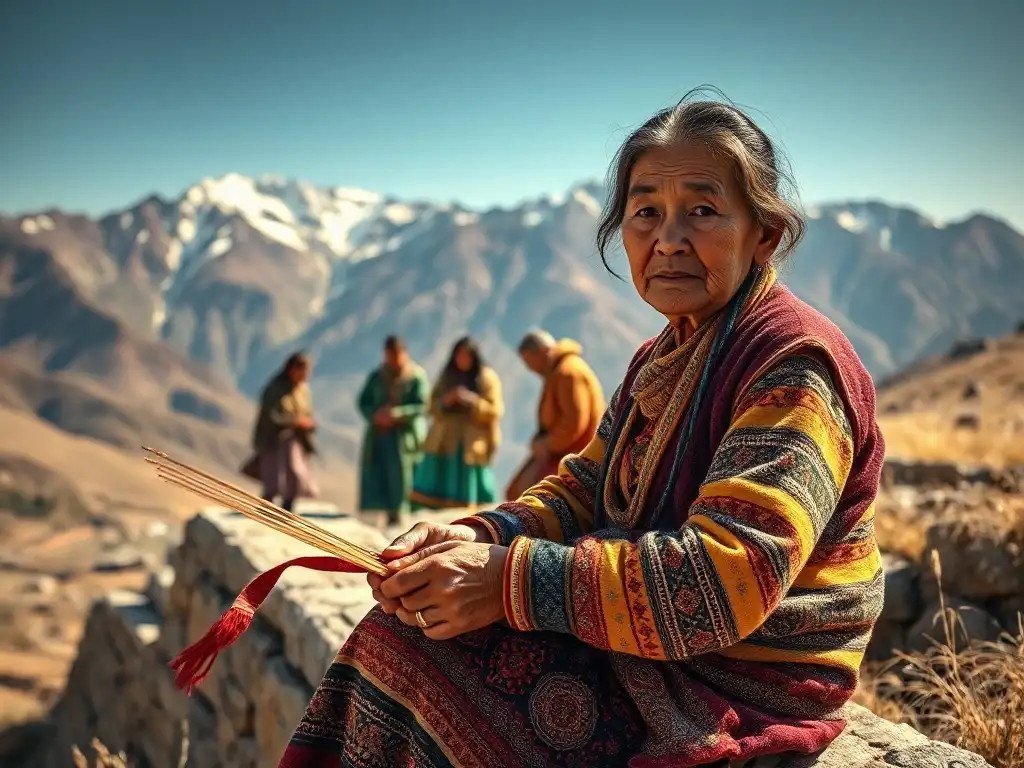
Step into a world lost to time, yet echoing with untold stories. For centuries, the whispers of the Andes have remained largely unheard, their secrets locked within intricate languages and ancient practices. But what if we could unlock them? Our exploration of Andean spoken history translation reveals fascinating insights into the lives and legacies of the Incas, Moche, Nazca, and Tiahuanaco. Dare to delve deeper and uncover the vibrant tapestry of Andean civilization – a journey that will redefine your understanding of this captivating region.
The Andes Mountains, a spine of towering peaks running down the western coast of South America, are home to a rich tapestry of ancient civilizations. For centuries, these cultures—including the Incas, Moche, Nazca, and Tiahuanaco—flourished, leaving behind an impressive legacy of architecture, art, and intricate societal structures. However, a significant portion of their history remains shrouded in the mists of time, preserved not in written texts, but in the intricate web of oral traditions passed down through generations.
Understanding this Andean spoken history presents a unique and significant challenge for historians and linguists alike. This article delves into the complexities of translating and interpreting these oral narratives, exploring the inherent difficulties and the crucial role oral tradition played (and continues to play) in shaping Andean cultures. We will examine the limitations of direct translation and highlight the importance of understanding the cultural context within which these stories were created and transmitted.
Successfully navigating the nuances of Andean spoken history requires more than just linguistic proficiency; it demands a deep appreciation for the cultural values, beliefs, and social structures that shaped these ancient societies. This exploration is vital for a complete and accurate understanding of the Andean past and its lasting impact on the present.
The Challenge of Deciphering Andean Oral Narratives
Translating Andean spoken history is far more complex than simply converting words from one language to another. Many of these oral traditions were passed down through generations using Quechua, Aymara, and other indigenous languages, often with variations in dialect and pronunciation across different regions. The very act of translating these narratives involves a significant loss of meaning. Consider, for instance, the use of metaphors, proverbs, and symbolic language prevalent in Andean oral storytelling.
These elements often carry layers of meaning deeply embedded within the cultural context, which are easily lost in a direct, literal translation. Furthermore, the oral tradition often relies heavily on performance – the tone of voice, body language, and the overall context of the storytelling – all of which are impossible to fully capture in a written text. This presents a significant hurdle for researchers attempting to reconstruct a faithful representation of the original narrative.
The task is further complicated by the fragmentation of oral traditions over time, with stories evolving and adapting as they are passed down through generations. This dynamic nature makes it crucial for researchers to employ a multifaceted approach, combining linguistic analysis with anthropological and archaeological research to contextualize and interpret the information. The challenge is not merely one of linguistic translation, but of cultural interpretation, demanding a nuanced understanding of the Andean worldview.
The Significance of Oral Tradition in Andean Cultures
The importance of oral tradition in Andean societies cannot be overstated. In the absence of widespread literacy, oral narratives served as the primary means of transmitting knowledge, history, and cultural values. These stories weren't simply entertaining tales; they were vital tools for social cohesion, education, and the preservation of cultural identity.
They provided a framework for understanding the world, explaining natural phenomena, outlining social codes, and transmitting crucial information about ancestry, land ownership, and religious beliefs. The oral tradition served as a living repository of history, constantly evolving and adapting to changing circumstances while maintaining a core connection to the past. For example, many myths and legends recount the origins of communities, explaining their relationship to the land and their place within the larger Andean cosmology.
These narratives were not merely historical accounts; they were integral to the social and spiritual fabric of Andean life. Understanding the significance of oral tradition is essential for comprehending the depth and complexity of Andean cultures and their enduring legacy. Failing to account for this crucial element risks creating a distorted and incomplete picture of their history.
Andean Spoken History: Beyond Literal Translation
The key to unlocking the secrets of Andean spoken history lies in moving beyond a purely literal translation. A successful approach requires a multidisciplinary effort, integrating linguistic expertise with a deep understanding of Andean culture, history, and social structures. This means considering the social context in which the narratives were created and transmitted, paying close attention to the cultural values and beliefs embedded within the stories.
Researchers must also be aware of potential biases and limitations of their own perspectives, striving to avoid imposing modern interpretations onto ancient narratives. The process necessitates a collaborative approach, involving not only academics but also members of the indigenous communities who are the custodians of these oral traditions. Their insights and perspectives are invaluable in ensuring that the interpretations are culturally sensitive and accurate.
Ultimately, understanding Andean spoken history is a journey of cultural immersion and collaborative interpretation, a process that requires patience, respect, and a commitment to preserving the richness and complexity of these invaluable oral narratives. The goal is not just to translate words, but to translate meaning, context, and the very essence of a vibrant cultural heritage.
- The Challenge of Deciphering Andean Oral Narratives
- The Significance of Oral Tradition in Andean Cultures
- Andean Spoken History: Beyond Literal Translation
- What makes translating Andean spoken history so challenging?
- How do scholars approach the translation of Andean oral traditions?
- Are there any significant challenges in accessing Andean spoken history materials?
- What role does language play in understanding Andean cultures?
- How can I learn more about Andean spoken history and its translation?
Key Elements in Andean Spoken History Interpretation
This section delves into the crucial elements that must be considered when interpreting Andean spoken history. Accurate translation and understanding require more than simply converting words; it necessitates a deep engagement with the cultural, linguistic, and cosmological frameworks that shaped these oral narratives. Ignoring these nuances risks misrepresenting the past and obscuring the richness of Andean cultural heritage. Successfully navigating the complexities of Andean spoken history translation demands a multi-faceted approach, encompassing linguistic expertise, historical awareness, and a profound respect for Andean cosmovision.
Contextual Understanding: The Foundation of Accurate Translation
Accurate translation of Andean spoken history hinges on a deep understanding of the context in which the narratives were created and transmitted. This includes the social, political, and environmental conditions of the time. For instance, a story about a harvest might hold different meanings depending on whether it was told during a period of abundance or famine. Similarly, the speaker's social standing within the community significantly impacts the narrative's interpretation.
A chieftain's account of a battle differs considerably from that of a common soldier. Understanding the intended audience is crucial; was the story intended for a small, intimate group or a large public gathering? The nuances of language and storytelling techniques would vary accordingly. The physical environment also plays a critical role.
Narratives told in the high Andes, for example, often incorporate elements of the landscape and its significance to the community's survival and worldview. Without careful contextual analysis, even seemingly straightforward translations can become severely distorted, leading to inaccurate historical interpretations. This meticulous attention to context is paramount for responsible and meaningful engagement with Andean spoken history translation.
Linguistic Diversity and its Impact on Historical Accounts
The Andean region boasts remarkable linguistic diversity, a factor that significantly complicates the process of Andean spoken history translation. Numerous languages, often with distinct dialects and variations, were spoken across different regions and social groups. The Quechua family of languages, for example, encompasses numerous dialects, each with its unique vocabulary and grammatical structures. Aymara, another prominent language family, presents similar challenges.
Direct translation between these languages is not always straightforward. Furthermore, many of these languages have undergone significant changes over time, making the reconstruction of historical speech patterns a complex undertaking. Scholars often rely on comparative linguistics and the analysis of related languages to decipher archaic terminology.
The task is further complicated by the scarcity of written records, forcing researchers to rely heavily on oral testimonies and their interpretations. This linguistic complexity underscores the need for specialized expertise in Andean linguistics to ensure the accurate and nuanced translation of historical accounts. Understanding this linguistic diversity is fundamental for responsible Andean spoken history translation.
The Role of Andean Cosmovision in Oral Narratives
Andean oral narratives are deeply embedded within a unique cosmological framework – a worldview that differs substantially from Western perspectives. This cosmovision encompasses a complex interplay of deities, spirits, and natural forces, shaping the meaning and interpretation of historical accounts. For instance, the concept of Pachamama (Mother Earth) permeates many Andean narratives, emphasizing the interconnectedness of humans and nature. Events are often interpreted within the context of this relationship.
Similarly, the understanding of time is often cyclical rather than linear, making direct translations into Western chronological frameworks problematic. Narratives may integrate mythical elements alongside historical events, blurring the line between the sacred and the profane. Ignoring the Andean cosmovision leads to an incomplete and potentially misleading understanding of the narratives.
Successfully translating these stories necessitates a comprehensive understanding of Andean spirituality and its influence on historical accounts. The nuanced incorporation of this cosmovision is essential for responsible Andean spoken history translation. Without it, the true richness and depth of these narratives remain lost in translation.

This section delves into the challenges inherent in understanding Andean spoken history, a field significantly shaped by the unique characteristics of oral transmission and the lasting impact of historical events. Accurate translation of Andean spoken history requires a nuanced approach, going beyond simple word-for-word conversions to encompass cultural context, linguistic subtleties, and the ever-present influence of colonialism. The task is monumental, but crucial for preserving and understanding the rich tapestry of Andean civilizations.
The survival of these oral traditions, despite centuries of pressure, is a testament to their importance and resilience. However, this very resilience also presents complexities for modern researchers and translators.
The Influence of Spanish Colonization on Oral Transmission
The Spanish conquest profoundly impacted the transmission of Andean oral histories. The deliberate suppression of indigenous languages and cultures led to a significant loss of knowledge. Many oral traditions were fragmented, altered, or completely lost. The imposition of Spanish as the dominant language forced indigenous communities to adapt, often resulting in a blending of languages and narratives. This process, known as linguistic creolization, created new forms of expression but also obscured the original meaning and intent of many oral traditions.
For example, the detailed accounts of Inca history, originally passed down through a sophisticated system of quipus (knotted cords) and oral narratives, were often misinterpreted or deliberately distorted by Spanish chroniclers. These chroniclers, while providing valuable information, often lacked a deep understanding of the Andean worldview, leading to biased or incomplete representations. The resulting historical records, while important sources, should be analyzed critically, considering the inherent limitations of their perspective and the potential for cultural misinterpretations.
The impact of this colonial legacy continues to challenge efforts to reconstruct a complete and accurate picture of Andean spoken history. Further research is needed to disentangle the layers of colonial influence and recover the authentic voices of the past. We need to move beyond simplistic translations and embrace a more holistic approach that considers the social, political, and cultural contexts in which these oral traditions were created and transmitted.
Preserving Indigenous Languages and their Historical Significance
Preserving indigenous Andean languages is paramount for accurate Andean spoken history translation. Many languages, such as Quechua and Aymara, continue to be spoken by millions, but they face ongoing threats from globalization and language shift. The loss of these languages represents an irreplaceable loss of cultural heritage and historical knowledge.
Oral traditions are intrinsically linked to the languages in which they are expressed. Accurate translation requires not only linguistic proficiency but also a deep understanding of the cultural values and beliefs embedded within the language itself. This includes understanding the nuances of tone, metaphor, and other linguistic devices that might be lost in direct translation.
The effort to preserve these languages involves collaborative work between linguists, anthropologists, and indigenous communities. This collaborative approach ensures that the preservation efforts are culturally sensitive and respectful of traditional knowledge systems. Digital archiving of oral histories and language documentation projects are crucial for future generations.
These initiatives help to safeguard these invaluable resources and ensure that the voices of the past continue to be heard. Furthermore, the revival and promotion of indigenous languages within educational systems and media are vital steps towards ensuring their long-term survival. This involves providing opportunities for language learning and promoting the use of indigenous languages in various contexts, fostering a sense of pride and ownership amongst younger generations.
Misinterpretations: The Case of the Inca Creation Myth
The Inca creation myth, like many other Andean oral traditions, has been subject to various interpretations and misinterpretations over time. Early Spanish accounts often attempted to fit the Inca cosmology into a Christian framework, leading to distortions and omissions. The complexities of the Inca worldview, with its emphasis on ancestral veneration, cyclical time, and the interconnectedness of nature, were often simplified or ignored in these early interpretations. This resulted in a loss of nuance and a failure to appreciate the richness and depth of the Inca understanding of the world.
For instance, the concept of Pachamama (Mother Earth) was often reduced to a simple fertility goddess, overlooking its profound significance as a central figure in the Inca worldview. Similarly, the intricate narratives surrounding Viracocha, the creator god, were often simplified or misinterpreted, leading to an incomplete and inaccurate understanding of Inca religious beliefs. Modern scholars are working to correct these historical inaccuracies by engaging with indigenous communities and analyzing the available sources with a more nuanced and culturally sensitive approach.
The use of comparative mythology and interdisciplinary approaches are increasingly important in understanding the complexities of the Inca creation myth and other Andean oral traditions. By integrating indigenous perspectives and employing rigorous methodologies, researchers are striving to provide more accurate and comprehensive translations that reflect the richness and sophistication of Andean thought.
Strategies for Effective Andean Spoken History Translation

This section delves into the crucial strategies needed for accurate and respectful translation of Andean spoken history. The challenge lies not only in linguistic differences but also in understanding the cultural context embedded within oral narratives. Successfully navigating these complexities requires a multifaceted approach, combining linguistic expertise with deep cultural sensitivity.
The goal is to preserve the richness and authenticity of the original narratives while making them accessible to a wider audience. This involves careful consideration of the nuances of language, the importance of community involvement, and the development of culturally appropriate methodologies. Mastering "Andean spoken history translation" necessitates a holistic strategy that goes beyond simple word-for-word conversions.
Working with Indigenous Communities and Oral Historians
Effective translation of Andean spoken history fundamentally relies on collaboration with Indigenous communities and oral historians. This isn't merely a matter of courtesy; it's essential for accuracy and ethical practice. Ignoring the perspectives and knowledge of those who are the custodians of this history risks misrepresentation and the perpetuation of harmful stereotypes.
Engaging with these communities means more than simply obtaining consent. It requires building trust through respectful dialogue, demonstrating a genuine interest in their culture and history, and recognizing their authority over their own narratives. This process might involve:
- Participatory research: Actively involving community members in all stages of the translation project, from initial data collection to final review.
- Community-based translation teams: Employing translators who are fluent in both the relevant Andean language and the target language, and who also possess a deep understanding of the community's cultural context.
- Prioritizing community needs: Ensuring that the translation serves the needs and interests of the community, not just the researcher's or institution's. This might involve translating materials for educational purposes, community archives, or public awareness campaigns.
- Respecting intellectual property rights: Acknowledging and respecting the intellectual property rights of the community and the oral historians who share their knowledge. This often requires negotiating agreements on usage and dissemination of translated materials.
Failure to prioritize these steps can lead to significant inaccuracies and ethical breaches. For example, a translation omitting crucial contextual details could unintentionally distort the meaning or significance of a historical event. Respectful collaboration ensures the integrity of the historical record and fosters a mutually beneficial relationship between researchers and communities.
Utilizing Interdisciplinary Approaches: Linguistics, Anthropology, History
Accurate Andean spoken history translation necessitates an interdisciplinary approach, drawing on expertise from linguistics, anthropology, and history. Each discipline offers a unique perspective crucial to the process.
- Linguistics: Linguists provide expertise in the complexities of the Andean languages, including their grammar, syntax, and semantics. They can identify subtle nuances in meaning that might be lost in a simple translation. This includes understanding the different dialects and variations within each language, as well as the evolution of the language over time. Special attention must be paid to the use of metaphors, proverbs, and other forms of figurative language that are common in oral traditions.
- Anthropology: Anthropologists contribute their understanding of Andean cultures, social structures, and belief systems. They can help interpret the cultural context embedded within oral narratives, identifying symbols, rituals, and social practices that might not be immediately apparent to someone unfamiliar with the culture. This contextual understanding is vital for accurately conveying the meaning and significance of historical events.
- History: Historians provide a crucial framework for understanding the historical context of the narratives. They can help to verify the accuracy of the information presented, identify potential biases or distortions, and place the narratives within a broader historical context. By integrating historical analysis, we can avoid misinterpretations stemming from a lack of historical perspective.
The synergistic combination of these disciplines ensures a more thorough and nuanced understanding of the source material, leading to a more accurate and culturally sensitive translation. This interdisciplinary collaboration is paramount for a successful "Andean spoken history translation" project.
Developing Culturally Sensitive Translation Methodologies
Developing culturally sensitive translation methodologies is crucial for preserving the integrity and authenticity of Andean spoken histories. Simple word-for-word translation often fails to capture the richness and complexity of oral narratives. Instead, translators must adopt methods that account for the cultural context and the specific characteristics of oral traditions.
This might involve:
- Employing dynamic equivalence: Focusing on conveying the meaning and impact of the original narrative rather than adhering strictly to a literal translation. This requires a deep understanding of both the source and target languages, as well as the cultural context.
- Utilizing annotation and explanatory notes: Providing additional context and explanations to clarify cultural references, idioms, and other elements that might be unfamiliar to the target audience. This helps to bridge the cultural gap and ensure that the meaning is accurately conveyed.
- Maintaining the narrative style and structure: Preserving the original narrative style and structure, including elements such as repetition, parallelism, and interjections, which are often characteristic of oral traditions. This helps to maintain the authenticity and impact of the narrative.
- Incorporating community feedback: Seeking feedback from the community throughout the translation process to ensure that the translation accurately reflects their perspectives and values. This iterative process allows for continuous refinement and ensures community ownership of the final product.
The development and application of these culturally sensitive methodologies are essential for ensuring that Andean spoken history is translated accurately and respectfully, preserving its richness and significance for future generations. The ultimate aim is not merely to translate words, but to translate meaning, context, and cultural heritage—a vital aspect of "Andean spoken history translation".
The Future of Andean Spoken History Research
The field of Andean spoken history translation is rapidly evolving, propelled by technological advancements and a growing recognition of the crucial role of indigenous voices in shaping historical narratives. Understanding the nuances of Andean spoken history requires a multifaceted approach, moving beyond simple transcription and embracing the richness of oral traditions. This involves not only accurate translation but also careful consideration of context, cultural interpretations, and the preservation of linguistic diversity.
Accurate translation of Andean languages is paramount, but it's only one piece of the puzzle. We need to consider the performative aspects of oral histories—the tone, rhythm, and gestures that convey meaning beyond the literal words. This requires expertise not just in linguistics, but also in anthropology, cultural studies, and even performance studies.
The challenge lies in developing methodologies that capture these subtleties and make them accessible to a wider audience. This is a crucial step in ensuring that the voices of Andean communities are heard and understood accurately. The future of Andean spoken history research hinges on our ability to bridge this gap, fostering a more inclusive and representative understanding of the past.
Promoting the Value of Oral Histories in Academia
For too long, academic discourse has privileged written sources, often marginalizing or dismissing the wealth of knowledge contained within oral traditions. This bias needs to be actively challenged. We need to see a shift in academic priorities, with a greater emphasis on interdisciplinary collaboration between linguists, anthropologists, historians, and indigenous communities themselves. This collaborative approach will ensure that research is conducted ethically and respectfully, prioritizing the needs and perspectives of those whose stories are being told.
The integration of oral histories into university curricula is also vital. By incorporating these narratives into educational materials, we can foster a greater appreciation for the diversity of historical perspectives and the importance of preserving indigenous languages and cultures. This requires developing teaching materials and methodologies specifically designed to engage students with oral histories, potentially including multimedia resources and interactive learning experiences.
The ultimate goal is to elevate the status of oral histories within the academic sphere, recognizing their equal, if not superior, value to written records in understanding the Andean past. Quantifiable metrics, such as the number of published articles incorporating oral histories or the inclusion of oral history methodologies in academic grant applications, could be used to track progress in this area. A substantial increase in these metrics would signify a meaningful shift in academic attitudes.
Empowering Indigenous Voices in Historical Interpretation
A truly accurate and respectful understanding of Andean spoken history demands the active participation of indigenous communities in all stages of research. This means moving away from extractive research practices, where academics collect data without meaningfully engaging with the communities they study, and towards a model of collaborative knowledge production. Indigenous scholars and community members should be involved in all aspects of the research process, from the initial design of the research project to the dissemination of its findings.
This includes co-authorship of publications, the development of culturally appropriate research methodologies, and the determination of how research findings are shared and used. This approach not only ensures ethical research practices but also allows for a more nuanced and accurate interpretation of historical events. For example, instead of imposing a Western framework of historical analysis, researchers should work with indigenous communities to develop methodologies that align with their own cultural understanding of time, memory, and narrative.
This collaborative approach is essential for avoiding misinterpretations and ensuring that the voices of indigenous communities are accurately represented. Specific examples of successful collaborative projects, showcasing the benefits of this approach, would further highlight the importance of empowering indigenous voices.
Future Research: Digital Documentation and Accessibility
The preservation of Andean spoken histories requires innovative approaches to digital documentation and accessibility. High-quality audio and video recordings, meticulously transcribed and translated, should be made widely available through digital archives. These archives must be designed with the needs of both researchers and indigenous communities in mind, ensuring that access is easy and culturally appropriate. Furthermore, the development of digital tools and technologies specifically designed for the preservation and analysis of oral histories is crucial.
This includes software for transcription, translation, and linguistic analysis, as well as platforms for the secure storage and sharing of data. The creation of multilingual digital platforms is especially important for making these valuable resources accessible to a global audience. The use of open-source technologies would enhance accessibility and collaboration among researchers.
A crucial aspect is ensuring the long-term preservation of these digital materials, addressing challenges such as data degradation and technological obsolescence. This requires careful planning and the adoption of robust archival strategies. The ultimate goal is to create a digital ecosystem that supports the ongoing study and appreciation of Andean spoken history, ensuring that these vital narratives are accessible to future generations.
Andean Spoken History Translation: A Continuous Process
Andean spoken history translation is not a static endeavor; it's a dynamic and ongoing process. The very nature of oral traditions means that interpretations evolve as new information emerges and linguistic understanding deepens. Scholars are constantly revisiting previous translations, refining their interpretations based on new archaeological discoveries, improved linguistic models, and a more nuanced understanding of the social and cultural contexts surrounding the original narratives.
For example, the discovery of a new set of quipu knots might shed light on a previously ambiguous passage, leading to a revised translation and a richer interpretation of the historical event described. This iterative process ensures that our understanding of Andean spoken history remains current and accurate. It also highlights the importance of collaborative efforts, where linguists, anthropologists, archaeologists, and historians work together to cross-reference data and build a more comprehensive picture of the past.
Furthermore, the process of translation itself is shaped by contemporary linguistic theories and methodologies. As our understanding of language and translation evolves, so too does our approach to deciphering ancient Andean narratives. New computational tools and digital humanities techniques are being employed to analyze vast amounts of data, revealing patterns and connections that might have been missed using traditional methods.
This continuous refinement of methodologies is crucial for ensuring the accuracy and reliability of translations of Andean spoken history, moving beyond simple word-for-word transcriptions to capture the nuances of meaning and cultural significance embedded within the original narratives. The challenge lies not just in translating words, but in conveying the cultural context, the intended meaning, and the emotional impact of the original spoken accounts. This requires a deep understanding of the social structures, belief systems, and worldview of the Andean peoples who created these narratives.
The ongoing nature of Andean spoken history translation also necessitates a commitment to transparency and accessibility. Researchers need to make their methodologies and data publicly available, allowing for critical scrutiny and collaborative refinement. This transparency fosters a culture of continuous improvement, ensuring that our understanding of Andean spoken history is not only accurate but also constantly evolving to reflect the latest advancements in research and scholarship.
This open approach is essential for promoting ethical and responsible practices in the field and ensuring that the voices of the Andean peoples are accurately and respectfully represented. The goal is not to arrive at a definitive and immutable translation, but rather to engage in a continuous dialogue with the past, constantly refining our understanding and acknowledging the inherent limitations of translation.
Frequently Asked Questions
What makes translating Andean spoken history so challenging?
Translating Andean spoken history is difficult due to several factors. These include the lack of written records for many cultures and the diversity of languages spoken across the Andes, many of which are now extinct or rarely spoken. Accurate translation requires deep linguistic and historical expertise.
How do scholars approach the translation of Andean oral traditions?
Scholars use a variety of methods, including comparative linguistics, ethnohistorical research, and collaboration with indigenous communities. They often focus on understanding the cultural context and meaning behind the stories, rather than just a direct word-for-word translation.
Are there any significant challenges in accessing Andean spoken history materials?
Yes, accessing these materials presents significant challenges. Many oral traditions were passed down through generations and are now scattered across various communities. Additionally, political and social factors can sometimes limit access to these important historical accounts.
What role does language play in understanding Andean cultures?
Language is absolutely crucial. The vocabulary, grammar, and narrative structures of Andean languages reflect unique worldviews and cultural values. Understanding these nuances is essential for interpreting the historical accounts accurately.
How can I learn more about Andean spoken history and its translation?
You can explore academic journals specializing in Andean studies, seek out books and documentaries on the subject, and look for online resources and museums dedicated to Andean civilizations. Engaging with indigenous communities directly can also provide valuable insights.
Final Reflection: Echoes Across the Andes: Preserving Voices, Shaping Futures
The accurate translation of Andean spoken history isn't merely an academic pursuit; it's a vital act of cultural preservation, ensuring that the rich tapestry of indigenous voices is not lost to the sands of time. The challenges highlighted in this article—from linguistic complexities to the ethical considerations of representation—remain acutely relevant in our increasingly globalized world, underscoring the urgent need for nuanced and respectful approaches to cross-cultural communication.
The ongoing influence of colonial legacies on the documentation and understanding of Andean history is profound. The very act of translating oral histories necessitates a critical awareness of power dynamics and potential biases. We must strive to move beyond simple transcription and embrace a methodology that centers the voices and perspectives of the Andean communities themselves. The task of the translator is not to replace the original, but to allow it to speak in a new context.
This quote, though not directly about Andean history, encapsulates the delicate balance we must strike in our efforts to bridge linguistic and cultural divides.
Consider the weight of these stories, the generations of knowledge embedded within them. You, the reader, now hold a deeper understanding of the complexities involved in translating Andean spoken history. I urge you to actively seek out and support initiatives that prioritize authentic representation and community engagement in this crucial work. Let us ensure that the echoes of Andean voices resonate clearly and powerfully for generations to come, shaping a more just and inclusive future.
Unveil the Rich Tapestry of Andean Heritage!
Thank you for exploring the fascinating world of Andean oral history with us! We hope you've gained valuable insights into the intricate nuances of this vibrant culture. Now, let's deepen your connection with the Andes' rich legacy.
- Join our community: Subscribe to our newsletter for exclusive content, updates, and firsthand accounts of Andean life and traditions.
- Expand your knowledge: Explore our recommended readings and resources for a deeper dive into the diverse narratives celebrating Andean history and culture.
- Share your discoveries: Discuss your thoughts on Andean oral history with friends, or join our online community to connect with fellow enthusiasts.
What aspect of Andean culture has most surprised you, and how will you continue to learn about it?