
Beyond the Literal: Interpreting the Symbolism of Andean Oral Narratives

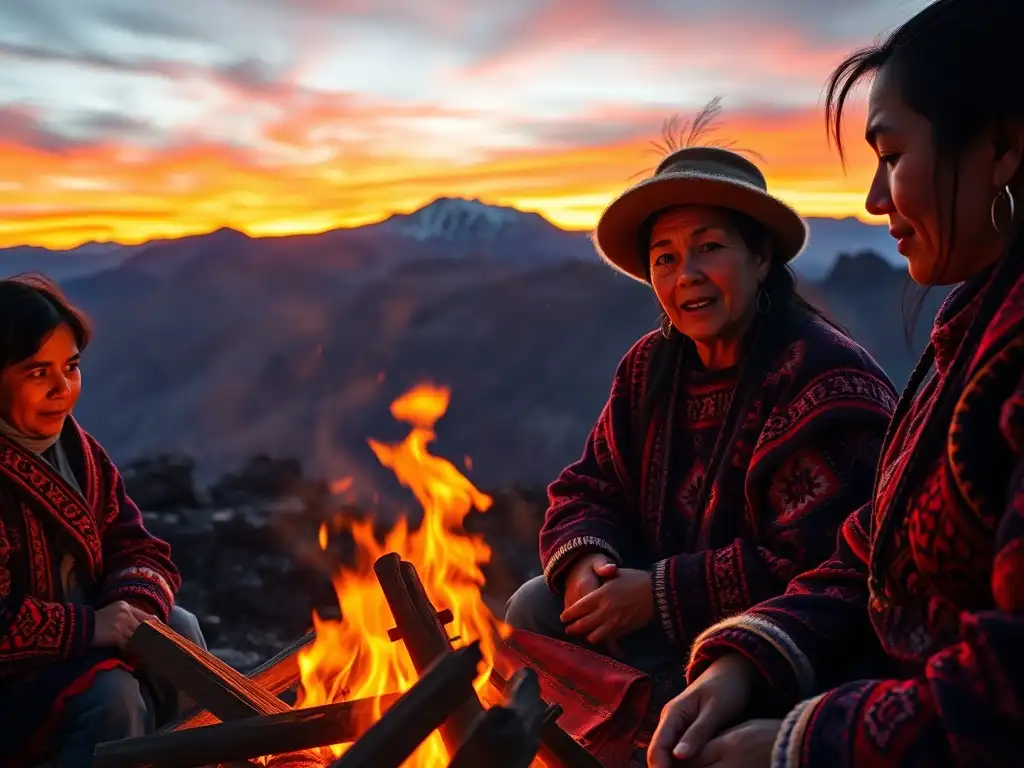
Step into a world lost to time, yet echoing with vibrant voices. Imagine deciphering the secrets whispered through generations in the Andean oral narratives. This isn't just history; it's a journey into a complex tapestry of symbolism, where myths and legends hold the key to understanding the ingenuity and spirituality of the ancient Andean civilizations. Prepare to uncover the profound meaning hidden within these captivating stories—explore the intricate symbolism that shaped their world and continues to resonate today. Dive in and discover the magic!
- Andean Oral Narratives Symbolism: Unveiling Hidden Meanings
- Decoding the Symbolism: Key Elements in Andean Narratives
- Exploring Recurring Themes and Motifs in Andean Narratives
- Interpreting the Symbolic Language of Andean Storytellers
- The Enduring Legacy of Andean Oral Narratives
-
Frequently Asked Questions
- What is the significance of oral narratives in Andean cultures?
- How did Andean oral narratives utilize symbolism?
- What are some common symbols found in Andean oral narratives?
- How does the symbolism in Andean oral narratives relate to their art and technology?
- Where can I learn more about the symbolism of Andean oral narratives?
- Final Reflection: Unraveling the Enduring Power of Andean Voices
- **Unlock the Depths of Andean Wisdom! **
The vibrant tapestry of Andean cultures is richly woven with threads of oral tradition. For centuries, before the advent of widespread literacy, knowledge, history, beliefs, and social structures were meticulously preserved and transmitted through spoken narratives. These weren't mere tales; they were powerful tools for shaping identity, reinforcing social norms, and transmitting crucial information across generations.
This article delves into the fascinating world of Andean oral narratives, exploring the complex symbolism embedded within these stories and uncovering the hidden meanings that provide invaluable insights into the worldview and societal structures of ancient Andean civilizations, such as the Inca, Moche, Nazca, and Tiahuanaco. Understanding the symbolism within these narratives is key to appreciating the depth and complexity of these rich cultures, going beyond the literal recounting of events to grasp the profound philosophical and spiritual underpinnings.
We will examine specific examples, analyzing how seemingly simple stories hold layers of meaning relevant to cosmology, social hierarchy, and the relationship between humanity and the natural world. The study of Andean oral narratives symbolism offers a unique window into the minds and hearts of these remarkable civilizations.
The Significance of Oral Tradition in Andean Cultures
Andean oral traditions weren't simply a way to pass the time; they were fundamental to the social fabric. These narratives served multiple crucial functions:
- Preservation of History: Genealogies, historical events, and foundational myths were meticulously preserved and passed down through generations, ensuring cultural continuity. Think of the quipus, knotted strings used by the Inca to record information – a testament to the importance of preserving knowledge through non-written means.
- Social Control and Moral Education: Stories often conveyed moral lessons, reinforcing societal norms and expectations. Characters who exhibited desirable traits were celebrated, while those who transgressed faced consequences within the narrative, subtly shaping behavior.
- Religious and Spiritual Beliefs: Myths and legends explained the origins of the world, the relationship between humans and the supernatural, and the rituals and ceremonies central to Andean religions. These narratives helped to legitimize power structures and maintain social order.
- Transmission of Knowledge: Practical skills, agricultural techniques, medicinal knowledge, and other essential information were embedded within stories, making learning accessible and engaging.
The importance of amauta (wise elders) and yachaywasi (houses of knowledge) underscores the dedicated effort invested in the preservation and transmission of oral traditions. These individuals played a vital role in ensuring the accuracy and continuity of these narratives, acting as living repositories of cultural memory. The careful preservation of these traditions highlights their profound significance in shaping Andean societies. The loss of these oral traditions would represent an irreplaceable loss of cultural heritage.
Understanding the Layers of Meaning in Andean Storytelling
Andean storytelling is far from simplistic. Many narratives employ rich symbolism, often layered and multifaceted, requiring careful interpretation to fully appreciate their depth. For example, recurring motifs like mountains, rivers, and celestial bodies often hold symbolic significance, representing power, fertility, and cosmic forces. Animals, too, play pivotal roles, frequently representing specific qualities or embodying spiritual entities.
Consider the recurring motif of the [Specific Andean animal and its symbolism pending]. This animal, frequently appearing in narratives from [Specific Andean culture pending], often symbolizes [Specific symbolic meaning pending], reflecting the [Specific cultural value or belief pending] of the community. The analysis of these symbolic elements requires understanding the specific cultural context and the worldview of the Andean people who created and transmitted these narratives.
Further research into specific narratives from different Andean groups will unveil more nuanced interpretations, highlighting the regional variations in symbolism and storytelling techniques. The subtle shifts in meaning across different narratives provide a rich tapestry of cultural understanding. The task before us is to carefully untangle these threads to reveal the full complexity of Andean oral traditions.
Decoding the Symbolism: Key Elements in Andean Narratives

This section delves into the intricate symbolism woven into the fabric of Andean oral narratives, exploring recurring motifs and their deeper meanings. Understanding this symbolism is crucial to unlocking a richer comprehension of Andean worldview and cosmology. The narratives weren't simply recounting events; they were transmitting complex social structures, spiritual beliefs, and ecological understandings across generations. The persistence of these symbolic elements across different Andean cultures highlights their profound significance. Analyzing the Andean oral narratives symbolism reveals a sophisticated system of communication, far beyond the literal meaning of the words.
Animal Symbolism: The Condor, Puma, and Serpent
Andean oral traditions frequently feature powerful animal symbols, reflecting the close relationship between humans and the natural world. The condor, puma, and serpent consistently appear, each embodying distinct aspects of Andean cosmology.
The condor, soaring high above the Andes, often symbolizes the hanan pacha (upper world), representing power, vision, and connection to the divine. Narratives frequently depict condors as messengers of the gods or guardians of sacred sites. Their ability to fly to great heights links them to the celestial realm and the sun's power. For example, in some Quechua narratives, the condor's flight is associated with the sun's journey across the sky, illustrating the cyclical nature of life and death.
The puma, a powerful terrestrial predator, often represents the kay pacha (middle world), embodying strength, cunning, and earthly power. Puma symbolism is frequently connected to rulers and leaders, reflecting their authority and control over the human realm. Stories often portray pumas as protectors of communities or as figures embodying the strength and resilience of the Andean people. Their nocturnal habits sometimes link them to the underworld, adding another layer of complexity to their symbolic meaning.
The serpent, often associated with the ukhu pacha (underworld), represents fertility, transformation, and the cyclical nature of life. Serpents are frequently linked to water sources, reflecting their connection to life-giving forces and the abundance of the earth. In some myths, serpents are associated with ancestral spirits or deities of the underworld, embodying the power of creation and regeneration. The serpent's ability to shed its skin symbolizes rebirth and renewal, a prominent theme in many Andean narratives.
The Representation of Nature: Mountains, Rivers, and Pachamama
The Andean landscape profoundly shapes the oral narratives of the region. Mountains, rivers, and the earth itself ( Pachamama) are not merely geographical features but active participants in the stories, embodying spiritual power and influence.
The mountains ( Apus), towering over the Andean landscape, are revered as sacred entities, often personified as powerful deities or ancestral spirits. Narratives frequently depict interactions between humans and the Apus, highlighting the reciprocal relationship between people and their environment. These mountains are not just physical barriers; they are guardians, protectors, and providers. Their presence in narratives underscores the deep respect and reverence that Andean communities held for the natural world.
Rivers, vital sources of life in the arid Andean landscape, symbolize fertility, abundance, and the flow of time. Narratives often depict rivers as pathways to the underworld or as embodiments of ancestral spirits. The rhythmic flow of the water mirrors the cyclical nature of life, death, and rebirth, highlighting the interconnectedness of all living things. The importance of water management in Andean agriculture is also reflected in these narratives, emphasizing the crucial role of rivers in sustaining life.
Pachamama, the Earth Mother, is a central figure in Andean cosmology, embodying the fertility and bounty of the land. Narratives often depict Pachamama as a nurturing force, providing for the needs of humans while also demanding respect and reciprocity. Offering ceremonies and rituals are frequently described, emphasizing the importance of maintaining a harmonious relationship with the earth. Pachamama’s representation highlights the deep ecological consciousness embedded in Andean worldview.
Ancestral Figures: The Apus and the Ñustas
Beyond the natural world, Andean oral narratives also feature prominent ancestral figures, often linked to the mountains ( Apus) and the female deities ( Ñustas). These figures represent continuity, lineage, and the enduring power of the past.
The Apus, as mentioned previously, are not merely mountains but also powerful ancestral spirits who watch over the communities. Narratives often recount stories of interactions with the Apus, highlighting their role as protectors and guides. These stories emphasize the importance of respecting the ancestral spirits and maintaining a connection to the past. The Apus represent the enduring power of tradition and the link between the living and the dead.
The Ñustas, female deities often associated with fertility, water, and the earth, represent the feminine principle in Andean cosmology. Narratives often describe the Ñustas as powerful beings who influence the natural world and the lives of humans. Their presence reflects the importance of the feminine in Andean society and the balance between the masculine and feminine principles.
These narratives often emphasize the protective and nurturing aspects of the Ñustas, reflecting their role in maintaining harmony and well-being. The stories surrounding the Ñustas are crucial in understanding the complex gender dynamics within Andean societies and their relationship with the natural world.
Exploring Recurring Themes and Motifs in Andean Narratives
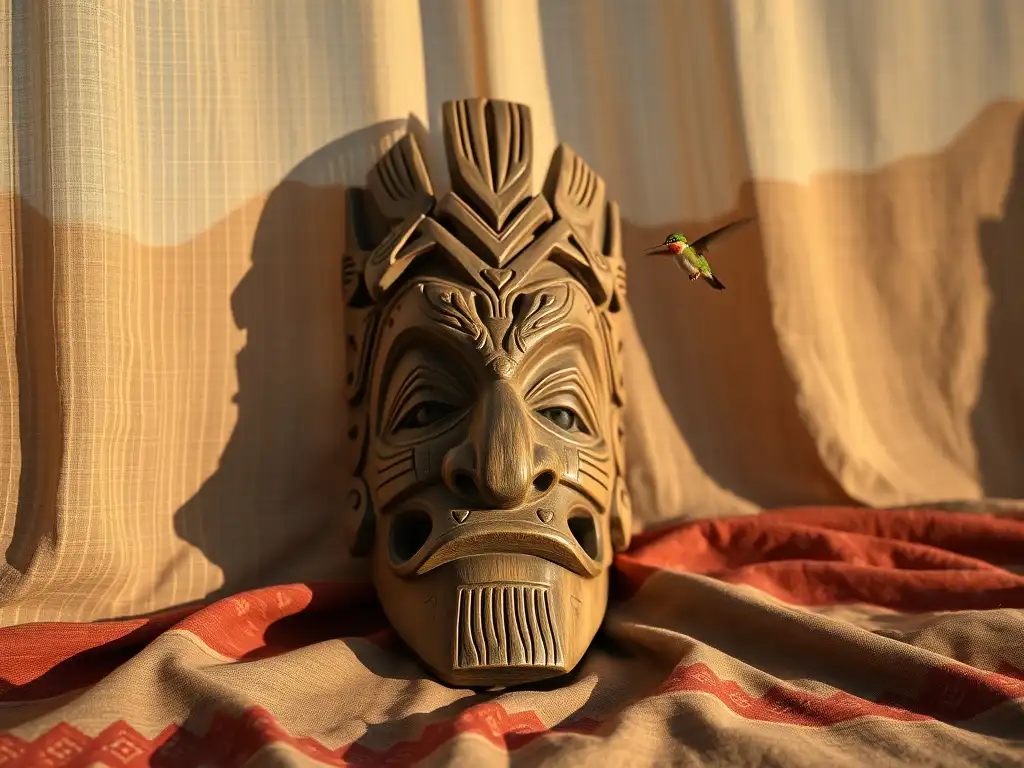
This section delves into the recurring themes and motifs prevalent in Andean oral narratives, revealing the intricate symbolic language used to transmit knowledge, beliefs, and values across generations. Understanding these recurring patterns provides crucial insight into the Andean worldview and its profound connection to the natural and spiritual realms. Analyzing the symbolism embedded within these narratives helps us move beyond the literal, unlocking a deeper comprehension of Andean culture and cosmology.
The consistent appearance of certain motifs underscores their significance and enduring influence on Andean thought. We will explore several key symbolic elements, demonstrating the richness and complexity of Andean oral tradition.
The Cosmic Duality: Hanan and Hurin
The concept of cosmic duality, represented by Hanan (upper) and Hurin (lower), is a foundational element in many Andean oral narratives. This duality doesn't represent a simple dichotomy of good versus evil, but rather a complementary relationship between opposing forces essential for maintaining cosmic balance. Hanan, associated with the celestial realm, the sun, and the sky, often symbolizes power, authority, and the sacred. Conversely, Hurin, connected to the earthly realm, the underworld, and the earth, embodies fertility, the material world, and the cyclical nature of life.
Many narratives depict journeys between these two realms, highlighting the interconnectedness of the celestial and terrestrial spheres. For example, [Specific narrative example pending], illustrates a hero's descent into the Hurin world to acquire knowledge or power, ultimately returning to the Hanan world transformed. This cyclical movement between the two realms emphasizes the cyclical nature of Andean cosmology and the importance of maintaining equilibrium between them.
The constant interplay between Hanan and Hurin reflects the Andean understanding of the dynamic and interconnected nature of the universe. The symbolism is not static; it’s a dynamic process reflecting the continuous interaction and interdependence of these forces.
The enduring presence of this duality in Andean oral narratives underscores its significance in shaping Andean worldview and cultural practices. It's a fundamental principle that informs various aspects of Andean life, from agricultural practices to social structures and religious beliefs. Understanding this duality is key to deciphering the deeper meaning embedded within many Andean stories.
The Cycle of Life, Death, and Rebirth: The Pachakuti
The concept of Pachakuti, meaning "world upheaval" or "turning of the world," is another crucial motif in Andean oral narratives. It symbolizes the cyclical nature of time, the constant process of transformation, and the inevitability of change. Pachakuti is not simply destruction, but rather a transformative process leading to renewal and rebirth. It reflects the Andean understanding of the continuous cycle of life, death, and regeneration that governs the cosmos and all living things.
This cyclical understanding is vividly portrayed in narratives about [Specific narrative example pending], where the destruction of an old order is followed by the emergence of a new one, often with improved characteristics. This cyclical pattern is not limited to human societies; it extends to the natural world, with narratives depicting the cyclical patterns of seasons, floods, and droughts. The Pachakuti concept emphasizes adaptation and resilience in the face of change, highlighting the enduring capacity for renewal inherent within the Andean worldview.
The symbolism of Pachakuti is multifaceted. It speaks to the impermanence of all things, the need for adaptation, and the continuous process of creation and destruction that maintains the balance of the cosmos. This theme resonates deeply with the Andean experience of living in a geographically challenging environment, where natural disasters and environmental changes are a constant reality.
The Hero's Journey: The Transformation of the Trickster
Many Andean oral narratives follow the archetypal "hero's journey," often featuring a trickster figure who undergoes a transformative process. These trickster characters, frequently animalistic or possessing both human and animal characteristics, initially appear mischievous and disruptive, but their actions often contribute to societal development or cosmic order. Their journeys are characterized by tests, challenges, and encounters with supernatural beings, ultimately leading to personal growth and a shift in their roles within the community.
For example, [Specific narrative example pending] depicts a trickster figure who, through a series of trials and tribulations, learns valuable lessons and ultimately contributes to the well-being of the community. This transformation is not a simple shift from negative to positive, but rather a complex process of learning, growth, and acceptance of responsibility. The trickster's journey reflects the cyclical nature of Andean cosmology, where even disruptive forces eventually contribute to the overall balance of the world.
The recurring motif of the trickster's transformation emphasizes the importance of individual growth and the potential for change even within seemingly chaotic or unpredictable circumstances. The narratives highlight the Andean belief in the capacity for personal and societal transformation, reflecting a dynamic and evolving worldview. The trickster's journey serves as a powerful metaphor for the ongoing process of change and adaptation inherent in the Andean experience. The narratives' enduring appeal suggests the continued relevance of this archetype in understanding Andean cultural values and beliefs.
Interpreting the Symbolic Language of Andean Storytellers
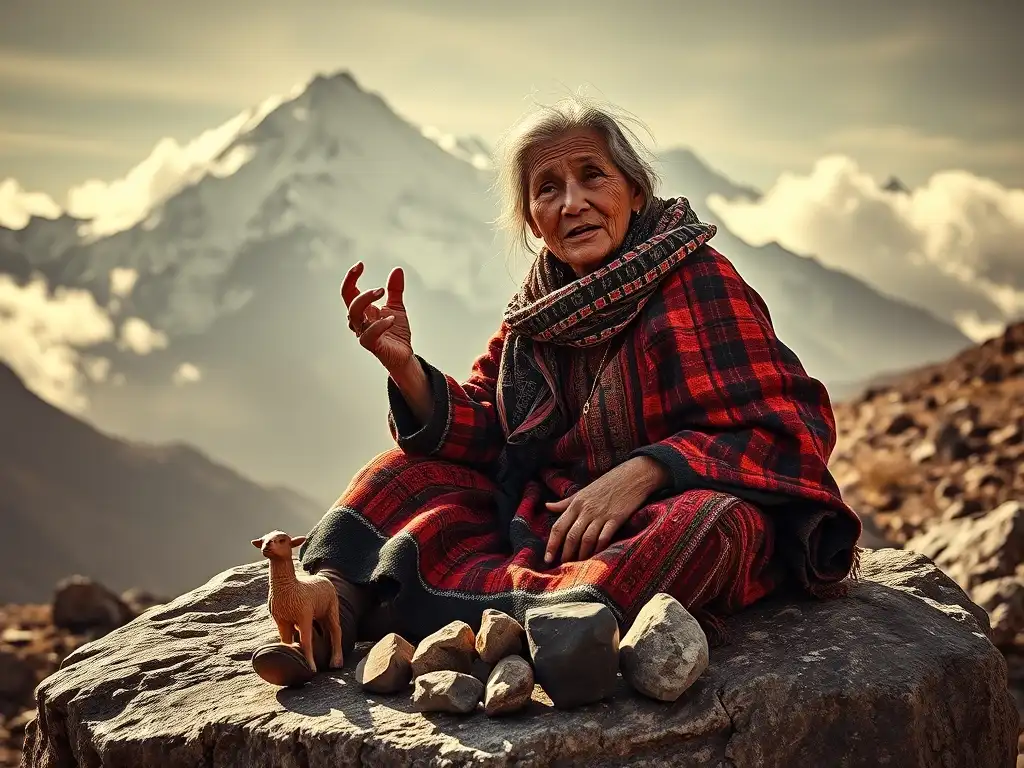
This section delves into the rich tapestry of symbolism woven into Andean oral narratives, exploring how seemingly simple stories carry profound meanings rooted in the cultural and environmental context of the Andes. Understanding this symbolism requires moving beyond a literal interpretation and engaging with the metaphorical language employed by Andean storytellers. The key to unlocking these narratives lies in recognizing the deep connection between the stories and the Andean worldview, a perspective shaped by their intimate relationship with the land, their social structures, and their spiritual beliefs.
This analysis will focus on specific examples, highlighting the nuanced ways in which symbolism functions to transmit knowledge, values, and beliefs across generations. Analyzing Andean oral narratives symbolism reveals a sophisticated system of communication far richer than the surface meaning.
The Role of Metaphor: Use of Weaving and Agriculture
Andean oral narratives frequently employ metaphors drawn from the crucial activities of weaving and agriculture. These are not simply descriptive elements but powerful symbols reflecting the Andean worldview. Weaving, for instance, represents the intricate interconnectedness of society, with individual threads representing community members and the overall pattern symbolizing social harmony and balance. A disrupted pattern in a story might symbolize social discord or upheaval. Similarly, the act of weaving itself can be a metaphor for the creation of the world or the construction of a social order.
Consider, for example, a story about a mythical weaver who creates a magnificent tapestry depicting the cosmos. The act of creation is not just a literal weaving but a symbolic representation of the Andean understanding of the universe. The colors and patterns of the tapestry further encode specific meanings, possibly representing different deities, geographical features, or cosmological events. This multi-layered symbolism allows the narrative to transmit complex cosmological knowledge in a memorable and engaging way.
Agriculture, similarly, plays a crucial role in the symbolism of Andean oral narratives. The cyclical nature of planting, growing, and harvesting mirrors the cyclical understanding of time and life prevalent in Andean cosmology. A bountiful harvest symbolizes prosperity and the favor of the gods, while a failed harvest might represent a disruption of the cosmic order or a punishment for transgressions.
The metaphors related to agriculture often speak to the importance of reciprocity and balance in the relationship between humans and the natural world. The successful cultivation of crops is not simply an economic activity but a sacred act reflecting a harmonious relationship with the Pachamama (Mother Earth).
Contextual Understanding: The Importance of Community Festivals
The meaning of Andean oral narratives is often deeply intertwined with the context of their performance. Many stories are told during specific community festivals or rituals, and their interpretation is heavily influenced by the social and religious context of these events. The Fiesta de la Virgen del Carmen, for example, features specific narratives that may have different meanings when told during a casual gathering compared to their performance during the festival itself. The festival itself acts as a frame of reference, shaping the interpretation of symbols and metaphors within the narrative.
Analyzing the specific context where a narrative is performed is crucial for a complete understanding of its symbolism. The location, the time of year, the presence of specific ritual objects, and the social status of the storyteller all contribute to the overall meaning. Furthermore, the audience's participation, through songs, dances, or other forms of interaction, can also affect the interpretation of the story.
Without this contextual understanding, the symbolism might be misinterpreted or missed entirely. Indeed, the oral tradition itself is deeply embedded within the social fabric of Andean communities, making contextual analysis an essential element of interpreting the symbolism.
The Legend of Inkarrí and its Symbolic Interpretation
The legend of Inkarrí, the mythical Inca king who will return to restore the Inca Empire, is a prime example of the rich symbolism found in Andean oral narratives. Inkarrí's return is not simply a literal expectation but a powerful symbol of hope and resistance against oppression. His hidden presence and eventual reappearance represent the enduring spirit of the Inca culture and the continued struggle for justice and autonomy.
The symbolism in the Inkarrí legend is multifaceted. His image, often depicted as a humble peasant or a hidden leader, symbolizes the enduring strength of the Andean people despite colonization and marginalization. The specific details of the legend, varying across different communities, reflect regional variations in beliefs and experiences.
The legend acts as a powerful tool for social cohesion, providing a shared narrative that reinforces cultural identity and resilience in the face of adversity. The symbolic power of the Inkarrí legend lies in its ability to inspire hope and resistance, even in the face of seemingly insurmountable challenges. Studying this legend offers a window into the complex relationship between Andean oral traditions and their historical experiences, demonstrating how narratives shape cultural memory and identity.
The Enduring Legacy of Andean Oral Narratives
Andean oral narratives represent a powerful and enduring legacy, transmitting knowledge, beliefs, and cultural values across generations. Their significance extends far beyond simple storytelling; they are living repositories of history, cosmology, and social structures. Understanding the symbolism embedded within these narratives is crucial to grasping the complexities of Andean civilizations and their lasting impact.
The intricate weaving of symbols, metaphors, and allegories reveals a deep understanding of the natural world, the spiritual realm, and the intricate relationships between humans and their environment. This section will delve into the various ways symbolism shapes Andean identity, the methods used to preserve oral tradition, and the challenges faced in the modern era. The rich tapestry of Andean oral narratives offers a unique window into the past, providing invaluable insights into the cultural evolution and worldview of these remarkable societies.
Analysis of these narratives reveals a sophisticated system of symbolic representation, far surpassing a literal interpretation. We will explore this symbolism through the lens of rituals, beliefs, storytelling techniques, and the impact of globalization. The keyword "Andean oral narratives symbolism" is central to understanding the depth and complexity of these cultural expressions.
How Symbolism Shapes Andean Identity: Rituals and Beliefs
Andean oral narratives are deeply intertwined with rituals and beliefs, shaping Andean identity in profound ways. Symbols like the puma, representing strength and power, or the condor, symbolizing altitude and spiritual connection, frequently appear, imbuing narratives with layers of meaning beyond the surface level. For example, the creation myths of various Andean groups often feature anthropomorphic animals, celestial bodies, and powerful deities, all laden with symbolic significance. These narratives not only explain the origins of the world and humanity but also reinforce social hierarchies and establish codes of conduct.
The use of specific colors, numbers, and geographical features also carries symbolic weight, reflecting a holistic worldview that integrates the physical and spiritual realms. Detailed analysis reveals how these symbolic elements are consistently employed across different narratives, indicating a shared cultural understanding and a deep-seated reverence for ancestral traditions. The repetition and variation of these symbols across different communities demonstrate the resilience and adaptability of Andean oral traditions.
Furthermore, rituals themselves are often reenactments or interpretations of these narratives, strengthening the connection between story and practice. Consider, for example, the significance of coca leaves in many Andean rituals – their symbolic representation in oral narratives reinforces their social and religious importance. The ongoing study of these narratives and their associated rituals continues to reveal new layers of meaning and complexity.
The Preservation of Oral Tradition: Storytelling and Music
The preservation of Andean oral narratives relies heavily on techniques of storytelling and music. These narratives are not simply recounted; they are performed, often accompanied by music, dance, and other artistic expressions. The use of mnemonic devices, such as repetitive phrases, rhythmic patterns, and symbolic gestures, aids in memorization and transmission across generations. Storytellers, often revered members of the community, play a vital role in maintaining the integrity of these narratives.
Their skill lies not only in their ability to recall lengthy tales but also in their capacity to adapt and reinterpret them for different audiences. Music acts as a powerful mnemonic device, enhancing the emotional impact of the narratives and facilitating their retention. Specific musical instruments and melodies are associated with particular narratives, further strengthening the connection between story and performance.
The integration of music and storytelling underscores the holistic nature of Andean oral traditions, where different art forms work in concert to convey complex meanings. This dynamic interplay between narrative and performance ensures the survival of these invaluable cultural treasures, even in the face of societal changes. Further research into the specific musical forms associated with different narratives is crucial to understanding the full extent of their mnemonic and expressive power.
Future Research: The Impact of Globalization on Andean Symbolism
Globalization presents both opportunities and challenges for the preservation of Andean oral narratives and their inherent symbolism. The influx of external influences, including new technologies and cultural trends, raises concerns about the potential dilution or loss of traditional knowledge. However, it also opens avenues for wider dissemination and appreciation of Andean cultural heritage. Future research should focus on documenting the ways in which globalization is impacting the transmission and interpretation of these narratives.
This includes examining the role of media, education, and tourism in shaping contemporary understandings of Andean symbolism. Are traditional interpretations being challenged or reinterpreted in light of new global contexts? How are younger generations engaging with these narratives, and how are they adapting them to reflect their experiences in a rapidly changing world? The impact of globalization on Andean oral traditions requires careful and nuanced investigation.
Understanding these dynamics is crucial for developing effective strategies to protect and promote the enduring legacy of Andean oral narratives and their rich symbolic language. The preservation of these narratives is not merely an academic pursuit; it is essential for maintaining cultural identity and fostering intercultural understanding. The continued study of Andean oral narratives symbolism will be instrumental in shaping future conservation and educational initiatives.
Frequently Asked Questions
What is the significance of oral narratives in Andean cultures?
Andean oral narratives were crucial for transmitting knowledge, history, and cultural values across generations. They served as a vital link to the past, shaping social structures and beliefs. They weren't just stories; they were living history.
How did Andean oral narratives utilize symbolism?
Symbolism in Andean oral narratives was rich and multifaceted, using animals, plants, and natural elements to represent complex ideas. These symbols often conveyed spiritual beliefs, social hierarchies, and cosmological concepts. Understanding these symbols is key to interpreting the narratives.
What are some common symbols found in Andean oral narratives?
Common symbols include the condor (representing power and altitude), the puma (representing earthly power), and the snake (representing the underworld). Specific symbols varied across different Andean cultures, reflecting their unique cosmologies.
How does the symbolism in Andean oral narratives relate to their art and technology?
The symbolism found in oral narratives is often reflected in Andean art and technology. For example, motifs found in textiles or pottery often mirror the symbolic imagery used in stories, demonstrating a close relationship between these forms of cultural expression.
Where can I learn more about the symbolism of Andean oral narratives?
Further research into ethnographic studies, archaeological findings, and anthropological analyses of Andean cultures will provide deeper insights. Academic journals and books focusing on Andean folklore and mythology are excellent resources.
Final Reflection: Unraveling the Enduring Power of Andean Voices
The rich tapestry of Andean oral narratives continues to resonate today, offering invaluable insights into a complex cultural heritage and reminding us of the enduring power of storytelling. These narratives are not merely historical accounts; they are living, breathing expressions of identity, resilience, and a profound connection to the land, echoing across generations and challenging simplistic interpretations. Their symbolism, far from being archaic, provides a potent lens through which to understand contemporary social and environmental issues.
The exploration of Andean symbolism has profoundly shifted my understanding of narrative itself. It's not just about what is said, but how it is said, the layers of meaning woven into the very fabric of the story. The stories we tell ourselves shape the world we live in.
This quote underscores the transformative potential of these narratives, not only for those who originally created and shared them, but for us today as we grapple with similar themes of community, nature, and spirituality. The enduring power of these stories lies in their ability to transcend time and space, offering a timeless wisdom that speaks to the human condition.
Consider the intricate symbolism within these narratives – the mountains, the rivers, the animals – and how they reflect a deep-seated understanding of the interconnectedness of all things. Let these stories inspire you to look beyond the literal, to seek deeper meaning in the narratives that surround you, whether they are ancient tales or the stories we tell ourselves every day. Embrace the power of symbolism, and unlock a richer understanding of the world and your place within it.
**Unlock the Depths of Andean Wisdom! **
Thank you for exploring the rich symbolism in Andean oral narratives. You've uncovered intricate layers of meaning, and now it's time to delve even deeper and apply your insights.
**Here's how you can further connect with this magical world of storytelling:**
- **Share Your Interpretation:** Join our community forum and share your thoughts and insights on Andean symbolism. Let's learn from one another!
- **Explore More Narratives:** Discover additional oral stories from diverse Andean cultures to broaden your understanding.
- **Participate in a Workshop:** Sign up for our upcoming online workshop, where we'll collaboratively interpret narratives and share creative perspectives.
What personal meaning or connection do you find in these timeless tales? Your insights could inspire others—let's continue the conversation!