
The Geography of Quechua: Mapping the Spread of the Language

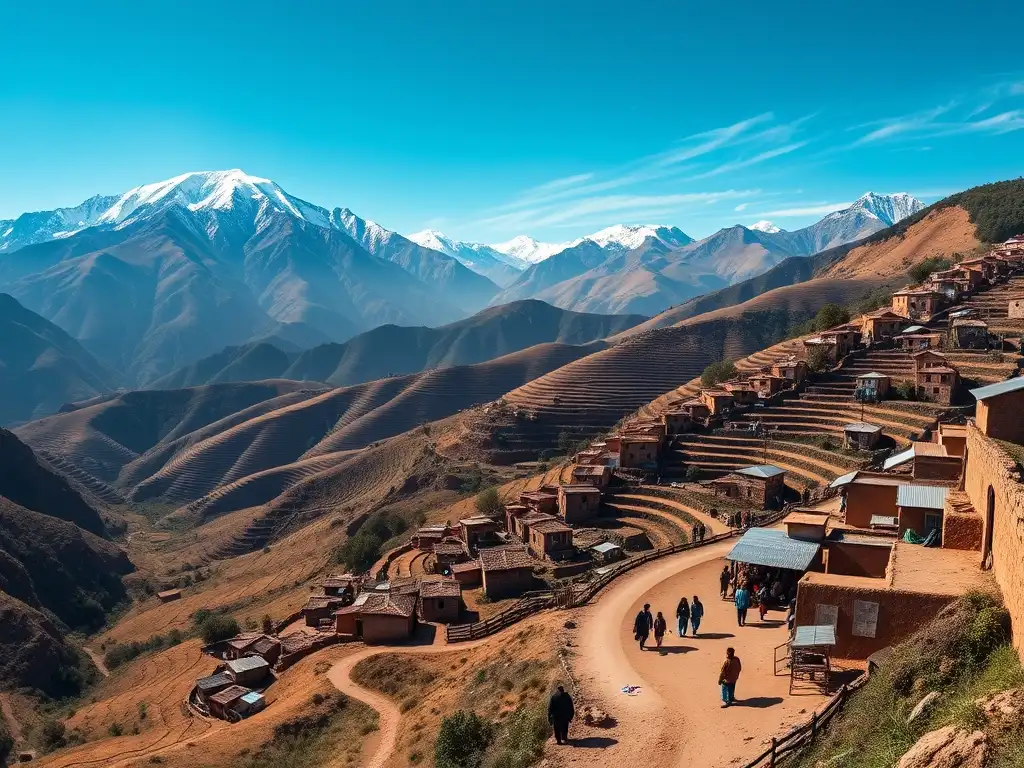
Unravel the mysteries of the Andes! Journey with us through a landscape shaped by empires and echoing with forgotten tongues. Did you know the Quechua language, once the voice of a vast Andean empire, boasts a surprisingly complex geographic spread? Prepare to be amazed as we map its incredible journey across mountains and valleys, revealing the intricate story of its survival and evolution. Explore the fascinating details of the Quechua language geographic spread and discover the vibrant tapestry of Andean civilization.
The Quechua language, far from being a monolithic entity, represents a fascinating tapestry of dialects woven across a vast geographical expanse of the Andes Mountains. Understanding the geographic spread of Quechua requires delving into its rich history, tracing its origins and charting its expansion from a relatively localized language to one spoken by millions across several South American countries.
This exploration will illuminate the complex interplay between geography, culture, and linguistic evolution, highlighting the remarkable resilience and adaptability of the Quechua language. This article will trace the historical journey of Quechua, examining its pre-Inca origins, its expansion during the Inca Empire, and its ongoing presence in contemporary South America.
We will explore the key factors that contributed to its widespread distribution and the resulting diversity of Quechua dialects spoken today. This detailed analysis aims to provide a comprehensive understanding of the "Quechua language geographic spread," revealing the intricate relationship between language and landscape in the Andes.
Introduction to the Quechua Language and its Geographic Distribution
Quechua, a family of related languages, is primarily spoken in the Andes region of South America. Its distribution is far from uniform, however, reflecting centuries of migration, political influence, and social change. Currently, Quechua is spoken by millions of people across a wide swathe of territory encompassing parts of Peru, Bolivia, Ecuador, Colombia, Argentina, and Chile. The sheer diversity of Quechua dialects is striking, with significant variations in pronunciation, vocabulary, and grammar even within relatively small geographic areas. This linguistic diversity reflects the complex topography of the Andes, with isolated communities developing distinct linguistic features over time. Furthermore, the varying degrees of Quechua language fluency within these communities highlight the dynamic relationship between the language and its speakers in the modern era. The impact of Spanish colonization and the subsequent integration into a globalized world have resulted in a complex linguistic landscape where Quechua coexists with Spanish and other languages.
Pre-Inca Quechua: Origins and Early Expansion
The origins of Quechua are shrouded in some mystery, but linguistic and archaeological evidence suggest a pre-Inca presence in the central Andes region. While pinpointing the exact location and time of its emergence remains a challenge for researchers, the consensus points towards a gradual development and expansion rather than a sudden appearance. The pre-Inca period witnessed the diversification of Quechua into distinct dialects, reflecting the fragmented nature of Andean societies before the rise of the Inca Empire.
This early expansion likely occurred through processes of migration, trade, and inter-tribal interactions, spreading the language across diverse ecological zones and mountain valleys. The influence of pre-Inca cultures on the development of Quechua vocabulary and grammar is an area of ongoing research, offering insights into the cultural exchange that shaped the language. The spread of agriculture and other technological advancements likely played a significant role in facilitating linguistic contact and expansion.
The Proto-Quechua Homeland: Central Andes Region
The most widely accepted hypothesis places the Proto-Quechua homeland in the central Andes region, possibly around the Junín Lake area of Peru. This area offered a favorable environment for agricultural development and provided access to vital resources. The relatively high population density in this area would have facilitated the development and spread of a common language.
However, identifying the precise location remains challenging due to the limitations of available historical and archaeological data. Further research, including linguistic analysis and archaeological excavations, is needed to refine our understanding of Proto-Quechua's origins and its initial expansion patterns. The investigation of ancient settlements and the analysis of linguistic features in related languages could provide additional clues to unravel the mystery of Proto-Quechua's geographic cradle.
Early Quechua Dialects and Their Distribution
As Proto-Quechua spread, it diversified into a range of dialects, each reflecting the unique cultural and geographical contexts of its speakers. These early dialects were likely characterized by subtle variations in pronunciation, vocabulary, and grammar. Geographical barriers, such as mountain ranges and river valleys, contributed to the isolation of different communities, fostering the development of distinct linguistic features.
The distribution of these early Quechua dialects is difficult to reconstruct precisely due to the scarcity of written records from the pre-Inca period. However, archaeological findings and linguistic comparisons suggest a gradual expansion across the central and southern Andes, with different dialects emerging in distinct ecological zones.
The development of these early dialects laid the foundation for the broader spread of Quechua during the Inca Empire. Analyzing the similarities and differences among these early dialects offers valuable insights into the processes of linguistic diversification and the movement of populations within the Andes region.
The Inca Expansion and the Spread of Quechua
The Inca Empire's remarkable expansion across the Andes Mountains played a crucial role in the geographic spread of the Quechua language. The Inca, originating in the Cusco region, gradually conquered neighboring territories, incorporating them into their vast empire, known as Tawantinsuyu. This aggressive, yet organized, expansion wasn't merely about territorial control; it was a strategic move to consolidate power and administer their diverse population effectively.
The Inca's success stemmed from their sophisticated military strategies, their ability to integrate conquered populations, and, importantly, their shrewd implementation of a standardized language. This standardization, through the imposition of Quechua, facilitated communication and administration across the vast and diverse landscapes of the empire. The process wasn't always smooth; resistance and rebellion were certainly encountered, yet the Inca's administrative prowess, coupled with their strategic use of Quechua, ultimately led to its widespread adoption.
The influence of the Inca's expansion on the language's spread is undeniable, shaping the linguistic landscape of the Andes for centuries to come. The very structure of the Inca Empire, with its intricate network of roads and administrative centers, facilitated the dissemination of Quechua and its cultural influence.
Tawantinsuyu and the Quechua Language Policy
The Inca Empire, or Tawantinsuyu, was meticulously organized into four quarters, each with its own administrative structure. This organizational system was instrumental in the spread of Quechua. The Inca implemented a deliberate policy of promoting Quechua as the official language of the empire.
This wasn't a mere imposition; rather, it was a pragmatic approach designed to improve communication and facilitate governance across the diverse ethnic groups within Tawantinsuyu. While local languages weren't entirely suppressed, Quechua became the language of administration, trade, and inter-regional communication. This official status elevated Quechua to a position of prominence, significantly contributing to its widespread adoption throughout the empire.
The Inca's administrative prowess and their ability to integrate conquered peoples through a common language were key factors in the empire's longevity and Quechua's expansion. Evidence suggests that the Inca utilized a system of relay runners and chasquis to ensure rapid communication across the empire, further accelerating the spread of Quechua.
The Role of Quechua as a Lingua Franca in the Inca Empire
Quechua's role as a lingua franca within the Inca Empire is undeniable. The sheer diversity of languages spoken within Tawantinsuyu necessitated a common tongue for effective communication and administration. While local languages continued to be spoken, Quechua emerged as the primary language for inter-ethnic communication, bridging the gap between different linguistic groups.
This facilitated trade, diplomacy, and the dissemination of imperial decrees. The Inca strategically placed Quechua speakers in key administrative positions throughout the empire, further reinforcing its role as a unifying language. This process of linguistic standardization and the adoption of Quechua as a common language contributed significantly to the empire's cohesion and facilitated its impressive expansion.
The use of Quechua as a lingua franca was a key element in the Inca's success in governing such a vast and diverse population. This practical application of a common language significantly contributed to the cultural and political unification of the Andean region under Inca rule.
Geographic Expansion of Quechua under Inca Rule
The Inca Empire's expansion directly correlated with the geographic spread of Quechua. As the Inca conquered new territories, extending from present-day Colombia to central Chile and Argentina, Quechua followed in their wake. The expansion wasn't uniform; some regions resisted more strongly than others, leading to variations in the adoption and integration of Quechua.
However, the overall trend shows a clear correlation between Inca military victories and the expansion of Quechua-speaking communities. The construction of the extensive Inca road system, the Qhapaq Ñan, further facilitated the spread of the language, connecting distant regions and enabling easier communication and travel.
This infrastructure not only improved trade and governance but also allowed for the movement of people and the dissemination of the Quechua language, solidifying its presence in newly conquered territories. The Inca's military prowess, their administrative efficiency, and the strategic use of Quechua all contributed to the remarkable geographic expansion of this language.
The Post-Conquest Period: Quechua's Endurance and Adaptation
Despite the devastating impact of the Spanish conquest, Quechua demonstrated remarkable resilience and adaptability. While the Spanish imposed Spanish as the official language, Quechua persisted, particularly in rural communities where indigenous traditions and languages held strong. This persistence highlights the deep cultural significance of Quechua and its enduring connection to the Andean identity.
The language adapted and evolved, absorbing some Spanish loanwords while retaining its core structure and grammatical features. The survival of Quechua in the post-conquest period is a testament to its strength and the enduring cultural ties it holds within Andean communities. This resistance to linguistic suppression is a remarkable example of cultural preservation in the face of colonialism.
The Impact of Spanish Colonization on Quechua
The Spanish conquest had a profound and lasting impact on Quechua. The imposition of Spanish as the official language of the colony led to a decline in the use of Quechua in official settings, particularly in urban areas. However, the language persisted in rural communities where indigenous populations maintained their cultural traditions and languages. The Spanish colonial period saw a suppression of indigenous cultures, including language, through various policies and practices.
Despite this suppression, Quechua survived, albeit with significant changes. The language absorbed many Spanish loanwords, resulting in variations across different regions. The colonial period brought about a complex interplay between dominance and resistance, with Quechua adapting and evolving in response to the imposition of Spanish. This period marked a critical juncture in the history of Quechua, shaping its current form and distribution.
Regional Variations and the Diversification of Quechua Dialects
The vast geographic expanse over which Quechua is spoken has led to the development of numerous dialects and variations. These regional differences reflect the diverse linguistic landscape of the Andes, with each dialect possessing unique features in pronunciation, vocabulary, and grammar. These variations are not simply minor differences; they represent significant linguistic diversity within the Quechua language family.
The geographic isolation of certain communities, combined with the historical interactions between different groups, has contributed to the emergence of distinct dialects. Understanding these regional variations is crucial for appreciating the richness and complexity of the Quechua language. This linguistic diversity reflects the complex history and cultural tapestry of the Andean region.
Quechua's Survival in Rural Communities
Quechua's survival is particularly evident in rural Andean communities where it continues to be the primary language of daily life. In these communities, Quechua remains deeply intertwined with cultural traditions, social structures, and indigenous identity. The transmission of Quechua across generations is a testament to its enduring vitality and the strong cultural ties it holds within these communities. The persistence of Quechua in rural areas underscores the importance of preserving indigenous languages and cultures.
The strength of these communities in maintaining their language reflects the resilience of Andean cultures and their deep-seated connection to their ancestral heritage. These rural communities serve as vital repositories of Quechua language and culture, ensuring its survival for future generations. Their continued use of Quechua is a powerful statement of cultural identity and resistance.
Modern Quechua: Geographic Distribution and Current Speakers
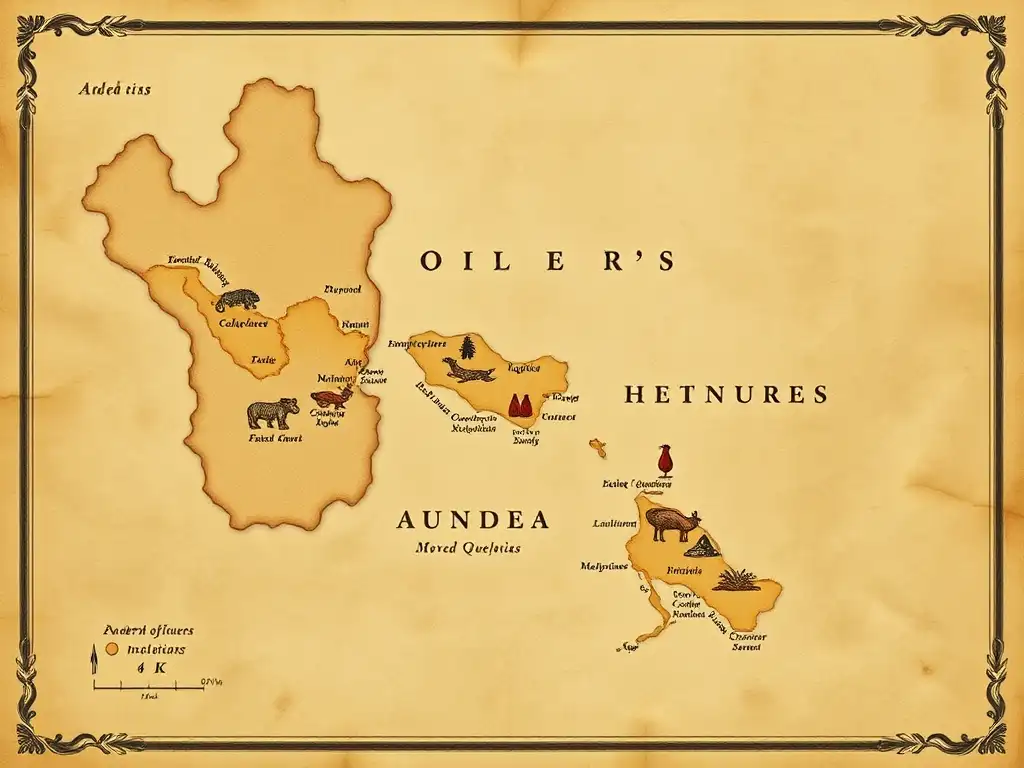
Quechua, far from being a monolithic entity, encompasses a family of related languages spoken across a vast swathe of the Andes Mountains. Its geographic spread reflects centuries of migration, adaptation, and cultural exchange. While precise figures are difficult to obtain due to the fluidity of language use and census limitations, estimates place the total number of Quechua speakers in the millions, making it one of the most widely spoken indigenous languages in the Americas.
The distribution is not uniform, however, with concentrations in specific regions and a significant decline in fluency among younger generations in certain areas. Understanding the modern geographic distribution is crucial to grasping the challenges and opportunities in Quechua language preservation efforts. The vibrant tapestry of Quechua dialects reflects the diverse ecosystems and cultural landscapes it inhabits.
Quechua-Speaking Regions in Peru: Cusco, Ayacucho, Puno
Peru boasts the largest concentration of Quechua speakers, with the regions of Cusco, Ayacucho, and Puno standing out as particularly significant. Cusco, the former capital of the Inca Empire, remains a stronghold of Quechua, with the language deeply embedded in daily life and cultural practices. The prevalence of Quechua in Cusco is not merely a matter of historical legacy; active efforts to promote and preserve the language continue to play a vital role in its continued use.
Ayacucho, with its rugged terrain and diverse Quechua dialects, presents a unique linguistic landscape. The region's historical significance and the resilience of its communities have contributed to the preservation of Quechua in this area.
Similarly, Puno, located on the shores of Lake Titicaca, harbors a substantial Quechua-speaking population, often intertwined with Aymara-speaking communities, leading to fascinating linguistic interactions and code-switching. These three regions represent diverse but significant pockets of Quechua language vitality in Peru.
Quechua in Ecuador and Bolivia: Highlands of Ecuador, Altiplano Region
Ecuador's highlands, particularly the provinces surrounding Quito, are home to a significant Quechua-speaking population. While Spanish dominates in urban centers, Quechua continues to thrive in rural communities, where it often serves as the primary language of communication. The linguistic landscape of Ecuador's highlands is complex, with various Quechua dialects and a noticeable presence of other indigenous languages. In Bolivia, the Altiplano region, a high-altitude plateau, is another significant center of Quechua language use.
Here, Quechua coexists with Aymara, another major indigenous language of the Andes. The interplay between these two languages is a key feature of the Altiplano's linguistic and cultural diversity. The sociolinguistic dynamics of these regions are often intricate, reflecting the interplay between indigenous and national identities.
Quechua in Other Andean Countries: Argentina, Chile
While less prevalent than in Peru, Ecuador, and Bolivia, Quechua is also spoken in parts of Argentina and Chile. In Argentina, the northwestern provinces, bordering Bolivia, harbor small but significant Quechua-speaking communities. These communities often maintain strong cultural ties to their Bolivian counterparts, and their linguistic practices reflect this close connection.
In Chile, Quechua speakers are primarily found in the northern regions, close to the border with Argentina and Bolivia. The number of Quechua speakers in both Argentina and Chile is relatively small compared to other Andean nations, but their presence adds to the broader linguistic mosaic of the Andes. The preservation of Quechua in these countries often faces greater challenges due to the smaller size and relative isolation of these communities.
Factors Influencing the Geographic Distribution of Quechua
The geographic distribution of Quechua is not random; it's shaped by complex historical, social, and environmental factors. Understanding these factors is key to analyzing the language's current status and predicting its future trajectory. The interplay of these factors has resulted in a dynamic and uneven distribution across the Andes.
Topography and the Isolation of Quechua Communities
The Andes' rugged terrain has profoundly influenced the distribution of Quechua. The towering mountains and deep valleys created natural barriers, leading to the isolation of communities and the diversification of dialects. This geographic isolation fostered the development of distinct Quechua varieties, each reflecting the unique cultural and environmental conditions of its respective region. The challenges posed by the Andes' topography also played a role in limiting the spread of Quechua to certain areas, particularly those with easier access and communication routes. The isolation, while contributing to linguistic diversity, also presented challenges for the standardization and wider dissemination of Quechua.
Migration and the Spread of Quechua to Urban Areas
Migration, both internal and external, has played a significant role in shaping the geographic distribution of Quechua. The movement of Quechua speakers from rural areas to urban centers has led to the establishment of Quechua-speaking communities in cities across the Andes. However, this migration has also presented challenges to the language's survival.
In urban environments, the dominance of Spanish often leads to language shift, with younger generations favoring Spanish over Quechua. Understanding the dynamics of migration and its impact on Quechua language use in urban areas is crucial for developing effective language revitalization strategies. The interplay between rural and urban communities is a defining aspect of Quechua's contemporary spread.
Language Policies and the Preservation of Quechua
Government language policies have had a profound impact on the vitality and distribution of Quechua. In some countries, Quechua has enjoyed official recognition and support, leading to increased efforts to promote its use in education and public life. However, in other regions, language policies have favored Spanish, leading to the marginalization of Quechua and a decline in its use.
These policies, or lack thereof, have directly influenced the survival and spread of the language. The impact of these policies is complex and multifaceted, reflecting the diverse political and social landscapes of the Andean region. A nuanced understanding of these policies is essential for assessing the future prospects of Quechua.
Challenges and Opportunities for the Quechua Language
The Quechua language, despite its rich history and cultural significance, faces significant challenges in the modern era. The most pressing issue is the dominance of Spanish, the official language of many Andean countries. This dominance has led to a decline in Quechua speakers, particularly among younger generations who often perceive Spanish as necessary for social and economic advancement.
However, alongside these challenges lie significant opportunities for the revitalization and preservation of Quechua. Increased awareness of linguistic diversity and the value of indigenous languages is creating a more supportive environment for language preservation efforts. Furthermore, technological advancements, such as the use of digital platforms and mobile applications, offer new and innovative ways to teach and promote Quechua.
The increasing recognition of Quechua's cultural value, particularly in tourism and cultural heritage preservation, also presents opportunities for its continued use and transmission. The interplay between these challenges and opportunities will ultimately determine the future of the Quechua language.
Language Loss and the Shift to Spanish
The shift towards Spanish has been a gradual but significant process, driven by various socio-economic factors. Historically, Spanish colonization imposed the language as the language of power, education, and governance. This resulted in a decline in Quechua speakers as Spanish became increasingly associated with opportunities for upward mobility. Furthermore, the lack of access to quality education in Quechua in many regions has contributed to the intergenerational transmission gap.
Parents who speak Quechua may choose to teach their children Spanish, believing that it will provide them with a better chance of success in life. This linguistic shift is not uniform across all Quechua-speaking regions, with some areas exhibiting greater resilience in maintaining Quechua than others. However, the overall trend points towards a decline in the number of fluent Quechua speakers, particularly among younger demographics. This language loss represents a significant threat to the rich cultural heritage associated with Quechua.
Revitalization Efforts and the Future of Quechua
Despite the challenges, numerous revitalization efforts are underway to ensure the survival of Quechua. These efforts range from community-based language immersion programs to government initiatives aimed at promoting Quechua in education and public life. Many organizations are working to create resources for Quechua language learners, including dictionaries, textbooks, and online courses. Furthermore, the incorporation of Quechua into media, such as radio broadcasts and television programs, helps to increase its visibility and accessibility.
The success of these efforts depends on several factors, including community support, government funding, and the development of high-quality educational materials. While the future of Quechua is uncertain, the commitment and dedication of language activists and community members offer hope for its continued survival and even resurgence. The integration of technology, particularly in the creation of digital resources, offers a promising avenue for language preservation and expansion.
The Importance of Maintaining the Geographic Diversity of Quechua
Quechua is not a monolithic language; it encompasses a variety of dialects and varieties that differ significantly depending on their geographic location. Maintaining this linguistic diversity is crucial for preserving the rich cultural heritage and history embedded within each dialect. The loss of a specific dialect represents the loss of unique vocabulary, grammatical structures, and cultural knowledge. Efforts to revitalize Quechua should focus not only on preserving the language as a whole but also on safeguarding the distinct characteristics of its various dialects.
This requires targeted interventions that address the specific needs and challenges of each community. Recognizing and celebrating the diversity of Quechua dialects is essential for fostering a sense of linguistic pride and promoting the continued use of the language in its various forms. The geographic spread of Quechua is a testament to its adaptability and resilience, and preserving this diversity is paramount for its long-term survival.
Conclusion: Understanding the Quechua Language Geographic Spread
Understanding the geographic spread of the Quechua language requires acknowledging both its historical reach and the contemporary challenges it faces. The language's wide distribution across the Andes reflects its deep roots in the region's history and culture. However, the pressures of globalization and the dominance of Spanish have resulted in a decline in Quechua speakers in many areas.
While the future of Quechua remains uncertain, ongoing revitalization efforts and a growing appreciation for linguistic diversity offer hope for its continued survival. Preserving the geographic diversity of Quechua is vital, not only for linguistic reasons but also for safeguarding the rich cultural heritage associated with its various dialects.
The ongoing struggle to maintain Quechua highlights the complex interplay between language, culture, and socio-economic factors in shaping the linguistic landscape of the Andes. The future of Quechua depends on the continued commitment of communities, organizations, and governments to support language revitalization initiatives and promote the value of linguistic diversity.
- Introduction to the Quechua Language and its Geographic Distribution
- Pre-Inca Quechua: Origins and Early Expansion
- The Inca Expansion and the Spread of Quechua
- The Post-Conquest Period: Quechua's Endurance and Adaptation
- Modern Quechua: Geographic Distribution and Current Speakers
- Factors Influencing the Geographic Distribution of Quechua
- Challenges and Opportunities for the Quechua Language
- Conclusion: Understanding the Quechua Language Geographic Spread
Frequently Asked Questions
What is the Quechua language?
Quechua is a family of related languages originally spoken by the Inca Empire and its subjects. Today, it's still spoken by millions across South America.
Where did Quechua originate?
While the exact origin is debated, most scholars place its proto-Quechua origins in the central Andes region of South America.
How geographically widespread is Quechua today?
Quechua's geographic spread is extensive, covering parts of Peru, Bolivia, Ecuador, Colombia, Argentina, and Chile. It's a testament to the Inca Empire's reach.
Which Andean cultures primarily spoke Quechua?
The Inca Empire heavily promoted Quechua, making it the official language. However, many other Andean groups, including the pre-Inca cultures, also spoke various Quechua dialects.
Are there significant dialectal variations within Quechua?
Yes, significant dialectal variations exist across the Quechua language family. These differences can sometimes make mutual understanding between speakers of different dialects challenging.
Final Reflection: Echoes of the Andes: A Legacy in Language
The enduring presence of the Quechua language across the Andes Mountains is not merely a geographical phenomenon; it is a testament to the resilience of a culture and a people. Its continued existence, despite centuries of colonization and globalization, speaks volumes about the power of linguistic and cultural identity in the face of immense pressure. The intricate tapestry woven by Quechua dialects across diverse landscapes serves as a powerful reminder of the interconnectedness of history, geography, and human experience.
The journey through the geographical spread of Quechua has been a profound one, revealing not only the language's impressive reach but also the complex social and political forces that have shaped its evolution. It's a story of both triumph and struggle, a narrative etched into the very mountains themselves. The vibrant diversity of Quechua dialects, each with its own unique nuances and expressions, underscores the richness of its cultural heritage. As the anthropologist, Anthony Wallace, once observed, Culture is not a static entity; it is a dynamic process of adaptation and change.
This perfectly encapsulates the ongoing evolution of Quechua, adapting and thriving despite the challenges it has faced.
Consider the impact of this journey on your own understanding of language and culture. How does the story of Quechua's persistence resonate with your own experiences and perspectives? I urge you to reflect on the power of language to connect us to our past, to our communities, and to our shared humanity. Let the echoes of the Andes, carried on the wind and whispered in the Quechua tongue, inspire you to appreciate the linguistic diversity of our world and to champion the preservation of languages, both large and small, for generations to come.
Explore the Rich Tapestry of Quechua Culture!
Thank you for exploring the fascinating world of Quechua and its history. Understanding the spread of this vibrant language provides valuable insight into the rich tapestry of Andean civilizations. Now, let's consider how you can actively contribute to its preservation.
Here are a few suggestions:
- Enroll in a local Quechua language class to deepen your understanding and appreciation of this beautiful language. This immersive experience will allow you to connect with the language on a personal level.
- Share this article with friends and family to raise awareness about the importance of preserving indigenous languages and cultures. Help spread the word about the beauty and significance of Quechua.
- Visit the historical sites of the Andean region to experience firsthand the cultural context of Quechua and connect with the community. Witnessing these sites will enrich your understanding and foster a deeper appreciation.
What aspect of Quechua culture captivates you most, and how do you plan to support its continued existence?