
A Bridge to the Past: Connecting with Ancestral Voices Through Oral Tradition

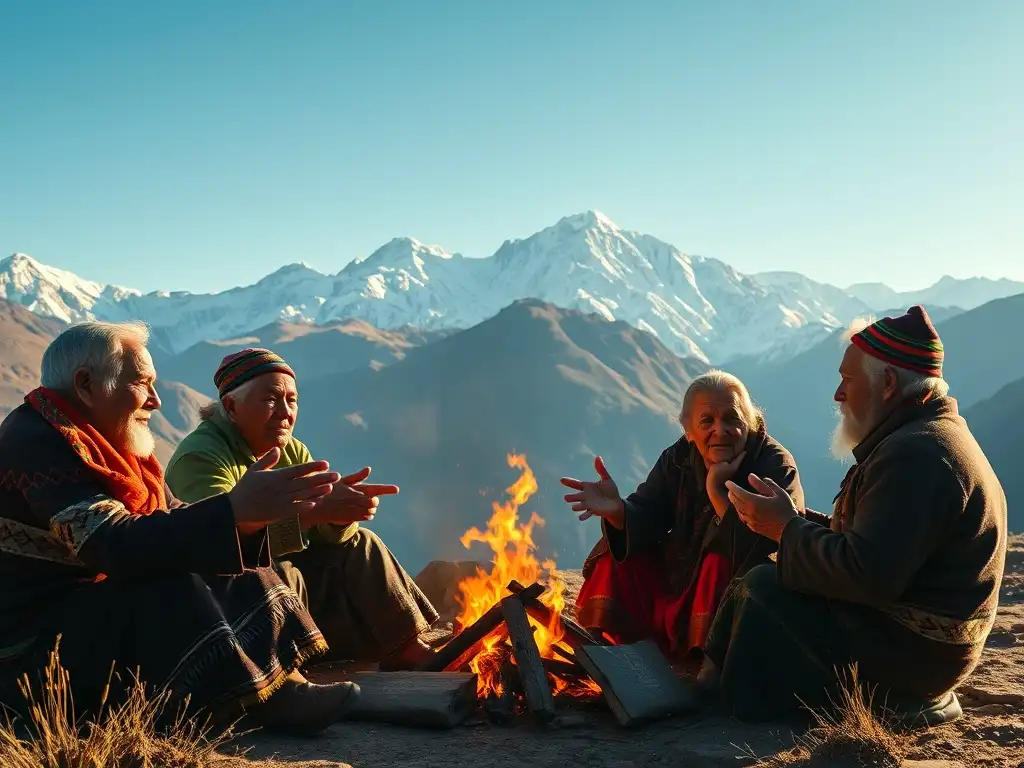
Welcome, explorer! Prepare to journey through time and uncover the secrets whispered across millennia. This isn't just a history lesson; it's a portal to the vibrant heart of the Andes. We'll delve into the fascinating world of Andean oral history traditions, unearthing the legacy of the Incas, Moche, Nazca, and Tiahuanaco—a legacy preserved not in stone alone, but in the living echoes of their voices. Are you ready to listen?
The Andes Mountains, a spine of majestic peaks stretching along the western coast of South America, are not just a geographical feature; they are a repository of millennia of human history. For centuries, long before the written word became prevalent, the vibrant cultures of the Andes – including the Incas, Moche, Nazca, and Tiahuanaco – relied heavily on oral traditions to transmit knowledge, preserve their heritage, and connect with their ancestors. This article delves into the fascinating world of Andean oral history traditions, exploring the enduring power of storytelling, song, and ritual in shaping the identities and understanding of these remarkable civilizations.
We will focus on the crucial role oral traditions played, and continue to play, in maintaining cultural continuity and providing a living link to the past. Understanding these traditions offers a unique perspective on the complexities of Andean societies and their enduring legacy.
The preservation and study of these oral histories are crucial not only for academic understanding but also for the continued vitality of Andean cultures today. This exploration will highlight the richness and diversity of these traditions, specifically focusing on the significant roles played by Quechua and Aymara languages in shaping their unique oral histories.
The Enduring Power of Quechua Oral History Traditions
Quechua, the language of the Inca Empire, continues to thrive in various dialects across the Andes. Its oral tradition is a tapestry woven with threads of mythology, historical accounts, practical knowledge, and social commentary. Quechua oral narratives often feature achuy, or ancestral spirits, who guide and protect communities.
These stories are not merely entertaining; they serve as a moral compass, teaching valuable lessons about community, responsibility, and respect for nature. The transmission of this knowledge is often tied to specific rituals and ceremonies, further embedding the stories within the fabric of daily life. For example, harvest festivals frequently incorporate songs and narratives that recount the origins of agriculture and celebrate the bounty of the land.
This intertwining of oral tradition with agricultural practices highlights the deep connection between Quechua speakers and their environment. The continued use of Quechua in daily life ensures the survival of these rich oral histories, passed down through generations, ensuring their relevance and impact in contemporary society. Furthermore, the use of yaravis (Quechua songs) often serves as a powerful tool for preserving historical events and societal values, demonstrating the versatility of the oral tradition in Quechua culture.
Preserving Aymara Heritage Through Spoken Narratives
The Aymara people, inhabiting the Altiplano region of the Andes, possess a distinct and equally rich oral tradition. Aymara oral history, often expressed through captivating storytelling and poetic forms, provides crucial insights into their worldview and social structures. Unlike Quechua, Aymara oral tradition often emphasizes the importance of community consensus and cooperation, reflecting the social organization of Aymara societies.
Narratives frequently focus on the challenges faced by the Aymara people throughout history, including colonization and the struggle for land rights. These stories serve not only as historical records but also as powerful tools for resistance and cultural preservation. The oral transmission of Aymara cultural knowledge is often interwoven with traditional ceremonies and rituals, reinforcing the importance of collective memory and shared identity.
The use of specific storytelling techniques, such as the incorporation of riddles and proverbs, adds another layer of complexity and engagement to the Aymara oral tradition. Efforts to document and preserve this valuable heritage are crucial to ensuring the continued vitality of Aymara language and culture for future generations. These efforts are not only about preserving linguistic diversity but also about safeguarding a unique cultural perspective on the Andean world.
- The Enduring Power of Quechua Oral History Traditions
- Preserving Aymara Heritage Through Spoken Narratives
Understanding Andean Oral Traditions
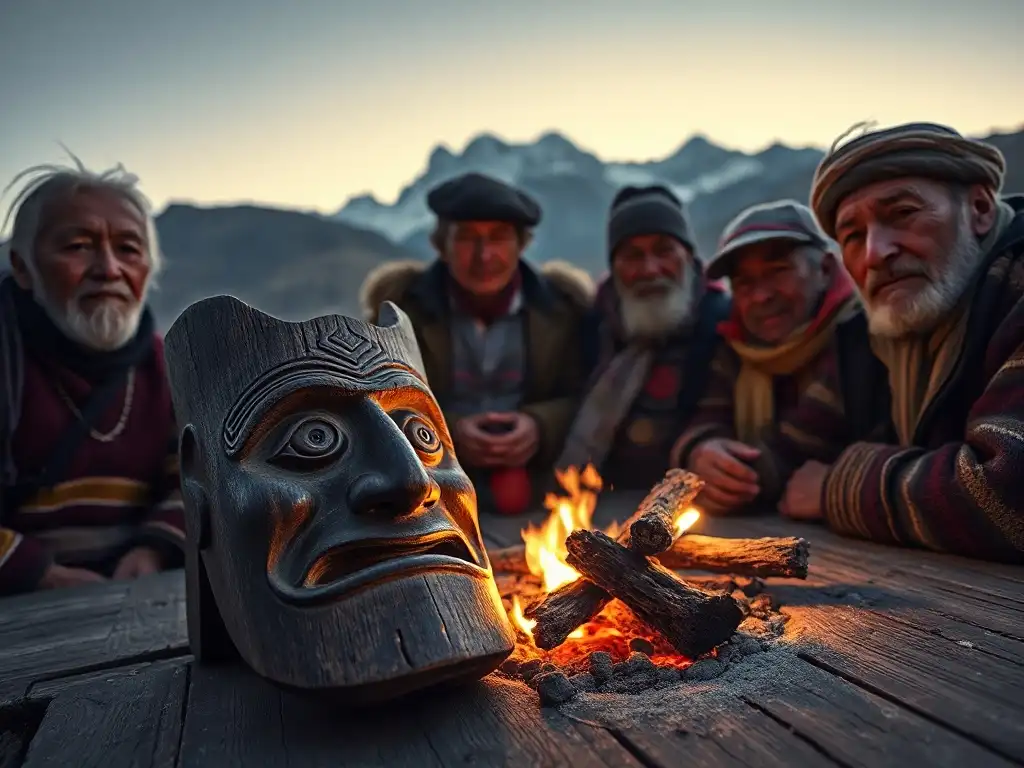
This section delves into the multifaceted nature of Andean oral history traditions, exploring how these traditions served as the primary means of transmitting knowledge, preserving cultural identity, and shaping the worldview of various Andean societies. Unlike many other cultures that relied heavily on written records, the Andes developed sophisticated systems of oral communication that ensured the continuity of their rich heritage across generations.
This vibrant oral tradition encompassed a vast array of narratives, including epic poems, historical accounts, practical instructions, and spiritual beliefs, all meticulously preserved and passed down through carefully structured methods. The endurance of these traditions, despite the arrival of European colonizers and the subsequent disruption of indigenous societies, is a testament to their deep-seated importance within Andean communities.
The study of these traditions provides invaluable insights into the complexities of Andean societies and their enduring connection to their ancestors. Understanding the nuances of Andean oral history traditions is crucial to appreciating the depth and richness of their cultural legacy.
The Role of Storytelling in Incan Cultures
Storytelling was central to Incan life, functioning as both entertainment and a vital tool for education and social control. The amautas, or wise men, were skilled storytellers who held a position of high esteem within Incan society. Their narratives, often interwoven with historical accounts, myths, and moral lessons, served to reinforce societal norms and values.
These stories weren't simply recounted; they were performed, often with dramatic gestures and evocative language, capturing the audience's attention and leaving a lasting impression. For example, tales of the Incan emperors, such as Pachacuti, were used to legitimize the ruling dynasty and instill loyalty among the populace. Similarly, stories about the creation of the world and the Incan gods helped solidify religious beliefs and practices.
The skillful use of metaphors and symbolism within these narratives added layers of meaning, making them accessible to different age groups and social strata. The oral transmission of these stories ensured the preservation of Incan history and culture, even in the absence of a widespread writing system. This system was so effective that even after the Spanish Conquest, many Incan traditions persisted through oral accounts, demonstrating the resilience of this unique form of cultural transmission.
Transmission of Agricultural Knowledge Through Generations
Andean oral history traditions played a critical role in the preservation and dissemination of agricultural knowledge. This knowledge, essential for survival in the challenging Andean environment, was passed down through generations via meticulously detailed accounts of farming techniques, crop rotation methods, and the properties of different plants. These weren't just simple instructions; they were often embedded within elaborate narratives, making them easier to remember and transmit.
For instance, songs and poems could describe the optimal planting times for specific crops, relating them to celestial events or seasonal changes. Similarly, stories about the origin of particular crops or the consequences of neglecting agricultural practices served as cautionary tales, encouraging responsible stewardship of the land. This intricate system of knowledge transmission ensured the continuity of Andean agricultural practices, allowing communities to thrive in often harsh conditions.
The detailed understanding of the Andean ecosystem, reflected in these oral traditions, showcases the ingenuity and adaptability of Andean civilizations. The survival of many traditional agricultural practices even today is a testament to the effectiveness of this oral transmission system.
Key Elements of Andean Creation Myths
Andean creation myths, primarily transmitted orally, offer fascinating insights into the worldview and cosmology of Andean societies. These myths typically involve powerful deities, supernatural beings, and dramatic events that shaped the landscape and the human condition. Common themes include the emergence of the world from chaos, the creation of humans from different materials (like clay or maize), and the establishment of social order. For example, the myth of Viracocha, a creator god in many Andean cultures, depicts his role in shaping the world and bringing forth humanity.
These narratives are often complex and multi-layered, incorporating elements of nature, human relationships, and spiritual beliefs. Variations exist across different Andean cultures, reflecting regional differences and unique interpretations of the creation story. The enduring power of these myths lies in their ability to explain the origins of the world, provide a framework for understanding human existence, and reinforce social and religious values.
The continued recitation and adaptation of these myths demonstrate their ongoing relevance and their enduring role in shaping Andean cultural identity. Analyzing these creation myths reveals a deep connection between the Andean peoples and the natural world, a relationship that continues to inform their worldview today. The richness and diversity of these myths highlight the complexity and sophistication of Andean oral traditions.
The Significance of Oral Tradition in Andean Civilizations
The Andes Mountains, a spine of towering peaks running down the western coast of South America, are not only a geographical marvel but also the cradle of rich and diverse civilizations. For centuries, before the advent of written records, Andean societies relied heavily on oral traditions to transmit knowledge, history, and cultural values across generations. Understanding the significance of these Andean oral history traditions is crucial to appreciating the depth and complexity of these ancient cultures.
The meticulous preservation and transmission of narratives, songs, myths, and rituals ensured the continuity of their unique identities and worldviews. This section will explore the vital role oral traditions played in shaping Andean societies, focusing on its impact on communal identity, historical accounts, and artistic expressions.
Maintaining Communal Identity and Values
Oral traditions in the Andes weren't simply a method of storytelling; they were a fundamental pillar of social cohesion. Narratives, often passed down through specific lineages or communities, reinforced shared beliefs, customs, and social structures. These stories weren't static; they evolved and adapted over time, reflecting the changing circumstances and experiences of each generation.
For example, creation myths detailing the origins of particular clans or villages fostered a sense of belonging and collective identity. These myths often incorporated local geography, flora, and fauna, creating a strong connection between the community and its environment. Furthermore, moral codes and ethical guidelines were often embedded within these narratives, shaping individual behavior and maintaining social harmony.
The consistent retelling of these stories acted as a powerful tool for socializing younger generations, ensuring the continuation of deeply ingrained values. The loss of these oral traditions would represent a significant cultural loss, eroding the very fabric of Andean communities and their unique identities. Studies have shown a direct correlation between the strength of oral traditions and the resilience of indigenous communities in the face of external pressures.
Oral History as a Source of Historical Accounts of Conquest
The arrival of the Spanish conquistadors in the 16th century marked a dramatic turning point in Andean history. While written records from the Spanish perspective exist, Andean oral history traditions offer a crucial counterpoint, providing invaluable insights into the experiences of the indigenous populations during this tumultuous period. These oral histories, passed down through generations, often recount the events of the conquest from a distinctly Andean perspective, challenging dominant narratives and offering a more nuanced understanding of the period.
They detail the strategies of resistance, the devastating impact of disease and warfare, and the cultural transformations that followed. For instance, many oral accounts describe the subtle acts of defiance and resistance employed by Andean communities, highlighting the resilience and resourcefulness of the indigenous people in the face of overwhelming odds.
These accounts, often embedded within epic poems or dramatic narratives, provide a powerful testament to the enduring spirit of the Andean peoples. The preservation and study of these oral accounts are essential for a more complete and accurate understanding of the conquest and its lasting consequences.
The Impact of Oral Tradition on Andean Weaving and Pottery
Andean oral traditions weren't confined to narratives and historical accounts; they deeply influenced artistic expressions, particularly in weaving and pottery. Designs and patterns on textiles and ceramics often encoded symbolic meanings, stories, and historical events, making these artifacts not just aesthetic objects but also repositories of cultural memory. The intricate designs woven into textiles, for example, often represented mythological figures, ancestral lineages, or significant historical events. Similarly, pottery frequently depicted scenes from myths, legends, and daily life, transmitting knowledge and cultural values across generations.
The techniques used in weaving and pottery, often passed down through oral instruction and apprenticeship, were also integral to the preservation of cultural heritage. Master artisans would share their knowledge and skills through verbal instruction, demonstrations, and storytelling, ensuring the continuity of traditional artistic practices. The loss of these oral traditions would lead to a decline in the quality and authenticity of Andean art, threatening the survival of these unique artistic styles and their associated cultural significance.
The continued documentation and dissemination of these oral traditions are therefore essential for the preservation of Andean artistic heritage. The vibrant colors and intricate designs, often imbued with deep symbolic meaning, are a direct reflection of the rich oral traditions that shaped Andean artistic expressions. 🗺️
Exploring Diverse Forms of Andean Oral Expression
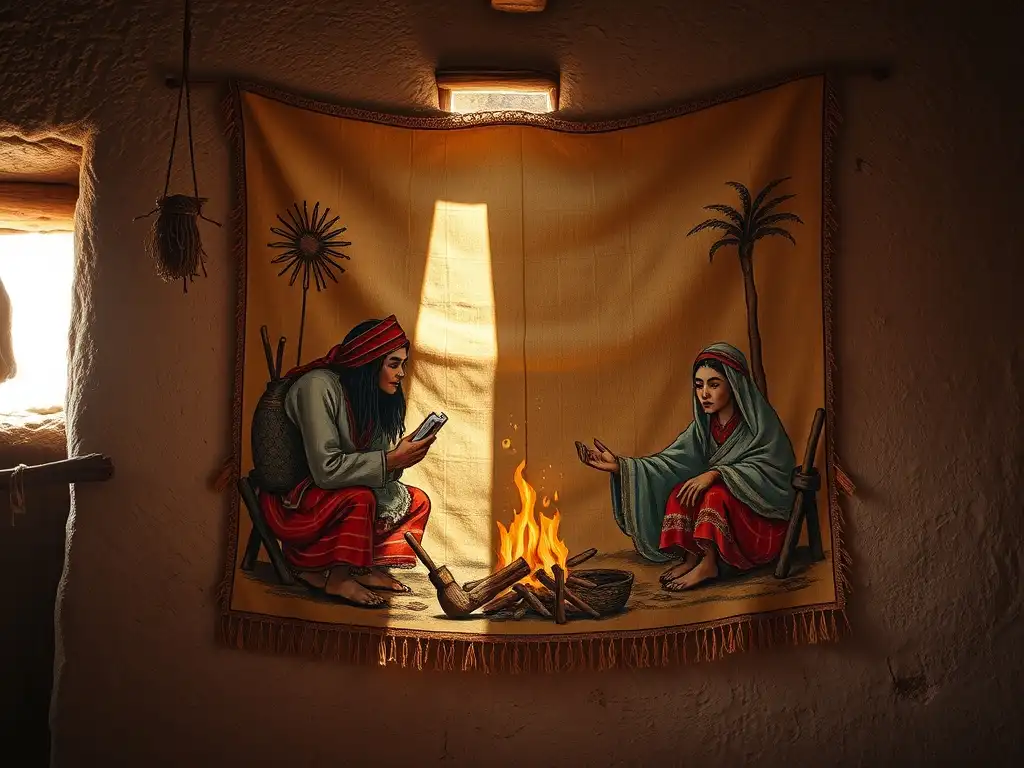
This section delves into the multifaceted nature of Andean oral traditions, showcasing the rich tapestry of storytelling, ritualistic practices, and cultural transmission that shaped Andean societies. Understanding these diverse forms provides crucial insight into the beliefs, values, and social structures of these ancient civilizations. The preservation and study of these traditions are vital for reconstructing a complete picture of Andean history and culture, moving beyond the limitations of written records which are scarce for many groups. The term "Andean oral history traditions" encompasses a vast array of expressive forms, each contributing uniquely to the cultural heritage.
Myths and Legends of Pachamama and Inti
Andean oral history traditions are deeply intertwined with the worship of nature. Central to this cosmology are the deities Pachamama (Mother Earth) and Inti (the Sun). Myths and legends surrounding these powerful figures explain the origins of the world, the cycles of life and death, and the relationship between humanity and the natural environment. These narratives were not merely entertaining stories; they served as powerful tools for transmitting moral values, reinforcing social norms, and explaining natural phenomena.
For example, stories about Pachamama often emphasize the importance of respecting the land and its resources. Failure to do so, according to these narratives, would result in natural disasters, crop failures, and other misfortunes. Similarly, legends about Inti highlight the sun's life-giving power and its importance to agriculture. These myths were frequently used to explain seasonal changes and to reinforce the importance of agricultural rituals.
The stories were passed down through generations, adapting and evolving to reflect changing circumstances, but always retaining their core message of reverence for the natural world. The enduring power of these narratives is evidenced by their continued relevance in contemporary Andean communities. Many traditional practices and beliefs rooted in these myths persist to this day, demonstrating the resilience and lasting impact of Andean oral history traditions.
Epic Tales of Manco Capac and Mama Ocllo
The epic tales of Manco Capac and Mama Ocllo, the legendary founders of the Inca Empire, represent another significant aspect of Andean oral history traditions. These stories, passed down through generations of storytellers, narrate the origins of the Inca civilization, detailing their mythical descent from the sun god Inti and their subsequent establishment of Cusco, the imperial capital. These narratives serve as foundational myths, providing a sense of shared identity and legitimizing Inca rule.
These narratives are not simply historical accounts; rather, they are complex allegories imbued with symbolic meaning. The journey of Manco Capac and Mama Ocllo, their struggles against opposing forces, and their ultimate triumph over adversity, all resonate with deeper cultural and spiritual significance. The tales embody Inca values such as perseverance, ingenuity, and the importance of community. Details vary across different versions of the story, highlighting the dynamic and evolving nature of oral transmission.
The presence of multiple versions, each with unique details and interpretations, underscores the collaborative and participatory nature of oral storytelling within Andean communities. The consistent themes, however, emphasize the enduring power of these narratives in shaping Inca identity and cultural memory. Analyzing these variations allows scholars to trace the evolution of Inca ideology and social structures over time.
Rituals and Ceremonial Chants for the Harvest
Andean oral history traditions are not solely confined to narrative storytelling; they also encompass a rich repertoire of ritualistic practices and ceremonial chants. These forms of oral expression were integral to the agricultural cycle, playing a crucial role in ensuring successful harvests and maintaining harmony with the natural world. Chants, prayers, and incantations were recited during planting, harvesting, and other agricultural ceremonies, invoking the blessings of Pachamama and Inti.
These rituals were often accompanied by elaborate performances, including music, dance, and the use of symbolic objects. The precise words and melodies varied across different communities and regions, reflecting the diversity of Andean cultures. However, the underlying themes of gratitude, respect for the land, and the desire for prosperity remained consistent.
The use of these chants and rituals served not only a practical purpose—ensuring successful harvests—but also a social function, reinforcing community bonds and strengthening social cohesion. The oral transmission of these chants ensured the continuity of agricultural practices and the preservation of cultural knowledge across generations. The study of these ceremonial chants provides valuable insights into Andean religious beliefs, social structures, and agricultural techniques.
The rhythmic structure and evocative language of these chants offer a window into the spiritual world of the Andean peoples and their deep connection to the land. The continued performance of these rituals in contemporary Andean communities speaks to their enduring relevance and power.
Challenges and Preservation of Andean Oral Traditions
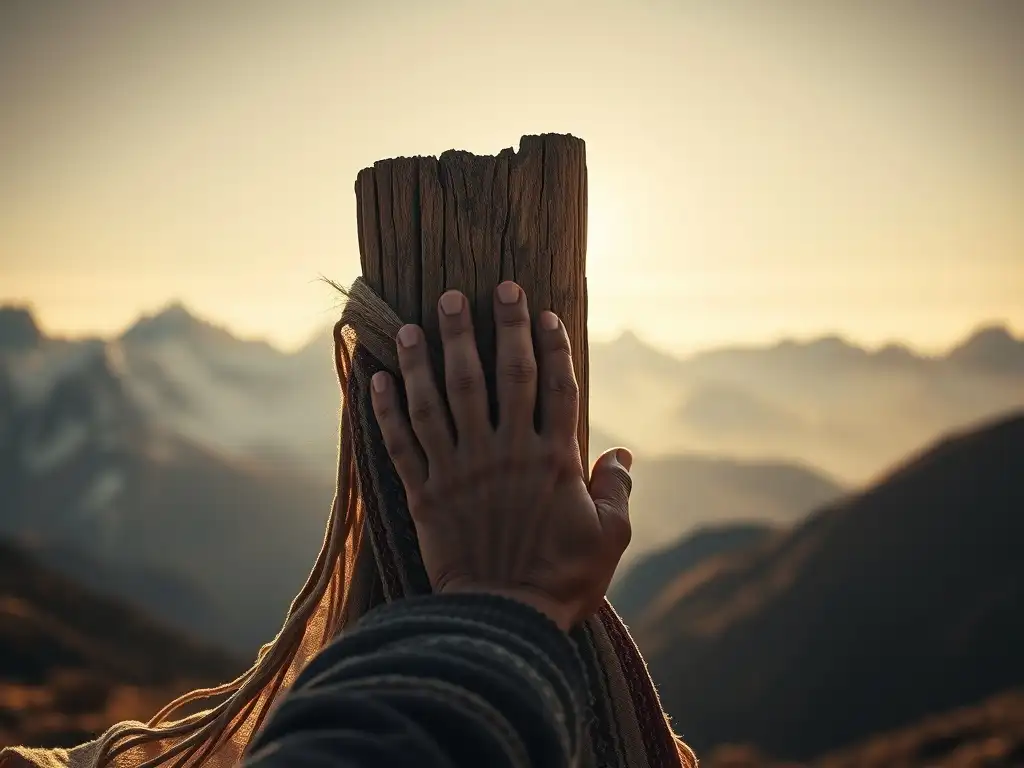
The vibrant tapestry of Andean oral history traditions, woven through millennia, faces significant challenges in the modern era. The transmission of knowledge, stories, and cultural practices—once a cornerstone of Andean societies—is threatened by several converging factors. Understanding these threats is crucial for developing effective preservation strategies and ensuring the continuity of this invaluable heritage for future generations. The sheer volume and diversity of these traditions, spanning numerous distinct ethnic groups and languages, adds another layer of complexity to the challenge.
Each community possesses unique narratives, songs, and rituals, requiring tailored approaches to documentation and preservation. Furthermore, the rapid pace of globalization and urbanization often leads to a decline in the use of indigenous languages, directly impacting the vitality of oral traditions intrinsically linked to those tongues. This section will delve into the specific impacts of colonialism and ongoing efforts to safeguard this irreplaceable cultural legacy.
The Impact of Colonialism on Oral Heritage
The Spanish conquest of the Andes had a devastating and lasting impact on Andean oral traditions. The deliberate suppression of indigenous languages and cultures, coupled with the imposition of Catholicism, significantly disrupted the transmission of ancestral knowledge. Many oral narratives were lost or deliberately destroyed, replaced by narratives reflecting the colonial worldview.
The imposition of Spanish as the dominant language in administration, education, and commerce marginalized indigenous tongues, leading to a decline in their usage and consequently, a weakening of the oral traditions they carried. For example, the rich mythological cycles of the Inca, once passed down through generations of storytellers, suffered considerable fragmentation and loss during this period. This cultural disruption extended beyond the loss of specific stories; it also impacted the very social structures that supported the practice of oral storytelling.
Traditional roles and responsibilities associated with knowledge transmission were undermined, leading to a break in the chain of oral history. The impact of this colonial legacy continues to be felt today, highlighting the urgent need for proactive preservation efforts. The effects are not merely historical; they continue to shape the cultural landscape and access to ancestral knowledge.
Efforts to Document and Revitalize Quechua and Aymara Languages
Recognizing the fragility of Andean oral traditions, numerous initiatives have emerged to document and revitalize indigenous languages like Quechua and Aymara. These efforts range from community-based projects to academic research. The focus is not only on preserving the linguistic elements but also on understanding the cultural context within which these languages function. One vital aspect of these initiatives involves recording oral narratives, songs, and rituals using modern technology.
Audio and video recordings provide invaluable documentation, preserving the nuances of pronunciation, intonation, and performance style. Furthermore, researchers are working to create linguistic databases and dictionaries, cataloging vocabulary and grammatical structures. These resources are invaluable for language learners and researchers alike. Simultaneously, educational programs are being developed to promote the use of Quechua and Aymara in schools and communities.
Immersive language learning programs, incorporating storytelling and traditional performance arts, aim to engage younger generations and foster linguistic revitalization. These initiatives recognize that language preservation is intrinsically linked to the preservation of cultural identity and the continuity of oral traditions. The success of these programs relies heavily on community participation and ownership, ensuring that the process is culturally sensitive and respectful of traditional knowledge systems.
Engaging Younger Generations in Community Storytelling Circles
A critical aspect of preserving Andean oral history traditions lies in engaging younger generations. Many efforts focus on creating spaces where traditional storytelling practices can thrive. Community storytelling circles, often held in indigenous languages, provide a platform for elders to share their knowledge and for younger generations to actively participate. These circles are not merely passive listening events; they are interactive spaces where knowledge is exchanged, questions are answered, and the connections between past and present are actively explored.
The use of multimedia, such as incorporating images and music into storytelling, can make these traditions more accessible and engaging for younger audiences. Furthermore, integrating traditional storytelling into school curricula can help normalize and celebrate indigenous languages and cultural practices. By creating opportunities for intergenerational dialogue, these initiatives aim to foster a sense of cultural pride and continuity.
The success of these initiatives often hinges upon fostering a sense of ownership and responsibility among younger generations. This involves empowering them to become active participants in preserving and transmitting their cultural heritage. The active engagement of youth ensures that Andean oral history traditions continue to flourish, enriching the lives of future generations and contributing to the vibrant cultural landscape of the Andes.
Connecting with Ancestral Voices: The Power of Listening
This section delves into the profound significance of Andean oral history traditions, exploring how these narratives connect us to the past and illuminate the vibrant cultures of the Andes. Understanding these traditions requires a deep appreciation for their inherent power and the responsibility we bear in preserving them.
The transmission of knowledge, beliefs, and values through spoken word – rather than written texts – has shaped Andean societies for millennia, leaving an indelible mark on their worldview and practices. This section will explore several key aspects of this rich oral legacy, emphasizing the importance of respectful engagement and the unique insights it offers into Andean cosmology and healing practices.
The preservation of these traditions is not merely an academic pursuit; it is a vital act of cultural survival, ensuring the continuation of a unique and invaluable heritage. The strength and resilience of Andean communities are deeply intertwined with their ability to maintain and transmit these vital oral histories.
The Importance of Respectful Engagement with Indigenous Elders
Respectful engagement is paramount when studying Andean oral history traditions. These traditions aren't simply stories; they are living repositories of knowledge, spiritual beliefs, and cultural practices passed down through generations. Approaching these narratives with reverence and humility is crucial. This means actively listening, avoiding interruptions, and demonstrating genuine interest in the elder's perspective. It also involves seeking permission before recording or sharing any information, understanding that these stories often hold sacred meaning and are not to be treated lightly.
Furthermore, building trust is essential. This often requires time and patience, a willingness to learn the nuances of the language and cultural context, and a demonstration of respect for the elder's authority and knowledge. Ignoring these principles can lead to misinterpretations, the trivialization of sacred knowledge, and the alienation of the very people whose stories we seek to understand. The ethical considerations surrounding the documentation and dissemination of oral histories cannot be overstated.
Indeed, some communities may have specific protocols or taboos surrounding the sharing of certain stories, and these must be scrupulously respected. The goal isn't simply to collect data but to build relationships and contribute to the ongoing preservation of these invaluable traditions. This requires sensitivity, respect, and a genuine desire to learn. The value of these traditions is immeasurable, and treating them with the respect they deserve is a fundamental ethical responsibility.
How Oral Tradition Shapes Andean Cosmology
Andean oral history traditions are deeply intertwined with cosmology, offering unique insights into the Andean worldview. These narratives often explain the creation of the world, the relationship between humans and nature, and the role of deities and spirits in shaping human destiny. For example, many stories depict the relationship between the Apus (mountain spirits) and the communities that inhabit their slopes, highlighting the reciprocal dependence between human and natural worlds. These narratives often emphasize the importance of maintaining harmony with nature, respecting the Pachamama (Mother Earth), and living in balance with the cosmos.
The stories are not merely entertaining tales; they are powerful tools for transmitting vital ecological knowledge and shaping social behaviors. They explain agricultural practices, astronomical observations, and social hierarchies, all within a framework of interconnectedness and reciprocity. The use of metaphors, symbolism, and allegory is common, adding layers of meaning and requiring careful interpretation.
For instance, the story of the condor, puma, and snake might represent different aspects of the Andean worldview, each with specific meanings and roles within the cosmology. Further research is needed to fully understand the diversity of cosmological narratives across different Andean regions and cultures, but the importance of oral tradition in shaping Andean understanding of the universe is undeniable. The richness and complexity of these narratives demonstrate the profound connection between Andean peoples and their environment, a connection deeply embedded in their oral traditions.
The Kallawaya People and their Healing Traditions
The Kallawaya people of the Andes are renowned for their rich healing traditions, passed down through generations via oral transmission. Their knowledge encompasses a vast array of medicinal plants, diagnostic techniques, and spiritual practices. The Kallawaya's oral tradition isn't simply a collection of recipes or remedies; it's a complex system of knowledge that integrates botanical, medical, and spiritual understanding. They utilize intricate diagnostic methods, including the interpretation of dreams, the reading of coca leaves, and the observation of physical symptoms.
Their healing practices often involve rituals, ceremonies, and the use of sacred objects, reflecting the spiritual dimension of their approach to health and well-being. The Kallawaya's oral tradition is also characterized by its emphasis on apprenticeship and mentorship. Knowledge is not passively received; it's actively acquired through years of dedicated learning under the guidance of experienced healers. This apprenticeship model ensures the continuity of their traditions, safeguarding their unique healing knowledge for future generations.
However, the preservation of this knowledge faces challenges, particularly due to the pressures of modernization and the loss of traditional languages. The documentation and preservation of the Kallawaya's oral traditions are crucial not only for understanding their unique cultural heritage but also for preserving valuable knowledge that could contribute to modern medicine and healthcare. Their holistic approach to healing offers a valuable counterpoint to the often-reductionist methods of Western medicine, highlighting the importance of integrating physical, mental, and spiritual well-being. The ongoing study and preservation of their oral traditions are essential for both cultural and medical reasons.
Frequently Asked Questions
How important was oral tradition in Andean societies?
Oral tradition was absolutely crucial for Andean civilizations. It was the primary means of transmitting knowledge, history, and cultural values across generations, before the arrival of writing systems. This ensured the continuation of their rich cultural heritage.
What forms did Andean oral history take?
Andean oral history encompassed various forms including myths, legends, songs, poetry, and storytelling. These narratives were often used to explain the world, teach moral lessons, and preserve historical accounts. Performance was key to these traditions.
How did oral traditions impact Andean art and technology?
Oral traditions directly influenced Andean art and technology. Narratives inspired artistic motifs and designs, while knowledge passed down orally facilitated the development of complex technologies like irrigation systems and sophisticated textiles.
How reliable is information passed down through oral traditions?
While details might change over time, Andean oral traditions provide valuable insights into the past. Scholars analyze multiple versions of stories and corroborate information with archaeological evidence to gain a comprehensive understanding.
How are Andean oral traditions preserved today?
Modern efforts to preserve Andean oral traditions involve recording and documenting stories and songs from elders. Communities actively work to maintain these practices, ensuring that ancestral voices continue to be heard and understood in the present day.
Final Reflection: Echoes of the Andes, Whispers of the Future
The vibrant tapestry of Andean oral history, once relegated to the shadows, is now experiencing a powerful resurgence, a testament to the enduring strength of cultural memory and the urgent need to preserve our shared heritage. These traditions, far from being relics of a bygone era, offer invaluable insights into sustainable living, community resilience, and the intricate relationship between humanity and the natural world. Their continued relevance in a rapidly changing world cannot be overstated.
The power of storytelling, the way a single narrative can weave together generations and illuminate the complexities of human experience, has profoundly impacted my understanding of Andean culture. It's a living testament to the interconnectedness of past, present, and future. The past is never dead. It's not even past.
– William Faulkner. This quote perfectly encapsulates the enduring legacy of Andean oral traditions, their continuous shaping of identity and their ongoing relevance in contemporary Andean societies and beyond. Their preservation is not merely an academic pursuit; it is a vital act of cultural preservation, ensuring the voices of our ancestors continue to resonate.
Consider the stories you've heard from your own family, the traditions passed down through generations. What lessons do they hold? What wisdom do they impart? I urge you to actively seek out and engage with the rich oral traditions of your own community, to listen to the stories that shape our collective identity, and to become a custodian of this invaluable heritage. Let the echoes of the Andes inspire you to preserve and share your own family's history, ensuring that the whispers of the past continue to guide us towards a more informed and compassionate future.
Connect, Preserve, and Celebrate Your Heritage!
Thank you for exploring the rich tapestry of ancestral voices passed down through oral tradition. By engaging with these powerful stories, you enrich your understanding and contribute to the preservation of invaluable cultural narratives. Let's explore practical ways to delve deeper into this vibrant heritage!
- Start your own oral history project: Record the stories and experiences of family members and elders. This strengthens family bonds and keeps your heritage alive.
- Join a local cultural group: Participate in community workshops and events focused on traditional storytelling or oral history. This is a wonderful way to learn and connect with others who share your interest.
- Share your discoveries: Create a blog post or social media entry celebrating the ancestral stories you've uncovered. Inspire others to explore and honor their own heritage.
What stories from your family history inspire you to keep these traditions alive? Share your thoughts and experiences in the comments!