
The Symbolic Power of Quechua: Deciphering the Language's Hidden Meanings

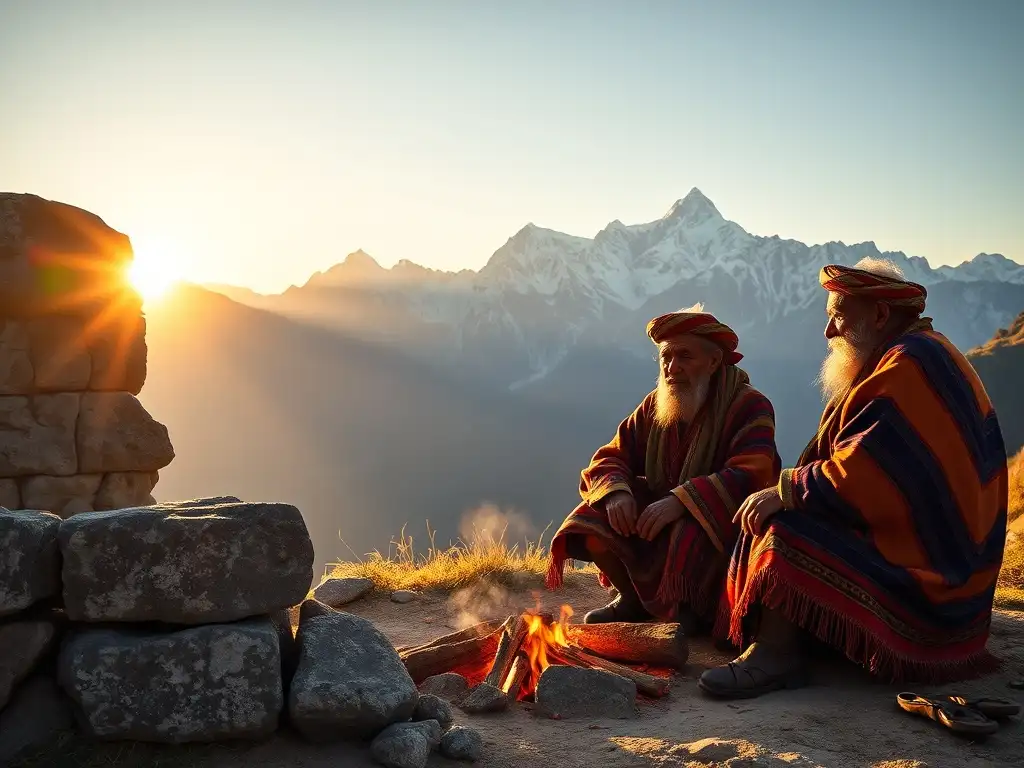
Dive into the captivating world of the Andean civilizations! Journey beyond the towering peaks and breathtaking landscapes to uncover a legacy of ingenuity and mystery. From the intricate artistry of the Nazca Lines to the sophisticated engineering of Machu Picchu, a hidden thread connects them all: the Quechua language. Unravel the symbolic power embedded within its very structure—discover the secrets held within its words and phrases in our exploration of "Quechua language symbolism." Prepare to be amazed by the depth and richness of this ancient tongue.
Quechua, far from being merely a tool for communication, served as a powerful vehicle for expressing the worldview, beliefs, and social structures of the Andean civilizations. This article delves into the rich tapestry of symbolism woven into the Quechua language, exploring how its words, phrases, and grammatical structures reflect a profound connection to the Andean landscape, cosmology, and spiritual beliefs. We will examine specific examples to illustrate how seemingly simple words carry layers of meaning, revealing insights into the cultural values and practices of Quechua-speaking communities across the Andes.
Understanding this symbolism offers a crucial key to unlocking a deeper appreciation for the complexities and nuances of Andean culture and its enduring legacy. This exploration of "Quechua language symbolism" will uncover the fascinating ways in which language shaped, and continues to shape, Andean identity and worldview.
Introduction to Quechua Language Symbolism
The Quechua language, spoken by millions across the Andes Mountains, is more than just a means of communication; it's a repository of cultural knowledge and a reflection of a deeply interconnected relationship between people and their environment. Its symbolism is deeply embedded, often manifesting in subtle ways that require careful attention to understand. For example, the use of kinship terms often extends beyond biological family, reflecting the strong communal bonds within Andean societies.
Similarly, the names given to geographical features often carry symbolic weight, reflecting their importance in the community's mythology and daily life. Understanding Quechua symbolism requires moving beyond a literal interpretation of words to consider their cultural context and the historical experiences that shaped their meaning.
This nuanced approach is essential to appreciating the full richness and depth of the language. The intricate relationship between language and cosmology is particularly striking, with celestial bodies and natural phenomena frequently imbued with symbolic meaning within the Quechua lexicon.
The Cultural Significance of Quechua Words
Many Quechua words hold layers of meaning far beyond their simple definitions. For instance, the word for "mountain" ( [Specific Quechua word for mountain pending]) often carries connotations of sacredness, strength, and ancestral connection. It's not merely a geographical feature, but a powerful symbol representing the enduring spirit of the Andean people and their connection to the land. Similarly, words related to agriculture, such as those for different crops (e.g., potatoes, corn) often hold symbolic value related to fertility, abundance, and the cyclical nature of life and death.
The intricate system of reciprocity and exchange within Andean communities is also reflected in the language, with specific terms highlighting the importance of communal cooperation and mutual support. Furthermore, the use of metaphors and proverbs in Quechua often reveals deeper cultural values. For example, a proverb might use the imagery of a specific Andean animal to illustrate a particular social or moral principle.
Analyzing these linguistic subtleties provides invaluable insights into the cultural worldview of Quechua speakers. The richness and complexity of Quechua symbolism are truly remarkable, offering a compelling window into the vibrant cultural heritage of the Andes. Further research into specific dialects and regional variations will undoubtedly reveal even more nuanced expressions of this symbolic language.
Quechua Language and Andean Cosmovision
The Quechua language isn't simply a tool for communication; it's a deeply embedded reflection of the Andean cosmovision. This worldview, shared across various Andean cultures, emphasizes a profound interconnectedness between humanity, nature, and the spiritual realm. The Quechua lexicon itself reflects this holistic perspective, weaving together concepts of reciprocity, balance, and respect for the environment.
Words are not isolated units but rather carry within them a complex web of meanings, revealing a nuanced understanding of the world. Understanding the symbolic power of Quechua requires appreciating this underlying cosmological framework, which shapes the very structure and meaning of the language. For example, the concept of ayni, reciprocal exchange, is fundamental to Andean society and is deeply ingrained in the Quechua language, appearing in numerous expressions and grammatical structures.
This reflects a societal structure based on mutual support and responsibility, where actions and words carry weight in the broader community. The intricate relationship between language and worldview highlights the importance of studying Quechua not just as a linguistic system, but as a window into a vibrant and complex culture.
The Role of Nature in Quechua Vocabulary
Nature plays a central role in Quechua vocabulary, with numerous words reflecting a deep understanding and intimate connection with the Andean environment. Mountains ( allpa), rivers ( yaku), and the sun ( inti) are not simply geographical features; they are powerful forces, imbued with spiritual significance and woven into the fabric of Quechua society. Many words related to agriculture, such as those describing different types of potatoes ( papa), corn ( sara), and quinoa ( kinwa), reflect the crucial role of these crops in Andean life and culture.
The vocabulary is rich with nuanced terms that distinguish subtle variations in terrain, climate, and plant life, indicating a keen observation of the natural world. Furthermore, the Quechua language often employs metaphors and similes that draw upon natural imagery, enriching the language and reflecting a symbiotic relationship with the environment.
For instance, the description of a person's character might utilize imagery of the strength of a mountain or the resilience of a plant thriving in harsh conditions. This close relationship between language and nature underscores the importance of environmental stewardship within the Andean worldview.
Symbolic Representation of Animals in Quechua
Animals hold significant symbolic weight in Quechua culture and are reflected in the language's rich vocabulary. The condor ( kuntur), for example, is often associated with power, strength, and spiritual elevation, representing a connection to the upper world. Conversely, the llama ( llama) and alpaca ( alpaqa) are vital to Andean life, symbolizing practicality, community, and resourcefulness.
Their representation in Quechua goes beyond simple nomenclature; they carry symbolic meaning within the larger cultural context. Different animals are associated with specific deities or spirits, reflecting a complex system of beliefs and rituals. The language itself often utilizes animal imagery in metaphors and proverbs, enriching the expressions and imparting deeper meaning.
Understanding the symbolic representation of animals in Quechua requires considering their role not only in daily life but also in the spiritual and mythological realms of Andean culture. This understanding provides insights into the complex relationship between humans and the natural world within the Andean cosmovision.
Quechua's Rich Tapestry of Metaphor and Imagery
Quechua is renowned for its rich use of metaphor and imagery, creating a vibrant and evocative language. The use of figurative language is not merely stylistic; it's integral to the way Quechua speakers perceive and communicate about the world. Metaphors and similes are frequently employed to convey complex ideas and emotions in a concise and memorable way. This style of communication reflects a holistic worldview where connections between seemingly disparate concepts are readily apparent.
The use of imagery also serves to strengthen the connection between the speaker and the listener, fostering a sense of shared understanding and cultural identity. The poetic qualities of Quechua are frequently highlighted in songs, stories, and oral traditions, underscoring the importance of figurative language in the transmission of cultural knowledge. The rich tapestry of metaphor and imagery within Quechua illuminates the depth and complexity of Andean thought and expression.
Metaphorical Language in Quechua: Examples
The metaphorical language in Quechua is woven into the fabric of everyday conversation. For instance, describing someone as "having a heart of stone" ( rupay sonqoyoq) directly translates the emotional coldness through a concrete image. Similarly, describing a difficult situation as "a thorny path" ( k'anchuy ñan) uses natural imagery to convey the obstacles encountered.
These examples showcase how Quechua uses concrete images to represent abstract concepts, making the communication more vivid and engaging. The use of metaphors is not merely decorative; they are fundamental to understanding the underlying meaning and cultural context of the communication. Furthermore, the use of these metaphors often reflects a deep understanding of the natural world and its relationship to human experience.
These metaphorical expressions are not static; they evolve and adapt over time, reflecting the changing dynamics of Andean culture and society. Analyzing these metaphors allows for a deeper comprehension of the cultural values and beliefs embedded within the Quechua language.
Imagery in Quechua Communication
Imagery in Quechua communication is far more than mere embellishment; it is a vital component that enhances understanding and builds connections. The use of vivid descriptions, often drawing on natural imagery and sensory details, allows for a richer and more immersive communication experience. For example, describing a landscape might include detailed descriptions of the colors, textures, sounds, and even the smells of the environment, creating a powerful and memorable image in the listener's mind.
This emphasis on sensory detail reflects the Andean worldview's close connection to the natural world. The use of imagery also serves to convey emotional depth and nuance, adding layers of meaning to the communication.
In storytelling, for instance, imagery is used to create atmosphere, evoke emotions, and convey complex narratives in a way that resonates deeply with the audience. The skillful use of imagery in Quechua communication is a testament to the language's expressive power and its ability to connect people to their cultural heritage and the natural world around them.
Understanding Quechua Numerology and Symbolism
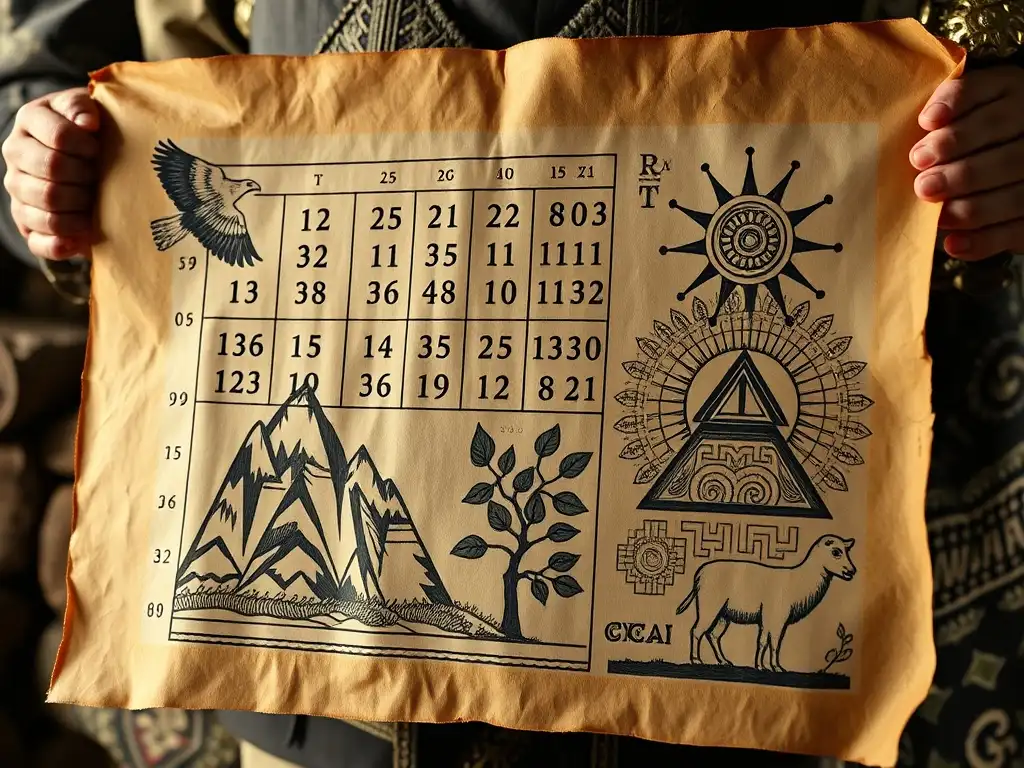
Quechua, far from being merely a tool for daily communication, embodies a rich tapestry of numerological and symbolic meanings deeply intertwined with Andean cosmology. The numbers themselves aren't simply abstract quantities; they represent forces, concepts, and relationships within the Quechua worldview. This intricate system of beliefs significantly influenced their social structures, religious practices, and artistic expressions. Understanding these symbolic associations provides a crucial key to unlocking a deeper comprehension of Quechua culture and its enduring legacy.
The inherent symbolism in Quechua numerology reflects a holistic understanding of the universe, connecting the earthly realm with the spiritual. This connection is not merely abstract; it's a tangible part of daily life, shaping how Quechua people perceive and interact with their world. The intricate relationship between numbers and symbolism demonstrates a sophisticated understanding of the cosmos, far beyond simple counting.
Significance of Numbers in Quechua Culture
The number one ( huk ), for instance, often symbolizes unity, the beginning, and the creator deity. Two ( iskay) represents duality, balance, and the interplay of opposing forces, mirroring the Andean understanding of the cosmos as a dynamic equilibrium between contrasting elements. Three ( kimsa) frequently relates to the three worlds of Andean cosmology: the upper world ( hanan pacha ), the human world ( kay pacha ), and the underworld ( ukhu pacha ). These numerical associations permeate various aspects of Quechua life, from agricultural practices to social organization.
For example, the planting cycles were often timed according to specific numerical patterns reflecting the belief in the rhythmic nature of the cosmos. Further research is needed to fully understand the nuanced significance of higher numbers and their symbolic representation within the Quechua belief system. [specific information pending regarding the significance of numbers four and above].
Numerical Patterns and Symbolic Meanings
Beyond individual numbers, specific numerical patterns hold profound symbolic weight within Quechua culture. The repetition of numbers, such as the use of multiples of three or four in certain rituals, enhances their symbolic power, reinforcing the associated concepts. For example, the offering of three coca leaves might represent the three worlds, while the repetition of a specific prayer four times could signify completeness or the four cardinal directions. These patterns are not arbitrary; they are carefully constructed to evoke specific meanings and intentions.
The use of numerical sequences in textiles, pottery, and other art forms further demonstrates the integration of numerology into everyday life and artistic expression. These patterns, often intricate and complex, serve as visual representations of the underlying cosmological beliefs. More research is needed to fully catalog and analyze the various numerical patterns and their associated meanings within different Quechua communities.
Quechua Language and Ritualistic Practices
Quechua's role extends far beyond everyday conversation; it serves as a vital component of various ritualistic practices, reinforcing its deeply symbolic nature within the Andean cultural context. The language itself acts as a conduit to the spiritual realm, enabling communication with deities and ancestral spirits. The careful selection of words, the rhythmic intonation, and the specific context in which the language is used all contribute to the power and significance of these rituals.
The use of Quechua in these ceremonies underscores the language's intimate connection with the spiritual and cosmological beliefs of the Quechua people. It's not simply about what is said, but how it is said, highlighting the performative aspects of the rituals and the symbolic power embedded within the linguistic practices.
Use of Quechua in Ceremonies and Traditions
In traditional ceremonies, Quechua is used to invoke deities, communicate with spirits, and seek blessings or guidance. Specific prayers and chants, passed down through generations, are recited in Quechua, carrying the weight of centuries of tradition and belief. These oral traditions are not static; they evolve and adapt while retaining their core symbolic meanings.
The use of Quechua in these ceremonies is essential; it's not easily replaced by another language because the words and the sounds themselves are imbued with spiritual significance. The specific vocabulary and grammatical structures used are integral to the ritual's efficacy and symbolic resonance. The loss of the Quechua language would represent a significant loss of cultural heritage, impacting not only communication but also the ability to practice and understand these deeply rooted traditions.
Symbolism in Quechua Prayers and Songs
Quechua prayers and songs often utilize metaphors, allegories, and symbolic language to express complex spiritual concepts. Natural elements like the sun, moon, mountains, and rivers frequently appear, representing broader cosmological forces and spiritual entities. The use of these symbols reflects a deep connection with the natural world and a spiritual understanding that permeates all aspects of life. The language itself becomes a symbolic tool, shaping the experience and influencing the outcome of the ritual.
For example, the repetition of certain phrases or the use of specific vocalizations can enhance the emotional and spiritual impact of the prayer or song. Analyzing the symbolism within these prayers and songs provides valuable insights into the Quechua worldview and their understanding of the relationship between the human and spiritual realms. Detailed studies on specific songs and prayers are needed to fully understand the range and depth of this symbolic language.
The Enduring Legacy of Quechua's Symbolic Language
Quechua's symbolic language isn't merely a relic of the past; it's a vibrant, living system interwoven with the cultural fabric of Andean communities. Its enduring legacy is evident in the continued use of Quechua in daily life, religious ceremonies, and artistic expressions across the Andes. The language itself acts as a repository of ancestral knowledge, transmitting stories, beliefs, and traditions through generations. Words aren't just sounds; they are vessels carrying the weight of history and cultural identity.
For example, the Quechua word for "mountain," allpa, often carries connotations of sacredness, strength, and the connection between the earthly and spiritual realms. This isn't simply a descriptive term; it's a powerful symbol reflecting the deep spiritual relationship Andean cultures have with their mountainous environment. The intricate system of kinship terms, for instance, reflects a complex social structure and the importance of family and community ties.
These terms aren't just labels; they represent roles, responsibilities, and the intricate web of relationships that define Andean society. The continued use and adaptation of Quechua demonstrate the resilience of its symbolic power and its vital role in maintaining cultural continuity. The language's survival, even in the face of colonization and globalization, speaks volumes about its significance to the people who speak it.
Preserving Quechua Language for Future Generations
The preservation of Quechua is paramount not only for linguistic diversity but also for safeguarding a rich tapestry of symbolic meaning. Efforts to revitalize and promote Quechua are underway through various initiatives. These include bilingual education programs in schools, community-based language classes, and the creation of Quechua dictionaries and literature. The development of Quechua-language media, such as radio stations and online platforms, is also crucial in expanding the language's reach and accessibility to younger generations.
Furthermore, the documentation and archiving of oral traditions, songs, and stories in Quechua are essential for preserving the intricate symbolic meanings embedded within these narratives. These efforts not only aim to prevent the language's extinction but also to ensure that the profound cultural knowledge encoded within it remains accessible and understood. For example, initiatives focused on translating ancient texts and oral histories into Quechua and other languages provide crucial access to this wealth of knowledge.
The success of these preservation efforts hinges on the active participation and commitment of Quechua-speaking communities, alongside governmental and international support. The challenge lies in creating sustainable programs that empower communities to maintain their linguistic and cultural heritage for generations to come. Without these proactive measures, the risk of losing this invaluable symbolic system is significant.
The Importance of Understanding Quechua's Symbolic Depth
Understanding the symbolic depth of Quechua requires more than just translating words; it necessitates immersing oneself in the cultural context and worldview that shaped the language. It's crucial to recognize that the meaning of words and phrases often extends beyond their literal definitions, reflecting the interconnectedness of the natural world, spirituality, and social structures. For instance, Quechua cosmology, with its intricate understanding of the relationship between the earthly and spiritual realms, profoundly influences the symbolic meaning embedded in the language.
Color symbolism, for example, plays a significant role in Quechua culture, with certain colors associated with specific deities, events, or emotions. Similarly, the use of metaphors and proverbs often carries layers of meaning derived from shared cultural experiences and beliefs. A deep understanding of these nuances is crucial for accurate interpretation and appreciation of Quechua's rich symbolic heritage.
Ignoring this depth leads to a superficial understanding of the language and a misrepresentation of its cultural significance. Therefore, interdisciplinary approaches combining linguistics, anthropology, and history are vital for unlocking the full potential of Quechua's symbolic power. This interdisciplinary approach allows for a more comprehensive and nuanced understanding of the cultural context surrounding the language.
Conclusion: The Profound Symbolic World Within Quechua
The Quechua language stands as a testament to the enduring power of symbolism in shaping cultural identity and transmitting knowledge across generations. Its rich vocabulary, intricate grammar, and deeply embedded cultural meanings reveal a profound symbolic world that continues to influence the lives of Andean communities. From the sacred mountains to the intricate social structures, Quechua's symbolic power encapsulates the worldview and beliefs of a people deeply connected to their land and traditions.
Preserving and understanding this language is not merely an act of linguistic preservation; it’s a vital step in safeguarding a unique and invaluable cultural heritage. Continued research, community engagement, and educational initiatives are crucial for ensuring that the symbolic richness of Quechua thrives and continues to inspire future generations.
The Quechua language, therefore, serves as a powerful reminder of the profound connection between language, culture, and identity. It is a living legacy that deserves our continued attention, respect, and preservation.
- Introduction to Quechua Language Symbolism
- The Cultural Significance of Quechua Words
- Quechua Language and Andean Cosmovision
- Quechua's Rich Tapestry of Metaphor and Imagery
- Understanding Quechua Numerology and Symbolism
- Quechua Language and Ritualistic Practices
- The Enduring Legacy of Quechua's Symbolic Language
- Conclusion: The Profound Symbolic World Within Quechua
Frequently Asked Questions
What is the Quechua language?
The Quechua language is a family of related languages spoken by millions across the Andes region of South America. It was, and still is, the primary language of many Andean civilizations, including the Inca Empire. It holds significant cultural and historical importance.
Why is Quechua language considered symbolic?
Quechua's symbolism stems from its deep connection to Andean cosmology and worldview. Words and phrases often carry layered meanings reflecting spiritual beliefs, social structures, and the natural environment. The language itself is seen as a reflection of Andean identity.
What are some examples of Quechua symbolism?
Many Quechua words relating to nature hold symbolic weight. For example, the word for mountain ("allpa") can represent both physical geography and spiritual power. Similarly, colors and animals hold specific symbolic meanings within the culture and language.
How did the Inca Empire use Quechua?
The Inca Empire used Quechua as a lingua franca, unifying its vast territory. Its use facilitated administration, trade, and the spread of Inca religious and cultural beliefs. This widespread adoption cemented its symbolic power.
Where can I learn more about Quechua language symbolism?
Further research into Andean studies, ethnolinguistics, and Inca history will reveal more about Quechua's symbolic power. Many academic papers and books explore this rich and complex topic in depth.
Final Reflection: Unraveling the Tapestry of Quechua Symbolism
The enduring legacy of the Quechua language extends far beyond mere communication; it's a vibrant tapestry woven with threads of cultural identity, spiritual belief, and historical resilience. Understanding its symbolic power is not merely an academic exercise, but a crucial step in appreciating the richness and complexity of Andean cultures and their continued struggle for recognition and preservation.
The impact of Quechua symbolism resonates deeply within the Andean communities, shaping their worldview, social structures, and artistic expressions. Its influence continues to permeate contemporary life, from the vibrant textiles that tell stories across generations to the enduring spiritual practices that connect individuals to their ancestral heritage. Language is the road map of a culture. It tells you where its people come from and where they are going.
– Rita Mae Brown. This quote perfectly encapsulates the importance of understanding the symbolic language embedded within Quechua, a language that holds the key to understanding a rich and complex culture.
Consider the profound implications of this knowledge. You now possess a deeper understanding of the intricate relationship between language and culture. Take this newfound appreciation and use it to engage more deeply with the Andean world, to support initiatives that preserve Quechua, and to challenge the dominant narratives that often marginalize indigenous voices. Let the symbolic power of Quechua inspire you to explore other marginalized languages and cultures, recognizing the unique stories and perspectives they hold. Let us all work together to ensure that these voices are not only heard, but celebrated.
Unleash the Power of Quechua: Engage, Explore, and Embrace!
Thank you for exploring the rich world of Quechua and discovering its profound significance in Andean cultures. Understanding this beautiful language allows you to appreciate its cultural importance and share its stories with others. Let's explore ways to deepen your connection and engagement.
- Learn Quechua: Begin your journey by taking a Quechua language course. This will provide a deeper understanding of its heritage and cultural context.
- Spread the Word: Discuss this article with friends and family, or share it on social media. Help raise awareness of the Quechua language and its importance.
- Immerse Yourself: Participate in local Andean cultural events or explore online resources celebrating Andean traditions. This immersive approach will deepen your understanding of the culture and the role of Quechua within it.
Which aspects of Quechua's cultural significance have resonated most with you, and how will you integrate this knowledge into your life? Let's continue the conversation!