
Aymara Education: Passing Knowledge to the Next Generation

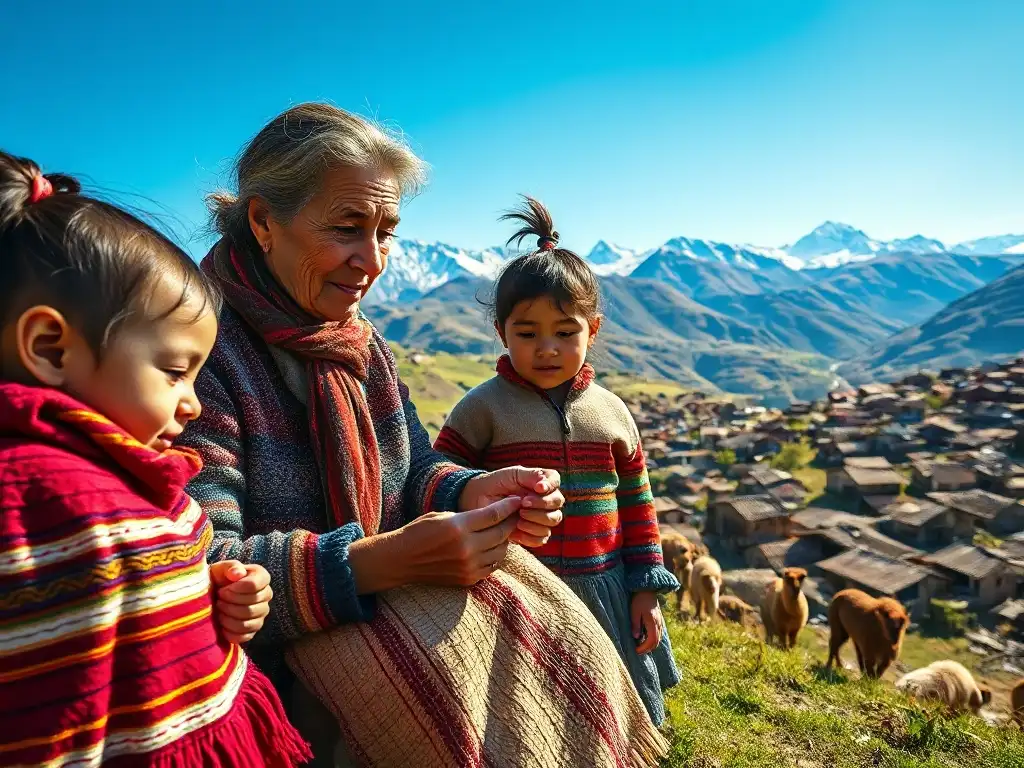
Step into a world lost to time, yet echoing with vibrant life. Imagine a civilization where intricate artistry met breathtaking engineering, where celestial knowledge guided daily life, and where a rich tapestry of languages wove together a unique cultural identity. On Andean Civilizations, we delve into the fascinating histories of the Incas, Moche, Nazca, and Tiahuanaco, among others. But our journey begins with Aymara cultural education: discover how this ancient knowledge is being passed down to the next generation, and unlock the secrets of a legacy that continues to inspire awe. Explore further to uncover the mysteries that await.
The Aymara people, inhabiting the high Andes of Bolivia, Peru, and Chile, possess a rich and vibrant cultural heritage. For centuries, their knowledge, traditions, and language have been passed down through generations, ensuring the continuity of their unique identity. This article delves into the fascinating world of Aymara education, exploring the crucial role it plays in preserving their cultural legacy and transmitting invaluable skills to the younger generation.
We'll examine the importance of Aymara cultural education, the traditional methods employed, and the ongoing efforts to ensure its vitality in the face of modern challenges. Understanding Aymara education is key to appreciating the resilience and enduring spirit of this remarkable Andean civilization. This exploration of Aymara cultural education will highlight the diverse approaches used to maintain their unique cultural identity.
The Importance of Aymara Cultural Education
The preservation of Aymara culture is intrinsically linked to the continuation of its education system. Aymara cultural education goes beyond simply teaching the language; it encompasses the transmission of values, beliefs, history, and traditional practices. This holistic approach ensures that the younger generation not only understands their heritage but also actively participates in its preservation. The loss of the Aymara language and cultural practices would represent a significant loss to the world's cultural diversity.
Maintaining Aymara cultural education is therefore not just a matter of preserving a language, but of safeguarding a unique worldview and a rich tapestry of traditions. This is crucial for maintaining the community's social cohesion and self-determination. The continued practice of traditional arts, like weaving and music, also contribute significantly to the economic well-being of Aymara communities.
Transmission of Aymara Knowledge: Traditional Methods
Aymara knowledge has historically been transmitted through a variety of methods, emphasizing experiential learning and community engagement. These methods, often interwoven and complementary, have ensured the continuity of their cultural heritage for generations. The following sections will explore some key aspects of this rich tradition.
Oral Storytelling: Myths and Legends
Oral tradition forms the cornerstone of Aymara education. Myths, legends, and historical narratives are passed down through generations, shaping the Aymara worldview and transmitting vital cultural knowledge. These stories often contain moral lessons, practical advice, and explanations of natural phenomena, effectively weaving together education and entertainment. The vibrant storytelling traditions, often accompanied by music and dance, create a strong sense of community and shared identity. The use of metaphors and symbolism within these narratives adds layers of meaning, making them engaging and memorable for all ages.
The Role of Elders: Guardians of Tradition
Elders play a pivotal role in Aymara education, acting as repositories of knowledge and keepers of tradition. Their wisdom and experience are highly valued, and their guidance shapes the lives of younger generations. They are not just teachers but also mentors, providing support, advice, and moral guidance. The respect shown to elders reinforces the importance of cultural continuity and the intergenerational transmission of knowledge. Their involvement is crucial in maintaining the integrity and authenticity of Aymara cultural practices.
Practical Skills: Weaving and Agriculture
Aymara education also includes the transmission of practical skills essential for survival and community well-being. Weaving, for example, is a highly valued skill passed down through generations, often within families. The intricate designs and techniques reflect deep cultural significance and artistic expression. Similarly, traditional agricultural practices, adapted to the challenging Andean environment, are taught to ensure food security and economic sustainability. This hands-on learning fosters a deep connection to the land and strengthens the community's resilience. These skills are not merely vocational; they are integral to Aymara identity and cultural expression.
Formal Education and the Aymara Language
The integration of the Aymara language into formal education systems across the Andes presents a complex challenge. While there's a growing recognition of the importance of linguistic diversity and the rights of indigenous communities, the practical implementation varies significantly across different regions and educational institutions. Many schools, particularly in urban areas, primarily utilize Spanish as the language of instruction, leaving Aymara speakers at a disadvantage.
This can lead to a sense of alienation from their cultural heritage and hinder their academic performance. The lack of adequately trained Aymara-speaking teachers further exacerbates the problem, creating a cycle where the language is marginalized within the educational system. However, there are positive developments.
Some schools are actively implementing bilingual education programs, aiming to foster proficiency in both Aymara and Spanish. These programs often incorporate Aymara language and literature into the curriculum, helping to preserve and promote the language's richness. The success of these initiatives, however, hinges on sustained government support, teacher training, and community involvement.
Challenges: Language Barriers and Cultural Relevance
One of the primary challenges in integrating Aymara into formal education is the inherent language barrier. Many teachers lack fluency in Aymara, making it difficult to effectively deliver instruction in the language. This necessitates the development of comprehensive teacher training programs that focus on both linguistic proficiency and culturally sensitive pedagogical approaches. Furthermore, incorporating Aymara into the curriculum requires careful consideration of cultural relevance.
Simply translating existing Spanish-language materials into Aymara is insufficient; the content must reflect the unique worldview, values, and knowledge systems of the Aymara people. This requires collaboration with Aymara communities to ensure that educational materials are culturally appropriate and resonate with students. The lack of Aymara-language textbooks and other educational resources further compounds the issue, hindering the effective implementation of bilingual education programs. Overcoming these challenges requires a concerted effort from educators, policymakers, and community members.
Bilingual Intercultural Education: Bridging Two Worlds
Bilingual intercultural education (BIE) offers a promising approach to address the challenges of Aymara language education. BIE programs strive to develop students' proficiency in both Aymara and Spanish while simultaneously fostering an understanding and appreciation of both cultures. These programs often incorporate Aymara language and literature, history, and traditional knowledge into the curriculum. A successful BIE program emphasizes the equal value of both languages and cultures, avoiding a hierarchical approach where one language or culture is considered superior.
The goal is to empower students to navigate both their Aymara heritage and the wider national context effectively. Effective BIE requires careful curriculum design, teacher training, and ongoing assessment to ensure that students are developing proficiency in both languages and a deep understanding of both cultures. Furthermore, community involvement is crucial, as it ensures that the program reflects the needs and aspirations of the Aymara community.
Importance: Aymara Language Revitalization Efforts
The integration of Aymara into formal education is not merely about linguistic proficiency; it's a crucial aspect of language revitalization efforts. The Aymara language, like many indigenous languages, faces the threat of extinction due to factors such as language shift and societal marginalization. By incorporating Aymara into the education system, we can help to ensure the survival and continued use of the language. This contributes to the preservation of Aymara culture and identity, empowering future generations to connect with their heritage.
Successful language revitalization requires a multi-faceted approach, including language immersion programs, community-based language learning initiatives, and the development of Aymara-language media and resources. The role of education in this process is paramount, providing a structured and sustainable framework for language transmission and cultural preservation. Investing in Aymara language education is an investment in the future of the Aymara people and their rich cultural heritage.
Aymara Cultural Values and Education
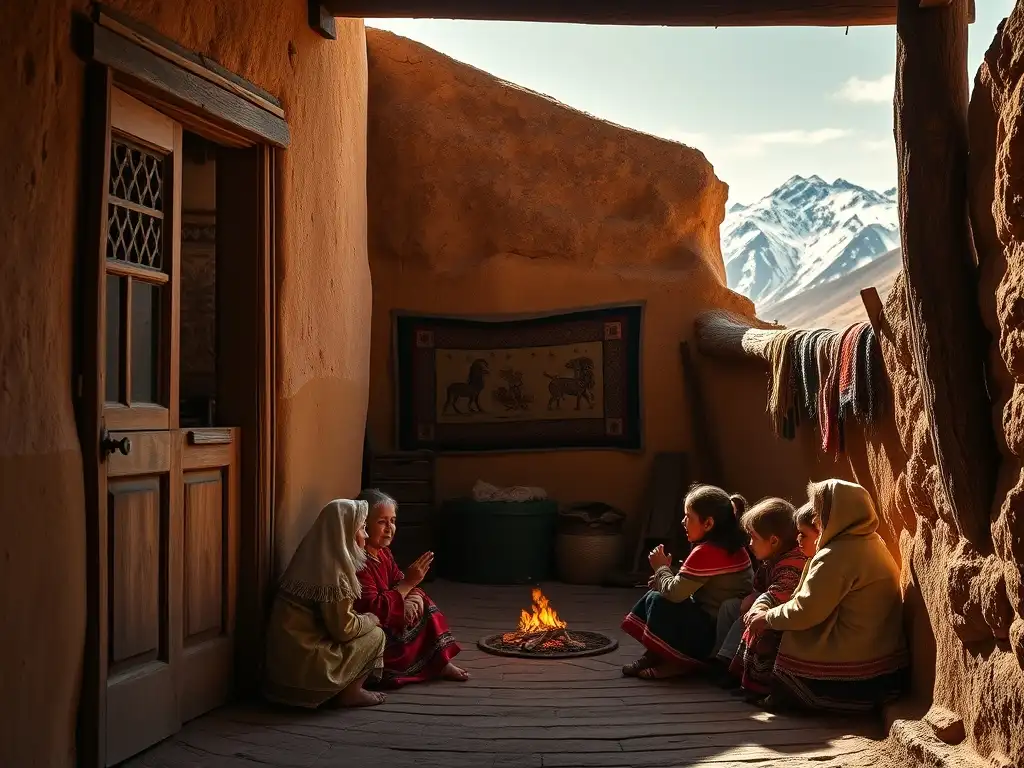
Aymara cultural values significantly influence their approach to education. The emphasis on community, respect for elders, and a deep connection to nature shapes the educational practices and priorities within Aymara communities. Education is not solely about acquiring academic knowledge but also about transmitting cultural values and traditions to the next generation. This holistic approach to education ensures that young people are not only academically proficient but also well-grounded in their cultural identity. The integration of traditional knowledge and practices into the educational system is crucial in ensuring that Aymara culture is not only preserved but also thrives.
Community-Based Learning: Collective Knowledge
Community-based learning plays a vital role in Aymara education. Knowledge is not solely confined to the classroom but is shared and transmitted through various community activities and interactions. Elders, who hold a wealth of traditional knowledge, play a central role in educating younger generations.
This informal learning process complements formal education, ensuring that children receive a comprehensive understanding of their culture and traditions. Community events, such as festivals and rituals, also serve as important learning opportunities, providing hands-on experiences and fostering a sense of shared cultural identity. This collective approach to learning emphasizes the importance of social interaction and collaboration, reflecting the strong community values prevalent in Aymara culture.
Respect for Nature: The Concept of Pachamama
The concept of Pachamama, Mother Earth, holds immense significance in Aymara culture and profoundly influences their approach to education. Respect for nature and environmental stewardship are central values, reflected in educational practices that emphasize a harmonious relationship between humans and the natural world. Education often incorporates traditional ecological knowledge, teaching sustainable practices and promoting environmental awareness. This approach ensures that young people develop a deep appreciation for their environment and understand their role in protecting it. The integration of Pachamama into educational practices helps to foster a sense of responsibility towards the environment and promotes sustainable development.
Aymara Traditions: Festivals and Rituals
Aymara festivals and rituals are not merely celebrations; they are integral components of their educational system. These events serve as valuable learning opportunities, transmitting traditional knowledge, skills, and values to younger generations. Participation in festivals and rituals provides hands-on experience in various aspects of Aymara culture, such as music, dance, weaving, and storytelling.
These events also foster a sense of community and shared identity, strengthening social bonds and reinforcing cultural values. The educational role of festivals and rituals is multifaceted, contributing to cultural preservation, social cohesion, and the transmission of traditional knowledge. They provide a dynamic and engaging learning environment that complements formal education, ensuring the continuity of Aymara cultural heritage.
Preserving Aymara Heritage Through Education
Aymara cultural education plays a vital role in preserving a rich and complex heritage. For centuries, knowledge transmission within Aymara communities relied heavily on oral traditions and practical demonstrations. This informal education system, while effective, faced challenges with the advent of globalization and the dominance of Spanish.
The implementation of formal Aymara language and cultural education programs, therefore, is crucial for safeguarding this invaluable legacy. These programs strive to not only teach the language but also impart a deep understanding of Aymara cosmology, social structures, artistic expressions, and traditional practices. The goal is to instill pride in Aymara identity and empower future generations to become active participants in the preservation of their cultural heritage.
This involves going beyond simple language acquisition and fostering a holistic understanding of the interconnectedness of language, culture, and identity. The success of these programs depends on the active involvement of Aymara communities, ensuring authenticity and relevance to their lived experiences.
Documenting: Oral Histories and Cultural Practices
The documentation of oral histories and cultural practices is paramount in Aymara cultural education. Many aspects of Aymara life, from traditional medicine and agricultural techniques to storytelling and musical traditions, have been passed down through generations orally. These narratives, often imbued with spiritual and cosmological significance, are at risk of being lost without concerted efforts to record and preserve them.
This involves working closely with Aymara elders and community members, respecting their knowledge and ensuring that the documentation process is culturally sensitive. This documentation can take many forms, including written transcripts, audio recordings, and video documentaries. The use of digital technologies allows for wider dissemination and accessibility, while ensuring that these valuable cultural resources remain accessible to future generations.
Furthermore, incorporating these documented materials into educational curricula ensures the continuity of Aymara traditions and knowledge. Careful consideration must be given to ethical considerations, including obtaining informed consent and ensuring that the documented materials are used responsibly and respectfully.
Technology: Utilizing Digital Resources
The integration of technology into Aymara cultural education offers exciting possibilities for knowledge preservation and dissemination. Digital platforms can facilitate the creation of interactive learning materials, including online dictionaries, language learning apps, and virtual museums showcasing Aymara art and artifacts. These resources can make Aymara cultural education more accessible to a wider audience, both within and beyond Aymara communities.
The use of digital storytelling allows for the preservation of oral traditions in a visually engaging and easily shareable format. Additionally, online platforms can connect Aymara speakers globally, fostering a sense of community and facilitating the exchange of knowledge and experiences. However, it's crucial to address the digital divide and ensure equitable access to technology and digital literacy training within Aymara communities.
Careful consideration must be given to developing culturally appropriate digital resources that are both engaging and effective in promoting Aymara language and cultural learning. The aim is to leverage technology to empower Aymara communities and enhance their ability to preserve and promote their heritage.
Future: Challenges and Opportunities for Aymara Education
The future of Aymara cultural education faces both challenges and opportunities. One significant challenge is the continued dominance of Spanish in education and public life. Overcoming this requires sustained efforts to promote Aymara language immersion programs and integrate Aymara language and culture into all aspects of the education system. Another challenge lies in securing adequate funding and resources for Aymara education initiatives.
This requires advocacy and collaboration between Aymara communities, government agencies, and international organizations. Despite these challenges, there are significant opportunities for growth and development. The increasing recognition of the importance of linguistic and cultural diversity provides a favorable context for promoting Aymara education.
Furthermore, the growing interest in indigenous knowledge systems offers a platform for highlighting the value and relevance of Aymara cultural practices. By embracing innovative approaches to education and fostering collaboration between different stakeholders, the future of Aymara cultural education appears promising. The key is to ensure that Aymara communities are at the forefront of shaping their own educational futures.
Supporting Aymara Education Initiatives
Supporting Aymara education initiatives requires a multifaceted approach involving various stakeholders. This includes governmental bodies, educational institutions, non-governmental organizations (NGOs), and, most importantly, Aymara communities themselves. Governmental support is crucial in providing funding for educational programs, teacher training, and the development of culturally relevant curriculum materials. Educational institutions have a role in incorporating Aymara language and culture into their curricula and offering specialized training for teachers.
NGOs can play a vital role in providing supplementary educational resources, community outreach programs, and advocacy for Aymara language rights. However, the most effective support comes from empowering Aymara communities to lead and manage their own educational initiatives. This involves providing them with the resources and autonomy to design and implement programs that reflect their specific needs and priorities.
Furthermore, fostering collaboration between these different actors is essential to ensure that Aymara education initiatives are sustainable and impactful. This collaborative approach ensures that resources are used effectively, and that the educational programs are responsive to the evolving needs of Aymara communities. Ultimately, the success of Aymara cultural education depends on the collective commitment of all stakeholders to preserving and promoting this rich cultural heritage.
- The Importance of Aymara Cultural Education
- Transmission of Aymara Knowledge: Traditional Methods
- Formal Education and the Aymara Language
- Aymara Cultural Values and Education
- Preserving Aymara Heritage Through Education
- Supporting Aymara Education Initiatives
- What is the Aymara culture's approach to education?
- How does Aymara cultural education differ from Western models?
- What role does storytelling play in Aymara cultural education?
- What are some examples of traditional Aymara crafts taught through education?
- How is Aymara cultural education being preserved in the modern world?
Frequently Asked Questions
What is the Aymara culture's approach to education?
Aymara education traditionally emphasizes oral transmission of knowledge, practical skills, and a deep connection to the Andean landscape. Knowledge is passed down through generations within families and communities.
How does Aymara cultural education differ from Western models?
Unlike Western systems focused on individual achievement, Aymara education prioritizes community learning and emphasizes a holistic understanding of the world, integrating spiritual and practical aspects. Collective well-being is central.
What role does storytelling play in Aymara cultural education?
Storytelling is crucial in transmitting history, values, and traditions. Narratives are used to teach moral lessons, explain natural phenomena, and preserve cultural memory across generations. Oral history is paramount.
What are some examples of traditional Aymara crafts taught through education?
Traditional crafts like textile weaving, pottery, and metalwork are essential parts of Aymara cultural education. These skills are passed down through apprenticeships and family instruction, maintaining cultural heritage.
How is Aymara cultural education being preserved in the modern world?
Efforts are underway to integrate Aymara language and traditions into formal education. Community-based initiatives and cultural centers play a vital role in preserving and promoting Aymara knowledge for future generations.
Final Reflection: Weaving the Threads of Aymara Heritage
The preservation of indigenous knowledge systems is not merely an academic pursuit; it is a vital act of cultural survival. The erosion of Aymara language and traditions poses a significant threat to the vibrant tapestry of Andean culture, impacting not only the Aymara people but also the global understanding of diverse perspectives and sustainable living practices. This article has highlighted the crucial role of education in countering this trend, emphasizing the need for innovative and culturally relevant pedagogical approaches.
The ongoing struggle to maintain Aymara cultural education is a testament to the resilience and determination of the Aymara community. Their commitment to passing down their rich heritage, despite facing systemic challenges, is truly inspiring. The language is the soul of a people,
a wise elder once said, and this rings profoundly true in the context of Aymara cultural preservation. The fight for linguistic and cultural survival is intrinsically linked to the fight for self-determination and the recognition of Aymara identity within a globalized world. This is a fight worth fighting, a legacy worth protecting.
Consider the impact of Aymara knowledge on your own life. Perhaps you've never encountered Aymara culture directly, but the principles of community, respect for nature, and sustainable living practices hold universal relevance. I urge you to reflect on the ways in which you can contribute to the preservation of diverse cultures, whether through supporting indigenous-led initiatives, learning about different traditions, or simply amplifying the voices of marginalized communities. Let us all work together to ensure that the rich tapestry of human experience continues to thrive for generations to come.
Empower Future Generations Through Aymara Knowledge!
Thank you for exploring the rich tapestry of Aymara education. Your interest in preserving and sharing this invaluable cultural heritage is vital. Let's work together to build on this inspiration and take concrete steps to support Aymara communities.
Here are some impactful ways you can contribute:
- Engage with local Aymara communities: Participate in workshops and discussions to learn directly from community leaders and educators about their traditions and teaching methods. Immerse yourself in their culture to gain a deeper understanding.
- Share your knowledge: Raise awareness about Aymara education and its importance in the modern world by creating engaging content for a blog or social media platform. Highlight the unique aspects of this rich culture.
- Support Aymara educational projects: Consider donating to organizations dedicated to preserving and promoting Aymara culture and language. Your contribution can directly impact the lives of Aymara people and help sustain their heritage.
How can you uniquely contribute to keeping Aymara knowledge alive for future generations? We welcome your ideas and suggestions.