
Aymara Economic Activities: Trade, Agriculture, and Craft Production

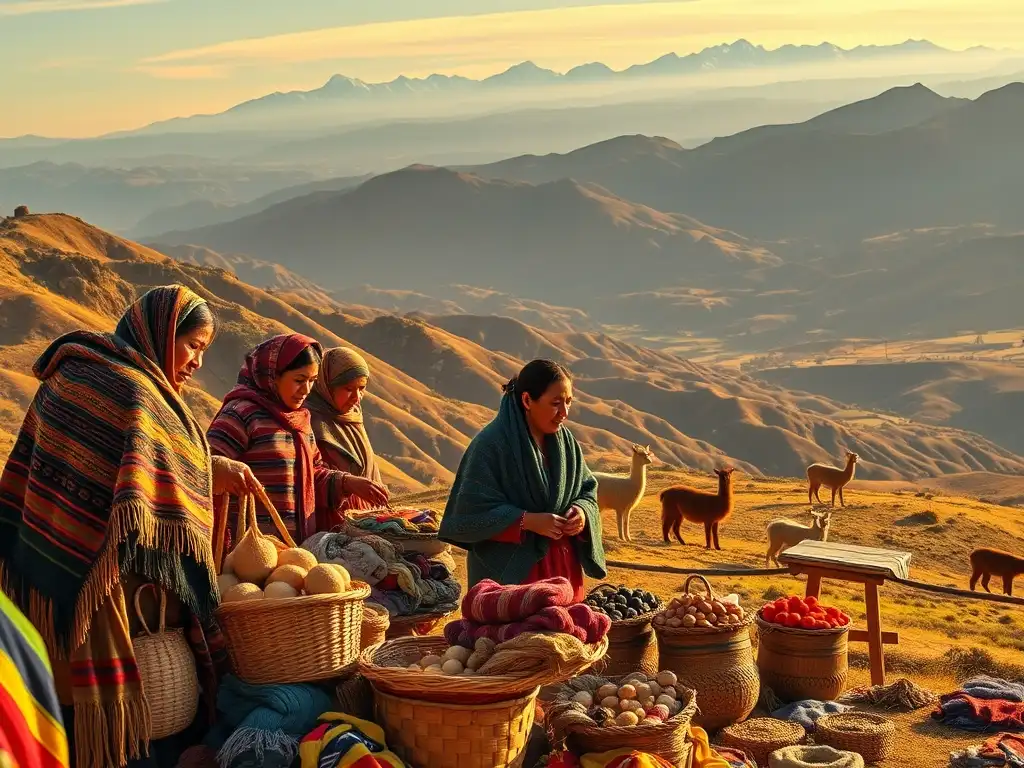
Step into a world lost to time, yet echoing with the ingenuity of the Andes. Prepare to unravel the mysteries of Aymara pre-Inca economic practices, a fascinating glimpse into the sophisticated systems that shaped these ancient societies. From intricate agricultural techniques to vibrant trade networks and unparalleled craft production, discover how the Aymara thrived long before the Inca Empire. Their story is one of resilience, innovation, and a legacy that continues to resonate today. Dive in and uncover the secrets of their remarkable achievements.
The Aymara people, inhabiting the Andean highlands for centuries, developed a complex and resilient economic system long before the Inca Empire's expansion. Understanding their pre-Inca economic practices offers crucial insight into their societal structures, resource management, and overall adaptation to the challenging Andean environment. This article delves into the key aspects of the Aymara economy, focusing on their sophisticated agricultural techniques, extensive trade networks, and highly skilled craft production.
By examining these elements, we can appreciate the ingenuity and resilience of the Aymara, highlighting their significant contributions to the rich tapestry of Andean civilization and providing a deeper understanding of the term "Aymara preInca economic practices". We will explore not only what they produced and traded, but also how they managed their resources and organized their economic activities within their social framework.
Introduction to Aymara Pre-Inca Economic Practices
Before the Inca conquest, the Aymara economy was characterized by a blend of agricultural production, extensive trade networks, and specialized craft production. Their economic activities were deeply intertwined with their social organization and spiritual beliefs. Unlike later Inca centralized control, Aymara communities often maintained a degree of autonomy in managing their resources and engaging in economic exchange. This decentralized system fostered a remarkable level of adaptability and resilience in the face of environmental challenges and external pressures.
The Aymara utilized diverse strategies for resource management, including sophisticated agricultural techniques, intricate irrigation systems, and efficient trading practices. Evidence suggests a strong emphasis on reciprocity and community cooperation in economic activities, reflecting the importance of social cohesion within Aymara society. This system, while preceding Inca influence, laid the groundwork for the later integration into the broader Andean economic landscape.
Aymara Agricultural Techniques and Production
The Aymara's economic success hinged heavily on their mastery of agriculture in a challenging high-altitude environment. Their ingenious techniques allowed them to maximize crop yields despite the limitations imposed by the thin, often poor quality soil and unpredictable weather patterns.
Traditional Aymara Farming Methods
Aymara farmers employed a variety of techniques to optimize their agricultural output. These included terracing steep slopes to create level planting areas, minimizing soil erosion and maximizing sunlight exposure. They also utilized raised fields ( suka kollus) in wetland areas, improving drainage and soil fertility. Crop rotation and intercropping were common practices, promoting soil health and diversification of food sources. The use of animal manure as fertilizer further enhanced soil productivity. These methods demonstrate a deep understanding of ecological principles and a commitment to sustainable land management.
Andean Crops Cultivated by the Aymara
The Aymara cultivated a diverse range of Andean crops adapted to the high-altitude environment. Potatoes, quinoa, and amaranth were staples, providing essential carbohydrates and nutrients. Other important crops included beans, squash, and various tubers. The cultivation of these crops provided sustenance for the Aymara population and formed the basis of their economic activities. The diversity of crops ensured food security and resilience against crop failure. [Specific data on crop yields and distribution pending]
Importance of Agriculture in Aymara Society
Agriculture was not merely a means of subsistence but a central pillar of Aymara society. It shaped their social organization, religious beliefs, and economic interactions. Agricultural success determined the prosperity of communities and influenced their social standing. Access to land and water resources was crucial, and their management was often subject to complex social regulations and customary laws. Agricultural surpluses played a vital role in facilitating trade and exchange networks.
Land Management and Irrigation Systems
Effective land management and irrigation systems were crucial for the success of Aymara agriculture. The construction and maintenance of irrigation canals and terraces required considerable community effort and cooperation, highlighting the importance of collective action in their economic system. These systems not only provided water for crops but also played a significant role in shaping the landscape and influencing the settlement patterns of Aymara communities. The ingenuity of their water management systems is a testament to their understanding of hydraulic engineering and their ability to adapt to the challenging environmental conditions.
The development of these systems required careful planning and coordination, reflecting the sophisticated social organization of Aymara communities. The intricate network of canals and terraces was a testament to their engineering skills and their ability to harness the scarce water resources effectively. This efficient system ensured the productivity of their agricultural lands and contributed significantly to their economic well-being.
Trade and Exchange Networks in Aymara Society
The Aymara, long before Inca influence, developed sophisticated trade and exchange networks crucial to their economic survival and social structure. Their economic practices, often overlooked in favor of Inca-centric narratives, reveal a complex system of resource management and inter-group relations. Understanding these pre-Inca Aymara economic practices sheds light on their resilience and adaptability in the challenging Andean environment.
The integration of diverse ecological zones within their territories necessitated robust trade networks to access essential resources unavailable locally. This intricate system went beyond simple bartering; it fostered social connections and political alliances, shaping the very fabric of Aymara society. The scale and reach of this trade, though not fully documented due to limitations in surviving archaeological evidence, were undoubtedly significant, influencing their cultural development and societal organization.
Pre-Inca Aymara Trade Routes
While precise maps of pre-Inca Aymara trade routes are unavailable, archaeological findings suggest a network connecting different ecological zones. The Aymara inhabited diverse environments, from high-altitude plains to valleys and lower slopes. This necessitated the movement of goods between these regions. Evidence suggests that trails and pathways, likely adapted from existing animal trails, were used to transport goods across varying terrains.
These routes likely followed natural features like rivers and mountain passes, maximizing efficiency and minimizing risk. The absence of extensive paved roads, characteristic of later Inca infrastructure, does not imply an inefficient system. Rather, it reflects a different approach to trade, one likely more adaptable to the needs of smaller, localized communities. Further research focusing on archaeological surveying and analysis of artifacts is needed to better define these routes and their significance.
Barter Systems and Marketplaces
The primary exchange system among the pre-Inca Aymara appears to have been a form of barter, where goods and services were directly exchanged without the use of a standardized currency. However, the notion of a purely simple barter system is likely an oversimplification. Archaeological evidence suggests the presence of specialized marketplaces or gathering points where exchange activities occurred.
These locales may have facilitated not only the exchange of goods but also social interaction and the dissemination of information. The absence of written records makes understanding the complexity of these transactions challenging, but it is reasonable to assume that intricate systems of value assessment and negotiation existed, reflecting a sophisticated understanding of economic principles. Further investigation could reveal the organizational structure of these marketplaces and their role in social life.
Key Traded Goods and Commodities
The goods traded by the pre-Inca Aymara varied based on the ecological zones involved. High-altitude regions likely produced textiles from alpaca and llama wool, which were traded for agricultural products from lower altitudes. Pottery, tools, and other crafted items also constituted significant trade goods.
Agricultural products, such as maize, potatoes, and quinoa, were essential commodities, their exchange vital for maintaining food security across diverse environments. The precise quantities and types of goods traded remain a subject of ongoing research, but the diversity of artifacts found at archaeological sites points to a robust and multifaceted exchange system. Analyzing the distribution patterns of these artifacts can provide further insights into the economic relationships between different Aymara communities.
Economic Interactions with Neighboring Groups
The Aymara's economic activities were not isolated; they engaged in trade and exchange with neighboring groups, including other Andean cultures. These interactions contributed to the diffusion of ideas, technologies, and goods, enriching the Aymara culture and economy. The extent and nature of these interactions remain a topic of ongoing study, but evidence suggests that trade networks extended beyond the immediate Aymara territories.
Analyzing the stylistic similarities and differences in artifacts found across different regions can help determine the nature and intensity of these economic connections. The presence of exotic materials in Aymara sites suggests long-distance trade relationships, highlighting the integration of the Aymara into a wider Andean economic network.
Aymara Craft Production: Skills and Industries
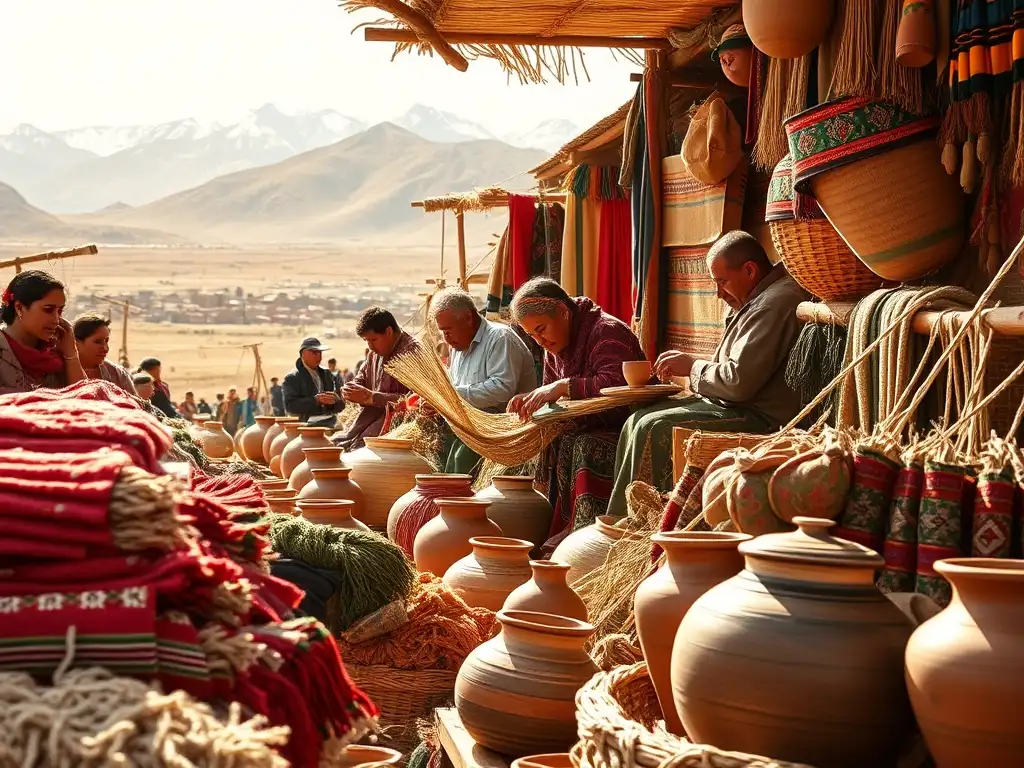
Pre-Inca Aymara society demonstrated remarkable skill and innovation in various craft industries, contributing significantly to their economic and social well-being. These crafts were not merely decorative; they served practical purposes, reflecting both the technological sophistication and artistic sensibilities of the Aymara people. The production and exchange of these goods played a vital role in their economic systems, shaping social structures and contributing to their cultural identity.
Textile Production and Weaving
Textile production, particularly weaving, was a highly developed craft among the Aymara. Alpaca and llama wool were the primary materials, and the intricate weaving techniques produced textiles of exceptional quality and durability. These textiles served various purposes, from clothing and blankets to ritual objects and decorative items. The complexity of the designs and the precision of the weaving suggest a high level of skill and specialization. The production of textiles was likely a significant economic activity, with specialized weavers potentially holding respected positions within their communities.
Pottery and Ceramic Techniques
Pottery and ceramic production was another crucial aspect of Aymara craft production. The Aymara created a wide variety of pottery forms, from utilitarian vessels for storage and cooking to elaborate ceremonial pieces. The techniques employed, such as coil building and wheel throwing (depending on the period and region), demonstrate a high level of technical expertise. The designs and decorations on the pottery often reflected the cultural and religious beliefs of the Aymara people. The production and trade of pottery were important economic activities, contributing to the economic prosperity of the communities involved.
Metalworking and Jewelry Making
While perhaps not as prominent as textiles and pottery, metalworking and jewelry making also played a significant role in Aymara craft production. Metals such as copper, bronze, and gold were used to create tools, weapons, and decorative items. The techniques employed in metalworking were sophisticated, demonstrating a high level of technical skill and artistry. The production of jewelry, particularly gold and silver ornaments, likely held significant social and religious importance. While the scale of metalworking might have been smaller compared to other crafts, its contribution to the Aymara economy and social status should not be underestimated.
The Role of Crafts in Aymara Economy
Aymara craft production played a multifaceted role in their economy. It provided essential goods for daily life, contributed to inter-community trade, and generated wealth and social status. The skills and knowledge required for these crafts were likely passed down through generations, contributing to the continuity of Aymara culture and identity.
The economic significance of these crafts highlights the importance of understanding them within the broader context of Aymara economic practices and social organization. Further research into the organization of craft production, the social roles of artisans, and the economic value of different crafts is crucial for a more complete picture of Aymara pre-Inca life.
The Interplay of Agriculture, Trade, and Crafts in Aymara Economy
The Aymara economy, prior to Inca influence, was a complex interplay of agriculture, trade, and craft production, deeply intertwined and mutually supportive. Agricultural surpluses, the cornerstone of the economy, fueled both trade and the development of specialized crafts. The availability of surplus agricultural products allowed individuals to specialize in non-agricultural pursuits, leading to a more diversified and robust economy. This intricate relationship ensured economic resilience and adaptability in the face of environmental challenges and fluctuating market demands.
For example, successful harvests of potatoes and quinoa, staple crops of the Aymara, directly translated into increased trading opportunities and the capacity to commission intricate textile work or metalwork from specialized artisans. This system fostered a strong sense of community interdependence and economic stability. The success of one sector directly influenced the prosperity of the others, creating a positive feedback loop that contributed to the overall economic health of Aymara communities.
How Agriculture Supported Other Economic Activities
Agriculture was fundamental to the Aymara economy, providing not only sustenance but also the foundation for trade and craft production. Surplus agricultural goods, such as potatoes, quinoa, maize, and beans, formed the basis of bartering systems. These surpluses were traded for essential goods not readily available locally, like salt, obsidian, or specialized tools.
The abundance of food also freed up a portion of the population to dedicate their time to crafting activities, including textile production, pottery, and metalworking. The scale of agricultural production directly influenced the volume and variety of goods available for trade and the level of craft specialization possible. Larger harvests meant more surplus to trade and more resources to support skilled artisans.
Furthermore, agricultural practices themselves, such as terracing and irrigation, required specialized tools and knowledge, driving innovation and development within the craft sector. The intricate relationship between agriculture and other sectors highlights the integrated and sophisticated nature of the Aymara economic system.
The Impact of Trade on Aymara Society
Trade played a crucial role in shaping Aymara society, facilitating the exchange of goods and ideas across vast distances. The Aymara established extensive trade networks, exchanging agricultural products, textiles, and crafted objects with neighboring communities. This exchange wasn't merely economic; it fostered social connections, cultural diffusion, and the dissemination of technological innovations.
The movement of goods also facilitated the spread of religious beliefs and practices, contributing to the rich tapestry of Aymara culture. The successful implementation of sophisticated trade networks required robust social structures, including established trade routes, systems for regulating exchange, and potentially even early forms of currency or standardized units of exchange (although specific details on this are still being researched).
This, in turn, strengthened social bonds and fostered political alliances, consolidating the power and influence of participating communities. The importance of trade is evident in the archaeological record, with the discovery of numerous trade routes and the presence of exotic goods in Aymara settlements.
The Economic Significance of Craft Specialization
Craft specialization was a significant feature of the Aymara economy, reflecting a high level of skill and organization. Artisans developed expertise in various crafts, including weaving, pottery, metalworking, and stone carving. The production of high-quality textiles, known for their intricate designs and vibrant colors, was particularly important.
These textiles served both practical and ceremonial purposes, highlighting the integration of craft production into the social and religious fabric of Aymara life. The economic significance of craft specialization is evident in the high value placed on these handcrafted goods, both within Aymara communities and in trade networks. The specialization allowed for the production of sophisticated items that served as symbols of status, wealth, and religious significance.
This contributed to a more complex and stratified social structure, with artisans occupying a specialized and often respected role within society. The level of sophistication in Aymara crafts suggests a system of apprenticeship and knowledge transmission across generations.
The Aymara Pre-Inca economic system and its resilience
The Aymara pre-Inca economic system demonstrated remarkable resilience in the face of environmental challenges and social changes. Its foundation in diversified agriculture, coupled with robust trade networks and specialized craft production, provided a buffer against fluctuations in resource availability and external pressures. The adaptation of agricultural techniques to the high-altitude environment, such as terracing and irrigation, further enhanced the system's resilience. This integrated and adaptable economy allowed Aymara communities to thrive for centuries, demonstrating their ingenuity and economic prowess.
The ability to maintain economic stability despite environmental variations and external influences showcases a deep understanding of their environment and a sophisticated capacity for economic adaptation. Further research is needed to fully elucidate the complexities of their economic strategies and their remarkable longevity. The system's resilience ultimately contributed to the cultural continuity of the Aymara people.
Conclusion: Legacy of Aymara Economic Practices
The Aymara pre-Inca economic practices represent a sophisticated and resilient system, characterized by the close integration of agriculture, trade, and craft production. This intricate interplay not only ensured economic stability but also shaped Aymara society, fostering social connections, cultural exchange, and specialized skills. The legacy of these practices continues to inform our understanding of Andean economic history and highlights the ingenuity and adaptability of the Aymara people.
Further research into Aymara economic systems can provide valuable insights into sustainable economic models and community-based development strategies. The study of their pre-Inca economic practices offers a valuable case study in resource management, social organization, and economic resilience, particularly relevant in the context of modern challenges to sustainable development.
- Introduction to Aymara Pre-Inca Economic Practices
- Aymara Agricultural Techniques and Production
- Trade and Exchange Networks in Aymara Society
- Aymara Craft Production: Skills and Industries
- The Interplay of Agriculture, Trade, and Crafts in Aymara Economy
- Conclusion: Legacy of Aymara Economic Practices
- What were the primary economic activities of the Aymara people before the Inca Empire?
- How did the Aymara manage their agricultural resources before Inca rule?
- What types of crafts were produced by the Aymara pre-Inca?
- What role did trade play in the Aymara pre-Inca economy?
- How did the Aymara’s economic practices differ from those of other pre-Inca Andean groups?
Frequently Asked Questions
What were the primary economic activities of the Aymara people before the Inca Empire?
The Aymara practiced a diverse economy based on intensive agriculture, particularly potatoes and quinoa, supplemented by herding of llamas and alpacas, and skilled craft production for local and regional exchange.
How did the Aymara manage their agricultural resources before Inca rule?
Aymara agricultural practices involved terracing and irrigation systems to maximize yields in challenging Andean terrains, demonstrating sophisticated resource management techniques. They also practiced crop rotation and other sustainable farming methods.
What types of crafts were produced by the Aymara pre-Inca?
Aymara artisans were known for their textiles, particularly complex weaving techniques, and the production of pottery, metalwork, and stone tools. These crafts were essential for both subsistence and trade.
What role did trade play in the Aymara pre-Inca economy?
Trade was crucial for the Aymara, facilitating the exchange of goods and raw materials within their communities and with neighboring groups. Specialized products were traded for items not readily available locally, fostering economic interdependence.
How did the Aymara’s economic practices differ from those of other pre-Inca Andean groups?
While sharing some similarities with other Andean groups, Aymara practices showcased a strong emphasis on high-altitude agriculture and specialized craft production, reflecting their unique adaptation to the Altiplano environment. Their complex social organization also impacted their economic systems.
Final Reflection: Weaving the Threads of Aymara Resilience
The intricate economic tapestry woven by the Aymara people before the Inca Empire continues to resonate today, offering invaluable lessons in sustainability, community, and resource management. Their sophisticated systems of trade, agriculture, and craft production, far from being relics of the past, provide a powerful counterpoint to modern, often unsustainable, economic models. Understanding their practices offers a crucial perspective on building more equitable and resilient futures.
The enduring legacy of Aymara economic ingenuity is profoundly moving. Their ability to thrive in challenging Andean environments, utilizing innovative techniques and fostering strong community bonds, stands as a testament to human adaptability and resourcefulness. The land is not merely something to be exploited, but a sacred entity to be nurtured and respected.
This sentiment, though not directly quoted from a pre-Inca Aymara source, encapsulates the spirit of their deep connection to the land and its resources, a connection that modern societies could benefit from re-examining.
Consider the ingenuity of their agricultural practices, the intricate systems of bartering and trade, and the artistry embedded in their craft production. These weren't simply economic activities; they were expressions of cultural identity, social cohesion, and a profound respect for the natural world. You, the reader, are now equipped with a deeper understanding of this rich history. How can you apply these principles of sustainability, community, and respect for resources in your own life? What changes, big or small, can you make to contribute to a more equitable and environmentally conscious future?
Embrace the Aymara Heritage: Engage and Explore!
Thank you for exploring the rich and vibrant world of Aymara economic activities. We hope you gained valuable insights into their unique trading practices, agricultural innovations, and exquisite crafts. Now, let's put that inspiration into action.
Here's how you can connect more deeply with Aymara culture and contribute to its preservation:
- **Explore Local Markets:** Support local markets featuring Aymara crafts and produce. Your purchases directly support the preservation of their traditional livelihoods.
- **Share Your Knowledge:** Share your newfound knowledge with friends, family, and on social media. Increase awareness of the Aymara community and their economic practices.
- **Get Involved:** Participate in community workshops that teach traditional Aymara crafts or agricultural techniques. Experience their heritage firsthand!
Ready to become a part of this vibrant cultural tapestry? Which Aymara tradition most interests you? Share your thoughts below!