Andean Languages

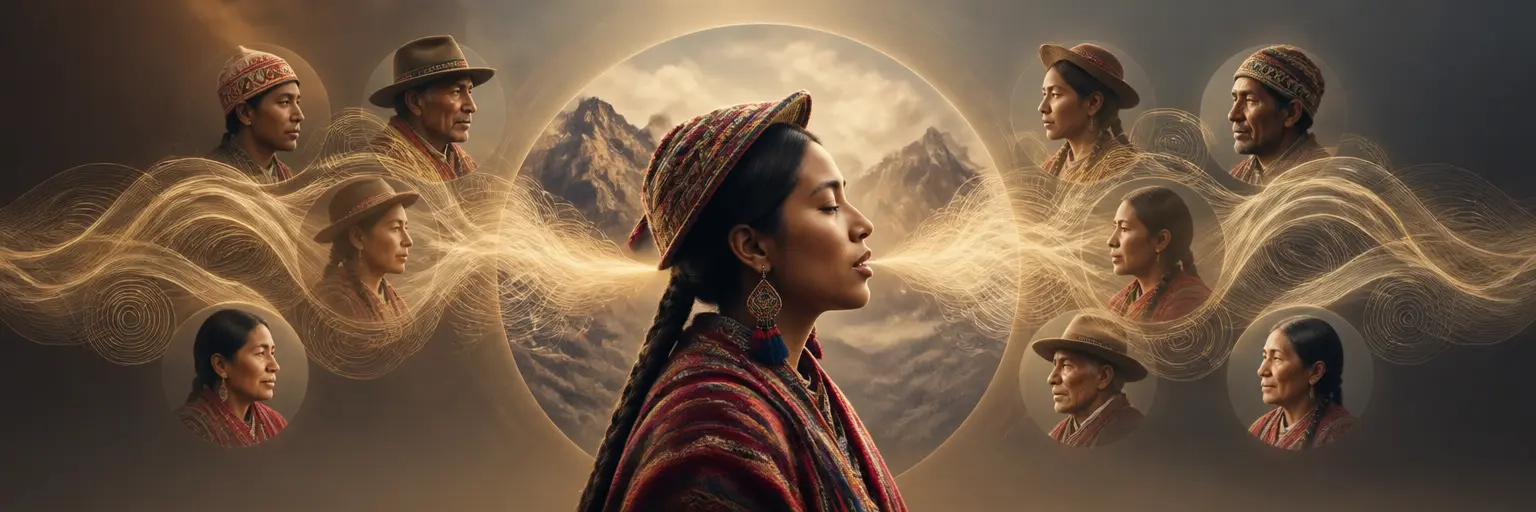
Explore the linguistic heritage of the Andes through Andean languages, living traditions that preserve the history, identity, and worldview of ancient civilizations. Discover how Quechua and Aymara evolved across generations, how oral tradition safeguarded myths and cultural knowledge, and why these languages remain essential to understanding Inca, Moche, Nazca, and Tiahuanaco heritage. 🏔️📜 Embrace the voices, stories, and enduring cultural legacy of the Andean peoples.

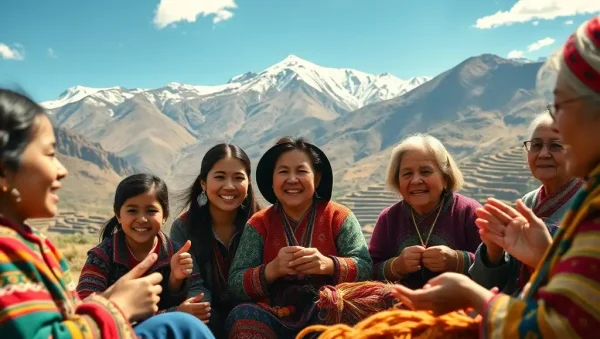
Andean Languages offer a powerful pathway into the history, identity, and cultural achievements of the ancient Andes. From the expansive Quechua-speaking world of the Inca Empire to the enduring Aymara communities around Lake Titicaca, language preserved historical memory, religious beliefs, social values, and practical knowledge across generations.
On Andean Civilizations, this category explores the development of Andean languages and their essential connection to Indigenous culture. Discover how oral tradition, Quechua, and Aymara illuminate the societies of the Inca, Moche, Nazca, and Tiahuanaco civilizations, while revealing how language continues to shape cultural identity in Peru, Bolivia, Ecuador, Chile, Argentina, and Colombia.
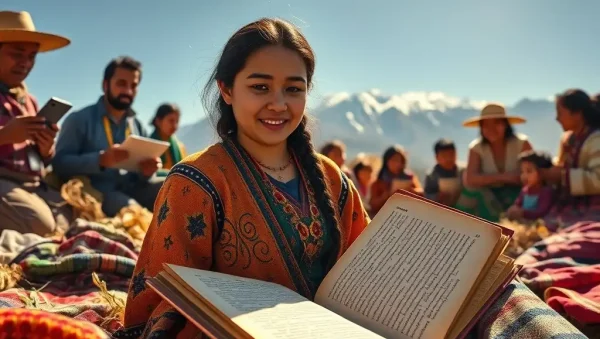
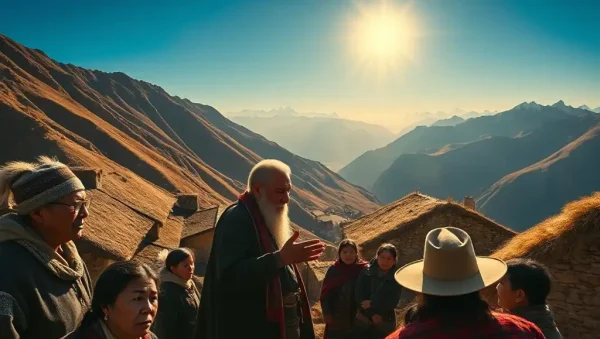
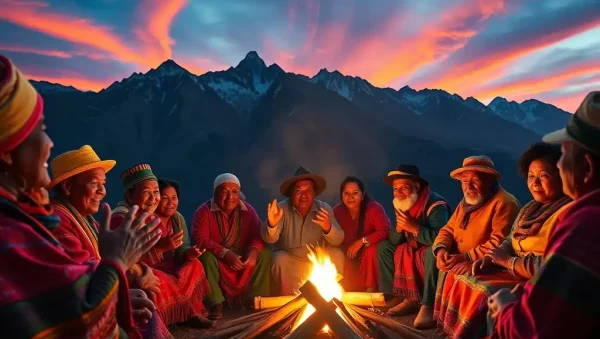
Explore how oral tradition preserved the history and worldview of Andean societies before and alongside written colonial records. Through myths, legends, songs, prayers, genealogies, and ceremonial speeches, communities transmitted knowledge about origins, ancestors, sacred landscapes, agriculture, astronomy, and social responsibilities.
This section explains why storytelling was more than entertainment in the ancient Andes. Readers can learn how oral historians and community elders safeguarded collective memory, how narratives supported political authority, and why oral sources remain essential for interpreting Inca history and Indigenous perspectives today.
Discover the history and evolution of Quechua, one of the most widely spoken Indigenous language families in South America. This section examines Quechua’s regional diversity, its expansion through the Andes, and its important role in administration, trade, religion, and communication during the Inca Empire.
Readers can also learn how Quechua changed after the Spanish conquest and how it continues to thrive in modern Peru, Bolivia, Ecuador, Colombia, Argentina, and Chile. Topics include Quechua dialects, cultural vocabulary, language preservation, Indigenous identity, and the continuing influence of Quechua on Andean traditions.
Explore the history of Aymara, an ancient Andean language with deep cultural ties to the Altiplano and the Lake Titicaca region. Learn how Aymara-speaking communities contributed to the social, agricultural, spiritual, and political development of the Andes, including traditions associated with the Tiahuanaco civilization and later Andean societies.
This section highlights Aymara beliefs, community organization, oral heritage, and relationship with the natural world. It also examines the language’s modern importance in Bolivia, Peru, and Chile, showing how Aymara remains a vital expression of Indigenous identity, cultural continuity, and ancestral knowledge.
The best-known Andean languages include Quechua and Aymara. Numerous related languages and local varieties have also been spoken throughout the Andes, reflecting the region’s exceptional cultural and linguistic diversity.
Oral tradition preserved historical events, religious beliefs, genealogies, agricultural knowledge, and community laws. In societies where written alphabets were not used in the same way as in Europe, memory, storytelling, ritual, and performance played a central role in transmitting knowledge.
No. Quechua existed before the rise of the Inca Empire. The Incas expanded its use across much of their territory, using it as an important language of administration and communication while many regional languages continued to survive.
Aymara is spoken primarily in Bolivia, southern Peru, and northern Chile, especially in communities around the Altiplano and Lake Titicaca. It remains an important language of daily life, cultural expression, ceremony, and Indigenous identity.
Studying Andean languages provides deeper insight into the history, worldview, and achievements of Indigenous civilizations. It also supports cultural preservation, linguistic diversity, and respect for living Andean communities whose languages continue to shape South American heritage.