Andean Languages

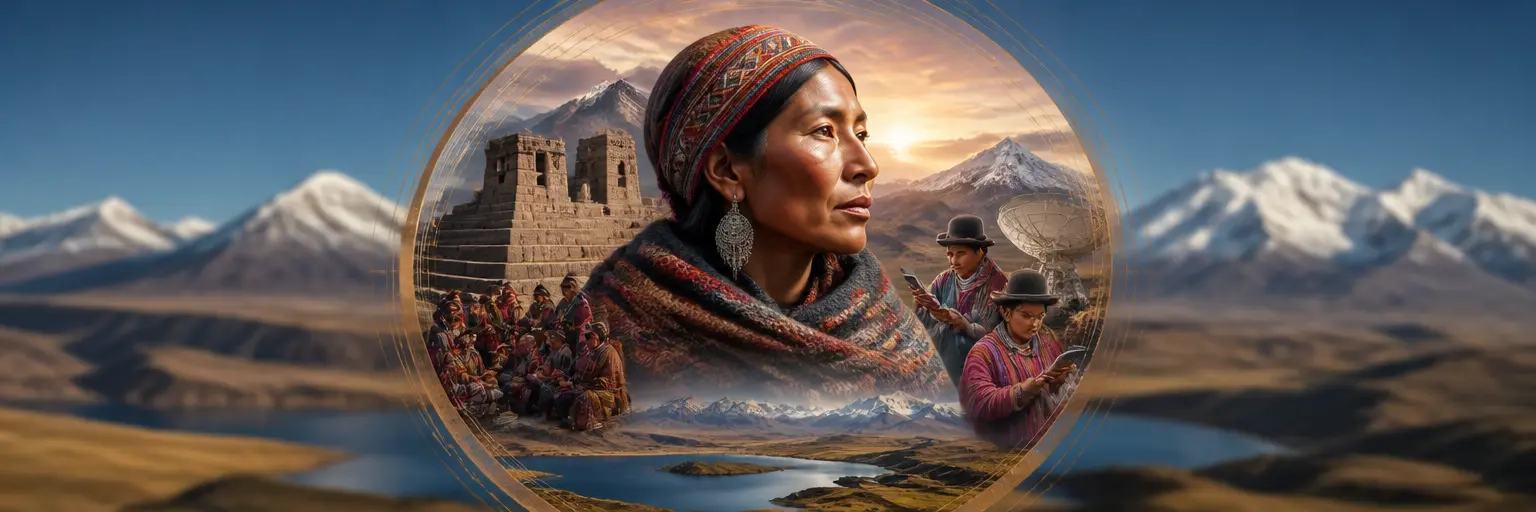
Discover the enduring legacy of the Aymara people through their fascinating history, language, traditions, and cultural significance in the Andes. 🏔️ Explore how Aymara communities shaped Andean civilizations, preserved ancestral knowledge, and continue to influence art, identity, agriculture, and spirituality across Bolivia, Peru, and Chile. 🌎 Learn about their connection to Tiahuanaco, vibrant customs, and living heritage in this engaging journey through Aymara history and culture.
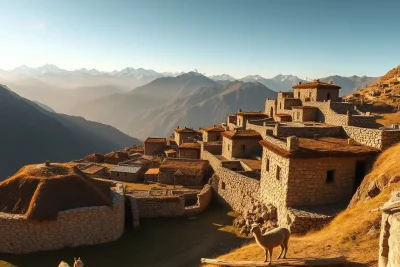
Discover the history, language, and cultural significance of the Aymara people, one of the oldest Indigenous communities of the Andes. This section of Andean Civilizations explores Aymara heritage across the highlands of Bolivia, Peru, and Chile, highlighting the enduring importance of the Aymara language, ancestral traditions, community life, spirituality, art, agriculture, and political history. Readers can learn how Aymara society developed around the Lake Titicaca region and how its cultural identity continues to shape the modern Andes.
Explore the early history of the Aymara people and their connection to the Altiplano, Lake Titicaca, and the wider Andean world. Articles examine the development of Aymara-speaking communities, regional kingdoms, agricultural settlements, and relationships with major civilizations such as Tiwanaku and the Inca Empire. This historical perspective helps explain the political, economic, and cultural importance of Aymara societies before European colonization.
Readers can also learn about the transformation of Aymara life during Spanish conquest and colonial rule. Topics may include Indigenous resistance, forced labor systems, Christianization, land ownership, and the preservation of community authority. By following these historical changes, visitors gain a deeper understanding of how Aymara identity survived and adapted through centuries of political and social pressure.
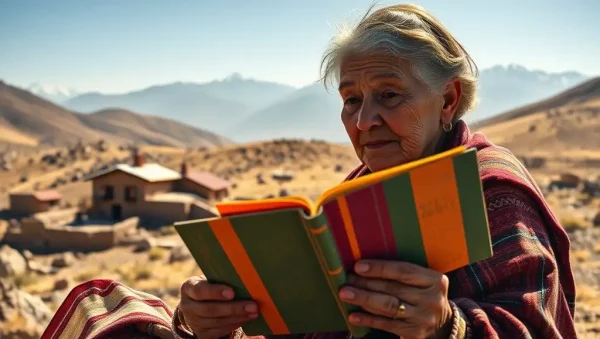
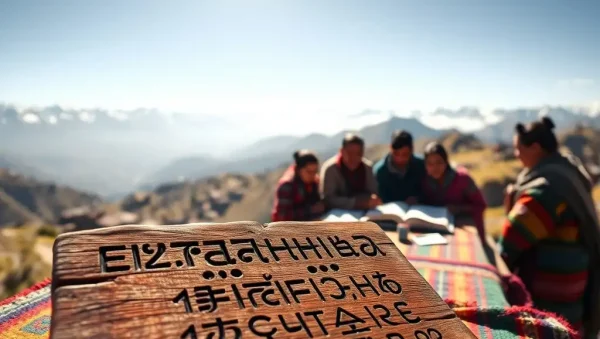
Learn about Aymara, a major Indigenous language of the Andes and an essential part of Aymara identity. This subcategory explores Aymara vocabulary, oral traditions, regional varieties, grammar, storytelling, and the relationship between language and the Andean environment. Special attention is given to how Aymara expresses concepts of community, reciprocity, time, nature, and ancestral knowledge.
Content also examines the current status of the Aymara language in Bolivia, Peru, and Chile, including language revitalization, bilingual education, literature, and digital communication. Readers interested in Andean languages can discover why protecting Aymara is important for preserving Indigenous history, traditional ecological knowledge, and the cultural memory of the highland communities.
Discover how Aymara communities have traditionally organized family life, agriculture, pastoralism, trade, and local leadership. Articles explore the importance of the ayllu, a community-based social structure associated with cooperation, shared responsibilities, kinship, and reciprocal labor. These traditions reveal how Aymara society developed practical systems for living in the challenging environments of the Andean highlands.
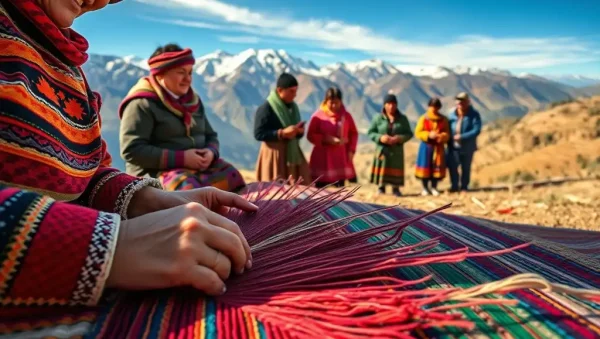
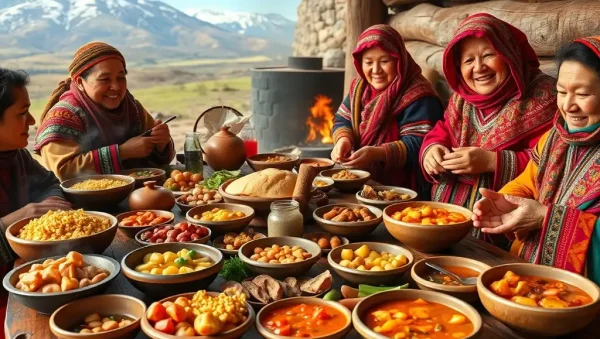
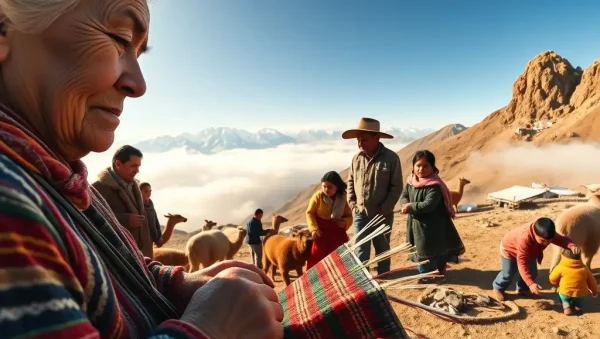
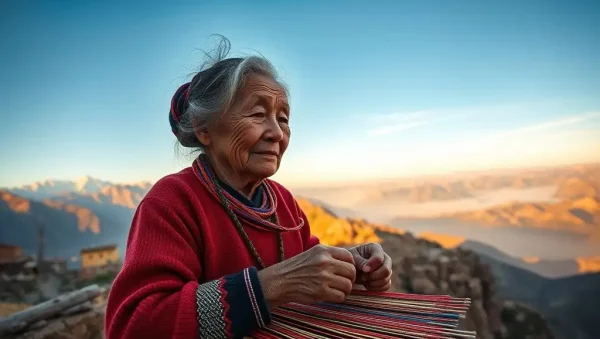
Readers can expect information about farming potatoes, quinoa, and other high-altitude crops, as well as llama and alpaca herding. The section also considers traditional clothing, weaving, marketplaces, music, dance, foodways, and seasonal celebrations. Together, these subjects show how everyday Aymara culture connects economic life with family, territory, community, and spiritual values.
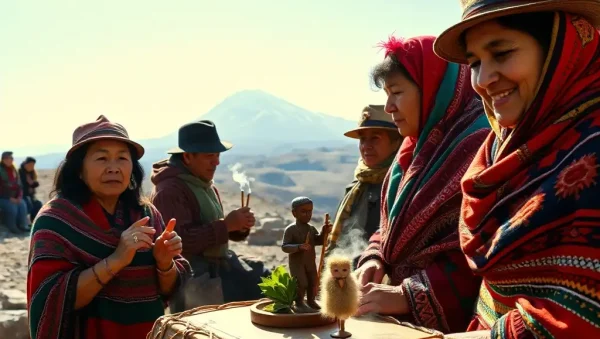
Explore the spiritual traditions that shape Aymara relationships with mountains, lakes, fields, animals, ancestors, and the earth. Aymara cosmology places strong emphasis on Pachamama, or Mother Earth, along with sacred landscapes and protective spiritual forces. Articles explain how offerings, ceremonies, agricultural rituals, and community festivals reflect ideas of balance, respect, and reciprocity.
This section also examines the interaction between ancient Andean beliefs and Catholic practices introduced during the colonial period. Readers can learn how Aymara communities have maintained distinctive forms of religious expression through syncretic celebrations, pilgrimage, dance, music, and ritual objects. These traditions demonstrate the resilience and creativity of Aymara cultural identity.
Discover the artistic traditions that communicate Aymara history, identity, and worldview. Aymara textiles, embroidery, pottery, masks, jewelry, and clothing often feature colors, patterns, and symbols connected to community belonging and the Andean landscape. Detailed articles explain how traditional crafts are created and how artistic knowledge is transmitted between generations.
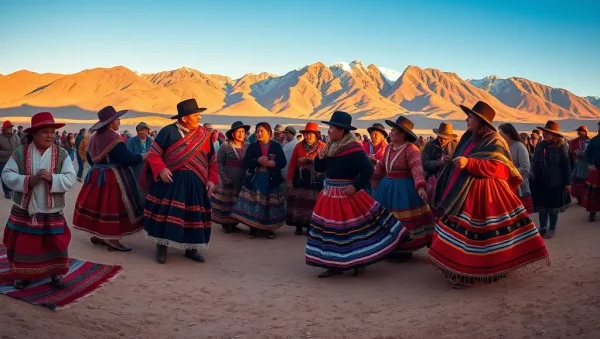
Music and dance are equally important forms of cultural expression. Readers can explore instruments such as panpipes and drums, along with festivals, processions, ceremonial dances, and contemporary performances. These subjects reveal how Aymara art remains both a link to ancestral traditions and a living expression of modern Indigenous pride.
Learn how Aymara communities have defended land, language, political rights, and cultural autonomy from the colonial period to the present. This section addresses Indigenous resistance, social movements, community organizations, and the role of Aymara leaders in shaping national debates in Bolivia, Peru, and Chile. Historical context helps readers understand the continuing significance of Aymara political participation.
Modern Aymara identity is also expressed through education, literature, film, radio, activism, migration, and cultural revitalization. By examining these developments, readers can see how Aymara people preserve ancestral knowledge while engaging with contemporary society. The result is a dynamic portrait of a culture that is living, evolving, and deeply connected to the ancient Andes.
The Aymara traditionally live in the Andean highlands of Bolivia, Peru, and northern Chile, especially around the Lake Titicaca basin and the Altiplano. Aymara communities also live in major cities and migrant communities throughout the region.
Yes. Aymara is still spoken by millions of people, particularly in Bolivia and Peru, with additional speakers in Chile and diaspora communities. Efforts in bilingual education, publishing, media, and cultural programs support the preservation and revitalization of the language.
The Tiwanaku civilization developed near Lake Titicaca and strongly influenced the cultural history of the central Andes. Although the exact relationship between Tiwanaku and later Aymara-speaking populations is complex, Aymara communities inherited and preserved many traditions connected to the region’s agricultural, religious, and architectural heritage.
Pachamama represents Mother Earth and is associated with fertility, agriculture, nourishment, and the balance of life. Aymara ceremonies and offerings to Pachamama express gratitude and reinforce the principle of ayni, or mutual reciprocity between people, nature, and the spiritual world.
Aymara culture is essential to understanding the history of the central Andes because it preserves distinctive Indigenous language, community traditions, agricultural knowledge, spiritual practices, art, and political memory. Its continuity demonstrates the lasting influence and resilience of ancient Andean civilizations.