
Aymara Rituals and Ceremonies: Sacred Practices of an Ancient Culture

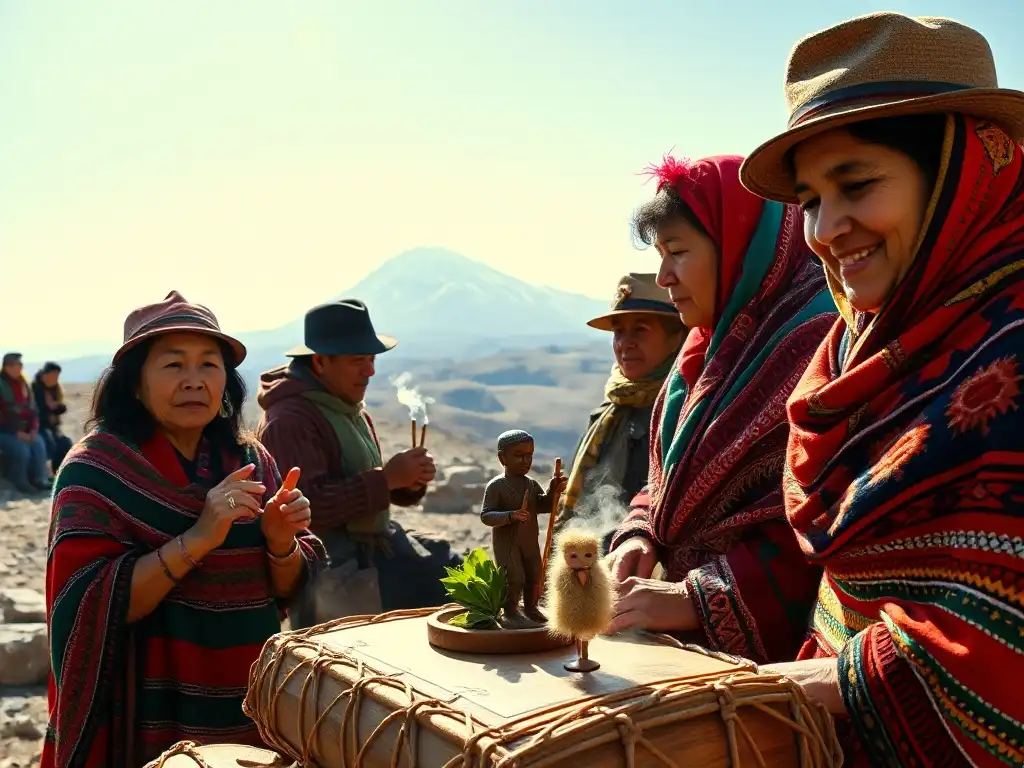
Step into a world lost to time, yet echoing with vibrant life. The Andean Civilizations website unveils the mysteries of a remarkable past, from the intricate artistry of the Nazca lines to the sophisticated engineering of the Incas. But what secrets do the Aymara people still hold? Uncover the profound meaning behind their rituals and ceremonies, a window into a spiritual heritage that continues to shape their world today. Prepare to be amazed as we delve into their sacred practices.
The Aymara people, inhabiting the Andean highlands of Bolivia, Peru, and Chile, possess a rich and vibrant cultural heritage deeply rooted in their unique spiritual beliefs and practices. Their rituals and ceremonies, passed down through generations, offer a captivating glimpse into a worldview shaped by the majestic landscape and the profound connection to the Pachamama (Mother Earth).
This article delves into the intricacies of Aymara rituals and ceremonies, exploring their meanings and significance within the context of their ancient and enduring culture. We will uncover the core tenets of Aymara spirituality and examine specific rituals, revealing the profound ways in which these practices shape their lives, community, and relationship with the natural world.
Understanding Aymara rituals provides invaluable insight into the resilience and enduring cultural identity of this remarkable Andean civilization, offering a compelling narrative that goes beyond mere observation to reveal the very essence of their spiritual life. This exploration aims to provide a comprehensive understanding of the "Aymara rituals and ceremonies meaning," enriching our appreciation for this fascinating and significant culture.
Understanding the Core of Aymara Spirituality
Aymara spirituality is deeply intertwined with the natural world. The Pachamama, or Mother Earth, is not merely a geographical entity but a living, breathing force, revered as the source of life and sustenance. This reverence extends to all aspects of the natural environment – mountains, rivers, lakes, and even specific plants and animals. The Aymara believe in a complex cosmology involving various deities and spirits, often manifesting in natural phenomena. Ancestor veneration also plays a crucial role, with deceased relatives considered active participants in the community's spiritual well-being.
This profound connection to the past, present, and future, profoundly influences the meaning and practice of their rituals and ceremonies. Many rituals are tied to the agricultural cycle, reflecting the importance of farming in their traditional way of life. The success of the harvest, the health of livestock, and the overall well-being of the community are all intricately linked to the performance of these sacred practices. The role of the yatiri, a spiritual leader, is also essential.
The yatiri acts as an intermediary between the human and spiritual realms, guiding ceremonies and interpreting the will of the deities. Their knowledge of ancient traditions and practices ensures the continuity of these vital cultural elements. The use of coca leaves, as an offering and for divination, is another integral part of their spiritual practices. Chewing coca leaves is not merely a social custom but a ritualistic act, facilitating communication with the spiritual world.
The Meaning Behind Aymara Rituals and Ceremonies
Aymara rituals and ceremonies are diverse, ranging from small, private offerings to large-scale community events. Many are tied to the agricultural calendar, marking significant moments like planting, harvesting, and the solstices. For instance, the Chacullo, a ceremony associated with the planting season, involves offerings to the Pachamama to ensure a bountiful harvest. These offerings often include coca leaves, alcohol, and food. Other ceremonies are focused on healing, seeking protection from illness or misfortune.
These may involve the use of medicinal plants, prayers, and the intervention of the yatiri. The Alasitas, a unique festival celebrated annually, involves the purchase of miniature objects representing desired possessions, symbolizing hopes and aspirations for the coming year. This festival highlights the Aymara’s strong connection to their material world and their desire for prosperity. The significance of these rituals lies not just in the specific actions performed but in the collective participation and reaffirmation of community bonds. These events strengthen social cohesion and reinforce shared values and beliefs.
The use of music, dance, and traditional attire further enhances the spiritual and social dimensions of these ceremonies, creating a powerful and deeply moving experience for participants. The precise details and meanings of many rituals are often guarded within families and communities, passed down through oral tradition and embodying a deep cultural heritage. Further research is needed to fully document the vast diversity and richness of Aymara ritualistic practices. The continued practice of these traditions underscores the Aymara people's enduring cultural identity and their profound connection to their ancestral heritage. Their persistence in maintaining these practices in the face of modernization is a testament to their resilience and the importance of their spiritual beliefs.
Key Aymara Ceremonial Practices and Their Significance
Aymara rituals and ceremonies are deeply intertwined with their worldview, reflecting a profound respect for nature and the spiritual world. These practices aren't merely symbolic; they are integral to the Aymara way of life, shaping their social structures, agricultural practices, and understanding of the cosmos. Many ceremonies revolve around the concept of ayni, a principle of reciprocity and balance between humans and the natural world. This means that offerings and respectful behavior towards the earth and its deities are crucial for maintaining harmony and ensuring prosperity.
The Aymara believe that their actions have direct consequences, both in the physical and spiritual realms, emphasizing the importance of mindful participation in these rituals. Failure to adhere to proper ceremonial practices can be seen as disrupting this delicate balance, potentially leading to misfortune. Understanding the meaning behind these rituals requires appreciating this interconnectedness and the central role of ayni in Aymara cosmology.
The ceremonies are not static; they adapt and evolve, reflecting the changing needs and circumstances of the community while maintaining their core principles of respect, reciprocity, and balance. The vibrant tapestry of Aymara ceremonial life is a testament to the enduring strength and resilience of this ancient culture. Many rituals also involve specific offerings, such as coca leaves, chicha (a fermented corn beverage), and various foods, presented to appease and honor the spirits and deities involved.
Agricultural Rituals: Honoring Pachamama
Agriculture forms the backbone of Aymara society, and their rituals reflect this deep connection to the land. The most significant deity in Aymara agricultural rituals is Pachamama, the Earth Mother. She is revered as the provider of life and sustenance, and appeasing her is crucial for a successful harvest. Rituals dedicated to Pachamama often involve offerings placed directly into the earth, symbolizing a return of gratitude for her bounty.
These offerings might include coca leaves, food, or even small figurines. The precise nature of these offerings can vary depending on the specific community and the time of year. The act of offering is not merely a symbolic gesture; it is believed to strengthen the bond between the Aymara people and Pachamama, fostering a reciprocal relationship that ensures the continuation of life-giving resources.
Failure to honor Pachamama appropriately is believed to invite misfortune, such as crop failure or other natural disasters. Therefore, these rituals are not simply traditions; they are essential practices for the survival and well-being of the Aymara communities. The deep spiritual significance of these practices underscores the interconnectedness between the spiritual and material worlds in Aymara belief systems.
The Importance of the Harvest in Aymara Culture
The harvest is a pivotal moment in the Aymara calendar, marking the culmination of a year's hard work and a time for profound gratitude. It is a period of celebration, but also one of intense ritual activity aimed at thanking Pachamama for her generosity and ensuring a prosperous future. The harvest festival, often involving communal feasts and dances, is a significant social event, strengthening community bonds and reinforcing shared values.
The abundance of the harvest is not just a material blessing; it is a testament to the successful maintenance of the harmonious relationship between the Aymara and the spiritual world. A bountiful harvest is seen as a sign of divine favor, reinforcing the importance of adhering to traditional practices and maintaining a respectful attitude towards the natural environment.
The harvest also represents a time for reflection and preparation for the coming year, with prayers and rituals aimed at ensuring continued fertility and prosperity. This period is crucial for the community’s social cohesion and its spiritual well-being, strengthening the links between the past, present, and future.
Rituals for a Bountiful Crop
To ensure a successful harvest, Aymara farmers perform various rituals throughout the agricultural cycle. These rituals are not limited to a single event but are woven into the fabric of their daily lives, from the initial planting of seeds to the final harvest. Before planting, prayers and offerings are made to Pachamama to ask for her blessing and protection.
Throughout the growing season, farmers may perform smaller rituals, such as leaving offerings at the edges of their fields or performing specific chants to ward off pests and diseases. These practices reflect a deep understanding of the delicate balance of nature and the importance of respecting the land. The rituals are not performed in isolation but are often shared within the community, reinforcing social ties and promoting a sense of collective responsibility for the land.
The specific rituals vary depending on the location and the particular crop being grown, indicating a nuanced understanding of the local environment and its specific needs. The success of these rituals is not guaranteed; it depends on the balance between human action and the will of the divine. But the consistent performance of these rituals demonstrates the Aymara’s unwavering faith and their commitment to maintaining a harmonious relationship with the natural world.
Animal Husbandry Ceremonies: Respect for Life
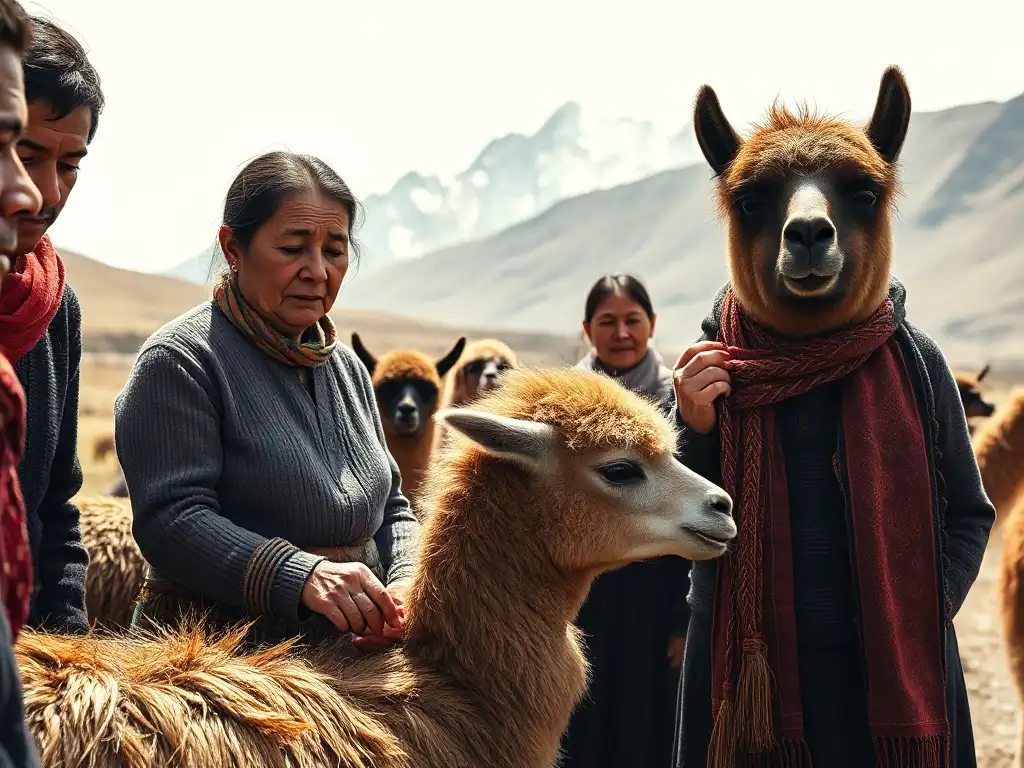
The Aymara people hold deep reverence for animals, particularly llamas and alpacas, which are integral to their livelihoods and spiritual beliefs. Animal husbandry isn't merely a practical activity; it's a sacred practice interwoven with elaborate rituals aimed at ensuring the well-being and prosperity of their herds. These ceremonies reflect a profound understanding of the interconnectedness of humans and animals within the Andean ecosystem. The success of their agriculture and the overall health of their communities are intrinsically linked to the health of their livestock.
Failure to respect this delicate balance is believed to invite misfortune. Understanding these rituals provides insight into the Aymara worldview and their deep respect for the natural world. The ceremonies are not simply performed out of superstition; they represent a deep-seated belief in reciprocal relationships and a commitment to sustainable practices. This spiritual connection with their animals is a cornerstone of their cultural identity.
Celebrating the Well-being of Llamas and Alpacas
The annual chacllu (shearing) ceremony exemplifies the Aymara's respect for their animals. It's more than just a practical task; it's a festive occasion marked by prayers, offerings, and communal celebration. Families gather to shear their llamas and alpacas, often accompanied by traditional music and dancing. The first fleece shorn is typically offered to the apus (mountain spirits), a gesture of gratitude for the animals' health and productivity.
The chacllu isn't just about obtaining wool; it's a reaffirmation of the symbiotic relationship between the Aymara and their animals, recognizing the animals' vital contribution to their survival and cultural identity. The quality of the wool itself is seen as a reflection of the care and respect given to the animals throughout the year. A plentiful yield is a sign of divine favor and a successful year ahead.
Offerings for Animal Fertility and Protection
To ensure the fertility and protection of their herds, the Aymara perform various offerings throughout the year. These offerings often involve coca leaves, chicha (a fermented corn beverage), and other symbolic gifts presented to the apus and other deities. These acts are not merely superstitious; they represent a plea for divine intervention to protect the animals from disease, predators, and harsh weather conditions. Prayers are recited, asking for blessings upon the animals and their future offspring.
The act of offering itself is considered a sacred act, a tangible demonstration of their respect and dependence on the spiritual realm. The success of these offerings is believed to be reflected in the health and reproductive success of their herds. Failure to perform these rituals is seen as potentially jeopardizing the well-being of their animals and, by extension, their own communities.
Aymara Rituals of Passage: Marking Life's Stages
Aymara culture places significant emphasis on rituals that mark the major transitions in a person's life. These rituals, often involving family, community, and spiritual leaders, serve to integrate individuals into the social fabric and to acknowledge the cyclical nature of life, death, and rebirth. The ceremonies are imbued with profound symbolism and are deeply rooted in their worldview and cosmology, reflecting their beliefs about the interconnectedness of the human and spiritual realms.
These rituals reinforce social bonds and help to transmit cultural values and traditions across generations. The specific practices may vary slightly between communities, but the underlying principles remain consistent, emphasizing the importance of community support and spiritual guidance during life's significant moments.
Birth and Naming Ceremonies
The birth of a child is a momentous occasion, celebrated with rituals intended to ensure the child's health, well-being, and successful integration into the community. The pachamama (Mother Earth) plays a central role in these ceremonies. Offerings are made to her to express gratitude for the new life and to seek her protection for the child.
The naming ceremony is particularly important, as the name given to the child is believed to influence their destiny and character. The name is often chosen based on traditional beliefs and family history, reflecting the importance of lineage and ancestral connections. These ceremonies are community events, with family and friends gathering to celebrate the arrival of the new member and offer their support to the parents.
Coming-of-Age Celebrations
As Aymara children reach adolescence, they participate in coming-of-age ceremonies that mark their transition into adulthood and their increasing responsibilities within the community. These ceremonies often involve trials or tests of endurance, symbolizing the challenges they will face in adult life. The celebrations underscore the importance of community support and guidance as young people navigate this crucial stage of development.
The specific nature of these ceremonies varies across different regions and communities, but they all share a common theme of acknowledging the individual's transition into adulthood and their integration into the community’s social and economic life. These rites of passage also serve to reinforce traditional values and beliefs.
Marriage Rituals and Traditions
Marriage in Aymara culture is a significant event, uniting not only two individuals but also their families and communities. These ceremonies are elaborate affairs, often involving extended family and community members. They are characterized by traditional songs, dances, and symbolic gestures reflecting the importance of the union and the continuation of family lineage. The rituals emphasize the importance of mutual respect, cooperation, and shared responsibilities within the marriage. The ceremonies often involve the exchange of gifts and the blessing of the couple by community elders or spiritual leaders, signifying the community's acceptance and support for the new union.
Funerary Rites and Ancestor Veneration
Death is not viewed as an end but as a transition to another realm. Funerary rites are elaborate, reflecting the Aymara belief in the continued presence and influence of ancestors. These ceremonies involve family members, community leaders, and sometimes spiritual guides. The body is often prepared with traditional rituals, and offerings are made to ensure a peaceful passage to the afterlife.
Ancestor veneration is a significant aspect of Aymara culture. Ancestors are believed to continue to influence the lives of their descendants, and their guidance is sought through prayers and offerings. These practices reinforce the strong familial and community bonds and highlight the cyclical nature of life and death within their worldview. The ceremonies are deeply spiritual and emotional, underscoring the importance of honoring and remembering those who have passed.
The Role of the Yatiri in Aymara Ceremonies
The Yatiri holds a central position in Aymara rituals and ceremonies, acting as a spiritual guide and intermediary between the human and supernatural worlds. Their role is multifaceted, encompassing divination, healing, and the performance of sacred rites. The Yatiri's knowledge is deeply rooted in ancestral traditions, passed down through generations, often within families. This knowledge isn't merely theoretical; it's a practical understanding of the cosmos, the elements, and the intricate relationships between them.
They are not simply priests; they are community healers, counselors, and interpreters of the spiritual realm. Their authority stems not from a formal hierarchy, but from their demonstrated ability to connect with the sacred and to interpret its messages for their community. The effectiveness of a Yatiri is often judged by their success in healing and bringing balance to the community.
The Spiritual Leader's Responsibilities
The responsibilities of a Yatiri are extensive and deeply intertwined with the well-being of the community. They are responsible for conducting ceremonies related to life cycle events like births, marriages, and deaths. These ceremonies are not merely social events; they are crucial rituals that ensure the proper transition between life stages and maintain harmony with the spiritual world. Furthermore, the Yatiri plays a crucial role in agricultural cycles, conducting ceremonies to ensure successful harvests and protect crops from natural disasters.
They also act as mediators in conflicts, using their spiritual insight to resolve disputes and restore balance within the community. Their role extends to healing physical and spiritual ailments, often employing a holistic approach that incorporates herbal remedies and spiritual practices. This holistic approach underlines the interconnectedness of physical and spiritual well-being within the Aymara worldview.
Divination and Healing Practices
Divination is an integral part of the Yatiri's practice, often employing methods such as reading coca leaves ( k'oa) or interpreting dreams. Coca leaf reading, a complex and nuanced practice, involves interpreting the arrangement and the specific leaves themselves to gain insight into the future or to diagnose illnesses. This is not a simple fortune-telling; it's a sophisticated system that requires years of training and experience to master.
Healing practices frequently involve the use of medicinal plants, alongside spiritual rituals aimed at restoring balance within the individual and their relationship with the supernatural world. The Yatiri might perform cleansing ceremonies, offer prayers, or use other techniques to remove negative energies or spiritual imbalances believed to be the cause of illness.
The success of their healing is often attributed to their ability to understand and address both the physical and spiritual dimensions of the ailment. These practices are deeply intertwined, highlighting the holistic perspective of Aymara healing.
Aymara Offerings: The Language of Reciprocity
Offerings are central to Aymara rituals and ceremonies, representing a fundamental principle of reciprocity – ayni – between humans and the supernatural world. These offerings are not mere gifts; they are acts of communication and respect, expressing gratitude and seeking assistance from the powerful forces that govern the cosmos.
The act of offering is deeply symbolic, reinforcing the interconnectedness of all beings and the importance of maintaining a harmonious relationship with the natural and spiritual realms. The types of offerings vary depending on the specific ceremony and the intention behind it, but all share the common thread of expressing respect and seeking balance.
Coca Leaves and Their Sacred Use
Coca leaves ( Erythroxylum coca) hold a position of profound sacred significance in Aymara culture. They are not merely a stimulant; they are a sacred plant used in rituals, ceremonies, and everyday life. Coca leaves are frequently offered to the apus (mountain spirits) and other deities as a sign of respect and to seek their blessings.
The act of offering coca leaves is often accompanied by prayers and incantations, creating a powerful connection between the human and spiritual worlds. The reading of coca leaves, as mentioned earlier, is a crucial aspect of divination and healing practices. The leaves themselves are considered to possess spiritual power, acting as a conduit for communication with the supernatural realm.
Chicha and Other Traditional Beverages
Chicha, a fermented beverage made from maize or other grains, is another important offering in Aymara ceremonies. It's considered a sacred drink, often prepared with specific rituals and presented as an offering to the deities. The preparation and consumption of chicha are often integral parts of communal celebrations and religious events.
Other traditional beverages, such as herbal infusions, may also be offered, each carrying its own symbolic meaning and significance within the context of the ceremony. The sharing of these beverages underscores the communal aspect of Aymara rituals, strengthening social bonds and reinforcing the sense of unity within the community.
Animal Offerings and Their Symbolism
Animal offerings, while less frequent than other types of offerings, still hold significant symbolic meaning within Aymara rituals. The choice of animal often reflects the specific purpose of the ceremony and the nature of the request being made to the supernatural world. For instance, a llama might be offered to express gratitude for a successful harvest, while other animals might be chosen for specific healing ceremonies or to appease particular deities.
The act of sacrificing an animal is not viewed as cruel but as a profound act of respect and a way to establish a powerful connection with the spiritual realm. The animal's life is given as an offering to ensure the well-being of the community and to maintain balance within the cosmos. The symbolism associated with each animal adds another layer of complexity and meaning to these significant rituals.
Music and Dance in Aymara Rituals
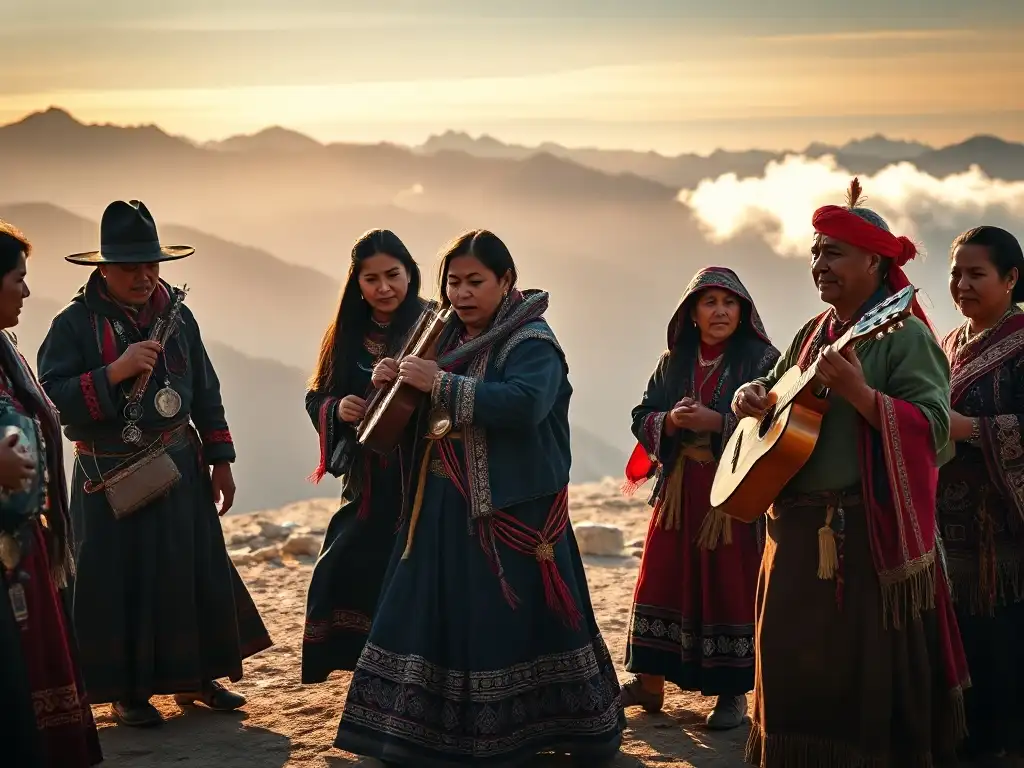
Music and dance are integral components of Aymara rituals and ceremonies, serving not merely as entertainment but as powerful conduits to the spiritual realm. The rhythmic pulse of traditional instruments and the graceful movements of dancers work in harmony to create a sacred atmosphere, fostering a connection between the participants and the unseen forces that govern their lives. These performances are not simply aesthetically pleasing; they are deeply symbolic acts imbued with layers of meaning that reflect the Aymara worldview and their relationship with the cosmos.
The intensity of the experience is palpable, creating a sense of shared community and spiritual communion. The music, in particular, acts as a bridge between the human and divine, transporting participants to a state of heightened awareness and spiritual connection. The vibrant energy of the performance is a testament to the enduring power of these ancient traditions.
Traditional Instruments and Their Significance
The Aymara employ a variety of traditional instruments in their rituals, each carrying its own unique symbolic weight. The siku, a panpipe, is perhaps the most iconic, its haunting melodies believed to communicate with the spirits of the mountains and ancestors. The deep resonant tones of the tarka, a vertical flute, are often associated with the earth and its fertility.
Drums, like the tambor, provide a powerful percussive heartbeat, mirroring the rhythm of life itself. The sounds produced by these instruments are not simply musical; they are considered sacred utterances, capable of influencing the spiritual world and invoking the blessings of powerful deities. The construction and materials used in creating these instruments also hold significant cultural and symbolic meaning, often involving specific rituals and sacred materials.
The choice of instrument for a specific ritual is not arbitrary but carefully considered based on its symbolic association with the intended purpose. For example, the siku might be favored in rituals related to mountain spirits, while the tarka might be used in ceremonies related to agricultural abundance.
The Role of Dance in Expressing Spirituality
Dance in Aymara rituals is far more than just physical movement; it is a powerful form of spiritual expression. Dancers often embody deities or mythical figures, their movements mirroring the energies and forces of the natural world. The choreography is frequently complex and highly symbolic, with each step and gesture carrying specific meaning.
The dancers' movements can represent the cycle of life, the journey of the sun, or the interaction between humans and the spiritual world. Through dance, the Aymara communicate with their ancestors, pay homage to their deities, and seek blessings for their communities. The physical exertion involved in the dance is also seen as a way of purifying the body and spirit, preparing the participants for a deeper connection with the sacred.
The collective nature of the dance further strengthens community bonds and reinforces shared cultural values. The intensity and precision of the movements demonstrate the deep spiritual commitment of the performers and their profound connection to their traditions.
Aymara Cosmology and Its Influence on Rituals
Aymara cosmology profoundly shapes their rituals and ceremonies. Their worldview centers on a deep interconnectedness between the human world and the cosmos, emphasizing the spiritual significance of nature and the presence of powerful deities and spirits. The Aymara believe that the world is structured in three layers: the aka pacha (lower world), the kay pacha (present world), and the hanan pacha (upper world). These realms are not separate but interconnected, with spirits and energies freely flowing between them.
This intricate cosmology informs every aspect of their ritual practices, from the selection of locations and times to the specific offerings and prayers used. Understanding the Aymara's cosmological beliefs is crucial to understanding the deeper meaning and purpose of their rituals. The rituals are not simply performed; they are carefully orchestrated actions designed to maintain harmony and balance within this complex interconnected system.
The Relationship Between the Aymara and the Cosmos
The Aymara have a complex and nuanced relationship with the cosmos, viewing themselves as integral parts of a larger, interconnected web of life. They believe that the stars, mountains, and other natural elements are imbued with spiritual power and are inhabited by powerful deities and spirits. This belief system profoundly influences their daily lives and their spiritual practices. They regularly interact with these spiritual forces through offerings, prayers, and rituals, seeking guidance, protection, and blessings.
The cosmos is not seen as something separate from humanity but as a dynamic force that actively shapes human lives. This deep connection to the cosmos is reflected in their reverence for nature and their sustainable practices. The Aymara's cosmological understanding underscores their responsibility to maintain a harmonious relationship with the natural world and the spiritual forces that govern it. Their rituals are a testament to this profound connection.
The Importance of Sacred Mountains and Natural Elements
Sacred mountains and other natural elements play a central role in Aymara rituals and ceremonies. Mountains are considered sacred dwelling places of powerful deities and ancestral spirits. They are often the sites of important rituals and ceremonies, where offerings are made and prayers are recited.
Other natural elements, such as water, earth, and the sun, also hold significant spiritual meaning and are incorporated into various rituals. The Aymara demonstrate a deep respect for the natural world, recognizing its intrinsic spiritual value. This reverence is manifested in their sustainable practices and their efforts to maintain a harmonious relationship with their environment.
The use of natural elements in Aymara rituals underscores their belief in the interconnectedness of all things and their commitment to living in balance with the cosmos. Their ceremonies are not just spiritual acts; they are also expressions of their deep connection to the land and their profound respect for the natural world.
Preserving Aymara Rituals in the Modern World
The vibrant tapestry of Aymara rituals and ceremonies faces numerous challenges in the modern world. Globalization, urbanization, and the influence of external cultures threaten to erode the unique traditions that have been passed down through generations. The younger generations, often drawn to the allure of modern lifestyles and opportunities, may not fully embrace the time-consuming and intricate practices involved in these ceremonies.
This shift in cultural priorities poses a significant risk to the continuity of Aymara spiritual heritage. The loss of ancestral knowledge, particularly among elders who are the keepers of this wisdom, further exacerbates the situation. As these individuals pass away, the intricate details and nuances of rituals, along with their underlying meanings, risk being lost forever.
The subtle shifts in societal values also impact the willingness of individuals to actively participate in these traditions, leading to a decline in the number of people involved in conducting and attending ceremonies. This gradual fading of participation weakens the social fabric that traditionally sustained these practices.
Challenges to Traditional Practices
One of the most significant challenges is the pressure to assimilate into mainstream society. Many Aymara communities are increasingly integrated into globalized economies and lifestyles, often leading to a decline in the time and resources dedicated to traditional rituals. Economic pressures, for example, may force individuals to prioritize wage labor over participating in lengthy ceremonial events. Furthermore, the encroachment of modern technologies and media can divert attention away from traditional practices, diminishing their importance in the eyes of younger generations.
The introduction of new religious beliefs and practices also poses a threat, sometimes leading to the abandonment of traditional Aymara spiritual systems. Finally, the lack of adequate documentation and preservation efforts has hampered the transmission of knowledge about these rituals, hindering efforts to safeguard them for future generations. Without proper documentation, the unique intricacies and significance of these ceremonies risk being lost to time.
Efforts to Revitalize Aymara Culture
Despite these challenges, significant efforts are underway to revitalize Aymara culture and preserve its rich ceremonial traditions. Community-based initiatives, often spearheaded by elders and cultural leaders, play a crucial role in teaching younger generations about the importance of these practices. These initiatives often involve workshops, storytelling sessions, and hands-on participation in ceremonial events.
Educational programs in schools and community centers are also incorporating Aymara language and cultural heritage into their curricula, fostering a greater appreciation for their ancestral roots among the youth. Furthermore, the use of modern technology, ironically, is being employed to document and disseminate information about Aymara rituals and ceremonies. Websites, videos, and digital archives are helping to create a broader understanding and appreciation for this rich cultural heritage, both within and beyond Aymara communities.
The establishment of cultural centers and museums dedicated to preserving Aymara traditions also contributes significantly to these efforts. These spaces serve as repositories of knowledge and provide platforms for showcasing and celebrating Aymara culture.
The Enduring Legacy of Aymara Ceremonial Traditions
Despite the pressures of modernization, Aymara ceremonial traditions continue to hold immense significance for the community. These rituals are not merely symbolic performances; they are deeply intertwined with the Aymara worldview, shaping their understanding of the cosmos, their relationship with nature, and their social structures. The ceremonies serve as powerful vehicles for transmitting cultural values, maintaining social cohesion, and reinforcing community identity.
Many rituals are tied to the agricultural cycle, reflecting the profound connection between the Aymara people and the land. These agricultural rituals, often involving prayers and offerings to the earth and its deities, ensure the fertility of the land and the prosperity of the community. Other ceremonies mark significant life events, such as births, marriages, and deaths, providing a framework for navigating these crucial transitions.
The enduring legacy of Aymara ceremonial traditions is a testament to the resilience and adaptability of this ancient culture. They demonstrate the capacity of a community to maintain its cultural identity and spiritual practices even in the face of significant societal changes. The continued practice of these rituals ensures the preservation of a unique and invaluable cultural heritage.
The Importance of Understanding Aymara Spiritual Practices
Understanding Aymara spiritual practices is crucial for appreciating the depth and complexity of their culture. These practices are not merely a set of rituals; they are a holistic worldview that encompasses a deep respect for nature, a strong sense of community, and a belief in the interconnectedness of all things. By studying Aymara rituals, we gain insights into their cosmology, their social organization, and their relationship with the environment.
This understanding is essential for fostering intercultural dialogue and promoting respect for cultural diversity. Moreover, recognizing the significance of Aymara spiritual practices helps us appreciate the richness and diversity of human spiritual expression. The insights gained from studying these practices can contribute to a broader understanding of human spirituality and its role in shaping cultures and societies.
The preservation of Aymara spiritual practices is not only important for the Aymara people themselves, but also for humanity as a whole, enriching our collective understanding of the human experience. The study of these practices can provide valuable lessons on sustainable living, community building, and harmonious coexistence with the natural world.
- Understanding the Core of Aymara Spirituality
- The Meaning Behind Aymara Rituals and Ceremonies
- Key Aymara Ceremonial Practices and Their Significance
- Agricultural Rituals: Honoring Pachamama
- Animal Husbandry Ceremonies: Respect for Life
- Aymara Rituals of Passage: Marking Life's Stages
- The Role of the Yatiri in Aymara Ceremonies
- Aymara Offerings: The Language of Reciprocity
- Music and Dance in Aymara Rituals
- Aymara Cosmology and Its Influence on Rituals
- Preserving Aymara Rituals in the Modern World
- The Enduring Legacy of Aymara Ceremonial Traditions
Frequently Asked Questions
What are Aymara rituals and ceremonies?
Aymara rituals and ceremonies are sacred practices deeply rooted in their spiritual beliefs and connection to the Andean landscape. They involve offerings, prayers, and symbolic actions to honor deities and maintain harmony with nature.
What is the significance of Pachamama in Aymara culture?
Pachamama, or Mother Earth, holds immense importance. Aymara rituals often involve appeasing and honoring Pachamama through offerings of food, coca leaves, and alcohol to ensure fertility and prosperity. It's a core element of their worldview.
How do Aymara rituals connect to their daily life?
Aymara rituals are integrated into everyday life, not separate events. Daily activities like farming, herding, and even building are infused with spiritual significance and performed with mindful consideration for the sacred.
What are some examples of specific Aymara ceremonies?
Examples include the challwa (a ceremony for fertility and abundance), awatiña (a ritual for healing and protection), and various ceremonies related to the agricultural calendar and the life cycle.
Where can I learn more about Aymara rituals and their meaning?
To delve deeper, research ethnographic studies and academic works focusing on Aymara culture. You can also seek out cultural centers and museums dedicated to Andean civilizations for further information and insights.
Final Reflection: Echoes of the Andes: Preserving Aymara Heritage
The vibrant tapestry of Aymara rituals and ceremonies continues to resonate today, a powerful testament to the enduring strength of indigenous cultures in the face of globalization. Understanding these practices isn't merely an academic exercise; it's a crucial step in recognizing the rich diversity of human experience and the vital role indigenous knowledge plays in shaping a more sustainable and equitable future. The survival of these traditions is a beacon of hope, demonstrating the resilience of cultural identity in a rapidly changing world.
The profound impact of Aymara spirituality on the Andean landscape and its people is undeniable. Their connection to Pachamama, the Earth Mother, is a poignant reminder of our own interconnectedness with the natural world, a lesson often lost in the clamor of modern life. The Earth is what we all have in common.
– Wendell Berry. This quote encapsulates the essence of Aymara reverence for nature, a philosophy that holds valuable lessons for our increasingly environmentally conscious world. The continued practice of these rituals offers a pathway to a more harmonious relationship between humanity and the planet.
Consider the legacy of the Aymara people and the enduring power of their traditions. You, the reader, are now part of this conversation. Take a moment to reflect on the ways in which your own cultural practices connect you to the past and shape your future. Engage with the stories, the beliefs, and the enduring spirit of the Aymara people. By understanding and appreciating their rich heritage, we can all contribute to a more inclusive and respectful world, one that values the wisdom of ancient cultures and their invaluable contributions to our collective human experience.
Embrace the Spiritual Wisdom of Aymara Culture!
Thank you for exploring the rich traditions of Aymara rituals and ceremonies with us! We hope you've discovered the profound connections these sacred practices foster within the community and with the natural world. Now, let's delve deeper into this vibrant culture and explore ways to honor its enduring legacy.
- Attend a local cultural event or participate in a workshop focused on Andean practices to expand your understanding. Consider visiting a local community celebrating a traditional festival.
- Share this article with friends and family to spread awareness of the beauty and significance of Aymara traditions, inspiring others to appreciate cultural diversity.
- Keep a journal to reflect on your personal connection to nature and how indigenous wisdom can enrich your life. Consider noting how Aymara principles resonate with your own experiences.
How can you integrate Aymara values into your daily life to cultivate a stronger sense of community and connection with the natural world? Share your thoughts below!