
Quechua's Endangered Dialects: Documenting the Vanishing Voices

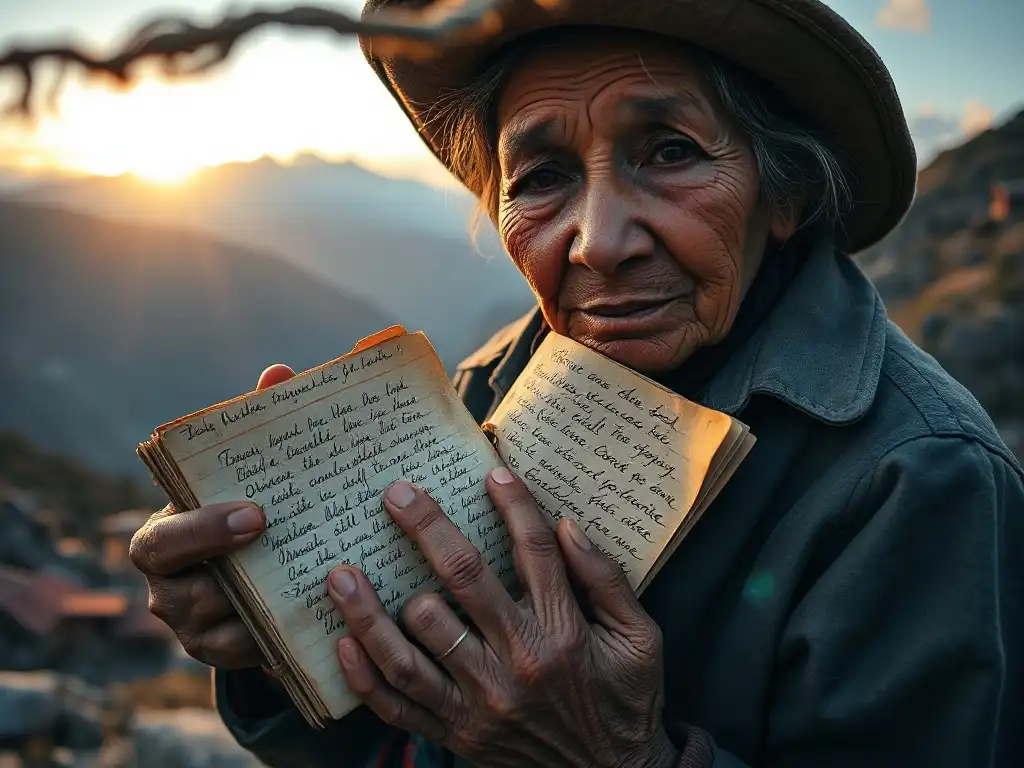
Step into a world lost to time, yet echoing with vibrant voices. The Andean Civilizations website unveils the mysteries of ancient empires, from the Incas' majestic cities to the intricate artistry of the Nazca. But some echoes are fading… The survival of the Quechua dialect hangs in the balance. Discover the urgent story of its preservation and the fight to safeguard a linguistic legacy before it’s lost forever. Dive in and explore the fascinating details.
The Quechua language, a cornerstone of Andean cultural heritage, faces a critical challenge: the endangerment of its numerous dialects. While Quechua, in its various forms, boasts millions of speakers across the Andes, many of its regional dialects are rapidly disappearing, taking with them invaluable linguistic and cultural knowledge. This article delves into the urgent need for Quechua dialect preservation, exploring the factors contributing to their decline and highlighting the crucial efforts underway to document and revitalize these vanishing voices.
Understanding the complexities of Quechua's linguistic diversity is paramount to appreciating the richness of Andean history and ensuring the survival of this vital part of its cultural legacy. The preservation of these dialects is not merely a linguistic endeavor; it's a fight to safeguard the unique cultural identities and traditions deeply intertwined with each distinct Quechua expression.
The Scope of the Problem: How Many Quechua Dialects are Endangered?
Precise figures are difficult to obtain due to the ongoing evolution of classification and the lack of comprehensive surveys in remote areas. However, linguistic studies suggest a significant number of Quechua dialects are critically endangered, meaning they have very few remaining speakers, primarily among older generations. Many dialects are spoken by only a few hundred individuals, making their survival highly precarious. The situation is further complicated by the lack of standardized orthography for many dialects, hindering documentation and literacy efforts. This lack of written records makes the transmission of the language to younger generations even more challenging. The situation varies considerably across different regions of the Andes, with some areas experiencing more significant language shift than others. For example, [specific information pending] regarding the number of speakers for each dialect and their endangerment level according to UNESCO's classification. This data is crucial for prioritizing conservation efforts and allocating resources effectively.
Factors Contributing to Dialect Loss: A Complex Interplay of Forces
The endangerment of Quechua dialects is a multifaceted issue stemming from a complex interplay of social, economic, and political factors. The dominance of Spanish, the official language in many Andean countries, exerts immense pressure on Quechua speakers, especially younger generations who often perceive Spanish as essential for social and economic advancement. This language shift is often accompanied by a devaluation of indigenous languages and cultures, leading to a loss of intergenerational transmission of these dialects.
Additionally, migration patterns, urbanization, and globalization have contributed to the erosion of traditional communities where Quechua dialects were primarily spoken. Furthermore, [specific information pending] on the impact of specific government policies or lack thereof on the preservation efforts. The lack of support for bilingual education also plays a significant role, hindering the transmission of the language to younger generations.
Preservation Efforts: Documenting and Revitalizing Quechua
Despite the challenges, significant efforts are underway to document and revitalize endangered Quechua dialects. Linguists and community members are collaborating on projects involving audio and video recordings of native speakers, creating dictionaries and grammars, and developing educational materials. Community-based initiatives play a crucial role in empowering Quechua speakers to reclaim and revitalize their linguistic heritage. These initiatives often involve language immersion programs, storytelling events, and the creation of bilingual learning resources.
Furthermore, the use of technology, such as digital archives and language learning apps, offers new possibilities for the preservation and dissemination of these dialects. However, these efforts often face limitations due to funding constraints and logistical challenges in accessing remote communities. [Specific information pending] on successful Quechua dialect revitalization projects and their impact. The success of these initiatives demonstrates the importance of community participation and collaboration in language preservation.
The Future of Quechua: A Call for Action
The future of Quechua's endangered dialects hinges on sustained and collaborative efforts. Increased funding for research and preservation projects is crucial, alongside the implementation of policies that promote bilingual education and the recognition of Quechua as an official language in more regions. Raising public awareness about the importance of linguistic diversity and the value of indigenous languages is also essential to fostering a supportive environment for Quechua dialect preservation.
The ultimate goal is not simply to prevent extinction but to empower Quechua speakers to maintain and celebrate their linguistic heritage for generations to come. This requires a holistic approach that addresses the social, economic, and political factors contributing to language loss while actively supporting community-led initiatives focused on language revitalization. The task is monumental, but the preservation of these dialects is a vital contribution to the ongoing fight for cultural diversity and linguistic justice.
- The Scope of the Problem: How Many Quechua Dialects are Endangered?
- Factors Contributing to Dialect Loss: A Complex Interplay of Forces
- Preservation Efforts: Documenting and Revitalizing Quechua
- The Future of Quechua: A Call for Action
The Fragility of Quechua Linguistic Diversity

Quechua, the language family spoken across the Andes Mountains for centuries, faces a critical challenge: the endangerment and potential extinction of many of its diverse dialects. While Quechua as a whole boasts a significant number of speakers, this seemingly robust presence masks a worrying reality: the vibrant tapestry of distinct Quechua dialects is rapidly fraying.
The sheer number of these dialects, estimated to be over 40, each with its unique vocabulary, grammar, and phonology, contributes to the complexity of the preservation efforts. This inherent diversity, while a testament to the richness of Andean linguistic heritage, also presents a significant hurdle in implementing effective Quechua dialect preservation strategies.
The focus often falls on the more widely spoken varieties, leaving numerous smaller, less documented dialects vulnerable to complete disappearance. This section will delve into the specifics of this linguistic erosion, examining both the scale of the problem and the multifaceted factors driving it.
Understanding the Scope of Quechua Dialect Extinction
The precise number of extinct Quechua dialects is difficult to ascertain due to a lack of comprehensive historical documentation. However, anecdotal evidence and linguistic studies point towards a significant loss. Many dialects spoken in remote communities, often characterized by small speaker populations and limited access to education and resources, are particularly at risk.
The disappearance of these dialects represents not only the loss of a language but also the erosion of valuable cultural knowledge, traditional practices, and unique perspectives embedded within each linguistic community. For example, the subtle variations in agricultural terminology across different Quechua dialects reflect diverse farming techniques adapted to specific ecological niches within the Andes. The extinction of a dialect means the irreversible loss of this invaluable, context-specific knowledge.
Understanding the scope of this extinction requires a more rigorous approach to linguistic documentation, including detailed ethnographic studies and the creation of comprehensive linguistic archives. This requires collaboration between linguists, anthropologists, and the Quechua-speaking communities themselves. The urgency of this situation cannot be overstated; the window of opportunity to preserve these dialects is rapidly closing.
Factors Contributing to the Decline of Quechua Dialects
The decline of Quechua dialects is a complex issue stemming from a confluence of factors, including:
- Linguistic Dominance of Spanish: The pervasive influence of Spanish, the official language in most Andean countries, is a major contributor. Spanish is often seen as the key to economic opportunity and social mobility, leading to a shift away from Quechua, particularly among younger generations. This results in a decrease in intergenerational language transmission, a critical factor in language survival.
- Migration and Urbanization: The movement of Quechua speakers from rural areas to urban centers often leads to language shift. In urban environments, the dominance of Spanish and the pressure to integrate into the mainstream culture can lead to the abandonment of Quechua dialects in favor of Spanish. This is further exacerbated by the lack of support for bilingual education in many urban areas.
- Lack of Resources for Language Preservation: Insufficient funding and resources dedicated to Quechua dialect preservation hamper efforts to document, teach, and revitalize endangered dialects. This lack of support extends to the development of educational materials, the training of teachers, and the creation of language learning programs. The scarcity of resources disproportionately affects the smaller, less-studied dialects.
- Limited Access to Education and Technology: Many communities speaking endangered Quechua dialects have limited access to education and technology, hindering their ability to participate in language preservation efforts. This digital divide exacerbates the challenges faced by these communities in preserving their linguistic heritage. The absence of easily accessible educational materials in these dialects further contributes to their decline.
The preservation of Quechua dialects requires a multifaceted approach that addresses these interwoven factors. A concerted effort involving governments, educational institutions, and Quechua-speaking communities is crucial to ensure the survival of this rich and diverse linguistic heritage. The task is daunting, but the potential loss is immeasurable. The future of Quechua dialect preservation hinges on immediate and sustained action.
The Importance of Quechua Dialect Preservation
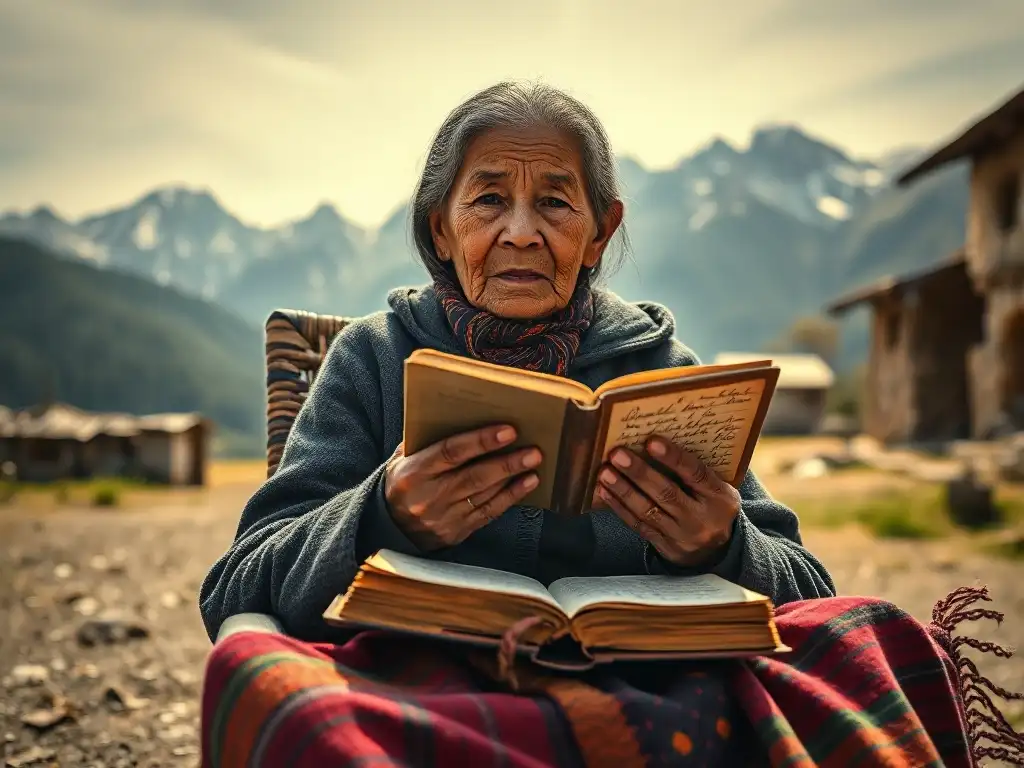
Quechua dialect preservation is not merely an academic pursuit; it's a crucial endeavor with far-reaching implications for cultural heritage, linguistic diversity, and the very identity of Andean communities. The extinction of a Quechua dialect represents the irretrievable loss of a unique window into the past, a repository of knowledge, traditions, and worldview shaped by centuries of interaction with the Andean environment. This section explores the multifaceted importance of safeguarding these invaluable linguistic resources.
The urgency of Quechua dialect preservation cannot be overstated; many dialects are spoken by only a handful of elderly individuals, making their imminent disappearance a real and present threat. Active and sustained efforts are needed to prevent this catastrophic loss of linguistic and cultural heritage.
Why Protecting Quechua Dialects Matters for Cultural Heritage
The cultural heritage of the Andes is deeply intertwined with its linguistic diversity. Quechua, with its myriad dialects, is not simply a means of communication; it's the vehicle through which stories, songs, beliefs, and traditional knowledge are transmitted across generations. Each dialect carries unique nuances, vocabulary, and even grammatical structures reflecting the specific environmental, social, and historical contexts of its speakers.
The loss of a dialect is, therefore, a loss of a unique cultural expression, a diminishment of the richness and complexity of Andean heritage. Consider, for example, the distinct agricultural practices reflected in the vocabulary of a specific Quechua dialect from a high-altitude region, or the intricate system of kinship terms that reveal a specific social organization. These details, woven into the fabric of the language, provide invaluable insights into the past and contribute to a more complete understanding of Andean civilizations.
The preservation of these dialects is essential for maintaining the integrity and authenticity of Andean cultural heritage. Failure to act decisively risks irrevocably silencing these voices and erasing a fundamental aspect of Andean identity.
The Role of Quechua Dialects in Andean Identity
Quechua dialects are not just remnants of the past; they are vital components of contemporary Andean identity. For many communities, the ability to speak their ancestral tongue is a source of pride, a connection to their roots, and a powerful symbol of cultural continuity. The continued use of these dialects strengthens social cohesion, fosters a sense of belonging, and empowers communities to maintain their distinct cultural identities in the face of globalization and external pressures.
The disappearance of a Quechua dialect can lead to a loss of self-esteem and a weakening of community bonds. Many indigenous communities actively resist the imposition of Spanish or other dominant languages, seeing the preservation of Quechua as a crucial element of their struggle for self-determination and cultural survival. The vibrant use of Quechua in everyday life – in markets, schools (where feasible), and family settings – demonstrates its continued relevance and importance in the lives of Andean communities.
Moreover, revitalization efforts, including language immersion programs and the development of Quechua-language media, are crucial for maintaining and strengthening this vital link between language and identity. The future of Quechua dialects is inextricably linked to the future of Andean communities themselves.
Documenting Endangered Quechua Dialects: Methods and Challenges
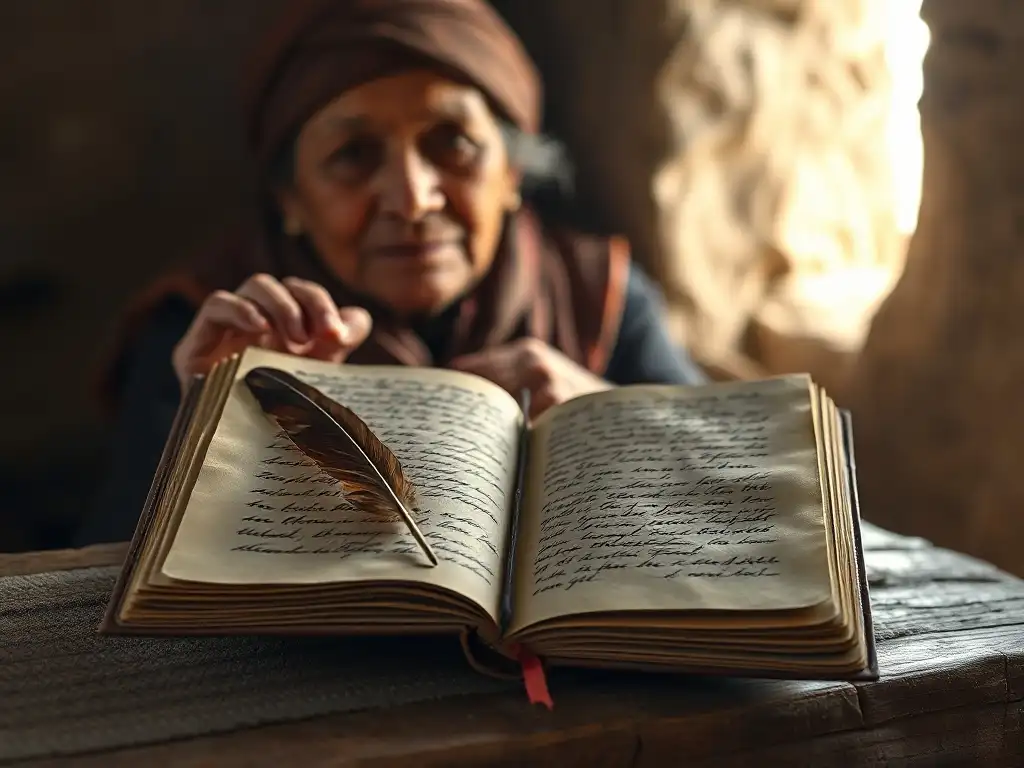
The preservation of Quechua, a language family encompassing numerous dialects across the Andes, requires a multifaceted approach to linguistic documentation. The urgency stems from the rapid decline of many Quechua varieties, threatening the loss of invaluable cultural heritage and linguistic diversity. Effective documentation is crucial for future revitalization efforts and ensures these languages are not lost forever. This section explores the methods employed and the significant challenges encountered in this vital undertaking.
Linguistic Documentation Techniques for Quechua Dialects
Documenting endangered Quechua dialects involves a range of techniques, each contributing to a comprehensive understanding of the language's structure and usage. These methods are often interwoven, creating a robust and layered record.
- Audio Recording: High-quality audio recordings of native speakers are fundamental. This includes conversational speech, storytelling, songs, and ritualistic chants. Careful annotation of the recordings, noting the speaker's identity, location, and context, is critical for accurate analysis and interpretation. The use of professional-grade recording equipment is paramount to ensure the preservation of nuanced phonetic details. The goal is to capture the full spectrum of the dialect's phonology, from everyday speech to more formal or specialized registers.
- Transcription and Translation: Audio recordings are transcribed, initially using phonetic notation to capture the sounds accurately. Subsequently, these transcriptions are translated into a widely understood language, such as Spanish or English, with careful attention to preserving the nuances of meaning and cultural context. This process often involves collaboration with native speakers to ensure accuracy and avoid misinterpretations. Parallel corpora—texts in both the Quechua dialect and the target language—are invaluable for comparative analysis and language learning.
- Lexical Analysis: Creating detailed dictionaries of the Quechua dialect is crucial. This goes beyond simple word lists; it involves capturing the semantic range of words, their grammatical functions, and their usage in context. Ethnolinguistic studies, which examine the relationship between language and culture, are also vital, documenting the cultural significance of specific words and expressions. This detailed lexical work forms the foundation for understanding the dialect’s vocabulary and its evolution over time.
- Grammatical Analysis: A thorough grammatical description of the dialect is necessary. This involves analyzing the sentence structure, verb conjugation, noun declension, and other grammatical features. This detailed description helps to understand the underlying rules governing the language and how it differs from other Quechua dialects or related languages. Comparative grammatical studies can illuminate the historical relationships between different Quechua varieties.
Challenges in Documenting Quechua's Vanishing Voices
Despite the sophisticated techniques available, documenting endangered Quechua dialects presents numerous significant challenges:
- Accessibility: Many Quechua communities are located in remote, geographically challenging areas, making access difficult and expensive. This limits the frequency and duration of fieldwork, hindering the collection of comprehensive data. The lack of infrastructure in these regions further complicates logistical aspects of the documentation process.
- Speaker Demographics: The dwindling number of fluent speakers, particularly among younger generations, is a major concern. Finding and engaging speakers willing and able to participate in the documentation process is a critical hurdle. The loss of elderly speakers represents an irreplaceable loss of linguistic knowledge and cultural memory.
- Language Attitudes: Negative attitudes towards Quechua, often resulting from historical and societal pressures to adopt dominant languages, can make it challenging to recruit participants. Overcoming these biases and fostering respect for the linguistic heritage is vital for successful documentation efforts. Community-based initiatives are often crucial in shifting these attitudes.
- Funding Limitations: Linguistic documentation is resource-intensive, requiring funding for travel, equipment, personnel, and long-term archiving. Securing adequate and sustainable funding is a constant challenge, often limiting the scope and depth of documentation projects. Sustained funding is critical to ensure the long-term preservation of the collected data.
The Importance of Community Involvement in Language Documentation
Successful Quechua dialect preservation hinges on meaningful community involvement. Treating the documented languages merely as objects of study risks perpetuating a power imbalance and undermining community ownership. Instead, an approach that centers community needs and priorities is essential.
- Community-Based Research: Collaboration with community members is vital throughout the entire process, from planning and data collection to analysis and dissemination. This ensures that the documentation reflects the community's perspective and values. Community ownership of the data is crucial for its long-term preservation and use.
- Training and Capacity Building: Investing in training programs for community members to participate in linguistic documentation builds local capacity for language preservation. Empowering community members to document their own language ensures the sustainability of these efforts long after external researchers have departed. This also fosters language pride and strengthens intergenerational transmission of knowledge.
- Language Revitalization Initiatives: Documentation is not an end in itself; it serves as a foundation for language revitalization programs. These programs can leverage the documented materials to develop educational resources, promote language use in various settings, and foster intergenerational language transmission. This ensures that the documented languages remain vibrant and actively used within the community.
The preservation of Quechua dialects necessitates a comprehensive and collaborative approach, addressing both methodological and socio-cultural challenges. Only through sustained effort and genuine community partnership can we hope to safeguard these invaluable linguistic and cultural treasures for future generations. 🌎
Case Studies: Specific Endangered Quechua Dialects
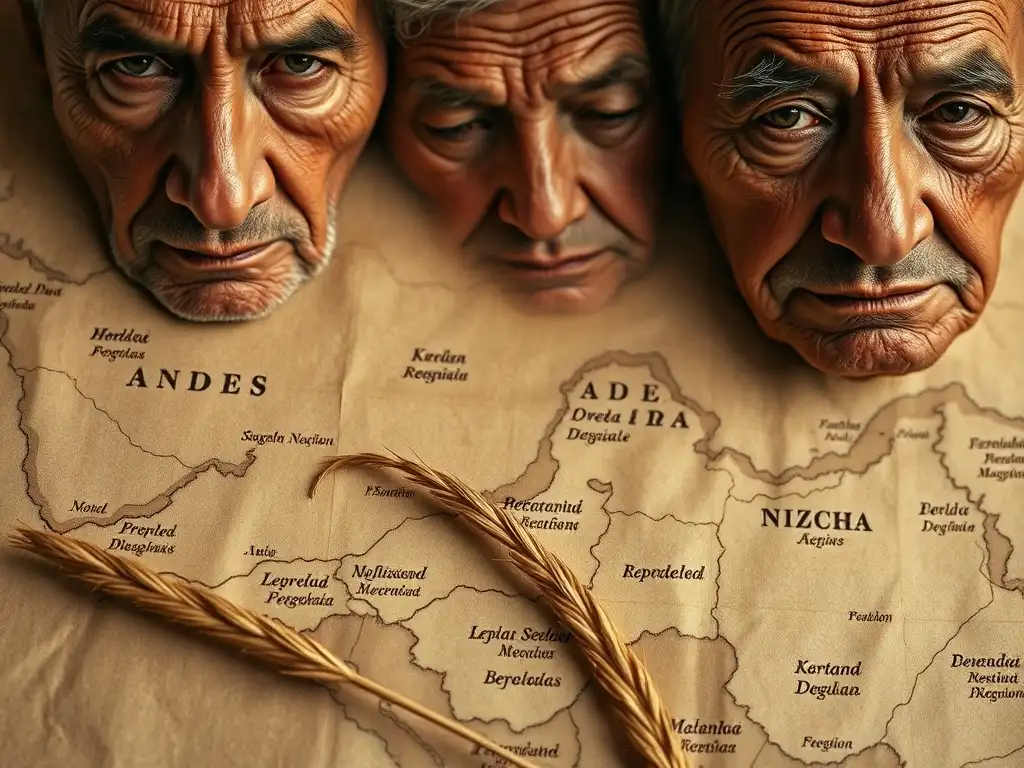
This section delves into the precarious situations of specific Quechua dialects, highlighting the urgent need for Quechua dialect preservation efforts. We will examine the factors contributing to their decline and explore the challenges faced in their revitalization. The data presented underscores the critical importance of immediate and sustained intervention to prevent the complete loss of these invaluable linguistic and cultural heritages. Understanding these individual cases illuminates the broader challenges inherent in Quechua dialect preservation across the Andes.
Southern Conchucos Quechua: Rapid Shift to Spanish
Southern Conchucos Quechua, spoken in the Ancash region of Peru, is experiencing a rapid decline. The primary driver of this language shift is the overwhelming dominance of Spanish in all spheres of life – education, government, commerce, and media. Children are primarily exposed to Spanish, leading to a significant reduction in intergenerational language transmission. This is further exacerbated by the perception that Spanish offers greater social and economic opportunities. The consequence is a dwindling number of fluent speakers, particularly amongst younger generations.
Studies conducted in the last decade indicate a dramatic decrease in the number of native speakers. While precise figures are difficult to obtain due to the dispersed nature of the communities and the lack of comprehensive linguistic surveys, anecdotal evidence suggests a decline of at least 50% in the past 20 years. This alarming trend necessitates urgent action, including the implementation of bilingual education programs that value and promote the use of Southern Conchucos Quechua alongside Spanish.
Furthermore, community-based initiatives focused on revitalizing cultural practices linked to the language are crucial for fostering a sense of pride and ownership amongst younger speakers. The lack of readily available resources, such as dictionaries and grammar books in Southern Conchucos Quechua, also hinders preservation efforts. Funding for research and the development of such resources is therefore essential for Quechua dialect preservation.
Yauyos Quechua: Geographic Isolation and Language Loss
In contrast to the rapid shift observed in Southern Conchucos Quechua, the decline of Yauyos Quechua, spoken in the Yauyos Province of Lima, Peru, is more subtly linked to geographic isolation and limited access to resources. While Spanish is increasingly present, the primary challenge is the limited interaction with broader society. The mountainous terrain and dispersed settlements have historically restricted access to education and employment opportunities, leading to a sense of linguistic and cultural insularity. However, this isolation, while initially seeming protective, has paradoxically accelerated language loss.
The limited exposure to external influences has not prevented the gradual erosion of the language. The smaller population size, coupled with limited opportunities for language use beyond the immediate community, has resulted in a gradual attrition of fluency, particularly among younger generations who are increasingly adopting Spanish as their primary language. While the decline is not as dramatic as in some other Quechua dialects, the long-term survival of Yauyos Quechua remains precarious.
Preservation efforts must focus on improving access to education and resources while simultaneously celebrating and promoting the unique cultural heritage associated with this dialect. This requires targeted interventions that address the specific challenges posed by geographic isolation, including the development of culturally relevant educational materials and the strengthening of community-based language programs.
The preservation of Yauyos Quechua requires a delicate balance between maintaining its unique identity and integrating it into a broader, more connected world. This delicate balance is crucial for Quechua dialect preservation.
Strategies for Quechua Language Revitalization
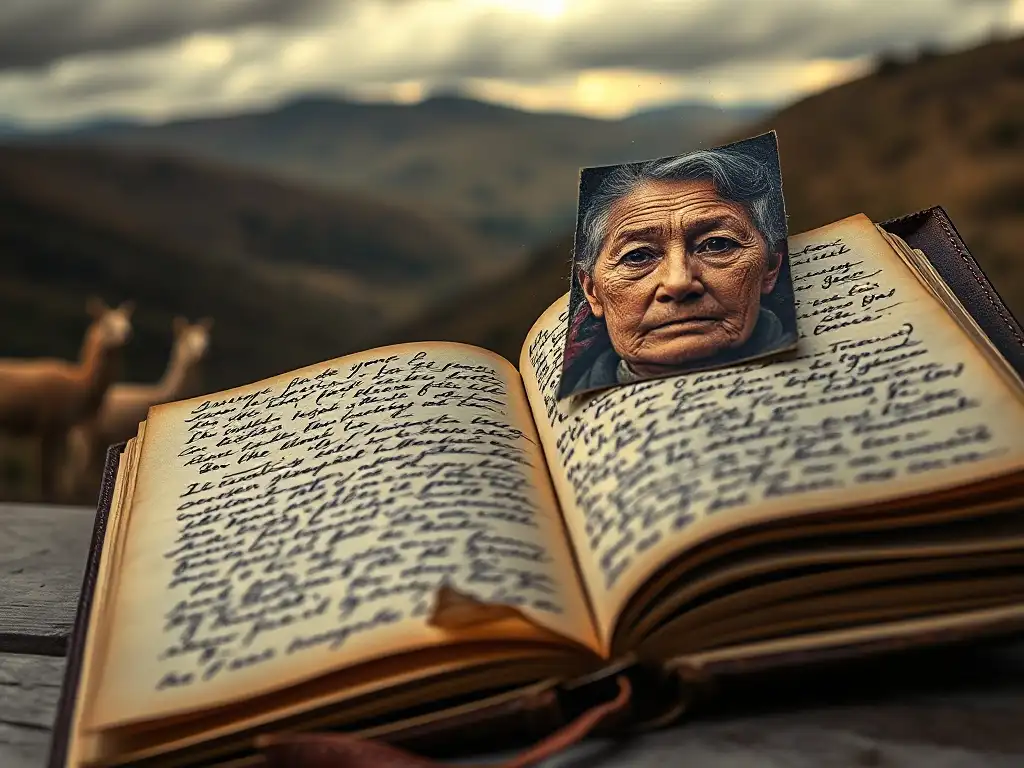
The preservation of Quechua dialects requires a multi-pronged approach, combining top-down initiatives with grassroots movements and leveraging the power of modern technology. The urgency of the situation demands immediate and sustained action to prevent the complete loss of these invaluable linguistic and cultural resources. Effective strategies must address the root causes of language endangerment while simultaneously fostering a renewed appreciation for Quechua's rich linguistic diversity. Successful revitalization efforts will require a long-term commitment from governments, organizations, and most importantly, the Quechua-speaking communities themselves.
Educational Programs for Quechua Dialect Transmission
Implementing effective educational programs is paramount for Quechua dialect preservation. These programs must move beyond simply teaching the language as a subject and instead integrate it into the fabric of daily school life. This involves:
- Immersive learning environments: Creating classrooms where Quechua is the primary language of instruction, fostering fluency and cultural understanding from a young age. This requires training teachers proficient in the specific dialects being taught. Data from [specific study on immersion programs pending] would be beneficial here to showcase successful models.
- Curriculum development: Developing age-appropriate curricula that incorporate Quechua into all subjects, not just language classes. This includes using Quechua language materials in math, science, and social studies, promoting holistic language acquisition. For example, incorporating traditional Quechua storytelling into literature classes or using Quechua terminology in science lessons relating to Andean flora and fauna.
- Teacher training: Investing heavily in training teachers to effectively utilize immersive techniques and culturally relevant pedagogy. This includes providing ongoing professional development opportunities and access to resources specifically designed for Quechua language instruction. [Specific data on teacher training programs and their effectiveness pending].
- Community involvement: Actively engaging community members as language instructors and mentors, ensuring that the teaching reflects authentic usage and cultural context. Grandparents and elders, for example, could share traditional stories and songs in their native dialects.
Community-Led Initiatives for Quechua Language Support
Community-based initiatives are crucial for fostering a sense of ownership and pride in Quechua dialects. These bottom-up approaches often prove more effective than top-down government programs because they directly address the needs and aspirations of the Quechua-speaking communities. Examples include:
- Quechua language nests: Establishing community-based childcare programs where Quechua is exclusively spoken, providing a nurturing environment for language acquisition from infancy. These programs should be tailored to the specific dialect of the community.
- Community radio and media: Utilizing local radio stations and other media platforms to broadcast programs in various Quechua dialects, promoting everyday language usage and cultural exchange. This could include news broadcasts, music programs, and storytelling sessions.
- Cultural festivals and events: Organizing regular festivals and events that celebrate Quechua language and culture, encouraging intergenerational transmission of knowledge and skills. These events could showcase traditional music, dance, and storytelling, strengthening community ties.
- Community language banks: Creating digital archives of oral histories, songs, and other cultural expressions in various Quechua dialects. This would safeguard valuable linguistic and cultural heritage for future generations. This initiative requires collaboration with linguists and technology experts to ensure accurate documentation and accessibility.
The Role of Technology in Quechua Dialect Preservation
Technology offers powerful tools for Quechua dialect preservation, enabling broader access to language learning resources and facilitating communication among speakers of different dialects. Specifically:
- Digital language learning platforms: Developing user-friendly apps and online courses that teach different Quechua dialects, utilizing interactive exercises, audio recordings, and video lessons. These platforms should be designed to be accessible to all ages and levels of proficiency.
- Online dictionaries and glossaries: Creating comprehensive online dictionaries and glossaries for various Quechua dialects, incorporating audio pronunciations and examples of usage within different contexts. Collaboration between linguists and technology developers is essential for accuracy and usability.
- Social media engagement: Utilizing social media platforms to connect Quechua speakers across geographical boundaries, fostering communication and promoting language use in everyday contexts. This could involve creating dedicated groups and pages for different dialects.
- Augmented and Virtual Reality (AR/VR): Exploring the potential of AR/VR technologies to create immersive language learning experiences. This could involve virtual field trips to Quechua communities or interactive simulations of everyday conversations. This is a relatively new area, and further research is needed to fully understand its potential. The development of such tools requires significant investment in research and development. 📈
The effective preservation of Quechua dialects requires a concerted effort combining traditional methods with cutting-edge technology. The success of these initiatives hinges on the active participation of Quechua-speaking communities and a long-term commitment from governments and organizations dedicated to linguistic diversity. 🤝
The Future of Quechua Dialects: Hopes and Challenges
The survival of Quechua's diverse dialects hangs precariously in the balance. While efforts are underway to preserve this rich linguistic heritage, significant hurdles remain. The future of Quechua hinges on a multifaceted approach that addresses both immediate and long-term needs. Understanding these challenges is crucial for crafting effective strategies for Quechua dialect preservation.
The dwindling number of native speakers, coupled with the pervasive influence of Spanish and other dominant languages, poses a serious threat to linguistic diversity. However, the growing awareness of the importance of linguistic preservation, fueled by indigenous communities themselves, offers a glimmer of hope. This section will explore the ongoing efforts and the long-term outlook for Quechua's linguistic future.
The Ongoing Efforts in Quechua Language Documentation
Several organizations and initiatives are actively engaged in documenting and preserving Quechua dialects. These efforts range from meticulous linguistic fieldwork, involving the recording and transcription of conversations and traditional narratives, to the development of educational materials and language revitalization programs. These programs often involve community participation, recognizing the crucial role of native speakers in shaping the preservation efforts. For example, some initiatives focus on creating Quechua-language dictionaries and grammars, aiming for comprehensive documentation of vocabulary, syntax, and phonology.
Other projects use technology, such as digital archives and online language learning platforms, to broaden access to Quechua language resources and promote wider engagement. The success of these efforts relies heavily on securing sustainable funding and fostering collaboration between linguists, educators, and, most importantly, Quechua-speaking communities. The level of detail in these documentation projects varies greatly, with some focusing on specific dialects while others adopt a broader approach. Effective documentation goes beyond simply recording words and phrases; it requires capturing the nuances of the language, its cultural context, and its role in the lives of its speakers.
The creation of robust language corpora – large, structured collections of language data – is vital for future linguistic research and the development of advanced language technologies. Without continued and well-funded efforts like these, many Quechua dialects risk complete extinction. The sheer number of dialects presents a logistical challenge, requiring significant resources and coordination across different regions.
The Long-Term Outlook for Quechua Linguistic Diversity
The long-term outlook for Quechua linguistic diversity is complex and uncertain. While the current efforts in documentation and revitalization are commendable, their sustainability remains a critical concern. Long-term success hinges on several factors, including continued government support for language preservation initiatives, the integration of Quechua into formal education systems, and the fostering of a positive social attitude towards multilingualism. The economic empowerment of Quechua-speaking communities is also crucial, as economic factors often influence language shift. Creating opportunities that value and utilize Quechua language skills can incentivize its continued use and transmission across generations.
Furthermore, the integration of Quechua into digital spaces, through online resources and technological applications, can broaden its reach and appeal, particularly amongst younger generations. The development of Quechua-language media, such as radio programs, television shows, and online content, can play a significant role in normalizing the use of the language in everyday life. However, the long-term preservation of Quechua dialects ultimately depends on the active engagement and commitment of Quechua-speaking communities. Their ownership of and participation in preservation efforts is paramount to ensuring the continued vitality of their linguistic heritage.
Without this grassroots support, even the most well-intentioned top-down initiatives are likely to fall short. The future of Quechua is not simply a matter of linguistic survival; it is a matter of cultural preservation, representing a rich tapestry of history, traditions, and identity. Continued research and monitoring are essential to accurately assess the effectiveness of current strategies and to adapt them as needed to meet the evolving challenges. 📈
Frequently Asked Questions
What is the main threat to Quechua dialects?
The primary threat is language shift, where younger generations are adopting Spanish as their primary language, leading to a decline in Quechua speakers and a loss of diverse dialects. This is exacerbated by limited access to education and resources in Quechua.
How many Quechua dialects exist?
There are many Quechua dialects, with estimates ranging from 10 to 48, depending on the criteria used for classification. The exact number is debated due to the continuum of variation between them.
Why is documenting these dialects important?
Documenting these dialects is crucial for preserving linguistic diversity and cultural heritage. It helps understand the history and evolution of the Quechua language and provides valuable insights into Andean cultures. This also aids in future revitalization efforts.
What are some of the challenges in documenting these dialects?
Challenges include the remoteness of some communities, the limited resources available for documentation projects, and the rapid decline of speakers in certain areas. Finding and training skilled linguists is also a significant hurdle.
What can be done to help preserve Quechua dialects?
Efforts include implementing bilingual education programs, creating Quechua-language media and resources, and fostering community involvement in documentation and revitalization projects. Supporting research and documentation initiatives is also key.
Final Reflection: Echoes of the Andes: A Plea for Linguistic Diversity
The erosion of Quechua's diverse dialects represents not just a linguistic loss, but a profound cultural tragedy. The urgency to preserve these vanishing voices is more critical now than ever, as globalization accelerates the homogenization of languages worldwide. We stand at a precipice, where the rich tapestry of Quechua's history and cultural heritage is threatened with irreversible damage.
The impact of language loss extends far beyond the mere absence of words; it erodes the very fabric of identity and community. The unique worldview, intricate knowledge systems, and vibrant traditions embedded within each dialect are irreplaceable. As the renowned linguist Noam Chomsky stated, Language is the most important tool that humans have ever invented.
Losing a Quechua dialect is akin to losing a piece of the human experience, a unique lens through which we understand the world. This loss affects not only the Quechua people but the global community, diminishing the richness and diversity of human expression.
Consider the power you hold. You, the reader, can become an active participant in the preservation of Quechua's endangered dialects. By supporting organizations dedicated to language revitalization, learning about the beauty and complexity of these languages, and amplifying the voices of Quechua speakers, you can contribute to a future where the echoes of the Andes resonate for generations to come. Let us work together to ensure that these precious linguistic treasures are not silenced, but celebrated and cherished.
Preserve and Promote Quechua Dialects Today!
Thank you for exploring the rich tapestry of endangered Quechua dialects with us. Your interest highlights the urgent need to protect these invaluable and vulnerable languages before they disappear. Let's work together to ensure these linguistic treasures are preserved for future generations.
Here's how you can make a difference:
- Engage with the Community: Participate in local workshops or online forums dedicated to Quechua language preservation. Connecting with speakers and advocates provides invaluable learning opportunities and fosters a sense of community.
- Spread the Word: Share this information on social media to raise awareness about the importance of preserving these dialects. Every share helps amplify the voices of those working to keep these languages alive.
- Learn the Language: Explore online or in-person Quechua language classes. Learning the language is a powerful way to contribute to its revitalization and ensures its continued existence.
What steps have you taken to support the preservation of endangered languages in your community?