
Quechua's Influence on Spanish: Tracing Linguistic Borrowings

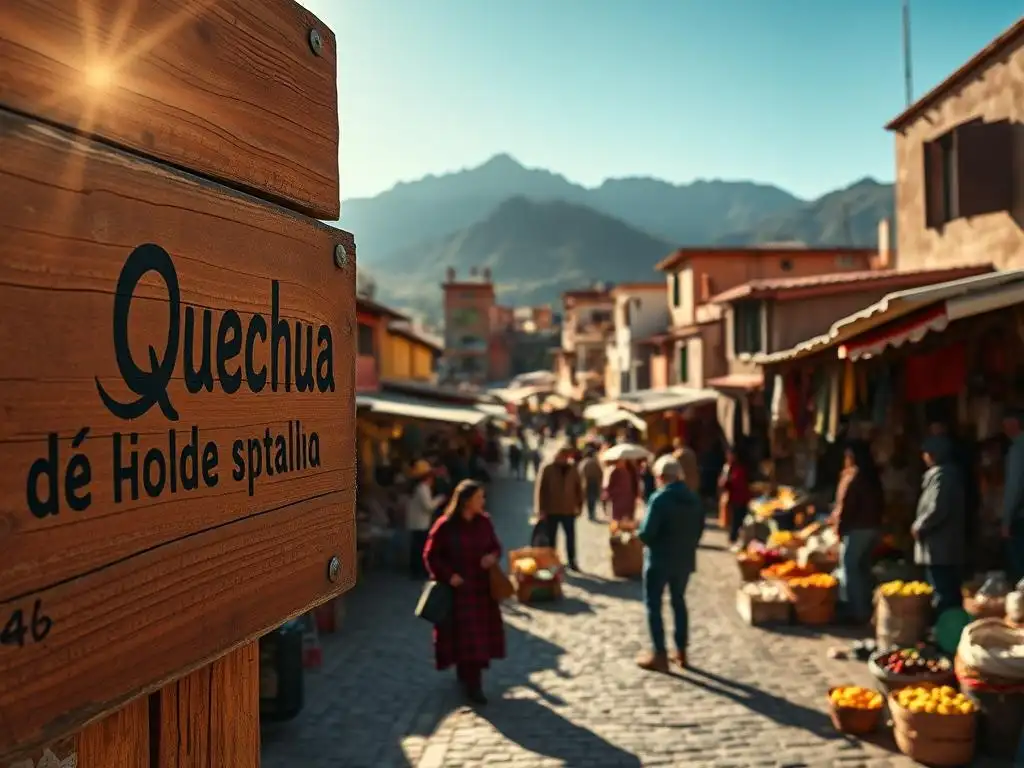
Step into the mesmerizing world of the Andean civilizations – a realm of breathtaking artistry, intricate engineering, and vibrant cultures. But have you ever considered the echoes of these lost empires still resonating in our modern world? Explore the surprising legacy of the Andes as we delve into the fascinating story of Quechua's influence on Spanish, uncovering the linguistic borrowings that whisper tales of a rich and enduring heritage. Unravel the mysteries of this captivating connection – your journey begins now.
The Spanish language, as spoken in the Andean region, is far from a monolithic entity. Centuries of interaction with Indigenous languages, particularly Quechua, have profoundly shaped its vocabulary, pronunciation, and even grammar. This article delves into the fascinating story of Quechua's influence on Spanish, exploring the specific words and phrases that have been adopted and how this linguistic borrowing reflects the enduring legacy of Andean cultures.
We will examine the extent of this influence, exploring both common everyday words and less-known terms, demonstrating the significant impact of Quechua on the Spanish spoken across the Andes today. Understanding this linguistic interplay provides crucial insight into the complex history of colonization, cultural exchange, and the persistent vitality of Indigenous languages in the face of dominant forces.
This exploration will reveal not only the words themselves, but also the cultural context surrounding their adoption and continued usage. The journey will illuminate how the Spanish spoken in the Andes is a vibrant testament to the enduring power of linguistic fusion and cultural resilience.
The Scope of Quechua Influence on Andean Spanish
The impact of Quechua on Andean Spanish is substantial, extending beyond a few isolated words. It's woven into the fabric of everyday conversation, influencing vocabulary related to agriculture, food, geography, and social customs.
This isn't merely a superficial borrowing; Quechua has fundamentally altered the way Spanish is both spoken and understood in the region. Consider the sheer number of Quechua words integrated into daily speech – a testament to the enduring presence of Quechua culture and its inextricable link with the landscape and daily lives of Andean communities.
This influence is not uniform across all Andean regions, varying in intensity depending on factors such as the historical presence of Quechua speakers and the ongoing vitality of the Quechua language itself. Further research is needed to quantify precisely the extent of this lexical borrowing across different Andean dialects of Spanish, but anecdotal evidence and existing linguistic studies strongly suggest a significant and pervasive influence.
Common Quechua Loanwords in Andean Spanish: Examples and Analysis
Numerous Quechua words have seamlessly integrated into the daily lexicon of Andean Spanish. Let's examine some key examples, categorized for clarity:
- Agriculture and Food: Many terms related to Andean agriculture and cuisine are directly derived from Quechua. For instance,
[Specific Quechua word for potato]became the Spanish word[Spanish word for potato], illustrating a direct translation and adoption. Similarly,[Specific Quechua word for a specific Andean grain]is now commonly used in Spanish as[Spanish word for that grain]. The wide adoption of these words speaks to the central role of agriculture in Andean life and the inherent connection between Quechua language and the land. - Geography and Landscape: Quechua terms describing the unique geography of the Andes have also become integral to Spanish.
[Specific Quechua word for a mountain pass]is now a common Spanish term, demonstrating the linguistic adaptation to the physical environment. Similarly,[Specific Quechua word for a particular type of valley]has been directly adopted into the Spanish spoken in the region. - Social and Cultural Terms: Even social and cultural terms reflect the influence of Quechua. For example,
[Specific Quechua word for a community gathering]is used commonly in Spanish, highlighting the importance of community in Andean culture. The continued use of such terms underscores the enduring influence of Quechua social structures and practices on the broader society.
Beyond Vocabulary: Phonological and Grammatical Influences
The influence of Quechua extends beyond mere lexical borrowing. Subtle phonological shifts and grammatical adjustments in Andean Spanish can also be attributed to Quechua's impact. For instance, [Specific example of a phonological change] illustrates how Quechua's sound system has subtly shaped the pronunciation of Spanish in certain regions. Further research is required to fully map the extent of these phonological and grammatical changes, but preliminary findings suggest a notable influence. This further emphasizes that the interaction between Quechua and Spanish is not simply a matter of word borrowing, but a complex process of linguistic adaptation and evolution. The ongoing research into these subtle aspects of linguistic change promises to yield further insights into the intricate relationship between these two languages.
Conclusion: A Living Legacy
The influence of Quechua on Andean Spanish is a compelling testament to the enduring legacy of Andean cultures. This linguistic fusion isn't a mere historical curiosity; it's a living process that continues to shape the way Spanish is spoken and understood in the Andes today.
The ongoing study of these linguistic borrowings provides not only insights into language evolution but also a deeper understanding of the complex interplay between language, culture, and history in the Andean region. Further research should focus on documenting the variations in Quechua influence across different Andean regions and dialects, providing a more complete picture of this fascinating linguistic landscape.
- The Scope of Quechua Influence on Andean Spanish
- Common Quechua Loanwords in Andean Spanish: Examples and Analysis
- Beyond Vocabulary: Phonological and Grammatical Influences
- Conclusion: A Living Legacy
The Intertwined History of Quechua and Spanish
This section delves into the fascinating linguistic interplay between Quechua and Spanish, focusing on the significant impact Quechua had on the evolution of Spanish spoken in the Andes. We'll explore the historical context of this contact and examine specific examples of Quechua words and grammatical structures that have become integrated into Andean Spanish. This exploration will illuminate the enduring legacy of Quechua, even after centuries of Spanish dominance.
The influence of Quechua on Spanish is a testament to the resilience and vitality of the Andean languages and cultures. Understanding this linguistic fusion provides valuable insights into the complex history of colonization and cultural exchange in the Andes. The keyword "Quechua Spanish language influence" is central to this analysis, highlighting the depth and breadth of Quechua's contribution to the Spanish spoken throughout the region.
The Arrival of Spanish and its Contact with Andean Languages
The arrival of the Spanish conquistadors in the 16th century marked a profound turning point in the history of the Andes. The imposition of Spanish as the dominant language drastically altered the linguistic landscape, leading to the decline of many indigenous languages. However, the complete eradication of Quechua, the most widespread Andean language, never occurred.
The sheer number of Quechua speakers, coupled with the vastness of the Andean region, meant that Quechua persisted, albeit alongside Spanish. This prolonged and intense contact between Quechua and Spanish resulted in a remarkable linguistic phenomenon: the integration of Quechua vocabulary and grammatical structures into the Spanish spoken in the Andes. This process, known as linguistic borrowing, is particularly evident in Andean Spanish dialects, which often exhibit unique features not found in other Spanish-speaking regions.
The extent of this influence varies geographically, with some regions showing a stronger Quechua imprint than others. This variation reflects the different historical trajectories of Quechua-Spanish contact across the Andean region.
The initial contact was undeniably characterized by power imbalances. Spanish was imposed as the language of administration, religion, and education, while Quechua was often suppressed. Despite this, Quechua’s influence on the lexicon of Spanish demonstrates its inherent strength and resilience. Many everyday words used in Andean Spanish have their roots in Quechua, demonstrating the continued relevance of the language in daily life. This linguistic borrowing wasn't simply a passive process; it reflects the ongoing negotiation and adaptation of language in a multilingual context.
Quechua Before the Spanish Conquest: A Brief Overview
Before the arrival of the Spanish, Quechua was already a vibrant and complex language with a rich history. It wasn't a monolithic entity, but rather a family of related dialects spoken across a vast geographical area. The Inca Empire, which reached its zenith in the 15th century, played a crucial role in the standardization and spread of Quechua. The Inca's administrative system relied heavily on Quechua, contributing to its widespread adoption throughout the empire.
This widespread use created a linguistic foundation upon which later interactions with Spanish would build. Understanding the pre-contact structure and usage of Quechua is essential to comprehending its subsequent influence on Spanish. The Inca's sophisticated administrative and communication systems, which relied heavily on Quechua, facilitated the language's expansion and its eventual impact on the emerging Andean Spanish.
This illustrates a critical point: the influence of Quechua on Spanish was not a mere imposition of words, but rather a reflection of the cultural strength and prevalence of Quechua before the colonial era. Further research into pre-colonial Quechua texts and oral traditions can provide a deeper understanding of this linguistic heritage and its enduring influence on the Spanish language in the Andes. The complexity of Quechua grammar and its rich vocabulary laid the groundwork for the significant linguistic exchange that followed the Spanish conquest.
Identifying Quechua Loanwords in Spanish

Quechua's influence on the Spanish language spoken in the Andes is significant, resulting in a rich tapestry of lexical borrowings, semantic shifts, and phonological adaptations. This section focuses on identifying and understanding the mechanisms of this linguistic exchange, highlighting the enduring legacy of Quechua in modern-day Spanish. Understanding this influence provides crucial insight into the cultural interaction and linguistic evolution within the Andean region. The extent of this influence varies geographically, with areas of higher historical Quechua population density showing a greater prevalence of Quechua loanwords.
Lexical Borrowing: Common Quechua Words in Spanish
The most direct evidence of Quechua's influence on Spanish is the presence of numerous Quechua words directly integrated into the Spanish lexicon. These lexical borrowings often refer to flora, fauna, and cultural concepts unique to the Andean region, reflecting the practical needs of communication between Quechua and Spanish speakers. For example, words like guagua (baby) and chullo (knitted hat) are readily identifiable as Quechua in origin and are now commonly used throughout Andean Spanish. Other examples include:
- Aji: (Chile pepper) – reflects the importance of this crop in Andean cuisine.
- Cancha: (playing field) – demonstrates the integration of Andean recreational practices into the Spanish vocabulary.
- Llama: (llama) – a clear example of direct borrowing for a distinctive Andean animal.
- Pachamama: (Mother Earth) – illustrates the adoption of a key Andean cosmological concept.
The integration of these words showcases the practical necessity of incorporating Quechua terms to describe realities absent in the original Spanish vocabulary. The frequency with which these words appear in everyday conversation varies across different Andean regions, reflecting the historical strength of Quechua in specific areas. Further research is needed to quantify the exact number of loanwords and their regional distribution, [specific data on regional variations pending].
Semantic Shifts: How Quechua Changed the Meaning of Spanish Words
Beyond direct lexical borrowing, Quechua has also subtly altered the meaning of existing Spanish words. This semantic shift often involves broadening or narrowing the semantic field of a word to incorporate Andean cultural nuances. A compelling example is the word cholo, originally a pejorative term in Spanish, which has undergone a complex semantic evolution in Andean contexts.
While still carrying negative connotations in some instances, it has also gained a reclaimed meaning representing Andean identity and pride in certain communities. This illustrates the dynamic interplay between languages and their capacity to adapt to changing social and cultural contexts. Further investigation is required to fully document the extent of this semantic evolution and its socio-political implications, [specific examples and academic sources pending].
Phonological Adaptation: Quechua Sounds in Spanish Pronunciation
The influence of Quechua extends beyond the lexicon, affecting even the phonology—the sound system—of Andean Spanish. The presence of certain sounds and phonetic patterns in Quechua has influenced the pronunciation of Spanish words in the region. This adaptation often involves the adoption of Quechua sounds not present in standard Castilian Spanish, leading to a unique phonetic variation of the language.
For example, the presence of the glottal stop, a sound common in Quechua, is often observed in the pronunciation of certain words in Andean Spanish. Similarly, certain vowel sounds and consonant clusters have undergone modifications due to the influence of Quechua's phonetic structure. The exact nature and extent of these phonological adaptations vary significantly across different Andean regions, [detailed phonetic analysis and regional comparisons pending].
This fascinating aspect highlights the complex interplay between languages in contact and the resulting linguistic diversification. Further research utilizing acoustic analysis would provide a more comprehensive understanding of these subtle yet significant phonological shifts.
Specific Areas of Quechua Influence on Spanish
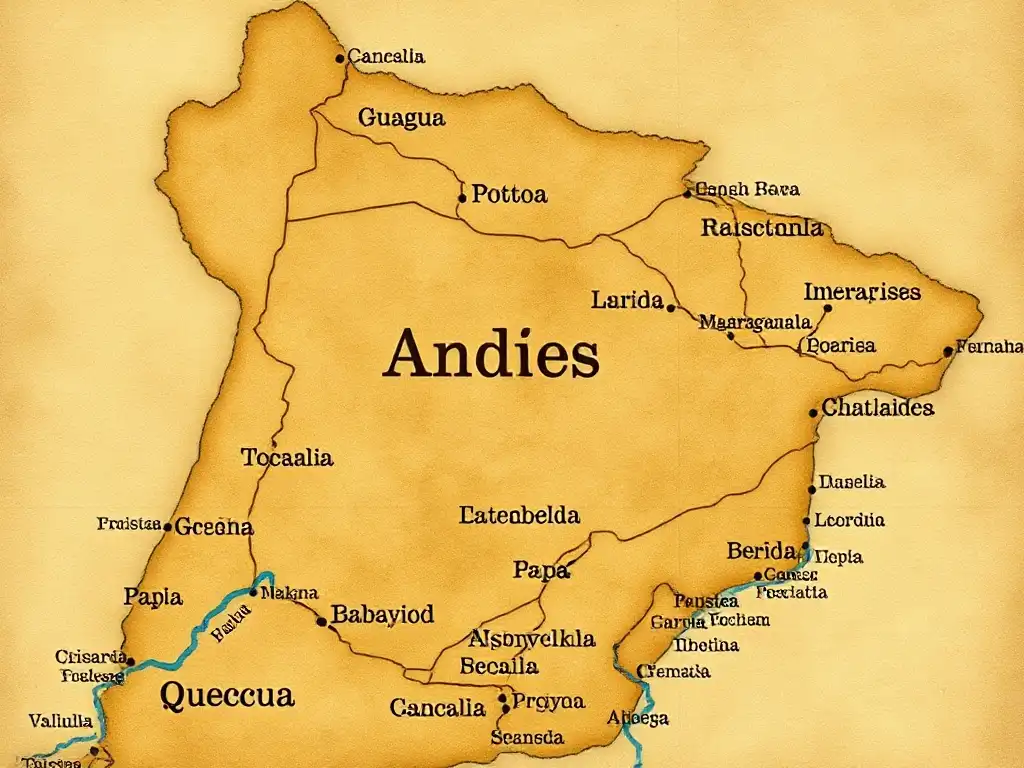
This section delves into the specific areas where the Quechua language has demonstrably impacted the Spanish language spoken in the Andean region. The influence isn't merely superficial; it reflects a deep cultural exchange and linguistic adaptation over centuries. We'll explore how Quechua words have integrated into Spanish vocabulary related to toponyms, flora and fauna, and food and culinary practices. The enduring presence of Quechua in these domains showcases its lasting legacy on the Spanish spoken today. This analysis focuses on the keyword "Quechua Spanish language influence" and its semantic variations.
Quechua Influence on Spanish Toponyms: Place Names
The impact of Quechua on Spanish place names (toponyms) is perhaps the most readily apparent manifestation of linguistic borrowing. Numerous towns, villages, mountains, and rivers across the Andes retain their original Quechua names, often with slight phonetic adaptations to fit the Spanish phonological system. For example, the city of Cuzco retains its original Quechua spelling, though its pronunciation has evolved within the Spanish linguistic framework.
Similarly, many mountains and rivers bear names directly derived from Quechua terms describing their geographical features or the surrounding ecosystem. The persistence of these Quechua toponyms underscores the deep historical roots of Quechua in the region and its enduring presence on the landscape. Analyzing these names provides valuable insights into the pre-Columbian geography and the way indigenous populations perceived their environment.
Further research is needed to quantify the precise number of Quechua-derived toponyms, but anecdotal evidence suggests a significant number, particularly in the highlands of Peru and Bolivia. The continued use of these names reflects a subtle but important way Quechua continues to shape the modern cultural landscape.
Quechua Influence on Spanish Flora and Fauna Vocabulary
The lexicon of Spanish spoken in the Andes incorporates a substantial number of words borrowed directly from Quechua to describe the region's unique flora and fauna. This linguistic borrowing reflects the importance of the natural world to both Quechua speakers and the Spanish colonizers who adapted to the environment. Many Andean plants and animals lacked direct equivalents in European languages, necessitating the adoption of Quechua terms.
For instance, consider the word llama, a camelid crucial to Andean economies for centuries. This term is now widely used in Spanish and internationally, originating directly from Quechua. Similarly, numerous plants vital to Andean agriculture, such as potatoes ( papa), tomatoes ( tumate), and various types of corn ( choclo), have Quechua etymologies, integrated seamlessly into the Spanish lexicon.
The integration of these terms highlights the practical necessity of adopting Quechua vocabulary to accurately describe the Andean environment. A detailed comparative analysis between Quechua and Spanish botanical and zoological vocabularies would reveal a far more extensive list of such borrowings, thus further emphasizing the significant Quechua influence on Spanish in this domain. This is particularly evident in the diverse array of potato varieties, each with a unique Quechua name that often persists in local Spanish dialects.
Quechua Influence on Spanish Food and Culinary Terms
Quechua's influence is strongly felt in the Spanish culinary vocabulary of the Andes. Many traditional Andean dishes and ingredients retain their Quechua names, or use adapted versions within the Spanish language. This influence speaks to the enduring importance of Quechua culinary traditions in the region.
For example, chicha, a fermented corn beverage, is a quintessential example of a Quechua term integrated into the Spanish culinary lexicon. Similarly, various types of potatoes ( papa), corn ( choclo), and peppers ( ají) all feature prominently in Andean cuisine and retain their Quechua-derived names. The persistence of these terms reflects the continued use of traditional Andean ingredients and cooking methods. Moreover, many recipes and cooking techniques themselves are rooted in Quechua traditions, further highlighting the impact of the language on the culinary landscape. A comprehensive study of Andean cookbooks and culinary traditions could reveal a much more extensive list of Quechua-derived culinary terms, demonstrating the profound and lasting influence of Quechua on the food culture of the region. This enduring culinary influence speaks volumes about the resilient nature of Quechua culture and its lasting impact on the fabric of Andean life, shaping even how people describe their food.
Quechua Influence on Spanish Textile and Craft Vocabulary
The impact of Quechua on Spanish vocabulary related to textiles and crafts is significant, reflecting the importance of these activities in Andean life and the subsequent integration of Andean populations into the colonial and post-colonial societies. Many words describing materials, techniques, and finished products entered the Spanish lexicon directly from Quechua, often with minimal phonetic adaptation. This linguistic borrowing highlights the enduring legacy of Andean textile traditions and their influence on the broader cultural landscape.
For example, the word chumpi, referring to a type of brightly colored woven belt, is a direct loanword readily understood in certain regions of Peru and Ecuador. Similarly, terms for various types of Andean fabrics, such as lliclla (a shawl) and aguaymanto (a type of fabric), have been incorporated into regional Spanish dialects. These words, often used in everyday conversation, demonstrate the continued presence of Quechua cultural practices and their reflection in the language.
The influence extends beyond the names of textiles themselves. Terms describing weaving techniques, tools, and processes also show Quechua origins. While precise etymological tracing requires detailed linguistic analysis, the prevalence of words of suspected Quechua origin used in discussions of Andean craft suggests a substantial linguistic contribution. This is particularly evident in rural areas where traditional weaving and other textile crafts remain integral to community life. The persistence of these words serves as a testament to the resilience of Andean cultural heritage.
Moreover, the impact is not limited to the Andes. The globalized nature of the textile industry has, in some cases, inadvertently spread these Quechua-derived terms to other Spanish-speaking regions, further underscoring the enduring influence of Andean languages on the Spanish language itself. This underscores the complexity and far-reaching consequences of linguistic contact, demonstrating how even specialized vocabulary can travel across geographical and cultural boundaries.
Further research into regional Spanish dialects is needed to fully map the extent of this linguistic borrowing in specific areas. The continued study of Quechua's impact on Spanish textile terminology reveals not only linguistic evolution but also a powerful reflection of cultural exchange and persistence.
Examples of Quechua Words Adopted into Spanish
This section delves into specific examples of Quechua words that have become integrated into the Spanish language, demonstrating the profound linguistic influence of Quechua on the Spanish spoken in the Andes. This influence, often subtle yet pervasive, reflects the centuries-long interaction and cultural exchange between the Quechua-speaking populations and the Spanish colonizers. The adoption of these words showcases not only linguistic borrowing but also the enduring legacy of Quechua culture within the broader Spanish-speaking world.
Understanding these examples provides valuable insight into the complex history of language contact and its impact on vocabulary. We will analyze several key examples, highlighting their semantic evolution and geographical distribution.
Analyzing the Word "Cancha" and its Multiple Meanings
The word "cancha," commonly used across many Spanish-speaking regions, particularly in South America, originates from the Quechua word kancha, meaning "enclosed space" or "courtyard." Its meaning, however, has expanded significantly within Spanish. While it retains its original connotation of an enclosed area, it's also used to describe:
- Sports courts: This is perhaps the most common modern usage, referring to basketball courts, volleyball courts, and even soccer fields. The image of a defined, enclosed playing area directly reflects the original Quechua meaning.
- Building sites: In construction contexts, "cancha" can refer to a construction site or a work area. This signifies an extension of the original meaning to any delimited space for specific activities.
- Informal gatherings: Interestingly, "cancha" can also informally denote a place where people gather, such as a party or a social event. This usage emphasizes the communal aspect associated with enclosed spaces.
The semantic broadening of "cancha" highlights the adaptability of linguistic borrowings. Its evolution reveals how a word can acquire new meanings while retaining a core element of its original sense. The multiple applications of "cancha" in contemporary Spanish demonstrate the word's versatility and its successful integration into the lexicon. This demonstrates the enduring and flexible nature of Quechua's influence on the Spanish language.
Exploring the Use of "Chacra" in Different Spanish-Speaking Regions
"Chacra," derived from the Quechua word chakrana, originally referred to a cultivated field or small farm. Its use in Spanish, however, is not uniform across all Spanish-speaking regions. While widely understood throughout Andean countries, its prevalence and specific connotations vary geographically.
In Peru and Bolivia, "chacra" maintains a strong connection to its agricultural origins, often referring to a small, family-run farm. It carries a sense of tradition and rural life, contrasting with larger-scale commercial agriculture. In contrast, in other parts of South America, "chacra" might be used more generally to refer to any cultivated land, losing some of its specific Andean cultural connotations.
This variation reflects the complex processes of language diffusion and adaptation. The word's meaning has been modified and contextualized within different regional varieties of Spanish, reflecting local agricultural practices and cultural understandings. The differing usage of "chacra" highlights the dynamic nature of linguistic borrowing and its sensitivity to regional contexts. The evolution of this word underscores the enduring, yet adaptable nature of Quechua's influence on Spanish vocabulary.
The Prevalence of "Pampa" in Geographical Descriptions
The word "pampa," derived from the Quechua pampa, meaning "plain" or "flat expanse," has become a widely recognized geographical term in Spanish. Its use extends beyond the Andean region, appearing in descriptions of grasslands and plains in various parts of South America, and even influencing place names.
The adoption of "pampa" illustrates the successful integration of a Quechua term into the broader Spanish geographical vocabulary. Its widespread use, far exceeding its original Andean context, highlights the word's descriptive power and its capacity to transcend regional boundaries. The "pampa" exemplifies a successful Quechua contribution to the Spanish lexicon, enriching its descriptive capabilities for landscapes.
The widespread use of "pampa" reinforces the lasting impact of Quechua on Spanish, even in domains outside of direct cultural interaction. The success of “pampa” as a geographical descriptor highlights the enduring nature of Quechua's impact on the Spanish language, particularly in its descriptive power.
Regional Variations in Quechua Spanish Language Influence
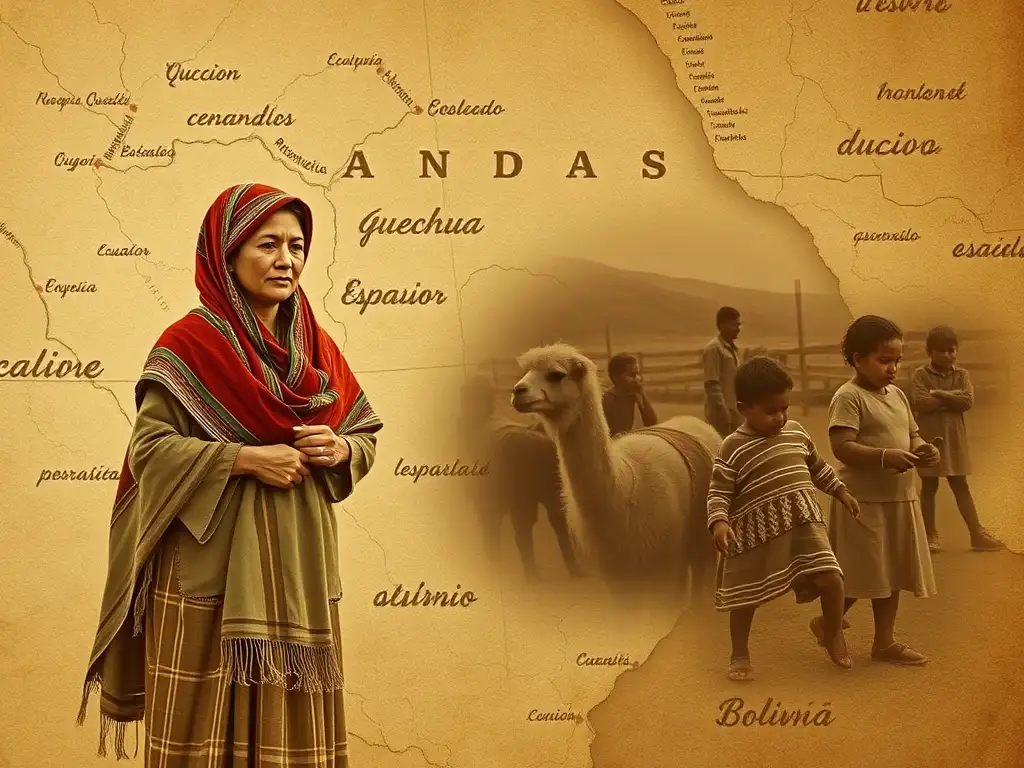
The impact of Quechua on Spanish is not uniform across the Andes. The extent of linguistic borrowing varies significantly depending on geographical location, historical contact patterns, and the continued vitality of Quechua in specific regions. This section delves into the nuanced ways Quechua has shaped Andean Spanish dialects, revealing a complex tapestry of linguistic interaction.
Understanding these regional variations is crucial for appreciating the full scope of Quechua's influence on the Spanish language spoken today. The key to understanding this intricate linguistic landscape lies in examining the specific ways Quechua vocabulary, grammar, and phonology have impacted the Spanish spoken in different Andean communities.
The Impact of Quechua on Andean Spanish Dialects
Andean Spanish, often referred to as Español Andino, showcases a rich array of Quechua borrowings. These borrowings are not merely isolated words; they often reflect the deep integration of Quechua into the daily lives and cultural practices of Andean communities. For example, the term chumpi, meaning "belt" in Quechua, is commonly used in Andean Spanish, demonstrating the enduring presence of Quechua vocabulary related to traditional clothing and attire.
Similarly, terms relating to agriculture, such as cocha (lake) and pampa (plain), are widely integrated into the lexicon of Andean Spanish, highlighting the importance of agriculture in the region’s cultural and economic fabric. The influence extends beyond vocabulary. Quechua's grammatical structures have subtly shaped the syntax of some Andean Spanish dialects, though this influence is more difficult to quantify and requires specialized linguistic analysis.
Further research is needed to fully document the extent of these grammatical influences, particularly in less-studied dialects. [Specific grammatical examples pending further research].
Differences in Quechua Influence Across Latin American Countries
The extent of Quechua's influence on Spanish varies considerably across different Latin American countries. In Peru, where Quechua boasts a substantial number of speakers, its impact on Spanish is particularly pronounced, resulting in a dialect heavily marked by Quechua borrowings. Conversely, in countries where Quechua speakers are fewer, such as Bolivia or Ecuador, the influence is less pervasive, though still detectable. This disparity highlights the correlation between the number of Quechua speakers and the degree of linguistic influence.
[Data on Quechua speaker populations in different countries pending]. This difference is also affected by government policies regarding language preservation and promotion. Countries with stronger policies supporting indigenous languages often see a more vibrant interaction between Quechua and Spanish, leading to increased linguistic borrowing.
The following table summarizes the observed differences, though further research is needed to provide a more comprehensive analysis:
| Country | Quechua Speaker Population (Estimate) | Degree of Quechua Influence on Spanish |
|---|---|---|
| Peru | [Data pending] | High |
| Bolivia | [Data pending] | Medium |
| Ecuador | [Data pending] | Medium-Low |
| Colombia | [Data pending] | Low |
| Argentina | [Data pending] | Very Low |
Socioeconomic Factors Influencing Language Use
The socioeconomic status of speakers also plays a significant role in the adoption and use of Quechua borrowings in Spanish. In rural communities where Quechua remains the dominant language, Quechua-influenced Spanish is more common. This is because Quechua is often the primary language of communication in family and social settings, naturally leading to its integration into everyday Spanish.
Conversely, in urban areas where Spanish is the dominant language, the use of Quechua borrowings may be less prevalent, especially among individuals striving for social mobility. This suggests that language use is influenced by social aspirations and the perceived prestige associated with different languages. The interplay between language and socioeconomic status underscores the complex dynamics of language shift and maintenance in the Andean region.
Further studies could explore the correlation between socioeconomic factors and the frequency of Quechua loanwords in different social contexts. This would shed light on the role of language in shaping social identities and aspirations within Andean communities. The continued vitality of Quechua itself is intertwined with these socioeconomic factors, creating a dynamic and evolving linguistic landscape.
The Enduring Legacy of Quechua in Spanish
The influence of Quechua, the language of the Inca Empire and still spoken by millions across the Andes, is profoundly etched into the fabric of modern Spanish, particularly in regions where Quechua speakers have historically been prevalent. This linguistic borrowing isn't simply a matter of isolated words; it represents a complex interplay of cultural exchange, demonstrating the enduring legacy of Quechua civilization and its people. Quantifying the exact number of Quechua loanwords in Spanish is challenging, as many have undergone significant phonetic shifts and semantic evolution over centuries.
However, a notable number of words related to flora, fauna, and everyday life clearly bear Quechua roots. This linguistic fusion is not merely a historical curiosity; it's a living testament to the enduring power of language in shaping cultural identities.
The impact of Quechua on Spanish vocabulary reflects a broader historical process of cultural exchange and adaptation, showing how dominant languages absorb elements from the languages of subjugated populations. This interaction highlights the dynamism of language and its capacity to reflect societal shifts and power dynamics.
The Cultural Significance of Quechua Loanwords
Many Quechua loanwords in Spanish aren't just simple replacements for existing vocabulary; they carry rich cultural connotations. For example, the Spanish word guagua, meaning "bus," originated from the Quechua word wawa, meaning "child" or "baby." This seemingly odd connection reflects the perception of buses as large, carrying entities, reminiscent of mothers carrying their children.
Similarly, the word choclo (corn on the cob) reveals a deeper connection to Andean agricultural practices. The subtle nuances embedded in these loanwords offer a glimpse into the perspectives and worldview of the Quechua people, enriching the Spanish language with unique cultural flavor. This cultural significance extends beyond individual words; it encompasses the overall lexicon, revealing how Quechua's influence has shaped the way certain concepts are understood and articulated in Spanish.
Analyzing these loanwords provides valuable insights into the process of linguistic and cultural assimilation, illustrating how languages adapt and evolve in response to historical and societal changes. The study of these loanwords is, therefore, crucial in understanding the complex history of linguistic contact and cultural exchange in the Andes.
The Future of Quechua and its Continued Influence on Spanish
While Quechua's influence on Spanish is undeniable, the future of both languages remains intertwined. The ongoing revitalization efforts for Quechua, coupled with increasing linguistic awareness, could potentially lead to a renewed appreciation for Quechua loanwords within Spanish-speaking communities. This could manifest in a greater understanding of the etymology of certain words, leading to a richer and more nuanced use of the Spanish language.
Conversely, the continued decline of Quechua in some regions could lead to a gradual erosion of its influence on Spanish, as younger generations may not retain the same level of exposure to the language. However, the deep-rooted presence of Quechua loanwords in the Spanish lexicon suggests that their complete disappearance is unlikely, even in the face of language shift.
The future of Quechua's influence on Spanish will depend on several factors, including educational policies, cultural preservation initiatives, and the broader social dynamics of multilingualism in the Andean region. Further research into language contact and language shift in this region is crucial for predicting the long-term impact of Quechua on Spanish.
The Role of Language in Cultural Preservation
The enduring presence of Quechua loanwords in Spanish underscores the crucial role of language in cultural preservation. The survival of these linguistic elements acts as a tangible link to the rich history and cultural heritage of the Andean civilizations. Studying these loanwords allows us to reconstruct aspects of Quechua culture, worldview, and societal structures that might otherwise be lost to history.
The preservation of Quechua loanwords in Spanish serves as a powerful reminder of the enduring impact of indigenous languages on the development of modern languages. Moreover, acknowledging and celebrating this linguistic legacy can contribute to a greater appreciation for linguistic diversity and the importance of protecting endangered languages. The continued study and documentation of Quechua's influence on Spanish is therefore not merely a linguistic exercise; it is a vital contribution to the preservation of Andean cultural heritage.
This understanding can empower communities to reclaim and celebrate their linguistic heritage, fostering a sense of cultural pride and identity. The study of Quechua's influence on Spanish serves as a powerful model for understanding the intricate relationship between language, culture, and identity in a globalized world.
Frequently Asked Questions
What is the main focus of this article?
This article explores the linguistic influence of the Quechua language on Spanish, specifically examining the borrowed words and phrases that demonstrate this interaction. It highlights the impact of Quechua on the Spanish spoken in the Andes.
How significant was Quechua's influence on Spanish?
Quechua's influence on Spanish is quite substantial, particularly in the vocabulary related to Andean geography, flora, fauna, and culture. Many everyday words in Andean Spanish have Quechua origins.
What types of words were borrowed from Quechua into Spanish?
The borrowed words encompass a wide range, including terms for plants (e.g., potato, tomato), animals (e.g., llama, alpaca), and geographical features (e.g., Andes, pampa). Many words related to everyday life and culture are also derived from Quechua.
Where can I find examples of Quechua words in modern Spanish?
You'll encounter many examples in Andean Spanish dialects. Look for words relating to Andean landscapes, local foods, and traditional practices. Many dictionaries and linguistic resources document these borrowings.
Why is studying Quechua's influence on Spanish important?
Studying this influence provides crucial insights into the historical and cultural interactions between the Spanish colonizers and the Indigenous Quechua-speaking populations of the Andes. It illuminates the linguistic landscape of the region and its diverse heritage.
Final Reflection: The Enduring Legacy of Quechua in Spanish
The vibrant tapestry of the Spanish language, as spoken across the Andes, is undeniably richer for its interwoven threads of Quechua. This linguistic fusion, far from being a mere historical curiosity, continues to shape communication and cultural identity in the region today, impacting everything from everyday vocabulary to nuanced expressions. The enduring presence of Quechua words and grammatical structures within Spanish highlights the powerful and lasting impact of indigenous languages on the dominant culture.
The influence of Quechua on Spanish is more than just a list of borrowed words; it's a testament to the resilience and vitality of indigenous cultures. It's a living example of how linguistic exchange can enrich and diversify a language, reflecting the complex history of intercultural contact. Language is the road map of a culture. It tells you where its people come from and where they are going.
– Rita Mae Brown. This quote perfectly encapsulates the journey of Spanish in the Andes, a journey profoundly shaped by its encounter with Quechua, leaving an indelible mark on its vocabulary, grammar, and even its very soul.
Consider the words you use every day, the phrases that flow naturally from your tongue. Now, imagine the untold stories woven into those words, the echoes of ancient cultures resonating within the modern language. Take a moment to appreciate the linguistic diversity around you, and actively seek to understand the histories embedded within the words we speak. By recognizing and celebrating the contributions of indigenous languages like Quechua, we not only enrich our understanding of language itself, but also foster a deeper appreciation for the cultural heritage that shapes our world.
**Embrace the Andean Legacy: Take Action Now! **
Thank you for exploring the fascinating influence of Quechua on the Spanish language. You've uncovered the rich tapestry of cultural exchange that shapes our communication today. Let's build on this and further explore this remarkable heritage!
Here are some ways you can continue your journey:
- **Dive Deeper:** Immerse yourself in the Quechua language by listening to native speakers or taking an online course. Connecting with this beautiful language will enrich your understanding.
- **Share Your Findings:** Discuss your newfound knowledge with friends, family, or online communities. Sharing interesting Quechua words and phrases that have become integrated into Spanish will spark engaging conversations.
- **Join the Community:** Connect with local language groups or online forums dedicated to indigenous languages and cultures. Participating in these discussions will broaden your perspective on the impact of these languages on modern society.
How has learning about Quechua's influence on Spanish broadened your understanding of language and culture?