
The Power of Song: The Musical Dimension of Andean Oral History

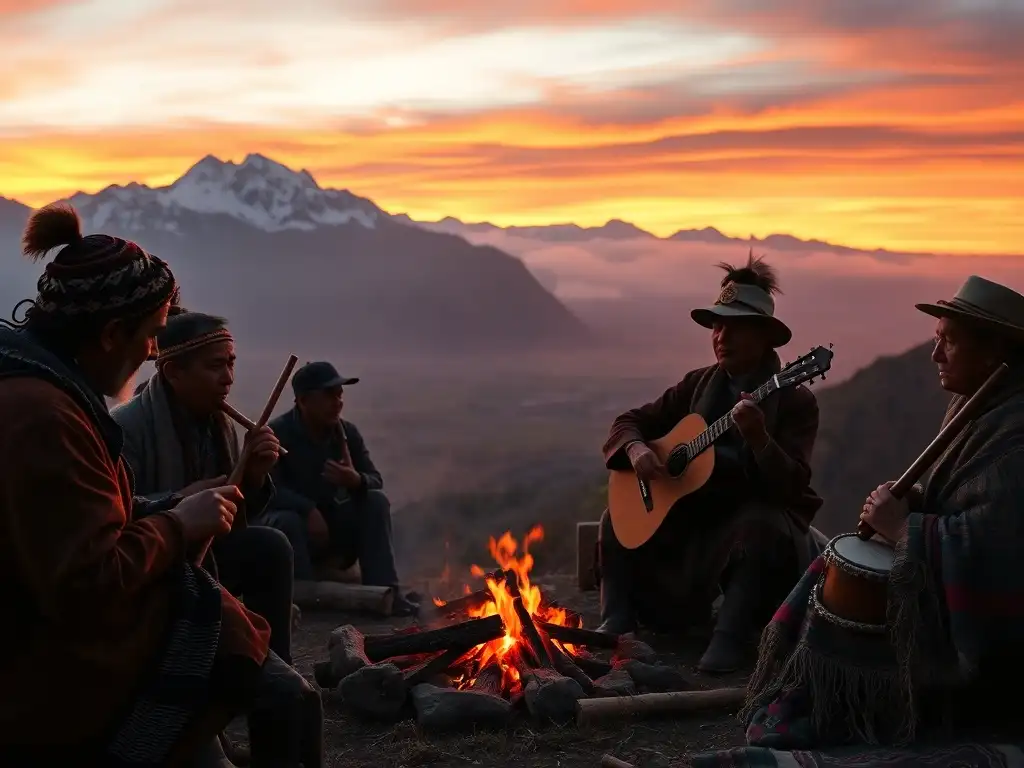
Dive into the captivating world of Andean Civilizations—a realm of breathtaking artistry, intricate engineering, and enduring mystery. Beyond the majestic ruins and stunning artifacts lies a powerful legacy whispered through generations: Andean oral history music. Uncover the secrets encoded within these ancient melodies, and embark on a journey to understand how song preserved and shaped the identities of the Incas, Moche, Nazca, and Tiahuanaco. Prepare to be amazed by the power of sound—a force that echoes across millennia.
The Andes Mountains, a spine of towering peaks running down the western coast of South America, have been home to a vibrant tapestry of cultures for millennia. These civilizations, including the Inca, Moche, Nazca, and Tiahuanaco, didn’t rely solely on written records to preserve their history, knowledge, and beliefs.
Instead, a rich oral tradition, deeply intertwined with music, served as the primary vehicle for transmitting cultural heritage across generations. This article delves into the profound significance of music within Andean oral history, exploring how songs, chants, and musical instruments acted as living archives, preserving narratives, rituals, and social structures that would otherwise be lost to time.
We will examine how the melodies and lyrics themselves encoded historical events, social hierarchies, and spiritual beliefs, showcasing the power of music as a dynamic force in shaping Andean identity and cultural continuity. Understanding this musical dimension is crucial to fully appreciating the complexity and richness of Andean oral history and its enduring legacy.
The Role of Music in Andean Society
Music wasn't merely entertainment in Andean societies; it was deeply embedded in the fabric of daily life. From agricultural rituals to royal ceremonies, from courtship songs to lullabies, music permeated every aspect of existence. Consider the intricate yaravíes, melancholic songs often associated with love and loss, or the lively huaynos, celebratory dances that brought communities together.
These musical forms were not just aesthetically pleasing; they served vital social functions, reinforcing community bonds, transmitting values, and preserving historical memory. The lyrics of these songs often recounted historical events, genealogies, and mythological stories, acting as a living encyclopedia of cultural knowledge. Furthermore, the specific melodies and rhythms associated with particular events or social groups helped to codify and transmit important cultural information.
For example, specific musical patterns might have indicated social status or signaled the commencement of a particular ritual. The absence of widespread literacy only intensified the importance of music as a primary means of cultural transmission.
Instruments as Vessels of History
The instruments themselves held cultural significance and often played a key role in storytelling. The antara, a panpipe instrument, was widely used across various Andean cultures, and its distinctive sound likely held symbolic meaning within different communities. Similarly, the pututu, a conch shell trumpet, was used for ceremonial purposes and its powerful sound likely served to announce important events or summon people to gatherings.
The construction and materials of these instruments often reflected the available resources and technological expertise of a particular culture or region, providing archaeologists with valuable insights into past societies. The careful preservation of these instruments across generations demonstrates the high value placed on their cultural and historical significance. The craftsmanship and artistry involved in creating these instruments also reflected the sophisticated technological capabilities of Andean civilizations.
Oral History, Music, and Modernity
While the advent of writing systems has inevitably altered the landscape of Andean oral traditions, the power of music persists. Many traditional musical forms continue to thrive in contemporary Andean communities, representing a living link to the past.
Modern musicians and scholars work tirelessly to document, preserve, and promote these musical traditions, ensuring that the rich heritage encoded within them remains accessible to future generations. The ongoing efforts to revitalize and celebrate Andean music represent a testament to the enduring power of oral history and its ability to transcend time and adapt to changing circumstances.
The study of Andean music provides invaluable insights into the cultural resilience and adaptability of Andean peoples, offering a compelling example of how cultural heritage can be preserved and celebrated in the face of modernization. The vibrant continuation of these musical traditions serves as a powerful reminder of the importance of preserving and promoting cultural diversity.
The Future of Andean Oral History Music Research
The study of Andean oral history music is a dynamic and evolving field. Further research is needed to fully explore the intricate relationships between musical traditions and specific historical events, social structures, and cultural beliefs. The use of advanced technologies, such as digital audio archiving and music analysis software, offers exciting new possibilities for understanding the nuances of Andean musical traditions. Collaborations between musicologists, anthropologists, historians, and indigenous communities are crucial to ensure that research is conducted in a respectful and ethically responsible manner.
The preservation and promotion of Andean musical heritage is not only an academic endeavor but also a vital contribution to safeguarding cultural diversity and promoting intercultural understanding. By continuing to explore the power of song within Andean oral history, we can gain a deeper appreciation for the rich and complex tapestry of human experience represented by these enduring traditions. 🎶
- The Role of Music in Andean Society
- Instruments as Vessels of History
- Oral History, Music, and Modernity
- The Future of Andean Oral History Music Research
- What role did music play in Andean oral history?
- How did Andean music help preserve historical narratives?
- What types of instruments were used in Andean oral history music?
- Did different Andean cultures have unique musical styles related to oral history?
- Where can I find examples of Andean oral history music today?
Understanding Andean Oral Tradition through Music
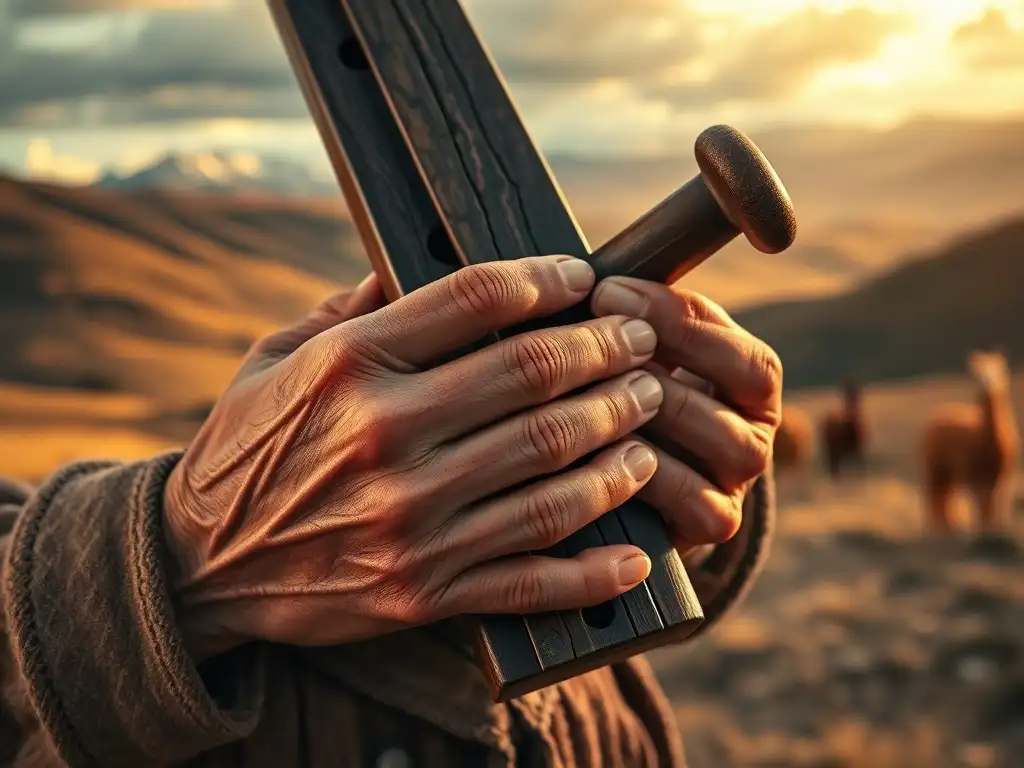
Andean oral history music played a crucial role in preserving and transmitting knowledge across generations. Before the widespread adoption of writing systems, music served as a powerful mnemonic device, helping communities remember and pass down vital information. This wasn't simply entertainment; songs meticulously encoded historical events, genealogies, agricultural practices, and even complex cosmological beliefs.
The intricate melodies and rhythms acted as containers for vast quantities of data, making them accessible and engaging for all members of society, regardless of literacy levels. The effectiveness of this system is evident in the rich tapestry of Andean cultural traditions that have survived to this day, many of which have their roots firmly planted in oral transmission enhanced by musical expression.
Analyzing Andean oral history music provides invaluable insights into the cognitive strategies employed by these societies to maintain their cultural heritage. The melodies themselves, often passed down through families and communities, are living testaments to the enduring power of oral tradition.
The Role of Music in Preserving Andean History
The preservation of Andean history through music wasn't a haphazard process. Specific musical forms were often dedicated to particular historical events or narratives. For example, yaravíes, melancholic songs often associated with loss and longing, frequently recounted historical tragedies or the hardships faced by communities.
Conversely, celebratory songs, often featuring vibrant rhythms and instrumental accompaniment, commemorated victories, harvests, or significant social events. These musical narratives weren't simply recitations; they incorporated symbolic elements, metaphors, and coded language that added layers of meaning accessible only to those initiated into the cultural context. The use of specific instruments, like the panpipes or charango, could further signify the origin or nature of a particular historical account.
Detailed analysis of these musical forms reveals intricate historical patterns, offering a unique perspective on Andean societies' past. Furthermore, the continuity of these musical traditions across generations demonstrates the remarkable efficacy of music as a vehicle for historical memory. The persistence of certain melodies and lyrics across centuries underscores the profound impact of music on the preservation of Andean heritage.
How Music Transmits Cultural Knowledge in the Andes
Beyond historical narratives, Andean oral history music played a vital role in transmitting a wide range of cultural knowledge. Songs taught agricultural techniques, describing optimal planting times, crop rotation methods, and irrigation strategies. Others detailed medicinal practices, identifying healing plants and their therapeutic uses.
Myths and legends, often embedded within complex musical structures, conveyed cosmological beliefs, social values, and moral codes. This transmission of practical and spiritual knowledge through music ensured the continuity of Andean cultures, guaranteeing the survival of essential skills and beliefs across generations. The accessibility of musical instruction, often integrated into daily life, facilitated widespread learning and participation.
Children learned songs alongside adults, absorbing cultural knowledge organically through immersion and repetition. This approach fostered a deep understanding and appreciation of Andean traditions, strengthening community bonds and cultural identity. The oral transmission of knowledge through music built a robust system of cultural preservation that successfully navigated centuries of social and environmental change.
The Significance of Song in Andean Societies
The significance of song in Andean societies extended far beyond the practical transmission of information. Music served as a powerful tool for social cohesion, reinforcing community bonds and identity. Shared musical experiences created a sense of belonging and collective memory, strengthening social ties and fostering cooperation.
Ritualistic songs, often performed during ceremonies and festivals, played a crucial role in maintaining social order and reinforcing religious beliefs. These songs were not merely performances; they were active participants in shaping social reality. Their performance helped to solidify social hierarchies, negotiate conflicts, and reaffirm cultural values.
Understanding the role of song in Andean societies requires acknowledging its multifaceted impact on social structure, religious practice, and individual identity. The enduring power of Andean oral history music is a testament to the profound influence of music on shaping culture and preserving a rich legacy for future generations. The vibrant tapestry of Andean musical traditions continues to resonate today, a living embodiment of the enduring power of oral history.
The Melodic Narratives of Andean Peoples
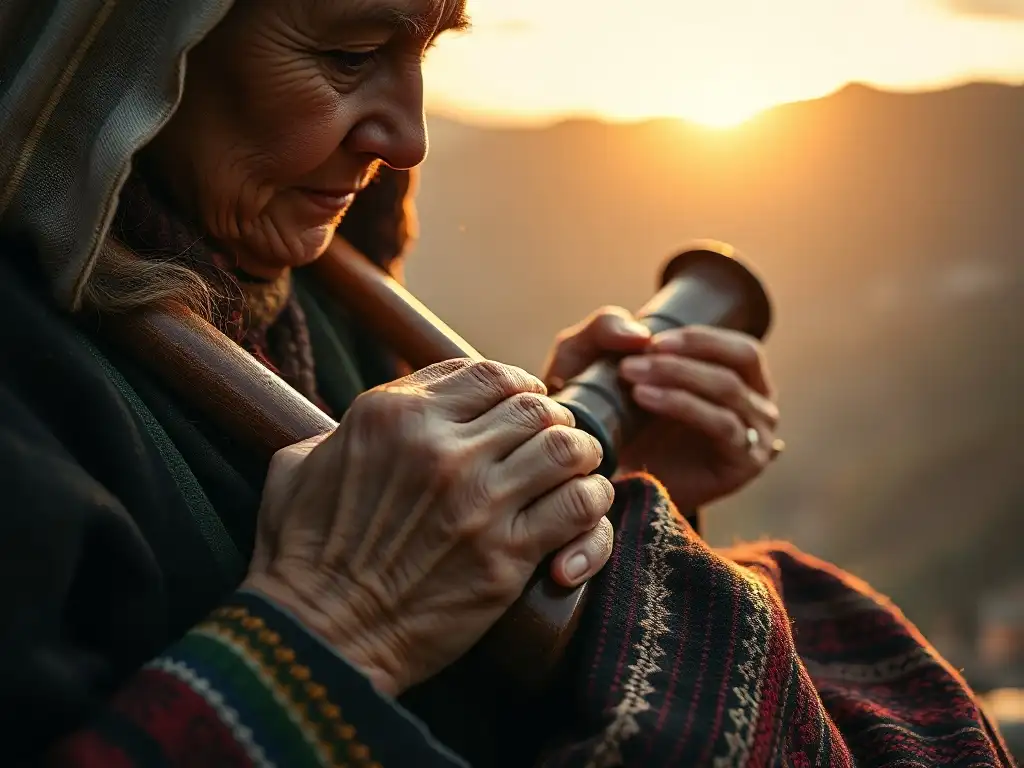
The power of song in preserving and transmitting Andean oral history cannot be overstated. For centuries, before the advent of widespread literacy, music served as a vital repository of ancestral knowledge, cultural values, and historical events. This wasn't simply entertainment; it was a sophisticated system of encoding information within memorable melodies and rhythmic patterns, ensuring its survival across generations. The intricate relationship between music and oral tradition in the Andes is a testament to the ingenuity and resilience of Andean cultures.
Understanding this relationship requires looking beyond the surface of beautiful melodies to uncover the deeper layers of meaning embedded within them. This section delves into the diverse musical forms, instruments, and specific examples that illustrate this crucial role of music in Andean oral history. The rich tapestry of Andean oral history music is a powerful testament to the enduring legacy of these ancient cultures.
The Diverse Musical Forms of Andean Oral History
Andean oral history music encompasses a breathtaking variety of forms, each with its own unique characteristics and functions. These forms weren't static; they evolved and adapted over time, reflecting changing social structures, beliefs, and historical events. For example, yaravíes, melancholic songs often associated with love and loss, also served as vehicles for expressing social commentary or lamenting historical injustices.
Similarly, huaynos, lively and upbeat dances, could be used to celebrate harvests, commemorate important events, or even subtly convey coded messages within their lyrics. The rhythmic complexity and melodic variations within these forms allowed for a rich layering of meaning, making them ideal for transmitting complex narratives and historical details. The diversity of these musical forms reflects the incredible cultural richness of the Andean region, showcasing the ingenuity and adaptability of its people in preserving their history through song.
Further research is needed to fully catalogue and analyze the full range of musical forms used in Andean oral history. [Specific information pending: A complete catalog of Andean musical forms and their historical contexts].
Andean Musical Instruments and their Historical Context
The instruments used in Andean oral history music are as diverse and fascinating as the music itself. These weren't merely tools for making sound; they were imbued with cultural significance, often associated with specific rituals, ceremonies, or social groups. The panpipes ( antara), for example, are frequently associated with pastoral life and nature spirits. Their haunting melodies often accompany narratives of Andean landscapes and the cyclical rhythms of agricultural life.
The charango, a small lute-like instrument, is believed to have originated in the colonial period, but quickly became integrated into Andean musical traditions, often used to accompany yaravíes and other expressive songs. The tarka, a type of flute, is another prominent instrument, its shrill sound often used to convey urgency or excitement within a narrative. The materials used to craft these instruments—wood, reeds, animal hides—also hold symbolic meaning, reflecting the close connection between Andean cultures and their natural environment. Understanding the historical context of these instruments is crucial to fully appreciating their role in the preservation of Andean oral history.
The evolution of instrument design and playing techniques over time also offers valuable insights into the changing dynamics of Andean societies. Further research into specific instrument-making techniques could reveal even more detailed information about Andean oral history. [Specific information pending: Detailed analysis of the evolution of Andean musical instruments].
Exploring Specific Examples of Andean Historical Songs
Many songs have survived, carrying echoes of significant events and historical figures. While precise dating and verification of historical accuracy can be challenging, analyzing the lyrics and musical context reveals valuable insights into Andean perspectives on their past. For example, songs about the Inca empire, while often romanticized, offer glimpses into the social structures, beliefs, and daily life of the time.
These songs, passed down through generations, often contain subtle allusions to historical events or figures, requiring careful interpretation to uncover their deeper meanings. Analyzing these songs requires an interdisciplinary approach, combining musicological expertise with knowledge of Andean history and linguistics. The use of metaphors, symbolism, and coded language within these songs makes them particularly challenging, yet rewarding, to study.
[Specific information pending: Detailed analysis of specific songs with known historical connections, including lyrics and translations]. The careful study of these songs provides a window into the richness and complexity of Andean oral history, revealing a powerful and enduring legacy. 🗺️🎶
The Evolution of Andean Oral History Music

The vibrant tapestry of Andean oral history is intricately woven with music. Understanding its evolution requires acknowledging the diverse pre-Columbian traditions and the subsequent transformations brought about by colonization and modernization. The music wasn't merely a background accompaniment; it was – and remains – a vital vehicle for preserving and transmitting ancestral knowledge, stories, and beliefs across generations. This section delves into the fascinating changes in Andean musical styles over time, exploring how musical forms adapted to reflect shifting social structures, environmental changes, and cultural interactions.
Changes in Musical Styles over Time
Andean musical styles weren't static. They evolved organically, reflecting the dynamism of the societies that created them. Pre-Columbian Andean cultures, such as the Inca, Moche, and Nazca, each possessed unique musical traditions. Archaeological evidence, albeit limited, suggests the use of panpipes, flutes, drums, and possibly stringed instruments.
The music likely served various purposes, from ritual ceremonies and agricultural celebrations to storytelling and expressing social hierarchies. For example, the intricate melodies and rhythms of the panpipes might have mirrored the complex social structures of the Inca empire. Unfortunately, precise details about the specific musical styles and their evolution before the Spanish conquest remain elusive; further research is needed to reconstruct a more complete picture of this rich musical heritage. However, the surviving instruments and artistic representations hint at a sophisticated and diverse musical landscape.
The arrival of the Spanish in the 16th century irrevocably altered the course of Andean music. While some pre-Columbian instruments and musical forms persisted, they were often blended with European musical styles. This resulted in a syncretic musical tradition, a fascinating fusion of indigenous and European elements that continues to shape contemporary Andean music. The introduction of new instruments, like the guitar and violin, enriched the musical palette, leading to new forms of expression and storytelling.
The Impact of Colonialism on Andean Musical Traditions
Colonialism profoundly impacted Andean musical traditions, resulting in both suppression and adaptation. The Spanish attempted to suppress indigenous musical practices, viewing them as pagan and barbaric. However, the resilience of Andean cultures ensured that indigenous musical forms survived, albeit often in altered or disguised forms.
Many traditional songs and melodies were adapted to incorporate Christian themes or were subtly interwoven with indigenous beliefs, allowing them to persist despite colonial efforts to eradicate them. This process of cultural adaptation demonstrates the remarkable ability of Andean communities to preserve their cultural heritage in the face of adversity. The use of coded language within songs, for instance, became a crucial method of maintaining cultural identity and resisting colonial oppression.
This strategy cleverly concealed indigenous narratives and beliefs within seemingly innocuous melodies, ensuring their transmission to future generations. The study of these adapted musical forms provides crucial insights into the strategies of cultural resistance employed by Andean communities during the colonial period.
Furthermore, the introduction of new instruments and musical styles from Europe led to a complex process of musical exchange and fusion. Indigenous musicians adapted European instruments to their own musical practices, creating unique sounds and textures. This process of musical syncretism resulted in the creation of new musical forms that blended indigenous and European elements, reflecting the complex cultural landscape of colonial South America. This fusion is clearly evident in many contemporary Andean musical genres.
Contemporary Expressions of Andean Oral History through Music
Today, Andean oral history continues to be vibrantly expressed through music. Contemporary musicians draw upon ancient traditions while incorporating modern influences, creating a rich and diverse musical landscape. Genres like huayno, yaraví, and marinera showcase the enduring power of Andean music to convey stories, preserve cultural memory, and express social and political commentary.
These musical forms often incorporate themes of resistance, identity, and social justice, reflecting the ongoing struggles and triumphs of Andean communities. The lyrics of many contemporary songs delve into historical narratives, preserving and transmitting knowledge about past events and cultural practices. The use of traditional instruments alongside modern technologies further highlights the dynamic interplay between tradition and modernity in contemporary Andean music.
The accessibility of music through modern media, including the internet and social media platforms, has expanded the reach and impact of Andean oral history music. This has facilitated the exchange of musical ideas and traditions across geographical boundaries, strengthening cultural connections and fostering a sense of shared identity among Andean communities worldwide. Moreover, the increasing popularity of Andean music globally has helped to raise awareness of the rich cultural heritage of the Andes and the importance of preserving its oral traditions for future generations.
The continued evolution and adaptation of Andean oral history music demonstrate its enduring power as a vehicle for cultural transmission and social commentary. The preservation and promotion of this vibrant musical heritage are vital for understanding the complex history and ongoing cultural dynamism of the Andean region.
The Importance of Preserving Andean Musical Heritage
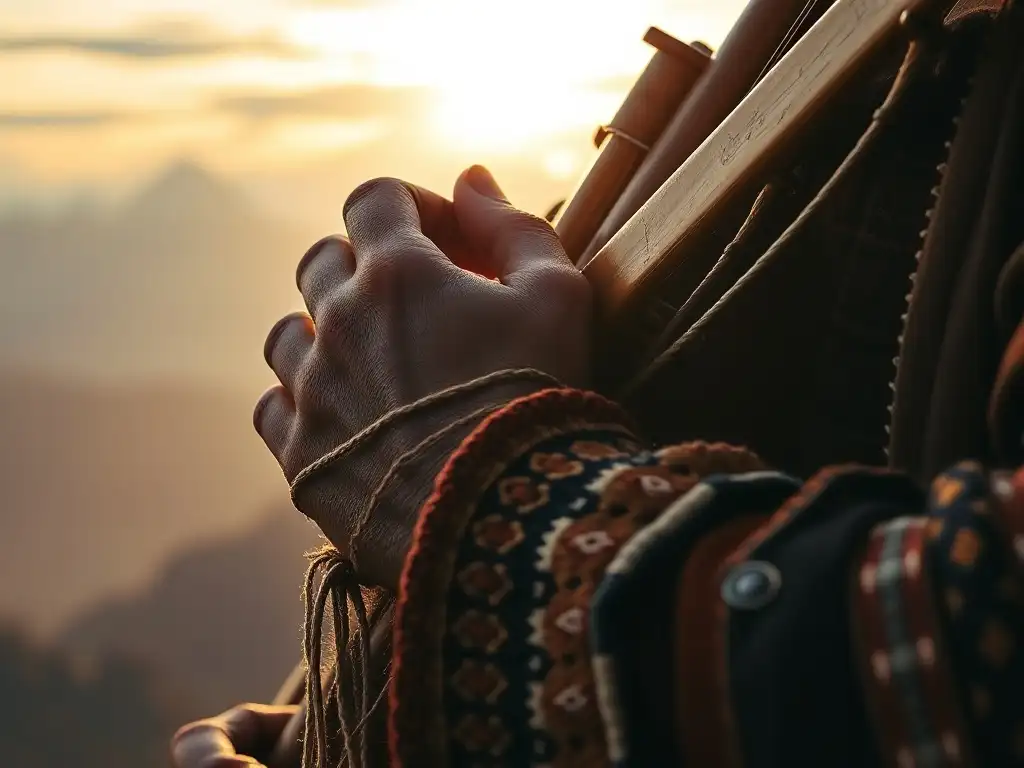
The vibrant tapestry of Andean oral history is intricately woven with the threads of music. For centuries, songs, chants, and instrumental pieces have served not merely as entertainment, but as vital repositories of knowledge, history, and cultural values. Preserving this musical heritage is paramount to understanding the complexities of Andean civilizations and ensuring the continuity of their rich traditions.
The melodies, rhythms, and lyrics embedded within these musical forms encapsulate generations of experiences, beliefs, and social structures, offering invaluable insights into the lives and perspectives of Andean peoples. Their loss would represent an irreplaceable void in our understanding of human history and cultural expression. The urgency of preservation efforts is amplified by the ongoing challenges faced by many Andean communities, including globalization, migration, and the encroachment of dominant cultures.
The Vital Role of Music in Cultural Identity
Music plays a central role in shaping and maintaining Andean cultural identity. It acts as a powerful vehicle for transmitting values, beliefs, and historical narratives across generations. For example, yaravíes, melancholic songs often associated with longing and loss, reflect deep-seated emotional experiences and social realities within specific Andean communities.
Similarly, festive music and dances, such as the huayno and marinera, serve to strengthen community bonds and celebrate shared cultural heritage. These musical traditions are not simply passive forms of entertainment; they are active participants in the ongoing construction and negotiation of cultural identity. The unique instrumentation, vocal styles, and lyrical content of Andean music reflect the diverse ecological and social landscapes of the Andes, contributing to a vibrant and multifaceted cultural mosaic.
The loss of these musical traditions would inevitably lead to a diminishment of cultural diversity and a weakening of community cohesion. The melodies themselves are often tied to specific geographical locations, reinforcing a sense of place and belonging. This deep connection between music and place is crucial for understanding the intricate relationship between Andean communities and their environment.
Challenges in Protecting Andean Musical Traditions
Despite its significance, Andean musical heritage faces numerous challenges in the 21st century. The encroachment of globalized popular music poses a significant threat, as younger generations may be less inclined to engage with traditional musical forms. Furthermore, the migration of Andean communities to urban centers often leads to a disruption of traditional learning processes, as musical knowledge is typically transmitted orally within families and communities.
This oral transmission, while powerful, is also fragile and vulnerable to disruption. The lack of formal documentation and archiving of many musical traditions further exacerbates the problem. Limited resources and support for musical education and preservation initiatives in many Andean communities also hinder efforts to safeguard this invaluable heritage.
Moreover, the effects of climate change and environmental degradation threaten the cultural landscapes that are intrinsically linked to many musical traditions. These challenges underscore the need for proactive and sustained efforts to protect and revitalize Andean musical heritage. Understanding the specific challenges faced by different Andean communities is crucial for developing effective preservation strategies.
Community-Based Initiatives for Revitalizing Andean Oral History Music
Fortunately, numerous community-based initiatives are working to revitalize Andean oral history music. These initiatives often involve collaborative efforts between local musicians, elders, researchers, and educational institutions. One approach involves creating community-based music schools and workshops, where young people can learn traditional musical instruments and songs from experienced musicians. Another strategy focuses on documenting and archiving existing musical repertoires through audio recordings, transcriptions, and ethnographic studies.
The use of digital technologies offers new opportunities for disseminating and preserving Andean music, making it accessible to wider audiences both nationally and internationally. Furthermore, efforts are underway to integrate Andean music into school curricula, ensuring that future generations are exposed to and appreciate their rich musical heritage. These community-led initiatives are crucial for empowering local communities to become active participants in the preservation and transmission of their cultural heritage.
The success of these initiatives relies heavily on the active participation and ownership of the Andean communities themselves. Collaboration and a participatory approach are key to ensuring the long-term sustainability of these projects. The focus should always be on empowering communities to protect and celebrate their own cultural heritage.
The Enduring Legacy of Andean Oral History Music
The vibrant tapestry of Andean culture is intricately woven with the threads of oral tradition. While written records offer valuable insights, the true heart of Andean history beats in the rhythms and melodies passed down through generations. Andean oral history music, a powerful vehicle for preserving ancestral knowledge, stories, and beliefs, remains a vital aspect of cultural identity. This enduring legacy is not merely a historical artifact; it's a living, breathing tradition that continues to evolve and inspire.
The soundscapes of the Andes, from the haunting melodies of panpipes to the rhythmic chants of ancient rituals, carry the weight of centuries, echoing with tales of gods, heroes, and everyday life. This music isn't just entertainment; it's a repository of history, a testament to the resilience and creativity of Andean peoples. Understanding this musical legacy is crucial to appreciating the depth and complexity of Andean civilization.
The Timeless Power of Song in Andean Culture
The power of song in Andean culture transcends mere entertainment; it serves as a fundamental pillar of social cohesion, historical preservation, and spiritual expression. Songs weren't simply composed and forgotten; they were meticulously crafted and transmitted across generations, acting as living archives of knowledge. Consider, for instance, the yaravíes, melancholic songs often expressing themes of love, loss, and longing, which reflect the emotional landscape of the Andean people and their relationship with their environment.
These songs often incorporate complex poetic structures and metaphorical language, adding layers of meaning only accessible through deep cultural understanding. Furthermore, the huaynos, lively and upbeat dances, often celebrate community and harvest festivals, demonstrating how music served to unite people and commemorate important events. The intricate melodies and rhythms of these songs weren't arbitrary; they reflected specific social structures, beliefs, and historical events, making them invaluable sources for understanding Andean oral history.
The use of instruments like the charango, zampoña, and quena further enhances the narrative power of these songs, each instrument carrying its own symbolic weight and contributing to the overall meaning. The survival of these musical traditions speaks to their profound significance in maintaining cultural identity and continuity.
Future Research Directions in Andean Musical History: Focus on Gender and Marginalized Communities
While significant strides have been made in documenting Andean oral history music, crucial areas remain under-researched. A critical focus for future scholarship lies in exploring the contributions of women and marginalized communities to Andean musical traditions. Existing research often centers on dominant narratives, neglecting the rich and diverse expressions of those historically underrepresented.
For example, the role of women in composing and performing traditional Andean music requires further investigation. Similarly, the musical traditions of indigenous communities outside the Inca empire, or those who experienced significant social marginalization, deserve greater attention. This requires a nuanced and critical approach, moving beyond simplistic classifications and recognizing the complex interplay of power dynamics and cultural expressions.
Employing methodologies that prioritize community engagement and collaboration will be essential to uncovering hidden narratives and ensuring that the diverse voices of Andean musical history are fully heard. The integration of oral history methodologies, alongside musicological analysis, will be crucial in achieving a more complete and representative understanding of the subject. This research will not only enrich our understanding of Andean oral history music but also contribute to broader conversations about gender equality and social justice.
Celebrating the Musical Narratives of the Andes
Andean oral history music is more than just a collection of songs; it is a dynamic and evolving expression of cultural identity. Its enduring legacy is a testament to the resilience and creativity of Andean peoples. To truly appreciate its power, we must move beyond passive observation and engage actively with these musical narratives.
This involves supporting initiatives that promote the preservation and transmission of these traditions, from supporting local musicians and cultural centers to integrating Andean music into educational curricula. Furthermore, it requires fostering intercultural dialogue and appreciating the diverse range of musical expressions within the Andes. The vibrant soundscapes of the Andes deserve to be celebrated, not only as historical artifacts but as living traditions that continue to shape the cultural landscape.
By actively engaging with Andean oral history music, we can not only deepen our understanding of the past but also contribute to the ongoing vitality of this rich and complex cultural heritage. The preservation and promotion of this musical legacy are essential for ensuring the continuity of Andean cultural identity in the years to come. 🗺️🎶
Frequently Asked Questions
What role did music play in Andean oral history?
Music played a vital role in preserving and transmitting oral traditions. Songs acted as mnemonic devices, helping to remember and share historical events, myths, and social customs across generations. This ensured the continuity of cultural knowledge.
How did Andean music help preserve historical narratives?
Through the use of memorable melodies and lyrics, complex narratives could be easily learned and repeated. This made it easier to pass down historical information, genealogies, and important societal teachings. Musical storytelling was a crucial element.
What types of instruments were used in Andean oral history music?
A variety of instruments were used, including panpipes (antara), flutes (quena), drums (tinku), and percussion instruments. The specific instruments varied depending on the region and cultural group. These instruments accompanied the vocal traditions.
Yes, each culture had its own distinctive musical styles. The Moche, Inca, Nazca, and Tiahuanaco civilizations all had unique musical traditions tied to their respective oral histories. This reflected their unique cultural identities.
Where can I find examples of Andean oral history music today?
Examples can be found in ethnomusicological archives, museums, and through contemporary Andean musicians who continue to perform and preserve these traditions. You can also find recordings online.
Final Reflection: Echoes of the Andes: A Legacy in Song
The enduring power of Andean music isn't merely a nostalgic echo of the past; it's a vibrant, living testament to the resilience and cultural richness of Andean communities. These songs, passed down through generations, continue to shape identities, preserve history, and offer a profound connection to ancestral wisdom. Their survival in the face of colonialism and globalization speaks volumes about the strength of oral tradition and the vital role music plays in cultural preservation.
The impact of Andean oral history music extends far beyond the realm of academic study; it permeates the very fabric of Andean society. These songs are not simply historical records; they are living narratives, shaping social structures, reinforcing community bonds, and providing a powerful means of expressing both joy and sorrow. As the renowned Andean scholar, Ricardo Palma, once wrote: Music is the soul of the Andes, its heartbeat, its very breath. To understand the Andes, one must listen to its songs.
This quote encapsulates the profound truth that music is not simply a backdrop to Andean life, but rather its very essence.
Consider the stories woven into these melodies, the histories preserved in their rhythms, and the emotions they evoke. You, the reader, are now invited to actively listen to the echoes of the Andes. Seek out the music, explore its nuances, and allow yourself to be transported to a world where history and song are inextricably intertwined. Let the power of these ancient melodies resonate within you, inspiring a deeper appreciation for the enduring strength of oral tradition and the rich tapestry of Andean culture.
Unleash the Rhythm of Andean Heritage!
Thank you for exploring the fascinating world of Andean oral history and the powerful role music plays within it. We hope you've gained a deeper appreciation for how song preserves culture and transmits stories across generations. Let's continue to celebrate this rich heritage! Here are some ways you can get involved:
- Share a favorite Andean song on social media, inviting your friends to learn about its history and meaning.
- Join a local Andean music group or cultural organization and participate in their events. This is a wonderful way to connect with others who share your passion.
- Compose a song inspired by Andean culture, reflecting your personal experiences or interpretations of its stories.
What song resonates most deeply with you, and how can you integrate its narrative into your own life? Share your thoughts below!