
The Role of Quechua in Andean Rituals: Language as a Conduit to the Divine

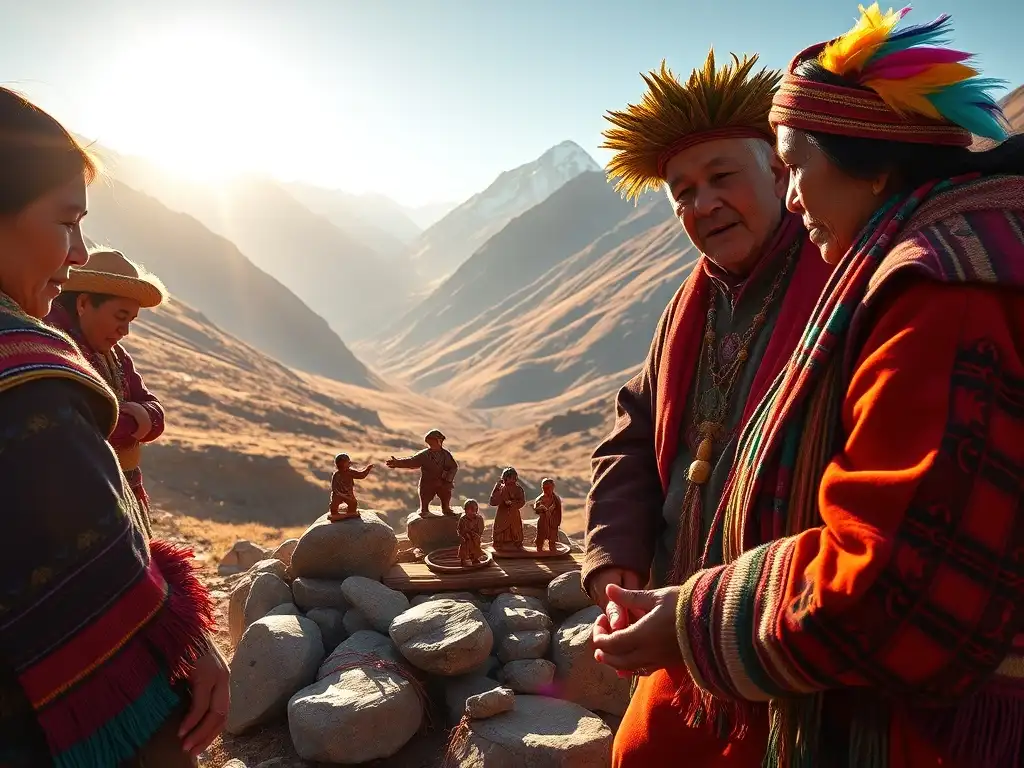
Step into a world lost to time, yet echoing with the whispers of ancient power. Uncover the secrets woven into the very fabric of Andean life, where vibrant cultures thrived and innovative technologies flourished. This journey begins with the Quechua language and its profound role in Andean rituals, a connection that bridged the gap between the earthly and the divine. Prepare to be captivated as we delve into the fascinating relationship between language and spirituality, revealing how words themselves became pathways to the sacred. Discover the answers you seek within...
The Quechua language, far from being merely a tool for everyday communication in the Andes, served as a profound conduit to the divine for many ancient Andean civilizations. This article delves into the intricate relationship between the Quechua language and the religious practices of these cultures, exploring how its use shaped rituals, ceremonies, and the very understanding of the cosmos.
We will examine the historical context of Quechua's role in Andean rituals, analyzing specific examples from various cultures and time periods to illuminate the significance of this linguistic connection to the spiritual realm. Understanding this connection provides crucial insight into the deeply interwoven nature of language, religion, and social structure within the Andean world, revealing a fascinating aspect of their rich and complex civilization.
The exploration will focus on how the specific vocabulary, grammar, and even the sounds of Quechua were integral to the effectiveness and meaning of their sacred practices. This is not simply about translating ancient texts; it is about understanding the lived experience of religion through the lens of language.
Introduction: Quechua and its Significance in Andean Culture
Quechua's importance in Andean culture transcends its function as a simple communication tool. It was, and in many communities still is, intrinsically linked to identity, social structure, and spiritual beliefs. The language served as a cornerstone of Andean worldview, shaping their understanding of the cosmos, their relationship with the natural world, and their interaction with the supernatural.
Different Quechua dialects, reflecting regional variations, further contributed to the complex tapestry of Andean spiritual practices. The use of specific terms, phrases, and even intonation played a crucial role in ritualistic contexts, influencing the efficacy and sacredness of the ceremonies performed. This intimate relationship between language and spirituality highlights the holistic nature of Andean culture, where the spoken word held immense power and significance.
Many rituals relied heavily on the precise pronunciation and understanding of specific Quechua terms related to deities, ancestors, and the forces of nature. This linguistic precision wasn't merely a matter of accuracy; it was a demonstration of respect and reverence for the sacred.
The Historical Context of Quechua in Andean Rituals
The use of Quechua in Andean rituals is deeply rooted in history, evolving alongside the development of the various Andean cultures. While precise details from pre-Inca periods are scarce due to limited written records, archaeological evidence and ethnographic studies suggest a long-standing connection between language and ritual. For instance, the Moche culture, known for its elaborate religious iconography, likely employed a precursor to Quechua or a related language in their ceremonies. The complex iconography found on their ceramics and textiles often depicts scenes of ritualistic practices, hinting at the importance of spoken or chanted words in these events.
The later Inca Empire, with its vast and centralized administration, standardized Quechua as the official language, further solidifying its role in imperial rituals and religious practices. Inca religious ceremonies, such as the Capacocha (human sacrifice), were undoubtedly conducted in Quechua, with specific invocations and prayers directed to the Inca deities. The use of Quechua in these high-stakes rituals underscored its power and its role in maintaining the cosmological order, as understood by the Inca.
Even after the Spanish conquest, Quechua continued to play a vital role in Andean religious life, often adapting and syncretizing with Catholic practices. This demonstrates the enduring power of the language and its ability to persist as a crucial element of Andean spiritual identity despite centuries of colonialism. Further research into pre-Columbian texts and oral traditions is needed to fully understand the evolution of Quechua's role in Andean rituals across different cultures and time periods.
Quechua Language as a Sacred Vehicle
The Quechua language wasn't merely a tool for everyday communication in the Andes; it served as a sacred vehicle, a conduit through which individuals connected with the spiritual realm. Its inherent power stemmed from its deep integration into the Andean worldview, where the spoken word held immense significance. Unlike many languages that separate the secular and the sacred, Quechua blurred these lines.
Prayers, incantations, and even everyday conversations could carry spiritual weight, depending on the context and the speaker's intention. The sounds themselves were believed to possess inherent energies, capable of influencing the natural world and interacting with supernatural forces. This belief system elevated Quechua beyond a simple communication system; it became an integral part of the Andean spiritual fabric, a language imbued with divine power.
The very act of speaking Quechua, particularly during ritual contexts, was considered a sacred act, a form of participation in the cosmic order. This understanding highlights the profound connection between language and spirituality in the Andean world, a connection that shaped religious practices and beliefs for centuries.
Andean Cosmovision and the Power of Spoken Quechua
The Andean cosmovision, a complex system of beliefs about the universe and humanity's place within it, profoundly influenced the role of Quechua in ritual practices. The Andean worldview emphasizes the interconnectedness of all things – humans, animals, plants, and the celestial bodies. This interconnectedness manifested in the belief that the spoken word, especially in Quechua, possessed the power to influence this interconnected web.
Words weren't simply labels for things; they were active forces that could shape reality. The use of specific Quechua terms during rituals was not arbitrary; each word carried its own spiritual energy and meaning, carefully chosen to invoke the desired effect. For example, the precise phrasing of a prayer could determine its efficacy in bringing rain or ensuring a successful harvest.
This belief system underscores the importance of linguistic precision in Andean rituals, a testament to the profound connection between language, cosmology, and spirituality. The power of spoken Quechua wasn't inherent in the language itself but in its capacity to articulate and engage with the Andean understanding of the universe.
Specific Rituals and the Use of Quechua
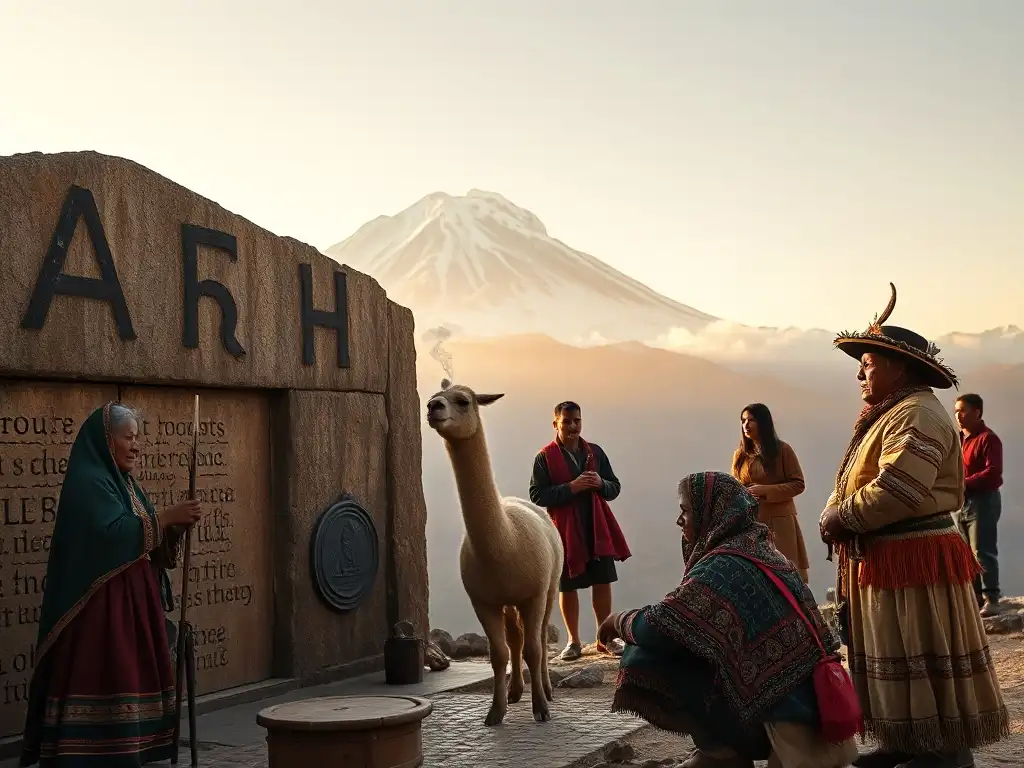
Quechua played a crucial role in a wide array of Andean rituals, permeating various aspects of daily life and spiritual practice. Its use wasn't limited to formal ceremonies; rather, it infused everyday actions with spiritual significance. The language served as a bridge between the human and spiritual realms, facilitating communication with deities, ancestors, and the forces of nature.
The specific words and phrases employed varied depending on the ritual's purpose and context, reflecting the nuanced understanding of the cosmos embedded within the Quechua language. The precise pronunciation and intonation were also crucial, contributing to the ritual's effectiveness. This highlights the intricacy and sophistication of Andean ritual practices, where language was not merely a tool but an active participant in shaping the spiritual landscape.
Agricultural Rituals and Quechua Prayers
Agricultural rituals were central to Andean life, and Quechua prayers formed an integral part of these practices. Farmers would invoke specific deities associated with fertility and abundance, using precise Quechua phrases to ensure a bountiful harvest. These prayers weren't simply requests; they were acts of communion, establishing a relationship between the human community and the spiritual forces that governed the natural world.
The timing and location of these rituals were also significant, reflecting the Andean understanding of the cosmos and the cyclical nature of agriculture. For instance, prayers for rain might be recited during specific phases of the moon, reflecting a deep understanding of astronomical cycles and their impact on agricultural productivity.
The use of Quechua in these rituals underscored the importance of language in maintaining harmony between humans and nature. Specific examples of these prayers, unfortunately, are scarce in readily available documentation, highlighting a need for further research in this area.
Quechua in Healing and Spiritual Practices
Quechua played a vital role in Andean healing practices, often intertwined with spiritual beliefs. Shamans or paqos would utilize Quechua incantations and prayers to diagnose illnesses, communicate with spirits, and perform healing rituals. The language itself was considered to possess therapeutic properties, capable of influencing the flow of energy within the body and restoring balance.
The specific words and phrases used varied depending on the illness and the shaman's diagnosis, reflecting a deep understanding of both the physical and spiritual aspects of healing. Furthermore, the use of Quechua during these rituals created a sacred space, fostering a connection between the patient, the shaman, and the spiritual world.
The effectiveness of these practices was believed to be directly linked to the precise use of Quechua, emphasizing the importance of linguistic accuracy and fluency in Andean healing traditions. Further research is needed to fully document the specific Quechua terms and phrases used in these healing practices.
Ceremonies for the Dead and Ancestral Communication through Quechua
Quechua served as a crucial means of communicating with ancestors in Andean funerary rites. These ceremonies involved complex rituals, including offerings, prayers, and the recitation of ancestral stories in Quechua. The language acted as a bridge between the living and the dead, facilitating communication and maintaining a vital connection with the ancestral realm. The specific words and phrases used in these rituals were often imbued with deep symbolic meaning, reflecting the Andean worldview and the importance of lineage.
The recitation of ancestral stories in Quechua served not only to honor the deceased but also to transmit cultural knowledge and values to future generations. These ceremonies underscore the enduring significance of Quechua in shaping Andean cultural identity and maintaining a connection with the past. The precise forms of these Quechua prayers and invocations require further investigation to fully understand their depth and complexity.
The Evolution of Quechua in Modern Andean Rituals
The Quechua language, far from being a relic of the past, continues to evolve and adapt within the context of modern Andean rituals. While the core vocabulary and grammatical structures remain largely consistent with those of the Inca Empire, modern Quechua reflects the ongoing cultural changes and interactions with other languages. This evolution is not uniform across the Andean region; rather, it's a mosaic of localized variations influenced by factors like geographic isolation, migration patterns, and the adoption of new technologies and beliefs.
For example, the incorporation of new terms related to modern religious practices or technological advancements demonstrates a dynamic linguistic response to the changing world. In some communities, older, more archaic forms of Quechua persist in specific ritual contexts, highlighting the multifaceted nature of language preservation and adaptation. The continued use of Quechua in rituals underscores its enduring significance as a vital component of Andean cultural identity and spiritual practices.
Scholars and linguists are actively documenting these evolving forms of Quechua, striving to understand the intricate interplay between language and cultural continuity in the face of modernization. The study of these evolving dialects offers invaluable insights into the resilience and adaptability of both the language and the cultural practices it supports.
Variations of Quechua in Different Ritual Practices
The Quechua language isn't monolithic; its various dialects exhibit significant variations, particularly within the context of Andean rituals. The specific vocabulary, pronunciation, and even grammatical structures used in ceremonies can differ dramatically depending on the region, community, and the nature of the ritual itself. For instance, rituals dedicated to agricultural fertility might employ a different lexicon and phrasing than those associated with healing or ancestor veneration.
Certain dialects might retain archaic words or grammatical features that have been lost in everyday speech, reflecting the preservation of older linguistic forms within the sacred sphere. This linguistic diversity mirrors the rich tapestry of Andean cultural traditions and highlights the deep connection between language and specific ritual practices. Ethnolinguistic studies are crucial in understanding these subtle yet significant variations, as they reveal the intricate relationship between language and the diverse spiritual expressions of Andean communities.
Documenting these variations is vital for preserving the linguistic and cultural heritage of the Andes, ensuring that the unique nuances of each ritual are accurately understood and appreciated. The differences are not merely superficial; they often reflect distinct cosmological beliefs and ritual practices.
The Impact of Spanish Colonization on Quechua Rituals
The Spanish colonization of the Andes profoundly impacted the practice of Quechua-based rituals. The imposition of Catholicism led to the suppression of indigenous religious practices, forcing many communities to adapt their rituals or practice them in secrecy. The resulting syncretism – the blending of indigenous and Catholic beliefs – is clearly reflected in the language used in modern rituals.
Many Quechua terms now coexist with Spanish words, creating a unique linguistic hybrid. This linguistic blending reflects a complex historical process, where indigenous practices resisted total eradication but were nonetheless profoundly shaped by the imposition of a new religious and political order. The suppression of Quechua in official contexts further contributed to the erosion of certain ritualistic practices, as the transmission of traditional knowledge and the performance of rituals were often disrupted.
However, the resilience of Andean communities ensured that Quechua, despite the pressures of colonization, persisted as a vital component of their spiritual lives. The continued use of Quechua, even in the face of adversity, demonstrates the enduring strength of the language and its crucial role in maintaining cultural identity and continuity. Understanding the impact of colonization on Quechua rituals provides valuable insights into the dynamics of cultural resistance, adaptation, and the enduring power of language in shaping collective memory and identity.
Preservation and Revitalization of Quechua in Rituals
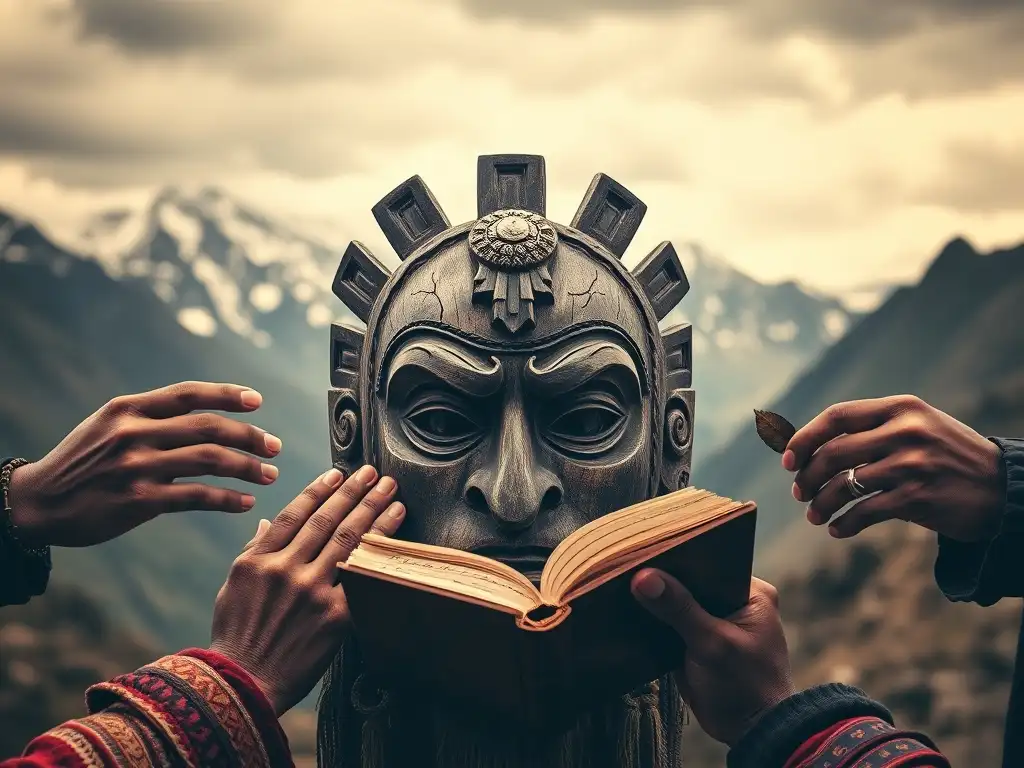
The preservation of Quechua in Andean rituals is a multifaceted endeavor, involving both grassroots efforts and institutional support. Many communities actively work to maintain the language's use within ceremonies and traditional practices. This often involves elders mentoring younger generations, transmitting not only the words but also the nuanced understanding of the rituals themselves. The oral tradition plays a crucial role, with stories, songs, and prayers passed down through generations, solidifying the connection between the language and spiritual practices.
Furthermore, some communities are incorporating Quechua language instruction into their educational systems, recognizing its importance for cultural preservation and continuity. This integrated approach ensures that future generations will be equipped to participate fully in and understand their ancestral rituals. The revitalization efforts extend beyond simple language learning; they encompass a deeper engagement with the cultural context in which the language thrives, fostering a sense of pride and ownership within the communities.
Challenges in Maintaining Quechua's Role in Rituals
Despite these efforts, significant challenges persist in maintaining Quechua's role in Andean rituals. The dominance of Spanish, particularly in urban areas and educational settings, poses a significant threat. Many younger generations are more fluent in Spanish than Quechua, leading to a gradual erosion of the language's use in daily life, and consequently, within religious contexts.
The increasing influence of globalization and modernization also contributes to the decline, as traditional practices sometimes give way to more contemporary religious influences. Furthermore, the lack of standardized resources and formal recognition of Quechua in official contexts can hinder efforts to document and preserve the rich linguistic and ritualistic traditions. Economic pressures often force individuals to migrate to urban centers, leading to a disruption of community ties and the transmission of traditional knowledge.
This migration can cause a weakening of intergenerational knowledge transfer, creating a critical gap in the continuation of Quechua in ritual practice. The lack of consistent, structured support for Quechua language programs and community-based initiatives further exacerbates these difficulties.
The Future of Quechua in Andean Spiritual Traditions
The future of Quechua in Andean spiritual traditions hinges on a combination of factors. Continued support for community-based language revitalization programs is paramount. These programs should not only focus on language acquisition but also on cultural immersion, fostering a deeper understanding and appreciation for the interconnectedness of language and ritual. Increased governmental recognition and support for Quechua language and culture are also crucial.
This could include funding for educational programs, the development of resources, and the formal inclusion of Quechua in official religious and cultural contexts. Moreover, fostering collaboration between communities, researchers, and institutions is essential for preserving and promoting the language. This collaboration can facilitate the documentation of traditional knowledge, the creation of educational materials, and the development of strategies for intergenerational knowledge transfer.
Ultimately, the success in securing the future of Quechua in Andean spiritual traditions depends on a concerted effort to recognize, value, and support the language and the rich cultural heritage it embodies. The preservation of Quechua is not merely a linguistic endeavor; it is the preservation of a vibrant spiritual and cultural identity. The future is bright if we actively work towards this goal.
Conclusion: Quechua - The Living Voice of Andean Spirituality
The Quechua language wasn't merely a tool for daily communication in the Andes; it served as a vital conduit to the spiritual realm, deeply interwoven with the fabric of Andean rituals and beliefs. Its enduring presence, despite centuries of colonial suppression and the rise of Spanish, is a testament to its profound significance in shaping Andean identity and worldview. The survival of Quechua, in its various dialects, represents more than linguistic persistence; it signifies the unbroken thread connecting ancient Andean spirituality with contemporary practices. The continued use of Quechua in ceremonies, prayers, and traditional storytelling ensures that the rich tapestry of Andean cosmology and its associated rituals remains vibrant and accessible.
The intricate relationship between language and spirituality highlights the integral role Quechua played—and continues to play—in maintaining cultural continuity and transmitting ancestral knowledge across generations. This enduring connection underscores the profound impact of language on shaping not only communication but also the very essence of a culture's spiritual identity. The preservation and revitalization of Quechua are therefore crucial not only for linguistic diversity but also for the safeguarding of a unique and invaluable spiritual heritage.
The ongoing efforts to document and promote Quechua ensure that the voices of the Andes, speaking through their ancient tongue, will continue to resonate for generations to come. This living language remains a powerful symbol of resilience, cultural identity, and the enduring power of Andean spirituality. The study of Quechua in the context of Andean rituals offers a unique window into understanding the complex interplay between language, culture, and the divine, enriching our appreciation for the richness and depth of Andean civilization.
- Introduction: Quechua and its Significance in Andean Culture
- The Historical Context of Quechua in Andean Rituals
- Quechua Language as a Sacred Vehicle
- Andean Cosmovision and the Power of Spoken Quechua
- Specific Rituals and the Use of Quechua
- The Evolution of Quechua in Modern Andean Rituals
- Variations of Quechua in Different Ritual Practices
- The Impact of Spanish Colonization on Quechua Rituals
- Preservation and Revitalization of Quechua in Rituals
- Challenges in Maintaining Quechua's Role in Rituals
- The Future of Quechua in Andean Spiritual Traditions
- Conclusion: Quechua - The Living Voice of Andean Spirituality
- What is the Quechua language's significance in Andean rituals?
- Were all Andean cultures using Quechua for their rituals?
- How did the Quechua language influence the understanding of Andean cosmology?
- What types of Andean rituals involved the use of Quechua?
- Are Quechua and Andean rituals still practiced today?
Frequently Asked Questions
What is the Quechua language's significance in Andean rituals?
The Quechua language held, and continues to hold, a central role in Andean rituals. It served as a direct conduit to communicate with the divine and invoke spiritual forces. Many rituals and prayers are performed exclusively in Quechua.
Were all Andean cultures using Quechua for their rituals?
No, while Quechua became dominant in the Inca Empire, other Andean cultures, like the Moche, Nazca, and Tiahuanaco, had their own distinct languages and ritualistic practices. Quechua's dominance is largely a product of the Inca expansion.
How did the Quechua language influence the understanding of Andean cosmology?
Quechua's rich vocabulary and nuanced grammar provided a framework for understanding Andean cosmology. Specific terms and phrases helped articulate concepts of time, space, and the relationship between humans and the supernatural.
What types of Andean rituals involved the use of Quechua?
Many Andean rituals utilized Quechua, including agricultural ceremonies, healing rituals, and ancestor veneration. The language imbued these practices with spiritual potency and meaning.
Are Quechua and Andean rituals still practiced today?
Yes, many Quechua communities continue to practice traditional Andean rituals and ceremonies, preserving the language and its significance in their spiritual lives. This represents a continuation of ancient traditions.
Final Reflection: Echoes of the Apus: Quechua's Enduring Power
The vibrant threads of Quechua, woven into the very fabric of Andean life for millennia, continue to resonate today, a testament to the enduring power of language as a conduit to the spiritual. Its role in ancient rituals isn't merely historical; it's a living tradition, a dynamic force shaping contemporary Andean spirituality and cultural identity. The preservation and revitalization of Quechua are not just linguistic exercises, but crucial steps in safeguarding a rich cultural heritage.
The profound impact of Quechua on Andean rituals is undeniable; it's more than just words, it's the very breath of the sacred. The language itself acts as a bridge, connecting the living with the ancestors, the earthly realm with the celestial. It's a language imbued with the whispers of the Apus, the sacred mountains, and the echoes of ancient cosmologies. As the anthropologist, Anthony F. Aveni, eloquently stated: The Andean worldview is not a static entity; it is a dynamic system constantly being renegotiated and redefined in response to changing circumstances.
This constant renegotiation, this vibrant adaptation, is intrinsically linked to the ongoing use and evolution of the Quechua language within Andean rituals.
Consider the power of these words, the weight of history and spirituality they carry. You, the reader, now hold a piece of this rich tapestry. Take a moment to reflect on the importance of linguistic diversity and the vital role language plays in shaping our understanding of the world and our connection to the spiritual.
Let the echoes of the Apus inspire you to learn more, to listen more deeply, and to appreciate the enduring power of language to connect us to something greater than ourselves. Support initiatives that promote the preservation and revitalization of Quechua and other indigenous languages – for in doing so, you safeguard not only a language, but a culture, a history, and a profound connection to the divine.
Embrace the Power of Quechua in Your Journey!
Thank you for exploring the profound connection between the Quechua language and Andean rituals. Your interest in this unique cultural heritage opens a window into a rich world of spirituality and tradition. As you reflect on the significance of language in connecting with the divine, we invite you to take meaningful steps to deepen your understanding and appreciation.
Here are a few ways you can engage further:
- Learn Quechua: Immerse yourself in Andean culture by studying this beautiful language, a key to understanding its spiritual world.
- Experience Andean Culture: Attend a local event to witness firsthand the traditions and rituals where Quechua is integral, gaining a deeper appreciation for its significance.
- Share Your Discoveries: Discuss the role of language in spirituality with friends or on social media; your insights may inspire others to explore this fascinating connection.
How has your understanding of language as a cultural bridge evolved after learning about Quechua and its role in Andean rituals? Share your thoughts below!