
The Unseen Script: How Oral Tradition Defined Andean Societies

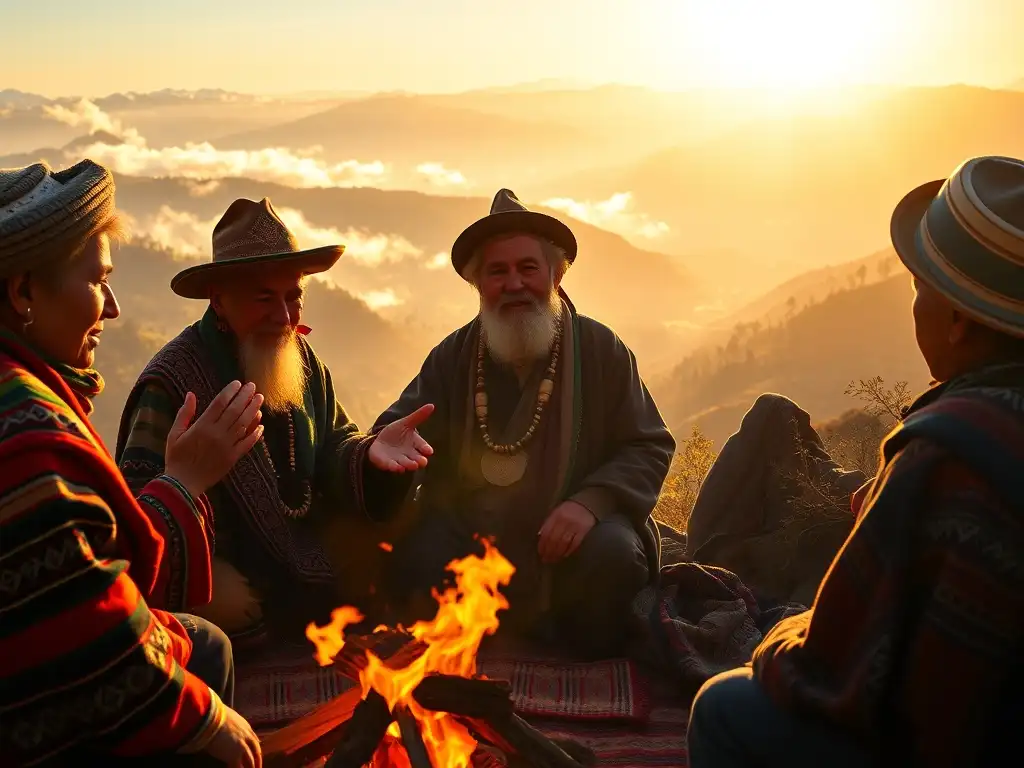
Uncover the mysteries woven into the very fabric of the Andes! For centuries, towering cities and intricate artistry have captivated the world, but the true heart of Andean civilizations beats within their unseen script: their rich oral traditions. Journey with us as we delve into the fascinating world of Andean oral history traditions, exploring how these vibrant narratives shaped societies like the Inca, Moche, and Nazca, leaving behind a legacy far more profound than stone. Dare to discover the stories whispered across millennia—your exploration begins now.
The Andes Mountains, a spine of towering peaks and deep valleys stretching along the western coast of South America, nurtured a diverse tapestry of ancient civilizations. While we marvel at the architectural wonders of Machu Picchu or the intricate pottery of the Moche, a crucial element often overlooked in understanding these societies is their profound reliance on oral tradition. This article delves into the significant role of oral history in shaping Andean cultures, exploring how it served as a vital mechanism for transmitting knowledge, preserving history, and reinforcing social structures across diverse Andean groups, including the Incas, Nazca, and Tiahuanaco.
We will examine the methods employed, the types of narratives preserved, and the lasting impact of this "unseen script" on the Andean world. Understanding Andean oral history traditions is key to unlocking a deeper appreciation of these fascinating civilizations and their enduring legacy.
The Power of Storytelling: Transmitting Knowledge Across Generations
Andean oral traditions weren't simply casual storytelling; they were sophisticated systems for transmitting essential knowledge. This knowledge encompassed a vast range of topics, from practical skills like agriculture and medicine to complex cosmological beliefs and intricate genealogies. Narratives were often interwoven with mnemonic devices, such as songs, poems, and dramatic performances, to aid memorization and ensure accurate transmission across generations.
Consider the intricate details of Inca agricultural techniques, passed down through generations of farmers via oral instruction and practical demonstrations, a testament to the efficacy of this method. The precision of their terrace farming, for instance, speaks volumes about the successful transmission of complex technical knowledge through generations via oral means.
These weren’t simply stories; they were living knowledge, constantly adapted and refined through experience and observation. The meticulous observation of celestial events, crucial for agricultural planning, also relied heavily on orally transmitted knowledge passed down through generations of skilled astronomers.
Beyond practical knowledge, oral traditions played a critical role in maintaining social order and reinforcing cultural values. Myths and legends, often rich in symbolism and moral lessons, served as powerful tools for shaping social behavior and transmitting ethical codes. These stories weren't just entertaining; they were instructional, defining acceptable behavior and reinforcing social hierarchies.
For example, the stories surrounding the Inca emperors, often imbued with divine attributes, helped legitimize their rule and maintain social cohesion. These narratives, passed down through generations of quipu keepers and storytellers, provided a framework for understanding the world and one's place within it. The use of dramatic performances, often incorporating music, dance, and elaborate costumes, further enhanced the impact of these narratives, making them memorable and deeply ingrained in the collective consciousness.
The Diverse Forms of Oral Tradition: From Quipus to Ceremonial Songs
The Andean civilizations employed a variety of methods to preserve and transmit their oral histories. While the quipus—complex knotted cords used for record-keeping—are often cited, they likely served as memory aids rather than a complete written language. Their role was to supplement, not replace, the oral tradition. Other methods included intricate ceremonial songs, often passed down through specific lineages of musicians and singers.
These songs could encapsulate historical events, cosmological beliefs, or genealogical information, preserving vital knowledge in a poetic and memorable form. The diversity of these methods underscores the sophistication and adaptability of Andean oral traditions, proving their resilience and effectiveness across different geographical regions and social groups. The intricate system of yaravis, melancholic love songs, for example, often embedded historical memories and social commentary within their lyrical structure.
The Enduring Legacy: Oral Traditions in the Modern Andes
The impact of Andean oral traditions is still felt today. Many indigenous communities continue to utilize oral narratives to transmit their history, culture, and values. While written records have become more prevalent, oral traditions remain a vital component of Andean identity and cultural preservation.
The continued use of Quechua and Aymara languages, often interwoven with oral storytelling, demonstrates the enduring power of these traditions. This living legacy serves as a powerful reminder of the critical role oral history played in shaping the Andean world and its lasting influence on contemporary Andean societies. The ongoing efforts to document and preserve these traditions are crucial for understanding not only the past but also the present and future of the Andean region.
- The Power of Storytelling: Transmitting Knowledge Across Generations
- Maintaining Social Order: Myths, Legends, and the Reinforcement of Values
- The Diverse Forms of Oral Tradition: From Quipus to Ceremonial Songs
- The Enduring Legacy: Oral Traditions in the Modern Andes
- The Importance of Documenting and Archiving Oral Narratives
- Utilizing Technology to Preserve and Share Oral Traditions
- Supporting Indigenous Communities in Maintaining their Cultural Heritage
- The role of education in fostering awareness
- Challenges in preserving and transmitting oral traditions
- The role of technology in preserving and promoting Andean oral traditions
The Power of Spoken Word: Understanding Andean Oral History Traditions
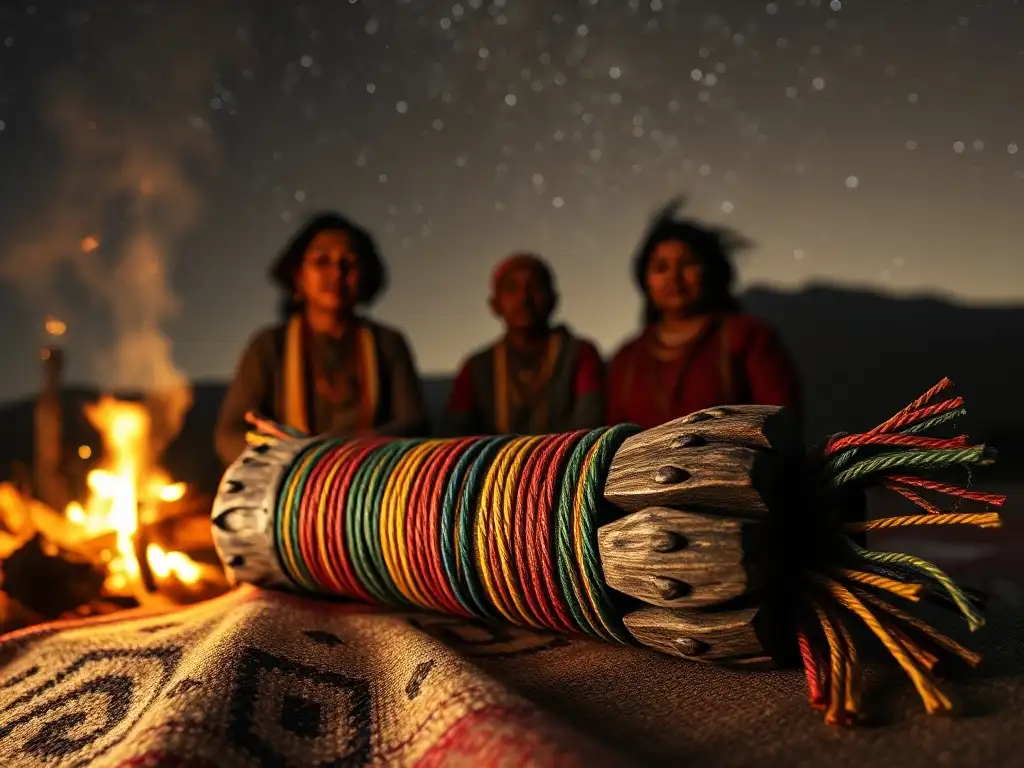
This section delves into the crucial role of oral traditions in shaping Andean societies, focusing on how the absence of widespread written language fostered unique methods of knowledge transmission and cultural preservation. We'll examine the profound impact this had on their social structures, historical records, and artistic expressions. Understanding Andean oral history traditions is key to unlocking the complexities of these fascinating civilizations. The reliance on spoken word created a vibrant tapestry of cultural transmission, significantly different from societies that relied heavily on written documentation.
The Absence of Written Language and its Impact on Andean Culture
The lack of a widely adopted writing system in many pre-Columbian Andean cultures, unlike their contemporaries in Mesoamerica, significantly impacted how knowledge, history, and societal norms were maintained and passed down through generations. Instead of relying on written texts, Andean communities developed sophisticated systems of oral transmission, weaving history, beliefs, and practical knowledge into intricate narratives and performances. This oral tradition wasn't a mere substitute for writing; it was integral to the very fabric of Andean society.
The absence of written records makes reconstructing Andean history a complex task for modern researchers. While archaeological evidence provides invaluable insights into material culture, understanding the nuances of social structures, beliefs, and daily life requires careful interpretation of oral traditions recorded by Spanish chroniclers after the conquest, though these accounts must be analyzed critically for potential bias. For example, the accounts of Inca history are often filtered through the lens of the Spanish colonial perspective, necessitating careful comparison with other sources and a nuanced understanding of the historical context.
This reliance on memory and oral transmission meant that history was not a static entity but a fluid and evolving narrative, constantly reshaped and reinterpreted by each generation. This dynamic approach to the past allowed for adaptation and innovation, reflecting the changing social and environmental contexts of Andean communities. Furthermore, the oral tradition fostered a strong sense of community and shared identity, as the collective memory bound individuals together through shared narratives and stories.
The Role of Storytelling in Preserving Andean History
Storytelling was not simply entertainment; it was a vital mechanism for preserving and transmitting knowledge across generations in Andean societies. Through epic poems, myths, legends, and songs, Andean cultures meticulously documented their history, cosmology, and social values. These narratives weren't just passive recountings of events; they were active tools for shaping identity, teaching moral lessons, and reinforcing social norms.
Consider the harawi, a Quechua genre of poetry often used to express personal emotions or recount historical events. These poems, passed down orally, served as a powerful medium for preserving memories and transmitting historical accounts. Similarly, the yacumama, a mythical figure in many Andean cultures, appears in various stories across different communities, demonstrating the spread and adaptation of narratives across diverse groups. The consistent presence of such figures in oral traditions across vast geographical areas highlights the importance of storytelling in creating a shared cultural identity across the Andes.
The effectiveness of oral transmission was enhanced by mnemonic devices such as repetition, rhythm, and song. These techniques aided in memorization and ensured the accurate transmission of complex information across generations. The use of symbolic language and metaphorical expressions further enriched the narratives, imbuing them with deeper meaning and facilitating a richer understanding of Andean cosmology and worldview.
The oral tradition, therefore, wasn't just a method of preserving information; it was a sophisticated system of knowledge creation and dissemination that shaped the very essence of Andean societies. Further research into specific Andean groups and their unique oral traditions is needed to fully appreciate the diversity and richness of this cultural heritage. [Specific information pending: Detailed examples of mnemonic devices used by specific Andean groups].
Key Elements of Andean Oral Tradition
This section delves into the core components that shaped Andean oral history traditions, examining how these elements contributed to the preservation and transmission of knowledge, beliefs, and cultural practices across generations. Understanding these key elements is crucial to appreciating the depth and complexity of Andean societies and their enduring legacy. The seamless integration of storytelling, ritual, and genealogy created a robust system for maintaining cultural identity and societal cohesion. This intricate web of oral traditions, often intertwined with practical knowledge and spiritual beliefs, significantly impacted every aspect of Andean life.
Myths, Legends, and Creation Narratives
Myths, legends, and creation narratives formed the bedrock of Andean worldview. These weren't mere stories; they were powerful tools used to explain the origins of the world, humanity, and societal structures. They provided a framework for understanding the natural world, social hierarchies, and the relationship between humans and the divine. For example, the Inca creation myth, involving Viracocha, the creator god, significantly influenced their social organization and religious practices. This narrative explained the Inca's perceived divine right to rule and justified their expansionist policies. Similar creation stories existed among other Andean cultures, each reflecting unique cosmologies and beliefs.
The narratives were not static; they evolved over time, adapting to changing circumstances and incorporating new experiences. Storytellers played a vital role, shaping the narratives to resonate with their audience and transmit culturally relevant information. These stories weren't simply entertaining; they served an educational purpose, teaching moral lessons, historical events, and practical skills.
The skillful use of metaphors, symbolism, and dramatic storytelling ensured the narratives were memorable and effectively transmitted across generations. Analysis of surviving fragments of these narratives reveals a rich tapestry of Andean beliefs and values, offering invaluable insights into their unique cultural identity. The impact of these stories on everyday life was profound, shaping social norms, moral codes, and political structures.
The Importance of Genealogy and Ancestral Knowledge
Genealogy and ancestral knowledge were central to Andean oral history traditions. Maintaining detailed family histories was not merely a matter of historical record-keeping; it was integral to social organization, land ownership, and spiritual well-being. The concept of ayllu, the extended family group, highlights the importance of kinship ties. Knowledge of one's ancestry determined social standing, access to resources, and participation in community affairs. Oral genealogies, meticulously preserved and passed down through generations, defined social structures and determined inheritance rights.
Furthermore, ancestral knowledge encompassed a vast range of practical and spiritual information. This included agricultural techniques, medicinal practices, and ritual knowledge. Elders, revered for their wisdom and experience, played a crucial role in preserving and transmitting this knowledge. Their stories served as a living archive, containing invaluable information about the past and guidance for the future.
This system of knowledge transmission ensured the continuity of Andean cultural practices and the adaptation of traditional knowledge to new challenges. The loss of these oral genealogies represents a significant loss of cultural heritage. Detailed studies are needed to fully understand the intricate systems used to record and transmit genealogical information.
Rituals, Songs, and Performances as Forms of Oral Transmission
Rituals, songs, and performances played a pivotal role in preserving and transmitting Andean knowledge. These were not merely ceremonial events; they were dynamic forms of communication, embedding cultural values, historical events, and practical knowledge within memorable frameworks. For example, Inca rituals often involved elaborate ceremonies, accompanied by songs and dances that recounted historical events or mythical narratives. These performances served as powerful tools for social cohesion, reinforcing community bonds and transmitting cultural values.
Songs, in particular, were exceptionally effective vehicles for preserving historical information and transmitting knowledge across generations. They often employed mnemonic devices, such as repetition and rhythm, to aid memorization. The use of metaphorical language and symbolic imagery enhanced the memorability and impact of the messages conveyed. These songs weren't just entertainment; they were powerful tools for education, social control, and cultural preservation.
Similarly, various forms of Andean performance art, including dramatic storytelling and puppetry, served as engaging ways to transmit complex information and reinforce cultural values. Further research is needed to fully catalog and analyze the diverse range of songs, rituals, and performances that characterized Andean oral history traditions. The rich diversity of these forms underscores the importance of oral tradition in shaping Andean societies.
The Role of Memory Keepers and Storytellers in Andean Communities
The transmission of Andean oral history traditions heavily relied on specialized individuals: memory keepers and storytellers. These weren't simply individuals who recounted tales; they were vital components of the social fabric, entrusted with preserving and interpreting the collective memory of their communities. Their roles extended beyond mere entertainment; they were custodians of knowledge, shaping cultural identity and transmitting crucial information across generations. The accuracy and reliability of their narratives were paramount, as they formed the basis for social structures, religious practices, and even agricultural cycles.
Their training was often rigorous and multifaceted, involving years of apprenticeship under experienced practitioners. This apprenticeship wasn't solely about memorizing narratives; it encompassed a deep understanding of the context, symbolism, and nuances within each story. Memory keepers, for instance, possessed exceptional mnemonic skills, employing techniques such as mnemonic devices and repetitive recitation to retain vast amounts of information, including genealogies, historical events, and intricate myths.
Storytellers, on the other hand, honed their skills in performance, using intonation, gestures, and dramatic flair to captivate their audiences and ensure the stories resonated deeply. Their performances were often accompanied by music and dance, further enhancing the immersive experience and ensuring the information was remembered. The effectiveness of their methods is evident in the longevity and richness of Andean oral traditions, which have survived for centuries, adapting and evolving while retaining their core essence.
The social standing of these memory keepers and storytellers varied across different Andean societies. In some communities, they held positions of significant influence and authority, acting as advisors to leaders and participating in important decision-making processes. Their expertise in history and tradition made their opinions highly valued. In other societies, their role might have been more closely tied to religious practices, acting as intermediaries between the community and the spiritual world.
Regardless of their specific status, their contribution to the preservation and transmission of Andean oral history traditions was undeniable, forming a critical link between the past and the future. The respect accorded to these individuals underscores the profound importance placed on the oral transmission of knowledge within Andean cultures. Their legacy continues to inspire awe and admiration, highlighting the power of human memory and the enduring strength of oral traditions in shaping cultural identity.
Transmission of Knowledge Through Generations
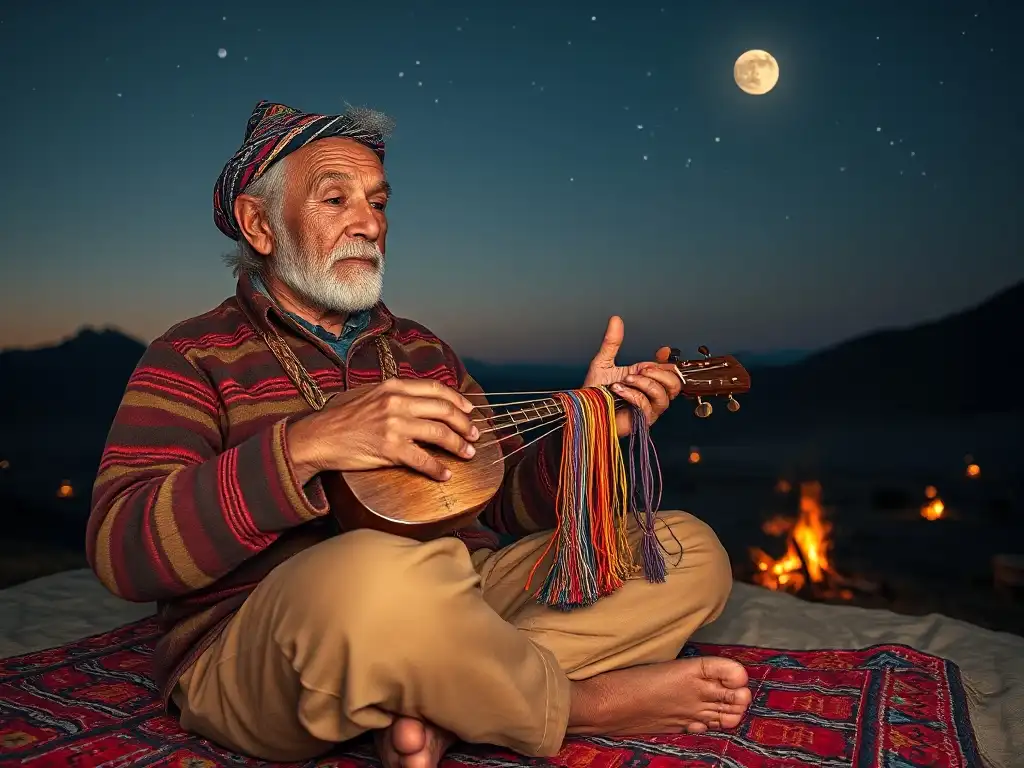
The Andes Mountains, a spine of towering peaks and deep valleys, nurtured civilizations that thrived for millennia before the arrival of Europeans. While impressive architectural feats like Machu Picchu stand as testament to their ingenuity, a crucial element often overlooked is the sophisticated system of Andean oral history traditions that served as the backbone of their societies. These traditions weren't merely a way to pass down stories; they were the primary mechanism for transmitting knowledge, preserving cultural identity, and maintaining social order.
The intricate web of oral narratives, songs, and rituals ensured the continuity of Andean culture across generations, adapting and evolving with the ever-changing landscape and societal needs. Understanding these Andean oral history traditions is key to unlocking a deeper comprehension of these remarkable cultures.
Andean social structures, particularly within the Inca Empire, were profoundly shaped by oral traditions. The quipucamayoc, or official keepers of records using quipus (complex knotted cords), played a vital role, but their function extended beyond mere record-keeping. They were storytellers, educators, and custodians of the collective memory, using narratives to reinforce social hierarchies, transmit customary laws, and instill values.
For example, stories about powerful ancestors and mythical beings helped legitimize the authority of rulers and maintain social order. These narratives weren't static; they were constantly reinterpreted and adapted to reflect current events and evolving power dynamics. The flexibility of oral transmission allowed for a degree of fluidity within the rigid social structure, enabling adjustments to social norms without disrupting the overall hierarchy.
Furthermore, the use of specific oral formulas and styles in addressing individuals of different social standing reinforced social boundaries and expectations. The effective management of this complex system of oral communication was crucial for maintaining stability and cohesion within Andean society. This dynamic interplay between oral narrative and social organization demonstrates the profound influence of Andean oral history traditions on the daily lives of Andean people.
The Significance of Oral Teachings in Education and Skill Development
Oral traditions were the primary vehicle for education and skill development in Andean societies. Instead of formal schools in the modern sense, knowledge was passed down through apprenticeships, storytelling sessions, and community rituals. Young people learned agricultural techniques, weaving skills, and construction methods through direct observation and practical instruction, often accompanied by narratives that embedded the knowledge within a broader cultural context.
For example, agricultural practices weren’t simply taught as technical procedures; they were woven into myths and legends about the origins of crops and the relationship between humans and the natural world. This approach not only imparted practical skills but also instilled a deep respect for the environment and a strong sense of cultural identity. Similarly, the creation of intricate textiles or the construction of monumental structures was often accompanied by oral accounts that explained the significance of the work and the techniques involved, ensuring the preservation and transmission of these specialized skills across generations.
The effectiveness of this system is evident in the sophisticated technologies and artistic achievements of Andean civilizations. The integration of practical instruction with cultural narratives highlights the holistic nature of Andean education, shaped by their unique Andean oral history traditions.
The Impact of Oral Communication on Andean Law and Governance
Andean law and governance relied heavily on oral communication. While the quipus recorded some data, the actual application and interpretation of laws were largely dependent on oral pronouncements, customary practices, and the pronouncements of community leaders. Disputes were often resolved through public discussions, where community members would recount relevant traditions and precedents to establish a just resolution. This system fostered a strong sense of community participation in legal processes.
The flexibility of oral law allowed for adjustments to suit specific circumstances, ensuring a more adaptable legal framework compared to rigid written codes. However, the reliance on memory and oral transmission also presented challenges. The accuracy and consistency of legal interpretations could vary depending on the storyteller and the context.
This inherent variability in oral law suggests that while it facilitated community participation and adaptability, it also required a high degree of trust and shared understanding within the community to ensure its effective functioning. The evolution of Andean legal systems highlights the complex interplay between oral tradition and the administration of justice within Andean societies, shaping their unique approaches to law and governance. This reliance on Andean oral history traditions demonstrates the ingenuity and adaptability of their governance systems.
Variations and Regional Differences in Oral Traditions
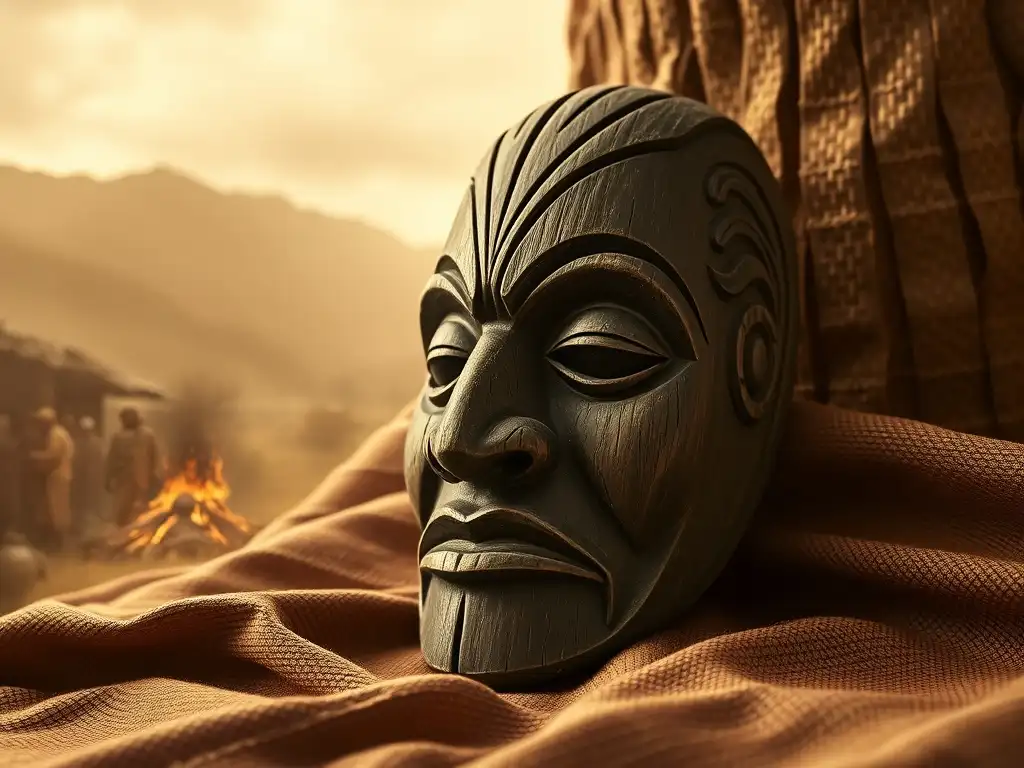
The vibrant tapestry of Andean oral history traditions wasn't a monolithic entity. Instead, it was a rich mosaic of diverse storytelling practices, shaped by unique cultural identities and geographical landscapes. Understanding these variations is crucial to appreciating the full complexity of Andean societies and their intricate relationship with their environment.
The transmission of knowledge, beliefs, and history through oral means differed significantly across various Andean groups, reflecting the unique social structures, belief systems, and environmental challenges faced by each civilization. We can observe distinct stylistic approaches to storytelling, varying narrative themes, and diverse ritualistic applications of oral traditions. This section will delve into these fascinating regional differences.
Unique Oral Narratives Across Different Andean Civilizations
Each Andean civilization developed its own distinctive repertoire of oral narratives. The Incas, for example, utilized a complex system of quipus (knotted strings) to record and transmit information, complementing their rich oral traditions. Their narratives often centered around the legendary figure of Manco Cápac, the founder of the Inca Empire, and emphasized themes of imperial power, lineage, and cosmic order. These stories served not only to entertain but also to reinforce social hierarchy and legitimize Inca rule.
Conversely, the Moche civilization, known for its elaborate ceramic art, may have utilized oral traditions to transmit myths and legends related to their deities and agricultural practices. Their stories, often reflecting a strong connection to the sea and the fertile valleys, likely incorporated elements of ritual and ceremony, reflecting the importance of these aspects in their society. Unfortunately, the lack of extensive written records means that reconstructing their oral narratives requires careful analysis of their artistic representations and archaeological findings. Further research is needed to fully understand the extent and nature of their oral traditions.
The Nazca, famous for their enigmatic geoglyphs, may have employed storytelling to explain the creation of these massive earthworks, perhaps weaving tales that linked them to their complex cosmology and religious beliefs. Similarly, the Tiahuanaco culture, with its impressive monumental architecture, likely used oral history to pass down knowledge of their advanced engineering techniques and societal structures.
The specific content and styles of their oral narratives remain largely unknown, representing an area ripe for further scholarly investigation. The diversity in the themes and styles of these narratives underscores the multifaceted nature of Andean oral history traditions and the need for a nuanced understanding of their regional variations.
The Influence of Geography on Storytelling Styles
The diverse geography of the Andes Mountains profoundly impacted the development and dissemination of oral traditions. High-altitude communities, often isolated by challenging terrain, developed unique storytelling styles adapted to their specific environments. These narratives often incorporated themes of resilience, adaptation, and survival in the face of harsh natural conditions. The stories might emphasize the importance of community cooperation and resource management, reflecting the necessities of life in these demanding environments. The use of specific imagery, metaphors, and narrative structures might also reflect the unique visual and experiential landscapes of these high-altitude regions.
In contrast, coastal communities, with their access to the sea and fertile valleys, may have developed oral traditions centered around maritime activities, fishing, and agriculture. Their stories might incorporate elements of mythology related to the ocean, marine life, and the cyclical nature of agriculture. The narrative structures and stylistic approaches could reflect the rhythms and patterns of their coastal lifestyles.
The varying geographical contexts – from the high-altitude plains to the arid coastal deserts to the lush Amazonian foothills – shaped not only the content but also the very form and style of Andean oral traditions. More research is needed to fully explore how the specific conditions of each environment influenced the narrative structures, imagery, and themes of oral narratives.
Regional Variations in Myths, Legends, and Rituals
Myths, legends, and rituals played a central role in Andean oral traditions, often intertwining with everyday life and providing a framework for understanding the world. However, these elements varied considerably across different regions. For instance, myths surrounding the origins of the world or the creation of specific geographical features frequently differed between Andean communities. Some narratives might emphasize the role of powerful deities, while others might focus on ancestral spirits or natural forces.
Legends, often recounting heroic feats or explaining natural phenomena, also showed regional diversity. These stories served to transmit cultural values, moral lessons, and historical knowledge. The specific heroes, villains, and events recounted in these legends varied significantly depending on the specific cultural group and geographical location. Rituals, an integral part of Andean life, likewise demonstrated regional variations.
Ceremonies related to agriculture, fertility, or ancestor veneration often differed in their specific practices, symbolic elements, and accompanying narratives. These variations highlight the rich tapestry of beliefs and practices that characterized Andean societies, showcasing the dynamic interplay between oral tradition, cultural identity, and regional context. Further study is crucial to mapping the precise geographical distribution of these diverse myths, legends, and rituals and understanding their role in shaping Andean societies.
The Enduring Legacy of Oral Traditions in Modern Andean Societies
The legacy of Andean oral history traditions extends far beyond the archaeological record. While empires rose and fell, the intricate tapestry of stories, songs, and rituals woven through generations continues to shape the cultural identity of Andean communities today. This vibrant oral tradition isn't merely a relic of the past; it's a living, breathing entity that adapts and evolves while retaining its core essence.
The continued significance of oral history is undeniable, influencing everything from social structures and governance to artistic expression and spiritual beliefs. Understanding this enduring legacy is crucial to appreciating the complexities of Andean societies, both past and present.
The Persistence of Oral History in Contemporary Andean Culture
Despite the advent of written language and modern technologies, oral traditions remain deeply ingrained in the daily lives of many Andean communities. Storytelling, a cornerstone of Andean culture, continues to transmit knowledge, values, and history across generations. Elderly individuals, often seen as repositories of ancestral wisdom, play a crucial role in this process, imparting lessons learned through years of experience. These narratives aren't simply entertaining tales; they serve as practical guides for navigating social complexities, understanding ecological relationships, and preserving cultural heritage.
For instance, Quechua communities in the Peruvian highlands still utilize intricate systems of oral communication for conflict resolution, land management, and religious ceremonies. These practices, passed down through countless generations, offer invaluable insights into the enduring power of oral history in maintaining social cohesion and cultural continuity.
The vibrant tapestry of Andean oral traditions, including myths, legends, and historical accounts, continues to shape the cultural landscape and offers a rich resource for understanding the complexities of Andean identities and practices. The knowledge embedded within these oral narratives provides a deeper understanding of Andean societal structures, beliefs, and daily life, proving the enduring power of this tradition.
Furthermore, the use of yaravis (songs expressing sorrow or longing) and huaynos (upbeat folk songs) in contemporary Andean life demonstrates the vibrant persistence of oral traditions in musical forms. These musical expressions often contain historical narratives, social commentaries, and philosophical reflections, showcasing the power of oral history to be creatively adapted and reinterpreted across generations. The melodies and lyrics, passed down orally, preserve cultural memory and continue to evoke powerful emotional responses within Andean communities. This musical legacy demonstrates the seamless integration of oral history into the fabric of everyday Andean life.
The Challenges of Preserving Oral Traditions in a Changing World
The preservation of Andean oral history traditions faces significant challenges in the 21st century. Globalization, migration, and the dominance of written media threaten the continuity of these invaluable cultural resources. The younger generation, increasingly exposed to globalized media, may find it difficult to connect with traditional oral narratives.
The shift away from rural communities to urban centers further exacerbates this problem. The loss of fluency in indigenous languages also poses a significant threat to the preservation of oral traditions. As the number of native speakers dwindles, the richness and complexity of the oral narratives they carry risk being lost forever.
The rapid pace of modernization and urbanization is leading to the erosion of traditional knowledge systems. The younger generation, often more exposed to written media and globalized culture, may be less inclined to participate in traditional oral storytelling practices. This poses a significant threat to the continued transmission of cultural heritage. Moreover, the increasing dominance of Spanish and other foreign languages in many Andean communities is also contributing to the decline of indigenous languages and the oral traditions embedded within them.
This linguistic shift poses a significant challenge to the preservation of Andean oral history traditions. Effective strategies are needed to address these challenges and ensure the survival of this valuable cultural heritage. This requires a concerted effort from communities, governments, and researchers alike.
The Role of Oral History in Reclaiming Andean Heritage
Despite these challenges, there's a growing movement to reclaim and revitalize Andean oral traditions. This involves a collaborative effort between community members, scholars, and cultural organizations to document, preserve, and disseminate oral histories. This conscious effort to preserve and promote oral history is particularly important in the face of globalization and modernization.
By actively recording and analyzing oral narratives, researchers can gain a deeper understanding of Andean history, culture, and social structures. This knowledge, in turn, can inform efforts to promote cultural revitalization and empower Andean communities to reclaim their heritage. Moreover, the use of modern technology, such as audio and video recording, can play a crucial role in preserving these traditions for future generations.
The active engagement of Andean communities in the documentation and preservation of their oral histories is essential for ensuring their authenticity and cultural relevance. This participatory approach allows community members to actively shape the narrative of their own heritage, ensuring the preservation of their cultural identity. Furthermore, the use of oral history in education and cultural programming can help to foster a deeper appreciation of Andean culture among both Andean and non-Andean communities.
By actively engaging in these initiatives, we can collectively contribute to the preservation and celebration of this vibrant cultural heritage. This inclusive approach ensures that the voices and stories of Andean communities are heard, understood, and celebrated. The preservation of Andean oral history traditions is not simply an academic pursuit; it's a vital act of cultural preservation and empowerment.
Impact of Colonialism on Oral Traditions
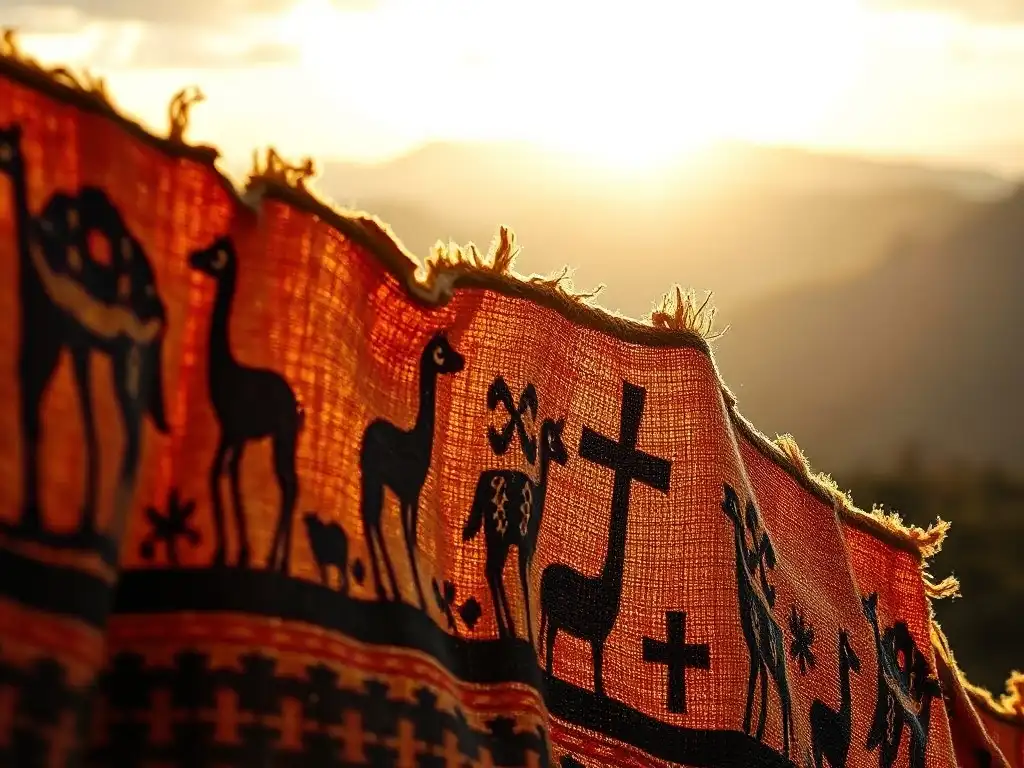
The arrival of the Spanish conquistadors in the 16th century profoundly impacted Andean oral traditions. The Spanish colonial regime actively suppressed Indigenous languages and cultures, viewing them as obstacles to the imposition of Catholicism and Spanish dominance. This suppression manifested in various ways, significantly affecting the transmission and preservation of Andean oral histories. For example, the destruction of sacred sites and the banning of traditional ceremonies disrupted the flow of knowledge passed down through generations.
The imposition of Spanish as the official language marginalized Quechua, Aymara, and other Indigenous tongues, leading to a decline in the use of these languages for storytelling and historical preservation. Furthermore, the forced conversion to Christianity often involved the suppression of pre-Columbian narratives and the replacement of Indigenous worldviews with Christian doctrines. This cultural imposition led to a significant loss of ancestral knowledge and a weakening of the oral traditions that had sustained Andean societies for millennia. The effects of this systematic suppression are still felt today, highlighting the enduring challenge of recovering and preserving the rich tapestry of Andean oral history.
The disruption of social structures, the displacement of communities, and the imposition of a foreign worldview all contributed to a significant erosion of Andean oral traditions. Many stories, songs, and rituals were lost or fragmented, leaving gaps in the historical record that are difficult to reconstruct. While some oral traditions survived, often adapting to the new circumstances, the impact of colonialism remains a critical factor in understanding the current state of Andean oral history.
Revitalization Efforts and Community Involvement
Despite the significant challenges posed by colonialism, there are ongoing efforts to revitalize and preserve Andean oral traditions. These efforts are largely driven by community involvement and a growing recognition of the importance of cultural heritage. Indigenous communities are actively reclaiming their languages and cultural practices, often through community-based initiatives. These initiatives include language immersion programs, the documentation and preservation of oral narratives, and the revival of traditional ceremonies and rituals.
For instance, many communities are working to document their oral histories, creating archives and digital repositories to ensure the preservation of these invaluable resources. Furthermore, there is a growing emphasis on integrating oral traditions into educational systems, helping to ensure that younger generations learn about their cultural heritage. The involvement of elders and traditional storytellers is crucial in these efforts, ensuring the authenticity and accuracy of the transmitted knowledge. These revitalization efforts are not merely academic exercises; they are integral to the cultural identity and self-determination of Andean communities.
The resurgence of interest in Andean oral traditions is not only about preserving the past but also about empowering present and future generations to connect with their roots and build a stronger sense of community. The success of these initiatives depends heavily on the active participation of community members, demonstrating the enduring power of collective memory and cultural resilience. This community-led approach underscores the deep connection between oral traditions and the social fabric of Andean societies.
The Future of Andean Oral History Traditions
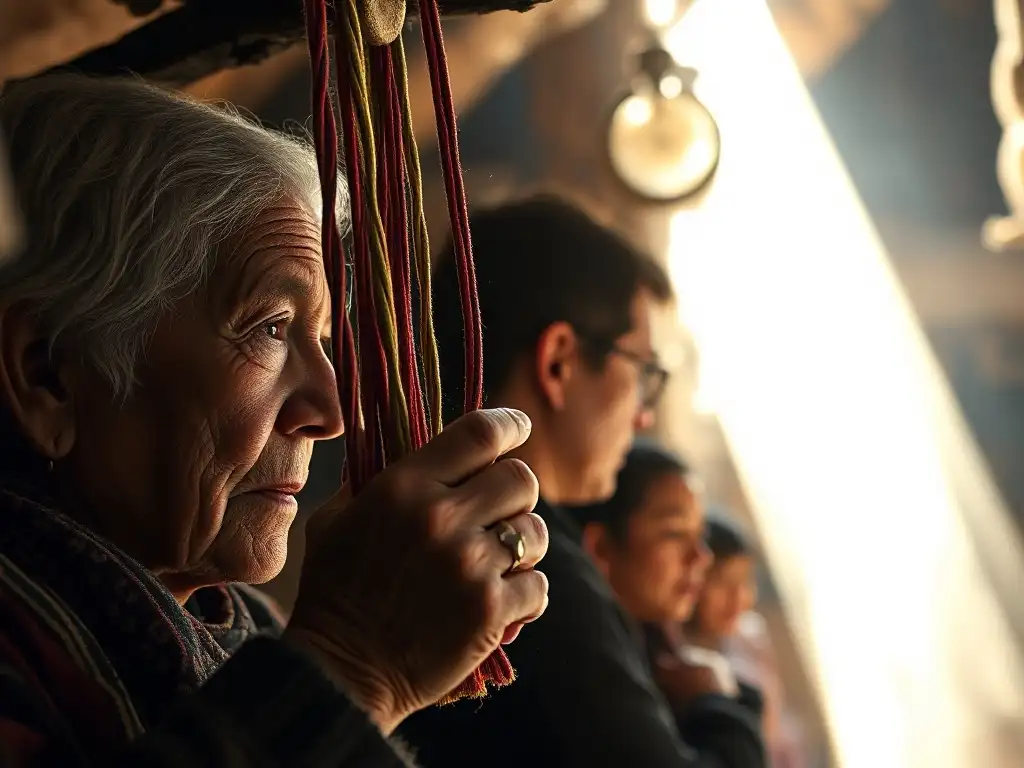
The vibrant tapestry of Andean oral history traditions, woven through millennia, faces unprecedented challenges in the modern world. Globalization, urbanization, and the dominance of written languages threaten the delicate balance of cultural transmission. However, the future of these traditions isn't solely defined by these threats; it's also shaped by proactive efforts to preserve, revitalize, and celebrate this invaluable cultural heritage.
Understanding these challenges and embracing innovative solutions is crucial for ensuring the survival and flourishing of Andean oral history for generations to come. The continued vitality of these traditions hinges on a multi-pronged approach, combining technological advancements with community empowerment and a renewed appreciation for the intrinsic value of oral narratives.
This section explores key strategies for securing the future of Andean oral history. The preservation of these traditions isn't merely an academic pursuit; it's a vital act of cultural safeguarding, ensuring the continuity of identity and knowledge for Andean communities.
The Importance of Documenting and Archiving Oral Narratives
The immediate and pressing need is meticulous documentation and archiving. Simply put, if these stories aren't recorded, they risk being lost forever. This isn't about replacing the living tradition with a static archive; it's about creating a safety net. This involves a sensitive and respectful approach, working collaboratively with indigenous communities to ensure narratives are recorded accurately and with their full consent.
Methods range from carefully transcribed interviews to audio and video recordings, employing techniques that minimize disruption and maximize authenticity. For example, a project documenting the yaravíes (traditional songs) of a specific community might involve recording performances in their natural context, accompanied by detailed ethnographic notes documenting the social and ritual significance of the songs. The creation of digital archives, accessible to researchers and the wider public, is also crucial, but always with the community's informed consent and active participation in controlling access and usage.
This careful process ensures that these narratives remain true to their origins and are not misrepresented or exploited. Furthermore, the metadata associated with these recordings – details about the storyteller, the context of the narrative, and the language used – is as important as the narratives themselves. This rich contextual information helps to deepen our understanding and appreciation of the traditions.
Technology offers powerful tools for the preservation and dissemination of Andean oral history traditions. Digital archiving platforms, coupled with sophisticated audio and video editing software, can ensure high-quality preservation of narratives. Furthermore, the use of online platforms allows for wider access to these stories, connecting communities across geographical boundaries and fostering a renewed appreciation for Andean cultural heritage.
Consider the potential of creating interactive online exhibits that combine audio recordings with translations, photographs, and historical context. Such platforms could allow users to explore the narratives at their own pace, engaging with the stories in a dynamic and enriching way. Moreover, the development of language learning apps incorporating Andean languages and oral traditions could significantly contribute to language revitalization efforts.
The translation of these narratives into multiple languages can make them accessible to a much wider audience, promoting cross-cultural understanding and appreciation. The key, however, is to ensure that technological solutions are implemented responsibly and ethically, respecting indigenous knowledge and avoiding digital colonialism.
Supporting Indigenous Communities in Maintaining their Cultural Heritage
Ultimately, the future of Andean oral history traditions rests on the shoulders of the communities themselves. Sustainable preservation requires empowering these communities with the resources and support they need to maintain their cultural heritage. This includes providing funding for community-led initiatives, supporting language revitalization programs, and fostering educational opportunities that promote the transmission of oral traditions to younger generations.
This might involve establishing community-based archives and training programs in digital archiving techniques, or sponsoring workshops where elders share their knowledge with younger members of their communities. Furthermore, actively promoting the visibility and value of Andean oral traditions in educational curricula and public spaces is crucial. This can help to foster a sense of pride and ownership among younger generations, encouraging them to actively participate in the preservation of their cultural heritage.
Collaboration with universities and research institutions can provide valuable technical and academic support, but always prioritizing community-led approaches and ensuring that benefits directly accrue to the communities involved. The success of any preservation effort depends on a genuine partnership built on mutual respect and a shared commitment to safeguarding this invaluable heritage for future generations.
The role of education in fostering awareness
The preservation and transmission of Andean oral history traditions are inextricably linked to education. For generations, knowledge was passed down through families and communities, but the increasing influence of globalization and urbanization threatens this delicate balance. Formal education systems hold a crucial role in actively combating this threat. Integrating Andean oral traditions into school curricula, from primary to higher education, is paramount. This isn't simply about reciting stories; it's about fostering a deep understanding of the cultural significance embedded within these narratives.
By teaching the historical context, the linguistic nuances, and the social structures reflected in oral traditions, educators can cultivate a sense of pride and ownership among younger generations. This approach moves beyond rote learning, encouraging critical thinking and analysis of the narratives, empowering students to become active participants in preserving their heritage. Effective educational initiatives should also include opportunities for intergenerational dialogue, where students can directly interact with elders and storytellers, creating a living bridge between past and present. This direct engagement ensures that the authenticity and vitality of the traditions are maintained, preventing their transformation into sterile academic exercises. Furthermore, educational programs should also extend beyond the classroom, incorporating community outreach initiatives and collaborations with local museums and cultural centers.
This inclusive approach ensures broader participation and strengthens the connection between communities and their rich oral history. The success of such initiatives hinges on the development of culturally sensitive pedagogical approaches that respect the unique characteristics of Andean oral traditions and avoid the pitfalls of misrepresentation or cultural appropriation. Ultimately, education is not merely a tool for preservation; it is the foundation for a vibrant future for Andean oral history traditions. Investing in education is investing in the continuity of a unique and invaluable cultural legacy.
Challenges in preserving and transmitting oral traditions
Preserving and transmitting Andean oral traditions present significant challenges in the modern era. The rapid pace of technological advancements, coupled with the increasing influence of globalized media, poses a serious threat to the vitality of these oral narratives. Younger generations, exposed to a deluge of information through digital platforms, may find traditional storytelling less engaging than readily available entertainment. This shift in attention necessitates creative strategies to bridge the generational gap and ensure the continued relevance of oral traditions. Furthermore, the migration of Andean populations to urban centers has led to a dispersal of communities, weakening the traditional networks through which oral histories were previously passed down.
This geographic dispersion makes it more difficult to maintain the continuity of storytelling practices and the transmission of knowledge across generations. Another significant challenge lies in the documentation and archiving of these oral histories. While written records can provide some level of permanence, they cannot fully capture the nuances of oral performance, the emotional resonance of storytelling, or the subtle variations in narrative across different tellers. The development of effective methodologies for recording and preserving oral traditions, while respecting their intangible nature, is therefore crucial.
Finally, the lack of resources and funding for initiatives aimed at preserving and promoting Andean oral traditions presents a major obstacle. Securing adequate funding for research, documentation, educational programs, and community initiatives is essential to safeguard this invaluable cultural legacy. Addressing these challenges requires a multi-faceted approach, involving collaborative efforts between governments, educational institutions, community organizations, and researchers. Only through concerted action can the future of Andean oral history traditions be secured.
The role of technology in preserving and promoting Andean oral traditions
Paradoxically, technology, often seen as a threat to traditional practices, can also play a crucial role in preserving and promoting Andean oral traditions. While the digital age presents challenges, it also offers unprecedented opportunities for wider dissemination and accessibility. Digital archiving, for example, allows for the creation of extensive online repositories of oral narratives, making them accessible to a global audience. This increased accessibility can help raise awareness of Andean cultures and promote intercultural understanding. Furthermore, digital technologies offer innovative ways to engage younger generations.
Interactive storytelling platforms, multimedia presentations, and virtual reality experiences can make oral traditions more appealing and relevant to a digitally native audience. These technologies can also facilitate intergenerational dialogue, connecting elders with younger generations through online platforms. Moreover, the use of digital tools can enhance the documentation and analysis of oral traditions. Sophisticated audio-visual recording techniques allow for the high-quality capture of narratives, preserving the nuances of voice, intonation, and performance style. Digital tools can also aid in the linguistic analysis of oral traditions, helping to understand their historical evolution and cultural significance.
However, the use of technology must be approached thoughtfully. It's crucial to ensure that digital representations of oral traditions respect their cultural context and avoid misrepresentation or commodification. Careful consideration must be given to issues of intellectual property rights, cultural sensitivity, and the ethical implications of using technology to document and disseminate intangible cultural heritage. The successful integration of technology into the preservation and promotion of Andean oral traditions requires a balanced approach, combining technological innovation with a deep respect for cultural values and traditions.
Frequently Asked Questions
What role did oral tradition play in Andean societies?
Oral tradition was paramount in Andean societies, serving as the primary means of transmitting knowledge, history, and cultural values across generations. It shaped social structures, beliefs, and daily life.
How did oral traditions preserve history without writing?
Through memorization, storytelling, and ritualistic performances, Andean cultures meticulously preserved their history and traditions. These methods ensured the continuity of their cultural heritage.
What are some examples of Andean oral traditions?
Myths, legends, songs, and epic poems are prime examples. These narratives often featured powerful figures and explained natural phenomena, reinforcing community identity.
How did oral history impact Andean art and technology?
Oral traditions directly influenced artistic expression and technological innovations. Narratives inspired artwork and passed down crucial knowledge about agriculture, architecture, and other technologies.
How did the Spanish conquest affect Andean oral traditions?
The Spanish conquest significantly disrupted and suppressed many Andean oral traditions. However, despite attempts at eradication, many traditions persisted and continue to be revived today.
Final Reflection: Echoes of the Andes: A Legacy in Words
The enduring power of oral tradition in Andean societies continues to resonate today, shaping our understanding of history, culture, and identity in profound ways. While written records offer a valuable perspective, the rich tapestry of Andean life, its beliefs, and its struggles, are indelibly woven into the fabric of its oral narratives. These stories, passed down through generations, offer a vital counterpoint to often incomplete or biased historical accounts, providing a more nuanced and human understanding of the past.
The impact of oral tradition extends far beyond mere historical accounts; it forms the very bedrock of Andean cultural identity. These stories are not simply tales; they are living repositories of knowledge, wisdom, and spiritual understanding. They are the keepers of ancestral memory, shaping social structures, ethical frameworks, and artistic expressions. As the renowned Peruvian anthropologist, José María Arguedas, once observed: The oral tradition is not merely a way of transmitting information; it is a way of being, a way of living, a way of understanding the world.
His words resonate deeply, highlighting the intimate connection between the Andean people and their oral heritage.
Consider the power of these stories, the weight of history carried on the breath of each storyteller. You, the reader, now hold a piece of that legacy. Reflect on the ways in which stories shape your own life, your understanding of the world, and your connection to your own heritage. Seek out the narratives that surround you, listen to the voices of your community, and discover the untold histories that shape the world we inhabit. Let the echoes of the Andes inspire you to explore the power of storytelling and the enduring strength of oral tradition.
**Unveil the Rich Tapestry of Andean Oral Traditions! **
Thank you for exploring the fascinating world of Andean societies with us! You've discovered the profound impact of oral traditions on their heritage. Now let's delve even deeper.
Here's how you can further engage with this vibrant culture and contribute to its preservation:
- **Explore Andean storytelling:** Discover captivating narratives through books, online resources, and documentaries that showcase the rich diversity of Andean oral traditions. The knowledge you gain will be a truly rewarding journey.
- **Attend cultural events and festivals:** Immerse yourself in the vibrant rhythms and traditions of Andean culture by attending local workshops, festivals, or performances celebrating Andean heritage. This is a wonderful way to experience the culture firsthand.
- **Share your perspectives:** Join our online community forum at andeancivilizations.com to discuss the enduring influence of oral traditions on contemporary societies. Your insights are invaluable to our understanding.
How can oral traditions continue to shape modern Andean communities in the face of globalization? Let's discuss!