
Aymara Medicine: Traditional Healing Practices and Herbal Knowledge

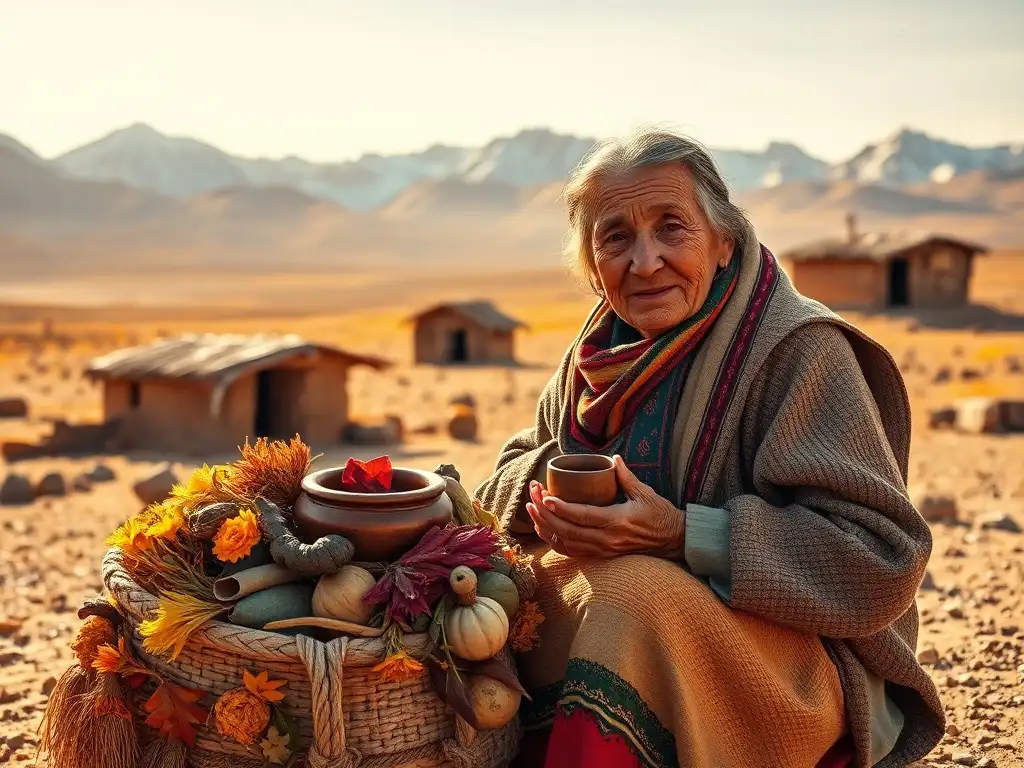
Step into a world lost in time, yet echoing with vibrant life. Discover the secrets of the Andes, a land where towering mountains cradled civilizations as advanced as they were mysterious. We delve into the fascinating tapestry of Andean cultures, from the Incas' ingenuity to the artistry of the Nazca. But today, we unveil a particularly intriguing thread: Aymara traditional medicine. Prepare to be captivated by the ancient healing practices and profound herbal knowledge that continues to thrive in the heart of the Andes. Unravel the mysteries— explore further.
The Aymara people, inhabiting the high Andes of Bolivia, Peru, and Chile, possess a rich and sophisticated system of traditional medicine that has endured for centuries. This article delves into the fascinating world of Aymara traditional medicine, exploring its healing practices, profound knowledge of herbal remedies, and its enduring relevance in contemporary society.
We will examine the holistic approach to health and wellness central to Aymara healing, revealing its intricate connection to the natural world and spiritual beliefs. Understanding Aymara traditional medicine offers a valuable perspective on alternative healing methods and the deep-seated relationship between culture, environment, and health.
This exploration aims to illuminate the significance of this ancient practice and its continued importance in the lives of the Aymara people, while also highlighting its contribution to broader discussions about holistic healthcare and ethnobotany. The rich tapestry of Aymara healing practices is a testament to the resilience and ingenuity of this remarkable culture, and its study provides valuable insights into both the past and the future of healthcare.
The Holistic Approach to Aymara Healing
Aymara medicine is fundamentally holistic, viewing the individual as inextricably linked to their environment and spiritual world. Illness is not simply a physical ailment but an imbalance within this interconnected system. Healing therefore involves restoring harmony on multiple levels – physical, emotional, and spiritual. This holistic perspective is reflected in the diverse range of therapeutic methods employed, which often combine herbal remedies, ritual practices, and spiritual interventions. For example, the use of specific plants is often tied to specific rituals and beliefs about the energies of the mountains and the cosmos. The diagnosis itself often involves considering the patient's dreams, their relationship with their community, and their overall spiritual well-being. This holistic approach places the patient at the center, recognizing the importance of their social and environmental context in the healing process. The practitioner acts as a guide, facilitating the restoration of balance and harmony rather than simply treating symptoms.
Key Herbal Remedies and their Applications
The Aymara pharmacopoeia boasts a remarkable diversity of plants, each carefully selected and used for specific ailments. Accurate identification and quantification of these plants remains an area of ongoing research. However, we know that plants like coca (Erythroxylum coca), traditionally used for energy and altitude sickness, play a significant role, as does the chachacoma (Escallonia myrtilloides), known for its analgesic and anti-inflammatory properties. Other commonly used herbs include various species of mutuy (used for digestive issues) and totoras (used for respiratory ailments).
Each plant’s preparation and administration are often highly specific, varying according to the ailment, the patient's constitution, and the lunar cycle. Detailed knowledge of these plants, their properties, and their appropriate application is passed down through generations within Aymara communities, representing a profound understanding of the medicinal potential of the Andean flora. Further research is needed to fully document and analyze the efficacy of these remedies.
Rituals and Spiritual Practices in Aymara Healing
Beyond herbal remedies, Aymara healing incorporates powerful rituals and spiritual practices. These rituals often involve offerings to the Apus (mountain spirits), considered sacred protectors of the land and its people. Prayers, chants, and the use of ritual objects are essential components of these ceremonies, aiming to restore balance and harmony within the patient and their connection to the spiritual realm. The yatiri, a spiritual healer, plays a crucial role in these rituals, acting as a mediator between the human and spiritual worlds.
Their knowledge encompasses not only medicinal plants but also a deep understanding of Andean cosmology and spiritual beliefs. The effectiveness of these rituals is often attributed to the power of belief and the strong social bonds within Aymara communities. This aspect of Aymara healing highlights the importance of considering the spiritual and social dimensions of health and well-being.
The Challenges and Preservation of Aymara Traditional Medicine
Despite its enduring significance, Aymara traditional medicine faces numerous challenges in the modern era. The encroachment of Western medicine, coupled with migration and socioeconomic changes, poses a threat to the transmission of traditional knowledge. Efforts are underway to document and preserve this invaluable heritage, through community-based initiatives and academic research.
However, it's critical to approach these efforts with respect and sensitivity, ensuring the active participation of Aymara communities in preserving their own cultural legacy. The preservation of Aymara traditional medicine is not just a matter of safeguarding a unique healing system; it's about recognizing the inherent value of indigenous knowledge and ensuring the continued well-being of the Aymara people. The future of Aymara traditional medicine hinges on a collaborative approach that respects the wisdom of the past while adapting to the realities of the present.
- The Holistic Approach to Aymara Healing
- Key Herbal Remedies and their Applications
- Rituals and Spiritual Practices in Aymara Healing
- The Challenges and Preservation of Aymara Traditional Medicine
The Foundations of Aymara Traditional Medicine
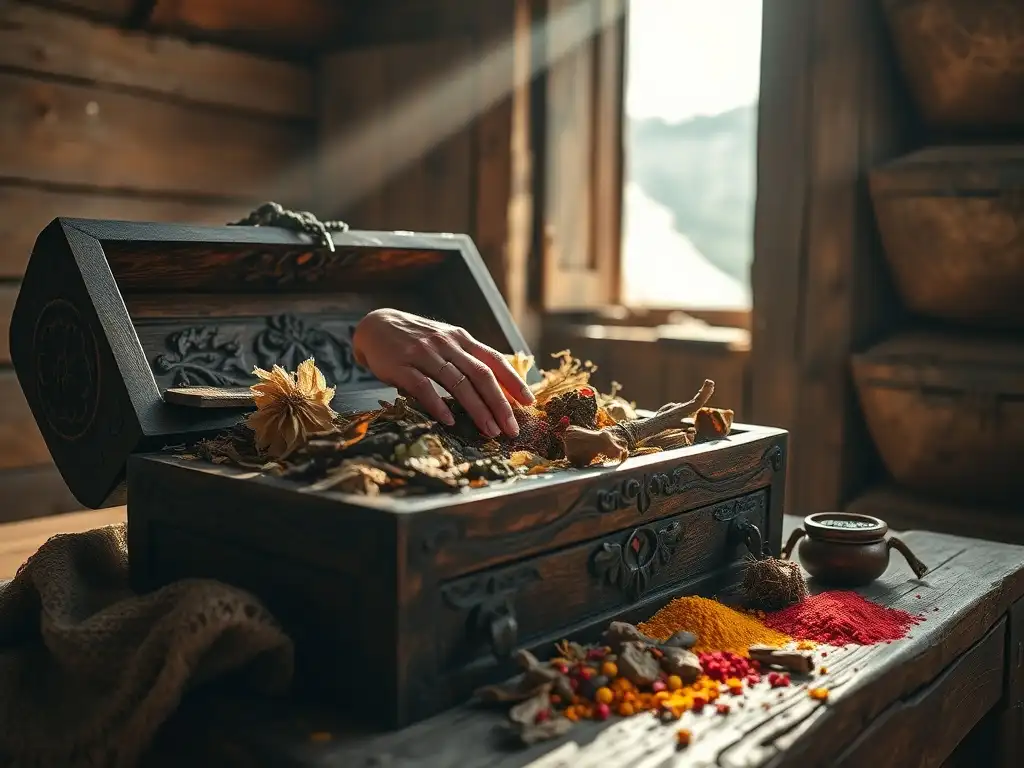
This section delves into the core principles underpinning Aymara traditional medicine, a system deeply intertwined with their unique worldview and spiritual beliefs. Understanding these foundations is crucial to appreciating the holistic nature of Aymara healing practices and their enduring relevance. The efficacy of Aymara traditional medicine isn't solely based on herbal remedies; it's a complex interplay of spiritual understanding, community engagement, and a profound respect for the natural world. This holistic approach distinguishes it from many other medical systems. We will explore the key components that contribute to the strength and resilience of this ancient tradition.
Understanding the Aymara Cosmovision and Health
The Aymara cosmovision, their understanding of the universe and their place within it, profoundly shapes their approach to health and illness. They view the world as a dynamic interplay of forces – the pachamama (Mother Earth), the tata inti (Father Sun), and the akapacha (the upper world). These elements are not separate entities but interconnected parts of a living system. Health, therefore, is not just the absence of disease but a state of harmony with this interconnectedness. Illness, conversely, is often seen as an imbalance within this system, a disruption of the natural order.
This imbalance may stem from various factors, including environmental influences, social conflicts, or spiritual disharmony. For example, a disruption of the energy flow between the individual and pachamama might manifest as physical ailment. Understanding this interconnectedness is paramount to comprehending the holistic approach of Aymara healers. They strive to restore balance, not just treat symptoms.
The Role of Spirituality in Aymara Healing
Spirituality is integral to Aymara healing practices. The yatiri, or shaman, plays a central role, acting as a bridge between the spiritual and physical realms. Their knowledge extends beyond herbal remedies; they utilize rituals, prayers, and divination to diagnose and treat illnesses. These practices are often aimed at restoring the patient's connection with the spiritual world and re-establishing harmony within their own being and the surrounding environment.
The use of coca leaves, for instance, is not merely a stimulant but a ritualistic element used in ceremonies to connect with the spiritual world and enhance the efficacy of healing practices. Furthermore, the yatiri often works in close collaboration with the community, highlighting the social aspect of Aymara healing. Family and community support play a vital role in the recovery process, underscoring the collective responsibility for health and well-being within the Aymara society.
The spiritual dimension of Aymara traditional medicine is not a peripheral aspect; it's the very foundation upon which the entire system is built. It’s a testament to the deep connection between the Aymara people, their spirituality, and their understanding of health. This intricate relationship between the spiritual and physical realms is a hallmark of Aymara traditional medicine and a key factor in its continued relevance.
Key Elements of Aymara Herbalism
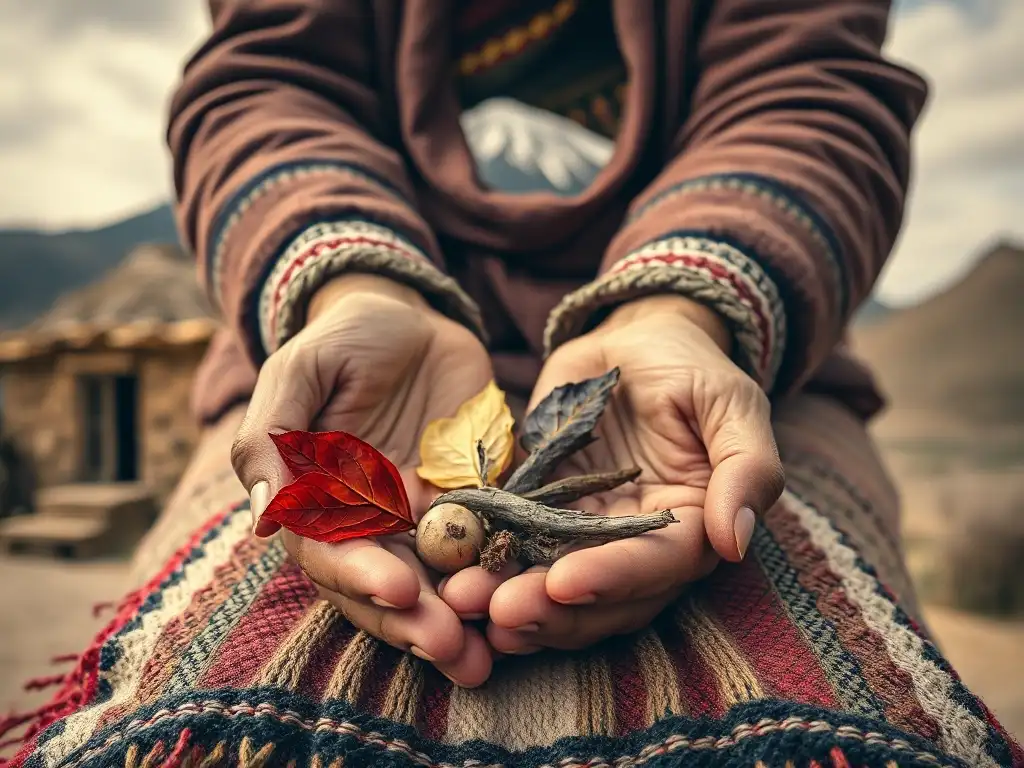
Aymara traditional medicine, deeply rooted in the Andean worldview, represents a sophisticated system of healing that integrates botanical knowledge, spiritual practices, and a profound understanding of the interconnectedness of humans and nature. The practice, passed down through generations, emphasizes the use of locally sourced plants, acknowledging their inherent energy and healing potential. This holistic approach considers not only physical ailments but also the spiritual and emotional well-being of the individual.
Understanding Aymara herbalism requires appreciating the intricate relationship between the Aymara people and their environment, a bond forged over centuries of adaptation and resilience in the challenging Andean landscape. The effectiveness of Aymara traditional medicine is often attributed to its personalized approach, tailoring treatments to individual needs and considering the specific context of the illness.
Identifying Medicinal Plants in the Andean Region
Identifying medicinal plants accurately is crucial in Aymara traditional medicine. This process often involves a deep understanding of plant morphology, recognizing subtle variations in leaf shape, flower color, and stem structure. Furthermore, Aymara healers often rely on sensory perception, assessing the plant's aroma and texture to confirm its identity.
This knowledge is not solely botanical; it also incorporates an understanding of the plant's habitat and its relationship to the surrounding ecosystem. For example, the altitude at which a plant grows can significantly affect its medicinal properties. Experienced healers can distinguish between plants growing at high altitudes versus those found in lower valleys, recognizing the subtle differences in their potency and effects.
The transmission of this knowledge is primarily oral, passed down through generations within families and communities, ensuring the preservation of this invaluable heritage. Unfortunately, the increasing pace of modernization threatens this traditional knowledge base, highlighting the urgent need for documentation and preservation efforts. Detailed botanical studies, coupled with ethnographic research, are essential to fully understand and protect this rich tradition.
Preparation Methods for Aymara Herbal Remedies
The preparation of Aymara herbal remedies is a meticulous process, involving various techniques aimed at maximizing the therapeutic properties of the plants. These methods often involve specific procedures that differ depending on the intended use and the nature of the ailment. Common preparation methods include infusions, decoctions, and poultices. Infusions involve steeping plant material in hot water, creating a tea-like remedy.
Decoctions, on the other hand, involve boiling the plant material in water for an extended period, extracting a more concentrated essence. Poultices are prepared by crushing plant material and applying it directly to the affected area. The choice of preparation method is determined by the specific plant and the desired outcome.
For instance, delicate flowers might be infused to preserve their volatile compounds, while tougher roots might require decoction to release their active ingredients. Beyond the basic preparation techniques, Aymara healers often incorporate ritualistic elements, such as prayers and offerings, into the process, believing that these practices enhance the remedy's efficacy. This holistic approach underscores the deep spiritual connection between the healer, the patient, and the natural world.
Common Aymara Medicinal Herbs and Their Uses
Numerous plants form the foundation of Aymara traditional medicine, each valued for its unique properties and therapeutic applications. These plants are carefully selected based on their perceived ability to address various health concerns, ranging from common ailments to more serious conditions. The use of these plants is often guided by a deep understanding of their energetic properties and their interaction with the human body. The efficacy of these plants is often supported by anecdotal evidence and long-standing community practices, though more rigorous scientific research is needed to validate these traditional uses.
Coca (Erythroxylum coca) and its Therapeutic Properties
Coca ( Erythroxylum coca) holds a significant cultural and medicinal role in Aymara society. Beyond its well-known stimulant properties, coca leaves are traditionally used to alleviate altitude sickness, reduce fatigue, and suppress appetite. Chewing coca leaves is a common practice, releasing alkaloids that provide a sense of well-being and energy. Traditional healers also use coca leaves in various preparations, including infusions and poultices, to treat a range of ailments.
However, it is crucial to differentiate between traditional medicinal uses and the potential for misuse or abuse. The responsible and sustainable use of coca is paramount, respecting its cultural significance while addressing potential health risks associated with its consumption. Further research is needed to fully understand the complex pharmacological properties of coca and its traditional applications.
Muña (Minthostachys mollis) and its Applications
Muña ( Minthostachys mollis), a member of the mint family, is another widely used medicinal herb among the Aymara people. Its aromatic leaves are valued for their digestive properties, often used to treat indigestion, bloating, and stomach cramps. Muña is commonly consumed as an infusion, its warming properties offering relief from digestive discomfort. Additionally, muña is believed to possess anti-inflammatory and analgesic properties, making it effective in treating minor aches and pains.
Traditional healers often incorporate muña into herbal blends, combining its properties with other plants to address specific health concerns. The versatile nature of muña makes it a staple in Aymara traditional medicine, highlighting its importance in maintaining well-being within the community. Further scientific investigation could provide insights into the active compounds responsible for muña's therapeutic effects.
Aymara Healing Practices Beyond Herbalism
Aymara traditional medicine, while renowned for its extensive knowledge of medicinal plants, encompasses a far richer and more holistic approach to healing than simply herbal remedies. The Aymara worldview deeply integrates physical and spiritual well-being, understanding illness not just as a biological malfunction but as an imbalance affecting the individual's relationship with their community, the environment, and the spiritual realm. This holistic perspective informs all aspects of their healing practices, extending beyond the use of plants to incorporate rituals, ceremonies, and the expertise of specialized healers.
Understanding Aymara traditional medicine requires appreciating this interwoven tapestry of physical and spiritual healing. The effectiveness of their methods is often attributed to the strong community support and the spiritual dimension embedded within the healing process itself. This section will delve into these crucial aspects, providing a more complete picture of Aymara healing practices.
Rituals and Ceremonies for Healing in Aymara Culture
Rituals and ceremonies form an integral part of Aymara healing. These are not merely symbolic acts but powerful interventions designed to restore balance and harmony. Many ceremonies involve offerings to the apus (mountain spirits), considered sacred protectors and sources of power. These offerings, which might include coca leaves, alcohol, or food, are seen as a way to appease the spirits and seek their intervention in the healing process.
The use of ch'alla (a ritual sprinkling of alcohol) is ubiquitous, symbolizing purification and blessing. Furthermore, specific rituals are performed for various ailments, reflecting the Aymara understanding of the interconnectedness between the physical and spiritual worlds. For example, a ritual might involve cleansing the patient's aura, removing negative energies believed to be contributing to the illness. Detailed accounts of these rituals often remain within families and communities, passed down through generations, making comprehensive documentation challenging.
More research is needed to fully document the diversity and specificity of these important ceremonial practices. However, the importance of these ceremonies in the overall healing process cannot be overstated. They provide a framework of spiritual support and strengthen the patient's connection to their community and ancestral traditions. This spiritual support is a key component in promoting healing and well-being.
The Role of Traditional Aymara Healers
Aymara communities rely on specialized healers to address various health concerns. These healers don't simply treat symptoms; they work to diagnose the underlying cause of illness, considering both physical and spiritual factors. Their expertise is deeply rooted in traditional knowledge, passed down through generations.
The healing process often involves a combination of herbal remedies, rituals, and spiritual guidance, reflecting the holistic nature of Aymara medicine. The effectiveness of their treatments is often attributed not only to their knowledge of medicinal plants but also to their ability to connect with the patient on a spiritual level, providing comfort, support, and fostering a sense of hope. The social role of these healers is also significant, as they are often trusted members of the community, providing not just medical care but also social and emotional support.
This integrated approach distinguishes Aymara traditional medicine from many Western medical systems. The healers' deep understanding of their community's social fabric contributes significantly to the success of their healing interventions.
The Yatiri: A Spiritual Guide
The yatiri is a highly respected spiritual leader and healer within Aymara communities. Their role extends beyond simply treating illnesses; they are seen as intermediaries between the human and spiritual worlds. The yatiri possesses extensive knowledge of Andean cosmology, interpreting dreams, diagnosing illness through divination techniques, and performing rituals to restore balance.
They often use tools like coca leaves for divination, interpreting the patterns formed by the leaves to gain insight into the patient's condition and the underlying spiritual causes of their ailment. Their role is crucial in addressing spiritual imbalances believed to be at the root of many illnesses. The yatiri's expertise is often sought not only for physical healing but also for guidance and support during times of personal or community crisis.
Their deep understanding of the spiritual realm allows them to provide a level of holistic care that goes beyond the purely physical. The yatiri’s influence extends to all aspects of community life, highlighting the deep integration of spirituality and everyday life within Aymara culture.
The Qulliri: An Expert in Herbal Remedies
While the yatiri focuses on the spiritual aspects of healing, the qulliri specializes in the practical application of herbal remedies. This individual possesses an extensive knowledge of medicinal plants, their properties, and their preparation. They gather plants, prepare infusions, ointments, and other remedies, and administer them according to traditional methods.
The qulliri's expertise is vital in treating a wide range of ailments, from common colds to more serious conditions. Their knowledge is often passed down through family lines, with detailed information on plant identification, harvesting techniques, and preparation methods. The qulliri's work is deeply connected to the environment, underscoring the Aymara understanding of the interconnectedness between human health and the natural world.
Detailed inventories of the plants used by qulliris and their specific applications are still being compiled, highlighting the need for ongoing research to fully document this invaluable knowledge. The role of the qulliri showcases the practical application of botanical knowledge within the broader context of Aymara traditional medicine.
The Impact of Modernity on Aymara Traditional Medicine
The encroachment of modernity presents significant challenges to the continued practice and transmission of Aymara traditional medicine. While Western medicine offers undeniable advancements in treating certain illnesses, its dominance often leads to the marginalization and even the loss of invaluable indigenous healing practices. This section explores the multifaceted impact of modernization on Aymara healing traditions, highlighting both the threats and the resilience of this ancient knowledge system. The keyword "Aymara traditional medicine" is central to understanding this complex interplay between tradition and progress.
Challenges to the Preservation of Aymara Healing Knowledge
The preservation of Aymara traditional medicine faces several interconnected hurdles. Firstly, migration to urban centers disrupts the traditional apprentice-based learning system. Young Aymaras, seeking better economic opportunities in cities, often have limited access to experienced healers (yatiri) and the natural environment crucial for gathering medicinal plants. This disruption in knowledge transmission threatens the continuity of this vital cultural heritage.
Secondly, the accessibility of Western medicine, while beneficial in many ways, can lead to a decline in the use of Aymara remedies. The perceived efficacy and readily available nature of pharmaceuticals often overshadow the holistic approach of Aymara medicine, which considers the spiritual and emotional well-being of the patient alongside physical ailments. This shift in preference poses a significant threat to the continued use and understanding of traditional healing methods.
Thirdly, the commodification of Aymara medicinal plants and practices is a growing concern. The increasing demand for certain herbs and rituals can lead to unsustainable harvesting practices and the appropriation of knowledge by external parties without proper recognition or compensation to the Aymara communities. This exploitation not only threatens the ecological sustainability of the resources but also undermines the cultural integrity of the healing tradition. The delicate balance between preserving this knowledge and allowing for its responsible use requires careful consideration. The challenges are complex and require multifaceted solutions.
Efforts to Revitalize Aymara Traditional Medicine
Despite the challenges, there are ongoing efforts to revitalize and protect Aymara traditional medicine. These initiatives often involve a combination of community-based projects, academic research, and governmental support. One key strategy involves documenting and archiving traditional knowledge through detailed ethnobotanical studies and oral history projects. This meticulous recording helps preserve crucial information about medicinal plants, healing techniques, and the cultural context within which these practices exist.
Furthermore, initiatives focused on community education are playing a vital role. Workshops, seminars, and apprenticeships are empowering younger generations to learn from experienced healers and reconnect with their cultural heritage. These programs often incorporate modern educational tools while respecting traditional learning methods. This approach ensures that Aymara traditional medicine is not merely preserved but also actively transmitted to future generations.
Finally, efforts to promote sustainable harvesting practices and protect intellectual property rights are essential for the long-term viability of Aymara traditional medicine. By working closely with Aymara communities, researchers and policymakers can develop strategies to ensure the responsible use of medicinal plants and prevent their exploitation. This collaborative approach recognizes the importance of respecting indigenous knowledge and supporting the self-determination of Aymara communities in managing their own cultural heritage.
The future of Aymara traditional medicine hinges on the success of these multifaceted efforts. 🌱 The preservation of this rich tradition is not just a matter of preserving medicinal knowledge; it is about safeguarding a vital aspect of Aymara cultural identity.
Comparing Aymara Traditional Medicine with Western Medicine
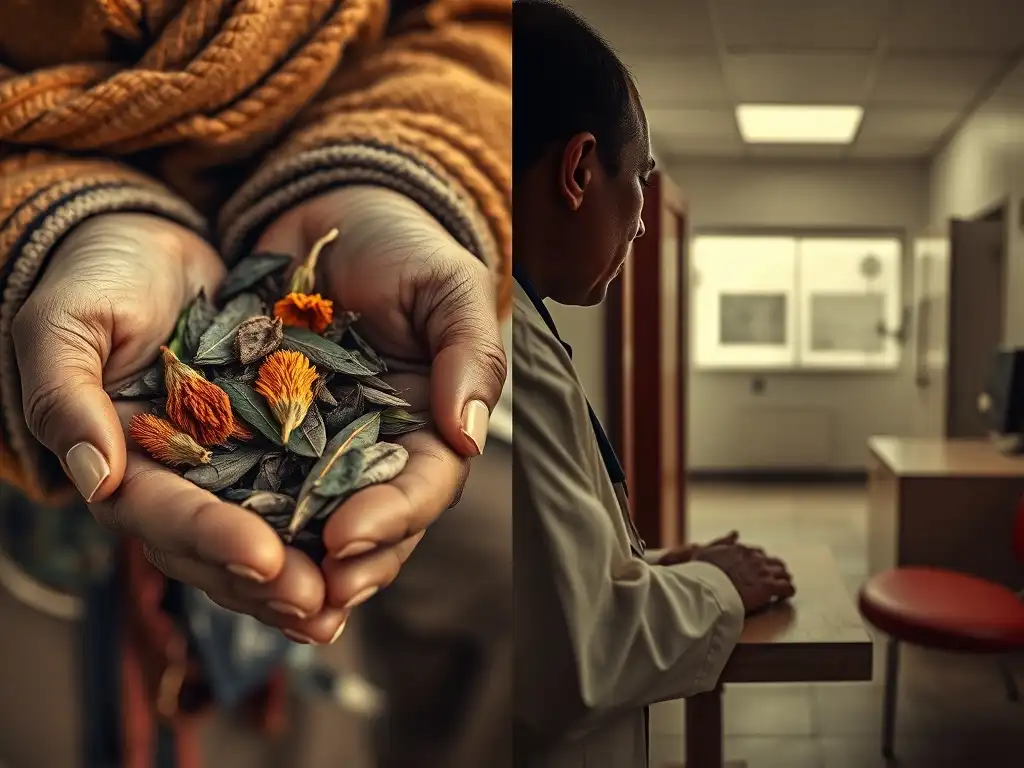
This section delves into a comparative analysis of Aymara traditional medicine and Western medicine, highlighting key differences and potential areas of collaboration. Understanding these contrasts is crucial for appreciating the unique strengths of each system and exploring avenues for integrative healthcare approaches. The Aymara worldview, deeply intertwined with nature and spirituality, offers a contrasting perspective to the predominantly scientific and mechanistic approach of Western medicine.
Contrasting Approaches to Health and Illness
Aymara traditional medicine views health and illness holistically, emphasizing the interconnectedness of the individual with their community, environment, and spiritual realm. Illness is often seen as an imbalance within this holistic system, caused by factors ranging from spiritual disharmony to environmental influences or dietary imbalances. Diagnosis often involves assessing these multiple factors, incorporating spiritual divination and detailed observation of symptoms. Treatment, therefore, aims to restore balance through a variety of methods, including herbal remedies, rituals, and spiritual cleansing.
Western medicine, on the other hand, adopts a more reductionist approach, focusing on identifying and treating specific diseases or physiological malfunctions. The body is viewed as a complex machine, and illnesses are often attributed to identifiable pathogens, genetic predispositions, or physical trauma. Diagnosis relies heavily on scientific tools and techniques, such as blood tests, imaging, and biopsies. Treatment strategies are often targeted and specific, employing pharmaceuticals, surgery, or other interventions to address the underlying cause of the disease.
The following table summarizes these contrasting approaches:
| Feature | Aymara Traditional Medicine | Western Medicine |
|---|---|---|
| View of Health | Holistic, interconnectedness with environment and spirit | Reductionist, focus on specific diseases/organs |
| Cause of Illness | Imbalance, spiritual disharmony, environmental factors | Pathogens, genetic factors, physical trauma |
| Diagnosis | Observation, spiritual divination, holistic assessment | Scientific tests, imaging, biopsies |
| Treatment | Herbal remedies, rituals, spiritual cleansing | Pharmaceuticals, surgery, targeted interventions |
| Focus | Restoring balance and harmony | Treating specific diseases and symptoms |
This fundamental difference in approach leads to variations in treatment philosophies. For example, while Western medicine might focus on eradicating a bacterial infection with antibiotics, Aymara medicine might address the underlying imbalance believed to have predisposed the individual to infection, employing herbal remedies to boost the immune system and restore overall well-being. Both approaches have their strengths and limitations.
Potential Synergies Between Traditional and Modern Medicine
Despite their differences, there is significant potential for synergy between Aymara traditional medicine and Western medicine. The extensive knowledge of medicinal plants within Aymara tradition could provide valuable leads for the discovery of new pharmaceuticals. Many Aymara remedies have been used effectively for generations, and scientific investigation could validate their efficacy and identify the active compounds responsible for their therapeutic effects. For instance, [specific examples of Aymara plants and their potential pharmaceutical applications pending].
Furthermore, the holistic approach of Aymara medicine could complement the scientific rigor of Western medicine. Integrating aspects of traditional healing practices, such as stress reduction techniques and emphasis on community support, could improve patient outcomes and overall well-being. A more holistic approach could address the psychosocial factors contributing to illness, leading to more effective and sustainable healthcare solutions.
The integration of both systems could lead to a more comprehensive and patient-centered approach to healthcare, particularly in rural Andean communities where access to Western medical facilities may be limited. This integration requires careful consideration and respect for the cultural context of Aymara traditional medicine, ensuring that its practices are not exploited or misrepresented. Further research is needed to explore and document these potential synergies fully.
Preserving the Legacy of Aymara Traditional Healing
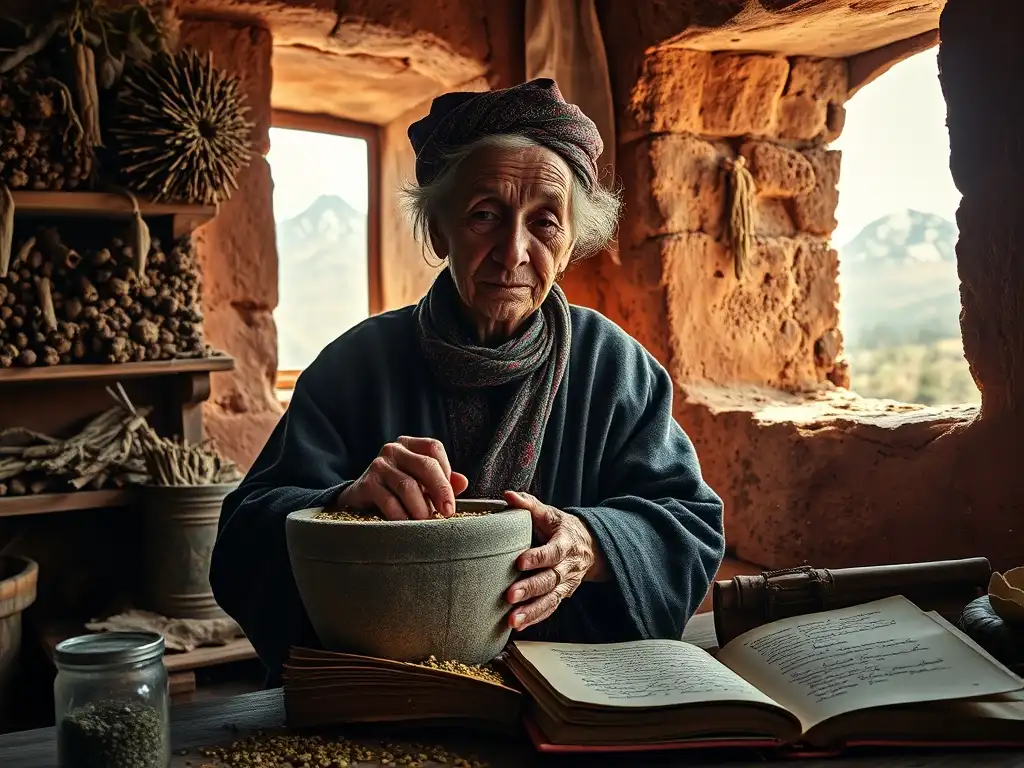
The vibrant tapestry of Aymara culture is intricately woven with threads of traditional medicine, a system of healing deeply rooted in their ancestral knowledge and connection to the Andean landscape. This holistic approach, passed down through generations, utilizes a combination of herbal remedies, spiritual practices, and diagnostic techniques unique to the Aymara people. However, the rapid pace of globalization and modernization poses a significant threat to the preservation of this invaluable heritage.
The loss of this knowledge would not only represent a cultural tragedy but also a missed opportunity to explore potentially valuable medicinal compounds and therapeutic approaches. Understanding the urgency of preserving Aymara traditional medicine is paramount for ensuring its continuity and accessibility for future generations. The decline in the number of experienced healers, coupled with a shift towards Western medical practices, necessitates proactive measures to safeguard this rich legacy.
The Importance of Documenting Aymara Medical Knowledge
Documenting Aymara medical knowledge is crucial for its preservation and future application. This involves a multi-faceted approach encompassing various methods:
- Ethnobotanical surveys: These detailed studies meticulously document the plants used in Aymara medicine, including their identification, preparation methods, and therapeutic applications. For example, research has revealed the Aymara's extensive use of Cantua buxifolia (among other plants) for its purported medicinal properties, highlighting the need for further scientific investigation into its potential benefits.
- Oral history interviews: Recording the experiences and knowledge of elder healers is paramount. These interviews, conducted with sensitivity and respect, capture the nuanced details of diagnostic techniques, treatment protocols, and the cultural context surrounding Aymara healing practices. This invaluable information, often passed down orally, is at risk of being lost without systematic documentation.
- Creating accessible databases: Compiling the gathered information into accessible databases allows for efficient storage, retrieval, and analysis of data. This digital archiving ensures long-term preservation and facilitates future research and collaboration among scholars and healthcare professionals. Ideally, such databases would incorporate multimedia elements, including images and audio recordings, to enrich the documentation.
- Community engagement: Documenting this knowledge must be done in collaboration with the Aymara communities themselves, ensuring respect for their intellectual property rights and active participation in the research process. This collaborative approach ensures the accuracy and cultural sensitivity of the documentation.
Future Directions for Aymara Traditional Medicine Research
Future research on Aymara traditional medicine should prioritize several key areas:
- Scientific validation of efficacy: Rigorous scientific studies are needed to validate the efficacy and safety of Aymara herbal remedies. This involves conducting clinical trials and laboratory analyses to identify the active compounds and mechanisms of action of the plants used. This process could reveal new therapeutic agents with potential applications in modern medicine.
- Integration with modern healthcare: Exploring ways to integrate Aymara traditional medicine with modern healthcare systems can provide a more holistic and culturally appropriate approach to healthcare for Aymara communities. This could involve training healthcare professionals in Aymara healing practices or developing culturally sensitive healthcare programs that incorporate elements of traditional medicine.
- Addressing ethical considerations: Research must be conducted ethically and responsibly, respecting the intellectual property rights and cultural sensitivities of the Aymara people. This requires obtaining informed consent from participants, ensuring equitable benefit-sharing, and avoiding the exploitation of traditional knowledge. The focus should always be on empowering the Aymara community and preserving their cultural heritage.
- Preservation and transmission of knowledge: Developing educational programs and initiatives to transmit Aymara traditional medicine to younger generations is crucial for ensuring its long-term survival. This could involve establishing apprenticeships, creating educational materials, and promoting cultural events that celebrate and transmit this vital knowledge. The success of these efforts hinges on actively engaging the Aymara community in shaping and implementing these educational programs.
The preservation and study of Aymara traditional medicine offers a unique opportunity to understand a rich cultural heritage and potentially discover new therapeutic approaches. By employing a collaborative and ethically sound approach, we can ensure that this invaluable knowledge is preserved for generations to come, benefiting both the Aymara community and the broader scientific community. 🌱
Frequently Asked Questions
What is Aymara traditional medicine?
Aymara traditional medicine is a holistic healing system practiced by the Aymara people of the Andes. It emphasizes balance between the individual and nature, using herbal remedies, rituals, and spiritual practices. It's deeply rooted in their cultural beliefs and worldview.
How does Aymara medicine differ from Western medicine?
Aymara medicine takes a holistic approach, considering the spiritual, emotional, and physical aspects of illness, unlike the often more specialized Western approach. Herbal remedies and rituals are central, while Western medicine relies heavily on pharmaceuticals and technology. The focus is on restoring balance rather than simply treating symptoms.
What are some common treatments used in Aymara medicine?
Herbal remedies derived from Andean plants are widely used to treat various ailments. Rituals and ceremonies play a crucial role in healing, addressing the spiritual aspects of illness. Diagnosis often involves spiritual divination and understanding the patient's relationship with their environment.
Are there any risks associated with Aymara traditional medicine?
While generally safe when practiced by experienced healers, there are potential risks. The use of some herbs may have unforeseen interactions with other medications. It's crucial to seek treatment from qualified practitioners and to disclose any other medical conditions or treatments.
Where can I learn more about Aymara traditional medicine?
You can find more information through ethnobotanical research, anthropological studies on the Aymara people, and by researching respected practitioners and organizations dedicated to preserving Andean traditions. Many books and academic articles explore this rich and fascinating subject.
Final Reflection: The Enduring Legacy of Aymara Healing
The wisdom embedded within Aymara traditional medicine remains profoundly relevant today, offering a powerful counterpoint to the limitations of Western healthcare and a pathway towards a more holistic understanding of well-being. Its emphasis on the interconnectedness of mind, body, and spirit, coupled with its deep respect for the natural world, provides a vital framework for addressing the complex health challenges of the 21st century. This isn't merely a historical curiosity; it's a living tradition with much to teach us.
The enduring power of Aymara healing practices lies not just in their efficacy, but in their ability to foster a profound connection with the land and community. This holistic approach, which prioritizes preventative care and spiritual harmony alongside herbal remedies, offers a valuable lesson in sustainable living and community resilience. The earth provides all we need; we must only learn to listen to her.
This simple yet profound statement encapsulates the core philosophy of Aymara medicine, a philosophy that resonates deeply with growing concerns about environmental sustainability and the importance of community-based healthcare.
Consider the knowledge shared within this article. Reflect on the intricate relationship between the Aymara people and their environment, and how this relationship informs their understanding of health and healing. You too can cultivate a deeper connection with nature and explore ways to integrate holistic practices into your own life. Embrace the wisdom of ancient traditions, and discover the potential for healing and well-being that lies within the natural world and the power of community. Let the legacy of Aymara medicine inspire you to seek a more balanced and harmonious path towards health and wellness.
Unveil the Healing Wisdom of Aymara Medicine!
Thank you for exploring the fascinating world of Aymara medicine with us! We hope you've gained valuable insights into these traditional healing practices and the rich herbal knowledge passed down through generations. Now, let's put your newfound knowledge into practice!
Here are some ways you can deepen your connection with Aymara healing traditions:
- **Learn about local plants:** Visit a local herbalist or community garden to discover native plants and their healing properties. You might be surprised by what grows nearby!
- **Try a traditional Aymara remedy:** Research and prepare a simple herbal remedy based on what you've learned. This hands-on experience will bring the knowledge to life.
- **Share your discoveries:** Discuss your newfound appreciation for Aymara healing with friends and family, or share your insights on social media to inspire others.
What traditional healing practices from your own culture resonate with you, and how can you integrate them into your daily life?