
Aymara Metalworking: The Craft of Gold, Silver, and Copper

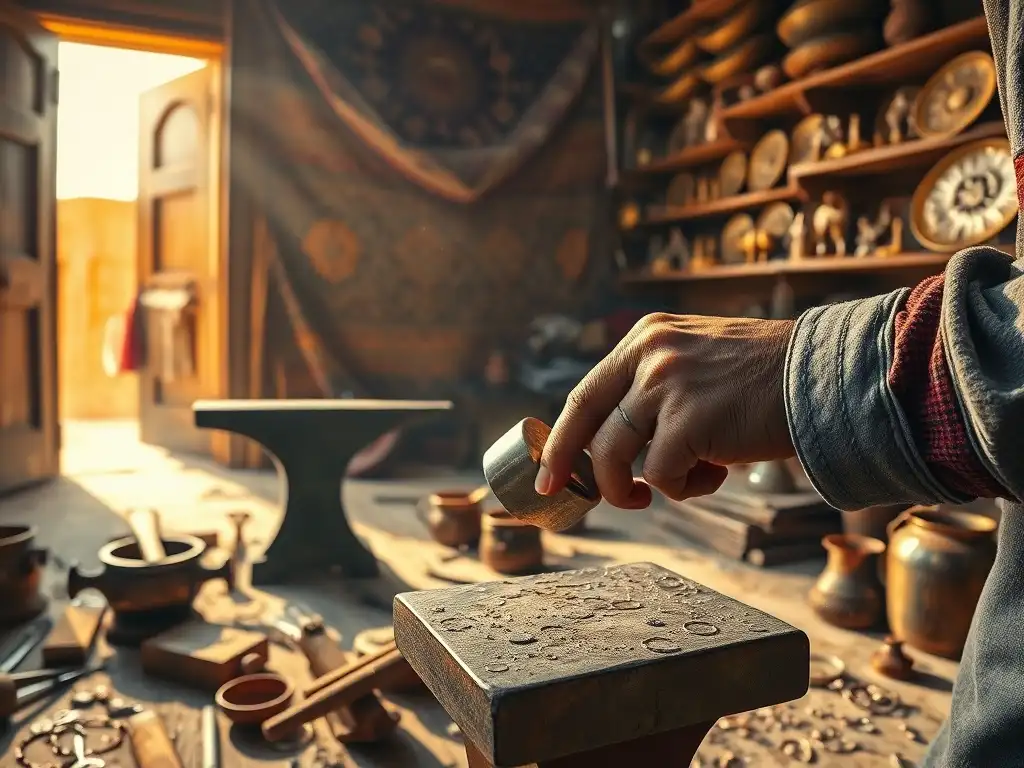
Step into a world lost to time, yet echoing with the skill and artistry of the ancient Andes. Prepare to be captivated by the intricate world of Aymara gold, silver, and copper artifacts, a testament to the ingenuity of a civilization that thrived amidst breathtaking landscapes. Discover the secrets behind their mastery of metalworking and uncover the stories woven into every hammered detail. Unravel the mysteries of their techniques and the cultural significance of these precious objects – the journey into the heart of Andean metalworking begins now.
The Aymara people, inhabiting the high Andes of Bolivia, Peru, and Chile, possess a rich and enduring metallurgical tradition. For centuries, they have skillfully worked gold, silver, and copper, creating intricate artifacts that reflect their deep spiritual beliefs, social structures, and artistic ingenuity.
This article delves into the fascinating world of Aymara metalworking, exploring the techniques, symbolism, and cultural significance embedded within these remarkable objects. We will examine the processes involved in transforming raw materials into stunning works of art, while also considering the enduring legacy of Aymara metal craftsmanship and its contribution to the broader Andean cultural landscape.
Understanding Aymara metalworking offers a unique perspective on the ingenuity and resilience of this ancient civilization, enriching our comprehension of their history and cultural significance. This exploration will focus on the artistry involved in creating Aymara gold, silver, and copper artifacts, contributing to a deeper understanding of the keyword "Aymara gold silver copper artifacts".
Introduction to Aymara Metalworking Traditions
Aymara metalworking wasn't merely a craft; it was an integral part of their social and spiritual life. The techniques employed, passed down through generations, involved a complex interplay of skill and knowledge. Evidence suggests the use of sophisticated methods such as hammering, annealing, soldering, and casting. The process often began with the extraction of the ore itself, a labor-intensive process requiring considerable expertise.
Subsequent stages involved refining the metal, shaping it into desired forms, and often decorating it with intricate designs. These designs, frequently incorporating symbolic motifs reflecting their cosmology and beliefs, weren't merely decorative; they held deep cultural meaning. For example, [specific examples of symbolic motifs and their meanings pending]. The artisans themselves held a respected position within Aymara society, their skills considered both valuable and sacred.
The creation of each artifact was a ritualistic act, imbued with spiritual significance, connecting the artisan to the ancestral past and the forces of nature. The tools used, ranging from simple mallets to more specialized instruments, were meticulously crafted and carefully maintained, reflecting the reverence given to the craft. The precise techniques used in various regions and periods varied, reflecting regional styles and adaptations over time.
The Significance of Metals in Aymara Culture
Gold, silver, and copper held profound symbolic importance within Aymara culture. Gold, often associated with the sun and its life-giving power, was frequently used in ceremonial objects and adornments for elite members of society. Silver, linked to the moon and its cyclical rhythms, was used in a broader range of artifacts, often associated with fertility and abundance. Copper, a more readily available metal, played a vital role in everyday life, from tools and implements to decorative items.
The use of these metals wasn't arbitrary; it reflected a deep understanding of their properties and their connection to the natural world. The relative scarcity of gold and silver further elevated their status, making them markers of power, prestige, and spiritual authority. Archaeological discoveries consistently reveal the presence of these metals in burial sites, further underscoring their importance in Aymara beliefs about the afterlife.
The intricate designs found on many artifacts suggest a sophisticated understanding of metallurgy and artistic expression, showcasing the high level of skill possessed by Aymara artisans. The enduring legacy of Aymara metalworking is evident in the surviving artifacts, which serve as tangible links to a rich and complex cultural heritage. The continued study and appreciation of these objects helps us better understand the beliefs, values, and artistic achievements of the Aymara people.
Sources of Metals for Aymara Artisans
The Aymara people, inhabiting the high Andes region of South America, possessed remarkable metallurgical skills, crafting intricate objects from gold, silver, and copper. Their access to these precious metals was crucial to their artistic and cultural expression. The location of their metal sources varied, influenced by the geography of the Andes and the specific metal sought.
High-altitude mines, often located in challenging and treacherous terrain, yielded the raw materials for their creations. These weren't necessarily large-scale operations but rather smaller, localized efforts, reflecting the decentralized nature of Aymara society. Evidence suggests that some Aymara communities may have controlled specific mining areas, creating a network of resource exchange and potentially contributing to inter-community trade relations.
The specific locations of many Aymara mines remain undocumented or lost to time, obscured by the passage of centuries and the challenges of archaeological investigation in the harsh Andean environment. Further research is needed to fully map the extent of Aymara mining activities and their impact on their society.
Mining Techniques of the Aymara People
Aymara mining techniques, while not as sophisticated as those of later Andean civilizations like the Inca, were nonetheless effective. They employed rudimentary tools, primarily stone hammers and chisels, to extract ores from the mountainside. Open-pit mining was likely a common method, particularly for surface deposits. They would have also utilized shafts and tunnels for deeper veins, though the extent of their subterranean mining activities is still under investigation.
Water management played a crucial role, both for removing loose earth and potentially for processing the ores. The challenges of working at high altitudes, including the thin air and extreme weather conditions, would have significantly impacted their mining practices. The Aymara likely adapted their techniques to the specific geological conditions of each mine, developing localized expertise and knowledge passed down through generations. Unfortunately, detailed accounts of their precise methods are scarce, leaving room for further research and analysis of archaeological evidence.
Procurement of Gold, Silver, and Copper Ores
The procurement of gold, silver, and copper ores involved more than just extraction from the earth. The Aymara likely employed a system of trade and exchange to supplement their own mining efforts. This could have involved bartering ores or finished metal objects with neighboring communities who possessed access to different resources.
The distribution of metal deposits across the Andean region suggests a complex network of resource exchange, contributing to the cultural exchange and interconnectedness of the various Andean groups. The identification of specific trade routes and the extent of these exchange networks remains a subject of ongoing research and scholarly debate. The quality and purity of the ores would have also played a role in their procurement, with higher-grade ores possibly commanding greater value in trade.
Aymara Gold Artifacts: Techniques and Symbolism
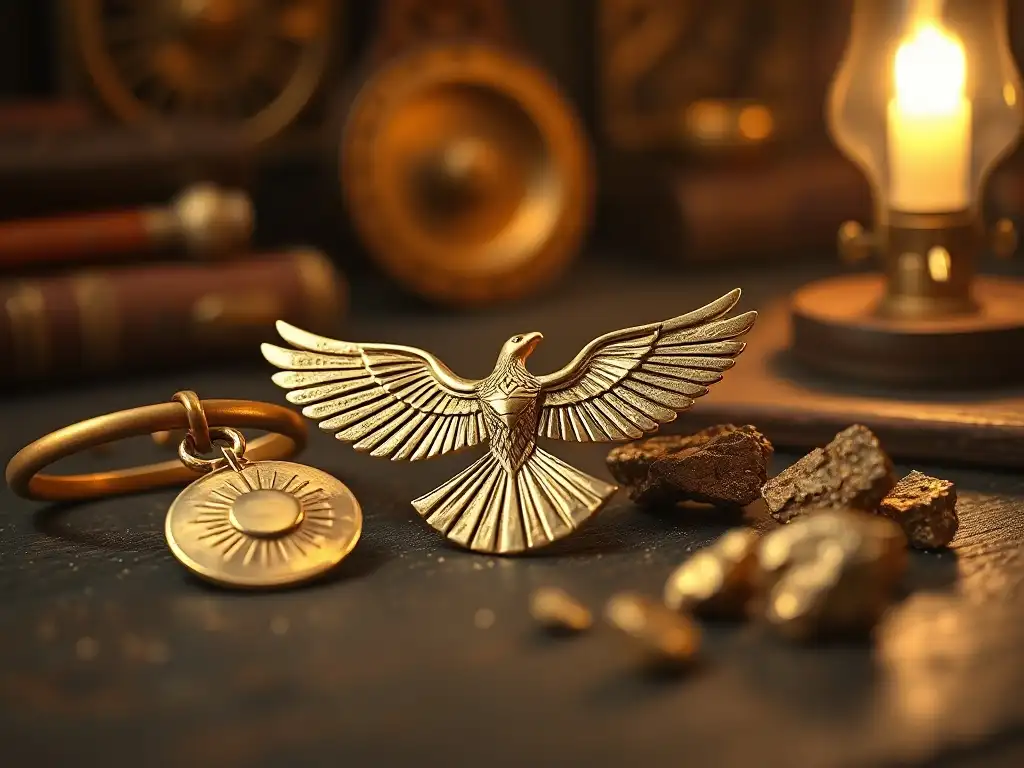
Aymara gold artifacts, while less abundant than those of some other Andean cultures, are nonetheless significant for understanding their artistic skills and worldview. The craftsmanship demonstrates a high degree of technical proficiency, especially considering the tools available to them. The symbolism embedded within these artifacts often reflects their religious beliefs and social structures.
Common motifs include stylized animals, geometric patterns, and representations of deities or ancestral figures. These objects were not merely decorative; they held profound spiritual and cultural meaning, serving as powerful symbols of status, power, and connection to the supernatural world. The relatively small size of many Aymara gold objects suggests a focus on personal adornment and ritual practices rather than large-scale monumental works.
Aymara Goldworking Techniques: Refining and Shaping
The Aymara refined gold using techniques involving heating, hammering, and annealing. They likely used crucibles made of clay or stone to melt the gold, achieving a high degree of purity. Shaping the gold involved hammering it into thin sheets or wires, often employing molds or stamps to create intricate designs.
Lost-wax casting, a more complex technique, may have also been utilized, though its prevalence among the Aymara remains a subject of ongoing discussion among researchers. The tools used in this process, including hammers, anvils, and punches, were likely made of stone or possibly some type of hardened wood. The meticulous attention to detail evident in surviving Aymara gold artifacts suggests a high level of skill and artistry passed down through generations of craftspeople.
Religious and Ceremonial Aymara Gold Objects
Religious and ceremonial objects constituted a significant portion of Aymara goldwork. These included small figurines representing deities or ancestral figures, often intricately decorated with symbolic motifs. Other items may have been used in rituals or ceremonies, perhaps as offerings or symbols of power.
The use of gold in these contexts highlights its association with the sacred and its role in mediating the relationship between the human and spiritual worlds. The discovery of such objects in archaeological contexts provides invaluable insights into Aymara religious beliefs and practices. Further analysis of these artifacts could reveal more about their specific ritual functions and their place within the broader Aymara cosmology.
Aymara Gold Jewelry and Personal Adornment
Aymara gold jewelry, while less prevalent than ceremonial objects, offers a glimpse into their personal adornment practices. This included earrings, necklaces, and other forms of body decoration. The designs often incorporate symbolic motifs similar to those found in ceremonial objects, suggesting a link between personal adornment and religious or social identity.
The use of gold in jewelry may have served to distinguish individuals of high status or to mark specific social roles within the community. The relative scarcity of Aymara gold jewelry compared to other Andean cultures may reflect differences in social organization or artistic traditions. Further research on the distribution and context of Aymara gold jewelry is needed to fully understand its significance.
Aymara Silver Artifacts: Craftsmanship and Usage
The Aymara people, renowned for their intricate metalworking skills, produced a stunning array of silver artifacts. Their craftsmanship was characterized by a remarkable attention to detail, often incorporating techniques passed down through generations. The malleability of silver allowed for intricate designs, from delicate filigree work to larger, more substantial pieces. The availability of silver, while not as abundant as copper, made it a highly valued material used for both practical and ceremonial objects.
The distinctive style of Aymara silverwork often involved the use of geometric patterns, zoomorphic motifs, and representations of Andean deities, reflecting their rich spiritual beliefs and artistic sensibilities. These motifs varied regionally, providing insights into the diverse artistic traditions within the Aymara communities. The use of silver in Aymara society extended far beyond mere ornamentation; it played a vital role in social status, ritual practices, and economic exchange.
Aymara Silverworking: Hammering and Filigree
Aymara silverworking relied heavily on the techniques of hammering and filigree. Hammering, a fundamental process, allowed the silversmiths to shape the metal into desired forms. This involved repeated strikes with specialized hammers, often on an anvil, gradually refining the silver into intricate shapes. The skill required considerable precision and control.
The process of creating filigree, on the other hand, involved the manipulation of extremely fine silver wires, often soldered together to create delicate and intricate patterns. This painstaking process demanded immense patience and dexterity, resulting in objects of breathtaking beauty and complexity. The combination of hammering and filigree, often seen in the same artifact, showcased the Aymara silversmiths' mastery of their craft. [Specific examples of Aymara silver artifacts showcasing these techniques pending].
Aymara Silver Utensils and Functional Objects
Beyond decorative items, Aymara silversmiths crafted a range of functional objects. Silver utensils, including spoons, bowls, and plates, were often produced for both everyday use and ceremonial occasions. The quality of the silver and the intricacy of the decoration often reflected the wealth and status of the owner. These functional objects were not merely utilitarian; they also served as symbols of social standing and prosperity within the community.
In addition to utensils, silver was also used to create other functional items, such as jewelry containers, small boxes, and even tools. The durability and aesthetic appeal of silver made it a desirable material for a variety of practical applications. [Specific examples of Aymara silver utensils and functional objects pending].
Silver in Aymara Ritual and Trade
Silver played a significant role in Aymara religious practices and economic exchanges. Silver objects, often intricately decorated with religious symbols, were used in ceremonies and rituals. The value of silver made it an important commodity in trade networks, facilitating the exchange of goods and services between Aymara communities and neighboring groups.
The use of silver in religious contexts suggests its symbolic importance related to power, wealth, and spiritual purity. The presence of silver artifacts in archaeological sites provides valuable evidence of the economic and social significance of this precious metal in Aymara society. The weight and purity of silver items likely played a role in determining their value in trade, reflecting a sophisticated understanding of metallurgy and economics.
Aymara Copper Artifacts: Practical Applications
Copper, far more readily available than silver or gold in the Andean region, formed the basis of a substantial portion of Aymara metalwork. Its malleability and relative ease of smelting made it a practical choice for a wide range of tools and implements. The distinctive reddish hue of copper, also contributed to its appeal, leading to its use in both functional and decorative objects. Unlike gold and silver, copper's more utilitarian nature often meant that items were less intricately decorated, reflecting their primary purpose.
Aymara Copper Tools and Implements
Aymara artisans skillfully crafted a variety of tools and implements from copper. These included axes, adzes, chisels, and needles, essential for agriculture, construction, and textile production. The durability of copper, coupled with its ability to be sharpened, made it an ideal material for tools that required frequent use and maintenance. The design and functionality of these tools reflected a deep understanding of material properties and engineering principles. [Specific examples of Aymara copper tools pending, including details on their design and function].
Copper Alloyed Objects: Bronze and Arsenical Copper
To enhance the properties of copper, Aymara metalworkers experimented with alloying. Bronze, an alloy of copper and tin, was used to create stronger and more durable tools. Arsenical copper, another alloy, was also produced, though its prevalence and specific applications require further research. The creation of alloys demonstrates a sophisticated understanding of metallurgy and a commitment to improving the functionality of their tools. The specific techniques used in alloying and the sourcing of tin (for bronze) are important areas of ongoing study for researchers of Aymara metallurgy.
The Role of Copper in Everyday Aymara Life
Copper's abundance made it an integral part of everyday Aymara life. Beyond tools, copper was used to create household items, such as containers, cooking vessels, and decorative ornaments. Its practicality and relative affordability made it accessible to a wider range of the population compared to precious metals like silver and gold. The widespread use of copper in daily life underlines its importance as a fundamental material in Aymara culture and economy. The presence of copper artifacts in various archaeological contexts provides crucial insights into the daily routines and social structures of Aymara communities.
The Legacy of Aymara Metalworking
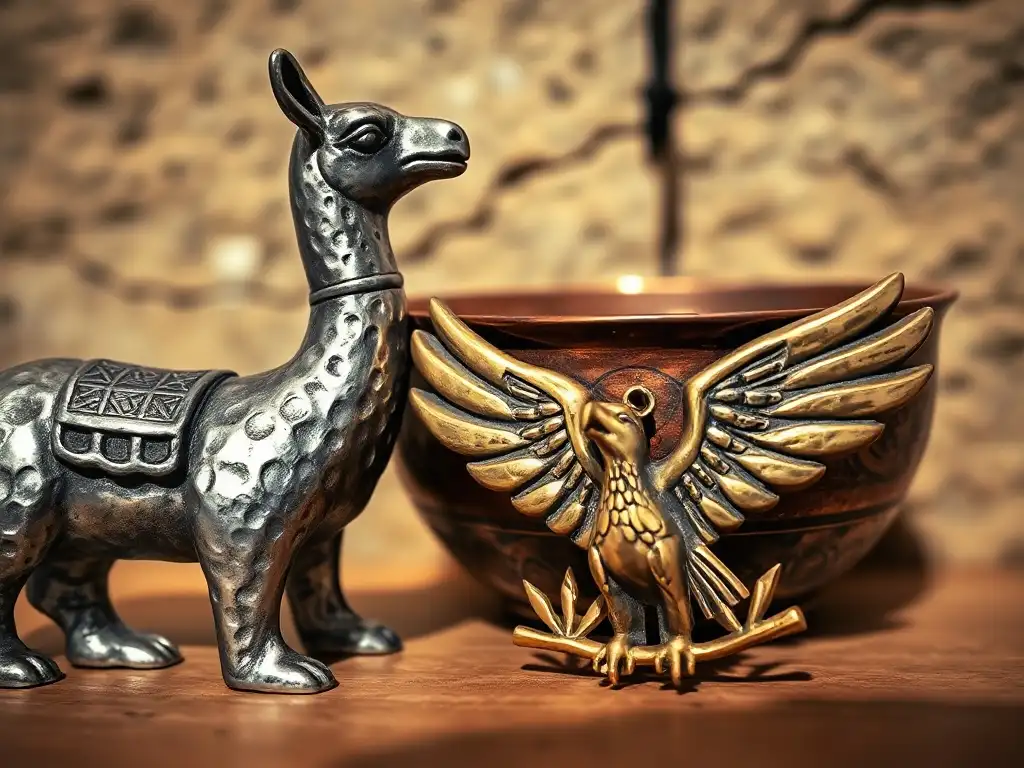
The Aymara people, inhabiting the high Andes of Bolivia, Peru, and Chile, possess a rich history of metalworking that stretches back centuries. Their mastery of gold, silver, and copper—metals readily available in their environment—resulted in stunning artifacts that reflect their sophisticated techniques and artistic sensibilities. These weren't merely decorative pieces; they held deep cultural and religious significance, often serving as symbols of power, status, and connection to the spiritual world.
The legacy of Aymara metalworking isn't confined to the past; its influence continues to be felt in contemporary Andean art and cultural practices. The intricate designs, the innovative techniques, and the enduring aesthetic appeal of their creations have left an indelible mark on Andean artistic traditions. Understanding Aymara metalworking provides a key to unlocking a deeper understanding of their culture and its evolution.
The survival of certain techniques and motifs through generations underscores the importance of this craft within the Aymara identity. Studying their metalwork offers insights into their social structures, religious beliefs, and economic systems, enriching our understanding of this fascinating civilization.
The Continuity of Aymara Metalworking Practices Today
Despite the passage of time and the impact of colonialism, aspects of traditional Aymara metalworking practices persist in contemporary times. While large-scale production of intricate gold and silver objects might be less common, smaller-scale artisans continue to produce items using traditional techniques and designs. These may include jewelry, small decorative pieces, or tools, often incorporating elements of their ancestral heritage.
The knowledge and skills are often passed down through families, maintaining a connection to the past. The use of traditional tools and techniques, alongside the incorporation of modern materials in some cases, represents a dynamic adaptation of ancient knowledge to contemporary contexts. This continuity is crucial in preserving the Aymara cultural heritage and allowing for its evolution in the present day.
Ethnographic studies have documented the ongoing practice of metalworking in various Aymara communities, highlighting the resilience of this ancient craft. The continued production of these artifacts not only provides economic opportunities but also serves as a vital link to the rich cultural past of the Aymara people.
Influence of Aymara Techniques on Later Andean Metalwork
Aymara metalworking techniques and aesthetics profoundly influenced the metalwork of later Andean cultures. The sophisticated techniques developed by the Aymara, particularly in the areas of alloying, casting, and repoussé, were adopted and adapted by subsequent groups. The distinctive designs and motifs present in Aymara artifacts can be traced in the work of later Andean civilizations, demonstrating the continuity and evolution of metalworking practices across different groups and time periods.
This influence can be observed in the stylistic similarities, the use of specific alloys, and the adoption of particular techniques, highlighting the interconnectedness of Andean cultures. Further research is needed to fully document the extent of this influence, but preliminary studies suggest a significant contribution from Aymara artisans to the development of later Andean metalworking traditions. The legacy of Aymara craftsmanship is thus not merely a regional phenomenon but a significant factor in shaping the broader history of Andean metalwork.
Aymara Tupu Pins: A Study in Metal Craft
Tupu pins, distinctive artifacts of Aymara metalworking, represent a fascinating blend of artistic skill and cultural significance. These pins, often crafted from gold, silver, or copper, were not merely functional items; they held symbolic importance and were frequently used as adornments or incorporated into textiles. Their intricate designs, often featuring zoomorphic or geometric patterns, reflect a deep understanding of metalworking techniques and aesthetic principles.
The careful selection of materials, the precision of execution, and the enduring beauty of these pins speak to the high level of skill possessed by Aymara artisans. The study of these pins offers a valuable window into the artistic and cultural landscape of the Aymara civilization.
Analysis of the Materials and Techniques Used
The creation of Aymara tupu pins involved a complex process that demanded significant skill and expertise. Artisans carefully selected and prepared the metal, often utilizing alloys to achieve specific colors and properties. Techniques such as casting, hammering, repoussé, and chasing were employed to shape the metal and create intricate designs. The use of specific tools, many of which may have been made from local materials, is also important to consider.
Detailed analysis of surviving tupu pins reveals variations in techniques and materials across different regions and time periods, reflecting the diversity of Aymara metalworking traditions. Examination of the metallurgical composition of these pins provides clues about the sources of the metals used and the sophistication of the Aymara's metallurgical knowledge. Further research employing advanced analytical techniques could reveal even more details about the materials and manufacturing processes involved.
Significance and Context of the Tupu Pins
The significance of Aymara tupu pins extends beyond their aesthetic appeal. These pins served various functions within Aymara society, ranging from practical uses such as securing clothing to symbolic roles as markers of status or religious significance. Their designs often incorporated motifs with symbolic meaning, reflecting Aymara cosmology, beliefs, and social structures. The presence of certain designs or materials on a tupu pin might indicate the wearer's social status, religious affiliation, or regional origin.
The discovery of tupu pins in archaeological contexts provides crucial information about Aymara burial practices and the importance of these objects in the afterlife. By studying the distribution, context, and designs of tupu pins, we gain valuable insights into the social, religious, and economic aspects of Aymara culture. The continuing discovery and study of these artifacts promises to further illuminate our understanding of this rich and complex civilization.
Conclusion: Aymara Metalworking as a Reflection of Andean Ingenuity
The Aymara mastery of gold, silver, and copper metalworking stands as a testament to the ingenuity and sophisticated technological capabilities of Andean civilizations. Their intricate techniques, evident in the surviving artifacts, reveal a deep understanding of metallurgy, far surpassing the simple crafting often associated with pre-Columbian societies. The Aymara weren't merely shaping metal; they were imbuing it with symbolic meaning, creating objects that served both practical and ritualistic purposes. The enduring legacy of their artistry is not only in the beauty of the pieces themselves but also in the insights they offer into the Aymara worldview, social structures, and spiritual beliefs.
Studying these Aymara gold silver copper artifacts allows us to connect with a rich and complex culture, appreciating the skill and artistry that went into their creation. The precision in hammering, casting, and inlaying showcases a level of technical expertise that demands further research and analysis to fully comprehend its extent. Future studies could focus on more detailed metallurgical analyses to determine the specific alloys used, the sourcing of the metals, and the exact processes employed. This would further illuminate the Aymara's place within the broader context of Andean metalworking traditions and their unique contributions to the field.
Ultimately, the study of Aymara metalwork provides a fascinating window into the ingenuity and cultural richness of this remarkable Andean civilization, enriching our understanding of their history and legacy. The enduring appeal of these artifacts lies not only in their aesthetic value but also in their ability to connect us to a past filled with artistry, innovation, and spiritual significance. The meticulous detail and enduring beauty of these pieces serve as a powerful reminder of the advanced skills and rich cultural heritage of the Aymara people. Their legacy continues to inspire and fascinate, prompting further exploration and appreciation of their remarkable achievements.
- Introduction to Aymara Metalworking Traditions
- The Significance of Metals in Aymara Culture
- Sources of Metals for Aymara Artisans
- Aymara Gold Artifacts: Techniques and Symbolism
- Aymara Silver Artifacts: Craftsmanship and Usage
- Aymara Copper Artifacts: Practical Applications
- The Legacy of Aymara Metalworking
- Aymara Tupu Pins: A Study in Metal Craft
- Conclusion: Aymara Metalworking as a Reflection of Andean Ingenuity
- What materials did the Aymara primarily use for their metalwork?
- What types of artifacts did Aymara metalworkers produce?
- How did Aymara metalworking techniques compare to those of other Andean cultures?
- Where can I find examples of Aymara gold, silver, and copper artifacts?
- What is the significance of Aymara metalworking in understanding Andean history?
Frequently Asked Questions
What materials did the Aymara primarily use for their metalwork?
The Aymara were skilled metalworkers, primarily using gold, silver, and copper to create a variety of artifacts. They also sometimes incorporated other metals and alloys.
What types of artifacts did Aymara metalworkers produce?
Aymara metalworkers produced a wide range of artifacts, including jewelry, tools, religious objects, and decorative items. These pieces often reflected their intricate artistic styles.
How did Aymara metalworking techniques compare to those of other Andean cultures?
While sharing some similarities with other Andean cultures, Aymara metalworking displayed unique styles and techniques. Their work is often distinguished by specific decorative motifs and alloys.
Where can I find examples of Aymara gold, silver, and copper artifacts?
Examples of Aymara metalwork can be found in museums and private collections around the world. Many significant pieces are housed in museums in South America.
What is the significance of Aymara metalworking in understanding Andean history?
Aymara metalworking provides valuable insights into their social structures, religious beliefs, and artistic traditions. Their artifacts offer a window into their daily lives and cultural practices.
Final Reflection: The Enduring Legacy of Aymara Metalwork
The intricate artistry of Aymara gold, silver, and copper artifacts continues to resonate today, a testament to the enduring power of human creativity and cultural resilience. These objects, far from being mere historical relics, offer a vibrant window into a sophisticated past and a profound understanding of Aymara identity and worldview. Their survival speaks volumes about the enduring strength of cultural heritage and the importance of preserving these invaluable pieces of history.
The skill and artistry displayed in Aymara metalworking profoundly impacted the social and political landscape of the Andes, shaping trade networks, religious practices, and artistic expression for centuries. These artifacts weren't simply decorative; they held deep symbolic meaning, reflecting cosmological beliefs and social hierarchies. Their continued study allows us to better understand the complexities of pre-Columbian societies and the rich tapestry of Andean cultures. The past is never dead. It's not even past.
– William Faulkner. This quote perfectly encapsulates the ongoing relevance of studying Aymara metalwork; it allows us to connect with a vibrant past and learn from its enduring wisdom.
Consider, for a moment, the hands that shaped these precious metals, the minds that conceived their intricate designs. You too can become a part of this legacy. By appreciating and learning about Aymara metalworking, you contribute to the preservation of a vital cultural heritage. Seek out museums showcasing these artifacts, support organizations dedicated to their preservation, and share your newfound knowledge with others. Let the enduring beauty and skill of Aymara metalwork inspire you to explore the rich tapestry of human history and the power of cultural expression.
Unleash Your Creativity with Aymara Metalworking!
Thank you for exploring the rich tradition of Aymara metalworking! You've discovered not just a craft, but a vibrant connection to the history and artistry of the Andean civilizations. Now, let's delve deeper into this fascinating world.
Here are some ways to further engage with Aymara metalworking:
- Take a local metalworking class or workshop. Gain hands-on experience and begin creating your own unique pieces!
- Share your newfound appreciation for Aymara metalwork. Discuss it with friends or inspire others on social media, spreading awareness of this beautiful craft.
- Join an online community or forum dedicated to metalworking. Connect with fellow enthusiasts to exchange tips, techniques, and cultural insights.
What exciting metalworking project will you create next, and how will it reflect your personal style and experiences?