
Quechua: More Than Just a Language, a Window to the Andean Soul

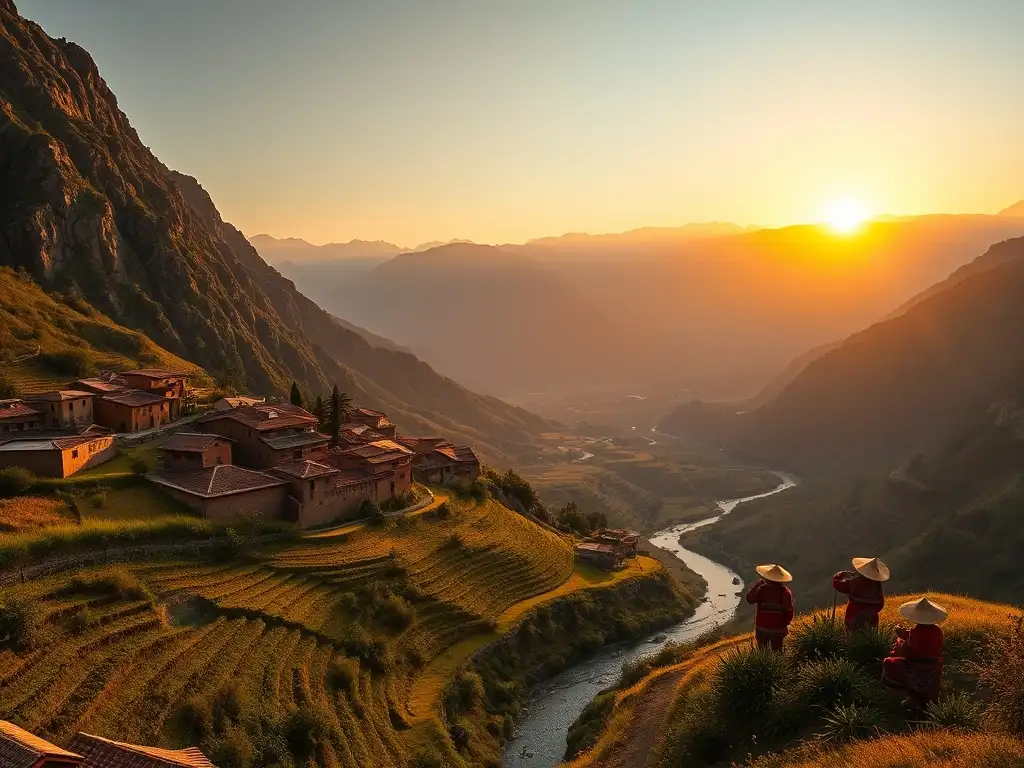
Step into a world lost to time, yet echoing through the ages. Discover the breathtaking tapestry of Andean civilizations, where intricate artistry, innovative engineering, and vibrant cultures thrived. But what truly unlocks the secrets of these magnificent societies? The answer lies within the Quechua language origins, a key to understanding Andean culture and its enduring legacy. Prepare to unravel the mysteries of this ancient tongue, and uncover the profound connection between language and the soul of the Andes. Journey with us to explore the fascinating story of Quechua – your adventure begins now.
The Quechua language, far from being merely a means of communication, serves as a profound portal into the heart of Andean culture. For centuries, it has woven together the threads of history, spirituality, and daily life for millions across the Andes Mountains.
This article delves into the captivating origins of Quechua, exploring its intricate relationship with the Andean world and revealing how its evolution reflects the dynamic history of the civilizations that shaped it. We will examine its linguistic features, its geographical spread, and its enduring significance in preserving and celebrating Andean identity, all while considering its place within the broader context of "Quechua language origins Andean culture."
Understanding Quechua is not simply learning a language; it's embarking on a journey through time, connecting with the rich tapestry of Andean traditions and beliefs. Prepare to be captivated by the profound influence this language has had, and continues to have, on the Andes.
Unveiling the Depths of the Quechua Language
Quechua isn't a monolithic entity; rather, it's a family of languages, encompassing numerous dialects spoken across a vast geographical area spanning modern-day Peru, Bolivia, Ecuador, Colombia, Argentina, and Chile. This linguistic diversity reflects the complex history of the Andean region and the various cultures that have interacted and intertwined throughout the centuries. The precise origins of Proto-Quechua, the ancestor of all Quechua languages, remain a subject of ongoing research and scholarly debate.
However, current theories point towards a possible development in the central Andes region, potentially around [specific date pending] or earlier. The spread of Quechua was significantly influenced by the Inca Empire's expansion, which facilitated its adoption across a vast territory and contributed to its standardization to some degree. This process, however, didn't erase pre-existing linguistic diversity; instead, it fostered a complex interplay of dialects and variations, resulting in the rich linguistic landscape we observe today.
The intricate grammar, unique phonology, and rich vocabulary of Quechua all contribute to its distinct identity and its enduring power in expressing the nuances of Andean life. The language itself is a testament to the resilience and adaptability of Andean cultures.
Quechua's Role in Preserving Andean Identity
The Quechua language is deeply intertwined with Andean identity. It's not simply a tool for communication; it's the vehicle through which traditions, stories, and worldview are transmitted across generations. Many Quechua speakers actively resist the dominance of Spanish and other languages, viewing Quechua as a vital element in preserving their cultural heritage.
This resistance manifests in various ways, from the establishment of Quechua-language schools and media outlets to the incorporation of Quechua into official government functions in some Andean nations. The ongoing efforts to revitalize and promote Quechua demonstrate its importance not only as a historical artifact but as a living, dynamic language that continues to evolve and adapt to the changing world.
The persistence of Quechua in the face of linguistic dominance underscores its profound significance for the Andean people and their enduring connection to their ancestral past. The vibrant expressions of Andean culture, including music, literature, and oral traditions, are largely rooted in and sustained by the Quechua language.
Linguistic Features and Evolution of Quechua
Quechua exhibits several unique linguistic features that distinguish it from other language families. These include its agglutinative morphology, where grammatical relationships are expressed through the addition of suffixes to the root word, and its relatively free word order, allowing for considerable flexibility in sentence structure. The evolution of Quechua has been shaped by both internal and external factors, including contact with other Andean languages, the influence of Spanish colonization, and the ongoing processes of language change and adaptation.
Analyzing these linguistic shifts helps us understand the complex interplay of cultural contact and linguistic evolution in the Andean region. Detailed studies of Quechua dialects reveal fascinating variations in pronunciation, vocabulary, and grammatical structures, reflecting the diverse cultural landscapes across the Andes. These variations highlight the dynamic nature of the language and its capacity to adapt to the specific needs and contexts of different communities.
Further research is needed to fully understand the intricate details of Quechua's evolutionary path, particularly in areas where documentation is limited. The ongoing study of Quechua provides invaluable insights into the broader processes of language change and adaptation.
Quechua Today: Challenges and Revitalization Efforts
Despite its rich history and cultural significance, Quechua faces significant challenges in the modern world. The dominance of Spanish and other languages in education, media, and government poses a threat to Quechua's vitality and transmission to future generations. However, there are ongoing efforts to revitalize and promote Quechua through various initiatives, including language immersion programs, the development of Quechua-language educational materials, and the creation of media platforms that showcase Quechua culture and language.
These revitalization efforts reflect the determination of Quechua speakers and communities to preserve their linguistic heritage and maintain their cultural identity in a rapidly changing world. The success of these initiatives will depend on continued support from governments, educational institutions, and international organizations, along with the sustained commitment of Quechua speakers themselves. The future of Quechua, therefore, hinges on a multifaceted approach that addresses both the linguistic and socio-cultural challenges it faces.
- Unveiling the Depths of the Quechua Language
- Quechua's Role in Preserving Andean Identity
- Linguistic Features and Evolution of Quechua
- Quechua Today: Challenges and Revitalization Efforts
- What is the Quechua language and its significance in Andean culture?
- How did the Quechua language spread throughout the Andes?
- What is the relationship between Quechua and the Inca Empire?
- Are there different dialects of the Quechua language?
- How is the Quechua language preserved and promoted today?
The Ancient Roots of Quechua: Tracing its Origins

The Quechua language, far from being a monolithic entity, boasts a complex history interwoven with the tapestry of Andean culture. Understanding its origins requires delving into the pre-Inca linguistic landscape and tracing its subsequent expansion under the Inca Empire. Pinpointing the exact origins of Quechua remains a challenge for linguists, but several theories and archaeological findings offer valuable insights into its development and spread, illuminating its crucial role in shaping Andean identity. The very phrase "Quechua language origins Andean culture" encapsulates this intricate relationship.
Pre-Inca Linguistic Landscape and the Emergence of Quechua
Before the Inca Empire's rise, the Andean region was a mosaic of diverse languages and cultures. While the exact nature of these interactions remains a subject of ongoing research, evidence suggests a proto-Quechua language – a hypothetical ancestor – may have existed centuries before the Inca. This proto-language likely evolved in the central Andes, possibly in the area around Cusco, which later became the Inca capital.
The process involved gradual linguistic diversification, with various dialects emerging and interacting with other languages spoken throughout the region. Archaeological discoveries, such as inscriptions and artifacts with possible linguistic clues, contribute to the ongoing effort to reconstruct this early linguistic landscape. The study of these artifacts, along with comparative linguistics techniques, helps identify potential cognates (words with a common ancestor) across different Quechua dialects and related languages, providing crucial evidence for tracing the language's evolution.
Understanding this pre-Inca linguistic context is crucial for appreciating the complexities of Quechua's origins and its subsequent dominance. Further research is needed to fully understand the precise linguistic relationships and interactions that shaped the emergence of Quechua. The lack of extensive written records from this period presents a significant challenge, highlighting the importance of interdisciplinary approaches combining linguistic analysis with archaeological and anthropological data.
The Expansion of Quechua Under the Inca Empire
The Inca Empire's expansion played a pivotal role in the widespread adoption of Quechua. As the Inca conquered vast territories, stretching from present-day Colombia to Chile and Argentina, Quechua, the language of the ruling class, became increasingly important for administration, trade, and communication. This wasn't a forceful imposition, however; rather, it was a strategic process of integration. The Inca implemented a sophisticated system of road networks and administrative structures, facilitating both physical and linguistic connectivity throughout the empire.
While local languages were not entirely suppressed, Quechua's status as the lingua franca of the empire led to its widespread adoption as a second language, particularly among the elite and those involved in interregional interactions. This process contributed significantly to the standardization of Quechua, with certain dialects gaining prominence over others. The impact of the Inca expansion on the Quechua language is undeniable, transforming a regional language into a major linguistic force across the Andes.
The legacy of the Inca Empire's influence on the Quechua language continues to shape its contemporary forms and dialects, underscoring the intricate relationship between language, power, and cultural identity in the Andean world. The strategic use of Quechua by the Inca rulers cemented its place in the Andean cultural landscape, illustrating the interplay between political power and linguistic dominance. This expansion is a vital component in understanding the present-day distribution and diversity of Quechua dialects across the Andes.
Quechua's Role in Andean Culture and Identity
Quechua, far from being a mere linguistic tool, serves as a cornerstone of Andean identity and cultural expression. Its enduring presence across the Andes Mountains reflects its deep integration into the social fabric, worldview, and spiritual practices of numerous communities for centuries.
Understanding Quechua's role necessitates exploring its influence on various aspects of Andean life, from daily interactions to profound spiritual beliefs. The language itself is a repository of knowledge, a living testament to the ingenuity and resilience of Andean civilizations.
Its continued use, despite pressures from dominant languages, speaks volumes about its importance to the preservation of Andean cultural heritage and the assertion of indigenous identity in a rapidly changing world. This section will explore some key facets of Quechua's profound influence on Andean culture, focusing on its role as a living expression of Andean worldview, its significance in oral traditions, and its deep connection to Andean spirituality and rituals.
Quechua as a Living Expression of Andean Worldview
Quechua is not just a vehicle for communication; it embodies the Andean worldview. The language's structure, vocabulary, and metaphorical expressions reflect a unique perspective on the relationship between humans, nature, and the spiritual realm. For instance, the concept of ayni, reciprocal exchange and balance, is deeply embedded in Quechua grammar and social interactions.
The language's emphasis on community and collective well-being is evident in its pronouns and social deixis—the way speakers refer to themselves and others based on social status and relationships. This emphasis on ayni and communal harmony is reflected in many Quechua words and phrases, shaping how Andean people understand and interact with their environment and each other. Furthermore, Quechua's rich agricultural vocabulary showcases the deep connection between the Andean peoples and their environment, with specific terms for different varieties of potatoes, corn, and other crops, reflecting a profound understanding of the agricultural landscape.
This intimate relationship with the land is fundamental to the Andean worldview, and Quechua serves as a vital conduit for its transmission across generations. The intricate system of kinship terms also reflects the importance of family and community in Andean society, further highlighting the social embeddedness of the language.
The Significance of Quechua in Andean Oral Traditions
Oral traditions are central to the preservation and transmission of Andean culture, and Quechua plays a crucial role in this process. Narratives, songs, poems, and proverbs, all passed down through generations in Quechua, encapsulate the history, values, and beliefs of Andean communities. These oral traditions are not merely stories; they are living repositories of knowledge, embodying historical events, moral lessons, and practical wisdom.
The use of Quechua in storytelling allows for a nuanced and intimate connection to the past, fostering a sense of continuity and cultural identity. Specific examples include the harawi, a melancholic love song, or the taqui, a ceremonial song used in religious rituals, both rich in metaphorical language and historical allusions, all preserved and transmitted through the oral tradition in Quechua.
The loss of Quechua would represent an irreplaceable loss of Andean knowledge and history, as many stories and traditions are not documented in written form. The vibrant and diverse oral traditions, passed down orally through generations in Quechua, represent a crucial element of Andean cultural heritage and identity.
Quechua and its Connection to Andean Spirituality and Rituals
Quechua is inextricably linked to Andean spirituality and religious practices. Many religious ceremonies, rituals, and prayers are conducted in Quechua, maintaining a direct connection to ancestral beliefs and traditions. The language itself is imbued with spiritual significance; certain words and phrases are considered sacred, carrying potent spiritual power.
The use of Quechua in these contexts reinforces the language's role as a vital component of Andean religious identity. For instance, the pachamama, the Earth Mother, is a central figure in Andean cosmology, and the prayers and offerings made to her are often expressed in Quechua, highlighting the language's role in maintaining this connection to the natural world and spiritual forces. Furthermore, the intricate knowledge of Andean medicinal plants and their uses, often transmitted orally in Quechua, demonstrates the interconnectedness between language, spirituality, and healing practices within Andean culture.
The continued use of Quechua in religious contexts underscores the language's profound significance in preserving and transmitting Andean spiritual heritage. The vitality of Quechua in religious practice signifies its continued relevance and importance within contemporary Andean societies.
The Evolution of Quechua Through Centuries
The Quechua language, far from being a monolithic entity, boasts a rich tapestry of dialects and variations reflecting centuries of evolution and adaptation across the diverse Andean landscape. Understanding its trajectory requires acknowledging its deep roots and the significant influences shaping its current form. Tracing its origins is a complex undertaking, but linguistic studies suggest a Proto-Quechua ancestor emerging potentially thousands of years ago in the central Andes. From this common source, the language diversified, branching into various mutually intelligible dialects, each carrying its own unique phonetic and grammatical nuances.
This linguistic diversification mirrored the complex socio-political structures and geographical dispersion of Andean communities. The process wasn't linear; periods of relative linguistic uniformity interspersed with periods of significant change driven by migration, trade, and inter-group interaction. The spread of Quechua across vast territories wasn't solely a consequence of organic linguistic evolution but also a reflection of the expansion of powerful Andean empires, such as the Inca. The Inca's administrative prowess and the standardization of certain Quechua dialects during their reign contributed significantly to the language's eventual dominance across a considerable portion of the Andes.
This influence, however, wasn't uniform; pre-existing dialects continued to retain their unique characteristics, creating the complex linguistic landscape we observe today. Further research into the intricate relationship between language evolution and societal dynamics promises to unveil even more detailed aspects of Quechua's history. The precise timeline of these evolutionary stages remains a subject of ongoing scholarly debate, necessitating further investigation using advanced linguistic techniques and cross-referencing with archaeological and historical data.
Quechua Dialects and Regional Variations
The Quechua language isn't a single, uniform entity but rather a family of closely related dialects, each possessing unique characteristics shaped by geographical isolation and cultural influences. These variations extend to pronunciation, vocabulary, and grammar. For instance, Quechua spoken in the highlands of Cusco differs significantly from the Quechua spoken in the coastal regions of Ecuador. This diversity is not merely a matter of accent; it often involves variations in grammatical structures and even different words for common objects or concepts.
Consider the word for "potato," a staple crop across the Andes: it varies considerably from one dialect to another, highlighting the deep connection between language and local environment. Scholars have identified numerous Quechua dialects, categorized into broader groups based on their mutual intelligibility. Some prominent groups include Quechua I (spoken in the north), Quechua II (central Andes), and Quechua III (southern Andes). Within these groups, countless sub-dialects exist, often exhibiting subtle but significant differences.
This linguistic diversity reflects the varied topography and cultural richness of the Andean region. Mapping these variations and understanding their historical development is crucial for preserving the linguistic heritage of the Andean world. Moreover, recognizing this diversity is vital for effective communication and education initiatives targeting Quechua speakers. The challenge lies in balancing the preservation of these unique dialects with the need for a standardized form of Quechua that facilitates broader communication across the region.
Impact of Spanish Colonization on the Quechua Language
The Spanish conquest of the Inca Empire in the 16th century had a profound and lasting impact on the Quechua language. The imposition of Spanish as the dominant language led to a significant decline in Quechua speakers and the gradual erosion of its usage in many areas. While Spanish didn't completely supplant Quechua, its dominance in administration, education, and commerce marginalized the indigenous language.
This resulted in the adoption of numerous Spanish loanwords into Quechua, enriching its vocabulary but also potentially altering its grammatical structure and phonetic features. Furthermore, the suppression of indigenous cultures, including the prohibition of Quechua in certain contexts, contributed to a decline in its prestige and a shift towards Spanish as the language of power and opportunity. This period witnessed a significant loss of traditional Quechua vocabulary, particularly in areas related to indigenous knowledge systems, governance, and spirituality.
The impact of colonization wasn't uniform across all regions; in some areas, Quechua maintained a strong presence, while in others, it was nearly eradicated. The effects of this linguistic shift are still felt today, with many Quechua speakers exhibiting varying levels of bilingualism in Spanish and Quechua. Studies on language contact and language shift provide valuable insights into the complex dynamics of linguistic change during colonial periods and their lasting consequences.
Quechua's Resilience and Revival in Modern Times
Despite centuries of marginalization, the Quechua language has demonstrated remarkable resilience. In recent decades, there's been a growing movement toward Quechua revitalization and recognition of its cultural significance. This revival is fueled by several factors, including increased indigenous activism, renewed interest in Andean cultural heritage, and government initiatives promoting multilingualism. Efforts to standardize Quechua orthography and develop educational materials in the language are gaining momentum, aiming to improve literacy rates and facilitate the transmission of Quechua to younger generations.
The use of Quechua in media, such as radio and television broadcasts, further contributes to its visibility and strengthens its presence in modern society. Moreover, the incorporation of Quechua into educational curricula is gradually increasing, offering a pathway for Quechua speakers to access education in their native language. This revival isn't without its challenges. The digital divide and the persistent dominance of Spanish in many spheres of life continue to pose obstacles to the complete revitalization of Quechua.
However, the ongoing efforts demonstrate the enduring strength of the language and its crucial role in maintaining Andean cultural identity. The future of Quechua rests on continued support for language education, cultural preservation initiatives, and the active engagement of Quechua speakers in shaping the language's future. The success of these efforts will be crucial in ensuring that Quechua remains a vibrant and vital part of the Andean cultural landscape for generations to come. 🇿🇦
Quechua Today: A Vibrant Language in the 21st Century

The Quechua language, far from being a relic of the past, thrives in the 21st century, a testament to its enduring connection to Andean culture and identity. Despite facing numerous challenges, including the dominance of Spanish and other languages, Quechua continues to be spoken by millions across the Andes, showcasing its remarkable resilience and adaptability. Understanding its current state is crucial to appreciating its historical significance and future prospects within the broader context of "Quechua language origins Andean culture."
The Current Geographic Distribution of Quechua Speakers
Quechua's geographical distribution is extensive, reflecting its deep roots in the diverse Andean region. While precise figures are difficult to obtain due to the complexities of linguistic surveys in remote areas, estimates suggest millions of speakers across several South American countries. The highest concentrations are found in Peru, Bolivia, Ecuador, and Colombia, with smaller communities existing in Argentina and Chile. However, the distribution isn't uniform; some Quechua dialects are spoken by large populations in specific regions, while others are spoken by smaller, more isolated communities.
This geographical diversity also translates into linguistic diversity. While sharing common origins, Quechua has diversified into numerous dialects, sometimes mutually unintelligible, further highlighting the complexity of accurately quantifying its speakers. For example, Quechua in the Cusco region of Peru differs significantly from the Quechua spoken in the Ecuadorian Andes. This linguistic variety necessitates a nuanced approach to understanding Quechua's current status and the ongoing efforts to preserve its various forms. The ongoing research into the precise number of speakers and the geographical distribution of different Quechua dialects is crucial for effective language preservation strategies.
Efforts to Preserve and Promote the Quechua Language
The preservation and promotion of Quechua involve a multifaceted approach, encompassing governmental initiatives, community-led efforts, and academic research. Governments in several Andean nations have implemented policies aiming to recognize and support Quechua, including its use in education and official contexts. These efforts often involve:
- Bilingual education programs: Integrating Quechua into school curricula alongside Spanish, fostering linguistic fluency and cultural pride.
- Translation and interpretation services: Making government services and information accessible to Quechua speakers.
- Media initiatives: Broadcasting radio and television programs in Quechua, promoting its use in everyday life.
Beyond governmental initiatives, numerous community-based organizations work tirelessly to preserve Quechua. These groups often focus on:
- Language immersion programs: Creating environments where Quechua is the primary language of communication.
- Development of Quechua-language resources: Producing books, dictionaries, and other educational materials.
- Cultural events: Organizing festivals and celebrations that showcase Quechua language and traditions. This active engagement is vital in countering the challenges posed by the dominance of Spanish.
Quechua in Education and Contemporary Andean Society
The role of Quechua in education is pivotal in shaping its future. While challenges remain, progress is being made in incorporating Quechua into the formal education system. The integration of Quechua into education goes beyond simple language acquisition; it aims to foster a deeper understanding of Andean history, culture, and identity. This approach acknowledges the intrinsic link between language and cultural preservation, ensuring that Quechua is not merely a subject of study but a living tool for cultural transmission.
However, the integration isn't without its hurdles. These include:
- Teacher training: A shortage of qualified teachers fluent in both Quechua and Spanish.
- Curriculum development: The need for age-appropriate and culturally relevant educational materials in Quechua.
- Community engagement: Ensuring that educational initiatives are aligned with the needs and priorities of Quechua-speaking communities.
Despite these obstacles, the increasing recognition of Quechua's importance in education reflects a growing understanding of its value in promoting linguistic diversity and cultural preservation. The future of Quechua hinges on the continued commitment to integrating it meaningfully into the educational landscape, ultimately strengthening its place within contemporary Andean society and contributing significantly to the understanding of "Quechua language origins Andean culture." The ongoing efforts to overcome these challenges are essential for the long-term survival and flourishing of this vibrant language.
The Cultural Significance of Quechua Beyond Language
Quechua, far from being merely a linguistic tool, acts as a powerful conduit to understanding the rich tapestry of Andean culture. Its influence permeates various aspects of Andean life, shaping not only communication but also artistic expression, culinary practices, and technological advancements. Understanding the Quechua language unlocks a deeper appreciation for the ingenuity and resilience of the Andean civilizations. The persistence of Quechua in the face of colonization underscores its profound importance as a symbol of cultural identity and survival. This section explores the multifaceted cultural significance of Quechua, demonstrating its enduring legacy in shaping the Andean world.
Quechua Influence on Music, Art and Literature
Quechua's impact on Andean artistic expression is undeniable. Traditional Andean music, often characterized by its haunting melodies and intricate rhythms, is deeply intertwined with the Quechua language. Many songs are composed entirely in Quechua, preserving ancient stories, beliefs, and social commentary.
The lyrics often employ vivid imagery and poetic devices, reflecting the profound connection between the Quechua people and their environment. Furthermore, the language's unique phonology and structure influence the musical phrasing and intonation of the songs. For example, the use of distinctive Quechua vowels and consonant clusters can be heard in the melodic contours of traditional instruments like the charango and zampoña.
Similarly, Quechua has profoundly influenced Andean literature. From pre-Columbian oral traditions to contemporary novels and poetry, the language serves as a vehicle for storytelling, preserving cultural heritage and transmitting knowledge across generations. Many contemporary Andean writers choose to write in Quechua, revitalizing the language and ensuring its continued relevance in modern society.
Their works often explore themes of identity, resistance, and the ongoing struggle for cultural preservation in the face of globalization. The vibrant tapestry of Quechua literature showcases the language's adaptability and its capacity to express the complex nuances of the Andean experience. The richness of Quechua vocabulary, particularly its nuanced terms for describing the natural world, adds depth and specificity to artistic expression.
Quechua and its Contribution to Andean Culinary Traditions
The Quechua language is intrinsically linked to Andean culinary traditions. Many traditional Andean recipes are passed down through generations orally, often in Quechua. The language provides specific terminology for various ingredients, cooking techniques, and dishes, reflecting a deep understanding of the local ecosystem and its resources.
For example, the Quechua language contains a vast vocabulary relating to potatoes, reflecting the crucial role of this staple crop in Andean diets. Different varieties of potatoes have unique Quechua names, often reflecting their specific characteristics, such as color, size, and taste. This detailed terminology demonstrates the close relationship between language, culture, and food production.
Furthermore, Quechua names for various herbs, spices, and other ingredients contribute to the unique flavors and characteristics of Andean cuisine. The precise terms used in Quechua recipes ensure the accurate transmission of culinary knowledge, preserving the authenticity and integrity of traditional dishes. The ongoing use of Quechua in everyday cooking practices highlights the language's vital role in maintaining cultural identity and continuity.
The intricate knowledge embedded within Quechua culinary terminology is a testament to the Andean people's profound understanding of their environment and their ability to utilize its resources sustainably. Understanding these terms unlocks a deeper appreciation for the history, ingenuity, and cultural significance of Andean cuisine.
Quechua as a Key to Understanding Andean Technology and Knowledge
The Quechua language plays a crucial role in understanding the technological advancements and sophisticated knowledge systems of the Andean civilizations. Many ancient Andean technologies, from sophisticated agricultural techniques to intricate astronomical observations, were transmitted orally, primarily through the Quechua language. This oral tradition ensured the preservation of crucial knowledge across generations, allowing for the continuity and refinement of these technologies. For instance, the precise Quechua terms for different types of tools and building materials provide insights into the construction techniques used in the creation of impressive structures like Machu Picchu.
Moreover, Quechua terminology related to astronomy and cosmology reveals the depth of Andean understanding of the celestial bodies and their influence on agricultural practices and social organization. The language contains specific terms for constellations, celestial events, and astronomical cycles, reflecting the sophisticated knowledge system that informed Andean society. This knowledge, preserved and transmitted through the Quechua language, is crucial for understanding the cultural and intellectual achievements of the Andean civilizations.
The detailed terminology embedded within the Quechua language allows researchers to decipher ancient texts and artifacts, unlocking further insights into the technological innovations and knowledge systems of the Andes. Preserving and studying the Quechua language is therefore essential for understanding the full extent of Andean technological and intellectual achievements. The continued use of Quechua in contemporary Andean communities ensures that this invaluable knowledge remains accessible and relevant.
Understanding the Quechua Language for a Deeper Andean Insight
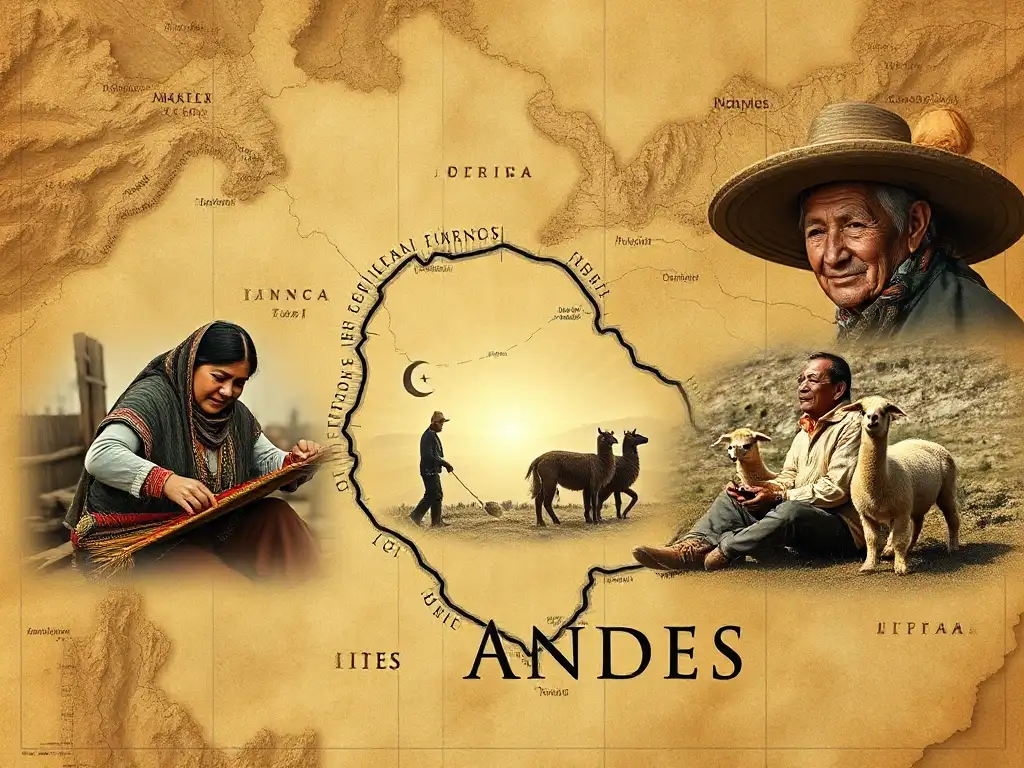
The Quechua language, far from being a mere linguistic artifact, serves as a vibrant conduit to understanding the complexities of Andean culture. Its enduring presence across diverse Andean communities reflects a deep-rooted connection to the land, its people, and their rich history. Studying Quechua isn't just about memorizing vocabulary; it's about unlocking a profound understanding of Andean worldview, social structures, and artistic expressions.
This section delves into the significance of Quechua as a key to unlocking the secrets of Andean civilizations, highlighting its role in preserving and transmitting cultural heritage. Understanding its nuances allows researchers and enthusiasts alike to engage with Andean history on a far more intimate level, moving beyond superficial observations to a deeper appreciation of its intricate tapestry. The Quechua language origins are intrinsically tied to the development of Andean culture, making its study essential for a comprehensive understanding.
Learning Basic Quechua Phrases: A Gateway to Andean Culture
Learning even a few basic Quechua phrases can significantly enhance your experience when interacting with Andean communities. It demonstrates respect for their culture and opens doors to more meaningful connections. Simple greetings like "Imaynalla kanki?" (How are you?) or "Allinmi" (I'm fine) can go a long way in building rapport. Beyond greetings, learning phrases related to daily life, such as asking for directions or ordering food, can be incredibly practical. Consider the following examples:
| Quechua Phrase | Spanish Translation | English Translation |
|---|---|---|
| ¿Imaymana? | ¿Cómo te llamas? | What is your name? |
| Sutiy [Name] | Me llamo [Name] | My name is [Name] |
| Gracias | Gracias | Thank you |
| ¡Amuy! | ¡Muchas gracias! | Thank you very much! |
| ¿Maypi kan? | ¿Dónde estás? | Where are you? |
| Kaypi kani | Estoy aquí | I am here |
Furthermore, engaging with Quechua through music, storytelling, and traditional performances provides a deeper understanding of the language's role in shaping Andean cultural identity. The rhythmic flow of Quechua poetry, for instance, reveals a unique aesthetic sensibility deeply embedded in the language itself. This immersive approach allows for a more holistic appreciation of the Quechua language's significance within Andean society.
The Importance of Studying Quechua for Research on Andean Civilizations
For researchers studying Andean civilizations, Quechua offers an invaluable resource. Many historical texts, oral traditions, and cultural practices are preserved primarily in Quechua, providing direct access to perspectives often lost in translation or interpretation. Furthermore, studying Quechua helps researchers understand the nuances of Andean thought and worldviews, enriching their understanding of social structures, religious beliefs, and artistic expressions.
The linguistic analysis of Quechua reveals insights into the migration patterns, cultural exchanges, and societal evolution of Andean communities throughout history. The depth of knowledge preserved within the Quechua language offers a significant advantage to those undertaking research into Andean history and culture. It allows for a more accurate and nuanced understanding of the past, moving beyond generalizations to a more detailed and specific analysis.
Quechua: A Bridge Connecting Past and Present Andean Heritage
Quechua isn't just a language of the past; it's a living language spoken by millions across the Andes today. Its continued use serves as a powerful testament to the resilience and cultural vitality of Andean communities. The preservation and promotion of Quechua are crucial for maintaining cultural heritage and ensuring the continuity of Andean traditions for future generations.
Initiatives aimed at teaching Quechua in schools and promoting its use in media and public life play a vital role in this preservation effort. The ongoing revitalization of Quechua serves as a powerful symbol of cultural resistance and a commitment to maintaining a vibrant and dynamic Andean identity.
Its continued use acts as a bridge connecting the rich history of Andean civilizations with the present-day realities of Andean life, ensuring the continuation of a unique and invaluable cultural legacy. The Quechua language origins are deeply intertwined with this ongoing legacy, making its study a window into the enduring spirit of the Andean people.
Conclusion: The Enduring Legacy of Quechua in Andean History
The Quechua language, far from being a relic of the past, stands as a vibrant testament to the resilience and cultural richness of the Andean civilizations. Its evolution, mirroring the complex history of the Andes, reveals a fascinating interplay between linguistic adaptation and cultural continuity. From its likely origins in the central Andes, Quechua spread through conquest and trade, becoming a lingua franca that connected diverse communities and facilitated the growth of powerful empires like the Inca.
Its survival, despite centuries of colonization and attempts at linguistic suppression, speaks volumes about the deep-rooted connection between the language and the Andean identity. The continued use of Quechua in various regions, albeit with regional variations, demonstrates its enduring power and significance. Studying Quechua offers an invaluable window into understanding the intricacies of Andean history, social structures, and belief systems.
Analyzing its grammatical structures, vocabulary, and metaphorical expressions provides insights into the Andean worldview and the values that have shaped Andean societies for millennia. The enduring legacy of Quechua is not merely linguistic; it is a cultural legacy, woven into the fabric of Andean life.
Quechua: A Living Testament to the Richness of Andean Culture
Quechua's survival is not simply a matter of linguistic persistence; it's a reflection of the vibrant Andean cultures that continue to thrive. The language acts as a crucial vehicle for preserving and transmitting traditional knowledge, stories, songs, and beliefs. Many indigenous communities actively work to revitalize Quechua, establishing schools, radio stations, and cultural centers dedicated to its preservation and promotion. This active engagement highlights the profound connection between language and cultural identity.
The Quechua language is not just a tool for communication; it is the repository of a rich cultural heritage, embodying the values, customs, and worldview of the Andean people. Its continued use ensures the preservation of ancestral knowledge, fostering a sense of community and cultural pride. The ongoing efforts to revitalize and promote Quechua are not merely linguistic endeavors; they represent a powerful assertion of cultural identity and a commitment to preserving the unique heritage of the Andes.
This active engagement with the language demonstrates the profound connection between language, culture, and identity in the Andean context. The vitality of Quechua is, therefore, a powerful indicator of the enduring strength of Andean culture. Its continued use in daily life, from storytelling to agriculture, shows how integral it is to the fabric of Andean society.
The Future of the Quechua Language and its Place in the World
The future of Quechua remains intertwined with the future of Andean cultures. While challenges remain, such as the pressure of globalization and the dominance of Spanish, there's a growing global recognition of the importance of linguistic diversity and cultural preservation. Efforts to integrate Quechua into formal education systems, promote its use in media, and support research into its linguistic features are crucial steps in ensuring its long-term survival.
Furthermore, the increasing interest in indigenous languages worldwide provides a broader context for Quechua's revitalization. The digital age offers new opportunities for language preservation through online resources, digital dictionaries, and virtual language learning platforms. The growing awareness of the importance of linguistic diversity and the active engagement of Andean communities in preserving their heritage suggest a hopeful future for Quechua.
Its continued presence as a living language, spoken and written, is a testament to the enduring spirit of the Andean people and their commitment to their cultural heritage. The future of Quechua is not just about its survival; it's about its continued flourishing as a dynamic and evolving language, reflecting the dynamism and richness of Andean cultures in the 21st century and beyond. The ongoing efforts to promote and preserve Quechua are not only vital for the Andean communities but also contribute to the global tapestry of linguistic diversity.
Frequently Asked Questions
What is the Quechua language and its significance in Andean culture?
Quechua is a family of indigenous languages spoken across the Andes. It's crucial to Andean identity, reflecting the region's diverse history and cultural practices. Its survival represents the resilience of Andean cultures.
How did the Quechua language spread throughout the Andes?
The Inca Empire's expansion played a significant role in the spread of Quechua, as it became an administrative language. However, various Quechua dialects already existed before the Inca, demonstrating a long history of linguistic diversity within the Andes. Trade and migration also contributed to its dissemination.
What is the relationship between Quechua and the Inca Empire?
While the Inca Empire facilitated Quechua's spread as a lingua franca, it wasn't the origin of the language. Different Quechua dialects existed prior to the Inca, proving that the language's origins predate the empire's rise. The Incas' use of Quechua solidified its importance in Andean society.
Are there different dialects of the Quechua language?
Yes, many Quechua dialects exist, reflecting the diverse geography and cultures of the Andes. These dialects, while mutually intelligible to varying degrees, demonstrate the linguistic richness of the region. Understanding these variations is critical to appreciating the Andean cultural landscape.
How is the Quechua language preserved and promoted today?
Efforts to preserve and promote Quechua involve language education programs, community initiatives, and the use of Quechua in media and literature. These actions are essential for maintaining cultural heritage and ensuring the language's continued vitality. Indigenous communities play a vital role in these efforts.
Final Reflection: Echoes of the Andes, Whispers of the Future
The Quechua language, far from being a relic of the past, remains a vibrant thread woven into the rich tapestry of Andean life. Its survival, against the backdrop of centuries of colonization and globalization, stands as a testament to the enduring spirit of its people and the profound connection they maintain with their ancestral lands. This enduring legacy challenges us to reconsider our understanding of language not merely as a tool for communication, but as a living repository of cultural memory and identity.
The impact of Quechua extends far beyond linguistic boundaries; it shapes worldview, social structures, and artistic expression. Its continued use is a powerful act of resistance, a conscious choice to preserve a unique cultural heritage in the face of overwhelming pressures. As the renowned Peruvian anthropologist, José María Arguedas, once wrote: The language of a people is the soul of its culture.
This sentiment rings truer than ever in the context of Quechua, where the language itself embodies the resilience and beauty of Andean civilization. Its survival is a testament to the power of cultural preservation and the enduring strength of indigenous communities.
Consider, for a moment, the stories whispered on the wind across the Andes, carried on the breath of those who speak Quechua. These are stories of resilience, of adaptation, of a deep and abiding connection to the land. You, the reader, are now part of this conversation.
Let the echoes of the Andes resonate within you, inspiring you to learn more, to listen more deeply, and to appreciate the richness and diversity of human experience that Quechua represents. Embrace the opportunity to connect with a culture that has so much to offer, and let its vibrant spirit ignite your own journey of understanding and appreciation.
Unveil the Depths of the Quechua Experience!
Thank you for exploring the rich tapestry of the Quechua language and its profound connection to Andean culture. You've gained valuable insights into a unique and fascinating civilization, enriching your understanding of the world. Now, let's delve even deeper!
Continue Your Journey:
- Explore Quechua Resources: Immerse yourself in the Quechua language through interactive online courses, language exchange programs, or local community classes. Learning Quechua is more than just acquiring a new language; it's a gateway to a vibrant culture.
- Share Your Discoveries: Inspire others by sharing your newfound knowledge of Quechua culture with friends, family, or on social media. Share captivating stories and intriguing facts—you might surprise them!
- Connect with the Community: Engage with online forums or local groups dedicated to Andean cultures to connect with others who share your passion. This immersion will deepen your understanding and appreciation.
What aspect of Quechua culture captivates you most, and how do you envision this connection enriching your understanding of Andean heritage?