
Aymara Mythology: Gods, Spirits, and the Creation Story

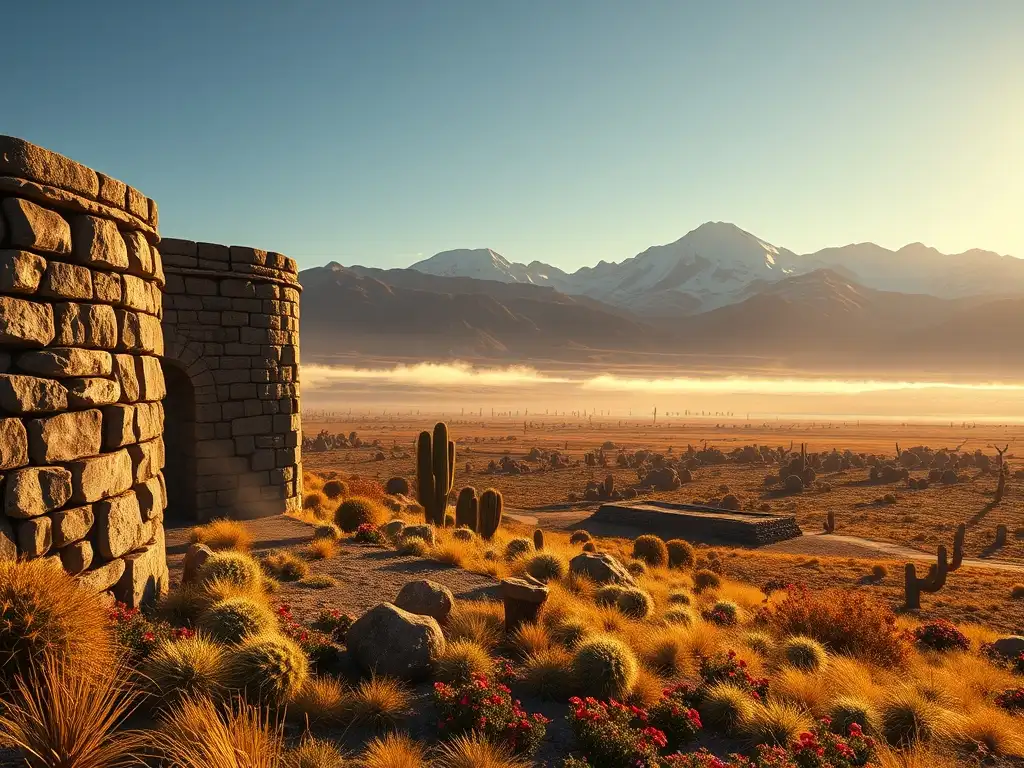
Step into a world lost to time, yet echoing with vibrant life. Discover the secrets whispered on the wind across the Andes, as we delve into the captivating tapestry of ancient Andean civilizations. From the towering heights of the Inca Empire to the intricate artistry of the Nazca, prepare to be enthralled. But first, let's unravel the mysteries of the Aymara creation story mythology, a powerful narrative that reveals the heart and soul of this remarkable culture. Are you ready to embark on this extraordinary journey?
The Aymara people, inhabiting the Andes region of South America, possess a rich and complex mythology deeply intertwined with their worldview and daily life. Their cosmology, a vibrant tapestry woven from beliefs about gods, spirits, and the natural world, offers a fascinating glimpse into their understanding of creation and existence. This article delves into the captivating world of Aymara mythology, exploring their creation story, pantheon of deities, and the significance of ancestral spirits in their cultural heritage.
We will uncover the roles of key figures like Inti (the sun god), Pachamama (the earth mother), and the powerful Achachilas (mountain spirits), providing a comprehensive overview of Aymara spiritual beliefs and their enduring influence on Aymara culture and identity. This exploration aims to illuminate the profound connection between the Aymara people and their environment, a relationship reflected in their intricate mythology and deeply rooted in their ancestral traditions.
Understanding Aymara mythology is key to understanding the Aymara people themselves, their history, and their enduring connection to the land. This exploration will provide a detailed look at the Aymara creation story, a narrative central to their cultural identity and spiritual understanding.
Introduction to Aymara Cosmovision
Aymara cosmology is characterized by a profound respect for the interconnectedness of all things. The natural world – mountains, lakes, rivers, and the earth itself – is not merely a backdrop to human existence but an active participant in the spiritual realm. The Aymara believe in a vibrant world of spirits, both benevolent and malevolent, that interact with the human world, influencing everything from harvests to health.
This animistic worldview sees power residing not only in named deities but also in the very fabric of the landscape and the ancestral spirits that inhabit it. The Aymara creation story, often told through oral traditions passed down through generations, serves as a foundational narrative explaining the origin of the world and humanity's place within it.
It is a story of creation, destruction, and renewal, reflecting the cyclical nature of life and the enduring power of the natural world. This cyclical view of time and the universe significantly impacts their understanding of deities and their roles within the cosmos.
The Aymara Pantheon: Key Deities and Their Roles
The Aymara pantheon is not a rigid hierarchy but rather a complex network of deities and spirits, each with its specific domain and influence. While the roles and importance of certain deities may vary across different Aymara communities, several key figures stand out as central to their beliefs. These deities are not seen as distant, unapproachable entities but rather as powerful forces actively involved in the lives of the Aymara people. Their interactions with humans are frequently depicted in myths and legends, highlighting the intimate relationship between the divine and the earthly realms.
Inti: The Aymara God of the Sun
Inti, the sun god, is one of the most important deities in Aymara mythology. He is revered as the source of life, warmth, and energy, essential for agriculture and survival in the high Andean environment. Inti is often depicted as a powerful and benevolent figure, providing sustenance and protection to his people. Rituals and offerings are frequently made to Inti to ensure a successful harvest and to appease his power. [Specific details on Inti's iconography and rituals pending].
Viracocha: The Creator God and His Influence
Viracocha, often described as the creator god, holds a significant place in Aymara mythology, although his role and attributes may overlap with other deities depending on the specific community or tradition. He is often credited with the creation of the world and humanity, shaping the landscape and establishing the order of the cosmos. [Further research needed on Viracocha's specific role in Aymara creation myths].
Pachamama: The Earth Mother and Her Significance in Aymara Beliefs
Pachamama, the earth mother, is a central figure in Aymara cosmology. She represents the fertility of the land, the abundance of nature, and the interconnectedness of all living things. Pachamama is not merely a passive entity but an active participant in the lives of the Aymara people, providing sustenance and demanding respect in return. Offerings and rituals are performed to Pachamama to ensure a bountiful harvest and to maintain a harmonious relationship with the earth. The concept of Pachamama is deeply ingrained in Aymara culture, shaping their agricultural practices and their worldview.
Achachilas: The Guardian Spirits of the Mountains
The Achachilas are powerful mountain spirits, revered as protectors and guardians of the Aymara people. Each mountain peak is believed to be inhabited by an Achachila, possessing unique characteristics and powers. These spirits are both benevolent and capable of inflicting harm if not properly respected. The Achachilas play a crucial role in maintaining the balance of nature and protecting the Aymara communities from harm. Their presence is felt throughout Aymara life, influencing their decisions and shaping their relationship with the natural world.
Mallkus: The Spirits of the Ancestors
The Mallkus are the spirits of the ancestors, revered as intermediaries between the living and the spiritual world. They are believed to watch over their descendants, offering guidance and protection. Respect for the Mallkus is essential in Aymara culture, as they are considered powerful influences on the well-being of the community. [Additional information needed on specific rituals and practices associated with Mallkus veneration].
The Aymara Creation Story: Origin Myths and Legends
The Aymara creation story, unlike many others, doesn't focus on a single, all-powerful deity creating the world ex nihilo. Instead, it's a complex tapestry woven from various myths and legends, often intertwined with the geography and natural elements of the Altiplano. These narratives emphasize a gradual emergence from chaos and darkness, a process involving powerful forces, both benevolent and malevolent, shaping the land and its inhabitants.
The stories are passed down orally through generations, resulting in variations depending on the specific community and storyteller. This fluidity, however, underscores the living and evolving nature of Aymara cosmology. The stories are not static historical accounts but rather powerful tools for understanding the Aymara relationship with their environment and spiritual world.
Understanding these narratives provides crucial insight into their worldview and cultural values. The Aymara creation myth is not just a story of origins; it's a continuous narrative that shapes their present and future.
The Emergence from Darkness: The First Aymara People
According to Aymara tradition, the world initially existed as a formless void, a state of utter darkness and chaos. From this primordial darkness, the first Aymara emerged, often depicted as emerging from a subterranean world or a sacred lake. The specifics vary, with some accounts mentioning a creator deity initiating the process, while others emphasize the inherent power of nature itself to bring forth life.
These first ancestors, often revered as mythical figures, are credited with establishing the foundations of Aymara society and culture. Their actions and decisions are seen as shaping the social structures, customs, and beliefs of later generations.
The stories surrounding their emergence often involve trials, tribulations, and encounters with supernatural entities, highlighting the challenges faced in the early stages of human existence. These narratives emphasize the resilience and adaptability of the Aymara people, their ability to overcome adversity and build a thriving civilization in a harsh environment.
The Role of Lake Titicaca in Aymara Cosmogony
Lake Titicaca, the highest navigable lake in the world, holds immense significance in Aymara cosmology. It's often considered the birthplace of the world and the origin point of the Aymara people. Many creation myths depict the first ancestors emerging from the depths of the lake or from islands within it, such as Isla del Sol and Isla de la Luna.
These islands are considered sacred sites, attracting pilgrims and hosting significant ceremonies to this day. The lake's waters are seen as a source of life, representing both the fertility of the land and the spiritual power of the cosmos. Its depth and vastness symbolize the mystery and power of the divine.
The cyclical nature of the lake's waters, reflecting the changing seasons and the rhythms of life and death, further strengthens its symbolic importance in Aymara beliefs. The lake's role in the creation story underscores the profound connection between the Aymara people and their natural environment.
The Legend of the Puma and the Origin of Life
The puma, a powerful and revered animal in Andean cultures, often features prominently in Aymara creation narratives. One prominent legend describes the puma as a vital force in the creation of life. Some versions depict the puma as a divine being or a messenger of the gods, responsible for bringing forth the first humans or animals. The puma's strength, agility, and connection to the mountains represent the power and dynamism of the natural world.
Its association with the creation story emphasizes the importance of respecting and understanding the natural order. The legend of the puma serves as a reminder of the interconnectedness of all living things and the need for balance within the ecosystem. These stories emphasize the Aymara's deep-rooted respect for animals and their understanding of the delicate balance of nature.
The Shaping of the Landscape by the Gods
The Aymara creation stories don't just focus on the origin of life; they also detail how the gods shaped the physical landscape of the Altiplano. Mountains, valleys, lakes, and rivers are often described as being formed by the actions of powerful deities or ancestral figures. These narratives explain the geological features of the region, weaving them into a rich tapestry of mythological significance.
Specific mountains or lakes might be associated with particular deities or events from the creation story, adding layers of meaning to these geographical landmarks. The shaping of the landscape is not just a physical process; it's a reflection of the divine will and the ongoing interaction between the spiritual and material worlds. This perspective highlights the deep-seated connection between the Aymara people and their environment, emphasizing the sacredness of the land.
Spirits and Supernatural Entities in Aymara Beliefs
Beyond the creation myths, Aymara spirituality encompasses a rich pantheon of spirits and supernatural entities that inhabit the world around them. These beings, both benevolent and malevolent, interact with the human world, influencing events and shaping daily life. The Aymara worldview is deeply animistic, acknowledging the spiritual presence in all aspects of nature. Understanding these spirits and their roles is crucial to comprehending Aymara religious practices and beliefs. The interaction between humans and these supernatural entities is a continuous process, shaping their understanding of the world and their place within it.
Supay: The Evil Spirits of the Underworld
Supay, a powerful and feared figure in Aymara mythology, represents the evil spirits of the underworld. He is often depicted as a malevolent force, associated with disease, misfortune, and death. The Aymara believe that Supay and his minions can influence human lives, causing illness or misfortune if not properly appeased.
Stories about Supay often serve as cautionary tales, reminding people of the importance of respecting the spiritual world and adhering to traditional customs. The fear of Supay underscores the inherent risks and uncertainties of life in the harsh Andean environment. The figure of Supay is a powerful symbol of the unseen forces that can impact human existence.
The Importance of Offerings and Rituals to Appease Spirits
To maintain a harmonious relationship with the spiritual world, the Aymara engage in various rituals and offerings. These practices are aimed at appeasing both benevolent and malevolent spirits, ensuring good fortune and protection. Offerings can include food, drink, coca leaves, or other items of significance. Rituals often involve prayers, chants, and specific gestures, performed by specialized practitioners. The regularity and significance of these practices highlight the centrality of spirituality in Aymara daily life. The offerings and rituals are not merely symbolic gestures; they are seen as concrete actions that directly influence the relationship between the human and spiritual worlds.
The Role of Yatiris in Aymara Spiritual Practices
Yatiris are spiritual leaders and healers within Aymara communities. They possess specialized knowledge of the spiritual world, capable of communicating with spirits and performing rituals to address various needs. Their role extends beyond religious practices, encompassing healing, divination, and guidance on matters of community importance.
The Yatiri acts as a mediator between the human and spiritual realms, interpreting the will of the spirits and guiding the community accordingly. Their expertise is essential for maintaining balance and harmony within the community and between humans and the supernatural world. The Yatiri's authority stems from their deep understanding of Aymara cosmology and their ability to navigate the complex relationship between the human and spiritual worlds.
Understanding the Relationship between Humans and Spirits
The Aymara worldview emphasizes a dynamic and interactive relationship between humans and spirits. Humans are not seen as separate from the spiritual world but rather as integral parts of it. The actions of humans directly impact the spiritual realm, and vice-versa. Maintaining a balanced and respectful relationship with spirits is essential for the well-being of individuals and the community as a whole. This interconnectedness shapes the Aymara understanding of the world, influencing their social structures, religious practices, and daily lives. The constant interaction between the human and spiritual worlds underscores the holistic and integrated nature of Aymara cosmology.
Aymara Mythology and Its Connection to the Natural World
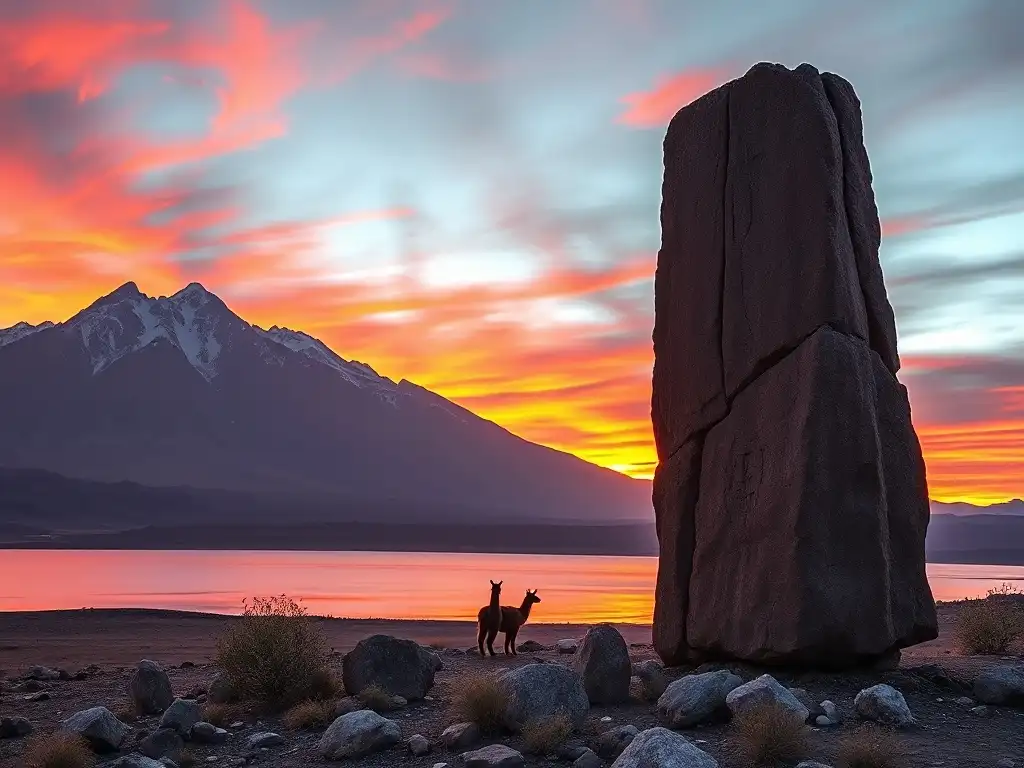
The Aymara creation story, deeply intertwined with their mythology, reveals a profound connection to the natural world. Unlike many creation myths focused solely on divine beings, the Aymara narrative emphasizes the integral role of the environment in shaping their existence. Mountains, lakes, rivers, and the land itself are not merely backdrops but active participants in the creation and ongoing sustenance of life. The Aymara worldview sees the cosmos as a living, breathing entity, with spirits inhabiting every aspect of nature.
This animistic perspective fosters a deep respect for the environment and a sense of responsibility towards its preservation. Their understanding of the world is not one of dominion over nature, but rather of harmonious coexistence. The very act of living is viewed as a continuous interaction with the spiritual forces that permeate the natural world. This intimate relationship shapes their social structures, their agricultural practices, and their daily rituals.
The Significance of Mountains, Water, and the Land
Mountains, particularly the towering Andes, hold immense significance in Aymara cosmology. They are seen as sacred entities, the homes of powerful deities and ancestral spirits. Water, in its various forms—from glaciers and rivers to lakes and springs—is equally revered as a source of life and a conduit for spiritual energy.
The land itself, with its fertile valleys and diverse ecosystems, is considered a living organism, providing sustenance and nurturing life. The Aymara people recognize the interconnectedness of these elements, understanding that the health and well-being of one directly impacts the others. For example, the melting glaciers that feed rivers are not just a hydrological process but a spiritual event, reflecting the balance (or imbalance) within their world.
The careful management of water resources, therefore, is not simply a practical necessity but a sacred duty. Their deep respect for these elements is reflected in their traditions and rituals, ensuring their preservation for generations to come. The careful cultivation of the land and the respect shown to water sources underscore the integral role of these natural elements in their spiritual and physical lives.
How Aymara Cosmology Influences Agriculture and Daily Life
Aymara cosmology profoundly influences their agricultural practices and daily life. Their understanding of the interconnectedness of the natural world informs their farming techniques, emphasizing sustainable methods that respect the land and its resources. The timing of planting and harvesting is often determined by the celestial cycles and the movements of the sun and stars.
Prayers and offerings are made to the earth and the spirits of the mountains and waters to ensure a bountiful harvest. Their daily lives are structured around the rhythms of nature, with a deep respect for the cyclical nature of life and death, growth and decay. The very act of cultivating the land is viewed as a sacred duty, a way of participating in the continuous cycle of creation and renewal.
This holistic approach to agriculture is not just about producing food, but also about maintaining the balance and harmony of the entire ecosystem. This deep-rooted connection to the land provides a sense of belonging and purpose, shaping their cultural identity and their relationship with the world around them.
The Interconnectedness of All Living Things in Aymara Beliefs
A central tenet of Aymara belief is the interconnectedness of all living things. They see themselves as part of a larger web of life, where every element, from the smallest insect to the highest mountain, plays a vital role. This understanding fosters a deep respect for all forms of life and a sense of responsibility towards their well-being.
The concept of ayni, reciprocal exchange, is central to their worldview, emphasizing the importance of balance and harmony within the ecosystem. Actions taken against nature are viewed as actions against oneself and the community. This interconnectedness is not just a philosophical concept but a lived reality, shaping their social structures, their economic activities, and their spiritual practices.
The understanding of this web of life is crucial to understanding the Aymara reverence for the natural world and their sustainable way of life. Their worldview promotes a harmonious relationship with their environment, reflecting a deep respect for the intricate balance of the ecosystem.
Rituals for Planting and Harvesting
Planting and harvesting are not simply agricultural activities for the Aymara; they are sacred rituals imbued with deep spiritual significance. Before planting, elaborate ceremonies are performed to appease the earth spirits ( Pachamama) and to ensure a successful harvest. Offerings of coca leaves, food, and drink are made to the earth, expressing gratitude and seeking blessings.
Similar rituals accompany the harvesting process, with prayers and songs expressing thanks for the bounty received. These rituals reinforce the Aymara's deep connection to the land and their understanding of agriculture as a sacred act. The ceremonies are communal events, bringing the community together to celebrate the cycles of nature and to reaffirm their shared relationship with the land.
These rituals are not merely symbolic; they are integral to the success of their agricultural endeavors, reflecting a deep understanding of the interconnectedness between the spiritual and physical realms. The meticulous care taken in these rituals highlights the deep reverence the Aymara hold for the land and its bounty.
The Influence of Aymara Mythology on Contemporary Culture
Aymara mythology continues to exert a powerful influence on contemporary Aymara culture, shaping their worldview, social structures, and artistic expressions. The enduring legacy of their creation story and other myths is evident in various aspects of their daily lives. Their rich oral traditions, artistic creations, and social practices all reflect the enduring power of their mythological beliefs. The stories passed down through generations serve as a vital link to their ancestral heritage, reinforcing their cultural identity and their connection to the land. This enduring connection to their past shapes their present and informs their future aspirations.
The Preservation of Aymara Traditions Through Oral Storytelling
Oral storytelling remains a crucial method for preserving Aymara traditions and mythology. Elders play a vital role in transmitting their rich cultural heritage to younger generations, ensuring the continuity of their beliefs and customs. These stories are not simply tales; they are living narratives that shape the Aymara worldview and provide a framework for understanding their place in the world.
The oral tradition ensures that the creation story and other mythological narratives remain relevant and meaningful in contemporary Aymara society. This dynamic process ensures that the mythology remains vibrant and adaptable to changing circumstances. The continued practice of oral storytelling is a testament to the resilience and adaptability of Aymara culture.
The Presence of Mythological Themes in Aymara Weavings and Music
Aymara mythology is vividly expressed in their intricate weavings and music. The designs on their textiles often depict mythological figures, animals, and landscapes, reflecting the importance of these elements in their cosmology. Similarly, their music incorporates themes and motifs drawn from their creation story and other myths, expressing their beliefs and values through song and rhythm.
These artistic expressions serve as a visual and auditory record of their cultural heritage, transmitting their stories and beliefs across generations. The artistry involved in these creations demonstrates a deep understanding and appreciation for their cultural heritage. The intricate details and symbolic representations in their weavings and music reveal the depth and richness of their mythological worldview.
The Ongoing Relevance of Aymara Cosmology in Modern Life
Aymara cosmology remains profoundly relevant in modern life, providing a framework for understanding the world and their place within it. Their traditional beliefs and practices continue to shape their social interactions, their environmental stewardship, and their relationship with the natural world. Despite the challenges of globalization and modernization, the Aymara people have successfully integrated their traditional beliefs into their contemporary lives.
Their resilience and adaptability are a testament to the enduring power of their cosmology. This integration is not a passive preservation but a dynamic process of adaptation and reinterpretation, ensuring the continued relevance of their traditional beliefs in a changing world. The ongoing relevance of Aymara cosmology highlights its adaptability and enduring significance in modern Aymara society.
The Celebration of Pachamama Day
Pachamama Day, a celebration honoring Mother Earth, is a testament to the enduring importance of Aymara cosmology. This annual event is a vibrant expression of their deep-rooted connection to the land and their reverence for the natural world. The celebrations involve offerings, prayers, and communal feasts, reinforcing the Aymara's commitment to environmental stewardship and their understanding of the interconnectedness of all living things.
The celebration of Pachamama Day is a powerful demonstration of the vitality of Aymara traditions and their enduring relevance in the modern world. The widespread participation in this event highlights the enduring significance of their cosmology in contemporary Aymara life, underscoring its continued relevance and influence.
Conclusion: Understanding the Richness of Aymara Creation Story Mythology
The Aymara creation story, far from being a simple narrative, offers a profound insight into the Aymara worldview. It's a complex tapestry woven with threads of cosmology, social structure, and spiritual beliefs. The narrative's emphasis on duality—light and darkness, male and female, the upper and lower worlds—reflects the Aymara understanding of a balanced universe, where opposing forces are interconnected and essential for maintaining harmony.
The story's enduring presence in Aymara culture speaks volumes about its continued relevance and power. It serves not only as an explanation of origins but also as a guide for living, reminding the Aymara people of their connection to the land, their ancestors, and the spiritual forces that shape their world. The intricate details, the symbolic meanings embedded within the narrative, and the variations across different communities highlight the richness and dynamism of Aymara oral traditions.
Understanding this creation myth provides a crucial key to unlocking a deeper comprehension of Aymara identity, values, and cultural practices. It's a testament to the enduring power of storytelling in preserving and transmitting cultural knowledge across generations. The Aymara creation story is not merely a historical artifact; it is a living, breathing entity, constantly evolving and adapting while retaining its core essence.
Further Exploration: Resources for Learning More About Aymara Culture and Beliefs
For those eager to delve deeper into the fascinating world of Aymara culture and beliefs, numerous avenues for exploration exist. While specific academic journals and specialized libraries hold extensive research on Aymara mythology and cosmology, access to these resources might require dedicated research efforts. Ethnographic studies, often available in university archives or online databases, offer valuable firsthand accounts of Aymara traditions and perspectives.
These studies provide detailed descriptions of rituals, ceremonies, and social practices, enriching the understanding of the creation story's context within the broader Aymara cultural framework. Furthermore, seeking out books and documentaries focused on Andean cultures can broaden one's knowledge base, particularly those focusing on Aymara communities and their unique perspectives. Engaging with Aymara artists and artisans, whose work often reflects their cultural heritage and spiritual beliefs, can also offer a powerful and immersive learning experience.
Remember to approach these resources with respect and sensitivity, acknowledging the sacred nature of Aymara traditions and the importance of preserving cultural integrity. By engaging with these diverse resources, one can gain a comprehensive understanding of the Aymara creation story and its enduring significance within the vibrant tapestry of Andean civilization. The journey of learning about Aymara culture is a continuous process of discovery, offering rich rewards for those who approach it with an open mind and a respectful heart.
- Introduction to Aymara Cosmovision
- The Aymara Pantheon: Key Deities and Their Roles
- The Aymara Creation Story: Origin Myths and Legends
- Spirits and Supernatural Entities in Aymara Beliefs
- Aymara Mythology and Its Connection to the Natural World
- The Influence of Aymara Mythology on Contemporary Culture
- Conclusion: Understanding the Richness of Aymara Creation Story Mythology
- Further Exploration: Resources for Learning More About Aymara Culture and Beliefs
Frequently Asked Questions
What is the Aymara creation story about?
The Aymara creation myth describes the emergence of the world from a watery chaos. It features powerful creator deities who shaped the land and brought forth humanity. The story emphasizes a cyclical view of time and the interconnectedness of all things.
Who are the main deities in Aymara mythology?
Key figures include Tata Inti (Sun God) and Mama Killa (Moon Goddess), representing fundamental forces of nature. Other important deities govern elements like water, mountains, and the underworld. Their actions and interactions shape the Aymara worldview.
How does the Aymara creation story relate to the Andean landscape?
The narrative is deeply intertwined with the Andean geography. Sacred mountains, lakes, and other geographical features play crucial roles in the creation myth, reflecting the Aymara people's close relationship with their environment.
What are some key elements of Aymara cosmology?
Aymara cosmology involves a multi-layered universe, encompassing the upper world, the earthly realm, and the underworld. It emphasizes the interconnectedness of all beings and the importance of maintaining balance within this cosmic order. Rituals and offerings are central to this belief system.
How does the Aymara creation story differ from other Andean creation myths?
While sharing some common themes with other Andean cultures, the Aymara creation myth has its unique characteristics and details. The specific deities, their roles, and the narrative structure distinguish it from myths of the Inca, Nazca, or Tiwanaku civilizations, highlighting the diversity within Andean mythology.
Final Reflection: Echoes of the Andes: Aymara Mythology's Enduring Legacy
The intricate tapestry of Aymara mythology, woven from threads of cosmology, ancestor veneration, and a profound connection to the Andean landscape, remains strikingly relevant today. Its enduring power lies not just in its captivating narratives, but in its ability to illuminate the human experience across cultures and time, offering a unique perspective on our relationship with the natural world and our place within the cosmos. The stories of Pachamama, Viracocha, and the celestial beings continue to resonate, reminding us of the enduring power of myth to shape our understanding of ourselves and the world around us.
The Aymara creation story, with its emphasis on balance, reciprocity, and respect for the earth, offers a powerful counterpoint to modern anthropocentric worldviews. It challenges us to reconsider our impact on the environment and to embrace a more holistic understanding of interconnectedness. The earth is not something we own; it is something we belong to.
This sentiment, though not directly from Aymara tradition, perfectly encapsulates the deep respect for nature inherent in their mythology and serves as a potent reminder of our responsibility as stewards of the planet.
Consider the enduring power of these myths. How can the wisdom embedded within the Aymara creation story inform your own perspective on life, community, and the environment? Let the echoes of the Andes resonate within you, inspiring a deeper appreciation for the rich tapestry of human experience and a renewed commitment to living in harmony with the world around us. Embrace the lessons of balance and reciprocity, and let the spirit of Pachamama guide you towards a more sustainable and meaningful future.
Uncover the Mysteries of Aymara Mythology!
Thank you for exploring the fascinating world of Aymara mythology! Delving into the intricate web of gods, spirits, and creation myths offers a unique window into a rich cultural heritage. Let's build on this foundation and explore further!
- Deepen your understanding: Learn more about the individual Aymara deities and spirits, and discover their enduring relevance in modern Aymara society.
- Share the wonder: Discuss your favorite Aymara myth with friends, family, or online communities – let's collectively celebrate the wisdom and magic embedded in these ancient narratives!
- Experience Aymara culture firsthand: Seek out local cultural events or online resources to engage with Aymara traditions and spirituality.
How has exploring Aymara mythology broadened your perspective on diverse cultures and belief systems?