
Aymara Intangible Heritage: Safeguarding Traditions and Knowledge

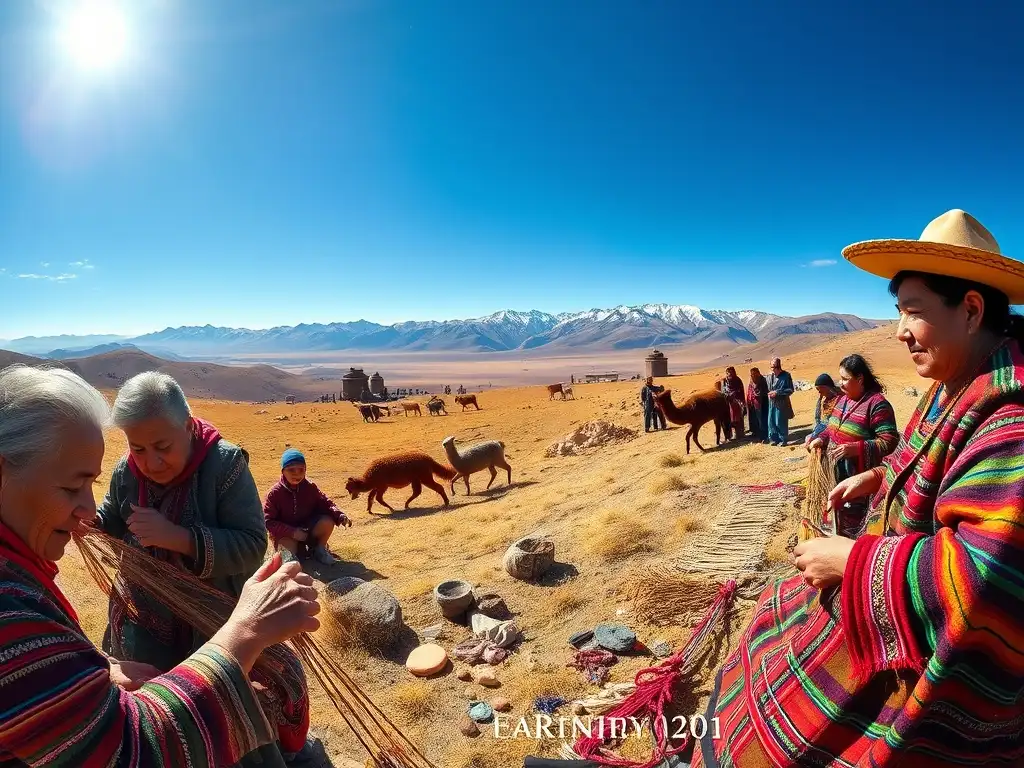
Step into a world lost to time, yet echoing with vibrant life. Discover the breathtaking legacy of the Andean civilizations, from the towering heights of the Inca empire to the intricate artistry of the Nazca lines. But there's a story waiting to be unearthed, a thread woven through millennia of cultural resilience: the Aymara culture intangible heritage. Prepare to be captivated as we delve into the fascinating preservation of their traditions and knowledge – a journey that will leave you pondering the enduring power of a people and their heritage. Learn more about this vital aspect of Andean history.
The Aymara people, inhabiting the Andean highlands of Bolivia, Peru, and Chile, possess a vibrant and enduring cultural heritage deeply intertwined with their unique language and ancestral lands. This article delves into the significant aspects of Aymara intangible heritage, exploring the challenges faced in its preservation and the crucial efforts underway to safeguard these invaluable traditions and knowledge for future generations.
We will examine the multifaceted nature of this heritage, encompassing everything from oral traditions and rituals to traditional medicine and artistic expressions, all of which contribute to the rich tapestry of Aymara identity and cultural resilience. Understanding the significance of Aymara intangible heritage is crucial not only for appreciating the unique contributions of this Andean civilization but also for promoting cultural diversity and sustainable development in the region.
The preservation of this heritage is a testament to the enduring spirit of the Aymara people and their commitment to passing down their legacy to their descendants.
Oral Traditions and Storytelling
Aymara oral traditions are a cornerstone of their intangible heritage. Stories, myths, and legends are passed down through generations, often accompanied by music and dance, acting as repositories of historical knowledge, moral instruction, and spiritual beliefs. These narratives are not merely entertainment; they are vital tools for maintaining cultural identity and transmitting values.
The rich tapestry of Aymara storytelling includes epic poems, creation myths detailing the origins of the world and their ancestors, and cautionary tales that serve as guides for navigating life's challenges. The intricate details within these narratives, often reflecting the harsh realities and spiritual beliefs of their environment, showcase the deep connection between the Aymara and their ancestral lands. Sadly, the increasing influence of globalization and the dominance of Spanish threaten the continuity of these oral traditions.
Efforts to document and archive these stories, through both written transcriptions and audio-visual recordings, are crucial for their preservation. Furthermore, encouraging younger generations to actively participate in storytelling events and workshops is vital for ensuring the longevity of this vital aspect of Aymara culture.
Traditional Music and Dance
The rhythmic pulse of Aymara music and dance is inseparable from their daily lives and spiritual practices. Traditional instruments, such as the siku (panpipes), charango (a small guitar-like instrument), and various drums, create a unique soundscape that reflects the Andean landscape and cosmology. These musical forms are often deeply intertwined with specific rituals, ceremonies, and celebrations, reinforcing social bonds and expressing communal identity.
Many dances tell stories, enacting myths or historical events, while others serve as expressions of joy, sorrow, or spiritual devotion. The intricate steps and movements, often performed in vibrant costumes, are a testament to the artistic expression and skill of the Aymara people.
However, like many aspects of intangible heritage, the changing socio-economic landscape and the influence of modern media pose a considerable threat to the continuation of these traditional art forms. Initiatives promoting the teaching of traditional music and dance to younger generations, as well as the organization of cultural festivals and performances, are essential for safeguarding this invaluable part of Aymara heritage.
Traditional Medicine and Knowledge of Nature
The Aymara possess a rich tradition of herbal medicine and knowledge of the natural world. Their understanding of medicinal plants, their properties, and their application in healing practices has been passed down through generations. This intimate knowledge is not merely a collection of remedies; it represents a holistic approach to health, emphasizing the interconnectedness between humans, nature, and the spiritual realm.
Traditional healers, often women, play a crucial role in their communities, providing both physical and spiritual healing. This deep understanding of medicinal plants and their applications is increasingly recognized for its potential contribution to modern medicine, particularly in the discovery of new pharmaceuticals. However, the loss of traditional knowledge due to modernization and the encroachment of Western medicine pose a significant challenge to the preservation of this valuable heritage.
Efforts to document and study this knowledge, while respecting traditional practices and intellectual property rights, are crucial for safeguarding this aspect of Aymara heritage and exploring its potential benefits for human health. The preservation of this knowledge is not only vital for the Aymara community but also for the global scientific community.
Challenges and Strategies for Preservation
Preserving Aymara intangible heritage presents numerous challenges. Globalization, migration, and the dominance of Spanish pose significant threats to the transmission of traditional knowledge and practices. Furthermore, economic pressures and the allure of modern lifestyles can lead younger generations to abandon traditional ways of life. However, various strategies are being implemented to address these challenges. These include:
- Documentation and Archiving: Systematically recording oral traditions, music, dance, and medicinal knowledge through written texts, audio-visual recordings, and digital databases.
- Education and Awareness: Integrating Aymara intangible heritage into school curricula and promoting public awareness through cultural events and educational programs.
- Community Participation: Engaging Aymara communities actively in the preservation efforts, ensuring that initiatives are culturally sensitive and relevant.
- International Collaboration: Working with international organizations and institutions to promote the recognition and protection of Aymara intangible heritage.
The effective safeguarding of Aymara intangible heritage requires a multifaceted approach that combines traditional knowledge with modern technologies and a deep respect for the cultural values and aspirations of the Aymara people. Only through collaborative efforts and a commitment to cultural sustainability can this invaluable heritage be preserved for future generations.
- Oral Traditions and Storytelling
- Traditional Music and Dance
- Traditional Medicine and Knowledge of Nature
- Challenges and Strategies for Preservation
- Community-Based Initiatives for Cultural Preservation
- Government Programs Supporting Aymara Heritage
- The Role of Education in Cultural Transmission
- International Recognition and Protection of Aymara Heritage
- Community-Based Initiatives for Aymara Heritage Preservation
- Challenges and Opportunities in Preserving Aymara Intangible Heritage
Understanding Aymara Culture and its Intangible Heritage
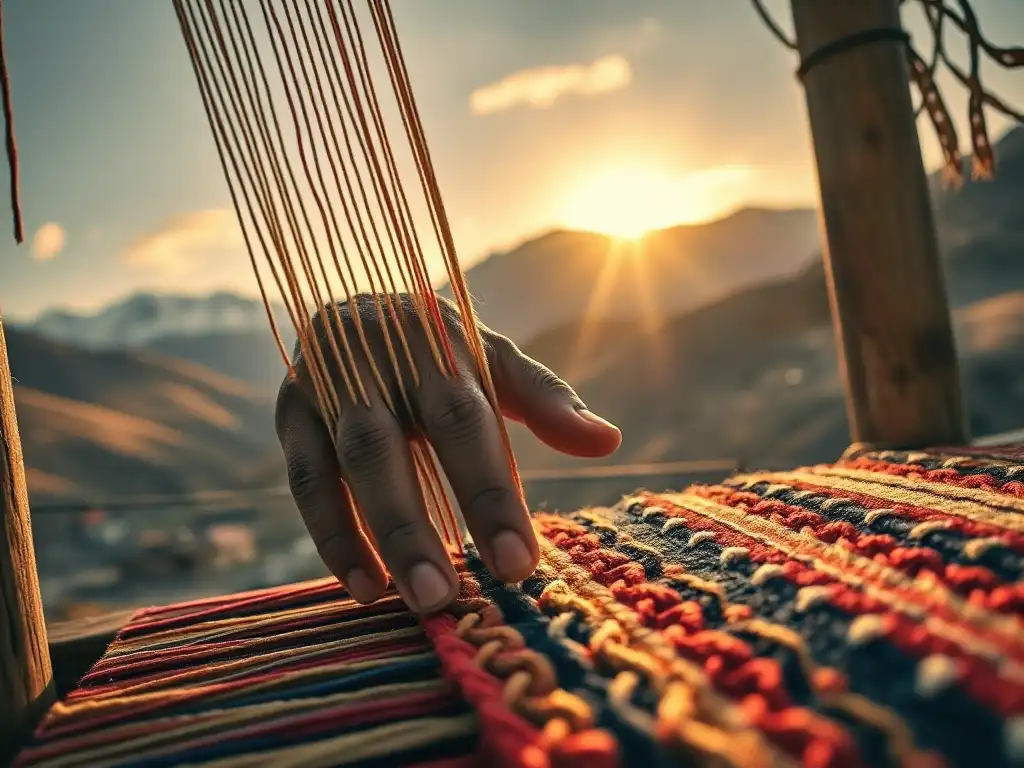
This section delves into the multifaceted nature of Aymara intangible cultural heritage, exploring its definition, significance, and the crucial role of oral traditions in its preservation. We will examine how these intangible aspects contribute to the unique identity and resilience of the Aymara people, a vital component of Andean cultural heritage. Understanding the nuances of Aymara culture requires acknowledging its intangible elements—those aspects that are not physical but nonetheless shape the community's identity and worldview. This includes the complex interplay of beliefs, practices, expressions, knowledge, and skills passed down through generations.
Defining Aymara Intangible Cultural Heritage
Aymara intangible cultural heritage encompasses a broad spectrum of non-physical elements that define the Aymara cultural identity. This includes, but is not limited to:
- Oral traditions: Narratives, myths, legends, songs, and proverbs that transmit history, values, and beliefs across generations. These oral traditions often serve as a powerful tool for social cohesion and cultural transmission, acting as the backbone of Aymara identity.
- Performing arts: Traditional dances, music, and theatrical performances that express cultural values, beliefs, and historical events. The vibrant colors and rhythmic movements often tell stories of ancient rituals and societal structures. These performances are not merely entertainment; they are integral to social life and spiritual practices.
- Social practices, rituals, and festive events: These encompass ceremonies, celebrations, and social customs that reflect Aymara worldview and social organization. Examples include rituals related to agriculture, ancestral veneration, and community gatherings. These events reinforce social bonds and transmit cultural knowledge implicitly.
- Knowledge and practices concerning nature and the universe: This includes traditional medicine, agricultural techniques, astronomical knowledge, and environmental management practices that have been developed and refined over centuries. These represent a deep understanding of the natural world and its relationship to human life.
- Traditional craftsmanship: The skills and techniques involved in creating traditional Aymara art, textiles, and other objects. This includes intricate weaving techniques, pottery making, and metalwork, each imbued with symbolic meaning and cultural significance. These crafts are not merely utilitarian; they are expressions of artistic skill and cultural identity.
The Significance of Preserving Aymara Traditions
Preserving Aymara intangible cultural heritage is paramount for several reasons. First, it safeguards the unique identity and cultural diversity of the Aymara people. The loss of these traditions would represent a significant loss to the global cultural landscape. Second, it ensures the continuity of knowledge and practices that are often essential for community well-being, particularly in areas such as traditional medicine and sustainable agriculture.
Third, preserving this heritage fosters a sense of pride and belonging among Aymara communities, strengthening social cohesion and promoting cultural resilience. The continued practice of these traditions helps maintain a strong connection to their ancestral past and fosters a sense of continuity for future generations. Finally, the preservation of Aymara intangible heritage contributes to the richness and diversity of global cultural expression. The unique perspectives and practices of the Aymara people enrich our understanding of humanity's diverse cultural tapestry.
The Role of Oral Traditions in Aymara Culture
Oral traditions are the cornerstone of Aymara cultural transmission. They serve as the primary means of transmitting history, values, beliefs, and knowledge across generations. These traditions are not merely stories; they are living expressions of Aymara identity and worldview, shaping social norms and behaviors. The narratives, songs, and proverbs passed down orally encode deep cultural meanings and historical events, often serving as a moral compass and a guide for community life.
These oral traditions are often performed during communal gatherings, reinforcing social bonds and strengthening community cohesion. The loss of these oral traditions would represent a catastrophic loss of Aymara cultural memory and identity. Their continued preservation is crucial for the survival and flourishing of Aymara culture. Efforts to document and preserve these traditions, using methods such as audio and video recordings and written transcriptions, are vital for ensuring their longevity.
Furthermore, fostering intergenerational dialogue and encouraging young people to learn and participate in these traditions is crucial for their continued vitality. The vibrancy of Aymara culture is directly linked to the strength and continuity of its oral traditions. Their preservation is not merely an academic exercise; it is an act of cultural safeguarding with profound social and cultural implications.
Key Elements of Aymara Intangible Heritage
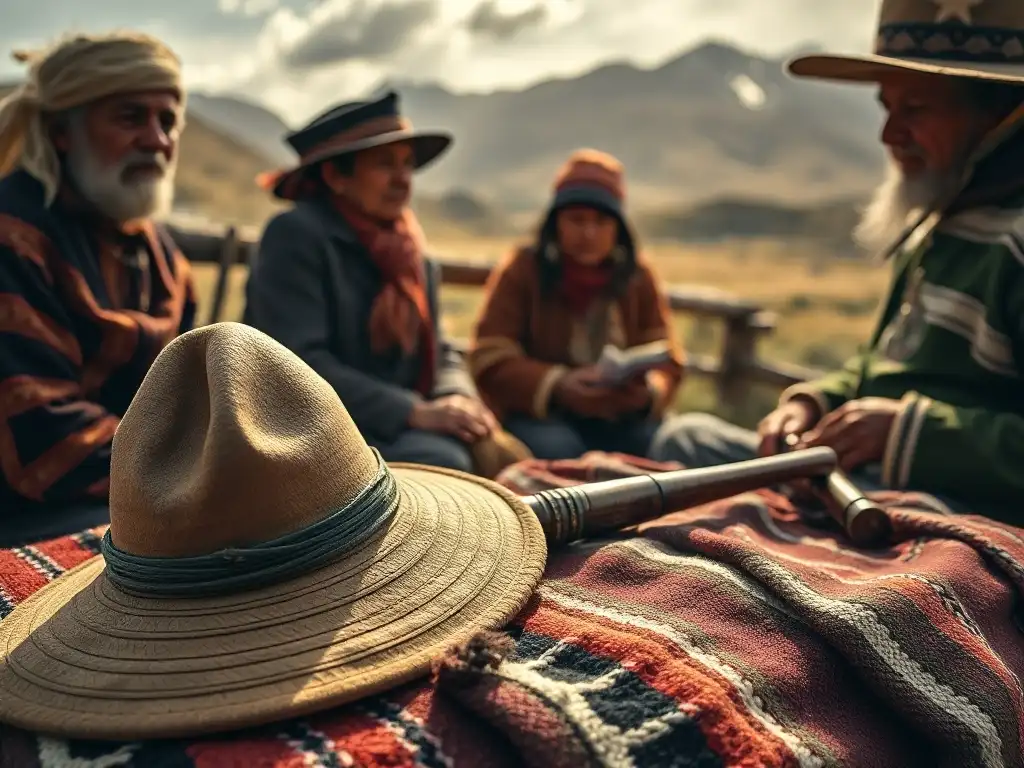
The Aymara people, inhabiting the Andean highlands of Bolivia, Peru, and Chile, possess a rich and vibrant intangible cultural heritage, a legacy passed down through generations. Understanding and preserving this heritage is crucial for maintaining their cultural identity and ensuring its continuity for future generations. This section will delve into some key aspects of this invaluable Aymara cultural inheritance, focusing on elements that contribute significantly to their unique identity and worldview. The safeguarding of this Aymara culture intangible heritage requires concerted efforts from various stakeholders, including the Aymara communities themselves, governmental organizations, and international bodies.
Aymara Traditional Music and Dance
Aymara traditional music and dance are integral parts of their social fabric, reflecting their history, beliefs, and daily life. The music, often characterized by its haunting melodies and rhythmic complexity, is typically performed using traditional instruments such as the siku (panpipes), charango (a small Andean lute), and tarka (a type of flute). These instruments aren't merely musical tools; they are imbued with cultural significance, often associated with specific rituals or ceremonies.
The dances themselves are equally expressive, often involving intricate steps and movements that tell stories or represent historical events. For example, the diablada, while sometimes associated with broader Andean traditions, has variations within Aymara communities, reflecting unique local beliefs and narratives. These dances are not simply entertainment; they are vital components of community gatherings, religious festivals, and celebrations of life cycles. The preservation of these musical and dance traditions requires not only the documentation of the music and choreography but also the transmission of the knowledge and skills to younger generations.
Unfortunately, the influence of modern media and globalization poses a significant challenge to the continued practice and transmission of these invaluable aspects of Aymara culture. Further research is needed to fully document the diverse range of Aymara musical styles and dance forms across different communities. [Specific information pending: Detailed regional variations of Aymara music and dance].
Aymara Textile Art and Weaving Techniques
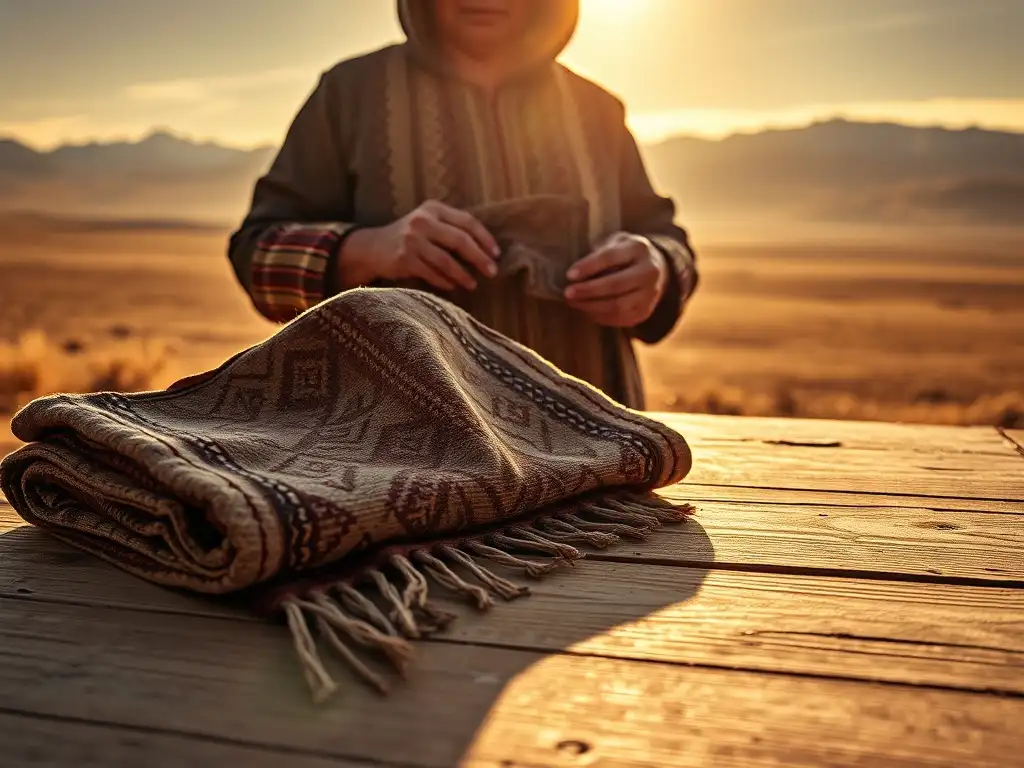
Aymara textile art is renowned for its vibrant colors, intricate designs, and complex weaving techniques. The textiles are not merely functional; they are imbued with symbolic meaning, often reflecting cosmological beliefs, social status, or historical events. The process of creating these textiles is a highly skilled craft, passed down through generations of women within Aymara communities.
The use of natural dyes derived from plants and minerals is a hallmark of Aymara textile traditions. These dyes not only produce a wide range of stunning colors but also contribute to the environmental sustainability of the craft. The intricate designs, often incorporating geometric patterns and symbolic motifs, are woven using traditional techniques, some dating back centuries.
These techniques require years of apprenticeship to master, highlighting the depth of knowledge embedded within this aspect of Aymara intangible heritage. The challenge lies in ensuring the continuity of these traditional weaving techniques in the face of competition from mass-produced textiles and the changing economic realities of Aymara communities. The preservation of this art form requires support for Aymara artisans, promoting their products, and fostering educational programs that transmit these vital skills to younger generations.
The documentation of these techniques and designs is also crucial for future research and preservation efforts. [Specific information pending: Detailed analysis of symbolic meanings in Aymara textile designs].
Aymara Traditional Medicine and Healing Practices
Aymara traditional medicine represents a holistic approach to health and well-being, deeply intertwined with their spiritual beliefs and understanding of the natural world. It relies on a complex system of knowledge encompassing the use of medicinal plants, therapeutic rituals, and spiritual healing practices. This knowledge is often passed down orally within families and communities, making its preservation particularly crucial.
The use of medicinal plants forms a significant part of Aymara traditional medicine. A vast knowledge of the properties and applications of various plants is held within Aymara communities, allowing them to treat a wide range of ailments. This knowledge is not simply a collection of recipes; it is a complex understanding of the relationship between humans, plants, and the spiritual world. Alongside herbal remedies, Aymara healers also utilize therapeutic rituals and spiritual practices to address illness.
These rituals often involve the use of prayers, offerings, and the invocation of spirits. The preservation of this traditional knowledge is essential not only for the health and well-being of Aymara communities but also for the broader field of ethnobotany and traditional medicine. Further research is needed to document and analyze the efficacy and safety of Aymara medicinal practices.
[Specific information pending: Detailed inventory of medicinal plants used in Aymara traditional medicine and their therapeutic applications]. The integration of traditional Aymara medicine with modern healthcare systems presents both challenges and opportunities for improving healthcare access and cultural sensitivity in the region. Careful consideration must be given to ensuring that traditional knowledge is respected and integrated appropriately.
Aymara Oral Storytelling and Legends
Aymara oral tradition is a vibrant tapestry woven with myths, legends, and historical accounts passed down through generations. These narratives, often told during community gatherings or family celebrations, are not mere entertainment; they are vital tools for transmitting cultural values, social norms, and historical memory. The stories themselves are rich in symbolism, reflecting the Aymara worldview and their deep connection to the Andean landscape. For example, legends about the origin of the cosmos often feature sacred mountains and celestial bodies, highlighting the importance of these elements in Aymara cosmology.
These narratives also serve a practical purpose, teaching valuable lessons about survival, cooperation, and respect for nature. Many stories caution against greed or disrespect for the land, emphasizing the interconnectedness of humans and their environment. The preservation of these oral traditions is crucial for maintaining Aymara cultural identity and transmitting knowledge across generations. The intricate details within each story, the nuances of the language used, and the dramatic delivery all contribute to the richness and enduring power of Aymara oral storytelling.
Efforts to document and archive these stories, both through written transcriptions and audio recordings, are essential for safeguarding this invaluable aspect of Aymara intangible heritage. Furthermore, initiatives that encourage younger generations to learn and share these stories are vital for the continued vitality of this ancient tradition. The loss of these stories would represent a significant loss not only for the Aymara people but for the broader understanding of Andean cultures.
Aymara Agricultural Practices and Knowledge
Aymara agricultural practices represent a sophisticated and sustainable approach to farming developed over millennia in the challenging Andean environment. Their knowledge encompasses a deep understanding of the complex interplay between altitude, climate, soil type, and water management. Traditional techniques like waru waru (raised-field agriculture) and anda (terracing) demonstrate remarkable ingenuity in maximizing crop yields in harsh conditions. These methods not only increase productivity but also help conserve water and prevent soil erosion.
The Aymara possess a vast body of knowledge about different crop varieties adapted to specific microclimates, and their understanding of plant cycles and seasonal variations is essential for successful cultivation. This knowledge is not simply a set of techniques; it's a holistic system encompassing traditional seed selection, crop rotation, and pest control methods that minimize environmental impact. The passing down of this knowledge, often through apprenticeship and hands-on learning within families and communities, ensures the continuity of these sustainable practices. However, modern agricultural practices and market pressures pose significant threats to the preservation of traditional Aymara farming techniques.
The adoption of chemical fertilizers and pesticides can degrade soil health and biodiversity, while the shift towards monoculture farming can undermine the resilience of traditional polyculture systems. Preserving Aymara agricultural knowledge is crucial not only for maintaining their cultural heritage but also for promoting sustainable and climate-resilient agricultural practices that can benefit broader communities. Documenting and sharing this knowledge, including through educational programs and workshops, is vital for ensuring its continued relevance and application in the face of modern challenges. The Aymara's deeply rooted understanding of their environment offers valuable lessons for sustainable agriculture worldwide.
Challenges to Aymara Intangible Heritage Preservation
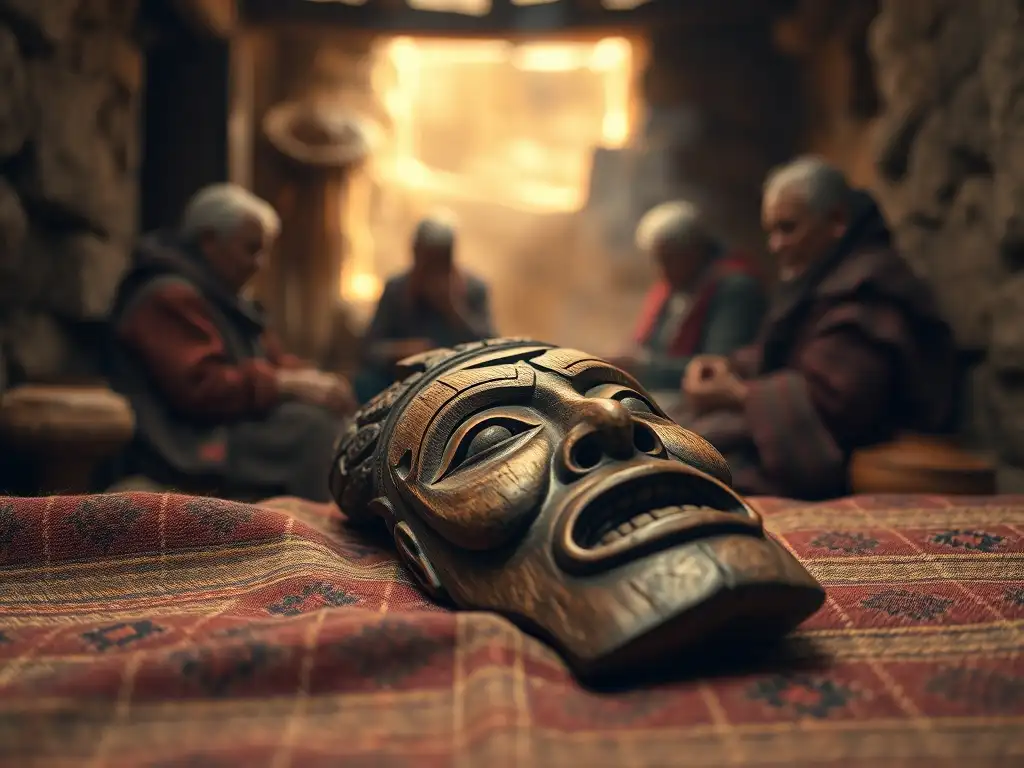
The preservation of Aymara intangible heritage faces numerous significant challenges in the modern era. These challenges are multifaceted, stemming from the complex interplay of modernization, globalization, and internal societal shifts. Effective safeguarding requires a nuanced understanding of these threats and the development of targeted strategies to mitigate their impact. The following sections delve into specific areas of concern, highlighting the urgency of preserving this vital cultural legacy for future generations. Understanding these challenges is the first step towards creating effective solutions for the protection of Aymara culture intangible heritage.
Impact of Modernization on Aymara Culture
Modernization, while often associated with progress, presents a significant threat to the delicate balance of traditional Aymara life. The influx of Western technologies and lifestyles has led to a gradual erosion of traditional practices and beliefs. For example, the increasing reliance on Western medicine has diminished the role of traditional healers and their profound knowledge of medicinal plants.
Similarly, the adoption of modern agricultural techniques often leads to a decline in traditional farming methods, impacting not only agricultural practices but also the associated rituals and social structures. The shift from traditional building materials to concrete and steel also alters the physical landscape and diminishes the significance of traditional architecture, which often embodies deep cultural meaning. This isn't simply a loss of technique; it's a loss of the interconnectedness between daily life and spiritual understanding inherent in Aymara culture.
The younger generations, increasingly exposed to globalized media and urban lifestyles, may find traditional ways of life less appealing, leading to a decline in the transmission of knowledge and skills across generations. This cultural shift poses a serious risk to the long-term sustainability of Aymara intangible heritage. Quantifying this impact requires detailed ethnographic studies focusing on specific communities and their changing practices over time.
Loss of Traditional Knowledge and Practices
The transmission of Aymara intangible heritage, including oral traditions, traditional medicine, music, and dance, relies heavily on intergenerational learning. However, factors such as migration to urban centers, educational systems that prioritize national languages over Aymara, and the increasing dominance of global media threaten this crucial knowledge transfer. The decline in the use of the Aymara language itself poses a significant risk, as many aspects of the intangible heritage are intrinsically linked to the language.
With fewer fluent speakers, the richness of oral histories, songs, and traditional stories are at risk of being lost forever. The knowledge of traditional crafts, such as weaving, pottery, and silverwork—which often hold symbolic and spiritual significance—is also dwindling as younger generations opt for alternative livelihoods. This loss represents not only a decline in artistic expression but also a severance from deeply rooted cultural practices and beliefs.
Documentation efforts, including oral history projects and the creation of digital archives, are crucial for mitigating this loss, but active engagement with younger generations is essential to ensure the continued transmission of this invaluable knowledge. [Specific data on the number of fluent Aymara speakers and the rate of decline needed].
The Effects of Globalization on Aymara Identity
Globalization, characterized by increased interconnectedness and cultural exchange, presents both opportunities and challenges for Aymara culture. While exposure to global markets can offer economic benefits, it can also lead to the homogenization of cultural expressions. The influx of foreign goods and media can overshadow local traditions, leading to a decline in the demand for traditional crafts and artistic expressions. The adoption of globalized consumerism can also undermine traditional values and social structures, further contributing to the erosion of Aymara identity.
The pressure to conform to global standards can lead to a sense of cultural inferiority among younger generations, causing them to reject their heritage in favor of perceived more “modern” lifestyles. Furthermore, the dominance of global languages and media can marginalize the Aymara language and its associated cultural practices. Preserving Aymara identity in the face of globalization requires a proactive approach that celebrates the unique aspects of Aymara culture while fostering a sense of pride and self-worth among its people.
Strategies that promote cultural tourism and support local artisans can play a vital role in safeguarding Aymara intangible heritage and fostering a sustainable future for this rich culture. The impact of globalization on Aymara identity requires further research to understand its nuanced effects on different communities. Careful consideration must be given to balancing economic development with the preservation of cultural integrity.
Economic Pressures and Cultural Erosion
The preservation of Aymara intangible heritage faces significant challenges stemming from economic pressures and resulting cultural erosion. Many Aymara communities are grappling with poverty and limited economic opportunities, forcing younger generations to migrate to urban centers in search of better livelihoods. This exodus weakens the transmission of traditional knowledge and practices, as elders—the keepers of cultural memory—are left with fewer individuals to pass their skills and wisdom onto. The allure of modern lifestyles and the perceived higher earning potential in urban areas further contributes to this cultural shift, leading to a decline in the active participation in traditional Aymara ceremonies, artistic expressions, and agricultural practices.
This isn't simply a matter of losing specific skills; it's about the erosion of a holistic worldview deeply ingrained in the Aymara way of life. For example, the intricate knowledge of Andean agriculture, passed down through generations, is slowly being replaced by more industrialized farming techniques, leading to a loss of biodiversity and traditional crop varieties. This economic pressure not only impacts the sustainability of Aymara culture but also threatens the unique biodiversity associated with their traditional farming methods. The resulting loss is not only cultural but also environmental.
Furthermore, the influx of mass-produced goods and globalized media often overshadows and diminishes the value of locally produced Aymara crafts and artistic expressions, further hindering economic sustainability for those who continue to practice these traditions. The challenge lies in finding a balance between economic development and cultural preservation, ensuring that the economic empowerment of Aymara communities does not come at the expense of their rich intangible heritage. Initiatives that promote sustainable economic activities that integrate and celebrate Aymara traditions are crucial for addressing this complex challenge.
Efforts to Safeguard Aymara Intangible Heritage

The preservation of Aymara intangible heritage is a multifaceted endeavor, requiring collaborative efforts from communities, governments, and educational institutions. The unique aspects of Aymara culture – its rich oral traditions, vibrant textile arts, intricate musical forms, and profound cosmological beliefs – are not merely historical artifacts; they are living expressions of identity and resilience. Their survival depends on ongoing commitment and strategic action.
This section explores key initiatives aimed at safeguarding this invaluable cultural legacy for future generations. Understanding these efforts is crucial for appreciating the complexity and importance of preserving Aymara cultural heritage. The keyword "Aymara culture intangible heritage" is central to this discussion, highlighting the urgency and significance of these preservation projects.
Community-Based Initiatives for Cultural Preservation
Aymara communities themselves are at the forefront of preserving their intangible heritage. Numerous grassroots organizations and community groups actively work to document, transmit, and celebrate their cultural traditions. These initiatives often focus on participatory methods, empowering Aymara people to lead the efforts to safeguard their own cultural expressions. For example, many communities organize annual festivals showcasing traditional music, dance, and storytelling. These events not only entertain but also serve as vital spaces for intergenerational knowledge transfer, ensuring the continuity of Aymara traditions.
Furthermore, many communities are developing their own museums and cultural centers, showcasing traditional crafts, artifacts, and oral histories. These spaces provide both a repository for cultural heritage and a platform for educating younger generations about their cultural roots. The creation of these spaces is often a collaborative effort, involving community members of all ages and skill sets. This collaborative approach fosters a sense of ownership and responsibility, reinforcing the importance of cultural preservation within the community. The success of these community-led initiatives demonstrates the vital role of local engagement in the protection of Aymara culture's intangible aspects.
Government Programs Supporting Aymara Heritage
Recognizing the importance of preserving Aymara intangible heritage, several government programs in [Country Name(s) pending] have been implemented to support these efforts. These programs often involve funding for cultural projects, the development of educational materials, and the creation of legal frameworks to protect traditional knowledge and expressions. Specific examples include [Details of specific government programs pending, including funding amounts, target areas, and success metrics]. These programs aim to not only document and preserve existing cultural practices but also to foster the creation of new cultural expressions rooted in Aymara traditions.
However, the effectiveness of these government programs often depends on community participation and collaboration. A successful strategy requires a balance between top-down initiatives and bottom-up community-driven projects. The challenges often include securing adequate funding, navigating bureaucratic processes, and ensuring the programs genuinely reflect the needs and priorities of the Aymara communities themselves.
The Role of Education in Cultural Transmission
Education plays a crucial role in transmitting Aymara intangible heritage to future generations. Integrating Aymara language, history, and cultural practices into the formal education system is vital for fostering cultural pride and ensuring the continuity of traditions. This involves developing culturally relevant curricula, training teachers proficient in Aymara language and culture, and creating educational materials that accurately and respectfully represent Aymara traditions.
Furthermore, educational initiatives can focus on promoting digital literacy and the use of technology to document and disseminate Aymara intangible heritage. This includes creating online archives of oral histories, traditional music, and other cultural expressions, making them accessible to a wider audience. This digital approach can help bridge the gap between generations and ensure the preservation of Aymara culture in the digital age.
However, challenges remain in ensuring equitable access to technology and digital literacy training within Aymara communities. Careful consideration must be given to the ethical implications of using technology to preserve intangible heritage, ensuring that it empowers communities rather than appropriating their cultural expressions. The long-term success of these educational initiatives will depend on ongoing collaboration between educators, community leaders, and technology specialists.
International Recognition and Protection of Aymara Heritage
The Aymara language and cultural practices have increasingly gained international recognition as vital components of intangible cultural heritage. This recognition stems from a growing global awareness of the importance of linguistic diversity and the need to protect indigenous knowledge systems. Several international organizations, including UNESCO, have played a crucial role in highlighting the vulnerability of Aymara heritage and advocating for its preservation. UNESCO's efforts, particularly through its programs focused on safeguarding intangible cultural heritage, have helped raise awareness among governments and communities about the significance of protecting Aymara traditions.
This international attention has led to increased funding and collaborative projects aimed at documenting, promoting, and revitalizing Aymara language and culture. The inclusion of Aymara practices on lists of endangered languages and cultural expressions serves as a powerful catalyst for action, prompting both national and international initiatives to support their continued existence. Furthermore, international recognition contributes to a sense of pride and ownership within Aymara communities, empowering them to actively participate in the safeguarding of their heritage. This collaborative approach, combining international support with local initiatives, is crucial for the long-term sustainability of Aymara intangible heritage.
The ongoing efforts highlight the growing understanding that preserving Aymara culture is not just a local concern, but a global responsibility contributing to the richness of world heritage. Specific examples of international collaborations and their impact on Aymara communities are still needed to further enrich this section. [Specific examples of international collaborations pending]
Community-Based Initiatives for Aymara Heritage Preservation
A significant aspect of safeguarding Aymara intangible heritage lies in the active participation and leadership of Aymara communities themselves. Numerous community-based initiatives are underway, focusing on various aspects of cultural preservation. These grassroots efforts often involve the transmission of traditional knowledge through storytelling, music, dance, and craft-making workshops. Elderly members of the community play a vital role in mentoring younger generations, ensuring the continuity of traditional practices.
Many communities have established cultural centers or museums dedicated to preserving and showcasing Aymara artifacts, language, and history. These centers often serve as hubs for community gatherings, educational programs, and the exchange of cultural knowledge. Moreover, several communities are actively involved in developing educational materials and resources in the Aymara language, promoting its use in schools and other settings. The success of these community-based initiatives depends heavily on community ownership and empowerment.
Support from external organizations and governments is often crucial, but the driving force behind the preservation efforts comes from within the Aymara communities themselves. The resilience and determination of Aymara communities in preserving their heritage serve as an inspiring example of cultural revitalization. Further research into specific community-led projects and their outcomes would strengthen this section. [Specific examples of community-based initiatives pending]
Challenges and Opportunities in Preserving Aymara Intangible Heritage
Despite significant efforts to preserve Aymara intangible heritage, several challenges remain. The impact of globalization and modernization poses a constant threat to traditional ways of life, leading to language loss and the erosion of cultural practices. Migration to urban areas, exposure to dominant languages, and economic pressures can all contribute to the decline of Aymara language and culture. Furthermore, the lack of resources and funding can hinder the implementation of effective preservation strategies.
The need for skilled personnel, adequate infrastructure, and sustainable funding mechanisms is crucial for long-term success. However, there are also significant opportunities for progress. The growing international recognition of Aymara heritage provides a platform for increased funding and collaborative projects. The development of digital technologies offers new avenues for documenting and disseminating Aymara language and culture, reaching wider audiences and promoting intercultural dialogue.
Moreover, the increasing involvement of younger generations in heritage preservation efforts provides hope for the future. By addressing the challenges proactively and capitalizing on the opportunities available, significant progress can be made in safeguarding Aymara intangible heritage for generations to come. A detailed analysis of specific challenges and successful strategies to overcome them would greatly enhance this section. [Specific examples of challenges and opportunities pending]
The Future of Aymara Intangible Heritage
The preservation of Aymara intangible heritage is not merely an academic pursuit; it's a vital undertaking for the continued flourishing of Aymara communities and their unique cultural identity. The challenges are significant, ranging from globalization's homogenizing effects to the pressures of modernization. However, proactive strategies, coupled with a renewed focus on community empowerment, offer a pathway towards a vibrant future for this rich cultural legacy.
Successfully navigating this path requires a multifaceted approach, encompassing education, economic development tied to cultural preservation, and robust legal frameworks that protect Aymara intellectual property rights. The ultimate goal is to ensure that future generations inherit a strong and thriving Aymara culture, one that is both resilient and adaptable in the face of change.
This requires a shift from passive preservation to active engagement, where Aymara communities are not merely objects of study, but active participants in shaping their own cultural destiny. This section will delve into specific strategies crucial for achieving this goal.
Fostering Cultural Pride and Identity
Fostering cultural pride and identity within Aymara communities is paramount to the long-term preservation of their intangible heritage. This involves more than simply celebrating traditions; it necessitates a deep understanding and appreciation of Aymara values, beliefs, and worldviews. Educational initiatives play a crucial role. Integrating Aymara language and cultural studies into school curricula, from primary to higher education, is essential.
This should go beyond mere rote learning; it needs to be engaging and relevant to students' lives, highlighting the connection between Aymara traditions and contemporary challenges. Furthermore, community-based initiatives, such as storytelling workshops, traditional music and dance classes, and artisan training programs, can empower individuals to actively participate in and contribute to their cultural heritage. These initiatives should also focus on reclaiming and celebrating the richness and diversity of Aymara cultural expressions, countering any negative stereotypes or marginalization.
The successful implementation of these programs hinges on the active involvement of Aymara communities themselves, ensuring that initiatives reflect their needs and priorities. The goal is to cultivate a sense of ownership and pride in their heritage, fostering a strong sense of cultural identity amongst the younger generations. This is crucial for ensuring the continued transmission and evolution of Aymara intangible heritage.
Promoting Sustainable Practices for Cultural Preservation
Sustainable practices are crucial for the long-term preservation of Aymara intangible heritage. This involves developing economic opportunities that are directly linked to the preservation and promotion of Aymara culture. For example, supporting Aymara artisans through fair trade practices, promoting Aymara tourism that respects cultural sensitivities, and creating markets for Aymara products, such as textiles and handicrafts, can provide economic incentives for cultural preservation. These initiatives must be carefully designed to ensure that they benefit Aymara communities directly and do not lead to the commodification or exploitation of their cultural heritage.
Furthermore, digital preservation strategies are becoming increasingly important. Documenting and archiving Aymara oral traditions, music, and other forms of intangible heritage through digital means can ensure their accessibility and longevity. However, it's crucial to involve Aymara communities in the design and implementation of these digital preservation projects to ensure that their intellectual property rights are respected and that the digital representations accurately reflect the cultural significance of the materials.
The development of sustainable practices requires collaboration between Aymara communities, government agencies, and international organizations. This collaborative approach ensures that preservation efforts are both effective and respectful of Aymara cultural values and priorities. It also promotes a sense of shared responsibility for safeguarding this invaluable heritage for future generations.
The Importance of Intergenerational Transmission of Knowledge
The intergenerational transmission of knowledge is the lifeblood of any culture, and the Aymara culture is no exception. This transmission is not simply about passing down facts and figures; it's about sharing worldviews, values, and the very essence of Aymara identity. Traditional methods of knowledge transmission, such as storytelling, apprenticeship, and ritual practices, play a vital role. However, these methods need to be supported and adapted to the realities of the modern world.
For instance, incorporating digital technologies into the transmission process can broaden access to knowledge and enhance its reach. This could involve creating online platforms for sharing Aymara stories, songs, and other forms of cultural expression. However, it is crucial to ensure that these digital platforms are developed and managed in collaboration with Aymara communities to prevent cultural misrepresentation or appropriation. Furthermore, supporting initiatives that bring together younger and older generations, such as mentorship programs and intergenerational workshops, can foster a stronger sense of continuity and connection.
These programs can provide opportunities for young people to learn from elders, gaining invaluable insights into Aymara traditions and practices. The successful transmission of knowledge depends on fostering strong family and community bonds, creating spaces for intergenerational dialogue and collaboration, and promoting a sense of shared responsibility for preserving and celebrating Aymara culture. This is essential for ensuring the vitality and continuity of Aymara intangible heritage for generations to come. The success of these efforts hinges on recognizing the crucial role of elders as keepers of knowledge and ensuring their active participation in the process.
Future Research and Documentation of Aymara Culture
The preservation of Aymara intangible heritage necessitates a robust and ongoing research agenda. Future research should focus on several key areas to ensure the complete and accurate documentation of this rich cultural tapestry. One crucial aspect is the systematic recording of oral traditions. This includes meticulously documenting Aymara myths, legends, and historical narratives, employing both traditional transcription methods and potentially innovative digital recording techniques to capture the nuances of storytelling and vocal expression.
This is particularly important given the rapid changes in communication and the potential loss of traditional storytelling practices among younger generations. The project should involve collaboration with Aymara communities, ensuring that the narratives are recorded and interpreted with respect and cultural sensitivity. Furthermore, the researchers must be trained in Aymara language and cultural protocols to avoid misinterpretations or unintentional cultural appropriation.
Another vital area for future research involves a deeper exploration of Aymara traditional knowledge systems. This encompasses a wide range of practices, from agricultural techniques adapted to the unique Andean environment to traditional medicine and healing practices. Detailed ethnographic studies are needed to understand the intricate knowledge embedded in these practices, not merely as isolated techniques, but as interconnected components of the Aymara worldview.
This research should go beyond simple description; it should analyze the underlying principles, the social contexts in which this knowledge is transmitted, and the ongoing adaptations made in response to modern challenges. For instance, research could focus on how traditional agricultural methods are being adapted to address the impacts of climate change, and how this adaptation contributes to the resilience of Aymara communities.
Finally, future research must prioritize the development of accessible and engaging resources that share Aymara culture with a wider audience. This might involve creating educational materials, documentaries, or interactive digital platforms. The goal is to present Aymara intangible heritage in a way that is both respectful and captivating, fostering appreciation and understanding. This requires careful consideration of how to communicate complex cultural concepts in a clear and accessible manner, avoiding simplification or misrepresentation.
It also necessitates establishing collaborative partnerships with museums, educational institutions, and other organizations to ensure broad dissemination of this crucial cultural information. The effective dissemination of this knowledge is vital not only for preserving Aymara heritage but also for promoting intercultural dialogue and understanding. The success of these efforts will hinge on the active participation and consent of Aymara communities at every stage of the research and documentation process.
Frequently Asked Questions
What is Aymara intangible heritage?
Aymara intangible heritage encompasses the living traditions, knowledge, and practices of the Aymara people. This includes their language, music, ceremonies, storytelling, and traditional medicine, all passed down through generations. It's a vital part of their cultural identity.
How is Aymara intangible heritage being safeguarded?
Efforts to safeguard Aymara heritage involve community-based initiatives, documentation projects, and educational programs. These aim to preserve and transmit their cultural expressions to future generations.
What are some examples of Aymara intangible cultural heritage?
Examples include Aymara language and its rich oral traditions, distinctive musical instruments and styles, and unique agricultural practices. Their intricate textile designs and traditional medicine also form a crucial part of their heritage.
Why is safeguarding Aymara intangible heritage important?
Safeguarding this heritage is crucial for preserving cultural diversity, promoting intercultural dialogue, and ensuring the continued vitality of Aymara communities and their unique identity. It also offers valuable insights into Andean history.
How can I learn more about Aymara intangible heritage?
You can explore through academic research, ethnographic studies, and by engaging with Aymara communities directly (with respect for their customs). Museums and cultural centers also often feature exhibits on Andean cultures.
Final Reflection: Weaving the Aymara Tapestry into the Future
The vibrant threads of Aymara intangible heritage, from intricate textile designs to ancient storytelling traditions, are not merely relics of the past; they are living expressions of resilience and cultural continuity in a rapidly changing world. The preservation of this heritage is not simply an academic exercise, but a vital act of safeguarding a unique and invaluable part of human history and a powerful testament to the enduring strength of indigenous communities.
The Aymara people's unwavering commitment to their traditions, despite facing immense societal pressures, is profoundly inspiring. Their ability to adapt and innovate while maintaining their cultural identity serves as a powerful example for us all. Culture is not inherited, it is achieved,
– this quote, though not directly from an Aymara source, speaks to the active and ongoing process of cultural preservation that we've explored. The ongoing struggle to protect Aymara knowledge and practices highlights the importance of understanding and respecting the diverse cultural landscapes that enrich our global community.
Consider the impact of your own actions on the preservation of cultural heritage. What steps can you take, however small, to support the efforts of indigenous communities in protecting their traditions? Perhaps it's learning more about Aymara culture, supporting fair trade practices, or simply amplifying the voices of those working to safeguard this invaluable legacy. Let us all commit to weaving the vibrant threads of Aymara heritage, and indeed all indigenous cultures, into a richer and more inclusive future.
Unveil Aymara Traditions and Make a Difference!
Thank you for exploring the rich world of Aymara intangible heritage with us! Your interest in these unique traditions and knowledge is vital for their survival. Now that you've learned about their importance, let's explore how you can help.
Here are some ways you can contribute to keeping Aymara culture alive:
- Participate in local cultural workshops to learn about Aymara traditions and practices directly from community members.
- Share your knowledge with friends, family, and on social media, emphasizing the importance of cultural preservation.
- Engage with the Aymara community by attending cultural festivals or visiting Aymara communities to support their traditions and connect with the people who keep them alive.
What aspect of Aymara culture resonates most with you, and how will you help ensure these traditions continue to flourish?