
The Weavers of Time: Oral Tradition as the Fabric of Andean History

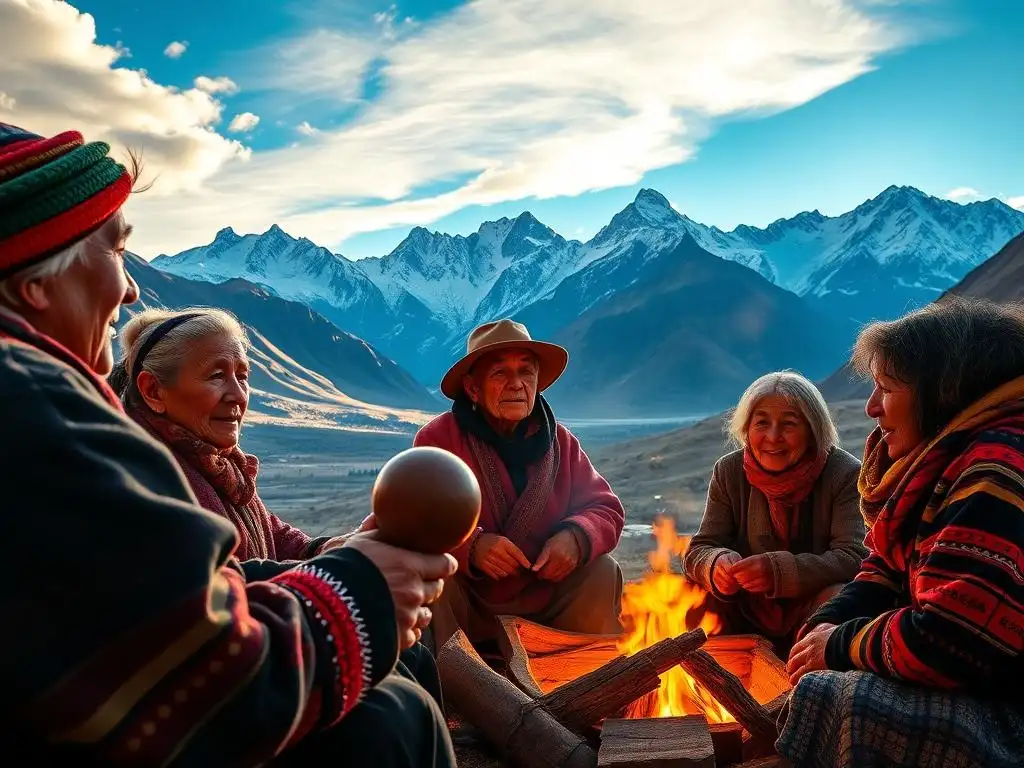
Unravel the mysteries of a world lost to time, yet echoing in whispers across millennia. Dive into the vibrant tapestry of Andean civilizations, where towering empires rose and fell, leaving behind a legacy richer than gold. But what if the most valuable treasures weren't unearthed from tombs, but preserved within the intricate threads of Andean oral history traditions? Prepare to be captivated by stories passed down through generations, revealing a past as complex and breathtaking as the Andes themselves. Discover how these traditions shaped the very fabric of Andean history.
The Andes Mountains, a spine of towering peaks and deep valleys stretching along the western coast of South America, have witnessed the rise and fall of numerous remarkable civilizations. While impressive archaeological remains offer tangible glimpses into the past, the true richness and complexity of Andean history lie woven into the intricate tapestry of oral traditions.
For centuries, knowledge, beliefs, and histories have been passed down through generations, not through written texts, but through meticulously crafted narratives, songs, and rituals. This article delves into the significance of Andean oral history traditions, exploring how these dynamic and ever-evolving narratives shape our understanding of cultures like the Inca, Moche, Nazca, and Tiahuanaco, and highlighting their enduring relevance in the modern world.
Understanding these traditions is crucial to appreciating the nuanced and multifaceted history of the Andean region, moving beyond the limitations of written records and embracing the vibrant legacy of spoken word. We will examine the different forms these traditions take, their role in preserving cultural identity, and the challenges they face in the contemporary landscape.
The Diverse Forms of Andean Oral Traditions
Andean oral traditions aren't monolithic; they manifest in a breathtaking array of forms, each reflecting the unique cultural tapestry of different Andean communities. These include:
- Narratives (Willka): These are epic tales, often involving mythical figures and explaining the origins of the world, the cosmos, and specific geographical features. They often serve as moral guides and shape community values. The narratives are frequently adapted and re-interpreted across generations, reflecting the evolving social and environmental contexts.
- Songs (Harawi): Music plays a vital role in transmitting historical knowledge, social commentary, and personal experiences. Songs often accompany ceremonies and rituals, helping to reinforce community bonds and transmit cultural knowledge across generations. The melodies and lyrics themselves often contain coded messages and historical allusions.
- Rituals and Ceremonies: Many Andean rituals and ceremonies incorporate oral narratives, songs, and prayers. These performances act as living archives, preserving ancestral knowledge and reinforcing social structures. The precise words and actions often hold symbolic meaning, passed down through careful instruction and observation.
- Proverbs and Sayings: Short, pithy expressions encapsulate cultural wisdom, values, and beliefs. These concise statements often provide guidance in daily life and offer insights into Andean worldviews. Their brevity allows for easy memorization and wide dissemination.
Preserving Cultural Identity Through Oral History
The preservation of cultural identity is paramount in the Andean context. Oral traditions serve as a powerful tool for maintaining a sense of continuity and connection to ancestral heritage. They foster a sense of belonging and shared identity, particularly within indigenous communities that have faced historical marginalization and oppression.
The continued practice of oral traditions helps to resist cultural assimilation and promotes the revitalization of indigenous languages. This cultural resilience is evident in the ongoing efforts to document, preserve, and transmit these rich narratives to future generations. The transmission of these stories is a powerful act of resistance and cultural affirmation.
Challenges to Andean Oral History in the Modern Era
Despite their resilience, Andean oral traditions face significant challenges in the modern era. The influence of globalization, urbanization, and the dominance of written media are threatening the transmission of these vital narratives. The younger generations, often drawn to urban centers and exposed to different cultural influences, may not be as actively engaged in learning and practicing these traditions. Furthermore, the loss of indigenous languages poses a significant threat, as the narratives are often deeply intertwined with the specific linguistic and cultural contexts.
Efforts to document and archive these traditions are crucial to mitigating these risks. The digital age presents both challenges and opportunities, with the potential for wider dissemination but also the risk of misrepresentation or cultural appropriation. Careful and respectful documentation and dissemination are key.
The preservation of Andean oral traditions is not merely an academic pursuit; it is a vital act of cultural preservation, ensuring the continuity of rich and complex histories and contributing to a more complete understanding of the human experience. The weaving of time continues, and the stories must be heard. 🕗
- The Diverse Forms of Andean Oral Traditions
- Preserving Cultural Identity Through Oral History
- Challenges to Andean Oral History in the Modern Era
- What role did oral traditions play in Andean societies?
- How were oral histories preserved and transmitted?
- What types of information were conveyed through Andean oral traditions?
- How reliable are Andean oral histories as historical sources?
- How did the Spanish conquest impact Andean oral traditions?
Understanding Andean Oral History and its Significance
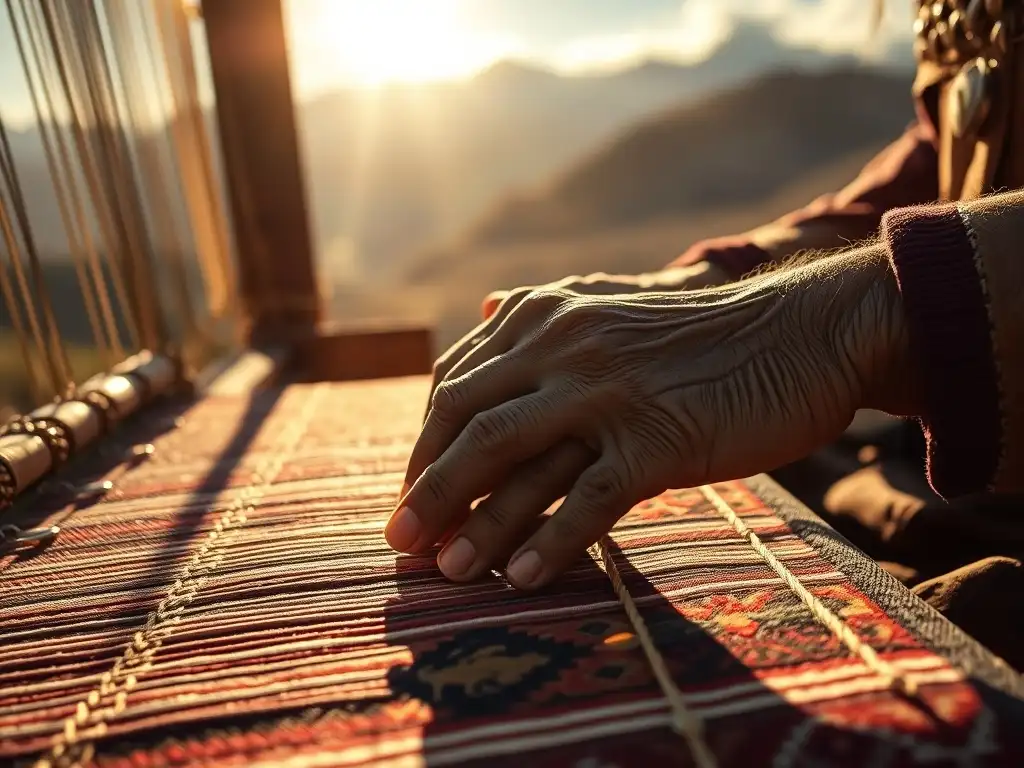
Andean oral history traditions represent a vibrant and complex tapestry woven from centuries of accumulated knowledge, beliefs, and experiences. Unlike societies that relied primarily on written documentation, Andean cultures developed sophisticated systems of oral transmission, ensuring the continuity of their rich heritage across generations. This intricate network of storytelling, songs, rituals, and mnemonic devices served as the primary means of preserving and transmitting historical narratives, cosmological beliefs, social structures, and practical knowledge.
Understanding these traditions is crucial for a nuanced comprehension of Andean civilizations, offering insights unavailable through solely written accounts (primarily those produced after the Spanish conquest). The enduring legacy of these oral traditions continues to shape Andean identities and cultural practices today. The sheer volume and variety of these traditions underscore their importance as a primary source of historical information.
The Role of Storytelling in Preserving Andean Heritage
Storytelling played a central role in preserving Andean heritage. These narratives weren’t merely entertaining tales; they served as repositories of historical memory, transmitting crucial information about lineage, territorial boundaries, significant events, and ancestral wisdom. For example, the k'antu (songs) of the Quechua people recount epic battles, migrations, and the exploits of legendary figures.
These weren't just songs; they were living archives. Similarly, the hablares (storytellers) of various Andean communities acted as keepers of history, carefully rehearsing and transmitting complex genealogies and historical accounts. The power of these stories lay not only in their content but also in their performative aspects.
The intonation, gestures, and context of the storytelling shaped the narrative and ensured its emotional impact, contributing to its memorability and faithful transmission. The vibrant use of metaphor, symbolism, and poetic language further enhanced the memorability and cultural significance of these oral histories. Moreover, these stories often incorporated practical knowledge about agriculture, medicine, and social customs, ensuring the survival and prosperity of the community.
Why Oral Transmission is Crucial for Andean History
Oral transmission was crucial because, prior to the arrival of Europeans, writing systems were not widespread in many Andean regions. While some forms of record-keeping existed (e.g., quipu), oral traditions provided a more flexible and accessible means of transmitting information. The dynamic nature of oral narratives allowed for adaptation and interpretation across generations, reflecting the changing social and environmental contexts.
This contrasted sharply with the rigidity of written texts, which could become ossified and disconnected from lived experience. Furthermore, the oral tradition fostered a sense of collective memory and shared identity. The act of storytelling itself served as a social bonding ritual, reinforcing community ties and transmitting cultural values.
The collective nature of oral history also ensured a degree of accuracy and reliability through cross-checking and communal validation. Unlike a single written account, oral histories were often corroborated and refined through multiple tellings and interpretations within a community. This process contributed to the longevity and resilience of Andean oral traditions.
Distinguishing Andean Oral Traditions from Written Records
A key distinction between Andean oral traditions and later written records lies in their inherent nature. Written records, particularly those produced after the Spanish conquest, often reflect the biases and perspectives of the writers, frequently prioritizing the dominant culture’s narrative. Andean oral traditions, conversely, offer a more indigenous perspective, though inevitably shaped by the transmission process itself. They are also more fluid and adaptable.
Written records tend to be static and fixed, while oral histories evolve organically, incorporating new experiences and reinterpretations over time. This adaptability made oral traditions particularly resilient in the face of social and political upheaval. Furthermore, the very act of remembering and retelling stories contributed to the ongoing shaping of cultural identity and values.
The focus in written records often shifts to the events themselves, while oral traditions are just as concerned with the meaning and interpretation of these events, often weaving them into a broader cosmological framework. Analyzing these differences is essential for constructing a complete and balanced understanding of Andean history, avoiding the pitfalls of relying solely on colonial-era accounts which often marginalized or ignored indigenous perspectives. Ultimately, a comprehensive study requires a careful integration of both oral and written sources, acknowledging their unique strengths and limitations.
The Rich Tapestry of Andean Oral Narratives
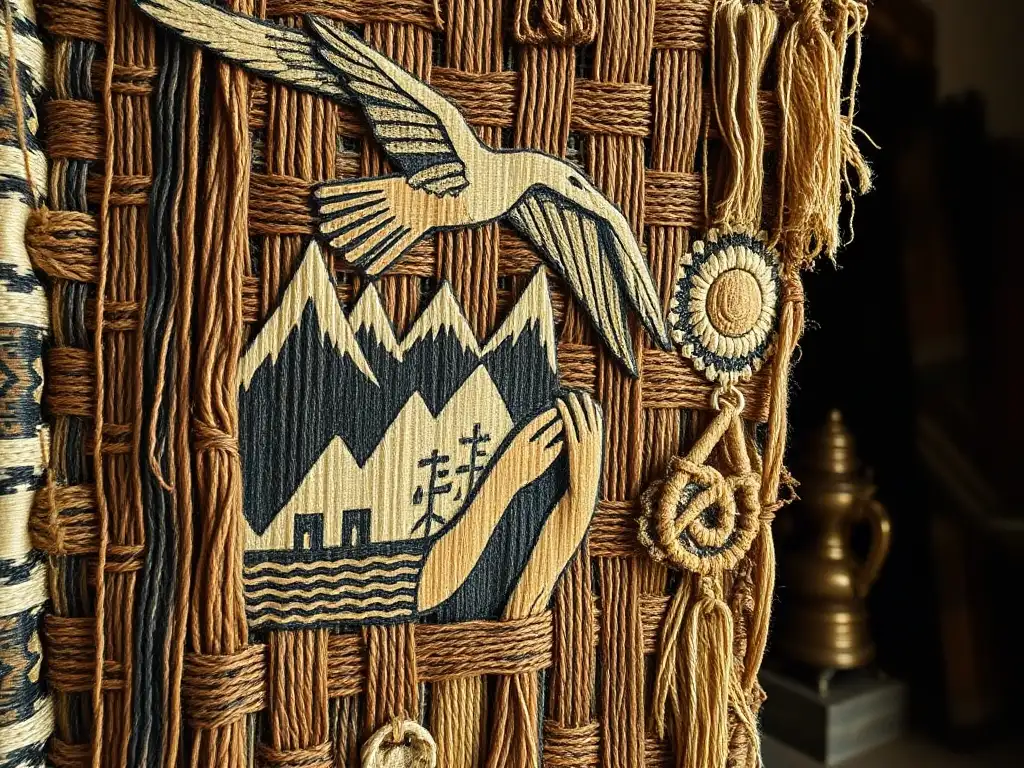
Andean oral history traditions are not merely stories; they are the very threads that weave the vibrant tapestry of Andean culture. For centuries, before the advent of written records, these traditions served as the primary means of transmitting knowledge, history, and values across generations. This intricate network of narratives, passed down through meticulous memorization and ritualistic performances, provides invaluable insights into the worldview, social structures, and historical experiences of various Andean civilizations. Understanding these traditions is crucial to comprehending the complexities of Andean societies and their enduring legacy.
The depth and breadth of this oral tradition are astounding, encompassing a vast array of genres and styles, each contributing to a holistic understanding of Andean history. The preservation and study of these narratives are essential for the continued appreciation and understanding of Andean heritage. The sheer volume of material, however, presents a significant challenge to researchers.
Myths and Legends: Foundations of Andean Worldviews
Myths and legends form the bedrock of Andean worldviews, offering explanations for the origin of the universe, humanity, and natural phenomena. These narratives are not simply fanciful tales; they encapsulate deep cosmological beliefs and ethical principles. For example, the creation myths of the Quechua people often involve a creator god, Viracocha, shaping the world and its inhabitants.
These stories are not static; they evolve and adapt over time, reflecting the changing needs and understanding of each community. Different Andean groups possess unique creation myths, highlighting the diversity within the region's oral traditions. Furthermore, these myths often serve to reinforce social hierarchies and explain the relationship between humans and the supernatural realm.
The intricate details within these narratives reveal a sophisticated understanding of astronomy, geography, and the natural world, demonstrating the Andean peoples' keen observational skills and sophisticated knowledge systems. Analyzing these myths allows us to uncover the fundamental values and beliefs that shaped Andean societies for millennia. The study of these myths reveals a complex interplay of cosmology, social structure, and environmental understanding.
Epic Tales of Ancestors and Cultural Heroes
Beyond creation myths, Andean oral traditions are rich with epic tales of ancestors and cultural heroes. These narratives often recount the deeds of legendary figures who shaped the destiny of their people, embodying ideals of courage, wisdom, and resilience. These stories serve as powerful tools for transmitting cultural values and historical memory.
For instance, the Inca empire boasts numerous accounts of the legendary Inca rulers, their conquests, and their contributions to the empire's growth and development. These narratives are not always flattering portrayals; they often highlight both the triumphs and failures of these historical figures, presenting a more nuanced and complex picture of the past than might be found in official chronicles. Similarly, the Moche civilization's oral history contains tales of powerful rulers and warriors, often interwoven with supernatural elements and allegorical interpretations of historical events.
The careful analysis of these epic tales, combined with archaeological evidence, provides a richer and more complete understanding of the political and social landscape of the ancient Andean world. The survival of these stories through centuries of oral transmission is a testament to their enduring significance within Andean communities. The variations in these tales across different regions also highlight the dynamic nature of Andean cultural identities.
The Importance of Andean Cosmovision in Oral Accounts
Andean oral history traditions are deeply intertwined with cosmovision, a holistic worldview that emphasizes the interconnectedness of humanity, nature, and the supernatural. This perspective is reflected in virtually every aspect of the narratives, from the structure of the stories themselves to the symbolic language employed. The concept of ayni, reciprocal exchange, is a central theme in many oral accounts, highlighting the importance of balance and harmony in all aspects of life.
The Andean understanding of time is also cyclical rather than linear, reflecting a deep respect for ancestral knowledge and the continuity of life across generations. Oral narratives often incorporate elements of nature—mountains, rivers, stars—as active participants in the stories, reflecting the deep spiritual connection between the Andean people and their environment. This close relationship with the environment is also reflected in the agricultural practices and rituals described in many oral traditions.
The continued relevance of cosmovision in contemporary Andean communities emphasizes its enduring power and influence on Andean identity and cultural practices. Understanding this framework is critical to interpreting the meaning and significance of Andean oral narratives. The preservation and study of these traditions are therefore essential for gaining a fuller appreciation of the richness and complexity of Andean culture.
Key Elements of Andean Oral Tradition
This section delves into the core components that shaped and sustained Andean oral history traditions, focusing on the intricate interplay of memory, ritual, and geography in preserving and transmitting cultural knowledge across generations. Understanding these elements provides crucial insight into how Andean societies constructed and maintained their historical narratives, a process vastly different from written historical accounts. The vibrant tapestry of Andean history was, and in many ways still is, woven from the threads of spoken word, carefully preserved and passed down through specific roles and practices.
The Role of Memory Keepers and Storytellers
The effective transmission of Andean oral history traditions relied heavily on specialized individuals: yachaywasi (knowledge houses) housed individuals dedicated to memorizing and reciting historical accounts, genealogies, and myths. These weren't simply storytellers; they were custodians of collective memory, entrusted with the responsibility of accurately preserving and disseminating crucial information. Their role extended beyond mere recitation; they actively interpreted and contextualized the narratives, adapting them to specific audiences and occasions.
This dynamic process ensured the stories remained relevant and meaningful across time and across diverse communities. The skill involved was immense, requiring not only exceptional memory but also a deep understanding of the cultural nuances and social dynamics of their communities. Think of them as living libraries, their minds repositories of generations of accumulated wisdom.
The training of these memory keepers was often rigorous and lifelong, involving apprenticeships and rigorous memorization techniques, potentially including mnemonic devices and repetitive recitation. The accuracy of their recitations was vital, as these narratives formed the basis of social structures, legal systems, and religious beliefs. Evidence suggests that the success of these individuals was directly linked to their community standing and influence, highlighting the profound social importance of accurately preserving and transmitting the oral traditions.
Further research is needed to fully understand the specific techniques used and the extent of formal training involved in becoming a successful memory keeper in different Andean societies. [Specific training methods pending].
The Use of Ritual and Performance in Oral Transmission
Andean oral history traditions weren't simply passive recitations; they were often embedded within elaborate ritualistic performances. The act of storytelling became a sacred performance, enhancing the memorability and impact of the narratives. These performances often involved music, dance, costumes, and specific locations, transforming the oral tradition into a powerful, multi-sensory experience. The use of music, for example, provided a rhythmic framework aiding memory and emotional engagement. Think of the rhythmic chanting used in many Andean traditions; the repetition and musicality helps to imprint the story in the listener's mind.
Furthermore, the context of the ritual itself added layers of meaning to the narratives. A story told during a harvest festival would carry different weight and significance than the same story told during a funeral ceremony. The setting, the participants, and the accompanying rituals all contributed to the overall message and impact of the oral history.
This is crucial to understanding the deeply embedded nature of history within the fabric of Andean life, demonstrating that history wasn't simply a separate field of study, but an integral part of daily life and religious practice. The precise rituals associated with different types of narratives varied across different Andean cultures, requiring further investigation to fully document the rich diversity of these practices. [Specific ritual details for different Andean groups pending].
The Significance of Place and Landscape in Andean Narratives
Andean oral history traditions are inextricably linked to the physical landscape. Narratives weren't abstract stories; they were deeply rooted in specific places, with mountains, rivers, and valleys acting as both settings and characters within the stories. These geographical features weren't merely backdrops; they were imbued with spiritual significance and often played a crucial role in the narratives themselves. Mountains, for example, were often considered sacred entities, their peaks representing the connection between the earthly and spiritual realms. Many stories explain the origins of geographical features, weaving together mythology and real-world events.
The importance of place extended beyond the mere setting of the story. The act of storytelling often occurred in specific locations, further reinforcing the connection between the narrative and the landscape. These locations became imbued with the history they contained, transforming them into tangible links to the past.
This spatial dimension of Andean oral traditions highlights the deep connection between the people and their environment, emphasizing the holistic understanding of the world held by these societies. Further research is needed to fully map the geographical locations associated with specific narratives and understand the varying significance of these places across different Andean communities. [Mapping of geographical locations and associated narratives pending].
The Challenges of Studying Andean Oral History

The study of Andean oral history traditions presents unique and significant challenges. Unlike written historical records, oral traditions are inherently fluid, adapting and evolving over time through repeated storytelling and reinterpretation. This dynamism, while reflecting the living nature of culture, makes establishing a definitive historical narrative difficult. Furthermore, the sheer diversity of Andean cultures, each with its own distinct linguistic and narrative styles, complicates the process of cross-cultural comparison and synthesis.
Researchers must grapple not only with linguistic barriers but also with differing worldviews and interpretive frameworks that shape the transmission and understanding of historical events. The task is further compounded by the often fragmented and incomplete nature of surviving oral accounts, requiring meticulous analysis and careful contextualization to reconstruct a coherent picture of the past. Successfully navigating these complexities requires a deep understanding of Andean epistemology and a commitment to interdisciplinary collaboration, combining anthropological, linguistic, and historical approaches.
The Impact of Colonization on Oral Traditions
The Spanish conquest of the Andes profoundly impacted Andean oral history traditions. The imposition of Spanish colonial rule led to the suppression of indigenous languages and cultural practices, including traditional storytelling methods. Many oral histories were actively destroyed or lost as indigenous communities were forcibly integrated into the colonial system. This resulted in a significant gap in the historical record, obscuring crucial aspects of pre-colonial Andean life and thought.
Furthermore, the colonial narrative itself became interwoven with indigenous oral traditions, leading to a complex layering of perspectives and interpretations that researchers must carefully disentangle. For example, stories of resistance against Spanish rule often became subtly altered or incorporated into existing narratives, creating a hybrid form of oral history reflecting both indigenous and colonial influences. Understanding the influence of colonization is crucial for interpreting and contextualizing surviving Andean oral traditions.
The sheer scale of societal upheaval and cultural disruption presents a formidable challenge to researchers striving to reconstruct a complete and unbiased picture of the past. The ongoing effects of this historical trauma continue to shape how oral histories are collected, preserved, and interpreted today. This necessitates a nuanced understanding of the power dynamics at play and a commitment to amplifying marginalized voices.
The Difficulty of Verifying Historical Accuracy
One of the most significant challenges in studying Andean oral history traditions is verifying the historical accuracy of the information conveyed. Unlike written documents that can be subjected to textual analysis and cross-referenced with other sources, oral accounts rely on memory, interpretation, and the subjective experiences of individuals. This inherent subjectivity makes it difficult to establish definitive timelines, identify reliable sources, and evaluate the veracity of claims.
Moreover, the transmission of oral histories across generations often leads to the gradual modification and embellishment of narratives, making it challenging to distinguish between historical fact and cultural myth. Researchers employ various techniques to address this challenge, including comparing multiple versions of a story, analyzing the internal consistency of the narrative, and cross-referencing oral accounts with archaeological or ethnohistorical evidence. However, the process remains inherently complex and often requires careful judgment and interpretation.
The absence of a single, verifiable source of truth necessitates a critical approach that acknowledges the limitations of the data and embraces the complexities of historical reconstruction. This process is further complicated by the fact that what constitutes "historical accuracy" may differ significantly between Western academic standards and Andean epistemological frameworks.
Bridging the Gap Between Oral and Academic History
Bridging the gap between Andean oral history traditions and academic historical narratives requires a collaborative and respectful approach. Researchers must move beyond a purely extractive methodology, recognizing the importance of engaging with indigenous communities as active partners in the research process. This involves obtaining informed consent, ensuring the ethical treatment of oral histories, and giving voice to the perspectives and interpretations of the communities themselves.
Successful collaboration necessitates a deep understanding of the cultural context in which oral traditions are embedded and a willingness to adapt research methods to respect indigenous knowledge systems. The goal is not to impose external frameworks of historical analysis but to work collaboratively with indigenous communities to develop methodologies that integrate oral traditions into a broader understanding of Andean history. This collaborative approach fosters mutual respect, strengthens community engagement, and ensures that the preservation and interpretation of Andean oral history traditions are conducted in a manner that is both accurate and ethically sound.
This collaborative approach is vital for ensuring that Andean voices are not only heard but also central to shaping the narrative of their own history. This collaborative approach ensures the ethical and responsible use of Andean oral histories, contributing to a more complete and nuanced understanding of the Andean past.
Examples of Prominent Andean Oral Traditions
This section delves into specific examples of how oral traditions shaped the historical record and cultural identity of various Andean civilizations. Understanding these diverse narratives provides crucial insights into the complexities of Andean societies and their enduring legacy. The vibrant tapestry of Andean oral history traditions reveals a rich and multifaceted past, far beyond what written records can offer. We will explore key examples, highlighting the unique characteristics of each civilization's oral transmission of knowledge.
The Inca Empire's Oral Chronicles and Royal Genealogies
The Inca Empire, despite its impressive architectural achievements and sophisticated administrative system, lacked a written language in the way we understand it. Their historical record, therefore, relied heavily on quipus (knotted strings) for record-keeping and, more importantly, on oral traditions meticulously passed down through generations of amautas (wise men and women). These oral chronicles weren't simply narratives; they were essential tools for maintaining social order, legitimizing royal power, and preserving cultural knowledge.
Royal genealogies were central to Inca oral history. The lineage of the Sapa Inca, the emperor, was meticulously traced back to the mythical origins of the Inca people, often linking them to powerful deities like Inti (the sun god) and Pachamama (Mother Earth). These genealogies weren't just lists of names; they were powerful narratives that reinforced the emperor's divine right to rule and solidified the social hierarchy.
The precise details of these genealogies varied across different lineages and regions, reflecting the dynamic nature of power and the fluidity of oral storytelling. The transmission of these genealogies relied on memorization techniques, often incorporating mnemonic devices and poetic forms to aid recall and maintain accuracy. The consequences of misremembering or misrepresenting these lineages could be severe, underscoring the importance of accurate oral transmission within the Inca court.
The Moche's Mythological Narratives and Ritual Practices
The Moche civilization (c. 100-800 CE) of northern Peru left behind a remarkable legacy of art, particularly in their elaborate ceramics. These artifacts often depict scenes from Moche mythology, providing invaluable glimpses into their worldview and ritual practices. However, the absence of a written language necessitates a reliance on interpretations of these visual narratives to reconstruct their oral traditions.
Moche oral traditions likely revolved around powerful mythological figures, including deities associated with fertility, war, and the supernatural. Narratives likely explained the origin of the world, the cyclical nature of life and death, and the relationship between humans and the supernatural. These stories were likely integral to Moche ritual practices, such as those depicted in their ceramics, which often illustrate elaborate ceremonies, sacrifices, and interactions with the divine.
The interpretation of these ceremonies requires careful consideration of Andean oral history traditions more broadly, as many themes and motifs are shared across different cultures and time periods. Unfortunately, the exact nature of these narratives remains largely unknown, requiring further research and interdisciplinary collaboration to unravel their complexities. The Moche's sophisticated artistic expression serves as a powerful testament to the richness and importance of their oral traditions, even in the absence of written texts.
The Quechua's Creation Stories of Pachamama and Inti
Quechua oral traditions, encompassing numerous variations across different communities and regions, are a rich source of information about Andean cosmology, social structures, and historical events. Central to Quechua creation stories are the figures of Pachamama (Mother Earth) and Inti (the sun god). These powerful deities represent fundamental aspects of the Andean worldview, embodying the interconnectedness of nature and humanity.
Many Quechua creation myths detail the emergence of the world from a primordial chaos, often involving the actions of divine beings who shaped the landscape and created humankind. These narratives often emphasize the importance of reciprocity and balance in the relationship between humans and the natural world. The stories of Pachamama and Inti are not simply mythological tales; they are deeply embedded in Quechua social practices, shaping their agricultural rituals, kinship systems, and understanding of the cosmos.
The ongoing transmission of these stories highlights the enduring power of oral traditions in shaping cultural identity and maintaining a connection to the past. Variations in these narratives across different Quechua communities demonstrate the dynamism of oral traditions and their capacity to adapt and evolve over time, reflecting the diverse experiences and perspectives of different groups.
The preservation of these stories is crucial for understanding the rich cultural heritage of the Quechua people and the wider Andean region. The continued use of Quechua language itself is vital to the survival of these invaluable oral traditions.
The Enduring Legacy of Andean Oral Traditions
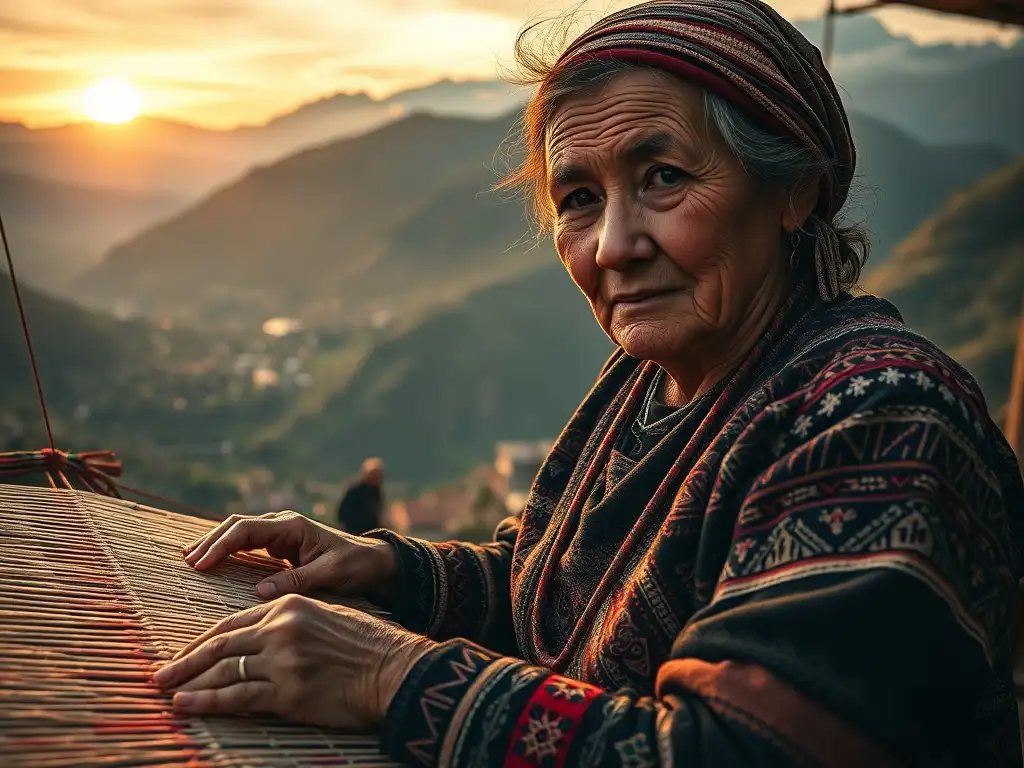
The Andes Mountains, a spine of towering peaks stretching along the western coast of South America, are not only a geographical marvel but also a cradle of rich and diverse cultures. For centuries, before the advent of written records, Andean societies meticulously preserved their history, beliefs, and social structures through a sophisticated system of oral traditions. These traditions, passed down through generations, represent a vibrant tapestry of narratives, songs, rituals, and mnemonic devices that continue to resonate in contemporary Andean communities.
Understanding these Andean oral history traditions is crucial to grasping the complexities of these ancient civilizations and their enduring influence. The sheer volume of information transmitted orally is staggering, encompassing cosmological myths, historical accounts of significant events, practical knowledge about agriculture and medicine, and intricate genealogies tracing lineages back centuries.
This oral legacy, while often overlooked in Western historical narratives, provides invaluable insights into the Andean worldview and the mechanisms of power and social organization within these societies. The preservation of this knowledge is a testament to the ingenuity and resilience of Andean peoples.
The Relevance of Oral Histories in Modern Andean Communities
Even today, Andean oral history traditions remain a vital part of daily life in many Andean communities. Oral narratives continue to shape social interactions, reinforce cultural values, and transmit essential knowledge. For example, in Quechua-speaking communities of the Peruvian Andes, elders still gather regularly to share stories and historical accounts, ensuring the continuity of their cultural heritage.
These gatherings are not merely entertainment; they serve as crucial forums for conflict resolution, the transmission of traditional farming techniques, and the reinforcement of community bonds. The stories themselves often contain encoded wisdom regarding land management, resource conservation, and social harmony, demonstrating the practical relevance of these traditions. Studies have shown a direct correlation between the strength of oral traditions and the vitality of indigenous languages and cultural practices in these communities.
The decline of oral storytelling is often accompanied by a parallel erosion of cultural identity and linguistic diversity. Therefore, supporting and documenting these traditions is not just an academic exercise but a crucial step in preserving Andean cultural diversity. The preservation efforts often involve community participation and collaboration with anthropologists and linguists, ensuring that the narratives are accurately recorded and their meaning understood within their cultural context.
The Connection Between Oral Tradition and Cultural Identity
The connection between Andean oral history traditions and cultural identity is profound and undeniable. Oral narratives serve as the bedrock upon which Andean cultural identity is built. They provide a sense of continuity and belonging, connecting individuals to their ancestors and to a shared history. The stories, songs, and rituals transmitted orally reinforce group cohesion and strengthen social bonds.
These narratives are not merely historical accounts; they are living embodiments of cultural values, beliefs, and social norms. They shape perceptions of the world, influencing everything from social hierarchies to environmental practices. For instance, myths concerning the origin of the Andes or the creation of specific agricultural techniques are not simply tales; they are integral to the worldview and ecological knowledge of the communities that tell them.
They explain the relationship between humans and the natural environment, shaping sustainable practices that have been passed down for generations. The loss of these narratives would represent a profound loss of cultural identity, severely impacting the communities' sense of self and their ability to maintain their unique cultural heritage. Protecting and promoting Andean oral history traditions is therefore essential to preserving the rich tapestry of Andean cultural diversity.
How Andean Oral Narratives Shape Contemporary Understanding
The study of Andean oral history traditions offers a unique perspective on the past, challenging conventional historical narratives that often rely heavily on written sources. By analyzing oral narratives, scholars gain access to a wealth of information that is otherwise unavailable. These narratives provide insights into the social structures, belief systems, and political dynamics of pre-Columbian Andean societies, enriching our understanding of their complexities.
For example, oral accounts of Inca rule reveal nuances of power dynamics and social control not always apparent in colonial records. Furthermore, oral narratives often challenge Eurocentric interpretations of history, offering alternative perspectives on contact between indigenous populations and European colonizers. The stories passed down through generations often reveal the resilience and resistance of Andean communities in the face of oppression, providing a counter-narrative to dominant historical accounts.
The ongoing research and documentation of these traditions continues to challenge and reshape our understanding of Andean history, offering a more complete and nuanced picture of the past. The incorporation of these narratives into academic discourse is crucial for creating a more inclusive and representative historical record. Indeed, the study of Andean oral history traditions is a dynamic field, constantly evolving as new narratives are uncovered and analyzed.
Preserving and Promoting Andean Oral History
The preservation of Andean oral history traditions is a complex and multifaceted endeavor, crucial for understanding the rich tapestry of Andean civilizations. These traditions, passed down through generations, represent a vital link to the past, offering insights into social structures, belief systems, and historical events often absent from written records. The sheer diversity of Andean cultures, each with its unique oral traditions, presents both a challenge and an opportunity.
The challenge lies in the sheer volume of information and the varied formats in which it exists – from epic poems and myths to everyday stories and practical knowledge. The opportunity resides in the potential to uncover a wealth of knowledge that enriches our understanding of these remarkable societies. Effective preservation strategies must account for this complexity, embracing a holistic approach that values the cultural context within which these traditions thrive.
Efforts to Document and Archive Oral Traditions
Numerous initiatives are underway to document and archive Andean oral traditions. These range from small-scale community projects to large-scale academic endeavors. Many projects utilize audio and video recording technologies to capture narratives, songs, and rituals. This allows for the creation of digital archives, accessible to researchers and future generations.
However, simply recording the traditions is not sufficient. Careful consideration must be given to ethical considerations, ensuring the informed consent of the communities involved and respecting their intellectual property rights. Furthermore, effective archiving requires meticulous cataloging and metadata creation, facilitating easy access and retrieval of information. For example, a project focused on Quechua oral traditions in the Peruvian Andes might employ a detailed system categorizing recordings by region, dialect, genre (e.g., myth, legend, historical account), and the identity of the narrator.
This meticulous approach is crucial to ensure the long-term preservation and accessibility of this invaluable cultural heritage. The standardization of metadata across different projects would further enhance the value of these archives and facilitate cross-referencing and collaborative research. The successful documentation of Andean oral history traditions relies on collaboration between researchers, community members, and institutions committed to preservation.
The Importance of Community Engagement in Preservation
The long-term viability of any effort to preserve Andean oral history traditions hinges on the active participation and ownership of the communities themselves. Top-down approaches, where external researchers dictate the terms of preservation, risk misrepresenting or even damaging the cultural heritage they seek to protect. Meaningful engagement involves empowering community members as active participants in the documentation and interpretation of their own traditions.
This can take many forms, from training local individuals in recording and archiving techniques to involving them in the design and implementation of preservation projects. By fostering a sense of ownership and responsibility, communities are more likely to actively protect and transmit their oral histories to future generations. This participatory approach also ensures the authenticity and accuracy of the documented traditions, as it avoids the biases and misinterpretations that can arise from external perspectives.
It's crucial to remember that oral traditions are not static; they evolve and adapt over time. Community engagement allows for a more dynamic and nuanced understanding of these evolving narratives. For instance, a project focusing on Aymara oral traditions might involve workshops where community members share their stories and discuss their interpretations, leading to a richer and more complete understanding of their history and cultural identity.
The Future of Andean Oral History in a Globalized World
The increasing interconnectedness of the world presents both challenges and opportunities for the future of Andean oral history. Globalization can lead to the erosion of traditional languages and cultural practices, threatening the very existence of some oral traditions. However, it also offers opportunities for wider dissemination and appreciation of this rich heritage. Digital technologies, such as online archives and multimedia platforms, can make Andean oral histories accessible to a global audience, fostering cross-cultural understanding and appreciation.
Yet, it’s essential to ensure that this dissemination respects the cultural sensitivities and intellectual property rights of the communities involved. The future of Andean oral history requires a strategic approach that balances the preservation of traditional practices with the possibilities offered by new technologies. This includes developing digital literacy within communities, ensuring that they can participate actively in the online dissemination of their traditions. Furthermore, international collaborations can play a vital role in supporting preservation efforts, sharing best practices, and providing resources to communities striving to safeguard their invaluable cultural heritage.
The goal should be to create a sustainable model for preserving and promoting Andean oral history traditions, ensuring their survival and appreciation for generations to come. The continued study and preservation of these traditions are essential not only for understanding the past but also for shaping a more inclusive and equitable future. 🌍
Frequently Asked Questions
What role did oral traditions play in Andean societies?
Oral traditions were central to Andean societies. They served as the primary means of transmitting history, knowledge, and cultural values across generations, before the arrival of the Spanish. This included myths, legends, and practical knowledge.
How were oral histories preserved and transmitted?
Andean oral histories were preserved through memorization, storytelling, and ritual performances. Specialized individuals, such as yachaywasi (Inca schools), played a key role in maintaining and passing down these traditions. This ensured continuity across generations.
What types of information were conveyed through Andean oral traditions?
Oral traditions encompassed a wide range of information including genealogies, historical accounts, religious beliefs, agricultural practices, and social customs. They provided a comprehensive understanding of the Andean world.
How reliable are Andean oral histories as historical sources?
While subject to change over time, Andean oral histories offer valuable insights into the past. Scholars analyze them in conjunction with archaeological evidence to build a more complete picture, acknowledging the inherent complexities of oral transmission.
How did the Spanish conquest impact Andean oral traditions?
The Spanish conquest significantly disrupted Andean oral traditions. The imposition of Spanish language and culture led to the suppression and loss of many indigenous stories and practices. However, many traditions survived, often adapting to new circumstances.
Final Reflection: The Enduring Threads of Andean Voices
The preservation of Andean oral traditions is not merely an academic pursuit; it is a vital act of cultural survival, ensuring the vibrant tapestry of Andean history remains interwoven with the present. The stories, songs, and rituals passed down through generations are not relics of the past, but living, breathing narratives that continue to shape Andean identities and communities. Ignoring these voices risks silencing a rich and complex history, leaving a significant gap in our understanding of human experience.
The power of oral tradition to transcend time and connect generations profoundly impacted my understanding of history itself. It challenged the Eurocentric bias inherent in many historical narratives, highlighting the limitations of relying solely on written records. As the Peruvian anthropologist, José María Arguedas, eloquently stated: The oral tradition is not a mere collection of anecdotes; it is the living memory of a people, the repository of their collective wisdom and experience.
This quote encapsulates the profound depth and significance of these traditions, reminding us that history is not just a sequence of events, but a living, evolving narrative shaped by the voices of those who lived it.
Consider the stories you carry within your own family, the traditions you celebrate, the wisdom passed down through generations. These are the threads of your personal history, woven into the larger fabric of human experience. Let us actively listen to, preserve, and celebrate the oral traditions of all cultures, recognizing their invaluable contribution to a more complete and nuanced understanding of our shared past and present. By doing so, we not only honor the past but also enrich the future, ensuring that the voices of the weavers of time continue to resonate for generations to come.
Embrace the Stories of Our Ancestors!
Thank you for exploring the rich tapestry of Andean history through oral tradition. You've uncovered layers of knowledge that have shaped cultures for centuries, and now it's time to carry this wisdom forward. Here are some powerful ways to engage with these traditions:
- Dive Deeper: Attend local storytelling events or workshops to learn from community elders and connect directly with the past.
- Share the Legacy: Discuss the importance of oral history with friends and family, or even create a blog to document and celebrate your discoveries.
- Join the Conversation: Participate in online forums or social media groups focused on Andean cultures to share your insights and learn from others.
Reflecting on the tales that bind us, consider this: What story from your own heritage do you cherish, and how can it inspire others today?