
Quechua in the Digital Age: Adapting to the Modern World

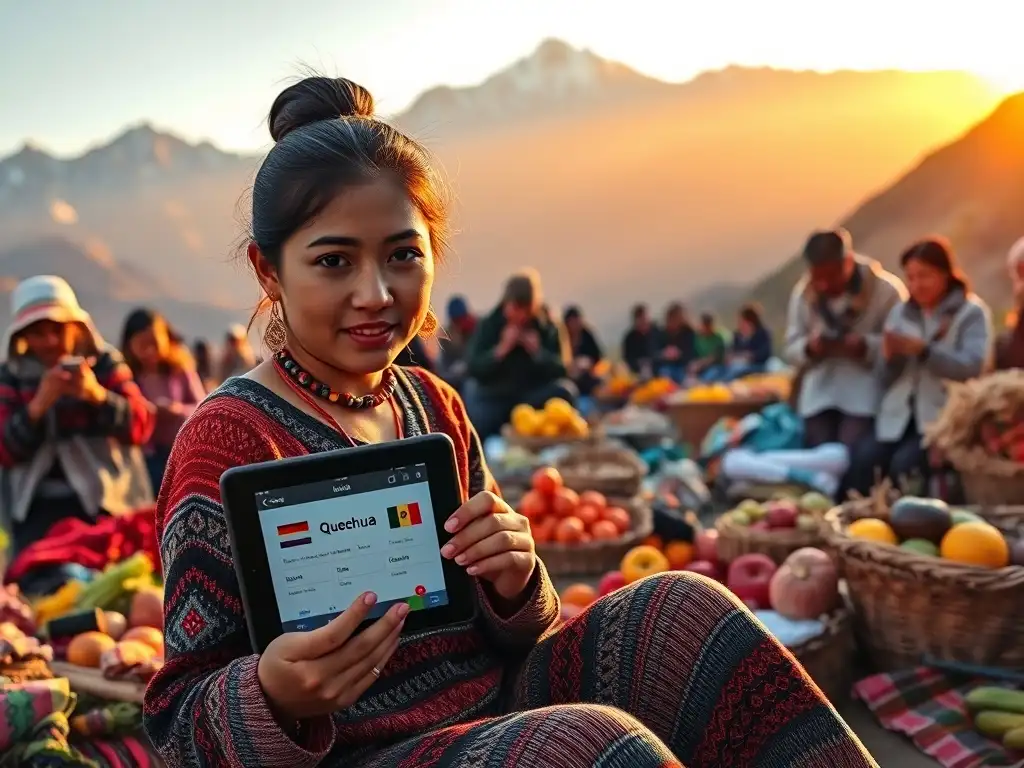
Step into a world lost to time, yet echoing through the ages. Imagine deciphering the secrets whispered on the wind across the Andes – the legacy of the Incas, Moche, Nazca, and Tiahuanaco. This is more than history; it's a vibrant tapestry of culture, art, and innovation. But how are these ancient voices heard today? Discover the surprising answers within our exploration of Quechua language digital resources, and unlock a deeper understanding of this fascinating civilization's enduring power.
The Quechua language, a cornerstone of Andean cultural identity, faces the unique challenge of navigating the digital age. For centuries, Quechua thrived through oral tradition and localized dialects, evolving alongside the vibrant societies of the Andes.
However, the rapid expansion of technology and the dominance of global languages like Spanish and English present both obstacles and opportunities for Quechua's survival and flourishing. This article explores the multifaceted journey of Quechua in the digital sphere, examining its historical context, the challenges it faces, and the innovative digital resources emerging to support its continued use and revitalization.
We will delve into the specific challenges impacting Quechua's digital presence and highlight the crucial role of digital resources in promoting its preservation and transmission to future generations, ultimately addressing the growing need for accessible "Quechua language digital resources." The impact of globalization on indigenous languages is a critical issue, and Quechua's story offers a compelling case study of adaptation and resilience in the face of technological transformation.
The Enduring Legacy of Quechua: A Historical Perspective
Quechua's rich history is intrinsically linked to the rise and fall of the Inca Empire. While the Incas did not invent the language, they adopted it as their official tongue, facilitating communication across their vast territory. This imperial patronage solidified Quechua's status, resulting in its spread throughout the Andes. Following the Spanish conquest, Quechua faced significant suppression, with Spanish imposed as the dominant language.
Despite centuries of marginalization, Quechua demonstrated remarkable resilience. It persisted in rural communities, adapting and evolving, giving rise to a diverse array of dialects. This resilience, coupled with a renewed appreciation for indigenous cultures in recent decades, has fueled efforts to preserve and promote Quechua in the modern world.
The enduring presence of Quechua in the Andes stands as a testament to its deep cultural roots and the enduring strength of its speakers. Understanding this historical context is crucial to appreciating the significance of current efforts to integrate Quechua into the digital landscape. The survival of Quechua against historical odds makes its digital adaptation all the more remarkable.
Challenges Facing the Quechua Language in the 21st Century
The digital age presents a unique set of challenges for Quechua. The dominance of English and Spanish online creates a significant hurdle for Quechua speakers seeking access to information and communication. The lack of readily available digital resources, such as dictionaries, online learning platforms, and digital literature, further limits its online presence. Furthermore, the standardization of Quechua is an ongoing process, with several dialects vying for prominence.
This lack of standardization creates complications for the development of consistent digital resources. Another pressing concern is the digital literacy gap among Quechua-speaking communities. Many speakers lack the necessary technology or skills to effectively engage with digital platforms. The lack of funding and support for language revitalization initiatives also hinders progress.
Addressing these challenges requires a multi-pronged approach involving collaboration between linguists, technology developers, educators, and community leaders. The creation of user-friendly, culturally relevant digital resources is paramount to bridging the digital divide and ensuring Quechua's survival in the 21st century. The future of Quechua online depends on overcoming these obstacles and embracing innovative solutions.
- The Enduring Legacy of Quechua: A Historical Perspective
- Challenges Facing the Quechua Language in the 21st Century
- What digital resources are available for learning Quechua?
- Are there any online communities dedicated to Quechua language learning?
- How can digital technology help preserve the Quechua language?
- What are the challenges of using digital resources to learn Quechua?
- How can I find authentic Quechua digital content?
Quechua Language Digital Resources: Bridging the Gap

The digital age presents both challenges and opportunities for the Quechua language, a vital part of Andean cultural heritage. While the encroachment of dominant languages poses a threat, technology offers powerful tools for preservation, revitalization, and expansion of Quechua's reach. This section explores the burgeoning landscape of digital resources dedicated to Quechua, highlighting key initiatives and their impact on language maintenance and learning. Access to these resources is crucial for strengthening Quechua language proficiency and promoting its continued use in the modern world. The availability of high-quality Quechua language digital resources is paramount to this effort.
Online Quechua Dictionaries and Translators
The availability of comprehensive online dictionaries and translation tools is fundamental for both Quechua speakers and learners. These tools are not merely simple word-for-word translators but offer nuanced understanding of the complexities of Quechua grammar and vocabulary. While the quality varies considerably across platforms, some stand out for their accuracy, comprehensiveness, and user-friendly interfaces.
For example, some dedicated Quechua dictionaries incorporate audio pronunciations, example sentences within their context, and even visual aids to enhance understanding. This multi-modal approach combats the limitations of text-only resources and caters to different learning styles. Furthermore, the best resources go beyond simple word translation, offering explanations of grammatical structures, idiomatic expressions, and cultural context.
This is crucial for truly understanding the richness and subtleties of the Quechua language. Development of these resources, however, requires significant investment in linguistic research and technological infrastructure. The creation of a unified, standardized digital Quechua lexicon is an ongoing challenge, with variations in dialect posing a significant hurdle.
Quechua Language Learning Apps and Platforms
The rise of language learning apps has revolutionized language acquisition, and Quechua is increasingly benefitting from this technological advancement. Several apps now offer interactive lessons, vocabulary building exercises, and pronunciation practice specifically designed for Quechua learners. These apps utilize gamification techniques to make learning engaging and effective, catering to a diverse range of learners from beginners to advanced speakers.
The effectiveness of these apps depends heavily on the quality of the content and the pedagogical approach. Some apps focus on specific Quechua dialects, acknowledging the linguistic diversity within the language family. Others provide a broader overview, focusing on common features and vocabulary. A crucial aspect to consider is the integration of cultural context within the learning process.
Simply learning vocabulary and grammar is insufficient; understanding the cultural significance of language is essential for true fluency. The success of these apps also hinges on user feedback and continuous improvement, adapting to the evolving needs and preferences of learners. Further development should prioritize incorporating features such as speech recognition and personalized learning paths.
Digital Quechua Content: Preserving Cultural Heritage Online
Beyond dictionaries and learning apps, the digital realm provides avenues for preserving and promoting Quechua cultural heritage. This includes initiatives like digitizing traditional Quechua literature, music, and oral histories. Making this rich cultural content accessible online ensures its preservation for future generations and facilitates its appreciation by a wider audience. This active preservation combats the risk of cultural loss and strengthens the ties between Quechua speakers and their heritage.
The digitization of Quechua texts, songs, and stories requires careful consideration of copyright and intellectual property rights. Collaboration with Quechua communities is crucial to ensure respectful and ethical handling of this valuable cultural material. Furthermore, the creation of online archives and repositories requires robust infrastructure and ongoing maintenance. The challenge lies in ensuring long-term accessibility and the preservation of digital files, mitigating the risk of data loss.
The ultimate goal is to create a vibrant online ecosystem where Quechua culture thrives, accessible to both Quechua speakers and those eager to learn and appreciate its richness. This active engagement with digital technology is key to ensuring the continued vitality of Quechua in the modern world. The ongoing development of more robust Quechua language digital resources is essential for preserving and promoting this invaluable cultural legacy.
The rise of social media has presented unprecedented opportunities for language revitalization and maintenance, particularly for languages like Quechua that have historically faced marginalization. Platforms like Facebook, Instagram, and Twitter offer Quechua speakers a space to connect with each other across geographical boundaries, fostering a sense of community and shared identity. This digital connectivity is crucial, especially in regions where Quechua speakers are geographically dispersed or constitute a minority population within a larger Spanish-speaking area.
For instance, Quechua speakers in urban centers, often far removed from their rural roots, can maintain linguistic ties with their families and communities through online interactions. The use of Quechua in social media posts, comments, and private messages contributes significantly to the language's continued use in daily life.
Furthermore, social media provides a platform for the creation and dissemination of Quechua-language content. Individuals and groups are using these platforms to share stories, poems, songs, and videos in Quechua, thereby enriching the digital landscape with authentic expressions of Quechua culture. This digital content creation not only promotes language use but also helps to preserve and transmit traditional knowledge and cultural practices to younger generations who may be less exposed to the language in other contexts.
The informal nature of social media allows for a more organic and engaging approach to language learning and use, compared to more formal educational settings. This organic approach is particularly vital for ensuring the language's relevance and appeal to younger speakers. The inherent creativity and adaptability of social media platforms allow for innovative ways to use and promote the Quechua language in the digital sphere.
However, challenges remain. The dominance of Spanish and English online necessitates a proactive effort to create and promote Quechua-language content. The digital divide, particularly in rural areas with limited internet access, also poses a significant obstacle to equitable participation. Overcoming these challenges requires a collaborative effort involving community members, educators, and technology developers to ensure that Quechua speakers have the resources and access necessary to fully utilize the potential of social media for language revitalization. The future success of Quechua's presence on social media depends on addressing these issues and fostering a truly inclusive and supportive online environment.
The Role of Technology in Revitalizing Quechua
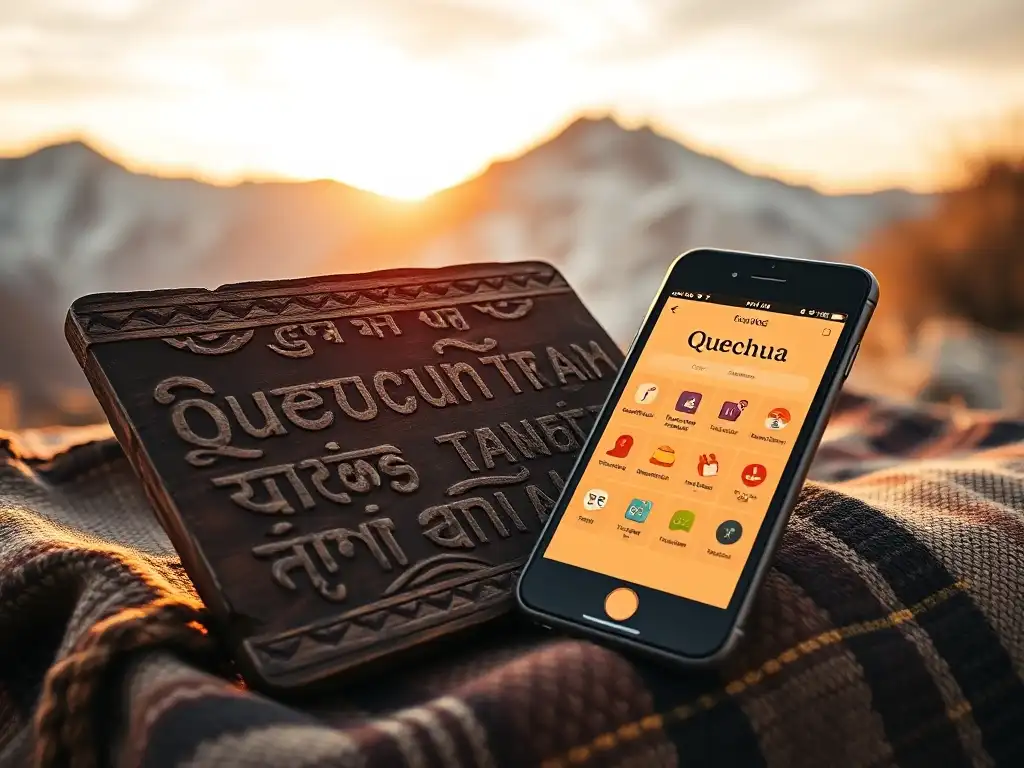
The Quechua language, spoken by millions across the Andes, faces significant challenges in the modern world. Globalization and the dominance of Spanish pose a constant threat to its vitality. However, technology offers a powerful toolkit for revitalizing Quechua and ensuring its survival for future generations. This section explores how digital tools are being leveraged to strengthen Quechua language preservation, education, and cultural expression.
The effective use of technology isn't simply about translating existing materials; it's about creating new and engaging ways to interact with the language and culture, fostering a sense of pride and ownership amongst Quechua speakers. This approach is crucial for combating language loss and promoting linguistic diversity in the digital sphere. The strategic deployment of digital resources is proving to be a critical component in the ongoing efforts to ensure the Quechua language thrives in the 21st century.
Digital Tools for Quechua Language Education
The availability of digital Quechua language learning resources is rapidly expanding. This includes interactive apps focusing on vocabulary building and grammar, online courses offering structured lessons, and digital dictionaries providing comprehensive definitions and examples. These resources cater to diverse learning styles and preferences, making Quechua accessible to a wider audience, regardless of geographical location.
For example, some apps utilize gamification techniques, turning language learning into an engaging and fun experience. Other platforms offer personalized learning paths, adapting to the individual learner's pace and progress. The effectiveness of these tools is further enhanced by the incorporation of multimedia elements such as audio recordings of native speakers, videos demonstrating correct pronunciation, and interactive exercises that test comprehension and fluency.
This multi-sensory approach significantly improves the learning experience and retention rate, ultimately contributing to the revitalization of the Quechua language. The growth in these resources is a testament to the increasing recognition of the importance of digital tools in language education. Furthermore, the development of these tools is often collaborative, involving linguists, educators, and community members to ensure cultural authenticity and relevance.
Using Technology to Promote Quechua Literature and Art
Technology offers unprecedented opportunities to promote Quechua literature and art on a global scale. Digital platforms such as websites, blogs, and social media provide readily accessible spaces for sharing Quechua stories, poems, songs, and artwork. This increased visibility helps to connect Quechua speakers across geographical boundaries and fosters a sense of shared cultural identity.
Furthermore, the use of digital tools allows for the creation of interactive e-books and multimedia presentations that enrich the experience of engaging with Quechua creative works. For instance, e-books can incorporate audio narration by native Quechua speakers, enhancing comprehension and providing a more immersive experience. Similarly, multimedia presentations can combine text, images, and audio-visual elements to bring Quechua stories and legends to life.
The accessibility of digital platforms also allows for greater participation in the creation and dissemination of Quechua cultural products. This democratization of access empowers Quechua artists and writers to share their work with a global audience, promoting cultural exchange and preserving cultural heritage for future generations. The use of technology in this context is not simply about preservation; it’s about active promotion and celebration of Quechua cultural production.
Creating Digital Archives of Quechua Oral Traditions
The preservation of Quechua oral traditions, which often hold invaluable historical and cultural knowledge, is crucial for maintaining linguistic and cultural diversity. Technology plays a vital role in this endeavor by enabling the creation of digital archives that store and make accessible vast amounts of audio and video recordings of storytelling, songs, and other oral traditions. This digital preservation ensures that these precious cultural assets are safeguarded from loss or damage, and that they remain accessible to future generations.
The creation of these archives often involves collaboration between community members, linguists, and technology specialists. This collaborative approach ensures that the digital archives are not only technically sound but also culturally sensitive and respectful. Furthermore, these digital archives can be made searchable and easily navigable, allowing researchers and the wider public to access specific information quickly and efficiently.
The use of metadata tagging and keyword indexing further enhances the accessibility and searchability of these valuable resources. The development of comprehensive digital archives of Quechua oral traditions is a significant step towards ensuring the long-term survival and accessibility of this vital aspect of Quechua culture. This active preservation effort exemplifies the powerful role of technology in safeguarding intangible cultural heritage.
The Future of Quechua: A Digital Renaissance?

The survival and flourishing of the Quechua language in the 21st century hinges significantly on its successful integration into the digital sphere. While traditional methods of transmission remain vital, the potential of digital tools to revitalize and expand the reach of Quechua is immense. This section explores the multifaceted ways in which digital technologies are shaping the future of this vibrant Andean language, examining both the challenges and opportunities presented by this ongoing digital transformation.
The availability of robust Quechua language digital resources is paramount to this success. A concerted effort involving linguists, technologists, and Quechua communities themselves is crucial to ensure that this digital renaissance truly benefits all Quechua speakers.
The Impact of Digitalization on Quechua Language Speakers
The impact of digitalization on Quechua speakers is a complex tapestry woven from both positive and negative threads. On one hand, increased internet access, particularly in more remote communities, offers unprecedented opportunities for language learning, cultural exchange, and community building. Quechua speakers can now connect with others across geographical boundaries, sharing stories, traditions, and knowledge in their native tongue. The rise of social media platforms, for example, provides a space for informal language use and the creation of digital content in Quechua, fostering a sense of linguistic pride and community.
However, the dominance of Spanish and other global languages online poses a significant challenge. The lack of readily available Quechua language digital resources, such as dictionaries, grammar guides, and educational materials, creates a digital divide that disproportionately affects Quechua speakers. This digital gap can lead to a decline in language proficiency, particularly among younger generations who are more exposed to digital environments dominated by other languages.
Furthermore, the digital world presents new challenges in terms of preserving the nuances and complexities of the Quechua language, particularly its diverse dialects. Accurate and culturally sensitive translation and transcription are crucial to avoid linguistic loss and misrepresentation.
Emerging Technologies for Quechua Language Processing
Emerging technologies offer exciting possibilities for enhancing Quechua language digital resources and promoting language revitalization. Natural Language Processing (NLP) techniques, for instance, are being applied to develop tools for automatic speech recognition, machine translation, and text-to-speech conversion in Quechua. These tools can significantly improve accessibility to digital content in Quechua and facilitate language learning. Furthermore, advancements in artificial intelligence (AI) are paving the way for the creation of more sophisticated language learning applications and virtual assistants that can interact with users in Quechua.
The development of these technologies, however, requires substantial investment in research and development, as well as close collaboration between linguists, technologists, and Quechua communities. The creation of high-quality datasets, crucial for training NLP models, is a particularly challenging task, requiring careful consideration of the diversity of Quechua dialects and the need to represent all variations accurately. Moreover, ethical considerations related to data collection and usage must be carefully addressed to ensure that these technologies benefit Quechua communities and do not contribute to further marginalization.
Digital Inclusion and Access for Quechua Communities
Ensuring equitable access to digital technologies and Quechua language digital resources is critical for the successful integration of Quechua into the digital age. This requires addressing the digital divide that disproportionately affects many Quechua communities, often characterized by limited internet access, inadequate infrastructure, and a lack of digital literacy. Bridging this gap requires a multi-pronged approach, including investments in infrastructure development, digital literacy training programs, and the creation of culturally relevant digital content in Quechua.
Moreover, the design and development of Quechua language digital resources must be participatory and community-driven, ensuring that these tools meet the specific needs and preferences of Quechua speakers. This requires close collaboration with Quechua communities throughout the entire process, from the initial stages of needs assessment to the final stages of evaluation and refinement. Only through such a collaborative and inclusive approach can we ensure that digital technologies truly empower Quechua communities and contribute to the long-term sustainability of the language.
The future of Quechua in the digital age depends on this commitment to equitable access and community participation. 💻 🌎
Frequently Asked Questions
What digital resources are available for learning Quechua?
Several online courses, apps, and digital dictionaries offer Quechua language learning. Many resources focus on specific Quechua dialects, so choose one relevant to your interests. Look for resources that incorporate multimedia elements for a more effective learning experience.
Are there any online communities dedicated to Quechua language learning?
Yes, numerous online forums, social media groups, and language exchange platforms cater to Quechua speakers and learners. These communities offer opportunities for practice, feedback, and cultural immersion.
How can digital technology help preserve the Quechua language?
Digital tools are crucial for language revitalization. Online archives of Quechua texts, audio, and video materials help preserve the language for future generations. Digital storytelling projects also empower Quechua speakers to share their stories and traditions.
What are the challenges of using digital resources to learn Quechua?
Finding reliable and accurate resources can be challenging due to the diversity of Quechua dialects. The lack of standardized digital materials can also create inconsistencies in learning. Access to technology and internet connectivity is also a significant barrier for some learners.
How can I find authentic Quechua digital content?
Look for resources created by native Quechua speakers or organizations dedicated to Quechua language and culture. Verify the source's credibility and look for materials that reflect authentic usage of the language, rather than overly simplified versions.
Final Reflection: Weaving the Past into the Digital Future of Quechua
The digital revolution presents both a challenge and an unprecedented opportunity for indigenous languages like Quechua. The rapid advancement of technology risks marginalizing languages already facing significant pressures, yet simultaneously offers powerful tools for revitalization and preservation. This digital space, once a seemingly insurmountable barrier, can now become a bridge connecting generations and fostering a renewed appreciation for Quechua's rich cultural heritage.
The ongoing struggle to maintain linguistic diversity in a globalized world is deeply personal to me, as it is to countless others who cherish their ancestral tongues. The vibrant tapestry of Quechua dialects, each with its unique nuances and storytelling traditions, is a treasure that must be protected. Language is the road map of a culture. It tells you where its people come from and where they are going.
– Rita Mae Brown. This quote perfectly encapsulates the importance of preserving Quechua in the digital age, ensuring its continued journey through time and its ability to guide future generations.
Consider the resources discussed in this article – the online dictionaries, language learning apps, and digital archives. These are not mere technological advancements; they are vital tools in the fight for linguistic survival. You have the power to contribute to this effort. Explore these resources, share them with others, and actively engage with the digital Quechua community. Let us work together to ensure that the voices of Quechua speakers resonate clearly and powerfully in the digital age, enriching the global conversation and preserving a legacy for generations to come.
Embrace the Future: Engage with Quechua Today!
Thank you for exploring the fascinating intersection of Quechua culture and the digital age. Your interest helps preserve and promote this rich heritage. Let's work together to support and celebrate Quechua in our modern world.
Here are some ways you can participate:
- Learn Quechua online. Immerse yourself in the language and deepen your appreciation for the culture.
- Share your passion on social media. Use the hashtag #QuechuaDigital to connect with others dedicated to preserving Quechua heritage.
- Attend Quechua cultural events. Participate in local or online events celebrating Quechua history and culture, fostering community and knowledge sharing.
What inspires you about integrating Quechua traditions into today's digital world? Let's discuss!