
Aymara Oral Literature: Epic Tales and Legends

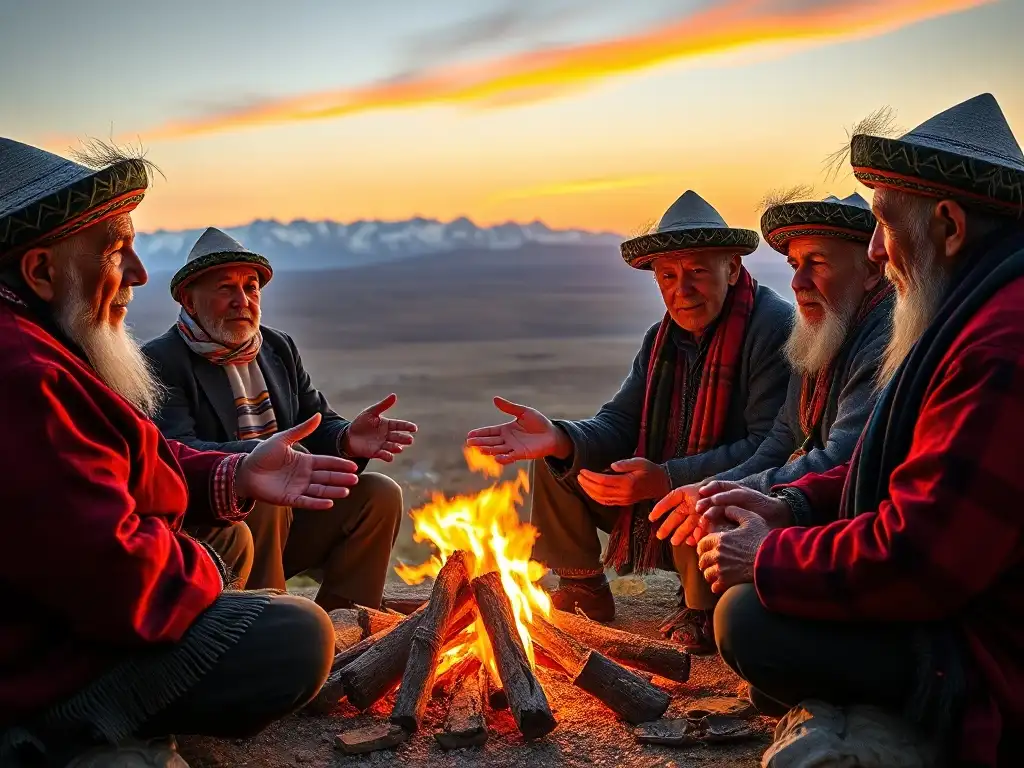
Step into a world lost to time, yet echoing with vibrant life. Journey through the Andes, where towering mountains guarded the secrets of magnificent civilizations. Within these digital highlands, we unravel the mysteries of ancient cultures, from the intricate artistry of the Nazca lines to the sophisticated engineering of the Incas. But prepare to be captivated by something truly unique: the whispered legends of the Aymara oral history, ancient stories passed down through generations. Discover the epic tales and hidden truths within, and unlock the enduring legacy of a people whose voices still resonate across the ages.
- Aymara Oral Literature: Epic Tales and Legends of the Andes
- Epic Narratives in Aymara Oral History
- Aymara Legends: Exploring the Mythical World
- The Transmission of Aymara Oral History Legends
- Analyzing Aymara Oral Literature: Themes and Motifs
- Conclusion: The Enduring Legacy of Aymara Oral Tales
- Frequently Asked Questions
- Final Reflection: Echoes of the Andes: Preserving Aymara Voices
- Unveil the Richness of Aymara Culture Today!
Aymara Oral Literature: Epic Tales and Legends of the Andes
The Andes Mountains, a spine of towering peaks running down the western coast of South America, are not only a breathtaking geographical feature but also the cradle of vibrant and enduring cultures. Among them, the Aymara people, inhabiting the Altiplano region encompassing parts of Bolivia, Peru, and Chile, possess a rich tapestry of oral traditions, woven through centuries of history and passed down through generations.
This article delves into the fascinating world of Aymara oral literature, exploring the epic tales, captivating legends, and the profound cultural significance of this storytelling tradition. We will uncover the narratives that illuminate their worldview, social structures, and relationship with their challenging yet bountiful environment.
Understanding Aymara oral history legends provides a crucial window into the heart of this ancient and resilient Andean civilization, offering invaluable insights into their beliefs, values, and enduring legacy. This exploration will reveal how these stories have not only survived but thrived, adapting to modern challenges while retaining their core essence.
Introduction to Aymara Oral Traditions
Aymara oral traditions are not merely stories; they are living repositories of knowledge, history, and cultural identity. These narratives, passed down through generations primarily through spoken word, encompass a wide range of genres, including epic poems, myths, legends, folktales, and proverbs. Unlike written literature, Aymara oral traditions are dynamic and fluid, adapting and evolving with each retelling.
The specific details might vary depending on the storyteller and the context, yet the core themes and moral lessons remain consistent. This fluidity reflects the Aymara's deep connection to their land and their adaptable nature, mirroring the ever-changing landscape of the Altiplano. The preservation of these stories is integral to maintaining their cultural heritage and ensures the continuity of Aymara identity in the face of societal changes.
Key elements often include interactions with nature spirits, ancestral figures, and explorations of moral dilemmas, reflecting the Aymara's profound respect for their environment and complex social structures. The use of vivid imagery, poetic language, and memorable characters makes these stories captivating and deeply engaging for listeners of all ages. The transmission of these narratives often occurs within specific social contexts, such as family gatherings, community celebrations, and religious rituals, reinforcing their importance to the community.
The Significance of Oral Storytelling in Aymara Culture
Oral storytelling in Aymara culture is far more than mere entertainment; it serves as a vital mechanism for transmitting knowledge, values, and social norms. These narratives function as educational tools, teaching younger generations about their history, customs, and the challenges of living in a high-altitude environment. They also serve as a means of preserving and transmitting ecological knowledge, including traditional agricultural practices and medicinal uses of plants. Furthermore, Aymara oral traditions play a significant role in maintaining social cohesion and reinforcing community bonds.
The act of sharing stories fosters a sense of shared identity and belonging, strengthening the social fabric of Aymara communities. Many stories revolve around the importance of community cooperation, respect for elders, and the balance between human needs and the environment. The narratives frequently feature archetypal characters and recurring motifs, which serve as powerful metaphors for understanding complex social and moral issues.
For example, tales of cunning animals often convey subtle messages about societal dynamics and the importance of community harmony. The continued practice of oral storytelling in Aymara communities is a testament to its enduring power and its crucial role in the preservation of their unique cultural identity. The richness and diversity of these stories offer a compelling glimpse into the heart of Aymara culture and their enduring connection to their ancestral lands.
Epic Narratives in Aymara Oral History
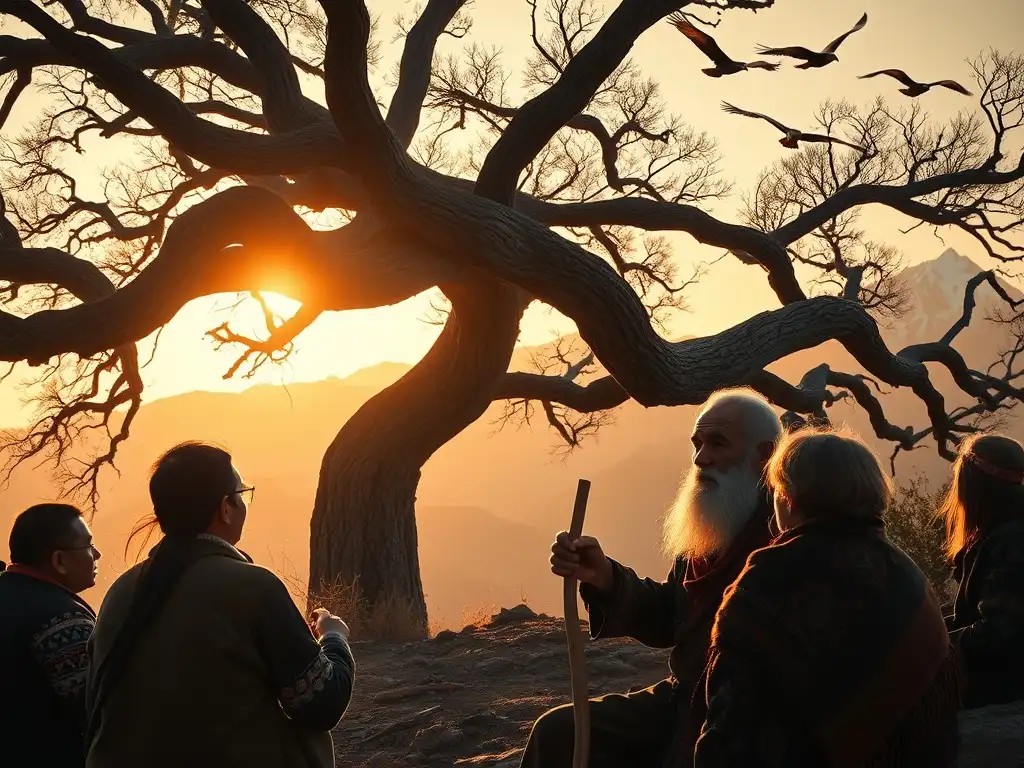
Aymara oral history, a vibrant tapestry woven from generations of storytelling, is rich with epic narratives that reflect the worldview, values, and experiences of the Aymara people. These legends, passed down through generations, are not merely entertaining tales; they are powerful vehicles for transmitting cultural knowledge, moral lessons, and historical memory. The preservation of these stories is crucial for understanding the complexities of Aymara identity and their enduring connection to the Andes. The narratives often intertwine elements of mythology, history, and everyday life, creating a compelling blend that captivates listeners and reinforces community bonds.
The use of vivid imagery, memorable characters, and symbolic language ensures that these legends resonate deeply within the Aymara community and continue to inspire awe and wonder. Many of these epics revolve around powerful figures, natural phenomena, and significant events that shaped the Aymara worldview. The stories also serve as a means of preserving and transmitting ecological knowledge, highlighting the intricate relationship between the Aymara and their environment.
Analyzing these epic narratives provides invaluable insights into the Aymara's social structures, beliefs, and their understanding of the world. Furthermore, studying the variations in these stories across different Aymara communities reveals the dynamic nature of oral tradition and its adaptability to changing social and environmental contexts. The continued study and documentation of these oral histories are essential for understanding and appreciating the richness and complexity of Aymara culture.
Key Themes in Aymara Epic Legends
Several recurring themes emerge from the vast corpus of Aymara oral legends. One prominent theme is the relationship between humans and nature. Many stories feature powerful deities or spirits associated with mountains, lakes, and other natural elements, reflecting the Aymara's deep reverence for the environment. Another prevalent theme is that of social justice and morality. Legends often depict conflicts between good and evil, highlighting the importance of ethical behavior and the consequences of transgression.
These narratives serve as moral compasses, guiding Aymara communities in their interactions with each other and the natural world. The theme of ancestral lineage and identity is also central to many Aymara legends. Stories trace the origins of clans and communities, emphasizing the importance of collective memory and shared heritage. These narratives reinforce a sense of belonging and continuity, connecting present generations to their ancestors.
Finally, the theme of resistance and resilience is frequently present, reflecting the Aymara people's enduring strength in the face of adversity. These stories celebrate their capacity to overcome challenges and maintain their cultural identity amidst external pressures. These overarching themes, interwoven throughout the epic narratives, provide a rich understanding of the Aymara worldview and their unique cultural heritage. The persistence of these themes across generations underscores their continuing relevance and importance.
The Legend of Tunupa: A Deep Dive
The legend of Tunupa, a powerful female deity, is one of the most widely known and significant stories in Aymara oral tradition. This epic narrative speaks to themes of creation, betrayal, and the enduring power of motherhood. Tunupa's story is a complex and layered tale, offering profound insights into Aymara cosmology and social values. Variations of the legend exist across different Aymara communities, reflecting the dynamic nature of oral transmission and the diverse interpretations of this powerful myth.
The core narrative, however, remains consistent, emphasizing the importance of maternal love, the forces of nature, and the consequences of human actions. Understanding the legend of Tunupa provides a crucial window into the rich symbolic language and complex narrative structures of Aymara oral literature. The story's enduring popularity speaks to its resonance within the Aymara community and its continued relevance in shaping cultural identity.
The Characters and Their Roles
Tunupa, the central figure, is depicted as a powerful and compassionate deity, often associated with fertility and the protection of her people. Her husband, often portrayed as a less benevolent figure, plays a crucial role in the unfolding of the narrative, representing the forces of betrayal and disruption. Other characters, such as animals and natural elements, also contribute to the story, each playing a significant role in shaping the narrative arc.
The interplay between these characters highlights the complex relationships between humans, deities, and the natural world, reflecting the Aymara's interconnected worldview. The detailed descriptions of these characters and their actions provide a rich tapestry of human emotions and motivations, making the legend both engaging and thought-provoking. The characters' actions, motivations, and ultimate fates serve as powerful moral lessons, reinforcing the values and beliefs central to Aymara culture.
The Moral of the Story
The legend of Tunupa offers several important moral lessons. It emphasizes the importance of loyalty, compassion, and the consequences of betrayal. The story highlights the enduring power of motherhood and the resilience of the human spirit in the face of adversity. Furthermore, it reinforces the Aymara's deep connection to the natural world, emphasizing the importance of respecting the environment and living in harmony with nature.
The moral implications of Tunupa's story are multifaceted, providing a framework for ethical behavior and social responsibility within Aymara communities. These lessons, passed down through generations, continue to shape the values and beliefs of the Aymara people. The narrative's enduring power lies in its ability to teach and inspire through compelling storytelling.
Cultural Insights from the Narrative
The legend of Tunupa reveals much about Aymara cosmology, social structures, and beliefs. The story's depiction of deities and their interactions with humans reflects the Aymara's understanding of the spiritual world. The narrative's emphasis on family, community, and social responsibility underscores the importance of these values within Aymara society. Additionally, the legend's connection to geographical features and natural elements highlights the Aymara's deep relationship with their environment.
By analyzing the various elements of the legend, researchers can gain valuable insights into the rich and complex cultural heritage of the Aymara people. The story serves as a powerful testament to the enduring strength and resilience of Aymara culture. The continued study and interpretation of this and other Aymara legends are crucial for a deeper understanding of their rich history and cultural significance.
Aymara Legends: Exploring the Mythical World
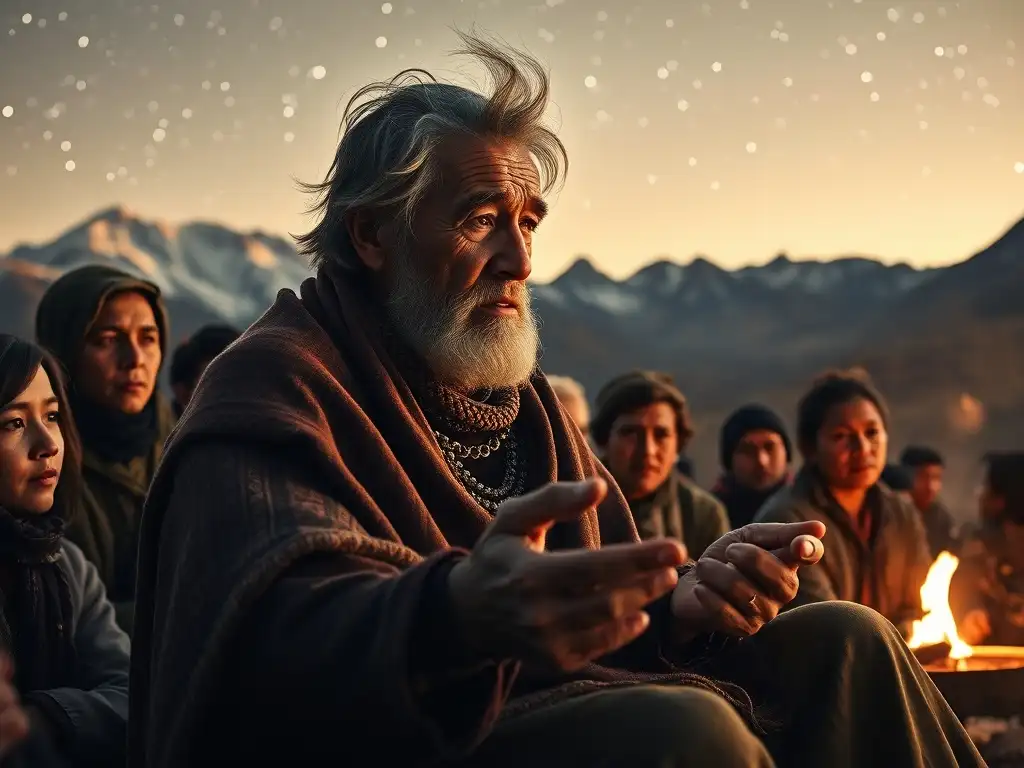
This section delves into the captivating world of Aymara oral history legends, focusing on the rich tapestry of myths and stories passed down through generations. These narratives offer invaluable insights into Aymara cosmology, societal values, and their deep connection with the Andean landscape. Understanding these legends provides a crucial perspective on the Aymara worldview and its enduring influence on their culture.
The preservation and study of these oral traditions are vital for understanding the complexities of Aymara oral history and its place within the broader context of Andean civilizations. The enduring power of these stories lies in their ability to connect the Aymara people to their past, shaping their identity and providing a framework for understanding the present.
Legends of Creation and Origins in Aymara Lore
Aymara creation myths are complex and varied, often interwoven with narratives about the origins of the world, humanity, and the natural environment. These stories are not simply entertaining tales; they serve as foundational texts, shaping Aymara beliefs about their place in the cosmos and their relationship with the divine. The transmission of these narratives, primarily through oral tradition, ensures their continued relevance and adaptation within the changing social and environmental contexts of Aymara communities.
The Legend of the Sun and Moon
One prominent Aymara creation myth recounts the origin of the sun and moon. The story typically involves a powerful creator god, often associated with the mountain peaks, who brings forth the celestial bodies. Variations exist depending on the specific community and storyteller, but a common theme is the separation of the sun and moon, often represented as siblings, and their subsequent placement in the sky.
This narrative speaks to the Aymara understanding of the celestial cycles and their importance in regulating daily life and agricultural practices. The sun and moon are not merely astronomical objects but powerful deities influencing the well-being of the Aymara people and the land they inhabit.
Detailed accounts of this legend often include descriptions of the creator god's attributes, the challenges involved in separating the sun and moon, and the consequences of their actions on the earthly realm. The symbolism within this legend is rich, reflecting the Aymara perception of balance, duality, and the cyclical nature of existence.
Legends of Nature and the Supernatural
Aymara oral history legends are deeply intertwined with the natural world. Mountains, lakes, and animals are not merely inanimate objects but possess spiritual significance and often feature prominently in Aymara narratives. These stories reflect the Aymara people's intimate knowledge of their environment and their reverence for its power. The supernatural often plays a vital role, with spirits, deities, and otherworldly beings influencing the events of the stories. The interplay between the natural and the supernatural highlights the Aymara worldview, which sees the world as interconnected and imbued with spiritual energy.
The Legend of Lake Titicaca
The legend of Lake Titicaca, the highest navigable lake in the world, is a cornerstone of Aymara mythology. It often features in creation stories, describing the lake as a sacred site, the birthplace of the world or a crucial location in the emergence of humanity. The lake's depth, its islands, and the surrounding landscape all hold symbolic meaning within the narrative.
The legend often incorporates elements of the supernatural, with deities or spirits residing in the lake's depths, influencing the lives of the Aymara people who live near its shores. Variations of the legend can include specific details about the lake's creation, the role of specific deities, and the significance of various geographical features, such as the Isla del Sol (Island of the Sun) and Isla de la Luna (Island of the Moon). The legend's enduring popularity underscores the lake's profound spiritual and cultural importance for the Aymara people.
The Legend of the Anchancho
The Anchancho, a mythical being often depicted as a large, hairy creature inhabiting the mountains, features in numerous Aymara legends. Sometimes benevolent, sometimes malevolent, the Anchancho's role varies depending on the specific narrative. It may act as a guardian of the mountains, a protector of the natural world, or a vengeful spirit punishing those who disrespect nature. These stories often serve as cautionary tales, emphasizing the importance of respecting the environment and maintaining a harmonious relationship with the natural world.
The Anchancho's appearance and behavior often reflect the Aymara understanding of the power and unpredictability of nature. The legend's persistence across generations speaks to the enduring impact of environmental beliefs on Aymara culture and identity. Further research is needed to fully explore the variations and regional differences in these Anchancho legends. [Specific information pending: Detailed regional variations of the Anchancho legend]
Animal Legends and Their Symbolism in Aymara Culture
Animal legends form a significant part of Aymara oral history, deeply intertwined with their worldview and spiritual beliefs. Animals aren't simply creatures in the Aymara cosmology; they are imbued with symbolic meaning, often representing powerful forces of nature, ancestral spirits, or even moral lessons. The stories featuring these animals are not just entertaining narratives but also serve as a vital means of transmitting cultural values, beliefs, and ecological knowledge across generations.
These narratives often explain natural phenomena, justify social customs, or warn against violating sacred norms. The careful observation of animal behavior and their interaction with the environment has shaped the Aymara understanding of the world, reflected in their rich tapestry of animal legends. The respect shown towards animals in these stories underscores the Aymara's deep connection with their environment and the interconnectedness of all living things.
Understanding these narratives provides valuable insight into the Aymara perception of the natural world and their intricate relationship with it, highlighting the importance of ecological balance and respect for all life forms. Many of these legends are passed down through generations, ensuring the continued relevance of these ancient stories in contemporary Aymara culture.
The Role of the Condor in Aymara Legends
The condor, a majestic bird soaring high above the Andes, holds a prominent place in Aymara mythology. Often depicted as a messenger of the gods or a guardian spirit, the condor's powerful presence symbolizes strength, freedom, and connection to the celestial realm. In some legends, the condor acts as a protector, guiding lost travelers or warning communities of impending danger.
Its ability to fly high above the mountains is associated with wisdom and insight, representing a connection to the spiritual world inaccessible to ordinary mortals. The condor's sharp vision and keen observation skills are also reflected in Aymara narratives, often portraying the bird as possessing a unique understanding of the world around it. Stories about the condor frequently serve as cautionary tales, reminding the Aymara of the importance of respecting nature and upholding ethical principles.
The condor's symbolic significance extends beyond the realm of mythology, influencing Aymara art, rituals, and even social structures. The image of the condor can be found in various forms of Aymara expression, underscoring its enduring importance in their cultural heritage. The continued reverence for the condor highlights the Aymara's deep-rooted respect for the natural world and the powerful symbolic role animals play in their culture.
The Significance of the Puma in Aymara Oral Lore
The puma, a powerful and elusive feline, features prominently in Aymara oral traditions, often embodying strength, agility, and cunning. Unlike the condor's celestial association, the puma's symbolism is often grounded in the terrestrial world, representing the earth's power and the mysteries of the Andean landscape. In some legends, the puma acts as a protector of the community or a guardian of sacred sites.
Its stealth and hunting prowess are admired, representing the skills necessary for survival in the harsh Andean environment. However, the puma's power also carries a sense of danger and unpredictability, serving as a reminder of the forces of nature that must be respected. Stories about the puma often explore themes of balance, warning against arrogance and disrespect towards the natural world.
The puma's nocturnal habits and its connection to the shadows also contribute to its mystical aura in Aymara lore, sometimes associating it with the underworld or the realm of spirits. The puma's enduring presence in Aymara oral traditions reflects its significance as a powerful symbol of the Andean landscape and the forces of nature that shape Aymara life. The continued telling of these stories ensures that the puma remains a vital part of Aymara cultural identity and their understanding of the world around them.
The Transmission of Aymara Oral History Legends
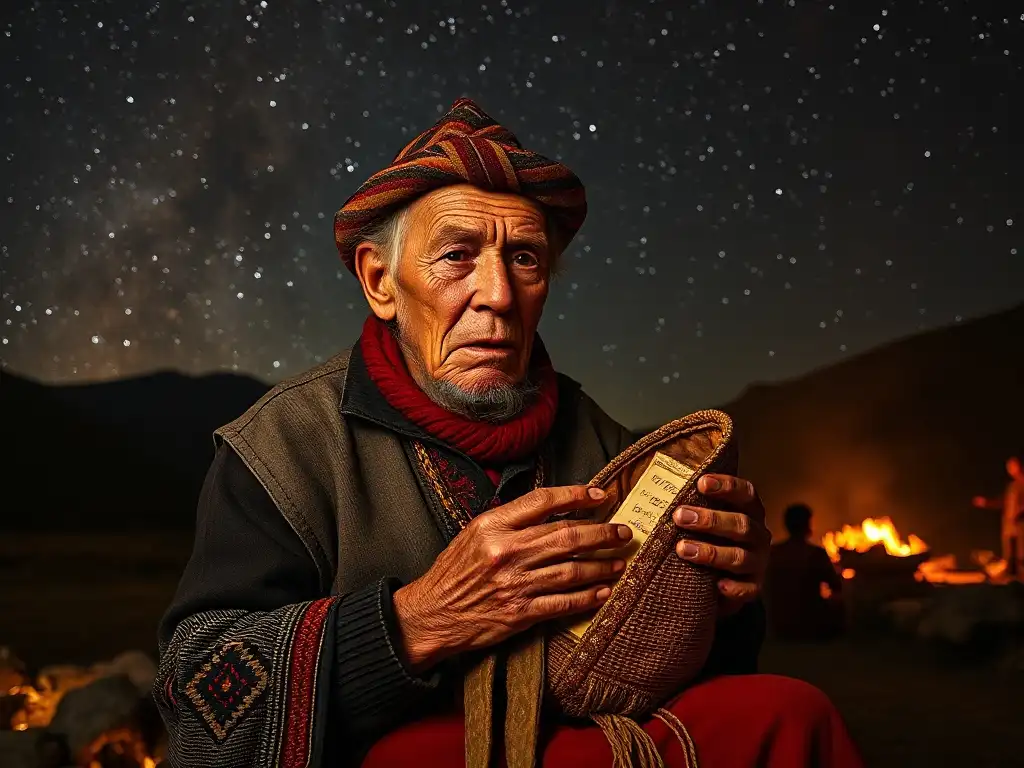
The vibrant tapestry of Aymara oral history legends has been meticulously woven and passed down through generations, relying heavily on a sophisticated system of oral transmission. Unlike written traditions, the preservation of these epic tales and narratives depends entirely on the memory and storytelling abilities of individuals within the community. This oral tradition is not simply a recounting of events; it’s a living, breathing entity, constantly evolving and adapting while maintaining its core essence.
The stories themselves are imbued with deep cultural significance, reflecting the Aymara worldview, values, and relationship with their environment. This intricate process of transmission ensures the continuity of their cultural heritage and identity, a legacy that has endured for centuries.
Understanding this transmission is key to appreciating the richness and resilience of Aymara culture. The strength of this oral tradition lies in its adaptability; stories are constantly reinterpreted and re-told, reflecting the changing circumstances of the community while still maintaining their fundamental themes and messages.
The Role of Storytellers and Elders in Preserving Aymara Traditions
Within Aymara communities, specific individuals play a crucial role in preserving and transmitting their rich oral history. Elders, often revered for their wisdom and experience, are the primary custodians of these legends. Their deep knowledge, honed over years of listening and storytelling, allows them to recount tales with precision and emotional depth. These aren't mere recitations; they are performances, infused with dramatic flair, gestures, and vocal inflections that bring the stories to life.
The role of the storyteller extends beyond simple entertainment; they are cultural educators, transmitting not only the narratives themselves but also the values, beliefs, and social norms embedded within them. Younger generations learn not only the stories but also the proper way to behave, the importance of community, and the respect for their ancestors. The skill of storytelling is often passed down within families, creating a lineage of oral historians who safeguard this precious heritage.
This system fosters a strong sense of collective memory and cultural identity, binding the community together through shared narratives and experiences. Furthermore, the specific language used—Aymara—itself acts as a powerful tool for preserving cultural identity. The nuances, idioms, and proverbs within the stories are integral to the Aymara language, ensuring its continued use and preservation.
The Importance of Oral Transmission Across Generations
The oral transmission of Aymara legends is not merely a historical practice; it's a dynamic process vital for the continuity of Aymara culture. The act of storytelling creates a powerful bond between generations, forging a connection to the past and shaping the identity of future generations. Children learn about their ancestors, their triumphs, and their struggles, fostering a sense of belonging and pride in their heritage.
These stories aren’t passive narratives; they are active agents in shaping Aymara values, teaching lessons about morality, responsibility, and the importance of community. The repetition and retelling of these stories across generations ensure that the core narratives remain intact, even as the specific details might evolve. This dynamic process allows the stories to adapt to changing circumstances while retaining their essential meaning.
For example, a legend about a successful harvest might be retold with contemporary references, maintaining the core message of perseverance and community cooperation while adapting it to modern agricultural practices. This adaptability is crucial to the survival of the oral tradition, ensuring its relevance and continued engagement across generations. The oral transmission ensures that the stories remain relevant and relatable, adapting to the changing social and environmental context while maintaining their cultural significance.
While the oral tradition remains central to Aymara culture, contemporary efforts are underway to document and preserve these valuable legends for future generations. Recognizing the fragility of oral transmission alone, scholars and community members are collaborating to record and transcribe these stories, creating valuable archives that safeguard this precious cultural heritage. These efforts involve working closely with Aymara elders and storytellers, ensuring that the narratives are recorded accurately and with respect for their cultural significance.
The use of modern technology, such as audio and video recording, allows for detailed preservation of the nuances of storytelling, including vocal inflections, gestures, and emotional delivery. Furthermore, translations into other languages are being created to make these stories accessible to a wider audience, promoting cultural exchange and understanding. However, these initiatives are carefully undertaken with sensitivity to the cultural context, prioritizing the authenticity and integrity of the original Aymara narratives.
The aim is not to replace the oral tradition but to supplement it, creating a secure backup for this invaluable cultural treasure. This dual approach—maintaining the vibrant oral tradition while simultaneously creating written and digital records—ensures the long-term survival and accessibility of Aymara oral history legends for generations to come. The preservation of Aymara oral history legends is a testament to the resilience and adaptability of the Aymara people and their rich cultural heritage.
Analyzing Aymara Oral Literature: Themes and Motifs

This section delves into the rich tapestry of themes and motifs woven throughout Aymara oral literature, focusing specifically on how these elements reflect the cultural values and worldview of the Aymara people. Understanding these recurring patterns provides crucial insight into their history, social structures, and relationship with the Andean landscape. The analysis will highlight the enduring power of these narratives in shaping Aymara identity and preserving their unique cultural heritage. We will examine how these stories, passed down through generations, continue to resonate with contemporary Aymara communities.
Recurring Patterns in Aymara Legends
Aymara oral history legends often feature recurring patterns and motifs that underscore key aspects of their cosmology and social organization. One prevalent theme is the close relationship between humans and nature. Many legends involve interactions with spirits inhabiting mountains, lakes, and other natural features, highlighting a deep respect for the environment and a belief in its interconnectedness with the spiritual realm.
These stories often serve as cautionary tales, emphasizing the importance of respecting nature's power and maintaining ecological balance. For instance, legends about the Achachilas (mountain spirits) frequently warn against disrespecting sacred sites or exploiting natural resources without proper reverence.
Another recurring motif is the struggle between opposing forces, often symbolized by characters representing good and evil, light and darkness, or order and chaos. These narratives explore fundamental moral dilemmas and the consequences of human choices. The stories often emphasize the importance of community, cooperation, and resilience in overcoming adversity. The use of animal characters, such as the cunning fox or the wise llama, adds layers of symbolism and reinforces moral lessons.
These animal characters often act as mediators or guides, representing different aspects of the human condition. The cyclical nature of life and death is also a significant theme, reflected in narratives about the seasons, the sun, and the moon. These cycles are not seen as linear but rather as a continuous process of renewal and transformation. This understanding of cyclical time influences the Aymara worldview and their relationship with the natural world.
Cultural Values Reflected in Aymara Oral Narratives
Aymara oral narratives vividly reflect core cultural values, providing valuable insights into their social structures and belief systems. The emphasis on community and collective well-being is a prominent theme. Many legends celebrate cooperation, mutual support, and the importance of maintaining strong social bonds. Stories often feature communal efforts to overcome challenges, highlighting the value of shared responsibility and solidarity. For example, legends about the construction of ancient irrigation systems showcase the collective work and ingenuity of the Aymara people. This collaborative spirit is essential to their survival in a challenging Andean environment.
Furthermore, Aymara oral history legends often emphasize respect for elders and ancestral knowledge. Elders play a crucial role in transmitting these stories, acting as keepers of tradition and cultural memory. Their wisdom and experience are valued and sought after, reflecting a hierarchical social structure built upon respect for age and accumulated knowledge.
The stories themselves often serve as a means of passing on practical skills, ethical principles, and historical knowledge to younger generations. This intergenerational transmission of knowledge is vital for maintaining cultural continuity. The narratives also reflect a strong sense of place and identity, connecting the Aymara people to their ancestral lands and reinforcing their unique cultural heritage.
The Connection Between Aymara Oral History and Andean Beliefs
The Aymara oral history legends are intrinsically linked to the broader Andean belief system, reflecting a complex cosmology and a deep spiritual connection with the natural world. The stories often incorporate elements of Andean mythology, including beliefs about spirits, deities, and the sacredness of mountains and other geographical features.
The Pachamama (Mother Earth) is a central figure in many Aymara narratives, representing the life-giving force of nature and the importance of maintaining a harmonious relationship with the environment. The stories often emphasize the interconnectedness of all living things and the cyclical nature of life and death, reflecting a holistic worldview that permeates Andean cultures.
Moreover, the Aymara oral history legends often incorporate ritual practices and ceremonies, showcasing the importance of these practices in maintaining spiritual balance and social harmony. The narratives often describe rituals associated with agricultural cycles, ancestor veneration, and other important life events. These rituals are not simply religious practices but rather integral parts of Aymara social life, reflecting their deep spiritual connection to their land and their ancestors.
The preservation of these oral traditions is therefore crucial for understanding the complex relationship between Aymara culture, their beliefs, and the Andean landscape. The narratives offer a unique window into a rich and enduring spiritual heritage, shaped by generations of oral transmission and cultural adaptation. The study of these legends provides invaluable insights into the dynamic interplay between oral tradition, religious belief, and the shaping of Aymara identity within the larger Andean context.
Conclusion: The Enduring Legacy of Aymara Oral Tales
The vibrant tapestry of Aymara oral literature continues to resonate through generations, a testament to the enduring strength and resilience of Aymara culture. These epic tales and legends, passed down through centuries of storytelling, offer invaluable insights into the social structures, beliefs, and worldview of the Aymara people. Their preservation is not merely an act of historical record-keeping; it is a vital contribution to the ongoing cultural vitality of the Aymara community and a rich resource for understanding Andean civilizations as a whole.
The intricate narratives, imbued with symbolic meaning and rich metaphorical language, continue to shape Aymara identity and provide a framework for understanding their relationship with the natural world. The challenges of preserving these traditions in the face of globalization and societal shifts are significant, but the dedication of Aymara communities and scholars alike ensures that these powerful stories will continue to be heard and appreciated for years to come.
The ongoing efforts to document, translate, and analyze these oral traditions are crucial for ensuring the survival and continued relevance of Aymara cultural heritage. This work not only benefits the Aymara community but also enriches our global understanding of human storytelling and its capacity to transmit knowledge, values, and history across generations.
The Importance of Understanding Aymara Oral Traditions
Understanding Aymara oral traditions is crucial for several reasons. Firstly, it provides a direct connection to a rich and complex history, often undocumented through traditional written sources. These narratives offer unique perspectives on Andean history, challenging Eurocentric narratives and enriching our understanding of the region's past. Secondly, studying Aymara oral literature allows us to appreciate the sophisticated literary techniques employed by Aymara storytellers.
The use of metaphor, symbolism, and poetic language reveals a deep understanding of narrative construction and a mastery of oral performance. Thirdly, these traditions are intrinsically linked to Aymara identity and worldview. The stories reflect Aymara values, beliefs, and social structures, providing crucial insights into their unique cultural perspective. Finally, preserving and studying Aymara oral traditions is an act of cultural preservation, ensuring the continuation of a vital part of Andean heritage.
The loss of these traditions would represent an irreplaceable loss to both the Aymara community and the wider world. Active efforts in documentation and research are vital to ensure their continued existence and accessibility. This includes not only the recording of stories but also the fostering of spaces where these stories can be shared and celebrated, keeping them alive in the hearts and minds of future generations. The detailed study of these traditions can reveal hidden layers of meaning and contribute to a more nuanced understanding of Aymara society.
Aymara Oral History Legends: A Window into Andean Civilizations
Aymara oral history legends offer a unique window into the broader context of Andean civilizations. While often focusing on specific Aymara experiences and beliefs, these stories frequently intersect with the narratives and histories of neighboring cultures. For example, certain legends may incorporate elements of Inca mythology or reflect interactions with other Andean groups. This interconnectedness highlights the complex web of cultural exchange and interaction that characterized the Andean region throughout history.
Analyzing these shared elements can help scholars trace the diffusion of ideas, beliefs, and cultural practices across different Andean societies. Further, the persistence of certain motifs and themes across various Aymara legends and those of neighboring groups suggests a deeper shared cultural heritage. The study of these commonalities allows for a richer understanding of the broader Andean cultural landscape and its evolution over time. Moreover, the Aymara oral tradition provides valuable context for understanding archaeological findings and historical documents, offering alternative interpretations and perspectives on events and societal structures.
By combining archaeological evidence with oral histories, researchers can achieve a more complete and nuanced understanding of Andean civilizations. The careful analysis of Aymara oral history legends thus contributes not only to our understanding of Aymara culture but also to a broader comprehension of the rich and diverse history of the Andean region. This interdisciplinary approach, combining anthropological, historical, and linguistic perspectives, is essential for a thorough and accurate understanding of Andean civilizations.
Frequently Asked Questions
What is Aymara oral history?
Aymara oral history consists of legends, myths, and stories passed down through generations, primarily through storytelling. It reflects the Aymara worldview, beliefs, and experiences. This rich tradition preserves their cultural heritage.
How are Aymara legends transmitted?
Aymara legends are transmitted primarily through oral tradition, with elders sharing stories with younger generations. This often happens during community gatherings and ceremonies, reinforcing cultural identity and values. Written forms exist but are secondary.
What are some common themes in Aymara legends?
Common themes include nature spirits, powerful heroes, creation myths, and the relationship between humans and the supernatural. These legends often explain natural phenomena and provide moral guidance. Animals also feature prominently.
What is the significance of Aymara oral history legends?
Aymara oral history legends are crucial for understanding Aymara culture and identity. They provide insight into their beliefs, values, and history, offering a unique perspective on the Andean world. These stories are vital for preserving their heritage.
How do Aymara oral history legends relate to other Andean cultures?
While unique, Aymara legends share some similarities with other Andean cultures, reflecting shared historical experiences and interaction between different groups. However, they also possess distinct characteristics reflecting their specific cultural context and language.
Final Reflection: Echoes of the Andes: Preserving Aymara Voices
The vibrant tapestry of Aymara oral literature, rich with epic tales and legends, remains a powerful testament to the enduring spirit of a culture facing the relentless pressures of globalization. These stories, passed down through generations, are not mere historical artifacts; they are living narratives that continue to shape identities, values, and community bonds within Aymara society and offer invaluable insights into Andean history and cosmology.
The enduring power of these oral traditions lies in their ability to connect past, present, and future. They offer a profound understanding of the Aymara worldview, their relationship with the land, and their resilience in the face of adversity. The stories are not just stories; they are the very breath of our ancestors, keeping us connected to the earth and to each other.
- This sentiment, echoing through generations of Aymara storytellers, underscores the vital importance of preserving and celebrating this rich cultural heritage. The ongoing struggle to document and share these narratives is a testament to the dedication of those committed to keeping the Aymara voice alive.
Consider, for a moment, the weight of these ancient words, the wisdom embedded within each tale. You, the reader, now hold a piece of this legacy. Take the time to explore further, to seek out recordings, translations, and opportunities to engage with Aymara culture. Let the echoes of the Andes resonate within you, inspiring a deeper appreciation for the diversity of human experience and the enduring power of storytelling. By actively supporting the preservation and dissemination of Aymara oral traditions, we ensure that these vital voices continue to be heard for generations to come.
Unveil the Richness of Aymara Culture Today!
Thank you for exploring the captivating world of Aymara oral literature. We hope you've gained a deeper understanding of the epic tales and legends that shape this vibrant culture. Now, let's delve even further into this fascinating heritage!
Here are some ways you can continue your journey of discovery:
- **Explore Aymara Legends:** Expand your knowledge by reading more stories from the rich Aymara oral tradition. Many books and online resources offer access to these compelling narratives.
- **Share Your Discoveries:** Discuss the powerful themes and enduring lessons of Aymara storytelling with friends, family, or online communities. Help spread appreciation for this unique cultural heritage.
- **Connect with the Community:** Engage with local groups or online forums dedicated to Andean literature and culture. This is a wonderful way to learn from others, share your insights, and connect with fellow enthusiasts.
Which Aymara legend has most captivated your imagination, and what aspects resonate most strongly with you? Let's begin a conversation!