
A Symphony of Voices: The Collective Memory of Andean Communities

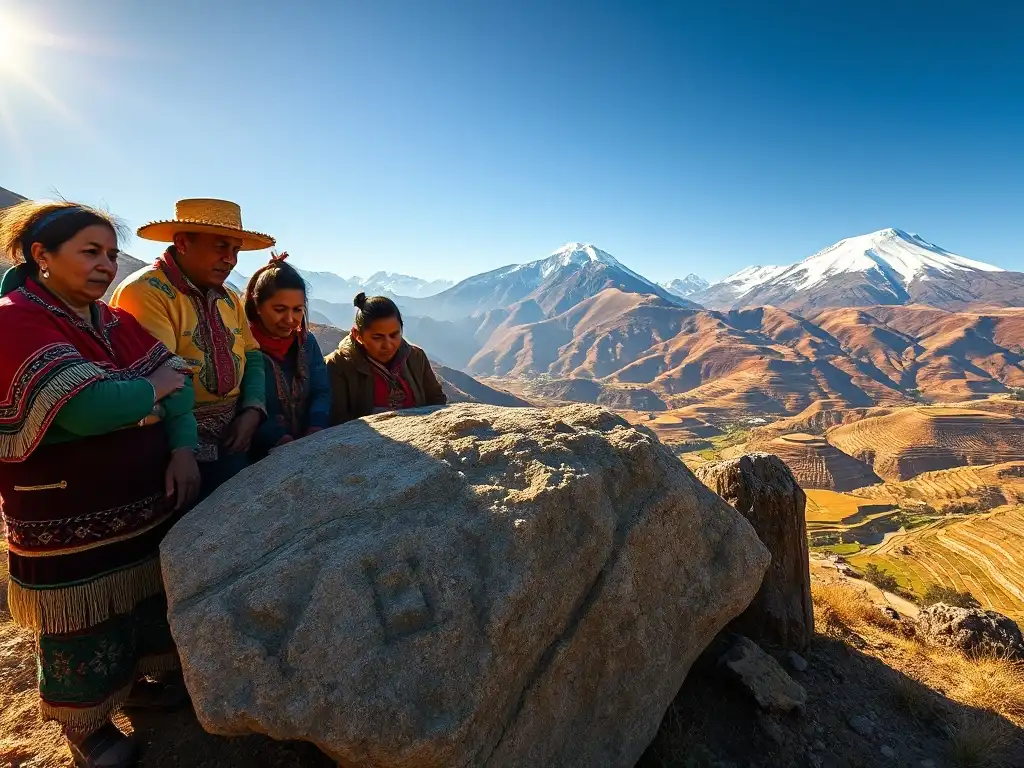
Uncover the echoes of a lost world. Journey through time and across the breathtaking Andes, where a symphony of voices whispers tales of ingenuity and resilience. Ancient Andean civilizations history unfolds before you, revealing the intricate tapestry of cultures that shaped this remarkable region. From the soaring heights of Machu Picchu to the enigmatic Nazca Lines, prepare to be captivated by the legacy of the Incas, Moche, Nazca, and Tiahuanaco. What secrets do their languages hold? Dive in and discover the answers.
The vibrant tapestry of Ancient Andean civilizations history is not solely woven from the threads of monumental architecture and intricate artifacts. A crucial, often overlooked, element is the enduring power of oral tradition. For centuries, before the advent of widespread writing systems, Andean communities meticulously preserved their history, knowledge, and cultural heritage through meticulously passed-down narratives, songs, and rituals.
This article delves into the profound significance of oral tradition in shaping our understanding of these fascinating societies, exploring how it acted as a collective memory, transmitting vital information across generations and fostering a strong sense of cultural identity. We will examine how this oral legacy continues to resonate today, influencing modern Andean communities and enriching our understanding of their rich past.
This exploration of ancient Andean civilizations history through the lens of oral tradition reveals a complex and dynamic relationship between the past and the present, offering a deeper appreciation for the resilience and continuity of Andean culture. Understanding this rich oral history is crucial to appreciating the full breadth and depth of Ancient Andean civilizations.
The Role of Storytellers and Keepers of Memory
The transmission of knowledge in pre-Columbian Andean societies relied heavily on specialized individuals: quipucamayocs, or keepers of knots, and amautas, wise men and women who served as storytellers, teachers, and repositories of ancestral wisdom. These individuals were not simply narrators; they were active participants in shaping the collective memory of their communities. Their performances, often accompanied by music and dance, weren't mere entertainment; they were vital tools for education, social cohesion, and the preservation of cultural values.
The intricate system of knotted strings, the quipus, served as a mnemonic device, aiding in the recall and transmission of complex information, including historical events, astronomical observations, and economic records. The amautas, meanwhile, used storytelling to transmit moral lessons, historical accounts, and cosmological beliefs, shaping the worldview and identity of each generation. Their role was essential in maintaining social order and continuity.
Narratives, Myths, and Legends: Shaping Andean Identity
Ancient Andean civilizations history is richly embedded in a vast corpus of narratives, myths, and legends. These stories, passed down orally, served multiple functions. They explained the origins of the world and humanity, provided moral instruction, and justified social structures. For example, the creation myths of different Andean groups often feature powerful deities shaping the landscape and establishing the foundations of society.
These narratives not only explained the natural world but also instilled a sense of belonging and shared identity among community members. Legends of heroic figures and significant historical events reinforced social values and provided models of behavior. The oral transmission of these stories ensured their survival and adaptation over time, reflecting the ever-evolving cultural landscape of the Andes. The details of these narratives varied across different regions and groups, highlighting the diversity within the broader Andean cultural sphere.
The Enduring Legacy of Oral Tradition in Contemporary Andean Communities
Even today, oral tradition remains a vital element of Andean culture. While written records have become increasingly important, the oral transmission of stories, songs, and rituals continues to play a crucial role in maintaining cultural identity and transmitting knowledge across generations. Many indigenous communities actively preserve their oral traditions through workshops, festivals, and educational initiatives. This commitment reflects a deep understanding of the importance of preserving their ancestral heritage and ensuring its continuity for future generations.
The ongoing relevance of oral tradition underscores its power as a dynamic and adaptable means of cultural transmission. The stories continue to evolve, reflecting the changing realities of contemporary Andean life while retaining their core cultural significance. The study of these contemporary oral traditions provides invaluable insights into the historical depth and ongoing resilience of Andean cultures.
- The Role of Storytellers and Keepers of Memory
- Narratives, Myths, and Legends: Shaping Andean Identity
- The Enduring Legacy of Oral Tradition in Contemporary Andean Communities
- What are some of the main ancient Andean civilizations covered in this article?
- How does the article approach the history of Ancient Andean civilizations?
- What aspects of Andean culture are highlighted in "A Symphony of Voices"?
- What makes the article's approach to "Ancient Andean civilizations history" different?
- Where can I learn more about the specific achievements of individual Andean civilizations?
The Enduring Legacy of Oral Tradition in Ancient Andean Civilizations
The study of Ancient Andean civilizations history often overlooks the crucial role of oral tradition. While written records exist for some periods and groups, a vast amount of knowledge, beliefs, and historical accounts were transmitted through generations via spoken word. This vibrant oral culture wasn't simply a substitute for writing; it was an integral part of Andean societal structure, shaping identity, preserving history, and transmitting vital knowledge about agriculture, astronomy, and social organization.
The absence of widespread literacy in many Andean societies didn't equate to a lack of sophisticated record-keeping; instead, it fostered a unique system of memory preservation deeply embedded in daily life. Understanding this oral legacy is fundamental to gaining a complete picture of Ancient Andean civilizations history, revealing nuances often lost in the limited written accounts left behind by Spanish conquistadors.
The intricate tapestry of Andean history is woven not only from threads of archaeological findings but also from the enduring strength of its oral traditions. This section will explore how these oral traditions shaped the collective memory and cultural identity of these remarkable civilizations.
Preserving Ancient Andean History Through Spoken Word
The transmission of Ancient Andean civilizations history through spoken word relied on several key mechanisms. Storytelling, a cornerstone of Andean culture, wasn't merely entertainment; it served as a vital means of educating younger generations. Narratives recounted the origins of communities, the exploits of legendary figures, and the crucial lessons learned from past events. These weren't static tales; they evolved and adapted over time, reflecting changing social contexts and integrating new experiences. Think of it as a living history, constantly being reshaped and reinterpreted by each generation.
Furthermore, specialized individuals, often elders or religious leaders, played a crucial role in memorizing and transmitting complex knowledge. They acted as living archives, entrusted with preserving genealogies, astronomical observations, and intricate details of agricultural practices. This wasn't a passive process; active recall and recitation were vital, ensuring the information remained vivid and relevant. The use of mnemonic devices, songs, poems, and ritualistic performances further enhanced memory and ensured accurate transmission.
The collective memory wasn't solely the responsibility of individuals; it was a shared responsibility, reinforced through communal gatherings and ceremonies where stories and knowledge were repeatedly shared and reaffirmed. This communal aspect ensured the continuity and accuracy of the historical record far beyond the lifespan of any single individual. The system was resilient, adapting to the loss of individuals, ensuring the preservation of ancestral knowledge.
The Vital Role of Storytelling in Andean Culture
Storytelling in Ancient Andean civilizations wasn't a passive activity; it was an active process of community building and cultural transmission. Narratives were often interwoven with songs, dances, and dramatic performances, creating immersive experiences that deeply engaged the audience. These performances weren't simply entertainment; they served as a powerful tool for teaching moral lessons, reinforcing social norms, and transmitting vital information about the natural world.
For example, myths about the creation of the world or the origins of agriculture provided explanations for natural phenomena and instilled a deep respect for the environment. These narratives also helped to establish a sense of collective identity, connecting individuals to their ancestors and to the land they inhabited.
Consider the different narratives surrounding the creation myths of the various Andean cultures. Each group possessed its unique cosmology, yet many shared common themes, reflecting a shared understanding of the natural world and their place within it. These diverse yet interconnected narratives demonstrate the richness and complexity of Andean oral traditions.
The stories were not static; they were dynamic, evolving to reflect the changing circumstances and experiences of the communities that told them. This adaptive nature allowed the oral tradition to remain relevant and meaningful across generations, providing a framework for understanding their history and their place in the world.
The importance of storytelling in shaping the collective memory and cultural identity of Ancient Andean civilizations cannot be overstated; it formed the very bedrock of their society. Analyzing these narratives provides invaluable insight into their worldview, social structures, and historical experiences, offering a unique and powerful lens through which to understand Ancient Andean civilizations history.
Understanding the Collective Memory of Andean Peoples
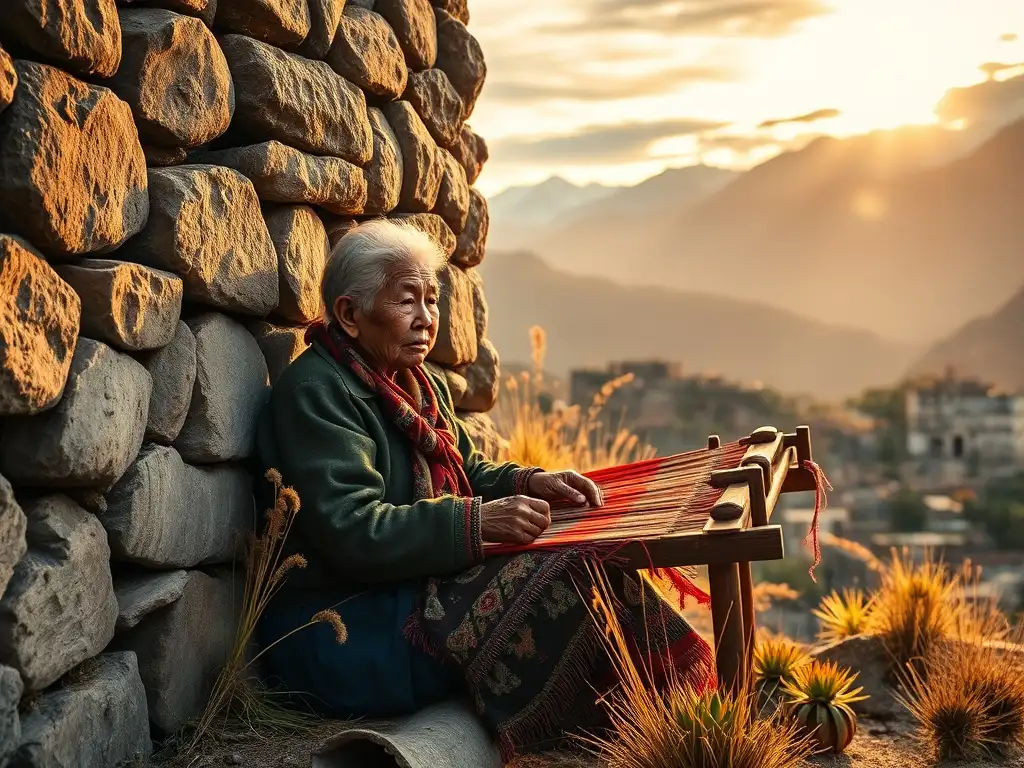
The study of Ancient Andean civilizations history relies heavily on understanding the collective memory preserved within Andean communities. Unlike many other ancient civilizations that left behind extensive written records, the Andean peoples primarily relied on oral traditions to transmit their history, beliefs, and knowledge across generations. This oral tradition, a vibrant tapestry woven from narratives, songs, rituals, and practical skills, forms the bedrock of our understanding of their rich and complex past.
Analyzing this collective memory requires a nuanced approach, acknowledging the dynamic nature of oral accounts and the intricate ways in which they reflect and shape cultural identity. The preservation of this collective memory is not merely a historical exercise; it is a vital part of maintaining cultural continuity and identity for contemporary Andean communities. Understanding how this memory functions is key to unlocking a deeper appreciation of Ancient Andean civilizations history.
How Oral Accounts Shape the Understanding of Andean Past
Oral accounts, passed down through generations, provide invaluable insights into the lives and experiences of Andean peoples. These narratives aren't simply historical chronicles; they are living documents that adapt and evolve over time, reflecting changing societal contexts and perspectives. For instance, the stories surrounding the creation myths of the Incas, while varying in specific details depending on the community and storyteller, consistently highlight themes of cosmic order, ancestor veneration, and the relationship between humans and the natural world. This allows researchers to identify core beliefs and values that shaped Inca society.
Furthermore, oral accounts often incorporate elements of myth, legend, and practical knowledge, making it crucial to analyze them within their cultural context. A seemingly fantastical story about a powerful deity might, upon closer examination, reveal insights into agricultural practices or social hierarchies. Similarly, seemingly mundane accounts of daily life can shed light on technological advancements, economic systems, and social structures.
The challenge lies in distinguishing between historical fact and symbolic representation, requiring careful cross-referencing of multiple accounts and considering the social and political implications of the narratives. The richness and complexity of Ancient Andean civilizations history are thus revealed through the careful interpretation of these oral accounts. The task is not to find a single "true" history, but rather to build a multifaceted understanding that embraces the fluidity and dynamism of oral tradition.
The Transmission of Knowledge Across Generations in Andean Communities
The transmission of knowledge in Andean communities was, and in many cases still is, a multifaceted process involving various methods and social structures. It wasn't simply a matter of rote memorization; it was an active engagement with the cultural heritage, involving storytelling, ritual performance, and practical apprenticeship. Elderly members of the community played a crucial role, acting as custodians of knowledge and passing down their wisdom through carefully structured narratives and practical demonstrations.
| Method of Transmission | Description | Example |
|---|---|---|
| Storytelling | Narratives, myths, and legends were used to convey historical events, values, and beliefs. | Stories of Inca emperors, creation myths, and local legends. |
| Ritual Performance | Ceremonies and rituals reinforced cultural knowledge and social structures. | Inti Raymi (Inca festival of the sun), agricultural rites. |
| Apprenticeship | Young people learned practical skills through direct observation and participation. | Weaving, pottery, metalworking, agriculture. |
| Songs and Music | Songs and musical traditions preserved historical events and cultural knowledge. | Harawi (Quechua love songs), work songs. |
This intricate system ensured the continuity of cultural knowledge and practices across generations. The active participation of the community in the transmission process, rather than passive reception, fostered a deep sense of cultural ownership and identity. The careful preservation of these traditions, even in the face of colonization and globalization, speaks volumes about the resilience and enduring power of Ancient Andean civilizations history and the importance of oral tradition in shaping their collective memory.
The ongoing efforts to document and preserve these oral traditions are essential for ensuring the continued vitality of Andean cultures and providing invaluable insights into their past. The study of these methods provides a richer and more nuanced understanding of Ancient Andean civilizations history than could ever be achieved through written sources alone.
Exploring the Diverse Narratives of Ancient Andean Civilizations
This section delves into the multifaceted nature of oral traditions within ancient Andean civilizations, highlighting their significance in preserving and transmitting historical knowledge. The intricate tapestry of Andean history wasn't solely woven on the looms of written records; instead, it was meticulously crafted through generations of storytelling, passed down through the vibrant threads of oral tradition. Understanding this rich oral legacy is crucial to grasping the complexity and diversity of Ancient Andean civilizations history. We will explore how these narratives, though often intertwined, also reflect the unique experiences and perspectives of different communities.
Myths, Legends, and Historical Accounts in the Andean Oral Tradition
The Andean oral tradition wasn't a monolithic entity. It encompassed a vast spectrum of narrative forms, each playing a vital role in shaping collective memory and cultural identity. Myths, often involving powerful deities and supernatural beings, provided explanations for the origins of the world, natural phenomena, and societal structures.
These stories, far from being mere fanciful tales, served as powerful tools for social cohesion, reinforcing shared values and beliefs. For example, the myth of Viracocha, the creator god, is found in various forms across different Andean groups, albeit with unique regional variations. This demonstrates both the interconnectedness and the adaptability of oral traditions.
Legends, on the other hand, often focused on heroic figures, historical events, or significant places. They served to memorialize past achievements, warn against potential dangers, and transmit practical knowledge. Narratives about Inca rulers, such as Pachacuti, were meticulously preserved and recounted, shaping the image of the Inca empire and its rulers. These weren't simply historical chronicles; they were powerful narratives that molded the cultural identity and political legitimacy of successive generations.
Importantly, the line between myth and historical account was often blurred. Oral histories, passed down through generations, often incorporated elements of both, weaving together factual accounts with symbolic and mythical interpretations. This blending underscores the holistic nature of Andean epistemology – a system of knowledge where the spiritual and the material were intricately intertwined. The stories served not only to recount events but also to interpret them within a larger cosmological framework. The careful study of these interwoven narratives offers invaluable insights into the Ancient Andean civilizations history.
Variations in Oral Histories Across Different Andean Regions
The Andean region encompasses a vast geographical expanse, encompassing diverse ecological zones and numerous distinct ethnic groups. This diversity is mirrored in the rich tapestry of oral histories found across the region. While certain overarching themes and narratives resonate across different Andean communities, significant variations exist in the details, perspectives, and interpretations.
Consider the contrasting accounts of the origin of the Inca empire. While some narratives emphasize the divine ancestry of the Inca rulers, others highlight the gradual consolidation of power through military conquest and political alliances. These variations aren't simply inconsistencies; they reflect the distinct experiences and perspectives of different communities, highlighting the complexities of power dynamics and the diverse perspectives within the Andean world.
| Region | Dominant Narrative Themes | Key Figures/Events |
|---|---|---|
| Cusco | Divine origins of Inca rulers, imperial expansion | Pachacuti, Manco Capac, Viracocha |
| Lake Titicaca | Creation myths, water deities, resistance against Inca | [Specific figures and events pending research] |
| Coastal Areas | Seafaring traditions, interaction with other cultures | [Specific figures and events pending research] |
The existence of these regional variations underscores the importance of a nuanced approach to studying Andean oral traditions. A singular, homogenizing narrative fails to capture the richness and complexity of Ancient Andean civilizations history. Instead, a comparative analysis, acknowledging the diverse perspectives and regional variations, offers a far more comprehensive and accurate understanding of the past. The careful consideration of these variations is crucial for a truly representative understanding of the Ancient Andean civilizations history.
The Significance of Ritual and Performance in Oral Tradition
The transmission of knowledge in Ancient Andean civilizations history wasn't solely reliant on rote memorization; it was deeply intertwined with ritual and performance. These weren't merely entertaining events; they were crucial mechanisms for preserving and disseminating cultural narratives, historical accounts, and practical knowledge across generations. The very act of performing—singing, dancing, enacting myths—reinforced memory and ensured the continuity of cultural identity.
This active engagement with the past fostered a vibrant collective memory, far exceeding the limitations of written records which were less prevalent in many Andean societies. The power of performance lies in its ability to create an immersive experience, embedding information within the emotional fabric of the community.
The Role of Music and Dance in Transmitting Andean Heritage
Music and dance played a pivotal role in the preservation of Ancient Andean civilizations history. Complex musical forms, often accompanied by intricate choreography, served as mnemonic devices, encoding historical events, genealogies, and agricultural cycles. For example, the yaraví, a melancholic song form from the Andes, often conveyed narratives of loss, resilience, and the struggles of the Andean people.
The rhythmic patterns and melodic structures acted as memory aids, allowing individuals to recall lengthy narratives with remarkable accuracy. Similarly, ceremonial dances, often performed during festivals and agricultural rituals, reenacted mythical events or depicted the cyclical nature of life and the cosmos. These performances weren't just spectacles; they were active engagements with the community's past, present, and future, reinforcing social bonds and transmitting vital knowledge.
The intricate steps and movements, passed down through generations, served as a living archive of cultural memory. The loss of specific musical traditions represents a significant loss of historical information for scholars studying these civilizations. Further research is needed to fully understand the extent to which musical notation, if it existed, aided in the transmission of this knowledge.
The Importance of Community Gatherings in Sharing Oral Narratives
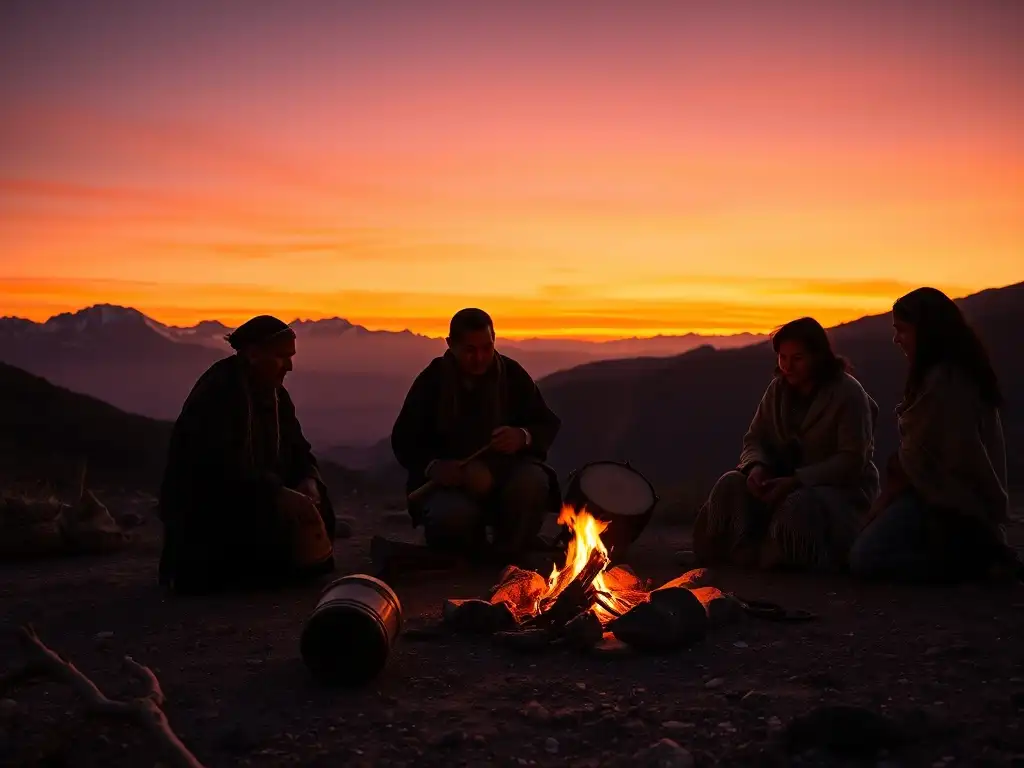
Community gatherings were essential spaces for the exchange of oral narratives in Ancient Andean civilizations history. These weren't simply casual social events; they were carefully structured occasions designed to facilitate the transmission of knowledge and maintain social cohesion. Storytelling sessions, often held around fires or in designated communal areas, provided a platform for elders to share historical accounts, myths, legends, and practical wisdom with younger generations. These narratives weren't static; they were dynamically shaped by the audience's participation and the storyteller's skill in adapting the tale to the context.
The act of listening itself was integral to the process, with active participation through questions, responses, and interjections shaping the narrative's flow and meaning. The communal nature of these gatherings fostered a sense of shared identity and collective memory, solidifying the cultural values and beliefs of the community. Moreover, the repetition and retelling of these stories during these gatherings acted as a natural form of preservation, ensuring the continuity of cultural traditions across generations.
Detailed ethnographic studies of contemporary Andean communities could provide valuable insights into how these practices continue to shape their collective memory and cultural identity. We need more research focusing on the specific types of community gatherings and their role in transmitting specific types of knowledge within different Andean cultures. For example, [specific information pending] regarding the frequency and significance of these events within the Moche civilization.
Challenges and Preservation of Andean Oral Histories
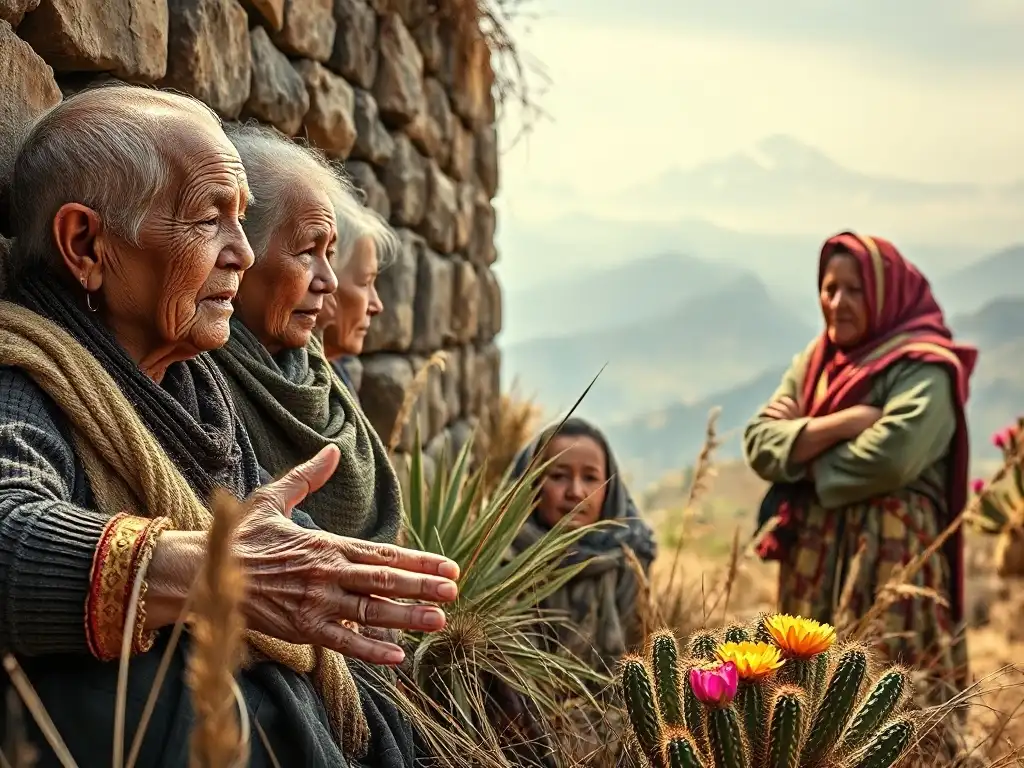
The vibrant tapestry of Ancient Andean civilizations history is woven not only from monumental structures and intricate artifacts but also from the enduring threads of oral tradition. However, the transmission of this invaluable cultural heritage faces significant challenges in the modern world. Understanding these challenges is crucial to ensuring the survival and accessibility of these unique narratives for future generations.
The intricate stories, songs, and myths that have been passed down for centuries are now threatened by a confluence of factors, demanding immediate attention and proactive measures for preservation. This section delves into the complexities of safeguarding this irreplaceable legacy.
Threats to the Continuity of Oral Tradition in Modern Times
The continuity of oral tradition in Andean communities is threatened by a multitude of factors, many stemming from the rapid pace of globalization and modernization. One of the most significant threats is the decline of native languages. As younger generations increasingly adopt Spanish or other dominant languages, the intricate nuances and rich vocabulary embedded within the original Quechua, Aymara, and other indigenous tongues are lost, along with the stories and cultural knowledge they carry. This linguistic shift leads to a weakening of the cultural transmission chain, making it harder to pass down complex historical narratives and traditional practices.
Another critical challenge is migration and urbanization. The movement of people from rural Andean communities to urban centers disrupts traditional social structures and weakens the bonds that previously fostered the transmission of oral histories. Elders, the primary keepers of these stories, may find themselves isolated in unfamiliar environments, with fewer opportunities to share their knowledge with younger generations.
Furthermore, the pervasive influence of global media and popular culture poses a considerable threat. The constant exposure to foreign narratives and entertainment can overshadow the importance and relevance of traditional Andean storytelling, diminishing interest among younger generations. This cultural dilution can lead to a decline in the active participation and transmission of oral histories within communities.
Finally, the lack of adequate resources and support for the documentation and preservation of oral traditions hinders efforts to safeguard this precious heritage. Limited funding, insufficient training for oral historians, and a lack of accessible archiving systems all contribute to the fragility of this cultural legacy. The sheer volume of stories, coupled with the urgency of preservation, makes this a monumental task requiring significant investment and collaborative efforts.
Efforts to Document and Safeguard Andean Oral Heritage
Despite the challenges, significant efforts are underway to document and safeguard Andean oral heritage. Researchers and community organizations are actively working to record and transcribe oral histories, creating valuable archives that can be accessed by future generations. These initiatives often involve collaborations between academics, local communities, and cultural institutions, ensuring that the process is respectful of cultural sensitivities and community ownership.
One promising approach is the use of digital technologies. Audio and video recordings, coupled with online databases and interactive platforms, provide new avenues for preserving and disseminating oral histories. This allows for wider access to these stories, fostering cross-cultural understanding and appreciation. Digital archiving also offers the advantage of creating backups and ensuring the long-term survival of these valuable recordings, mitigating the risks of loss or damage.
Moreover, educational initiatives are playing a vital role in promoting the value of oral traditions among younger generations. Schools and community centers are incorporating oral history projects into their curricula, encouraging students to engage with their cultural heritage and learn from the elders in their communities. This active engagement helps to revitalize interest in traditional storytelling and ensures the continuity of cultural transmission.
Finally, the development of community-based archives and museums offers a powerful way to preserve and celebrate Andean oral traditions. These institutions provide spaces for the preservation of recordings, artifacts, and other materials related to oral history, creating a tangible link between the past and the present. They also serve as centers for community gatherings and educational programs, fostering a sense of collective ownership and pride in the cultural heritage. The success of these efforts hinges on continued support, collaborative partnerships, and a profound understanding of the cultural significance of Ancient Andean civilizations history.
The Impact of Oral Tradition on Modern Andean Identity
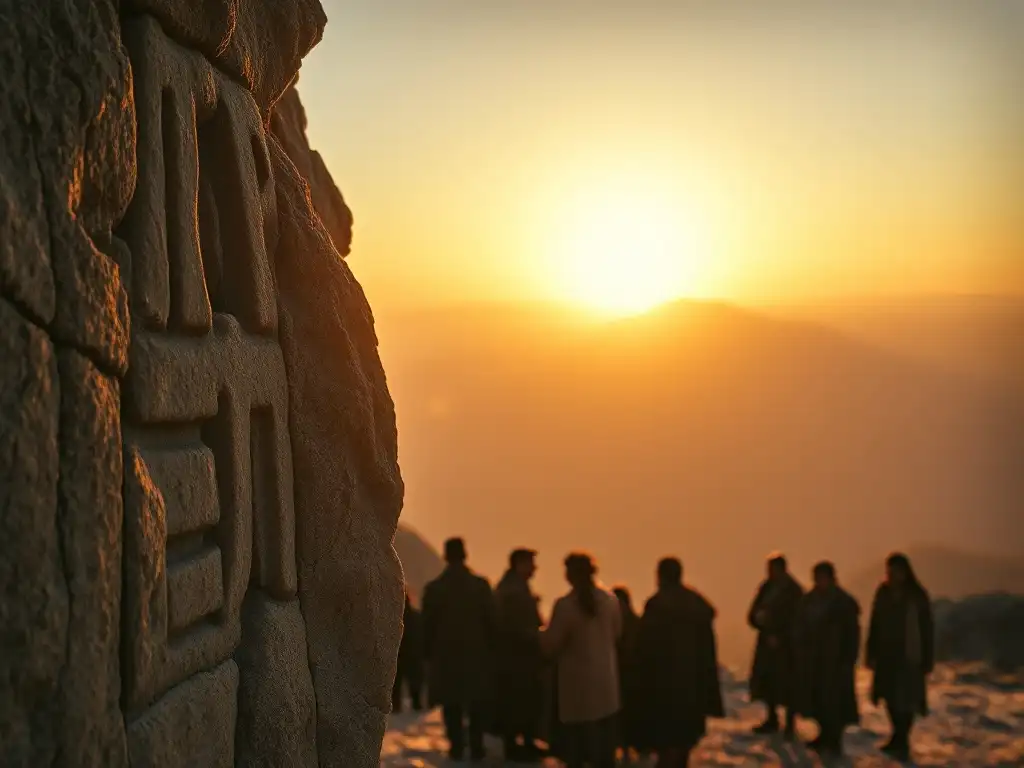
The enduring power of oral tradition in shaping modern Andean identity is undeniable. For centuries, before the advent of widespread literacy, knowledge, beliefs, and history were meticulously preserved and transmitted through generations via storytelling, songs, and rituals. This rich tapestry of oral narratives continues to resonate deeply within contemporary Andean communities, acting as a powerful force in maintaining cultural continuity and forging a strong sense of collective identity.
The narratives aren't merely historical accounts; they are living, breathing entities that adapt and evolve with each retelling, reflecting the ongoing experiences and aspirations of the Andean people. This dynamic interplay between past and present is crucial in understanding the vibrant cultural landscape of the Andes today. The preservation and study of these oral traditions are therefore not simply academic exercises but essential tools for understanding the complexities of Ancient Andean civilizations history.
Connecting Contemporary Andean Communities to Their Ancestral Past
Oral traditions provide a direct link to the ancestral past, fostering a sense of belonging and continuity across vast stretches of time. Stories passed down through generations connect modern Andean individuals to their ancestors, imbuing them with a profound sense of heritage and shared identity. These narratives often recount the exploits of legendary figures, the origins of customs and beliefs, and the struggles and triumphs of past generations.
For example, the Quechua people of Peru maintain a rich oral tradition surrounding the Inca Empire, weaving together historical accounts with myths and legends to create a compelling narrative of their origins and cultural identity. This connection to their ancestral past strengthens community bonds and provides a framework for understanding their place within a larger historical and cultural context. The consistent retelling and adaptation of these stories ensures that the collective memory of the Ancient Andean civilizations history remains vibrant and relevant in the modern world.
This continuous engagement with the past informs present-day decision-making and shapes the aspirations of future generations. The strength of this connection is palpable in the vibrant cultural expressions of contemporary Andean communities, from traditional music and dance to contemporary art forms.
The Ongoing Relevance of Oral Histories in the 21st Century
Despite the rise of written records and digital technologies, oral histories remain incredibly relevant in the 21st century. They offer unique perspectives and insights that are often overlooked or marginalized in written accounts. Oral traditions are frequently characterized by a high degree of fluidity and adaptability, allowing them to reflect the changing social, political, and economic realities of Andean communities. This dynamic nature makes them invaluable resources for understanding the complexities of contemporary Andean life.
Furthermore, oral histories often preserve knowledge and practices that are not documented elsewhere, including traditional medicine, agricultural techniques, and ecological knowledge. This invaluable information is crucial for preserving biodiversity and promoting sustainable development in the Andean region. The study of these oral accounts offers a powerful counter-narrative to dominant historical accounts, highlighting the voices and experiences of marginalized communities and providing a more nuanced and complete understanding of the Ancient Andean civilizations history.
The ongoing documentation and preservation of these oral traditions are therefore essential for ensuring the cultural survival and flourishing of Andean communities in the years to come. The continued vitality of these oral histories underscores their enduring importance in shaping the present and future of Andean identity. The preservation of this knowledge is not merely a historical exercise, but a vital act of cultural preservation, ensuring the continuation of a rich and complex heritage for generations to come.
The Future of Collective Memory in the Andes
The preservation of ancient Andean civilizations history hinges on the continued vitality of oral traditions. While written records offer invaluable insights, the rich tapestry of Andean cultural memory – encompassing myths, legends, historical accounts, and practical knowledge – is largely woven into the fabric of spoken language and intergenerational transmission. The future of this collective memory is intrinsically linked to the well-being and empowerment of indigenous communities.
Understanding this connection is paramount to ensuring the survival and flourishing of this unique heritage. The challenge lies not just in documenting existing oral traditions but in fostering an environment where these traditions continue to thrive and evolve organically. This requires a multi-pronged approach, involving both grassroots initiatives and broader societal support.
The Importance of Supporting Indigenous Storytelling Initiatives
Indigenous communities are the custodians of their own history. Empowering them to actively participate in the preservation and dissemination of their oral traditions is crucial. This involves supporting initiatives that promote indigenous languages and storytelling practices. Consider, for example, the ongoing efforts to revitalize Quechua, Aymara, and other Andean languages through community-based language nests and educational programs.
These efforts are not merely linguistic; they are vital for safeguarding the cultural knowledge embedded within these languages. Further, funding for the recording and archiving of oral narratives, conducted with the full participation and consent of the communities involved, is essential. This ensures that stories are preserved in a culturally sensitive manner, respecting the intellectual property rights and traditional knowledge systems of the communities themselves.
Moreover, supporting the creation of accessible resources – translated materials, digital archives, and educational programs – makes this rich heritage available to a wider audience, fostering cross-cultural understanding and appreciation. The success of such initiatives hinges on collaboration and respect for indigenous knowledge systems, moving beyond a purely extractive approach to one of genuine partnership. For example, successful initiatives often involve community members directly in the design, implementation, and evaluation of projects, ensuring that their voices and perspectives are central to the process.
A Call to Value and Learn from the Wisdom of Andean Oral Traditions
The wisdom embedded within Andean oral traditions offers invaluable insights into sustainable living, conflict resolution, and environmental stewardship. These traditions are not mere relics of the past; they are living repositories of knowledge relevant to contemporary challenges. For instance, many Andean communities possess sophisticated understandings of environmental management, reflecting centuries of adapting to diverse ecological conditions. These traditional ecological knowledge systems offer valuable perspectives on climate change adaptation and resource management.
Similarly, Andean narratives frequently address themes of social justice, community building, and conflict resolution, providing powerful examples of peaceful coexistence and equitable resource distribution. Therefore, valuing and learning from these traditions is not just a matter of historical preservation; it is a crucial step towards building a more sustainable and just future. Actively engaging with Andean oral traditions can enrich our understanding of human history and provide valuable insights into solving contemporary problems.
This engagement demands a shift in perspective, moving away from viewing these traditions as static objects of study to recognizing them as dynamic, evolving systems of knowledge that continue to shape the lives of Andean communities today. Integrating these perspectives into modern education and policymaking could lead to more inclusive and sustainable approaches to development and governance. The potential benefits extend far beyond the Andean region, offering valuable lessons for societies worldwide grappling with similar challenges.
Frequently Asked Questions
What are some of the main ancient Andean civilizations covered in this article?
This article explores the collective memory of several Andean civilizations, including the Incas, Moche, Nazca, and Tiahuanaco. It focuses on their shared history and cultural influences.
How does the article approach the history of Ancient Andean civilizations?
The article uses a unique approach, examining the collective memory and shared experiences of these communities to understand their history, rather than focusing solely on individual empires or events.
What aspects of Andean culture are highlighted in "A Symphony of Voices"?
The article highlights the rich tapestry of Andean culture, encompassing aspects of their art, technology, and social structures, showing how these elements are interconnected and reflect a shared cultural heritage.
What makes the article's approach to "Ancient Andean civilizations history" different?
Unlike traditional historical narratives, this article emphasizes the interconnectedness of different Andean cultures and their enduring impact on modern communities, focusing on collective memory and shared cultural practices.
Where can I learn more about the specific achievements of individual Andean civilizations?
While this article provides an overview, further research into specific civilizations like the Incas, Moche, or Nazca can be conducted through additional resources available online and in libraries. Look for resources specifically focusing on Ancient Andean civilizations history.
Final Reflection: Echoes of the Andes, Whispers of the Past
The intricate tapestry woven by Ancient Andean civilizations continues to resonate in the vibrant cultures of today. Their sophisticated systems of governance, agriculture, and spirituality weren't simply relics of a bygone era; they represent a profound understanding of human interaction with the environment and a testament to the enduring power of collective memory. The echoes of their achievements—from the breathtaking Machu Picchu to the intricate textiles still crafted today—serve as a powerful reminder of humanity's capacity for innovation and resilience.
The enduring legacy of the Andean civilizations profoundly shapes my understanding of cultural continuity and the importance of preserving historical narratives. Their ability to adapt and thrive in challenging environments, while maintaining a strong sense of community and identity, is truly inspiring. The past is never dead. It's not even past.
– William Faulkner. This quote perfectly encapsulates the ongoing relevance of understanding these ancient societies, as their impact reverberates through the social and cultural landscapes of the Andes, influencing everything from artistic expression to political structures. Their stories, passed down through generations, are a living testament to the power of collective memory.
Consider the intricate details of their lives, the challenges they overcame, and the innovations they developed. You, too, are part of a continuous narrative. Reflect on the stories that shape your own community, the traditions you carry forward, and the legacy you wish to leave behind. Embrace the opportunity to learn from the past, to understand the interconnectedness of human history, and to contribute to a future where the voices of all communities are heard and celebrated. Let the symphony of Andean voices inspire you to find your own voice and contribute to the ongoing narrative of human experience.
Embrace the Voices of the Andes!
Thank you for exploring the rich tapestry of Andean communities and their collective memory. Your interest not only deepens your understanding but also honors the heritage of these vibrant cultures. Now, let's put that knowledge into action!
- **Immerse yourself in Andean traditions and practices** by joining a local cultural group.
- **Share this article** with friends and family to spread awareness of the beauty and significance of Andean history in today's world.
- **Explore Andean culture virtually** by attending online festivals or watching documentaries that celebrate its richness.
How will you incorporate the stories of the Andes into your daily life?