
Echoes in the Andes: Unraveling the Mysteries of Spoken Narratives

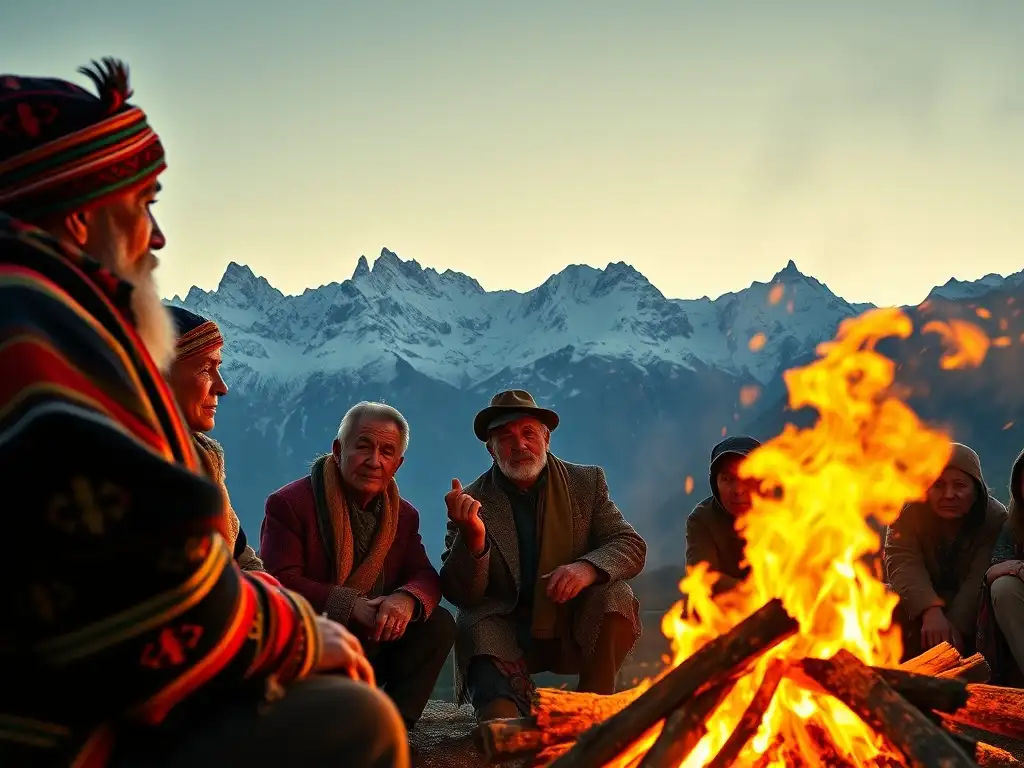
Step into a world lost to time, yet echoing with vibrant voices. Imagine the intricate tapestries woven not just from threads, but from the very spoken narratives of the Andean civilizations. Discover the untold stories of the Incas, Moche, Nazca, and Tiahuanaco—their triumphs, their beliefs, and the legacies they left behind, all revealed through the fascinating lens of their languages. Prepare to be captivated by the echoes of a lost world, waiting to be rediscovered. Delve into the mysteries—explore the Andean civilizations spoken narratives now!
The Andes Mountains, a spine of towering peaks stretching along the western edge of South America, are not only a breathtaking geographical feature but also a repository of rich and vibrant history. For millennia, the diverse Andean civilizations—including the Incas, Moche, Nazca, and Tiahuanaco—flourished in this challenging terrain, developing complex societies and leaving behind a legacy that continues to fascinate and inspire.
While monumental architecture and intricate artifacts offer tangible glimpses into their past, the true heartbeat of these cultures lies within their spoken narratives, their oral traditions. This article delves into the world of Andean civilizations spoken narratives, exploring the significance of oral history in preserving cultural memory, transmitting knowledge, and understanding the complexities of these remarkable societies.
We will uncover how these spoken stories, passed down through generations, offer invaluable insights into their beliefs, social structures, and daily lives, painting a vivid picture far richer than any archaeological find could ever achieve. Understanding these narratives is crucial to appreciating the enduring legacy of the Andean civilizations and their lasting impact on the region.
The Power of Oral Tradition in Andean Societies
Before the advent of widespread literacy, oral tradition served as the primary means of preserving and transmitting knowledge in Andean societies. These weren't simply tales; they were living repositories of history, law, cosmology, and practical skills. Narratives were meticulously crafted and memorized, often employing mnemonic devices such as repetitive structures, songs, and dramatic performances to aid recall.
This oral tradition wasn't static; it evolved and adapted over time, reflecting the changing needs and experiences of each community. The intricate details woven into these stories reveal a deep understanding of their environment, their relationship with the natural world, and their complex social hierarchies.
For example, myths about powerful deities and ancestral figures often served to reinforce social order and explain natural phenomena, providing a framework for understanding their place in the cosmos. The precise details of these narratives, however, often varied between communities, highlighting the diversity of Andean cultures and their unique adaptations to their environments.
Deciphering the Voices of the Past: Challenges and Methods
Reconstructing the spoken narratives of past Andean civilizations presents significant challenges. The passage of time, the absence of written records for many groups, and the diversity of languages spoken across the Andes create complexities in the research process. However, scholars employ a variety of methods to piece together these fragmented voices. Ethnographic research, involving the study of contemporary Andean communities that maintain oral traditions, provides valuable insights into the techniques and practices of storytelling.
Linguistic analysis helps to identify patterns and connections between different Andean languages, shedding light on the possible origins and evolution of certain narratives. Archaeological discoveries, such as pottery depicting scenes from myths or textiles adorned with symbolic representations, can also provide valuable contextual information, corroborating or challenging interpretations of oral accounts. These multifaceted approaches, while challenging, provide a pathway to understanding the rich tapestry of Andean spoken narratives.
Specific Examples of Preserved Narratives and their Significance
While precise transcriptions of ancient Andean spoken narratives are rare, numerous examples exist that illustrate their importance. For instance, [Specific examples of preserved narratives pending - requiring further research into specific Andean groups and their documented oral traditions]. These examples showcase the diverse themes present in Andean oral traditions – ranging from creation myths and heroic epics to practical instructions for agriculture and medicinal practices.
Each narrative provides a unique window into the worldview and cultural practices of a specific group, adding depth and nuance to our understanding of Andean civilizations. The study of these narratives allows us to move beyond simplistic generalizations and appreciate the rich tapestry of cultural diversity that characterized the Andean region. Further research is needed to fully understand the extent and complexity of these lost voices.
The Ongoing Relevance of Andean Oral Traditions
The echoes of Andean spoken narratives continue to resonate today. Many contemporary Andean communities maintain vibrant oral traditions, demonstrating the enduring power and relevance of this form of cultural transmission. These traditions play a vital role in shaping community identity, preserving cultural heritage, and fostering a sense of continuity across generations.
The study of these contemporary traditions provides a crucial bridge to the past, allowing us to better understand how oral narratives functioned in ancient Andean societies. The preservation and study of these narratives is not just an academic exercise; it is a vital contribution to the ongoing efforts to understand and celebrate the rich cultural heritage of the Andes. The continued research and documentation of these spoken stories are crucial for ensuring that the voices of the past continue to be heard and valued in the present and future.
- The Power of Oral Tradition in Andean Societies
- Deciphering the Voices of the Past: Challenges and Methods
- Specific Examples of Preserved Narratives and their Significance
- The Ongoing Relevance of Andean Oral Traditions
- What role did spoken narratives play in Andean civilizations?
- How were these narratives preserved without a written language?
- What kinds of stories were commonly shared?
- Did different Andean cultures have unique storytelling traditions?
- Where can I find examples of preserved Andean spoken narratives?
The Enduring Power of Oral Tradition in Andean Civilizations
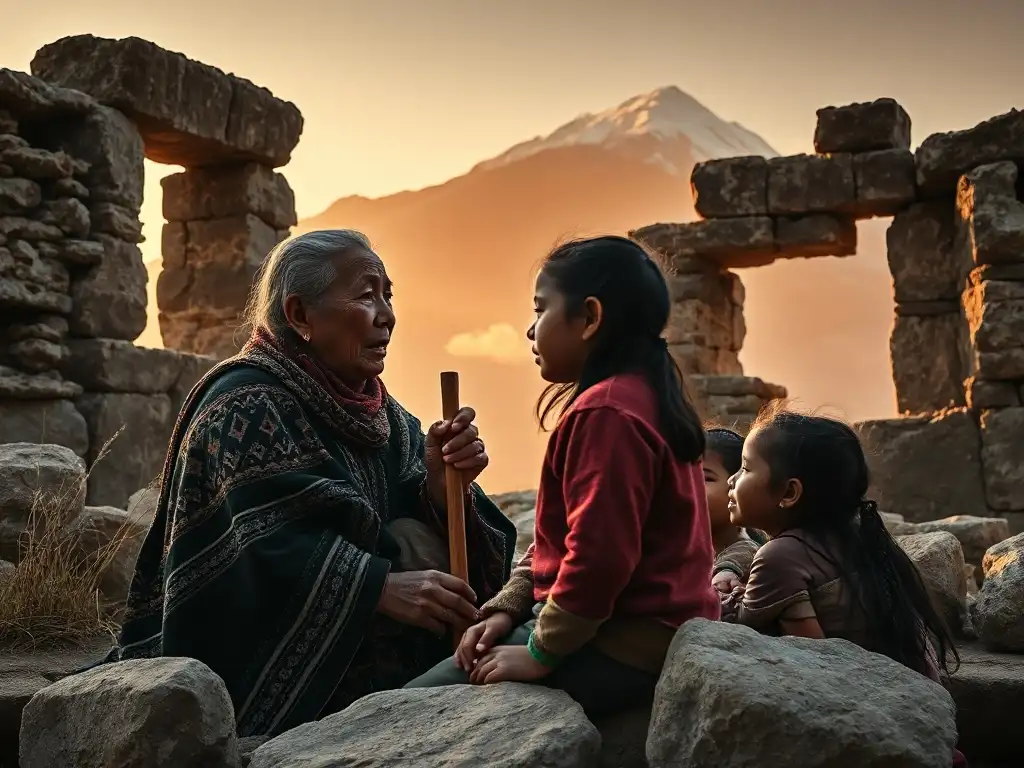
The Andes Mountains, a spine of towering peaks and deep valleys, cradled a diverse tapestry of ancient civilizations. While impressive architectural feats like Machu Picchu and Nazca Lines endure, a crucial element of Andean heritage often remains overlooked: the potent power of oral tradition. For centuries, before the advent of widespread writing systems, Andean cultures relied heavily on spoken narratives to transmit knowledge, history, beliefs, and social structures across generations.
This oral legacy, a vibrant echo across millennia, offers invaluable insights into the complexities of these fascinating societies. Understanding the nuances of Andean spoken narratives is key to appreciating the depth and richness of their cultural heritage. The survival and continued relevance of these oral traditions highlight their inherent resilience and adaptability, allowing them to persist even in the face of colonization and cultural shifts.
Studying these narratives provides a unique window into a world shaped by intricate social hierarchies, sophisticated agricultural practices, and profound spiritual beliefs. The sheer volume of information preserved and transmitted orally underscores the sophisticated techniques and mnemonic devices employed by Andean storytellers, demonstrating a remarkable mastery of communication and memory.
Preserving History Through Andean Spoken Word
The preservation of history through spoken word in Andean civilizations was not a haphazard process; it was a highly structured and ritualistic endeavor. Storytellers, often individuals holding esteemed positions within their communities, were responsible for memorizing and accurately recounting historical events, genealogies, myths, and legends. These narratives weren't simply rote recitations; they were dynamic performances, employing mnemonic devices such as repetitive phrases, songs, and dramatic gestures to aid memory and enhance engagement. Consider, for instance, the intricate genealogies meticulously tracked through oral tradition, tracing lineage back for generations.
These weren't mere lists of names; each ancestor held a specific place within the cultural narrative, their actions and attributes shaping the collective identity. Furthermore, the spoken word served as a vital tool for preserving practical knowledge. Agricultural techniques, medicinal practices, and construction methods were passed down through generations via carefully crafted narratives, ensuring the continuity of essential skills and practices.
The oral transmission of this knowledge was crucial for the survival and prosperity of Andean communities. The accuracy and consistency of these traditions, maintained over vast spans of time, is a testament to the effectiveness of the methods employed. The continuing relevance of many of these practices today further demonstrates the enduring legacy of Andean oral traditions.
The Role of Storytelling in Ancient Andean Societies
Storytelling in ancient Andean societies played a far more significant role than mere entertainment. It was an integral part of social life, shaping identity, transmitting values, and reinforcing social structures. Myths and legends, often woven into captivating narratives, explained the origins of the world, the relationship between humans and the supernatural, and the role of specific deities within the cosmological framework. These stories weren't simply believed; they were actively lived, shaping social behavior and reinforcing community cohesion.
For example, stories about powerful rulers or revered ancestors served to legitimize authority and maintain social order. The narratives themselves were often imbued with symbolic meaning, reflecting the intricate social hierarchies and power dynamics within Andean societies. Furthermore, storytelling served as a powerful educational tool, instilling moral values, teaching practical skills, and transmitting cultural knowledge to younger generations.
These narratives weren't static; they evolved and adapted over time, reflecting changing social conditions and incorporating new experiences. This dynamic nature of Andean storytelling highlights its adaptability and its capacity to respond to the ever-changing needs of the community. The oral tradition thus provided a flexible yet powerful means of cultural transmission, ensuring the continuity of Andean heritage across generations.
Diverse Forms of Andean Spoken Narratives
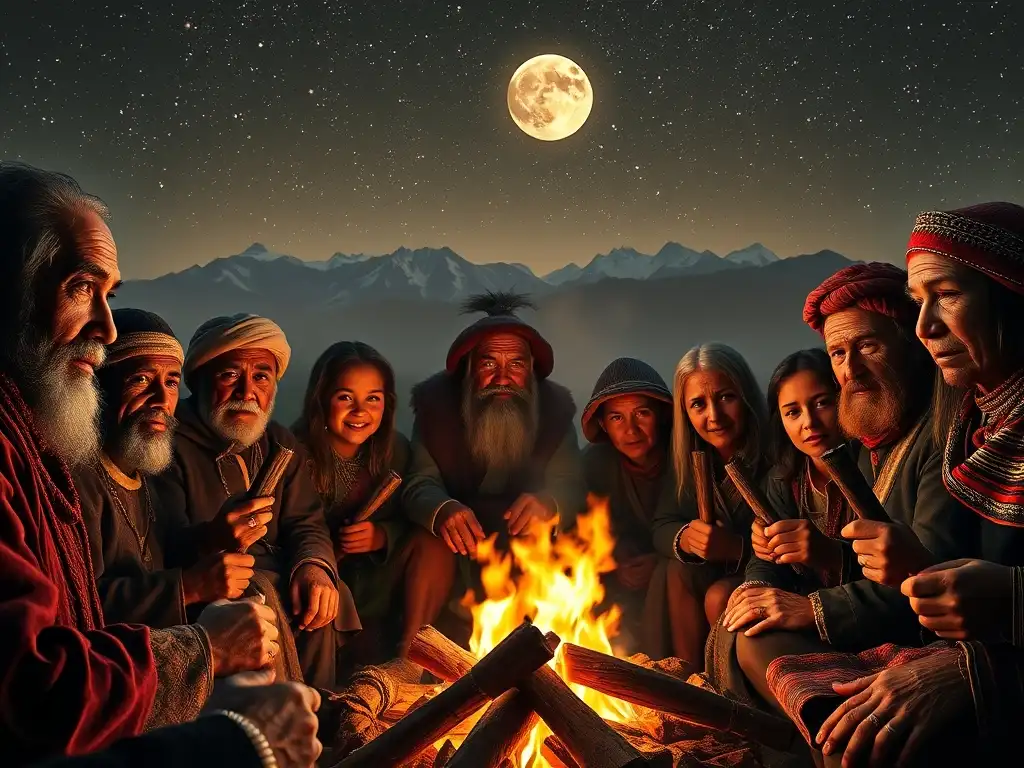
The vibrant tapestry of Andean civilizations is interwoven not only with intricate textiles and monumental architecture but also with a rich oral tradition. Understanding Andean civilizations spoken narratives offers a crucial lens through which to examine their beliefs, social structures, and historical experiences. These narratives, passed down through generations, weren't merely entertainment; they served as vital repositories of knowledge, shaping identities and reinforcing cultural values.
The endurance of these spoken narratives, despite the impact of colonization and modernization, underscores their profound significance in the Andean world. This section will explore the diverse forms these narratives took, revealing the multifaceted nature of Andean oral culture.
Myths and Legends: Foundation of Andean Beliefs
Myths and legends formed the bedrock of Andean belief systems, explaining the origins of the world, the cosmos, and humanity itself. These stories, often featuring anthropomorphic deities and powerful spirits, provided a framework for understanding natural phenomena and societal structures. For example, the creation myth of the Inca involved Viracocha, a creator god who emerged from Lake Titicaca, shaping the land and creating humanity.
These narratives were not static; they evolved over time, adapting to changing circumstances and incorporating new elements. Variations existed between different ethnic groups, reflecting the diversity of Andean cultures. The oral transmission of these myths ensured their continuity, with storytellers playing a crucial role in preserving and adapting these foundational narratives.
The power of these stories lay in their ability to connect individuals to their ancestors and to the spiritual world, fostering a deep sense of belonging and continuity. Detailed analysis of these myths reveals complex cosmological systems, intricate social hierarchies, and a profound understanding of the natural world. The persistence of certain mythological motifs across different Andean cultures suggests a degree of interconnectedness and shared cultural heritage.
The role of animals in Andean mythology is also noteworthy. Animals frequently represent powerful forces or embody specific qualities. The condor, for instance, symbolized power and majesty, while the puma represented strength and ferocity. These symbolic associations influenced social structures and rituals, further demonstrating the pervasive influence of spoken narratives on Andean life. Studying these narratives provides invaluable insights into the worldview and spiritual practices of these ancient civilizations.
Epic Tales of Andean Heroes and Deities
Beyond creation myths, Andean oral traditions boasted epic tales celebrating the exploits of heroes and deities. These narratives often involved journeys, battles, and supernatural interventions, serving to both entertain and instruct. These stories frequently involved figures who embodied ideal qualities, such as courage, cunning, and resilience. These tales often highlighted the struggles against adversity, reinforcing the importance of perseverance and community support. For instance, stories of legendary Inca rulers like Pachacuti often emphasized their military prowess and their ability to unite disparate groups. These narratives weren't just historical accounts; they functioned as moral guides, shaping societal values and expectations. The detailed descriptions of battles, alliances, and political maneuvers in these epic tales offer valuable insights into the social and political dynamics of Andean societies. Analyzing the recurring themes and characters in these epic narratives allows us to understand the values and aspirations of the people who created and preserved them.
The oral transmission of these epic tales played a vital role in shaping collective memory and identity. Storytellers skillfully adapted these narratives to their audiences, ensuring their relevance and continued appeal across generations. The use of vivid imagery, dramatic dialogue, and memorable characters made these stories both engaging and effective tools for transmitting cultural knowledge. The continued interest in these narratives, even today, speaks to their enduring power and cultural significance.
Ritualistic Recitations and Ceremonial Narratives
Many Andean spoken narratives were intrinsically linked to rituals and ceremonies. These recitations, often accompanied by music and dance, played a crucial role in religious and social life. Certain narratives were specifically associated with agricultural cycles, marking key moments like planting and harvesting. These stories often involved prayers, invocations, and symbolic actions intended to ensure successful harvests and appease the deities. The performance of these narratives was a communal event, reinforcing social bonds and strengthening community ties. This aspect of Andean oral tradition highlights the close relationship between religion, agriculture, and social organization.
The precise content and structure of these ceremonial narratives varied considerably depending on the specific ritual and the community involved. However, they all shared a common purpose: to connect individuals with the spiritual realm and to maintain the balance between the human and supernatural worlds. The use of stylized language, repetitive phrases, and symbolic gestures further enhanced the ritualistic nature of these narratives.
By studying these ritualistic recitations, we gain a deeper understanding of the religious beliefs and practices of Andean civilizations, revealing the intricate relationship between their spoken word and their spiritual world. The meticulous preservation of these narratives, even in the face of cultural change, underscores their importance in maintaining cultural continuity and social cohesion within Andean communities. Further research into the specific linguistic features and performance styles of these narratives is needed to fully appreciate their complexity and significance.
The Importance of Spoken Narratives in Andean Culture
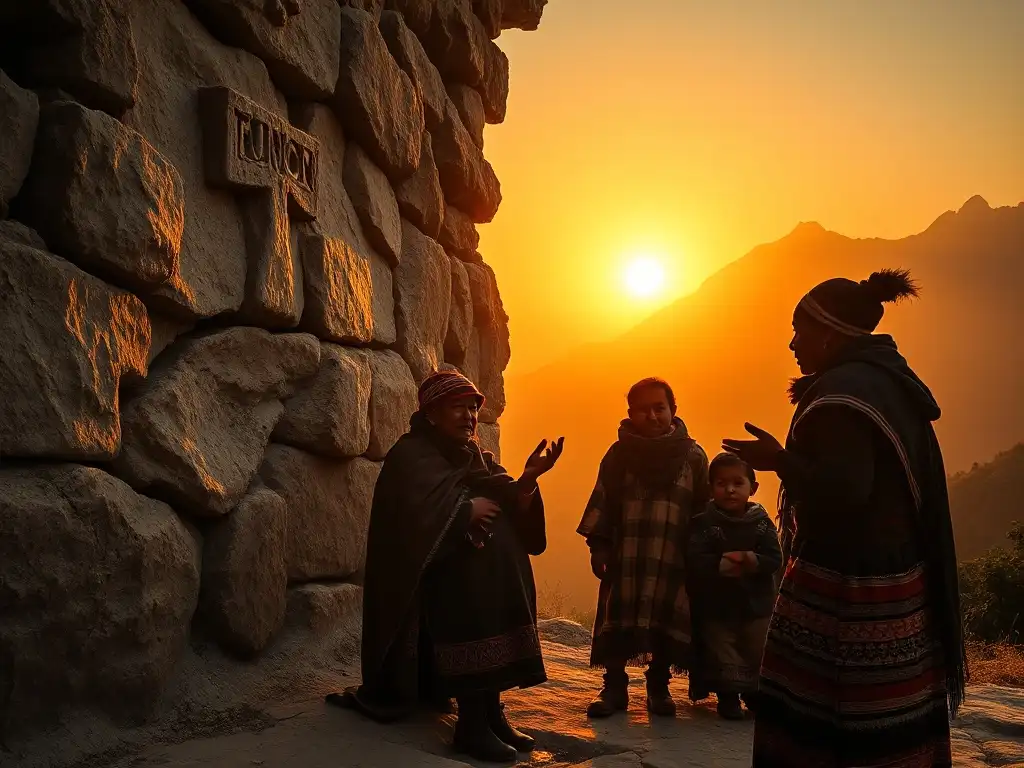
The vibrant tapestry of Andean civilizations wasn't solely woven with threads of intricate textiles and monumental architecture. A crucial, often overlooked, element is the enduring power of spoken narratives. These weren't mere stories; they were the lifeblood of Andean societies, transmitting knowledge, shaping cultural identity, and fostering social cohesion across vast geographical areas and diverse ethnic groups. Understanding the significance of these oral traditions is key to unlocking a deeper appreciation of Andean history and cultural complexity.
The study of Andean civilizations spoken narratives reveals a rich and sophisticated system of communication and knowledge preservation, far more intricate than initially perceived. Analyzing these narratives allows us to reconstruct aspects of daily life, religious beliefs, and social structures that might otherwise remain hidden. The sheer volume and diversity of these narratives, even today, speak to their importance in shaping the Andean world.
Transmitting Knowledge Across Generations
Oral tradition served as the primary means of transmitting crucial knowledge across generations in Andean societies. This included practical skills like agriculture, weaving, and construction techniques, passed down through generations of artisans and specialists. Consider the intricate knowledge required to cultivate diverse crops at varying altitudes, a feat of agricultural engineering that relied heavily on orally transmitted knowledge about soil types, water management, and planting cycles.
This knowledge wasn't simply a collection of facts; it was imbued with rich symbolic meaning, often interwoven with myths and legends that made the information more memorable and engaging. For example, the Quechua language is replete with stories explaining the origins of different crops and the proper methods for their cultivation. These narratives weren't static; they evolved over time, adapting to changing environmental conditions and social needs.
This dynamic interplay between tradition and adaptation is a key feature of Andean oral cultures. The precise techniques for creating intricate textiles, for instance, were passed down through generations, with each generation adding its own unique variations and innovations. This dynamic process ensured that the knowledge base remained both relevant and vibrant.
Shaping Cultural Identity through Oral Accounts
Andean spoken narratives played a vital role in shaping cultural identity. Myths, legends, and epic poems recounted the origins of the world, the exploits of heroes, and the creation of social structures, instilling shared values and beliefs. These narratives provided a framework for understanding one's place within the community and the cosmos.
For instance, stories about powerful ancestors or mythical figures instilled a sense of pride and belonging, reinforcing social hierarchies and kinship ties. The narratives weren't just entertaining; they actively shaped the understanding of history, cosmology, and social norms. The repetition of these stories during rituals, festivals, and everyday life served to reinforce cultural norms and solidify group identity.
The specific details of these narratives varied across different Andean groups, reflecting the diversity of cultures and languages within the region. However, common themes, such as the importance of reciprocity, respect for nature, and the veneration of ancestors, recurred throughout many different narratives, pointing to a shared Andean worldview. The rich symbolism within these narratives, often expressed through metaphors and allegories, provides valuable insight into the Andean understanding of the world.
Spoken narratives also served as a powerful tool for maintaining social cohesion within Andean communities. They established moral codes, regulated social interactions, and resolved conflicts. Many narratives emphasized the importance of ayni (reciprocity) and mita (labor obligations), fundamental principles of Andean social organization. Through storytelling, these principles were not merely explained; they were actively embodied and reinforced within the community.
The narratives fostered a sense of shared responsibility and mutual dependence, essential for the survival and prosperity of the community. Moreover, many narratives function as cautionary tales or moral lessons, conveying important social values and expectations. For example, stories about the consequences of violating social norms or disrespecting the natural world served as powerful deterrents.
The oral tradition, therefore, wasn't just a means of entertainment; it was an active force shaping social behavior and maintaining social order. The intricate system of storytelling within Andean societies demonstrates the sophisticated ways in which these communities used narrative to manage social relations and ensure the well-being of their members. The continued relevance of these narratives in contemporary Andean communities underscores their enduring power and influence.
Exploring the Linguistic Diversity of Andean Narratives
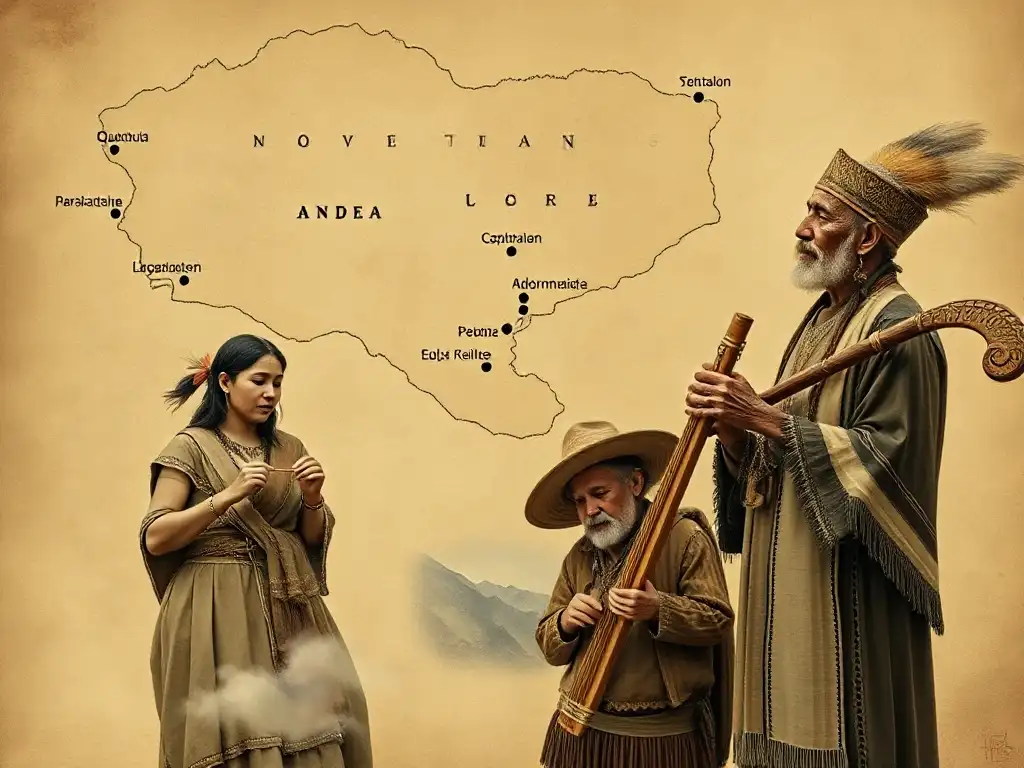
The Andes Mountains, a spine of towering peaks running down the western edge of South America, are not just a geographical feature; they are a cradle of vibrant cultures and languages. Understanding the "Andean civilizations spoken narratives" requires acknowledging the incredible linguistic diversity that shaped the oral traditions of the region.
While Quechua is often associated with the Inca Empire, and rightfully so given its widespread use, many other languages, each with its unique narrative style and storytelling traditions, thrived and continue to thrive in the Andean region. This section will explore a few key examples, highlighting the richness and complexity of Andean spoken narratives.
The sheer volume of distinct languages and dialects, many of which remain undocumented or poorly understood, underscores the immense task of fully reconstructing the complete tapestry of Andean oral history. This linguistic diversity is a testament to the region's complex social and political landscape, reflecting centuries of interaction, migration, and cultural exchange.
The Quechua Language and its Narrative Traditions
Quechua, far from being a monolithic entity, encompasses a family of related languages spoken across a vast geographical area. The variations in vocabulary and grammar between different Quechua dialects are significant, reflecting regional differences and historical developments. Quechua narratives, however, share common threads.
Often characterized by a strong emphasis on cyclical time and a deep connection to the Andean landscape, Quechua storytelling frequently incorporates myths, legends, and historical accounts interwoven with practical knowledge about agriculture, animal husbandry, and social customs. For instance, many Quechua narratives center around the achuy, a powerful mythical being associated with both creation and destruction, reflecting the Andean worldview's understanding of the inherent duality of nature. The use of runasimi, the term for Quechua, itself speaks to the intrinsic link between language and identity, emphasizing the importance of preserving these oral traditions for future generations.
Detailed studies of Quechua narrative structures reveal sophisticated techniques, including the use of repetition, parallelism, and metaphorical language to convey complex meanings and transmit knowledge across generations. The preservation of these traditions is crucial for understanding the cultural heritage of millions. The survival of Quechua narratives despite centuries of colonial influence is a testament to their enduring power and relevance.
Aymara Narratives: A Glimpse into Another Andean Perspective
Aymara, another major Andean language, boasts a rich oral tradition distinct from that of Quechua. While both languages share some geographical overlap, their narrative styles differ significantly. Aymara narratives often place a strong emphasis on the social and political structures of their communities, reflecting the complex social organization of Aymara societies.
Unlike some Quechua narratives that focus heavily on cosmology and mythology, Aymara storytelling frequently incorporates historical accounts, emphasizing the struggles and triumphs of their people. These narratives often incorporate elements of satire and humor, reflecting a playful engagement with power dynamics and social norms. The oral tradition plays a vital role in preserving Aymara cultural identity and knowledge, particularly in the face of ongoing linguistic challenges.
For example, stories about the creation of the world and the origins of Aymara communities are frequently recounted during ceremonies and festivals, reinforcing communal bonds and transmitting cultural values. The specific details of these creation myths often vary across different Aymara communities, reflecting regional variations and the dynamic nature of oral transmission. Further research is needed to fully document the diversity of Aymara narrative traditions, preserving this vital part of Andean cultural heritage.
Mapuche Storytelling: Narratives of Resistance and Resilience
The Mapuche people, inhabiting regions of central and southern Chile and Argentina, possess a remarkable oral tradition that reflects their history of resistance against colonial rule. Mapuche narratives are often characterized by a strong emphasis on ancestral knowledge, land rights, and the importance of community. Their stories, passed down through generations, recount the struggles and triumphs of their ancestors, highlighting their resilience and determination in the face of oppression. These narratives are not merely entertaining tales; they serve as powerful tools for cultural preservation and identity reinforcement.
The Mapuche language, mapudungun, is integral to these narratives, and its preservation is intrinsically linked to the survival of Mapuche culture. Many Mapuche narratives incorporate elements of mythology and folklore, weaving together fantastical elements with historical accounts to create compelling and informative stories. These stories often feature powerful female characters, highlighting the significant role women played in Mapuche society.
The study of Mapuche narratives offers crucial insights into the strategies employed by indigenous communities to maintain their cultural identity and resist assimilation, emphasizing the power of oral tradition in the face of adversity. The ongoing efforts to revitalize mapudungun and document its rich oral tradition are crucial for ensuring the preservation of Mapuche cultural heritage for future generations. Understanding these narratives offers a unique perspective on Andean civilizations spoken narratives, broadening our understanding of the diverse voices and experiences within the region.
The Legacy of Andean Spoken Narratives Today
The enduring power of Andean spoken narratives is undeniable, even in the face of centuries of societal shifts and technological advancements. These narratives, passed down through generations, are more than mere stories; they are living repositories of knowledge, history, and cultural identity. They encapsulate sophisticated systems of belief, intricate social structures, and a deep understanding of the Andean environment.
The sheer variety of these narratives, reflecting the diversity of Andean civilizations – from the Inca's intricate myths to the Moche's vibrant legends – underscores their rich tapestry and enduring significance in shaping Andean cultural identity. Understanding this legacy requires examining both the challenges faced and the ongoing efforts dedicated to preserving this invaluable heritage. The study of Andean civilizations spoken narratives reveals a complex interplay between continuity and change, resilience and adaptation.
The Impact of Colonization on Oral Traditions
The arrival of the Spanish in the 16th century profoundly impacted Andean oral traditions. The systematic suppression of indigenous languages and cultures, coupled with the imposition of Catholicism, led to a significant decline in the transmission of traditional narratives. Many stories were lost, deliberately erased, or altered to fit the colonial narrative.
The Inca's sophisticated quipu system, a complex form of knotted string used for record-keeping and storytelling, was largely abandoned, contributing to a loss of historical knowledge. Furthermore, the forced relocation of indigenous populations disrupted established communities, hindering the intergenerational transfer of oral histories. The colonial period represents a critical turning point, marking a transition from a predominantly oral culture to one increasingly dominated by written records in Spanish.
However, despite the immense pressure to assimilate, Andean oral traditions displayed remarkable resilience, adapting and evolving while retaining core elements of their unique identities. The stories themselves often subtly incorporated elements of resistance and subversion, embedding coded messages within seemingly innocuous narratives.
Revitalization Efforts and Preserving Indigenous Voices
In recent decades, there has been a significant resurgence of interest in preserving and revitalizing Andean oral traditions. This movement is driven by indigenous communities themselves, working in collaboration with scholars and researchers. Efforts focus on several key areas. Documentation projects meticulously record and transcribe narratives, preserving them for future generations.
Language revitalization programs are crucial, aiming to increase fluency in indigenous languages, thereby strengthening the transmission of oral traditions. Community-based initiatives empower indigenous communities to reclaim their cultural heritage, allowing them to share their stories on their own terms. The use of modern technology, including audio and video recordings, plays a significant role in disseminating these narratives to a wider audience.
These initiatives are not merely about preserving the past; they are about empowering indigenous communities to actively shape their present and future. The success of these efforts is evident in the growing number of published works, educational programs, and cultural events that celebrate and promote Andean oral traditions. This ongoing work ensures that the voices of Andean cultures continue to be heard and that their rich stories will continue to inspire and inform.
The Continued Relevance of Andean Narratives in the Modern World
Andean spoken narratives remain remarkably relevant in the 21st century. They offer invaluable insights into indigenous perspectives on environmental stewardship, social justice, and cultural identity. Modern interpretations of these narratives reveal enduring themes of resilience, adaptation, and community.
For example, stories about the Inca's sophisticated agricultural techniques continue to inspire sustainable farming practices. Narratives about inter-community conflict provide valuable lessons for contemporary conflict resolution. The continued telling and re-telling of these stories fosters a sense of cultural pride and strengthens community bonds.
Furthermore, these narratives serve as powerful tools for education, promoting intercultural understanding and challenging Eurocentric perspectives. The study of Andean civilizations spoken narratives is therefore not simply an academic pursuit; it is a crucial contribution to understanding the complexities of Andean societies, both past and present, and a vital step towards fostering a more inclusive and equitable world. The ongoing research and preservation efforts ensure that the echoes of these ancient narratives will continue to resonate for generations to come.
Frequently Asked Questions
What role did spoken narratives play in Andean civilizations?
Spoken narratives were central to Andean life, transmitting history, beliefs, and traditions across generations. They served as a primary means of education and social control, shaping cultural identity.
How were these narratives preserved without a written language?
Many Andean cultures lacked a widespread writing system. Narratives were preserved through oral tradition, meticulously passed down through storytelling, songs, and rituals by quipucamayocs (memory experts).
Stories encompassed a wide range of subjects, including myths of creation, heroic legends, and historical accounts. They also included practical knowledge about agriculture, medicine, and social customs.
Did different Andean cultures have unique storytelling traditions?
Yes, each culture had its own distinct styles and themes. The Incas, for example, emphasized the lineage of their rulers, while other cultures focused more on local deities or natural phenomena.
Where can I find examples of preserved Andean spoken narratives?
While direct recordings are impossible, scholars reconstruct narratives through ethnohistorical accounts, archaeological evidence, and colonial-era chronicles. These sources offer glimpses into the rich tapestry of Andean storytelling.
Final Reflection: The Enduring Voices of the Andes
The echoes of Andean civilizations' spoken narratives resonate powerfully today, shaping our understanding of history and reminding us of the enduring power of oral tradition. These stories, passed down through generations, are not mere relics of the past; they are living testaments to resilience, adaptation, and the profound connection between humans and their environment. Their continued study offers invaluable insights into a rich and complex cultural heritage, challenging dominant narratives and enriching our understanding of human experience.
The impact of these narratives extends far beyond academic circles. They continue to inform contemporary Andean identities, shaping cultural practices, artistic expressions, and even political discourse. Their preservation is crucial not only for historical accuracy but also for the ongoing vitality of Andean communities. The past is never dead. It's not even past,
wrote William Faulkner, and this rings profoundly true when considering the enduring influence of these oral traditions. Their survival, often against immense odds, speaks to the inherent human need to remember, to share, and to connect with our ancestors.
Consider the stories you carry within your own family, the traditions passed down through generations. These are your own echoes, your own unique narratives. I urge you to reflect on the power of storytelling, on the importance of preserving your own cultural heritage, and on the ways in which these ancient Andean voices can inspire us to connect with our own histories and build a more inclusive and understanding future. Let the echoes of the Andes inspire you to listen, to learn, and to share your own story.
Unveil the Stories of the Andes!
Thank you for exploring the captivating world of spoken narratives within Andean civilizations. You've gained valuable insights into the profound connection between language and culture and their rich history. Now, let's continue to deepen our appreciation of these remarkable stories!
- Dive deeper: Expand your understanding by seeking out resources such as books, documentaries, and museums focusing on Andean history and storytelling traditions. Consider attending a workshop or online course dedicated to the subject.
- Share the journey: Discuss your newfound knowledge with friends and family, inspiring them to explore these fascinating narratives. A book club focused on Andean literature would be a wonderful way to share and discuss your discoveries.
- Join a community: Connect with others who share your interest by joining online forums or social media groups dedicated to Andean cultures. This is a great way to share your thoughts, ask questions, and learn from others' experiences.
Which Andean story has most captivated you, and how will you share its power and beauty with others?