
Aymara Social Organization: Understanding Kinship and Community Structures

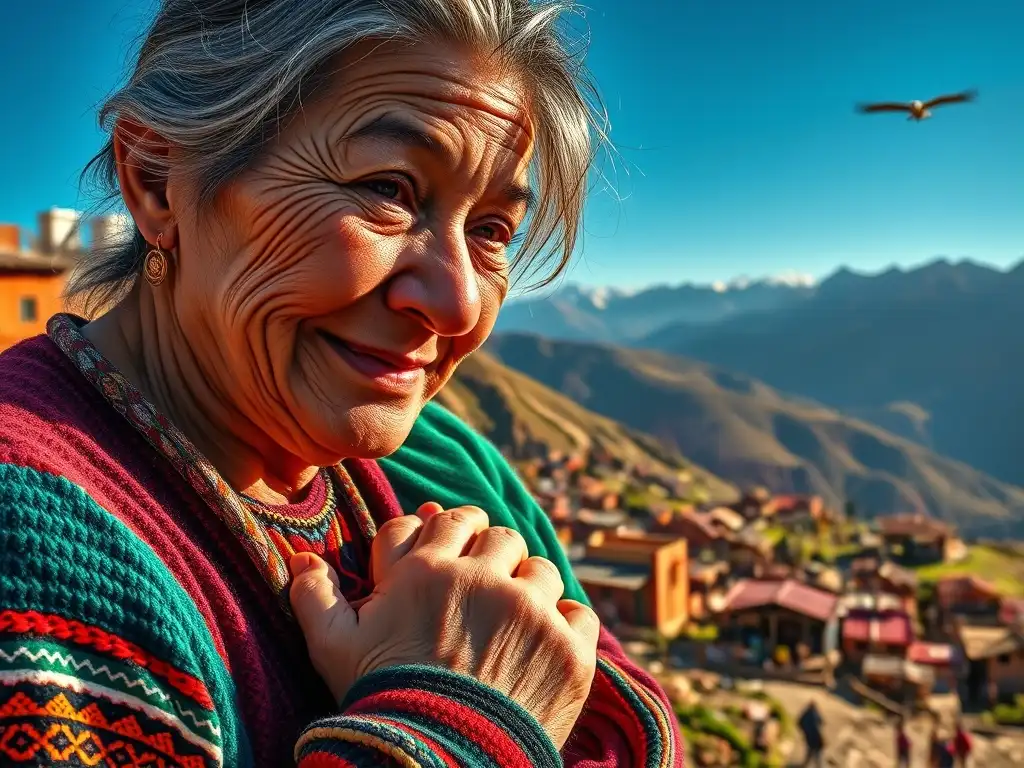
Welcome to Andean Civilizations, where the echoes of a magnificent past resonate through time. Prepare to be captivated by the intricate tapestry of Andean history, art, and culture. But first, let's unravel a particularly fascinating thread: Aymara kinship structures. How did these complex social networks shape the lives and societies of the Aymara people? Discover the answers and much more as you delve into the rich legacy of the Andes – a journey of breathtaking discovery awaits.
-
Aymara Social Organization: Unveiling Kinship and Community Structures
- Introduction to Aymara Social Structures
- The Core of Aymara Kinship Systems
- Aymara Community Organization: Beyond Kinship
- Aymara Marriage Practices and Family Formation
- Aymara Social Stratification and Hierarchy
- Aymara Kinship Structures: A Comparative Analysis
- The Impact of Modernization on Aymara Social Organization
- Aymara Social Organization: Key Takeaways
- Further Exploration of Aymara Social Life
- Frequently Asked Questions
- Final Reflection: Weaving the Threads of Aymara Community
- **Connect and Dive Deeper into Aymara Culture! **
The Aymara people, inhabiting the Andean highlands of Bolivia, Peru, and Chile, possess a rich and complex social structure deeply rooted in kinship and community ties. Understanding Aymara social organization is crucial to grasping their unique worldview and historical resilience.
This article delves into the intricacies of Aymara kinship systems, exploring the fundamental principles governing their family structures, descent patterns, and community organization. We will examine how these structures have shaped their social interactions, economic practices, and political systems throughout history, highlighting the enduring strength of their traditional ways of life in the face of modernization and globalization.
By exploring the concept of "Aymara kinship structures," we aim to provide a comprehensive overview of this fascinating aspect of Aymara culture, revealing the vital role it plays in their identity and societal cohesion. The enduring relevance of these traditional structures in a rapidly changing world makes this a particularly important area of study for understanding Andean societies.
Aymara society is fundamentally organized around kinship. Unlike Western models emphasizing the nuclear family, Aymara kinship extends far beyond the immediate family unit, encompassing a complex network of extended relatives and community members. This intricate web of relationships dictates social roles, responsibilities, and access to resources. The concept of ayni, a reciprocal system of exchange and mutual support, is central to Aymara social life and is deeply interwoven with their kinship structures. This system ensures social cohesion and mutual assistance within the community, fostering a strong sense of collective identity and shared responsibility. Understanding ayni is key to unlocking the complexities of Aymara kinship and its profound impact on daily life. The strength of these kinship bonds is evident in their communal land tenure systems and cooperative labor practices, which demonstrate the importance of collective action and shared resources within the Aymara community. [Specific examples of ayni in action pending].
The Core of Aymara Kinship Systems
Aymara kinship is characterized by several key features that distinguish it from Western models. Firstly, it's a system of bilateral descent, meaning that kinship is traced equally through both the mother's and father's lines. This contrasts sharply with systems of unilineal descent, where kinship is traced exclusively through one line.
This bilateral structure contributes to the strong sense of community and interconnectedness within the Aymara society. Secondly, the Aymara system emphasizes the importance of extended family networks, with close ties maintained across multiple generations. This extensive kinship network provides crucial support in times of need and contributes to the overall stability and resilience of Aymara communities.
Finally, the concept of fictive kinship, where individuals who are not biologically related are considered family members due to close social bonds, further expands the scope of the Aymara kinship system. This highlights the flexibility and adaptability of the system in accommodating changing social dynamics.
Understanding Aymara Descent Groups
The bilateral descent system within Aymara communities doesn't result in clearly defined clans or lineages in the same way as some other societies. Instead, kinship is organized around a flexible network of relationships, often centered around specific localities or shared resources. While precise genealogical records may not be meticulously kept in the way Western societies maintain them, oral traditions and shared memories of ancestry play a significant role in defining kinship ties.
This oral tradition, passed down through generations, maintains a strong sense of collective identity and shared history within the community. The lack of rigid lineage structures allows for greater social mobility and adaptability within the Aymara system. [Data on the typical size and composition of Aymara kinship networks pending].
Aymara Lineage and Extended Family Units
Despite the absence of strictly defined lineages, extended family units remain the cornerstone of Aymara social organization. These units often consist of several generations living together or in close proximity, sharing resources and responsibilities. The eldest members of the family typically hold positions of authority and influence, guiding decision-making and mediating conflicts. This hierarchical structure within the extended family reflects the importance of respect for elders and the preservation of traditional values.
The close proximity and interdependence within these extended family units foster strong bonds of loyalty and mutual support, reinforcing the overall social cohesion of Aymara communities. The specific structure of these units can vary depending on factors such as geographical location and economic circumstances, showcasing the adaptability of the Aymara kinship system. The strength of these family units is crucial for the survival and prosperity of Aymara communities in the challenging Andean environment. 🏡👨👩👧👦
Aymara Community Organization: Beyond Kinship
The Aymara social structure extends far beyond the intricate web of kinship ties. While family relationships form the bedrock of Aymara society, the ayllu, a crucial community organization, plays a vital role in shaping social life, resource management, and decision-making. The ayllu is not simply a geographical unit; it's a complex social entity based on shared ancestry, land ownership, and reciprocal obligations.
Membership in the ayllu provides individuals with a sense of belonging, mutual support, and access to resources, significantly impacting their social standing and economic well-being. This communal structure fosters cooperation and solidarity, vital for survival in the challenging Andean environment. The ayllu system demonstrates a sophisticated form of social organization that transcends simple kinship networks, highlighting the importance of collective action and shared responsibility in Aymara culture.
The strength and resilience of the ayllu system are evident in its continued relevance even in the face of modernizing influences. Understanding the ayllu is essential to grasping the holistic nature of Aymara social organization.
The Role of the Ayllu in Aymara Society
The ayllu, a fundamental unit of Aymara social organization, functions as a crucial mechanism for resource allocation, conflict resolution, and collective action. Historically, the ayllu controlled communal lands, distributing them among its members based on need and traditional practices. This system ensured equitable access to resources, essential for agricultural success in the challenging Andean terrain.
Beyond land distribution, the ayllu also played a vital role in managing water rights, a critical resource in arid and semi-arid regions. The ayllu also serves as a crucial social safety net, providing support to its members during times of hardship, illness, or natural disasters. This collective responsibility reflects a deep-seated commitment to mutual aid and social cohesion.
Furthermore, the ayllu acts as a forum for resolving disputes, mediating conflicts, and maintaining social harmony within the community. Traditional practices and customary law, often rooted in ancestral beliefs, guide these processes. The enduring influence of the ayllu underscores its importance in shaping the social fabric of Aymara society, showcasing a remarkably resilient and adaptable system of social organization.
Community Leadership and Decision-Making Processes
Leadership within Aymara communities is typically not hierarchical but rather consensual, reflecting the emphasis on collective decision-making. While formal leaders exist, their authority derives from community consensus and respect, not coercive power. Decision-making processes often involve extensive discussions and deliberations within the ayllu, ensuring that diverse perspectives are considered.
Traditional practices and customary law play a significant role in guiding these processes, ensuring continuity and legitimacy. These practices often involve community meetings ( taqui), where members gather to discuss issues of importance, such as land allocation, water rights, or conflict resolution. Elderly members of the community often hold significant influence, drawing on their experience and knowledge to guide discussions and offer wise counsel.
This participatory approach to leadership and decision-making underscores the importance of community consensus and shared responsibility in Aymara society. The system effectively balances individual needs with collective well-being, illustrating a model of governance rooted in collaboration and mutual respect. The inclusion of diverse voices ensures that decisions reflect the interests of the entire community, promoting social harmony and stability.
Aymara Marriage Practices and Family Formation
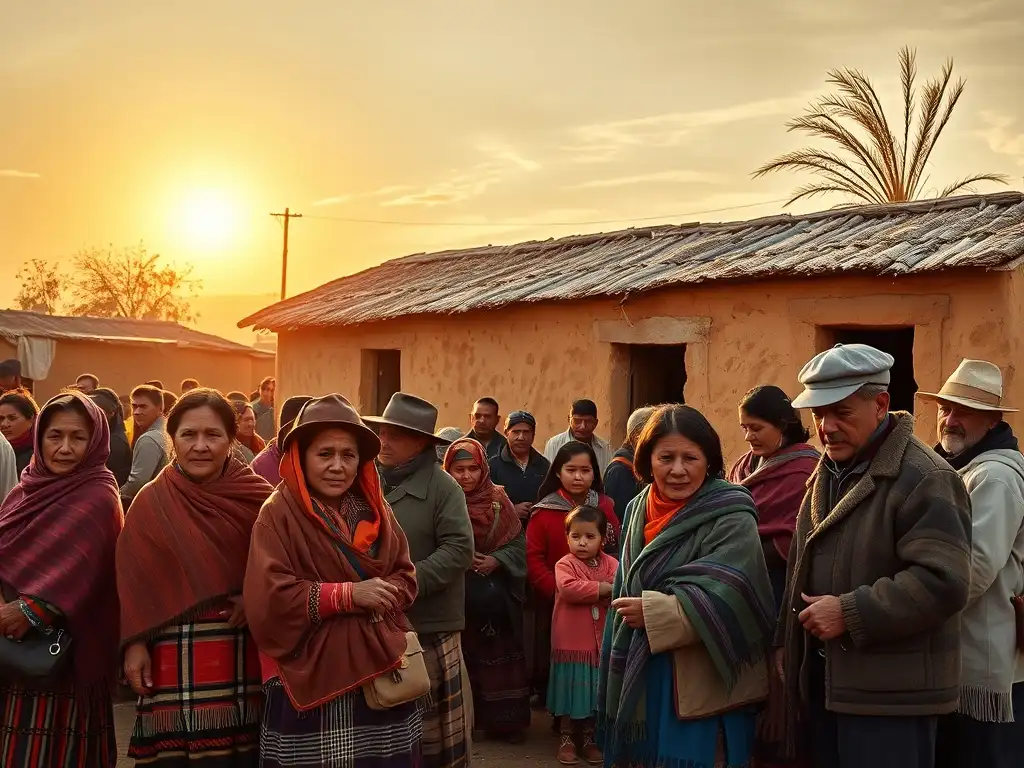
Aymara marriage customs reflect a complex interplay of traditional practices and evolving social norms. Historically, marriages were often arranged within the ayllu, strengthening social ties and ensuring the continuity of land ownership. While arranged marriages are less common today, family consent still holds significant weight in the process. The emphasis on kinship and community ties underscores the importance of social cohesion and mutual support within the Aymara social structure.
Marriage ceremonies often involve elaborate rituals and celebrations, reflecting the significance of this life event within the community. These traditions reinforce social bonds and reaffirm the importance of family and community in Aymara life. The changing dynamics of modern Aymara society are influencing marriage practices, but the underlying values of kinship, community, and mutual support remain central to family formation.
Traditional Aymara Marriage Customs
Traditional Aymara marriage customs often involved a period of courtship and betrothal, during which the families of the prospective bride and groom would negotiate the terms of the union. Dowries, frequently involving livestock or land, were a common feature, reflecting the economic importance of these resources in Aymara society. The wedding ceremony itself was typically a community affair, with family and friends participating in celebrations that often lasted for several days. These festivities underscored the importance of the event within the social fabric of the ayllu.
Following the ceremony, the newly married couple would typically reside within the community, contributing to the collective efforts of the ayllu. The importance of communal living and shared responsibilities reinforced the social bonds within the community. While some traditional customs persist, many Aymara communities are experiencing significant changes in marriage practices, reflecting broader societal shifts.
The Significance of Compadrazgo in Aymara Kinship
Compadrazgo, a system of ritual kinship, plays a significant role in extending kinship ties beyond biological relationships. In Aymara society, compadrazgo is established through godparenthood, creating fictive kinship bonds between the godparents ( padrinos) and the godchildren ( ahijados). These relationships are not merely ceremonial; they involve significant social and economic obligations.
Godparents often provide support and guidance to their godchildren, while godchildren, in turn, show respect and provide assistance to their godparents. This system strengthens social networks, providing individuals with access to additional support and resources. Compadrazgo also serves as a mechanism for consolidating social alliances and resolving conflicts, reinforcing the importance of community cohesion in Aymara culture.
The enduring significance of compadrazgo highlights the flexibility and adaptability of Aymara kinship systems, demonstrating how social bonds can extend beyond biological ties to create a strong and resilient social fabric. This system illustrates the importance of social networks and reciprocal obligations in navigating the complexities of Aymara social life.
The Aymara traditionally exhibited a social structure characterized by a relatively flat hierarchy compared to some other Andean societies. While not strictly egalitarian, the Aymara lacked the highly centralized and stratified system seen in the Inca Empire. Instead, their social organization was more localized, based on community structures and kinship ties. Authority figures existed, but their power was often tied to their roles within the community, such as religious leaders ( yatichiri) or experienced elders ( mallkus).
These individuals held influence based on their knowledge, wisdom, and respect earned within their community, rather than inherent social standing. Their leadership wasn't necessarily hereditary, but rather based on merit and community consensus. This decentralized system allowed for greater flexibility and adaptation to changing circumstances.
However, it's crucial to understand that this description represents a generalized model. Variations likely existed across different Aymara communities and regions, influenced by factors like geographic location, resource availability, and historical interactions. The degree of social stratification within specific communities may have varied based on factors such as economic success or control over vital resources.
Traditional Social Roles within Aymara Communities
Traditional Aymara society divided labor largely along gender lines. Men often held roles associated with agriculture, herding livestock (llamas and alpacas), and construction. Women were primarily responsible for agricultural tasks such as planting, harvesting, and processing crops, as well as managing the household and raising children. However, this division was not rigid. Both men and women participated in communal activities, such as ayni (reciprocal labor exchange) which was essential to Aymara community life.
The roles of elders, mentioned above, were highly respected, with their knowledge and experience guiding community decisions and conflict resolution. Religious practitioners played a vital role, mediating between the community and the spiritual world. Their influence stemmed from their spiritual expertise and not from a privileged social status. This intricate web of roles contributed to the stability and resilience of the Aymara communities.
The Influence of Colonialism on Aymara Social Hierarchy
The Spanish conquest profoundly impacted the Aymara social structure. The introduction of the encomienda system, which granted Spanish conquistadors control over indigenous labor and resources, disrupted existing power dynamics. This system created a new hierarchy with Spanish colonizers at the top, followed by a class of indigenous elites who collaborated with the Spanish, and then the vast majority of the Aymara population at the bottom. The traditional system of respected elders and community-based leadership was undermined by the colonial administration, which imposed a centralized and hierarchical system.
Land ownership, a crucial element of Aymara social organization, was dramatically altered, leading to displacement, dispossession, and the erosion of traditional communal practices. The imposition of Catholicism also affected the role of traditional religious leaders, leading to a complex interplay between indigenous beliefs and imposed religious practices. The lasting effects of colonialism are still visible in contemporary Aymara society.
Aymara Kinship Structures: A Comparative Analysis
Aymara kinship systems are complex and demonstrate a strong emphasis on bilateral descent, meaning lineage is traced through both maternal and paternal lines. This differs from some other Andean societies that exhibited a more pronounced patrilineal or matrilineal bias. The extended family plays a central role in Aymara life, with strong obligations and reciprocal support systems extending beyond the immediate nuclear family.
This emphasis on extended family networks is crucial for understanding Aymara social organization and its resilience in the face of historical challenges. Understanding the intricacies of Aymara kinship helps unravel the complexities of their social structures, land tenure, and community governance. The system's flexibility allowed for adaptation to environmental and social changes, solidifying its importance in the cultural identity of the Aymara.
Contrasting Aymara Kinship with Quechua Social Structures
While both Aymara and Quechua are major Andean indigenous groups, their kinship structures exhibit key differences. Quechua societies, particularly under the Inca Empire, often demonstrated a more hierarchical and centralized kinship system, with stronger emphasis on patrilineal descent in many cases. The Inca's administrative system often utilized kinship ties for political organization and control. In contrast, the Aymara kinship system, as discussed, prioritized bilateral descent and a more decentralized, community-based organization.
This difference reflects broader variations in social organization and political structures between the two groups. While both cultures value kinship, the manner in which kinship is structured and its impact on social organization differ significantly. Further research is needed to fully understand the nuances of these differences and their historical underpinnings.
Unique Aspects of Aymara Family Networks
Aymara family networks are characterized by a strong sense of mutual obligation and reciprocity. The ayni system, mentioned earlier, extends beyond mere labor exchange to encompass a broader network of support and assistance within the extended family. This system ensures that members of the family are cared for in times of need, providing social security and a sense of belonging. The importance of elders within the family is also notable, with their wisdom and experience highly valued in decision-making processes.
The concept of pachamama (Mother Earth) also deeply influences Aymara family structures, emphasizing a connection between the family, the community, and the natural environment. This interconnectedness shapes their worldview and their approach to resource management and community life. These features contribute to the remarkable resilience and continuity of Aymara family structures over time.
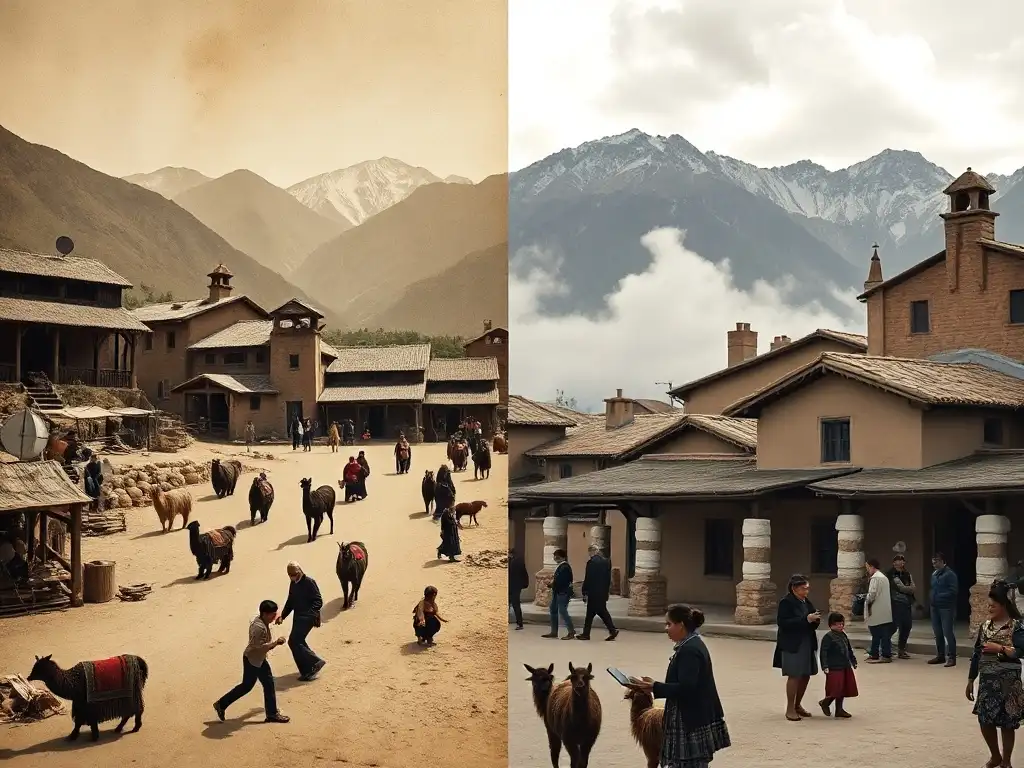
The influx of modern influences, particularly urbanization and globalization, has profoundly impacted Aymara social organization. Traditional ways of life, deeply intertwined with agricultural practices and close-knit communities, are facing significant challenges. Migration to urban centers, driven by economic opportunities and the search for better living conditions, has led to a geographical dispersion of Aymara families.
This physical separation weakens traditional kinship ties, making it more difficult to maintain the strong familial support systems that were once integral to Aymara society. The younger generation, exposed to different lifestyles and values, often adopts new social norms and practices, sometimes at the expense of traditional Aymara customs. The erosion of traditional social structures is a complex process, with both positive and negative consequences.
While modernization offers access to education, healthcare, and economic advancement, it also brings about a loss of cultural identity and the potential disintegration of community cohesion. The challenge lies in finding a balance between embracing progress and preserving the unique aspects of Aymara culture. This necessitates a nuanced understanding of the forces at play and the development of strategies that support both individual aspirations and collective well-being.
Changes in Aymara Kinship in Contemporary Times
Contemporary Aymara kinship systems are undergoing transformations. While the emphasis on extended family networks remains strong, the practical application of these ties has shifted. The traditional importance of reciprocal obligations and collective responsibility is being challenged by individualistic aspirations fostered by modern influences.
For example, the traditional practice of ayni (reciprocal labor exchange) is becoming less prevalent in urban settings, where economic transactions often replace traditional forms of cooperation. Furthermore, the increasing mobility of Aymara individuals has led to a weakening of geographically defined kinship groups. While blood relations remain important, the frequency and intensity of interactions between family members have diminished for many.
However, it's crucial to note that kinship remains a vital aspect of Aymara identity, even in urban environments. Families often maintain close emotional bonds and provide support despite geographical distances. The evolving nature of Aymara kinship reflects a dynamic adaptation to changing circumstances, revealing the resilience and adaptability of this cultural tradition.
Preserving Aymara Community Values in a Changing World
The preservation of Aymara community values in a rapidly changing world is a critical issue demanding careful consideration. Efforts are underway to revitalize traditional practices and maintain cultural heritage. Community-based organizations play a significant role in promoting Aymara language, customs, and traditions. Educational initiatives focus on integrating Aymara culture into school curricula, fostering a sense of pride and identity among younger generations.
The revival of traditional arts and crafts, such as weaving and pottery, provides economic opportunities while simultaneously preserving cultural heritage. Furthermore, the use of technology, such as the internet and social media, offers new avenues for promoting Aymara culture and connecting dispersed communities. However, challenges remain, including the need for greater government support and the ongoing struggle to balance the preservation of traditional values with the demands of modernization. Successful preservation will require a collaborative effort involving Aymara communities, government agencies, and international organizations.
Understanding Aymara social organization requires appreciating its complex interplay of kinship, community, and changing circumstances.
Summary of Aymara Kinship and Community Dynamics
Aymara kinship is characterized by strong extended family networks and a deep sense of collective responsibility. Traditional values emphasize reciprocity, cooperation, and mutual support. However, modernization has brought about significant changes, including geographical dispersion and the weakening of traditional practices like ayni. Despite these shifts, kinship remains a fundamental aspect of Aymara identity, adapting to new circumstances while retaining its core values. Community structures, historically based on close-knit village life, are also evolving, facing the challenges of urbanization and globalization. The preservation of Aymara culture and traditions is a continuous process requiring collective effort and adaptation.
The Importance of Understanding Aymara Social Structures
Understanding Aymara social structures is crucial for several reasons. First, it offers valuable insights into the resilience and adaptability of indigenous cultures in the face of modernization. Second, it highlights the importance of preserving cultural heritage and promoting intercultural understanding. Third, it informs development initiatives aimed at supporting Aymara communities while respecting their unique social and cultural contexts.
Furthermore, appreciating the intricacies of Aymara social organization provides a richer understanding of Andean civilizations as a whole, contributing to a more comprehensive and nuanced historical perspective. Finally, this knowledge helps foster respect for the diversity of human societies and promotes inclusivity in a globalized world. Ignoring or misunderstanding these structures can lead to ineffective policies and the erosion of valuable cultural traditions. Therefore, continued research and engagement with Aymara communities are essential for ensuring the preservation and appreciation of their rich cultural heritage.
The Aymara kinship system, deeply intertwined with their social organization, extends beyond simple family ties. Understanding their social life requires looking at the intricate web of reciprocal obligations and responsibilities that bind individuals within their communities. Ayllu, the traditional Aymara community, acts as a fundamental unit, shaping social interactions and economic activities. Membership in an ayllu is inherited, usually patrilineally, but reciprocal obligations extend beyond blood relations, encompassing a wider network of individuals with shared ancestry and territorial ties.
This system fosters a strong sense of collective identity and mutual support. For example, during times of hardship, members of the ayllu assist each other with labor, resources, and even childcare, demonstrating the strength of their communal bonds. This collaborative spirit is vital in their agricultural practices, where collective work is essential for success. The ayllu also plays a crucial role in dispute resolution, with community elders often mediating conflicts and upholding traditional social norms.
These intricate social networks are not static; they adapt and evolve in response to changing circumstances, reflecting the Aymara people's resilience and adaptability. The influence of external forces, such as globalization and migration, has undeniably impacted traditional Aymara social structures, leading to both challenges and transformations in their communal life. Nevertheless, the core values of reciprocity, mutual support, and collective identity remain central to the Aymara way of life. Studying these dynamics provides a deeper understanding of their social resilience and the ongoing evolution of their kinship structures.
Resources for Studying Aymara Culture and Society
For those wishing to delve deeper into the fascinating world of Aymara kinship structures and social life, several resources are available. Academic journals specializing in Andean anthropology and sociology offer in-depth analyses of Aymara social organization, often incorporating ethnographic fieldwork and primary source materials. These publications provide valuable insights into the complexities of their kinship systems, exploring topics such as marriage practices, inheritance patterns, and the role of gender in shaping social relations. Additionally, numerous books have been written on Aymara culture and history, offering comprehensive overviews of their societal structures and traditions.
These books often include detailed descriptions of Aymara communities and their social dynamics, providing a rich understanding of their way of life. Furthermore, online databases and digital archives contain valuable information, including historical records, anthropological studies, and linguistic resources. These digital resources offer a convenient way to access a wide range of information related to Aymara culture and society. Ethnographic films and documentaries can also provide a visual and immersive experience, showcasing Aymara daily life and cultural practices.
However, it’s crucial to approach these resources critically, considering the potential biases and perspectives of the authors and researchers. By combining different sources and perspectives, one can gain a more comprehensive and nuanced understanding of Aymara kinship structures and their role in shaping Aymara society. Remember to always cite your sources properly and acknowledge the contributions of Aymara scholars and community members.
Frequently Asked Questions
What are Aymara kinship structures based on?
Aymara kinship systems are primarily bilateral, meaning descent is traced through both the mother's and father's sides. This creates a complex network of reciprocal obligations and social connections within the community. Family ties are crucial to their social structure.
How important is the ayllu in Aymara society?
The ayllu is a fundamental unit of social organization in Aymara society. It's a kinship-based community that provides mutual support and cooperation, particularly in farming and resource management. Membership is inherited and deeply ingrained in their identity.
What roles do men and women play within Aymara kinship?
While traditional roles exist, Aymara society is not strictly patriarchal. Both men and women have significant roles and responsibilities within the family and ayllu. Gender roles are fluid and often adapt to the needs of the community.
How has Aymara kinship adapted to modern influences?
Despite modernization and migration, Aymara kinship structures remain influential. While some aspects have adapted, the emphasis on family and community ties continues to be vital to their social and cultural identity. Traditional values persist.
How does the Aymara kinship system relate to land ownership and resource management?
Aymara kinship is directly tied to land ownership and resource allocation. The ayllu traditionally manages communal land, and access to resources is often determined by kinship ties and reciprocal obligations. This system fosters collective responsibility.
Final Reflection: Weaving the Threads of Aymara Community
The intricate tapestry of Aymara kinship structures remains profoundly relevant today, a testament to the enduring power of community in a rapidly changing world. Understanding these systems offers not only a glimpse into a rich cultural heritage but also valuable insights into alternative models of social organization, challenging dominant Western paradigms of individualism and nuclear family structures. The strength and resilience of Aymara communities, built upon these foundations, serve as a powerful example for navigating the complexities of modern life.
The profound impact of Aymara kinship on individual identity and collective well-being continues to shape the social and cultural landscape of the Andes. The emphasis on ayllu, the extended family unit, fosters a sense of belonging and mutual support that is often lacking in more fragmented societies. This interconnectedness, this deep-rooted sense of shared responsibility, is a powerful antidote to the isolation and alienation that plague many contemporary communities. The ayllu is not merely a kinship group; it is a living organism, a dynamic force that shapes the lives of its members from birth to death.
This quote, though needing a source for proper academic citation, encapsulates the vital role of the ayllu in maintaining social cohesion and cultural continuity.
Consider, for a moment, the implications of this understanding for your own life. How might the principles of collective responsibility and mutual support, so central to Aymara society, enrich your own relationships and community involvement? Embrace the opportunity to learn from different cultural models, to challenge your assumptions, and to build stronger, more resilient communities based on shared values and mutual respect. Let the enduring legacy of Aymara kinship inspire you to foster deeper connections and a stronger sense of belonging in your own world.
**Connect and Dive Deeper into Aymara Culture! **
Thank you for exploring the rich social organization and intricate kinship and community structures of the Aymara culture. This understanding provides valuable insight into the diversity of human societies. To further enrich your knowledge, consider these suggestions:
- **Engage with the Aymara Community:** Participate in local workshops, cultural events, or online forums to experience Aymara traditions firsthand and connect with passionate speakers and educators.
- **Share Your Knowledge:** Discuss your newfound understanding with friends, family, or online communities. Use your voice to raise awareness and promote appreciation for the Aymara people and their unique cultural heritage.
- **Expand Your Learning:** Explore books, documentaries, and other resources that delve into Andean civilizations and indigenous communities worldwide. This will broaden your understanding of diverse kinship systems and global cultures.
What aspects of the Aymara community resonated most with you, and what inspired you to learn more? Let's continue the conversation!