
Where Words are Sacred: The Spiritual Significance of Andean Oral Tradition

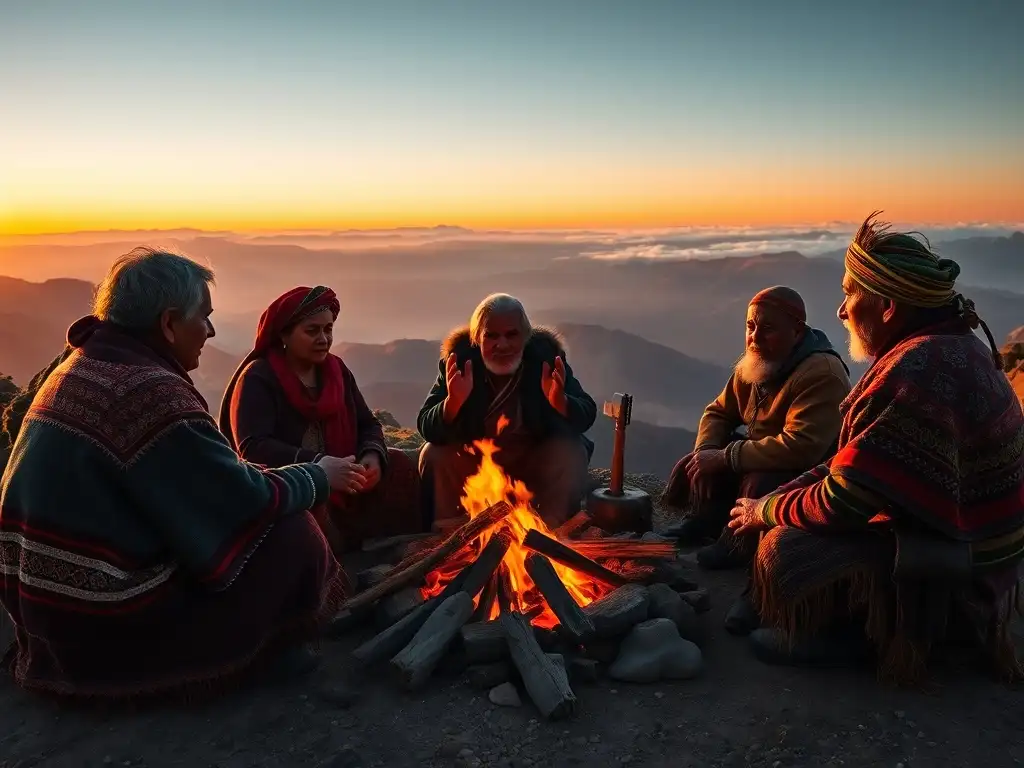
Step into a world lost to time, yet echoing with vibrant voices. Discover the secrets whispered across millennia in the Andes, a landscape where mountains meet sky and legends intertwine with reality. Uncover the profound significance of Andean oral tradition, a legacy that shaped civilizations and continues to resonate today. Prepare to be captivated by the stories, songs, and wisdom preserved through generations – a journey that begins now, with the exploration of "Andean oral tradition significance".
- Where Words are Sacred: Exploring the Spiritual Significance of Andean Oral Tradition
- The Enduring Power of Spoken Word in Andean Culture
- Spiritual Dimensions of Andean Oral Tradition
- Key Elements and Forms of Andean Oral Tradition
- The Significance of Andean Oral Tradition in Modern Times
- Understanding the Profound Meaning of Andean Oral Tradition
- Frequently Asked Questions
- Final Reflection: Echoes of the Andes, Whispers of the Spirit
- Embrace the Wisdom of Andean Oral Traditions!
Where Words are Sacred: Exploring the Spiritual Significance of Andean Oral Tradition
The Andes Mountains, a spine of towering peaks stretching along the western edge of South America, are not just a geographical feature; they are the cradle of vibrant and complex civilizations that flourished for millennia. These cultures, including the Inca, Moche, Nazca, and Tiahuanaco, developed sophisticated systems of governance, agriculture, and art.
However, beyond the impressive architectural feats and intricate textiles, lies a deeply spiritual connection to the land and a rich oral tradition that played a pivotal role in shaping their worldview and societal structures. This article delves into the profound spiritual significance of Andean oral tradition, exploring how stories, songs, and myths served as the bedrock of their beliefs, social cohesion, and transmission of knowledge across generations.
Understanding the significance of Andean oral tradition is crucial to grasping the holistic nature of these remarkable societies and their enduring legacy. We will explore how this oral tradition served not merely as a means of communication, but as a vital link to the spiritual realm and a powerful force shaping their daily lives and understanding of the cosmos.
The Power of Storytelling: Myths, Legends, and the Transmission of Knowledge
Andean oral tradition wasn't simply a casual exchange of information; it was a carefully curated system for preserving and transmitting knowledge, values, and beliefs. Stories, myths, and legends weren't just entertaining narratives; they served as pedagogical tools, conveying essential lessons about the natural world, social order, and the spiritual realm. For example, the creation myths of various Andean cultures often explained the origin of the cosmos, the relationship between humans and nature, and the roles of different deities.
These stories weren't static; they evolved and adapted over time, reflecting the changing social and environmental contexts of each community. The act of storytelling itself was a sacred ritual, often performed by designated storytellers or shamans who held a special status within their communities.
These individuals were not just entertainers; they were custodians of cultural memory, ensuring the continuity of traditions and the preservation of their cultural heritage. Their skill in storytelling was highly valued, and their words held considerable power and influence.
Songs and Music: Channels to the Spiritual World
Music and song played an equally important role in Andean oral tradition. Musical performances were not merely for entertainment; they were integral parts of religious ceremonies, agricultural cycles, and social gatherings. Songs often accompanied rituals, invoking deities, celebrating harvests, or commemorating important events. The melodies, rhythms, and lyrics were imbued with spiritual meaning, acting as conduits to the spiritual world.
Specific songs were associated with particular deities or spirits, and their performance was believed to invoke their presence and influence. Instruments, such as panpipes, drums, and flutes, were also considered sacred objects, each with its own unique spiritual significance. The intricate musical traditions of the Andes reveal a deep understanding of the power of sound to connect with the spiritual realm and transmit cultural knowledge. The rhythmic precision and symbolic content of Andean music reveal a sophisticated understanding of the connection between music, spirituality, and community.
The Role of Shamans and Oral Historians in Preserving Cultural Memory
The preservation of Andean oral tradition depended heavily on the role of specialized individuals: shamans and oral historians. Shamans, often considered intermediaries between the human and spiritual worlds, used oral narratives to explain illness, predict the future, and guide their communities through challenging times. Their knowledge, accumulated over generations, was passed down orally, ensuring the continuity of spiritual practices and beliefs.
Oral historians, on the other hand, focused on preserving the history and genealogy of their communities. Their detailed accounts of past events, lineages, and social structures were vital for maintaining social cohesion and resolving disputes.
Both shamans and oral historians played a crucial role in shaping the identity and worldview of their communities, and their mastery of oral tradition was essential for the survival and continuity of Andean cultures. The collaborative efforts of these individuals ensured that knowledge was transmitted effectively and that cultural memory remained vibrant and relevant across generations.
The Enduring Legacy of Andean Oral Tradition in Contemporary Society
Despite the impact of colonization and modernization, Andean oral traditions continue to thrive in many communities. While written forms of language have become increasingly prevalent, the oral tradition remains a vital part of Andean cultural identity. Stories, songs, and rituals continue to be passed down from generation to generation, preserving a rich tapestry of cultural knowledge and spiritual beliefs. The enduring legacy of Andean oral traditions highlights the remarkable resilience and adaptability of these cultures. The continued practice of oral storytelling, music, and ritual reflects the ongoing importance of these traditions in shaping contemporary Andean identities and maintaining a connection to the past. Understanding and appreciating this rich heritage is essential for fostering respect for cultural diversity and promoting intercultural understanding. The preservation of Andean oral traditions is not merely an academic exercise; it is a vital contribution to the safeguarding of cultural diversity and the promotion of intercultural dialogue.
The Enduring Power of Spoken Word in Andean Culture
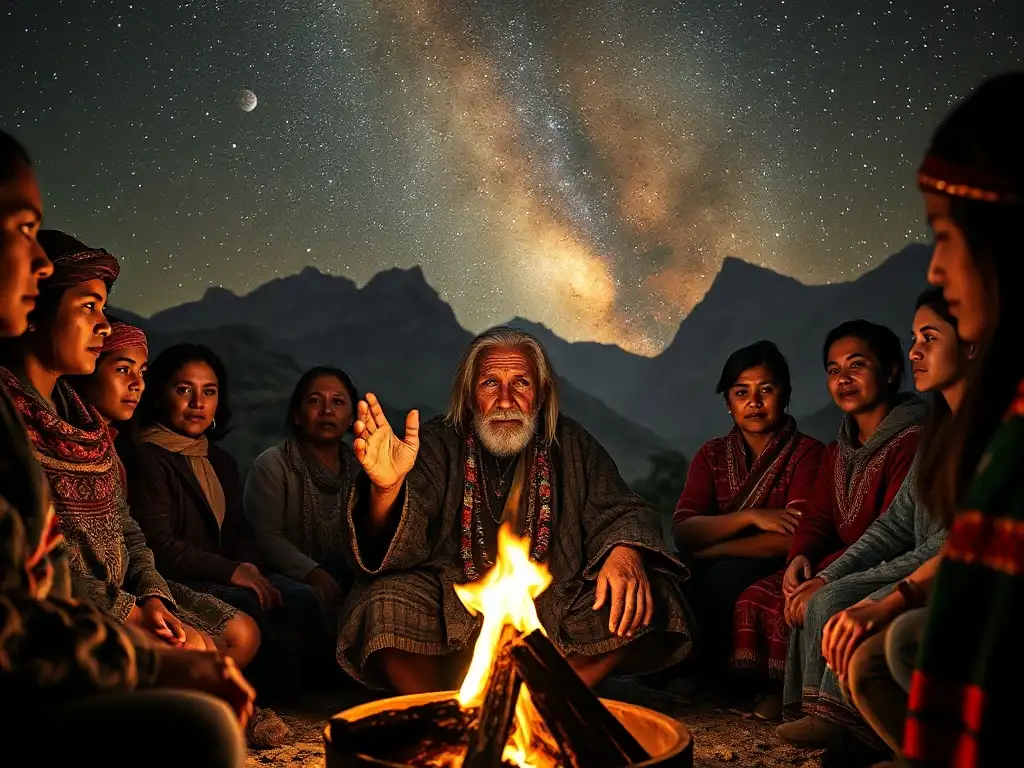
The Andean region, encompassing modern-day Peru, Bolivia, Ecuador, Colombia, Argentina, and Chile, boasts a vibrant tapestry of cultures, each woven with threads of intricate oral traditions. For centuries, before the advent of widespread literacy, the spoken word served as the primary vehicle for transmitting knowledge, preserving history, and reinforcing social structures. This wasn't merely a method of communication; it was a deeply spiritual practice, inextricably linked to the Andean worldview and understanding of the cosmos.
The significance of Andean oral tradition lies not just in its historical value, but also in its ongoing relevance to contemporary Andean communities. Understanding this tradition offers a window into the enduring power of spoken word and its profound impact on shaping Andean identity and cultural continuity.
The weight and reverence given to spoken narratives highlight the deep connection between the physical and spiritual realms, a key element of Andean cosmology. This section will explore the vital role oral tradition played and continues to play in Andean societies, focusing on its importance in preserving history and knowledge.
The Vital Role of Oral Tradition in Andean Societies
Oral tradition in the Andes wasn't simply a casual exchange of information; it was a carefully cultivated practice, often imbued with ritual and ceremony. Storytellers, known as yachaywasi (knowledge keepers) in Quechua, held positions of immense respect within their communities. Their expertise extended beyond mere recitation; they were interpreters of the past, custodians of cultural memory, and shapers of social values. These individuals possessed a deep understanding of the intricate narratives, myths, and legends that formed the bedrock of Andean identity.
Their performances were not only entertaining but also served to educate, inspire, and reinforce social cohesion. The stories they shared weren't static; they were dynamic and adaptable, evolving over time to reflect the changing circumstances of the community. This adaptability is a testament to the living nature of Andean oral tradition, its capacity to integrate new experiences while retaining its core values.
Consider, for example, the countless variations of the creation myth found across different Andean communities – each version uniquely reflecting the local environment and cultural nuances while retaining the overarching themes of creation and cosmic order. The meticulous transmission of this knowledge through generations ensured cultural survival and continuity, especially in the face of external pressures and colonization. The yachaywasi weren't just storytellers; they were the guardians of cultural continuity.
Preserving History and Knowledge Through Spoken Narratives
The Andean oral tradition served as the primary repository of historical knowledge, preserving accounts of past events, social structures, and technological innovations. Genealogical records, agricultural practices, medicinal knowledge, and astronomical observations were all meticulously passed down through generations via spoken narratives, songs, and poems. These weren't just dry recitations of facts; they were embedded within compelling stories that captured the imagination and ensured memorability. For instance, the intricate details of Inca history, including the rise and fall of empires, were transmitted through harawi (Quechua songs) and other narrative forms long before written records became widespread.
This oral preservation allowed for the continuity of cultural practices, even after major societal upheavals. Furthermore, the integration of practical knowledge within these narratives ensured the transmission of vital skills and techniques crucial for survival and prosperity. Agricultural techniques, medicinal plant knowledge, and construction methods were often passed down through generations using mnemonic devices and memorable stories, ensuring that this knowledge wasn’t lost.
The effectiveness of this system is evidenced by the remarkable resilience of Andean cultures, which have maintained their unique identities despite centuries of colonization and cultural pressure. The detailed and specific nature of this oral tradition underscores its importance as a vital tool for cultural preservation and transmission. The enduring legacy of Andean oral tradition is a testament to the enduring power of the spoken word in shaping and preserving a culture's identity and knowledge.
Spiritual Dimensions of Andean Oral Tradition
This section delves into the profound spiritual significance of Andean oral traditions, exploring how storytelling, the sacred nature of language, and the transmission of spiritual teachings shaped Andean societies. Understanding the spiritual weight placed upon oral narratives provides crucial insight into the Andean worldview and its enduring legacy. The keyword "Andean oral tradition significance" is central to this exploration, highlighting the deep connection between spiritual belief and the preservation of cultural knowledge.
Connecting with Ancestors Through Storytelling
Storytelling in Andean cultures wasn't merely entertainment; it was a sacred act, a vital link connecting the living with their ancestors. Narratives weren't static accounts of the past; they were dynamic, living entities, constantly reinterpreted and re-enacted. Each telling subtly shifted, adapting to the present context while maintaining the core essence of the story. This ensured the continuity of cultural memory and spiritual understanding across generations.
Think of the Ayar brothers legend among the Inca, constantly retold and adapted to reinforce lineage and legitimize power. These stories weren't just historical accounts; they were vehicles for spiritual transmission, imparting moral values, cosmological beliefs, and practical knowledge. The act of listening was equally important, creating a shared spiritual experience that reinforced community bonds.
The repetition and variations within the narratives strengthened the story's power and ensured its survival. The emotional resonance of these tales played a significant role in spiritual growth and the transmission of crucial cultural knowledge. The stories acted as a living archive of spiritual wisdom, ensuring its continuity across generations.
The Sacred Nature of Words in Andean Cosmovision
In the Andean cosmovision, words held immense power. They weren't simply tools for communication; they were considered sacred entities, capable of shaping reality. The careful selection of words, the intonation used in delivery, and even the silence between words were all imbued with meaning. This reverence for language is reflected in the intricate ceremonies and rituals surrounding storytelling.
For example, specific chants and incantations were used in agricultural practices, believed to influence the fertility of the land. These weren't mere superstitions; they were deeply embedded in the Andean understanding of the interconnectedness between the spiritual and material worlds. The precise wording of prayers and blessings was crucial, as improper use could have negative consequences.
This perspective underscores the significance of oral tradition as a carefully guarded repository of sacred knowledge, passed down through generations with utmost respect. The power of words to influence the natural world and the spirits demonstrates the profound spiritual significance of Andean oral tradition. This inherent sacredness of language is reflected in the meticulous care taken to preserve and transmit these oral traditions.
Oral Tradition as a Vehicle for Spiritual Teachings
Andean oral traditions served as the primary means of transmitting spiritual teachings, moral codes, and cosmological beliefs. These weren't abstract concepts; they were woven into the fabric of everyday life, expressed through myths, legends, songs, and proverbs. Consider the intricate system of reciprocity, ayni, fundamental to Andean societies.
This principle of mutual exchange and obligation wasn't simply a social norm; it was a deeply spiritual practice, reflecting the interconnectedness of all beings and the importance of balance in the cosmos. This concept, and many others, were transmitted not through written texts but through generations of oral storytelling, ensuring its profound impact on Andean societies. The stories didn't simply impart information; they fostered a deep understanding of the spiritual world and one's place within it.
This holistic approach to spiritual education, embedded within the oral tradition, underscores its vital role in shaping Andean identity and worldview. The enduring power of these teachings, preserved through generations of oral transmission, highlights the enduring significance of Andean oral tradition. The lack of widespread literacy further emphasized the crucial role of oral tradition in preserving and transmitting spiritual knowledge.
Key Elements and Forms of Andean Oral Tradition
The Andean oral tradition, a vibrant tapestry woven from centuries of storytelling, ritual, and song, holds immense significance for understanding the spiritual fabric of these ancient societies. Its enduring power lies not merely in preserving historical narratives, but in actively shaping cultural identities and transmitting fundamental values across generations. This rich tradition manifested in diverse forms, each contributing to a complex and deeply meaningful system of communication and social cohesion.
Understanding the significance of Andean oral tradition requires exploring its various components and appreciating their interconnected roles in the lives of Andean communities. The enduring legacy of this tradition underscores its profound impact on the region's cultural heritage, and its continuing relevance in contemporary Andean societies. The vitality of Andean oral tradition is a testament to its adaptive nature, constantly evolving while retaining its core spiritual essence.
Analyzing its key elements allows us to better appreciate the depth and complexity of Andean spirituality and social structures. The preservation and study of this tradition are crucial for comprehending the rich cultural landscape of the Andes.
Myths and Legends: Transmitting Cultural Values
Myths and legends formed a cornerstone of Andean oral tradition, serving as powerful vehicles for transmitting cultural values, beliefs, and historical narratives. These stories, often involving supernatural beings, heroes, and ancestral figures, weren't mere entertainment; they provided a framework for understanding the world, defining social roles, and establishing moral codes. For example, the creation myths of various Andean cultures often explained the origins of the universe, the land, and humanity, establishing a connection between the present and the past, the human and the divine.
These narratives often incorporated natural phenomena, such as mountains, rivers, and celestial bodies, imbuing them with spiritual significance and reinforcing the interconnectedness of the natural and supernatural realms. The recurring motifs and characters in these myths underscored the importance of community, respect for nature, and adherence to traditional customs. The detailed descriptions of social hierarchies and rituals within the myths further illuminated the social structure and the expected behavior within Andean societies.
The precise details of specific myths varied significantly across different Andean groups, reflecting the diversity of cultures and beliefs within the region. Analyzing these variations provides valuable insights into the unique cultural identities of each community. Furthermore, the continued telling and retelling of these myths ensured their survival and adaptation throughout the ages, demonstrating their inherent resilience and enduring power.
Rituals and Ceremonies: The Power of Recited Words
Recited words held immense power within Andean rituals and ceremonies. Prayers, chants, and incantations, often accompanied by music and dance, were integral components of religious practices, agricultural cycles, and social gatherings. The precise wording and intonation of these recitations were considered crucial for their efficacy, with specific phrases and verses believed to possess the ability to influence the natural world, appease deities, or ensure successful harvests.
For instance, the Inca's elaborate ceremonies, including the Capacocha sacrifices, involved complex rituals with carefully choreographed recitations and chants. These were not simply performed; they were believed to directly interact with the spiritual realm. The precise wording and structure of these recitations were often kept secret, passed down orally within specific lineages of priests and shamans.
This secrecy reinforced the power and authority of these religious leaders, highlighting the sacred nature of the oral tradition itself. Even seemingly mundane activities, such as planting and harvesting, were often accompanied by specific invocations and chants, demonstrating the pervasive role of recited words in daily Andean life. The meticulous preservation of these oral traditions ensured the continuity of religious practices and social cohesion across generations.
The Aymara Tradition of "Jawari": Storytelling and Community Building
The Aymara tradition of jawari, a form of storytelling and narrative performance, exemplifies the social and communal function of Andean oral tradition. Jawari is not merely the recounting of a tale; it's a dynamic, interactive performance that often involves the entire community. Storytellers, often elders with extensive knowledge of Aymara history and culture, weave together narratives that combine elements of myth, legend, and historical events. These narratives aren't static; they are adapted and reinterpreted by each storyteller, reflecting the ongoing evolution of Aymara culture.
The jawari sessions serve as important forums for community building, strengthening social bonds, and transmitting cultural knowledge. The participatory nature of jawari, where the audience often interjects with comments, questions, and even contributions to the narrative, highlights the collaborative aspect of this oral tradition. The stories themselves often address themes of social justice, environmental stewardship, and the importance of maintaining cultural identity in the face of external pressures.
The jawari tradition demonstrates the enduring power of oral tradition to not only preserve cultural heritage but also to actively shape and adapt to changing social contexts. The continued practice of jawari in contemporary Aymara communities underscores the vital role of oral tradition in maintaining cultural identity and community cohesion. The detailed study of jawari provides valuable insights into the dynamic interplay between oral tradition, social structures, and cultural identity within Andean societies.
The Significance of Andean Oral Tradition in Modern Times
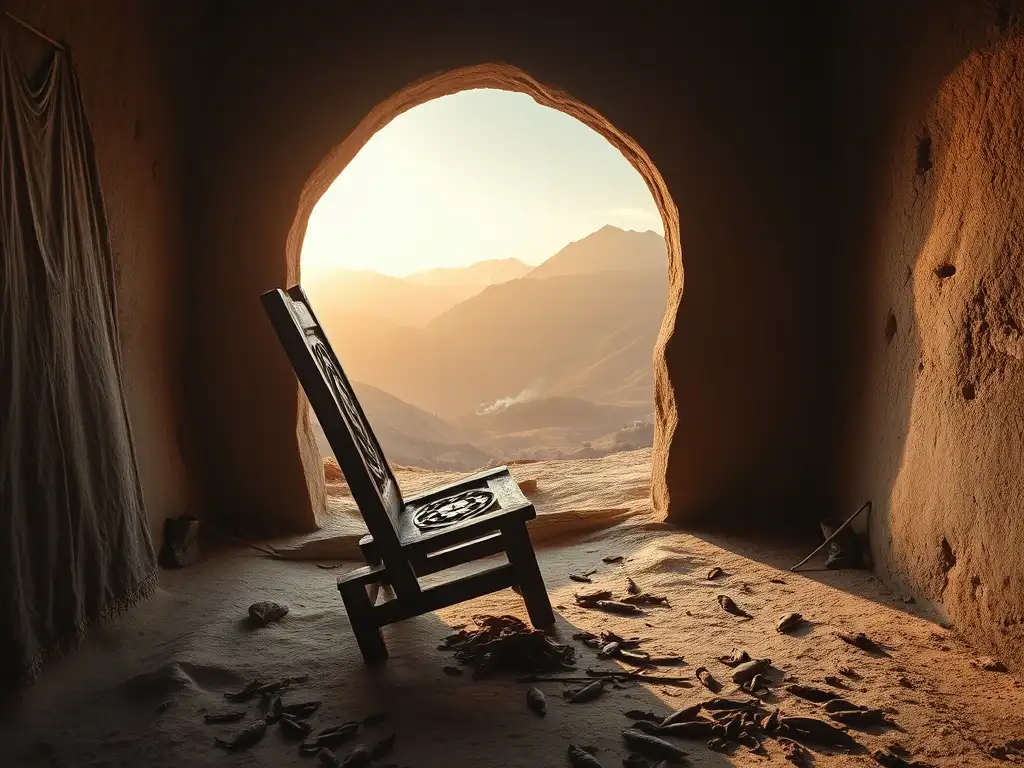
The enduring power of Andean oral tradition extends far beyond historical accounts; it remains a vibrant force shaping contemporary Andean societies. Its significance lies not just in preserving the past, but in actively constructing present and future identities. Understanding this significance requires acknowledging the multifaceted roles oral narratives play in community life, education, and cultural preservation efforts.
The continuing relevance of this tradition is undeniable, particularly given the ongoing struggles faced by indigenous communities in the Andes to maintain their cultural heritage in the face of globalization and societal pressures. This section will explore the lasting impact of Andean oral tradition, focusing on its crucial role in language revitalization, cultural identity, and collaborative preservation initiatives.
The Importance of Protecting and Revitalizing Indigenous Languages
The intricate relationship between Andean oral tradition and indigenous languages is paramount. Many Andean languages, passed down through generations via oral transmission, face the threat of extinction. The loss of these languages represents not merely a linguistic decline, but a profound erosion of cultural knowledge and heritage deeply intertwined with the narratives and songs that define Andean identity.
Protecting and revitalizing these languages is intrinsically linked to preserving the oral tradition itself. Active steps include implementing bilingual education programs in schools, creating community-based language learning initiatives, and encouraging the use of indigenous languages in public spaces. For instance, initiatives focused on Quechua revitalization have seen success through community radio programs broadcasting in Quechua, fostering intergenerational language transmission.
The survival of Quechua and other Andean languages is directly tied to the continued flourishing of their rich oral traditions. Without a conscious and concerted effort to preserve these languages, the intricate tapestry of Andean oral narratives risks being lost forever – a significant loss for humanity's collective cultural heritage. The urgency of the situation cannot be overstated; these languages, and the wealth of knowledge they carry, are disappearing at an alarming rate.
The Role of Oral Tradition in Maintaining Cultural Identity
Andean oral tradition is not merely a repository of historical facts; it is the very lifeblood of Andean cultural identity. Stories, songs, and myths passed down through generations provide a framework for understanding the world, shaping values, and defining social structures. These narratives offer a sense of belonging, continuity, and shared history, connecting individuals to their ancestors and fostering a strong sense of community.
For example, the intricate creation myths of various Andean cultures, often expressed through rich oral narratives, underpin their worldview, ethical codes, and social interactions. These narratives are not static; they evolve and adapt to changing circumstances, reflecting the dynamism of Andean cultures.
The power of oral tradition in shaping cultural identity lies in its ability to both preserve historical memory and adapt to new realities, ensuring the continued relevance of Andean cultural values in a constantly evolving world. The transmission of these stories also acts as a vital tool in passing down traditional knowledge, skills, and practices, ensuring that they remain relevant and accessible to future generations.
Recognizing the importance of preserving Andean oral tradition, numerous collaborative projects are underway to document, archive, and share these invaluable narratives. These initiatives often involve partnerships between researchers, community members, and cultural institutions. The process of documentation is not merely a passive act of recording; it is a collaborative endeavor that empowers indigenous communities to actively participate in shaping the narrative of their own heritage.
Such projects utilize a variety of methods, including audio and video recording, transcription, translation, and digital archiving. This ensures that these vital stories are not only preserved but also made accessible to wider audiences, promoting intercultural understanding and appreciation. Crucially, these collaborative projects prioritize community ownership and control over the narratives, ensuring that the stories are shared respectfully and authentically, reflecting the perspectives and values of the communities themselves.
The success of these initiatives depends on fostering trust, mutual respect, and a shared commitment to preserving and celebrating the rich tapestry of Andean oral traditions for generations to come. The collaborative nature ensures the longevity and authenticity of the project, placing the indigenous communities at the heart of the preservation efforts.
Understanding the Profound Meaning of Andean Oral Tradition
The Andean oral tradition, a tapestry woven from centuries of storytelling, song, and ritual, holds a significance far beyond mere historical record. It represents a living, breathing connection to the past, a dynamic force shaping the present, and a vital guide for the future.
This intricate system of knowledge transmission, passed down through generations without the aid of written texts, reveals a deep-seated spiritual worldview and a complex social structure that continues to resonate today. Understanding its profound meaning requires acknowledging its multifaceted nature, encompassing not just narratives and songs, but also the very act of communication itself, imbued with spiritual weight and social responsibility.
The study of Andean oral tradition offers a unique lens through which to analyze the intricate relationship between language, culture, and spirituality in these ancient societies. This section delves into the layers of meaning embedded within this rich cultural heritage, exploring its enduring impact on Andean identity and its potential to offer valuable insights into human experience across cultures.
The Cultural Heritage Embedded in Spoken Words
The cultural heritage embedded within Andean oral tradition is vast and multifaceted. It's not simply a collection of stories; it's a living repository of knowledge encompassing cosmology, history, social structures, agricultural practices, and medicinal knowledge. Consider, for example, the yaravíes, melancholic songs often expressing longing and sorrow, which often weave together elements of personal experience with broader social and environmental concerns.
These songs aren't just entertainment; they are vehicles for transmitting cultural values, historical events, and social commentary. Similarly, the hablares, a form of dramatic storytelling, often involve intricate dialogues and characterizations, reflecting social dynamics and power structures within Andean communities.
Further enriching this vibrant tapestry are the numerous myths and legends associated with specific geographic locations, natural phenomena, and ancestral figures. These narratives often explain the origins of the world, the relationship between humans and nature, and the significance of particular rituals and ceremonies. The oral transmission of these stories ensures their continuity across generations, fostering a strong sense of collective identity and shared cultural heritage.
The stories themselves are not static; they evolve and adapt over time, reflecting the changing social and environmental contexts in which they are told. This dynamic nature underscores the living, breathing quality of Andean oral tradition, highlighting its capacity for ongoing adaptation and renewal. The precise details of specific narratives vary widely across different communities, underscoring the localized nature of this tradition and the importance of preserving its diverse expressions.
The Relevance of Oral Tradition for Understanding Andean Spirituality
Andean spirituality is deeply intertwined with its oral tradition. Many narratives and songs are directly linked to religious beliefs and practices, providing insights into the Andean worldview. For instance, the concept of Pachamama (Mother Earth) is often explored through stories and songs that emphasize the interconnectedness of humans and nature. These narratives underscore the importance of respecting the environment and maintaining a harmonious relationship with the natural world. Similarly, stories about the Apus (mountain spirits) illustrate the Andean reverence for these sacred peaks, which are often seen as intermediaries between the human and spiritual realms.
The oral tradition also plays a crucial role in transmitting knowledge about rituals and ceremonies. These rituals, often accompanied by songs and prayers, are vital components of Andean religious practice, serving to maintain cosmic balance and ensure the well-being of the community. Detailed descriptions of these rituals, passed down orally through generations, offer valuable insights into the beliefs and practices that shaped Andean societies.
The precise nature of these rituals and their associated beliefs often varies significantly across different Andean communities, reflecting the diverse spiritual landscape of the region. Furthermore, the use of specific chants and prayers during these ceremonies further underscores the importance of oral tradition in maintaining the continuity of Andean spiritual practices. The subtle nuances of pronunciation and intonation within these oral traditions often hold significant spiritual meaning.
The Potential of Andean Oral Tradition to Inspire Global Understanding
The study of Andean oral tradition offers a valuable contribution to global understanding. Its emphasis on the interconnectedness of humans, nature, and the spiritual realm provides a powerful counterpoint to many aspects of modern Western thought. The emphasis on community, cooperation, and respect for the environment offers valuable lessons for contemporary society, grappling with issues of environmental degradation and social inequality. By studying these narratives, we can gain a deeper appreciation for alternative ways of understanding the world and our place within it.
The preservation and study of Andean oral tradition also contribute to a more nuanced understanding of intercultural communication. By examining the different ways in which knowledge is transmitted and shared within this tradition, we can gain valuable insights into the complexities of cross-cultural dialogue.
Understanding the nuances of Andean oral communication, including its non-verbal aspects and its reliance on context, can foster greater empathy and respect in intercultural interactions. Moreover, the rich diversity of Andean languages and their associated oral traditions highlights the importance of linguistic diversity and the need to protect endangered languages worldwide.
The enduring power of Andean oral tradition serves as an inspiration for the preservation of cultural heritage globally, demonstrating the vital role of oral storytelling in maintaining cultural identity and transmitting knowledge across generations. The ongoing study and documentation of this tradition remain crucial for ensuring its survival and its contribution to a more interconnected and understanding world.
Frequently Asked Questions
What is the significance of oral tradition in Andean cultures?
Andean oral traditions were crucial for transmitting knowledge, history, and beliefs across generations. They served as the primary means of preserving cultural identity before widespread literacy. This oral history shaped Andean worldview and social structures.
How did oral tradition impact Andean societal structures?
Oral traditions reinforced social hierarchies and power structures, transmitting rules, customs, and myths that legitimized leadership. They also helped maintain community cohesion and resolve conflicts through shared narratives and values.
What forms did Andean oral tradition take?
Andean oral traditions encompassed various forms including myths, legends, songs (harawi), and epic poems (yaraví). Storytelling, often accompanied by music and dance, played a vital role in communal life and religious ceremonies. These narrative forms ensured the preservation of cultural memory.
How did the Incas utilize oral tradition?
The Incas used oral tradition extensively to maintain their vast empire. Quipus, knotted cords used for record-keeping, supplemented oral narratives. Official storytellers, known as amautas, played a key role in transmitting Inca history and ideology.
Why is the study of Andean oral tradition important today?
Studying Andean oral traditions provides invaluable insights into the complexity and richness of Andean cultures. It offers a deeper understanding of their worldview, social organization, and artistic expressions, preserving a vital legacy for future generations.
Final Reflection: Echoes of the Andes, Whispers of the Spirit
The enduring power of Andean oral tradition resonates deeply in today's world, a testament to the enduring strength of community and the spiritual connection to the land. In a world increasingly dominated by digital communication, the intimate, shared experience of storytelling, passed down through generations, offers a powerful counterpoint – a reminder of the profound impact of human connection and the preservation of cultural heritage. This ancient practice isn't merely a historical artifact; it's a living, breathing force shaping identities and communities even now.
The profound impact of Andean oral traditions on shaping worldview and social cohesion continues to inspire me. These stories, songs, and rituals are not simply narratives; they are the very fabric of Andean identity, weaving together a rich tapestry of beliefs, values, and experiences. They offer a profound understanding of the interconnectedness of all things, a perspective often lost in our fragmented modern world. The earth is our mother, and we are her children. We must respect her, for she gives us life.
This sentiment, echoing through generations, speaks to the enduring wisdom embedded within these oral traditions and the urgent need for their preservation.
Consider the stories you share, the traditions you uphold, the wisdom you pass on. What narratives shape your own identity and community? How can you contribute to the preservation and revitalization of the stories that bind us together, fostering a deeper understanding of our shared humanity and the rich tapestry of cultural heritage that surrounds us? Let the echoes of the Andes inspire you to find your own voice, to share your own stories, and to build a future where words remain sacred.
Embrace the Wisdom of Andean Oral Traditions!
Thank you for exploring the rich spiritual significance of Andean oral traditions with us! Your engagement helps bring this vibrant culture to life, and we hope you found meaningful insights. Let's now explore ways to further connect with the essence of these traditions.
Here are some impactful actions you can take:
- Dive deeper: Join a workshop or online course focused on Andean oral traditions to deepen your understanding and appreciation. Consider exploring specific traditions like Quechua storytelling or Aymara mythology.
- Share the knowledge: Discuss your newfound insights with friends, family, or on social media. Let others know how these traditions can inspire spiritual growth and a deeper connection to the world.
- Engage with the community: Seek out local cultural events or groups that celebrate Andean history and traditions. Your participation helps preserve and share this valuable cultural heritage.
What aspects of Andean oral tradition resonate most with you, and how do you see them influencing your daily life? Share your thoughts in the comments below!