
Beyond the Written Word: Decoding the Power of Andean Oral Tradition

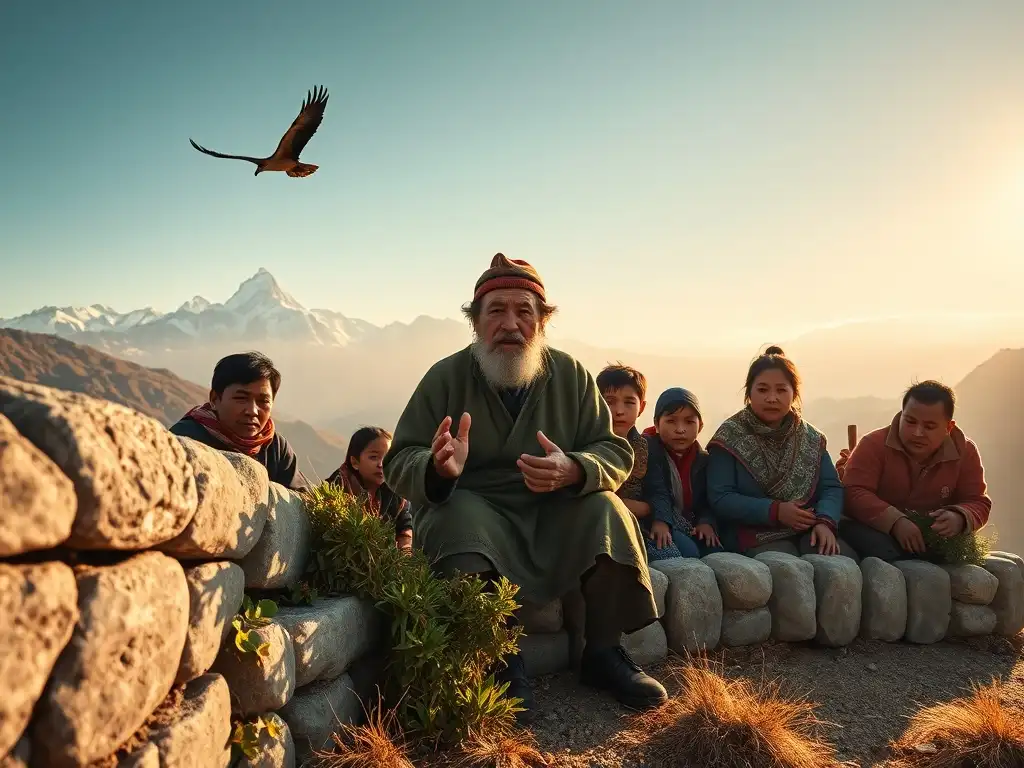
Dive into a world lost to time, yet echoing in whispers across millennia. The Andean Civilizations website unveils the captivating tapestry of ancient cultures, from the intricate artistry of the Nazca to the architectural marvels of the Incas. But what secrets did these societies guard, beyond the stone and the gold? Discover the enduring power of Andean oral tradition examples, revealing a hidden history passed down through generations – a legacy waiting to be understood. Prepare to be amazed as we unravel the mysteries of their voices.
The Andes Mountains, a spine of towering peaks running down the western edge of South America, have witnessed the rise and fall of numerous remarkable civilizations. While the Inca Empire, with its sophisticated administrative system and impressive stonework, often dominates narratives, a deeper understanding of Andean history necessitates exploring the crucial role of oral tradition. This article delves into the power of storytelling, songs, and rituals in preserving and transmitting knowledge across generations in Andean cultures, long before the arrival of the written word.
We will examine specific examples of how Andean oral tradition continues to shape identity, transmit cultural values, and offer invaluable insights into the past, showcasing its enduring relevance in understanding these fascinating societies. This exploration will reveal how oral traditions serve not only as historical records but also as vibrant, living expressions of Andean cultural heritage, providing a rich tapestry of narratives far beyond the limitations of written documents.
We'll discover how this rich legacy continues to influence Andean societies today, demonstrating its vitality and importance in preserving cultural identity. The examples provided will illustrate the diverse forms this tradition took and continues to take, highlighting its significance in the study of Andean civilizations.
Understanding the Significance of Oral Tradition in Andean Cultures
Before the widespread adoption of writing systems in the Andes, oral tradition served as the primary means of transmitting knowledge, history, beliefs, and social structures. This wasn't simply a matter of recounting events; it was a complex system involving carefully crafted narratives, songs, and rituals, each carrying specific cultural weight and meaning. Consider the intricate tapestry of myths and legends surrounding the origins of the world, the creation of humans, and the establishment of social hierarchies. These stories, passed down through generations, shaped Andean worldviews and provided a framework for understanding their place in the cosmos.
Furthermore, oral tradition played a crucial role in maintaining social order. Through storytelling, communities reinforced moral codes, instilled social values, and transmitted practical knowledge related to agriculture, medicine, and craftsmanship. The ability to memorise and recite these narratives accurately was a valued skill, demonstrating not only intelligence but also a deep connection to one's cultural heritage.
The power of these stories wasn't merely entertainment; they were active participants in shaping Andean societies, influencing behaviour and maintaining cultural continuity. Think of the intricate kinship systems and complex social structures that were maintained and understood through generations of oral transmission – a testament to the effectiveness and power of this system. The vibrant ceremonies and rituals, many of which still persist today, further demonstrate the lasting impact of oral tradition.
The Role of Storytelling in Preserving Andean History
Storytelling was, and continues to be, the lifeblood of Andean oral tradition. These narratives didn't simply recount historical events in a chronological manner; they were often embedded with symbolic meaning, allegorical representations, and layers of interpretation. For instance, stories about mythical heroes and powerful deities often served as vehicles for transmitting important cultural values and moral lessons. The tales of Pachamama (Mother Earth) and Inti (the Sun God), for example, reflect the deep spiritual connection between Andean peoples and the natural world, highlighting the importance of respecting the environment and maintaining a harmonious relationship with nature.
Furthermore, historical events were often incorporated into these narratives, weaving factual accounts with mythical elements to create powerful and memorable stories. These weren't simply dry accounts of battles or political events; they were engaging narratives that helped people understand their past and connect with their ancestors. This method ensured that historical knowledge was not only preserved but also actively engaged with and reinterpreted by each generation. The richness and complexity of these stories, passed down through centuries, provide invaluable insights into the beliefs, values, and social structures of Andean societies, offering a unique perspective often absent in other historical records.
The continued practice of storytelling in Andean communities today demonstrates its enduring power and importance as a means of preserving cultural heritage and maintaining a sense of collective identity. We can see this in the continued use of yaravíes (songs of sorrow) and other forms of narrative poetry that keep Andean history and emotion alive. The detailed accounts of battles, migrations, and social changes, often embedded within these narratives, offer a depth of understanding unavailable through other sources.
Andean Oral Tradition Examples: Myths and Legends
Creation Myths and the Andean Cosmovision
Andean creation myths, passed down through generations via oral tradition, offer a fascinating glimpse into the cosmovision of these ancient cultures. These narratives weren't simply stories; they were fundamental to understanding the world and their place within it. For example, many Andean cultures shared stories of a creator god, often associated with the sky or sun, who shaped the landscape and brought forth life.
These myths often incorporated natural elements like mountains, rivers, and animals, weaving them into complex narratives that explained the origins of everything from the Andes mountains themselves to the diverse flora and fauna of the region. Variations exist between different Andean cultures, reflecting unique regional perspectives and beliefs, but a common thread links them: the deep connection between humanity and the natural world.
The stories served as a framework for understanding the cosmos and their role within its intricate balance. The enduring power of these narratives is evident in their continued relevance in contemporary Andean communities, where they remain integral to cultural identity and spiritual practices.
Heroic Tales and the Legacy of Andean Leaders
Oral traditions preserved the exploits of legendary figures, shaping the cultural identities of various Andean groups. These weren't simply tales of war and conquest; they often conveyed important moral lessons and values. For instance, stories surrounding Inca emperors like Pachacuti often highlighted their wisdom, leadership, and ability to unify diverse populations. These narratives weren't just historical accounts; they served as models of ideal behavior, inspiring future leaders and reinforcing societal values.
Similarly, tales of lesser-known figures – brave warriors, cunning strategists, or wise healers – provided role models and instilled crucial qualities like courage, resilience, and resourcefulness. The heroic tales, passed down through generations, served to strengthen community bonds and perpetuate cultural memories. These narratives, often embellished over time, reflected the aspirations and ideals of the Andean people. The persistence of these stories underscores their crucial role in shaping cultural identity and transmitting societal values across generations.
Moral Stories and Social Teachings
Many Andean oral traditions focused on conveying moral and ethical principles. These weren't abstract philosophical concepts but practical guides for daily life, embedded within engaging narratives. These stories often featured animals as protagonists, teaching lessons about cooperation, respect, and the consequences of selfish behavior. For example, tales might illustrate the importance of community or the dangers of greed.
By using relatable characters and situations, these narratives made complex social norms accessible and memorable, especially for younger generations. The effective use of storytelling ensured the transmission of crucial social values within the community, reinforcing social cohesion and stability. These moral narratives weren't merely entertaining; they were vital instruments for social control and the preservation of cultural norms across generations. Their continued relevance in modern Andean societies demonstrates their enduring impact on social behavior and ethical frameworks.
The Transmission of Knowledge Through Andean Oral Tradition
Agricultural Practices and Traditional Farming Techniques
Andean oral tradition played a crucial role in preserving vital agricultural knowledge. Across the diverse Andean landscapes, generations of farmers developed sophisticated techniques adapted to the unique conditions of their environments. This knowledge, passed down through storytelling, songs, and practical demonstrations, covered everything from crop rotation and irrigation systems to soil management and pest control. The narratives frequently incorporated local geographical features and climatic patterns, making the lessons immediately applicable to specific regions.
The precision of these agricultural practices is evident in the success of Andean civilizations in cultivating diverse crops in challenging environments. The oral transmission of this knowledge ensured the continuity of sustainable agricultural practices, contributing to the long-term prosperity and resilience of Andean communities. Even today, these traditional techniques remain relevant and contribute to sustainable agricultural practices in the Andes.
Medicinal Knowledge and Herbal Remedies
The Andean oral tradition was instrumental in preserving a vast body of medicinal knowledge. Shamans and healers acted as keepers of this knowledge, passing down information on the properties of various plants and their uses in treating different ailments. This knowledge, often embedded within myths and legends, provided a holistic approach to health and well-being. It encompassed not only the identification and use of medicinal plants but also rituals and practices aimed at maintaining physical and spiritual balance.
The effectiveness of some traditional remedies has been confirmed by modern scientific research, highlighting the depth and accuracy of this ancient knowledge. The continued use of traditional medicine in many Andean communities underscores its enduring importance in healthcare. This oral tradition represents a significant legacy of knowledge with potential applications in contemporary medicine.
Astronomical Observations and Calendar Systems
Andean cultures developed sophisticated astronomical knowledge, closely linked to agricultural cycles and religious practices. This knowledge, meticulously preserved through oral tradition, allowed them to track celestial movements, predict seasons, and develop precise calendar systems. Storytelling played a crucial role in transmitting this complex information, often weaving astronomical observations into myths and legends. The accuracy of their astronomical observations is evident in the precise alignment of many Andean structures with celestial events.
This intricate knowledge was essential for organizing agricultural activities, religious ceremonies, and social life. The oral transmission of astronomical knowledge ensured the continuity of these practices across generations, highlighting the deep connection between Andean civilizations and the cosmos. The legacy of this knowledge continues to inspire astronomical research and our understanding of ancient Andean societies.
The Impact of Andean Oral Tradition on Music and Dance
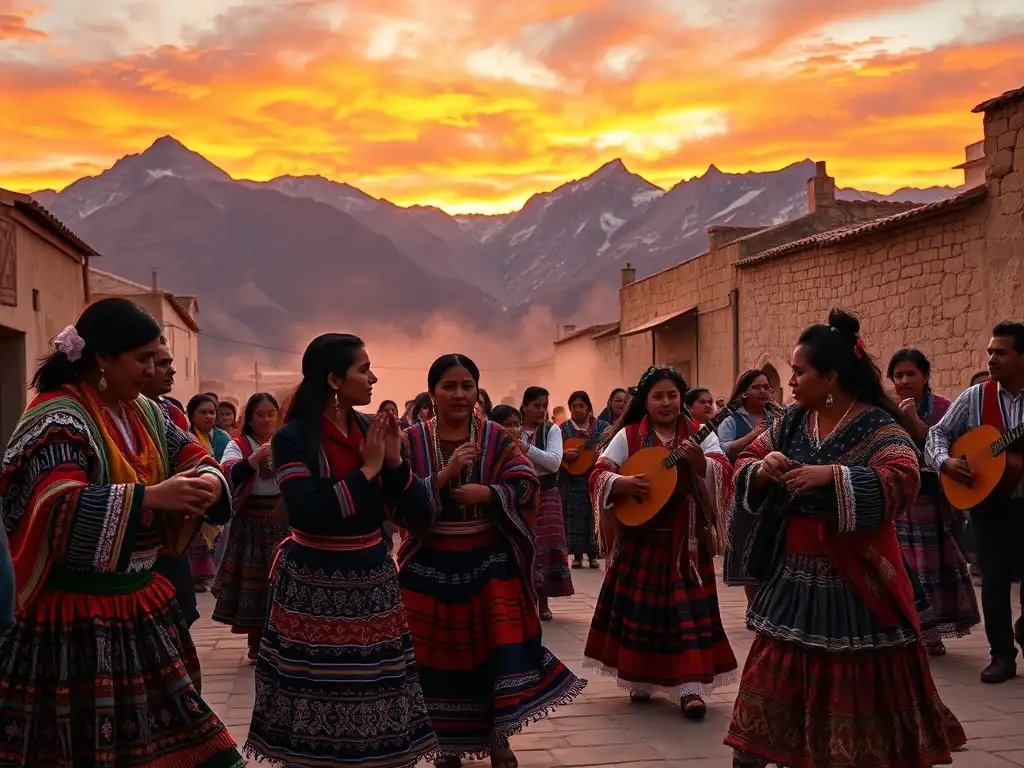
Andean oral tradition profoundly shaped the music and dance of the region, weaving narratives, history, and beliefs into rhythmic expressions. The vibrant soundscapes and graceful movements are not merely entertainment; they are living archives of cultural memory. For example, the yaraví, a melancholic song form from the Andes, often tells stories of love, loss, or social injustice, passed down through generations via oral transmission.
The lyrics, often improvised or adapted, reflect the experiences and emotions of the community, showcasing the dynamic nature of oral tradition. The melodies and rhythms themselves carry historical weight, with variations across different Andean communities reflecting unique cultural adaptations and historical events. Similarly, Andean dances, such as the huayno or the marinera, frequently incorporate storytelling elements, with movements and costumes symbolically representing historical figures, mythical creatures, or agricultural cycles.
These performances are not simply artistic displays; they are living embodiments of oral narratives, preserving ancestral knowledge and cultural identity. The intricate steps and gestures often hold deeper meanings, passed down through generations of oral instruction and observation, mirroring the layered complexity of the oral traditions themselves. The longevity and widespread popularity of these musical and dance forms underscore the enduring power of Andean oral tradition in shaping cultural identity and transmitting knowledge.
Andean Oral Tradition and its Connection to Andean Languages
Andean oral tradition is inextricably linked to the diverse languages of the Andes. Many Andean languages, such as Quechua and Aymara, lacked a widespread written tradition for much of their history, relying heavily on oral transmission for the preservation of knowledge, myths, histories, and social customs. This oral transmission ensured the survival of these languages and their associated cultural practices, despite colonial attempts to suppress them.
The narratives, songs, and proverbs passed down orally maintained linguistic diversity and preserved unique cultural perspectives. The intricate grammatical structures and nuanced vocabulary of these languages were preserved and refined through generations of oral storytelling and communication. The very structure of Andean languages, with their emphasis on storytelling and metaphorical expression, reflects the centrality of oral tradition in Andean societies.
For instance, Quechua storytelling often employs rich imagery and symbolic language, reflecting the deeply embedded cultural values and beliefs transmitted through oral narratives. The loss of these languages would represent a catastrophic loss of knowledge, as they are the very vehicles through which the oral traditions are conveyed and preserved. The ongoing efforts to revitalize and document these languages are essential to safeguarding the rich tapestry of Andean oral tradition.
The Importance of Preserving Andean Oral Traditions for Future Generations
Preserving Andean oral traditions is crucial for maintaining cultural identity and historical continuity. These traditions represent a wealth of knowledge about the past, including historical events, social structures, and environmental adaptations. The loss of these oral histories would represent an irreplaceable loss of knowledge and understanding of Andean civilizations.
The challenge lies in finding effective methods of documentation and transmission that respect the dynamic and living nature of oral tradition. Simply transcribing stories misses the nuances of performance, the subtle changes in meaning across different contexts, and the communal aspect of oral transmission. Therefore, a multi-faceted approach is needed, including audio and video recordings of storytellers, ethnographic studies documenting performance practices, and educational initiatives that promote the learning and appreciation of these traditions among younger generations.
Furthermore, supporting the communities that actively maintain these traditions is essential, ensuring that oral narratives remain relevant and vibrant within their cultural contexts. The preservation of Andean oral traditions is not merely an academic exercise; it is a vital act of cultural preservation, ensuring that the rich heritage of the Andes continues to thrive for generations to come. Ignoring this would lead to a significant cultural impoverishment, losing a unique and invaluable perspective on human history and cultural diversity.
Challenges in Protecting Indigenous Oral Heritage
The preservation of Andean oral tradition faces significant hurdles in the modern era. One major challenge is the loss of language fluency. As younger generations increasingly adopt Spanish, the intricate narratives and knowledge embedded within Quechua, Aymara, and other indigenous languages risk disappearing.
This linguistic shift directly impacts the transmission of cultural memory, as the nuanced expressions and storytelling techniques unique to each language are lost. The oral tradition is not simply a collection of stories; it’s a living, breathing entity that requires active participation and fluency to thrive. Without fluent speakers, the stories become fragmented, their meanings diluted, and their power diminished.
Another significant challenge arises from the rapid pace of globalization and modernization. Traditional ways of life are being disrupted, and the spaces where oral traditions were once nurtured—community gatherings, agricultural cycles, and religious ceremonies—are shrinking. The rise of digital media, while offering new avenues for dissemination, also presents a risk of cultural homogenization, potentially overwhelming indigenous voices and narratives.
The sheer volume of information available online can overshadow the carefully curated and deeply meaningful stories passed down through generations. This digital deluge can lead to a devaluation of the oral tradition, making it harder for younger generations to appreciate its significance. Furthermore, the lack of formal documentation and archiving systems for oral traditions means that much of this invaluable cultural heritage remains vulnerable to loss.
Finally, the lack of resources and support dedicated to the preservation and promotion of Andean oral traditions hinders progress. Funding for research, documentation projects, and community-based initiatives remains limited, leaving many indigenous communities to struggle to preserve their heritage on their own. This lack of institutional support often leads to a feeling of marginalization and a lack of recognition for the immense value of these traditions. The absence of robust educational programs focused on indigenous languages and oral traditions further exacerbates the problem, perpetuating a cycle of cultural erosion.
Contemporary Efforts to Revitalize Andean Storytelling
Despite the challenges, there are inspiring initiatives underway to revitalize Andean storytelling. Many communities are actively engaging in language revitalization programs, focusing on teaching indigenous languages to younger generations. These initiatives often involve immersive learning experiences that go beyond rote memorization, incorporating traditional storytelling, songs, and rituals into the curriculum. This holistic approach ensures that the language is not simply learned but experienced and embraced as a living part of their cultural identity. The goal is not just linguistic fluency but also the transmission of the cultural values and knowledge embedded within the language itself.
Another promising approach involves the documentation and archiving of oral narratives. Researchers and community members are working together to record and transcribe stories, songs, and other forms of oral tradition, creating valuable resources for future generations. These archives are not simply static repositories; they are dynamic platforms that allow for the sharing and interpretation of these stories in new and innovative ways.
Digital technologies play a crucial role here, enabling wider access and dissemination of these materials. However, careful consideration is given to ensuring that the documentation process respects the cultural sensitivity and intellectual property rights of the indigenous communities involved.
Furthermore, there's a growing emphasis on integrating oral traditions into educational curricula. By incorporating indigenous stories and perspectives into the formal education system, younger generations are exposed to the richness and diversity of their cultural heritage. This helps to foster a sense of pride and belonging, countering the negative impacts of globalization and cultural homogenization. Moreover, it provides a platform for intergenerational dialogue, allowing elders to share their knowledge and wisdom with younger generations, strengthening the bonds within the community and ensuring the continuity of the oral tradition.
Exploring the Richness of Andean Oral Narratives
Andean oral narratives are incredibly diverse, reflecting the rich tapestry of cultures and experiences across the Andes. These narratives often include myths and legends explaining the origins of the world, the creation of humans, and the relationships between humans and the natural world. These stories are not simply entertaining tales; they serve as a powerful means of transmitting cultural values, beliefs, and knowledge from one generation to the next. They often feature powerful symbolic imagery and allegorical representations, teaching moral lessons and providing insights into the Andean worldview.
Another prominent feature of Andean oral narratives is their emphasis on ancestral figures and historical events. Stories of heroic leaders, powerful shamans, and significant historical events are passed down through generations, shaping collective memory and identity. These narratives often intertwine historical realities with mythological elements, blurring the lines between fact and fiction in a way that reflects the Andean understanding of time and history. The stories serve not only as historical records but also as powerful tools for community building and social cohesion.
Finally, Andean oral narratives also encompass a wide range of songs, poems, and riddles. These forms of oral expression are often used in ceremonial contexts, providing a powerful means of expressing emotions, celebrating important events, and strengthening community bonds. The use of music, rhythm, and rhyme enhances the memorability and impact of these narratives, ensuring that they are passed down through generations with remarkable accuracy.
These diverse forms of oral expression showcase the creativity and ingenuity of Andean peoples and their ability to adapt and evolve their cultural traditions over time. The study of these narratives provides invaluable insights into the complexity and richness of Andean cultures, highlighting their resilience and adaptability in the face of historical and contemporary challenges.
- Understanding the Significance of Oral Tradition in Andean Cultures
- The Role of Storytelling in Preserving Andean History
- Andean Oral Tradition Examples: Myths and Legends
- The Transmission of Knowledge Through Andean Oral Tradition
- The Impact of Andean Oral Tradition on Music and Dance
- Andean Oral Tradition and its Connection to Andean Languages
- The Importance of Preserving Andean Oral Traditions for Future Generations
- Challenges in Protecting Indigenous Oral Heritage
- Contemporary Efforts to Revitalize Andean Storytelling
- Exploring the Richness of Andean Oral Narratives
Frequently Asked Questions
What is Andean oral tradition?
Andean oral tradition encompasses the transmission of knowledge, stories, and beliefs through spoken word, songs, and performances across generations. It played a crucial role in preserving history and culture before the arrival of written Spanish. This included narratives, songs, and rituals.
How did oral tradition impact Andean societies?
Oral tradition served as the primary means of education, governance, and social control in Andean societies. It shaped worldview, values, and social structures, maintaining a strong sense of cultural identity, and passing down practical skills. It also preserved and transmitted information about history, astronomy, agriculture, and medicine.
What are some examples of Andean oral tradition?
Examples include creation myths, like the stories of Viracocha, epic poems recounting the deeds of heroes, ritual chants used in ceremonies, and practical knowledge about agriculture and medicine passed down through generations. These forms maintained social order and preserved cultural heritage.
How was information preserved in Andean oral tradition?
Information was preserved through memorization techniques, including mnemonic devices, repetitive storytelling, and songs. Professional storytellers, known as haravicus, played a vital role in this process. Generational repetition and communal reinforcement were also vital.
How does studying Andean oral tradition benefit us today?
Studying Andean oral tradition offers valuable insights into ancient Andean societies' worldview, values, and social structures. It provides a deeper understanding of their history and culture, enriching our understanding of human history and cultural diversity. It also helps us understand the power of oral storytelling as a means of transmitting knowledge.
Final Reflection: The Enduring Echo of Andean Voices
The vibrant tapestry of Andean oral tradition, far from being a relic of the past, continues to resonate powerfully in contemporary society. Its narratives, songs, and rituals offer invaluable insights into indigenous worldviews, resilience, and the enduring power of storytelling in shaping cultural identity. These aren't simply historical artifacts; they are living, breathing expressions of a culture that refuses to be silenced.
The impact of Andean oral tradition extends far beyond academic circles; it shapes the very fabric of Andean communities, influencing their social structures, spiritual beliefs, and artistic expressions. Its influence is palpable in everything from contemporary music and literature to political activism and environmental movements. The stories we tell are not just stories; they are the very foundation upon which our communities are built,
a Quechua elder once told me, a sentiment that encapsulates the profound significance of this oral legacy. Understanding this tradition is crucial to understanding the complexities and richness of Andean culture.
Consider the stories you carry within you, the narratives that shape your understanding of the world. How do these narratives influence your actions, your beliefs, and your interactions with others? By exploring the power of Andean oral tradition, we gain a deeper appreciation for the enduring strength of storytelling, the importance of preserving cultural heritage, and the vital role of community in shaping individual and collective identities. Let the echoes of these ancient voices inspire you to listen more deeply, to share your own stories, and to champion the preservation of diverse cultural expressions for generations to come.
Unleash the Wisdom of Andean Oral Tradition!
Thank you for exploring the fascinating world of Andean oral traditions! You've discovered a rich tapestry of knowledge and culture passed down through generations. Now, let's put that inspiration into action.
Here are some ways you can connect more deeply with these traditions and share their importance:
- Attend a local cultural event or workshop focused on Andean storytelling or music. Immerse yourself in the experience and learn directly from the community.
- Share this article with friends who appreciate cultural heritage and inspire them to explore the depth of Andean narratives.
- Explore and share an oral tradition from your own background. Documenting and sharing these stories helps preserve them for future generations.
Which aspect of Andean oral tradition resonates most with you, and how will you share it with others?