
Aymara Oral Traditions: Stories Passed Down Through Generations

Step into a world lost to time, yet echoing in the whispers of the wind across the Andes. For centuries, the vibrant tapestry of Andean civilization has captivated the world, and now, you can unravel its mysteries. Prepare to be enthralled by the enduring legacy of these ancient societies, and delve into the fascinating realm of Aymara oral history traditions—where echoes of the past illuminate the present, revealing secrets passed down through generations. Discover how these captivating stories preserve a culture rich in innovation and resilience. Begin your journey now, and uncover the wonders that await.
The Aymara people, inhabiting the Andean highlands of Bolivia, Peru, and Chile, possess a rich and vibrant oral tradition that has served as the cornerstone of their cultural identity for millennia. Unlike many cultures that rely heavily on written records, the Aymara have meticulously preserved their history, beliefs, and social structures through generations of storytelling, songs, and rituals.
This intricate tapestry of oral narratives offers invaluable insights into their worldview, social organization, and adaptation to the challenging Andean environment. Understanding Aymara oral history traditions is crucial for appreciating the depth and complexity of this ancient culture, providing a window into a society that has successfully navigated centuries of change while maintaining a strong connection to its ancestral heritage.
This article delves into the significance of Aymara oral history and explores the unique storytelling techniques employed by the Aymara to transmit their cultural legacy. We will examine how these traditions continue to shape Aymara identity in the modern world and their importance for preserving cultural diversity in the face of globalization.
The Significance of Aymara Oral History
Aymara oral history is not merely a collection of entertaining stories; it's a dynamic and multifaceted system for transmitting knowledge, values, and social norms. It acts as a living archive, preserving historical events, genealogies, and crucial information regarding agricultural practices, medicinal plants, and astronomical observations. These narratives are not static; they adapt and evolve with each retelling, reflecting the changing circumstances and experiences of the community.
The stories often contain moral lessons, teaching younger generations about appropriate behavior, respect for elders, and the importance of community cohesion. Furthermore, Aymara oral traditions play a vital role in maintaining a connection to their ancestral lands and reaffirming their cultural identity in the face of external pressures. The preservation of these traditions is therefore not just a matter of historical interest; it is crucial for the continued well-being and cultural survival of the Aymara people.
The stories, often passed down through specific lineages or families, carry a weight of authority and responsibility. This ensures the accuracy and continuity of the historical record, even in the absence of a written script. Specific examples include narratives recounting the origins of their communities, detailing the struggles against colonization, and celebrating the resilience of the Aymara people throughout history.
Understanding Aymara Storytelling Techniques
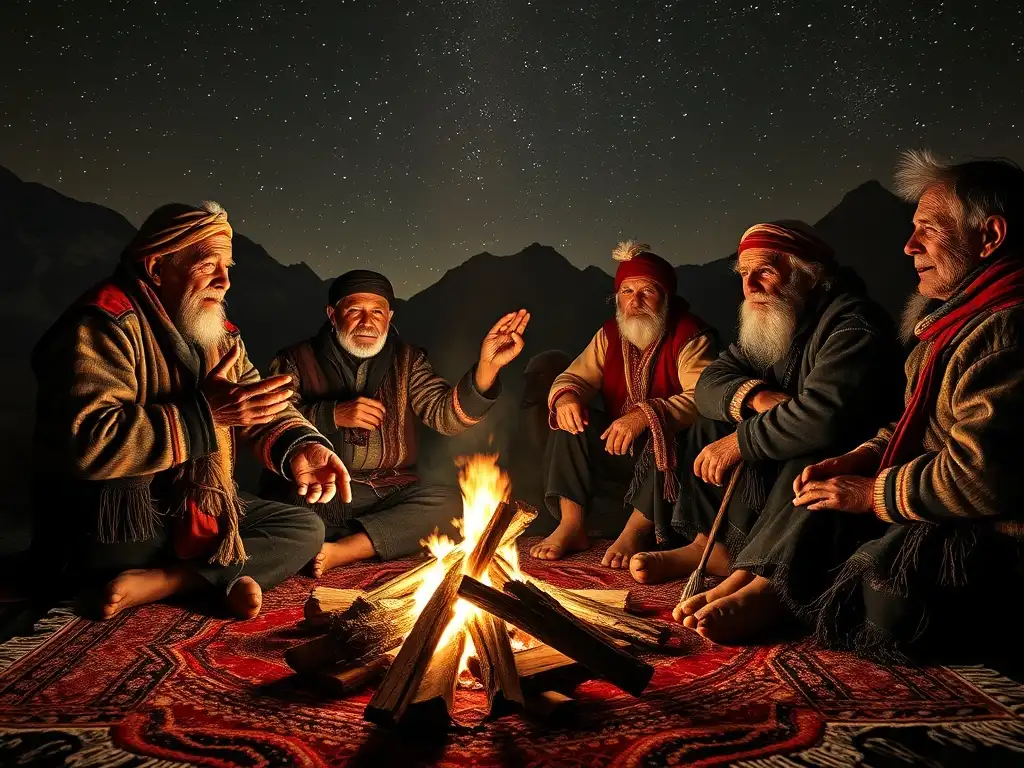
Aymara storytelling is a highly skilled art form, employing various techniques to enhance memorability and impact. These techniques often involve the use of vivid imagery, metaphors, and rhythmic patterns to aid in the retention and transmission of information. Storytellers, often elders within the community, possess a deep understanding of their culture and history, enabling them to weave intricate narratives that capture the listener’s attention and transmit complex ideas. For instance, the use of repetition, songs, and dramatic pauses are common features, enhancing the emotional impact of the story and aiding memorization.
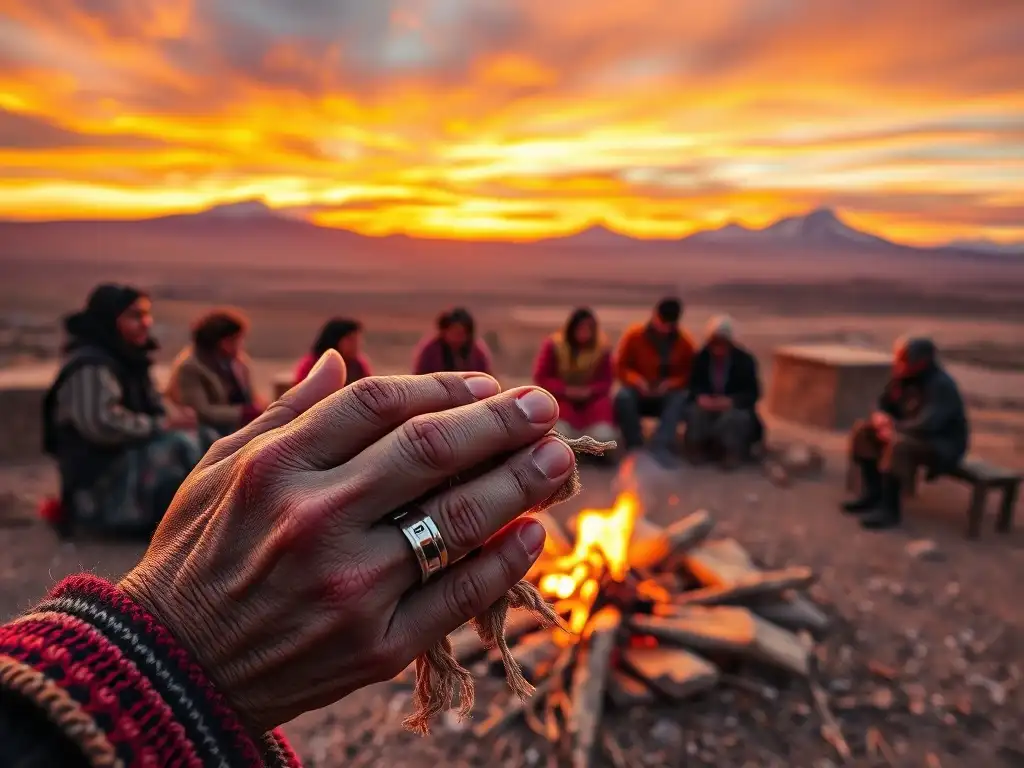
Furthermore, Aymara storytelling often incorporates elements of performance, with storytellers utilizing gestures, facial expressions, and changes in vocal tone to bring the narrative to life. The setting itself also plays a crucial role, with many stories being told around campfires, during festivals, or within the context of specific rituals. This communal aspect of storytelling further strengthens the social bonds within the Aymara community and reinforces the shared cultural identity.
The stories aren't simply told; they are performed, embodying the spirit and values of the Aymara culture. The intricate relationship between the storyteller, the audience, and the narrative itself forms the essence of this rich oral tradition. Detailed analysis of these techniques reveals a sophisticated system of cultural transmission, demonstrating the ingenuity and adaptability of the Aymara people.
Key Themes in Aymara Oral Narratives
Aymara oral narratives are rich tapestries woven with recurring threads that reflect the worldview and values of the Aymara people. Central to these narratives is the profound connection between humans and the Pachamama (Mother Earth). Stories often emphasize the importance of respecting nature, living in harmony with the environment, and understanding the interconnectedness of all living things.
This reverence for the natural world is evident in tales of powerful spirits inhabiting mountains, lakes, and other significant geographical features. Another prominent theme is the cyclical nature of time and the importance of ancestral knowledge. Stories frequently trace lineages back to mythical founders and emphasize the continuity of cultural practices across generations.
Finally, the themes of resilience, adaptation, and community solidarity are frequently explored, reflecting the Aymara people's long history of facing adversity and maintaining their cultural identity amidst external pressures. These themes, woven into the fabric of Aymara storytelling, offer valuable insights into their social structures, beliefs, and relationship with their environment. The enduring power of these narratives lies in their ability to transmit crucial cultural values and historical knowledge across generations.
Creation Myths in Aymara Culture
Aymara creation myths are diverse and often feature multiple layers of narrative. One common motif depicts the emergence of the world from a primordial chaos, often involving a creator deity or powerful spirits. These narratives frequently incorporate elements of the natural world, such as mountains, lakes, and stars, as integral parts of the creation process.
The creation of humanity is often linked to the land itself, emphasizing the deep connection between the Aymara people and their environment. Some myths detail the emergence of humans from the earth, while others describe their creation from celestial beings. These creation stories are not simply recountings of a singular event; rather, they serve as foundational narratives that explain the Aymara relationship with the Pachamama, the cosmos, and their place within the greater world.
Variations in these myths across different Aymara communities highlight the rich diversity of their oral traditions. Studying these creation narratives offers critical insights into the Aymara cosmology and their understanding of the origins of life and the universe.
Aymara Legends of the Andes
The Andes Mountains form a prominent backdrop to many Aymara legends. These narratives often feature powerful spirits inhabiting mountain peaks, caves, and other significant geographical locations. Legends tell of Achachilas, mountain spirits, who are revered as protectors and guardians of the land and its people.
Tales of these spirits often intertwine with accounts of natural phenomena, such as earthquakes and volcanic eruptions, which are attributed to the actions of these powerful beings. Other legends recount encounters with mythical creatures, such as giant serpents or winged beings, highlighting the rich imaginative world of Aymara storytelling. These legends are not just entertaining stories; they serve as cautionary tales, teaching respect for the natural world and its inherent power.
They also help to explain the landscape, natural events, and cultural practices, further solidifying the connection between the Aymara people and their environment. Understanding these legends allows us to appreciate the profound spiritual and ecological knowledge embedded within Aymara culture.
Tales of Aymara Ancestors and Heroes
Aymara oral traditions are replete with stories of courageous ancestors and legendary heroes who embody the values and aspirations of the Aymara people. These narratives often recount the struggles faced by the ancestors and their resilience in overcoming adversity. Tales of successful harvests, battles against invaders, and the preservation of Aymara culture against external pressures highlight the community's perseverance and strength. These heroic figures often serve as role models, inspiring future generations to uphold the cultural traditions and values passed down through time.
The narratives often include details of their accomplishments, their struggles, and their ultimate triumphs, emphasizing the importance of courage, wisdom, and community unity. These stories are not merely historical accounts; they serve as a powerful means of transmitting cultural values and inspiring communal pride. Examining these tales reveals the enduring legacy of Aymara ancestors and the continuing relevance of their stories in shaping Aymara identity.
The Role of Storytellers in Aymara Communities
Storytellers play a vital role in preserving and transmitting Aymara oral traditions. They are not merely entertainers; they are keepers of cultural memory, acting as custodians of the collective knowledge and wisdom of the community. These storytellers, often elders respected for their wisdom and knowledge, are entrusted with the responsibility of passing down the narratives to younger generations.
The act of storytelling is more than just the recitation of tales; it is a performative art form that involves engaging the audience, using dramatic pauses, expressive gestures, and vocal inflections to enhance the narrative's impact. The skill of a storyteller lies not only in their ability to recall the narratives but also in their ability to adapt them to the context and audience, ensuring their continued relevance and meaning.
These individuals are instrumental in maintaining the continuity of Aymara culture and ensuring that its rich history and traditions are passed down through the generations. Their role is crucial for the survival and flourishing of Aymara oral traditions.
Guardians of Aymara Cultural Memory
Aymara storytellers act as guardians of the community's cultural memory. Their narratives encapsulate the history, beliefs, values, and social structures of the Aymara people, providing a rich source of information for understanding their unique cultural identity. The stories they tell are not simply entertaining tales; they are repositories of knowledge that encompass everything from cosmological beliefs to practical skills related to agriculture, medicine, and social organization. By preserving and transmitting this knowledge, these storytellers play a crucial role in sustaining Aymara culture in the face of modernization and globalization.
Their memory is not merely individual; it is a collective memory that binds the community together. They are the living embodiment of Aymara history, ensuring that the past continues to inform the present and shape the future. The importance of their role cannot be overstated in the context of cultural preservation and continuity.
The Transmission of Knowledge Through Aymara Tales
The transmission of knowledge through Aymara tales is a dynamic and evolving process. Stories are not simply passed down verbatim; they are constantly reinterpreted and adapted to reflect changing circumstances and the perspectives of different generations. This process of retelling and reinterpretation ensures the narratives' continued relevance and adaptability.
Storytelling often takes place in informal settings, such as family gatherings, community celebrations, and festivals. These informal settings facilitate interactive storytelling, allowing for audience participation and the adaptation of tales to suit specific contexts. The transmission of knowledge is not limited to the explicit content of the stories; it also encompasses the implicit values, beliefs, and social norms embedded within them.
Through this process, Aymara children learn about their history, their culture, and their place within the community. The ongoing transmission of knowledge through Aymara tales ensures the vitality and continuity of their rich oral tradition. The stories themselves are living entities, constantly evolving and adapting to the changing needs and perspectives of the Aymara people.
Examples of Aymara Oral Traditions
The Aymara people possess a rich tapestry of oral traditions, encompassing creation myths, heroic tales, and everyday stories that reflect their worldview and history. These narratives are not merely entertaining; they serve as crucial vehicles for transmitting knowledge, values, and cultural identity across generations. The oral tradition is deeply interwoven with their daily life, influencing their social structures, agricultural practices, and spiritual beliefs.
The stories are often adapted and reinterpreted, reflecting the dynamism of the culture and its ability to adapt to changing circumstances. This constant evolution ensures the traditions remain relevant and engaging for each new generation. The stories are typically passed down through families, communities, and ritual performances, ensuring their continuity and cultural significance.
The Legend of Tunupa and the Creation of Lake Titicaca
This foundational myth explains the creation of Lake Titicaca, a sacred site for the Aymara. The story tells of Tunupa, a powerful female deity, who, after giving birth to her son, Manco Capac, transformed herself into a mountain to protect him. Her tears formed the vast expanse of Lake Titicaca, and her image is still visible in the mountain's silhouette.
This legend not only explains the geographical features of the region but also underscores the importance of motherhood and the enduring strength of the Aymara people. It highlights the deep spiritual connection between the Aymara and their environment, emphasizing the sacred nature of Lake Titicaca and its role in their cosmology. The story is often recounted during ceremonies and festivals, reinforcing its cultural significance.
The Myth of the Condor and the Woman
Another prominent Aymara myth centers on the condor, a powerful bird symbolizing strength, freedom, and connection to the Andes. The story often involves a woman who, through her courage and resourcefulness, interacts with or even tames a condor. These stories frequently explore themes of human interaction with nature, the balance between the terrestrial and celestial realms, and the power of female agency within a patriarchal society.
Variations exist across different Aymara communities, reflecting the diversity within the culture and the adaptability of the myths themselves. The condor's symbolic significance is deeply ingrained in Aymara identity and continues to inspire artistic expression and spiritual practices.
The Tale of Mallku and the Fight for Land
This narrative often centers around a powerful leader, a Mallku, who defends their community's land against invaders or encroaching forces. These stories, while potentially based on historical events, highlight the Aymara people's tenacious struggle for survival and the importance of preserving their ancestral territories. They emphasize the values of community solidarity, courage, and resistance against oppression. These tales serve as powerful reminders of the Aymara's resilience and their ongoing fight for land rights and self-determination. The stories are often told to instill a sense of collective identity and pride in younger generations.
Preserving Aymara Oral History for Future Generations
The preservation of Aymara oral traditions faces significant challenges in the modern era. The increasing dominance of Spanish and other languages threatens the transmission of these vital stories. The impact of globalization and urbanization also contributes to a decline in traditional storytelling practices and the loss of cultural knowledge. Furthermore, the lack of documentation and systematic archiving of these oral histories poses a considerable risk. The urgent need for proactive measures to safeguard this invaluable cultural heritage is paramount.
Challenges in Documenting Aymara Oral Traditions
Documenting Aymara oral traditions presents unique challenges. The narratives are often transmitted through performance and improvisation, making verbatim transcriptions difficult. The nuances of language and storytelling style are easily lost in written form. Furthermore, respecting the cultural sensitivities and protocols surrounding these sacred stories is crucial to avoid misrepresentation or disrespect. Gaining the trust of the community and obtaining informed consent for recording and sharing these stories are essential ethical considerations. Overcoming these obstacles requires a collaborative and respectful approach that values the knowledge and perspectives of the Aymara people themselves.
Efforts to Revitalize Aymara Language and Storytelling
Despite the challenges, significant efforts are underway to revitalize Aymara language and storytelling. Community-based initiatives are promoting Aymara language education in schools and community centers. Efforts are also focused on documenting and archiving Aymara oral traditions through audio and video recordings, with careful attention to cultural protocols.
These initiatives are often supported by researchers, linguists, and cultural preservation organizations who work closely with Aymara communities to ensure the authenticity and respect of their cultural heritage. The integration of Aymara language and storytelling into educational curricula is vital for ensuring the continuity of these traditions for future generations. The use of modern technologies, while carefully considered, offers new avenues for preserving and disseminating these vital stories.
The Connection Between Aymara Oral Traditions and Andean Identity
Aymara oral traditions are deeply intertwined with Andean identity, serving as a powerful means of preserving and transmitting cultural values, beliefs, and historical narratives across generations. These stories aren't merely entertaining tales; they are fundamental to understanding the Aymara worldview and their connection to the Andean landscape. The oral tradition acts as a living archive, preserving knowledge of ancestral practices, social structures, and cosmological beliefs that have shaped Aymara society for centuries.
Through the recounting of myths, legends, and historical accounts, the Aymara people reinforce their collective identity and maintain a strong sense of continuity with their past. This connection extends beyond storytelling; it encompasses ritual practices, songs, and even everyday conversations, all imbued with a rich tapestry of cultural significance. The oral tradition fosters a sense of belonging and shared heritage, strengthening community bonds and resisting assimilation pressures.
The narratives often emphasize the importance of reciprocity ( ayni ), community cooperation, and respect for the natural world – core values that underpin Aymara society and contribute significantly to their unique Andean identity. The stories passed down through generations serve as a constant reminder of their heritage and a powerful tool for cultural preservation in the face of modern influences. The very act of sharing these stories reinforces the Aymara identity, ensuring its vitality and continuity.
The Enduring Legacy of Aymara Narrative Art
Aymara oral traditions are not simply spoken words; they are a vibrant form of narrative art. The skilled storytellers, often elders within the community, employ various techniques to enhance the storytelling experience. These techniques include intricate use of language, rhythmic patterns, and evocative imagery to captivate their audience. The narratives themselves are often rich in symbolism, employing metaphors and allegories to convey complex ideas and emotions.
For example, stories about animals often carry deeper meanings, representing human characteristics or social dynamics within the community. The use of repetition and call-and-response patterns is also common, creating a powerful sense of shared experience and participation among listeners. This narrative art isn't static; it evolves and adapts over time, incorporating new experiences and perspectives while retaining its core cultural values. The stories are not just passively received; they are actively shaped and reshaped by each generation, reflecting the changing social and environmental contexts of the Aymara people.
This dynamic interplay between tradition and innovation ensures the enduring legacy of Aymara narrative art, sustaining its relevance and appeal across generations. The storytelling itself becomes a performance, a carefully crafted and deeply meaningful artistic expression reflecting the profound connection between the Aymara people and their rich cultural heritage. The legacy continues through the dedication of storytellers who diligently preserve and transmit these artistic narratives, ensuring the vibrant continuation of Aymara oral traditions.
- The Significance of Aymara Oral History
- Understanding Aymara Storytelling Techniques
- Key Themes in Aymara Oral Narratives
- The Role of Storytellers in Aymara Communities
- Examples of Aymara Oral Traditions
- Preserving Aymara Oral History for Future Generations
- The Connection Between Aymara Oral Traditions and Andean Identity
- The Enduring Legacy of Aymara Narrative Art
Frequently Asked Questions
What are Aymara oral history traditions?
Aymara oral history traditions encompass the rich storytelling practices of the Aymara people, passed down through generations. These traditions preserve their history, beliefs, and cultural values, often through songs, narratives, and rituals. They are vital for understanding Aymara identity.
How are Aymara oral traditions preserved?
Aymara oral traditions are preserved through intergenerational storytelling, often within family units and community gatherings. Experienced storytellers play a crucial role, ensuring the continuity of these narratives. They also utilize mnemonic devices and songs to aid memorization.
Aymara oral traditions include a wide range of stories, from myths and legends explaining the origins of the world and their people, to historical accounts of significant events and everyday narratives reflecting their lives and values. These stories often feature powerful symbolism.
How significant is the role of language in Aymara oral traditions?
The Aymara language is absolutely central to their oral traditions. The stories are not just told, but lived through the language, which carries cultural nuances and historical weight. Its preservation is directly linked to the survival of these traditions.
How do Aymara oral traditions connect to the broader Andean context?
Aymara oral traditions are interconnected with the broader Andean cultural tapestry, sharing similarities and influences with other Andean groups. However, they also possess unique characteristics reflecting their specific history and cultural identity, contributing to the diverse richness of Andean civilizations.
Final Reflection: The Enduring Echo of Aymara Voices
The vibrant tapestry of Aymara oral traditions continues to resonate today, a powerful testament to the enduring strength of a culture that has faced immense challenges. These stories, passed down through generations, are not mere historical accounts; they are living narratives that shape identity, preserve knowledge, and offer invaluable insights into a rich and complex worldview. Their survival in the face of colonization and globalization is a remarkable achievement, a beacon of resilience in a rapidly changing world.
The impact of Aymara oral traditions extends far beyond the Andean highlands. They offer a crucial counter-narrative to dominant historical accounts, revealing perspectives often silenced or ignored. These stories illuminate the ingenuity, resilience, and spiritual depth of the Aymara people, challenging Eurocentric biases and enriching our understanding of human experience. The stories we tell ourselves shape the world we live in.
This quote underscores the profound influence of these narratives, not only on the Aymara community but on our collective understanding of history and culture.
Consider the power of storytelling, the way it connects us across time and space. You, the reader, now hold a piece of this rich legacy. Reflect on the stories you carry within your own family and community – what wisdom, what resilience, what hopes do they embody? Let the echoes of Aymara voices inspire you to preserve and share your own narratives, ensuring that the stories that shape our world continue to be heard and celebrated for generations to come.
Embrace the Power of Aymara Stories Today!
Thank you for exploring the rich world of Aymara oral traditions with us! Your interest connects you to this vibrant culture and honors the voices that have shaped it for generations. Let's put that inspiration into action!
- Join a local storytelling group or online forum to share and listen to traditional tales.
- Attend Aymara cultural events in your area to deepen your understanding. Immersing yourself in these experiences will enrich your appreciation.
- Share your favorite Aymara story with friends and family—keeping these narratives alive is vital to preserving the culture.
Which Aymara story resonates most with you, and how will you share it with others?