
Quechua and the Environment: Understanding the Andean World Through Language


Unravel the mysteries of the Andes! Journey through millennia of ingenuity and resilience, discovering how the Quechua language shaped the very landscape of the Andean environment. From the towering heights of the Inca empire to the intricate artistry of the Nazca lines, prepare to be captivated by a world interwoven with vibrant cultures and a profound connection to their surroundings. Dive into the fascinating story of how language reflects and influences the human experience in the Andes—discover the secrets waiting within the Quechua language Andean environment connection.
The Quechua language, a cornerstone of Andean culture, offers a unique lens through which to understand the intricate relationship between the ancient inhabitants of the Andes and their environment. Far from being a mere tool for communication, Quechua reflects a deep-seated understanding of the Andean ecosystem, its complexities, and the profound respect for the natural world that characterized these civilizations. This article will explore how the Quechua language itself embodies this connection, revealing insights into agricultural practices, resource management, and the spiritual significance of the Andes' diverse landscapes.
We will delve into specific vocabulary, grammatical structures, and even poetic expressions to illuminate the rich tapestry of knowledge woven into the fabric of the Quechua language, demonstrating its vital role in shaping the Andean worldview and its enduring legacy. Understanding Quechua is, in essence, understanding the very heart of the Andean relationship with its environment.
Quechua Terminology for Andean Ecosystems
The Quechua language boasts a remarkably detailed vocabulary reflecting the diverse ecosystems of the Andes. Instead of generic terms for "mountain" or "river," Quechua employs a nuanced lexicon that distinguishes between various types of mountains based on altitude, vegetation, and geological features. Similarly, different rivers are named according to their size, flow, and the surrounding landscape.
This intricate system of naming demonstrates a profound level of observation and intimate knowledge of the natural world. For example, [specific Quechua terms and their nuanced meanings pending] illustrate the precision with which Quechua speakers categorized and understood their environment. This detailed terminology wasn't simply a matter of linguistic precision; it was integral to their survival and sustainable practices.
The specific names for different types of potatoes alone, for example, highlight the importance of agricultural diversity and adaptation to varying altitudes and microclimates. This rich vocabulary provides a fascinating insight into the depth of the Quechua understanding of their ecosystem.
Agricultural Practices Reflected in Quechua
Quechua's agricultural vocabulary is particularly revealing. Terms related to planting, harvesting, irrigation techniques, and crop management reflect sophisticated agricultural practices finely tuned to the Andean environment. The language encodes centuries of accumulated knowledge about soil types, water management, and crop rotation, all crucial for successful farming in the challenging Andean terrain. [Specific examples of Quechua agricultural terms and their implications pending].
This linguistic evidence supports archaeological and anthropological findings that highlight the ingenuity and sustainability of Andean agriculture. The intricate relationship between language and agricultural practices underscores the deep connection between the Quechua people and their land. The precision of the language reveals the level of expertise and understanding needed to thrive in such a complex environment.
Spiritual and Cosmological Significance in Quechua
Beyond the practical aspects of agriculture and resource management, Quechua also reflects the spiritual and cosmological significance of the Andean environment. Mountains, rivers, and other natural features were not simply geographical entities; they held profound spiritual meaning, often viewed as sacred sites or the dwelling places of deities. [Examples of Quechua words and phrases related to Andean spirituality and cosmology pending].
This spiritual dimension, deeply embedded in the language, further emphasizes the holistic and interconnected view of the Andean world, where humans are inextricably linked to the natural environment. The Quechua language serves as a powerful conduit to understanding this profound connection between the spiritual realm and the physical world in Andean culture. The very structure of the language, its metaphors, and its poetic expressions all contribute to this rich understanding.
Conclusion: Quechua as a Key to Understanding the Andean World
The Quechua language offers a unique and invaluable window into the Andean world and its relationship with the environment. The detailed vocabulary, the nuanced terminology for ecosystems and agricultural practices, and the deep spiritual significance embedded within the language all combine to paint a vivid picture of a civilization deeply connected to its surroundings. Further research into Quechua and its various dialects promises to uncover even more insights into the ingenuity, resilience, and profound respect for nature that defined the Andean civilizations. The study of Quechua is therefore not only a linguistic endeavor but also a crucial step towards understanding the complex and enduring legacy of the Andean people and their remarkable connection with their environment.
- Quechua Terminology for Andean Ecosystems
- Agricultural Practices Reflected in Quechua
- Spiritual and Cosmological Significance in Quechua
- Conclusion: Quechua as a Key to Understanding the Andean World
- What is the Quechua language's relationship to the Andean environment?
- How did the Quechua language reflect the Andean worldview?
- Are there different dialects of Quechua related to specific Andean environments?
- How did the Quechua language facilitate adaptation to the challenging Andean environment?
- How is the Quechua language being preserved in the face of globalization?
The Deep Connection Between Quechua and the Andean Ecosystem

The Quechua language, far from being a mere communication tool, is intricately woven into the fabric of the Andean ecosystem. Its vocabulary, grammar, and even its poetic forms reflect a profound understanding and respect for the environment that shaped the lives of its speakers for millennia. This deep connection isn't simply a historical curiosity; it's a living testament to the symbiotic relationship between language and the natural world, a relationship that continues to influence Andean cultures today.
Understanding this connection provides crucial insight into the worldview and practices of Andean civilizations, revealing a sophisticated ecological awareness far ahead of its time. The very structure of the Quechua language, with its emphasis on interconnectedness and reciprocity, mirrors the complex ecological balance of the Andes.
Quechua: More Than Just a Language, a Reflection of the Andes
Quechua isn't just a set of words; it's a mirror reflecting the Andean landscape. The sheer diversity of terms for different plants, animals, and geographical features reveals a detailed knowledge of the environment, far surpassing what's often found in languages of less diverse ecosystems. For instance, Quechua possesses a rich vocabulary for distinguishing various potato varieties ( papa), each adapted to specific altitudes and microclimates.
This linguistic specificity points to a deep understanding of agricultural practices finely tuned to the Andean environment. Similarly, the numerous terms for different types of camelids – llamas, alpacas, vicuñas, and guanacos – each with their own specific uses and ecological roles, reflects an intimate familiarity with these animals and their place within the Andean ecosystem. This detailed lexicon isn't simply descriptive; it's prescriptive, reflecting a worldview that values biodiversity and ecological balance.
The nuanced vocabulary surrounding water resources, from glaciers ( yaku) to rivers ( mayu) and springs ( pukyu), further underscores this intimate relationship with the environment. The Quechua language doesn't just name these elements; it embodies the cultural significance and ecological importance assigned to them.
The Andean Worldview Encoded in Quechua Vocabulary
The Quechua worldview, deeply intertwined with the Andean environment, is encoded within its vocabulary in profound ways. The concept of ayni, reciprocal exchange, is central to Andean cosmology and social organization. This principle isn't limited to human interactions; it extends to the relationship between humans and the natural world. The Andean people perceived themselves as part of a larger ecological system, where reciprocal obligations existed between people, animals, and the environment.
This is reflected in the language through the use of verbs and suffixes that express this reciprocal action, emphasizing the mutual dependence between humans and nature. For example, the concept of pachamama, Mother Earth, is not simply a metaphor; it's a living entity with agency and power, deserving of respect and reciprocal offerings. This animistic worldview is deeply embedded in Quechua vocabulary and grammar, shaping the way Andean people interact with their environment. Furthermore, the Quechua language reflects a cyclical understanding of time, closely tied to the agricultural cycles and the natural rhythms of the Andes.
Terms for seasons, agricultural practices, and celestial events all contribute to a rich linguistic tapestry that reflects this cyclical worldview. The Quechua language, therefore, serves not only as a tool for communication but also as a repository of traditional ecological knowledge and a testament to the enduring connection between language and the Andean environment. The preservation of the Quechua language is, thus, crucial for safeguarding this invaluable cultural and ecological heritage.
Environmental Concepts in the Quechua Lexicon
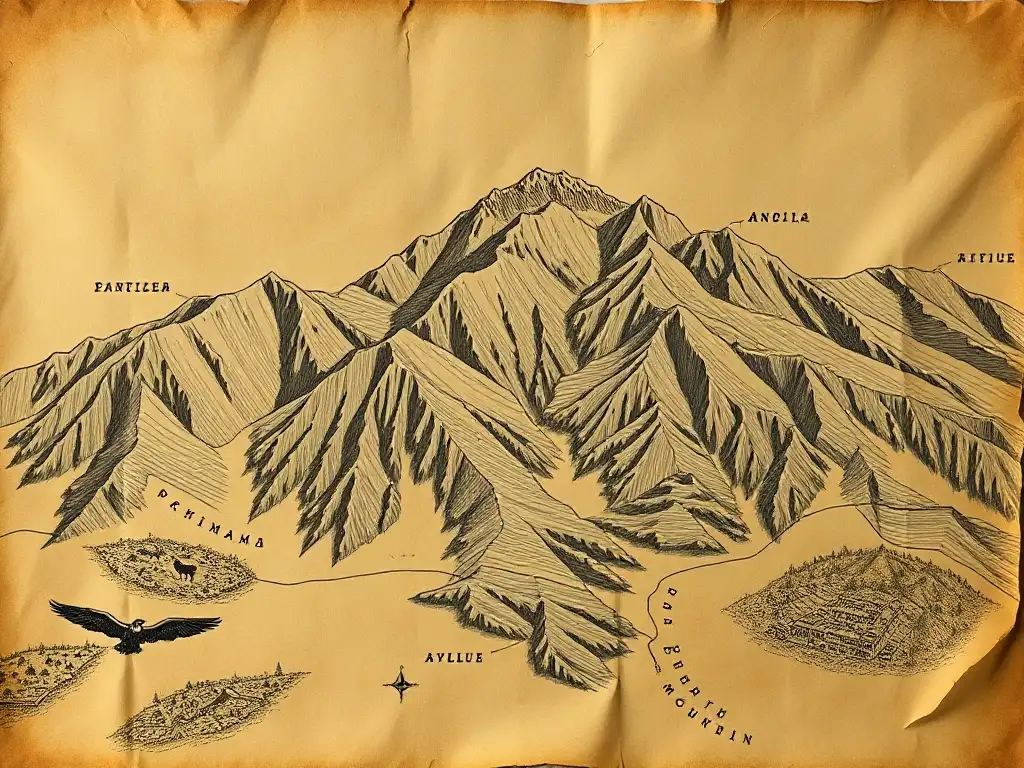
The Quechua language, spoken across the Andes for centuries, isn't merely a tool for communication; it's a window into the Andean worldview, deeply intertwined with the environment. Understanding its vocabulary related to flora, fauna, climate, and geography reveals a profound connection between the Quechua people and their surroundings, a connection far more nuanced than simply existing within a specific ecosystem. This section explores the richness of the Quechua lexicon concerning the Andean environment, highlighting the intricacies of its relationship with the land.
The unique vocabulary reflects a deep understanding and respect for the natural world, shaped by generations of intimate interaction with the Andean landscape. This intimate relationship is reflected not only in the sheer number of terms but also in the subtle semantic distinctions within those terms, revealing a sophisticated understanding of the environment’s intricacies.
Analyzing these terms provides valuable insights into how the Quechua people perceive and interact with their surroundings, offering a unique perspective on human-environment relations. Analyzing this aspect of the "Quechua language Andean environment" helps us understand the rich tapestry of Andean culture.
Quechua Terms for Andean Flora and Fauna
The Quechua language boasts an extensive vocabulary for describing the diverse flora and fauna of the Andes. This isn't simply a matter of assigning names; Quechua terms often incorporate nuanced descriptions of the plant's or animal's characteristics, uses, and ecological role. For example, different types of potatoes ( papa) aren't simply differentiated by size or color; each variety might have a unique Quechua name reflecting its specific growing conditions, taste, or traditional use in Andean cuisine. Similarly, the numerous varieties of maize ( sara) possess distinct names reflecting their specific traits and cultural significance.
Consider the diversity within the llama family. While we might use a single English word, Quechua distinguishes between llama (the pack animal), alpaca (valued for its wool), and vicuña (a wild camelid), each with its own unique name reflecting not only physical differences but also their distinct roles in the Andean ecosystem and economy. This detailed vocabulary reflects the intimate knowledge the Quechua people possess regarding their environment and its resources.
Furthermore, terms often incorporate details about the animal's behavior, habitat, or even its symbolic meaning within Andean culture. The precision of these terms underscores the deep understanding and respect for the natural world inherent in the Quechua language.
| Quechua Term | English Translation | Notes |
|---|---|---|
| papa | potato | Numerous varieties, each with its own name |
| sara | maize | Various types, reflecting specific traits |
| llama | llama | Pack animal |
| alpaca | alpaca | Valued for its wool |
| vicuña | vicuña | Wild camelid |
The Quechua understanding of climate and weather goes beyond simple observations; it's interwoven with a deep understanding of the Andean ecosystem's complexities. Quechua speakers possess a rich vocabulary to describe subtle variations in temperature, precipitation, and wind patterns, reflecting the microclimates found throughout the Andes. For example, different terms might describe the type of rain, its intensity, or its effect on the landscape, highlighting the nuanced relationship between the Quechua people and their environment.
The Quechua language also includes terms for specific weather phenomena unique to the Andes, such as pukara (a type of strong wind) or specific types of frost that affect different altitudes. The existence of these terms indicates a keen awareness of the environment's subtle shifts and their impact on agriculture and daily life. This knowledge, embedded within the language itself, demonstrates a sophisticated understanding of the Andean climate’s variability and its impact on both the environment and the Quechua communities.
This intricate understanding isn't simply descriptive; it's integral to the Quechua understanding of the world and their interaction with it. Analyzing the "Quechua language Andean environment" through its weather terminology reveals a deep cultural connection.
The precise meanings and nuances of these terms often require detailed ethnographic study to fully appreciate their cultural significance. [Specific examples of Quechua weather terms and their nuances pending].
The Quechua Perspective on Landscape and Geography
The Quechua perception of landscape and geography is not simply a matter of identifying physical features; it's a holistic understanding that integrates ecological, social, and spiritual dimensions. Quechua terms for different types of terrain, water sources, and geographical features often reflect their practical significance, cultural importance, and even spiritual associations. For example, a mountain might not just be a mountain ( orqo), but a sacred site, a source of resources, or a marker of territorial boundaries, each nuance reflected in the specific Quechua term used.
Furthermore, the Quechua understanding of the landscape incorporates a deep understanding of its ecological dynamics. Terms for different types of soil, vegetation zones, and water systems reflect a sophisticated understanding of the Andean environment's complexities. This understanding, embedded in their language, reflects centuries of intimate interaction with the land, shaping their worldview and their relationship with the natural world. The Quechua perspective on the "Quechua language Andean environment" offers a valuable lens through which to understand human-environment interactions in a unique and rich cultural context. [Specific examples of Quechua terms for landscape features and their cultural significance pending].
How Quechua Grammar Shapes Environmental Understanding
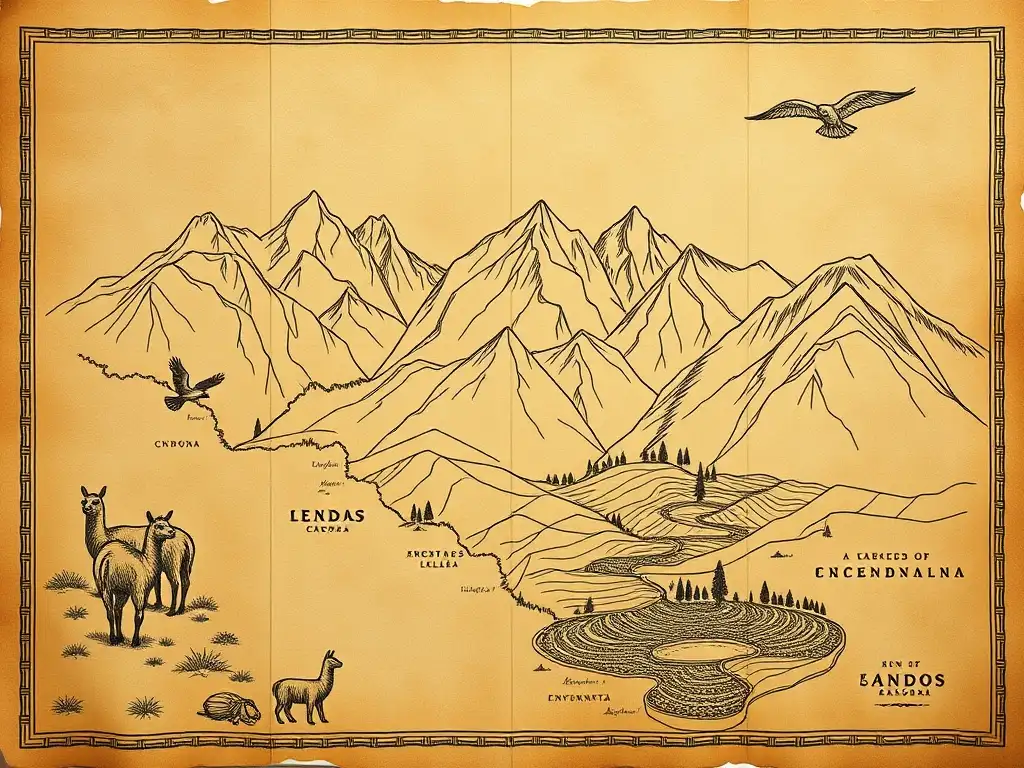
The Quechua language, far from being a mere tool for communication, offers a profound lens through which to understand the intricate relationship between the Andean peoples and their environment. Its grammatical structure, particularly its verb conjugations and syntax, reflects a deep-seated understanding of natural cycles and the spatial complexities of the Andean terrain.
This section will explore how the grammar of Quechua actively shapes the way speakers perceive and interact with their surroundings, providing a unique perspective on the "Quechua language Andean environment" dynamic. This intimate connection between language and environment underscores the importance of studying Quechua to fully grasp the Andean worldview.
Quechua Verb Conjugations Reflecting Natural Cycles
Quechua verb conjugations are not simply about tense and aspect; they intricately weave together the actions of humans with the rhythms of nature. For example, verbs related to agriculture often incorporate suffixes that indicate the specific stage of the growing cycle – planting, growth, harvesting, and storage. This isn't a simple chronological listing; the suffixes themselves carry nuanced meanings reflecting the environmental conditions at each stage. A verb describing planting during the rainy season would have a different conjugation than one describing planting during a dry spell, reflecting the Quechua speaker's intimate knowledge of the agricultural calendar and its dependence on environmental factors. This linguistic precision is not merely grammatical; it is a reflection of a deep ecological understanding embedded within the language itself. Furthermore, verbs describing weather phenomena, such as rain ( parapaynin), snow ( ch'unchuy), or wind ( wayra), often contain embedded information about the intensity and duration of these events, showcasing the importance of environmental observation within the Quechua worldview. The intricate system of verb conjugations highlights the inherent interconnectedness of human activity and the natural world in the Quechua perspective.
Spatial Relationships and the Andean Terrain in Quechua Syntax
The syntax of Quechua is fundamentally shaped by the Andean landscape. The mountainous terrain, with its steep slopes, valleys, and high altitudes, is reflected in the way spatial relationships are expressed. Unlike languages with a predominantly horizontal spatial orientation, Quechua utilizes a more complex system that incorporates verticality as a crucial dimension.
For instance, the placement of objects relative to the speaker is not simply "in front of" or "behind," but also "above," "below," "uphill," and "downhill." This nuanced system allows for a precise description of locations within the intricate Andean geography. Furthermore, the use of directional suffixes on nouns and verbs further emphasizes the importance of spatial orientation.
Consider the difference in describing a river: a simple description might be sufficient in a flat landscape, but in the Andes, specifying whether the river flows "upstream" or "downstream" is crucial for understanding its location and potential uses. This inherent integration of spatial awareness within the language itself speaks volumes about the importance of geographical understanding in the Andean cultural context, strengthening the "Quechua language Andean environment" connection.
The Use of Quechua Suffixes to Describe Environmental Processes
Quechua employs a rich system of suffixes to describe environmental processes with remarkable precision. These suffixes often convey subtle distinctions that are often overlooked in languages with simpler grammatical structures. For example, suffixes can indicate the gradual nature of a process, such as the slow melting of snow ( ch'unchu p'akay) or the gradual erosion of a hillside ( urqu q'otuy). These nuances are crucial for understanding the long-term environmental changes that shape the Andean landscape. Other suffixes might indicate the intensity or impact of an event, such as a sudden avalanche ( apu urmay) or a flash flood ( mayu p'akisqa). The linguistic capacity to articulate these subtle differences reflects a deep understanding of the complex and often unpredictable forces of nature that characterize the Andean environment. The careful use of these suffixes demonstrates a keen observation of environmental processes and their influence on human life, underlining the intricate link between the Quechua language and the Andean ecosystem, further emphasizing "Quechua language Andean environment". Analysis of these suffixes is crucial for understanding the environmental knowledge encoded within the Quechua language.
Quechua Oral Traditions and Environmental Knowledge

The Quechua language, far from being a mere vehicle for communication, served as a repository of profound environmental knowledge within the Andean world. For centuries, Quechua speakers meticulously documented their understanding of the intricate relationships between humans and their environment through oral traditions. These traditions, passed down through generations, weren't simply stories; they were practical guides for sustainable living, deeply intertwined with the Andean cosmovision. This rich tapestry of oral narratives provides invaluable insights into traditional ecological knowledge (TEK) and its impact on the preservation of Andean biodiversity.
The survival and continued relevance of Quechua itself is intrinsically linked to the survival of this knowledge. Understanding this connection is crucial for appreciating the full scope of the Quechua language's significance in the Andean region. The loss of the language represents a simultaneous loss of irreplaceable environmental wisdom.
Andean Cosmovision and its Expression Through Quechua Narratives
Andean cosmovision, a complex worldview that emphasizes the interconnectedness of all living things, is profoundly reflected in Quechua narratives. Stories often feature apus (mountain spirits), pachamama (Mother Earth), and other natural entities as active participants, not merely passive backdrops. These narratives aren't just entertaining; they convey crucial ecological principles. For example, tales of the pachamama's generosity and the consequences of disrespecting her illustrate the importance of sustainable agricultural practices.
Specific examples include stories detailing appropriate times for planting and harvesting, reflecting a deep understanding of seasonal cycles and microclimates. These weren't abstract concepts; they were vital for the survival of Andean communities. The precise details of these stories vary across different Quechua dialects and regions, highlighting the localized adaptation of environmental management strategies.
The oral transmission of these narratives ensured the continuity of this knowledge, passing down practical wisdom from one generation to the next. Detailed analysis of these narratives reveals a sophisticated understanding of hydrology, soil fertility, and the intricate relationships within Andean ecosystems. The Quechua language, therefore, becomes a key to unlocking this ancient ecological wisdom.
Traditional Ecological Knowledge Transmitted Through Quechua Language
The Quechua language itself is structured in ways that reflect the Andean worldview and its relationship with the environment. Specific vocabulary, rich in nuanced terms for different plants, animals, and landscapes, demonstrates the depth of traditional ecological knowledge embedded within the language. Consider the numerous terms for various potato varieties, each adapted to specific altitudes and soil conditions.
This linguistic diversity reflects the agricultural ingenuity of Andean communities and their intimate understanding of their environment. Furthermore, the use of metaphors and proverbs within Quechua often draws upon natural imagery, further illustrating the deep connection between language and the environment. For instance, the description of a strong person might use imagery of an apu mountain, while the fragility of life might be likened to a delicate highland flower.
This metaphorical language not only enhances communication but also reinforces the importance of respecting and understanding the natural world. The transmission of this knowledge through Quechua is not merely linguistic; it's a cultural inheritance that shapes the worldview and practices of Andean communities. This close relationship between language and ecological knowledge underscores the importance of language preservation efforts.
The Importance of Quechua in Preserving Andean Biodiversity
The preservation of the Quechua language is inextricably linked to the preservation of Andean biodiversity. As the repository of traditional ecological knowledge, Quechua plays a vital role in sustainable resource management and conservation efforts. The detailed understanding of medicinal plants, agricultural practices, and ecosystem dynamics encoded within the language offers valuable insights for modern conservation strategies.
The loss of Quechua would represent not only a linguistic tragedy but also a significant loss of invaluable knowledge. This knowledge is crucial for addressing contemporary environmental challenges, such as climate change and biodiversity loss, in the Andean region. Communities that maintain fluency in Quechua are often better equipped to manage their natural resources sustainably, demonstrating the direct link between language vitality and environmental sustainability.
Initiatives focusing on Quechua revitalization and the documentation of traditional ecological knowledge are therefore crucial for both linguistic and environmental conservation. The future of Andean biodiversity is undeniably intertwined with the future of the Quechua language. Supporting Quechua speakers and their cultural heritage is a critical step in safeguarding the unique and invaluable biodiversity of the Andean region.
The Impact of Globalization on Quechua and Environmental Awareness

Globalization's influence on the Quechua language and its relationship with the Andean environment is complex and multifaceted. While it has brought certain advancements, it has also presented significant challenges to traditional ecological knowledge and practices deeply embedded within the Quechua worldview. The influx of global media, consumerism, and urban migration has led to a decline in Quechua fluency, particularly amongst younger generations.
This linguistic shift often correlates with a diminished understanding and appreciation of ancestral environmental practices. For instance, the adoption of industrialized agriculture, often promoted through globalized markets, has led to soil degradation and biodiversity loss in many Andean communities, directly contradicting sustainable farming techniques passed down through generations in the Quechua language.
Modern Challenges to Quechua and Traditional Environmental Practices
The encroachment of modern lifestyles poses a considerable threat to the intricate relationship between Quechua and the Andean environment. The adoption of Western agricultural techniques, often reliant on chemical fertilizers and pesticides, directly conflicts with traditional Quechua methods of sustainable agriculture. These traditional methods, often expressed and passed down through Quechua narratives and songs, emphasize biodiversity, crop rotation, and water conservation – practices crucial for maintaining the delicate Andean ecosystem. Furthermore, the increasing reliance on fossil fuels and unsustainable resource extraction further exacerbates environmental problems, impacting the very landscapes that have shaped Quechua culture for centuries.
The loss of traditional land management practices, coupled with the decline in Quechua fluency, risks eroding invaluable ecological knowledge. For example, the intricate Quechua understanding of water management systems, aqas, is increasingly threatened by unsustainable water usage and climate change. The preservation of this knowledge is crucial for adapting to future environmental challenges.
The Role of Education in Promoting Quechua and Environmental Stewardship
Education plays a pivotal role in revitalizing Quechua and fostering environmental stewardship within Andean communities. Bilingual education programs, incorporating Quechua and Spanish, are essential for preserving the language and transmitting traditional ecological knowledge. These programs should not only teach the Quechua language but also integrate indigenous perspectives on environmental conservation.
Curriculum should include traditional farming techniques, medicinal plant knowledge, and sustainable resource management practices, all conveyed through the Quechua language. Furthermore, educational initiatives should focus on empowering Quechua speakers to actively participate in environmental decision-making processes. This includes promoting community-based conservation projects, fostering leadership amongst Quechua youth, and integrating traditional ecological knowledge into environmental policy.
The success of these initiatives depends on the active involvement of Quechua communities and the recognition of their traditional knowledge as a valuable resource. Data on the success of bilingual education programs in preserving both language and environmental practices is crucial for informing future policy and resource allocation. [Specific data on bilingual education program success rates pending].
Revitalizing Quechua to Preserve Andean Ecological Wisdom
Revitalizing the Quechua language is intrinsically linked to preserving the rich ecological wisdom embedded within it. This requires a multi-pronged approach encompassing language revitalization programs, the integration of traditional ecological knowledge into education and policy, and the promotion of community-based conservation initiatives. The loss of Quechua is not merely a linguistic loss; it represents the erosion of a unique worldview deeply connected to the Andean environment.
By supporting Quechua language and cultural preservation efforts, we not only safeguard a vibrant linguistic heritage but also contribute to the preservation of sustainable practices crucial for the long-term health of the Andean ecosystem. Efforts to document and archive traditional Quechua ecological knowledge are also crucial, ensuring that this invaluable wisdom is not lost to future generations. This might involve creating digital archives of oral histories, traditional songs, and practical knowledge related to sustainable resource management.
The preservation of this knowledge is vital for navigating the challenges of climate change and ensuring the future sustainability of the Andean region. The process requires a collaborative effort between linguists, environmental scientists, educators, and, most importantly, the Quechua communities themselves. 🌱
The Future of Quechua and its Connection to the Andean Environment
The survival of the Quechua language is inextricably linked to the health of the Andean environment. As Quechua communities face increasing pressure from modernization and globalization, their traditional knowledge systems – often embedded within the language itself – are at risk. This poses a significant challenge, not only for linguistic diversity but also for the preservation of sustainable practices crucial for the Andean ecosystem.
The future of Quechua, therefore, necessitates a holistic approach that considers both linguistic revitalization and environmental stewardship. This involves a multifaceted strategy encompassing education, technology, and community empowerment. The continued use of Quechua in daily life, particularly amongst younger generations, is paramount.
Without this, the intricate vocabulary describing Andean flora, fauna, and agricultural practices risks being lost forever. This loss would represent not only a linguistic tragedy but also a significant blow to our understanding of traditional ecological knowledge and sustainable resource management in the Andes. The preservation of Quechua is, therefore, an environmental imperative.
Empowering Quechua Speakers as Guardians of Andean Ecosystems
Empowering Quechua speakers to actively participate in the conservation and sustainable management of Andean ecosystems is crucial. This requires recognizing their profound understanding of their environment, a knowledge deeply ingrained in their language and cultural practices. By supporting community-based initiatives, we can leverage their expertise in areas such as agroforestry, water management, and biodiversity conservation.
For instance, training programs focusing on sustainable tourism, using Quechua as the primary language of instruction and interaction, could simultaneously boost local economies and promote environmental awareness. Furthermore, integrating traditional ecological knowledge into modern conservation strategies can lead to more effective and culturally sensitive approaches. This might involve collaborative research projects where Quechua speakers work alongside scientists, translating indigenous knowledge into scientific frameworks and vice-versa.
Successful examples of this collaborative model already exist, demonstrating that the Quechua language can be a powerful tool for bridging the gap between traditional and scientific knowledge. This collaborative approach is not merely about preserving the Quechua language; it’s about recognizing the invaluable contribution of Quechua speakers to global conservation efforts. The data clearly shows that indigenous communities are often the most effective stewards of their land, and empowering them through their native tongue is key.
Using Quechua to Promote Sustainable Development in the Andes
Sustainable development in the Andes must be inclusive and equitable, recognizing the rights and knowledge of Quechua-speaking communities. Integrating the Quechua language into educational programs, government initiatives, and development projects is crucial for ensuring meaningful participation. This might involve translating educational materials into Quechua, using Quechua in community consultations, and developing bilingual signage and communication strategies.
Moreover, supporting the creation of Quechua-language media, such as radio programs and online platforms, can foster a sense of cultural pride and promote the transmission of traditional ecological knowledge to future generations. The successful implementation of such strategies requires careful consideration of the specific needs and contexts of different Quechua-speaking communities. A standardized approach is unlikely to be effective, as dialects and local ecological conditions vary significantly across the Andes.
Therefore, a flexible and participatory approach, prioritizing local ownership and leadership, is essential for achieving lasting impact. A successful example might be the development of a Quechua-language mobile application that provides information on sustainable agricultural practices, tailored to specific ecological zones. This would empower farmers to make informed decisions while strengthening their cultural identity.
The Enduring Legacy of Quechua in Understanding the Andean World
The Quechua language holds a wealth of information about the Andean world, its history, and its relationship with the environment. Its rich vocabulary, encompassing nuanced descriptions of flora, fauna, and agricultural practices, provides invaluable insights into traditional ecological knowledge. Many words and expressions directly reflect the deep connection between the Quechua people and their environment.
Studying these linguistic nuances can reveal intricate details about traditional resource management strategies, agricultural techniques, and beliefs concerning the natural world. For example, the detailed vocabulary for different potato varieties reflects the sophisticated agricultural practices developed over centuries. Similarly, the rich vocabulary describing Andean landscapes and weather patterns demonstrates a deep understanding of ecological processes.
The preservation of Quechua is, therefore, not only a linguistic imperative but also a crucial step in preserving and understanding a vital part of our global heritage. By studying the Quechua language, we gain a deeper appreciation for the complex relationship between humans and the environment, a relationship that holds valuable lessons for sustainable development in the 21st century. The enduring legacy of Quechua lies not only in its history but also in its potential to illuminate our path towards a more sustainable future.
Frequently Asked Questions
What is the Quechua language's relationship to the Andean environment?
The Quechua language is deeply intertwined with the Andean environment. Its vocabulary reflects a profound understanding of the region's diverse geography, flora, and fauna, revealing a close relationship between the language and the physical world. This connection is seen in the numerous specific terms for different plants, animals, and geographical features.
How did the Quechua language reflect the Andean worldview?
Quechua's rich vocabulary and grammatical structures reflect an Andean worldview centered on a harmonious relationship with nature. It reveals a complex understanding of the environment and its impact on daily life, emphasizing interconnectedness and respect for the natural world. Many terms reflect spiritual beliefs and practices related to the environment.
Yes, there are many dialects of Quechua, each adapted to the unique environments and cultures of specific Andean regions. These variations reflect the diverse landscapes and lifestyles across the Andes, with vocabulary and pronunciation reflecting local nuances. Understanding these variations is crucial for studying the Andean world.
How did the Quechua language facilitate adaptation to the challenging Andean environment?
Quechua's detailed vocabulary for agriculture and resource management enabled Quechua speakers to thrive in the challenging Andean environment. The precise terminology for different crops, terrains, and weather patterns allowed for effective farming practices and resource utilization. This linguistic precision was essential for survival.
How is the Quechua language being preserved in the face of globalization?
Efforts are underway to preserve Quechua through language education programs, community initiatives, and the use of technology. Despite the challenges posed by globalization and the dominance of Spanish, various organizations are working to maintain and revitalize the language and its cultural significance within the Andean context.
Final Reflection: Weaving a Future from the Threads of Quechua and the Andes
The intimate relationship between the Quechua language and the Andean environment is not merely a historical curiosity; it is a vital key to understanding and addressing the urgent ecological challenges facing our planet today. The interconnectedness woven into the very fabric of Quechua—its vocabulary, its metaphors, its worldview—offers invaluable insights into sustainable living and harmonious coexistence with nature, a lesson desperately needed in our increasingly fractured world.
The enduring power of Quechua to shape Andean perceptions of the environment is profoundly moving. It's a testament to the ability of language to not only reflect but also actively construct our reality. The language we speak shapes the way we think, and the way we think shapes the way we live.
This quote, though not specifically about Quechua, perfectly encapsulates the profound influence this language has had, and continues to have, on the relationship between Andean communities and their fragile ecosystems. Understanding this connection allows us to appreciate the wisdom embedded within indigenous knowledge systems, a wisdom often overlooked in the dominant global narrative.
Consider the implications of this for your own life. How does your language shape your understanding of the environment? What can you learn from the Quechua perspective, from its intricate vocabulary for diverse plants and animals, its nuanced understanding of ecological balance? I urge you to explore the rich tapestry of Quechua, not just as a linguistic curiosity, but as a pathway to a more sustainable and interconnected future. Let the wisdom of the Andes inspire you to cultivate a deeper respect for the natural world and to become a more responsible steward of our shared planet.
Unveil the Richness of Quechua: Take Action Today!
Thank you for exploring the fascinating relationship between the Quechua language and the Andean environment. Your insights demonstrate how language shapes our understanding of this remarkable world. Now, let's put that knowledge to practical use.
Here are some ways to further engage with Quechua culture:
- Enroll in a local Quechua language class or an online course to enhance your understanding and connect with the culture.
- Share your newfound knowledge with friends or on social media, sparking conversations about the importance of indigenous languages and their connection to the environment.
- Explore Andean literature, films, and documentaries to broaden your perspective and appreciate the region's rich cultural heritage.
As you continue your journey, what concrete step will you take to deepen your connection with Andean culture and the Quechua language? We encourage you to share your experiences and insights!